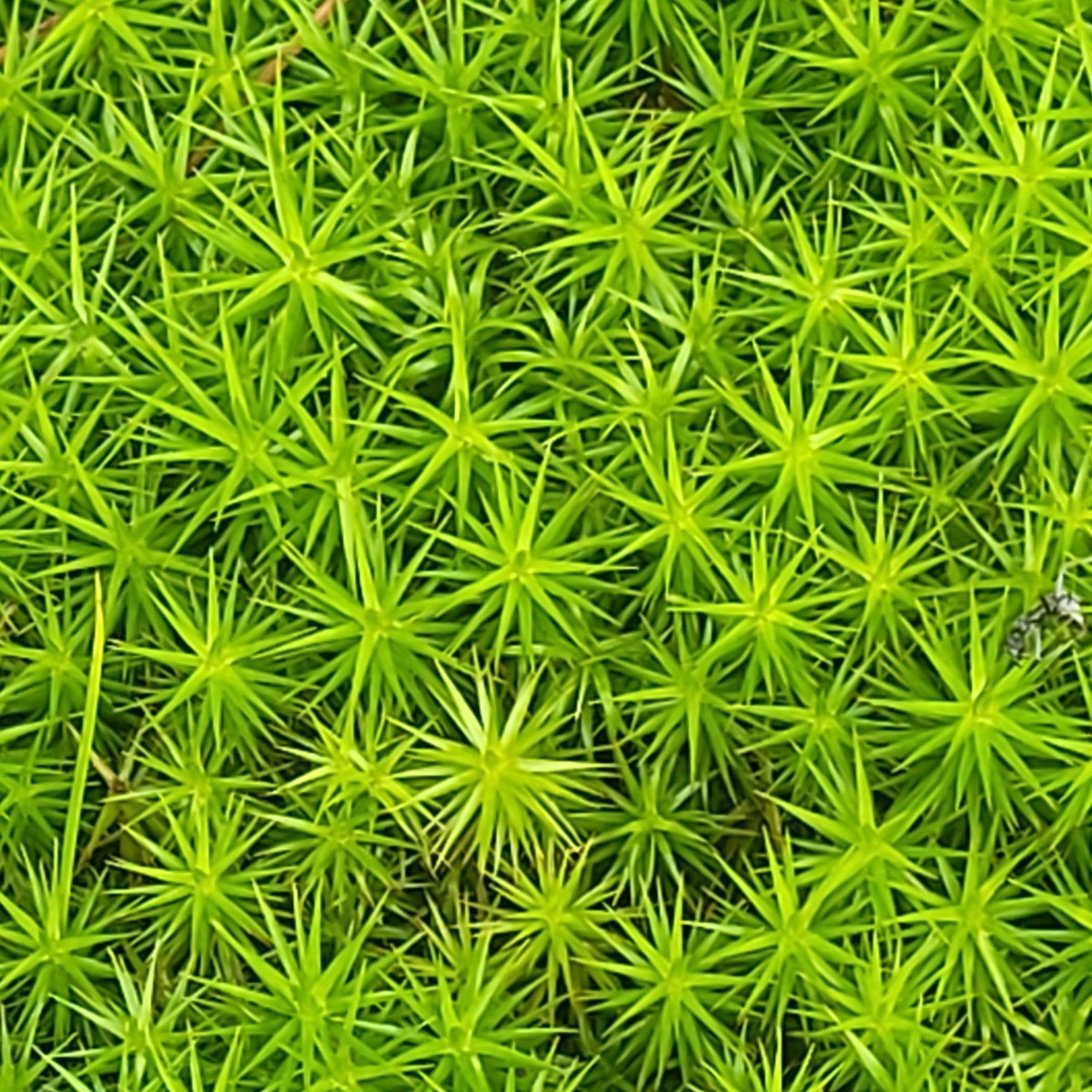

Photos from current listings. Actual item, color, and included accessories may vary.
Terrarium Moss Buying Guide
Terrarium moss is a functional microclimate tool—not just decor—used to buffer humidity, anchor moisture-loving plants, and provide cover for amphibians and inverts. The core trade-off is live vs. dried vs. preserved moss: live moss jumps humidity and supports bioactive cycles but needs light and consistent moisture; dried/preserved moss is decorative and short-lived unless rehydrated. The decision rule: buy live moss only for humid, planted enclosures with a cleanup crew; choose dried or preserved moss for arid setups or pure visual dressing.
Key takeaways
- Live moss (e.g., star moss, sheet moss) actively transpires and can raise enclosure humidity 10–20% when kept damp, unlike dried moss which only holds moisture passively.
- Sphagnum moss is the standard for humid hides and egg-laying boxes because its hollow cells absorb up to 20x their weight in water and resist mold longer than sheet moss.
- Preserved moss is chemically treated (glycerin or dye) to stay soft and green indefinitely but is not safe as a primary hide for reptiles that ingest it.
At a glance
- Category
- Reptile Substrate, Decor & Hides
- Last updated
- Nov 28, 2026
Current offers
Highlights
- Live moss (e.g., star moss, sheet moss) actively transpires and can raise enclosure humidity 10–20% when kept damp, unlike dried moss which only holds moisture passively.
- Sphagnum moss is the standard for humid hides and egg-laying boxes because its hollow cells absorb up to 20x their weight in water and resist mold longer than sheet moss.
- Preserved moss is chemically treated (glycerin or dye) to stay soft and green indefinitely but is not safe as a primary hide for reptiles that ingest it.
- Moss depth matters: a 1–2 inch layer holds humidity for small terrestrial setups; deeper layers risk anaerobic souring unless the enclosure has springtails or isopod cleanup crews.
Best use cases
- Best fit: tropical or bioactive vivarium with springtails/isopods and a planted foreground—use live star or sheet moss as a humidity buffer and visual ground cover.
- Best fit: humid hide or shedding box for ball pythons, cresties, or amphibians—pack long-fiber sphagnum moss damp (not dripping) and replace when it darkens or smells sour.
- Wrong fit: arid or desert setups (bearded dragons, leopard geckos)—live moss will crisp and die; use a dry hide or a small preserved-moss accent only.
- Skip: loose dried moss in a screen-top enclosure with high airflow—it dries in hours and offers no lasting humidity benefit; choose a closed-sided humid hide instead.
Buying tips
- For a 10-gallon terrestrial setup, plan 1–2 cups of dried sphagnum or a 4x4-inch live clump to cover a humid hide; buy by volume, not weight, since wet moss is heavy.
- Choose long-fiber sphagnum over milled or sheet moss for humid hides—the fibers create air pockets that hold moisture without packing into a dense, mold-prone mat.
- Live moss needs moderate indirect light (10–12 hours) and consistently damp substrate; if your enclosure runs below 50% humidity or has a hot basking spot direct on the moss, it will brown.
- Preserved moss is dye-set and glycerin-treated—rinse and soak before use, and never use it as the sole cover in a bioactive setup because it does not support a cleanup crew.
Specs
| Moss Type | Live / Dried Sphagnum / Preserved |
|---|---|
| Moisture Retention | Sphagnum: up to 20x weight |
| Best Enclosure | Tropical bioactive vs arid display |
| Cleanup Crew | Required for deep live-moss layers |
Related searches
What to check before buying
- Measure the footprint of your humid hide or foreground area: a 4x4-inch live clump covers roughly one small hide entrance; larger 12x12-inch sheets suit 20-gallon+ foregrounds.
- Match moss to enclosure humidity: live moss for 60–80% RH tropical/bioactive setups; dried sphagnum for humid hides in 40–60% RH setups; preserved moss for display-only arid vivariums.
- Confirm your enclosure has a cleanup crew (springtails or isopods) before adding a deep live-moss layer—otherwise damp moss soured by waste will mold within weeks.
- Check lighting: live moss needs a low-to-medium output LED or ambient room light; high-output plant LEDs or direct basking bulbs will scorch moss placed too close.
FAQ
Data sources: eBay / Amazon listings and product attribute feeds. Updated Nov 28, 2026.
Some links on this page are affiliate links. If you buy after clicking one, we may earn a commission at no extra cost to you. This does not change which products appear here or their order. Affiliate disclosure.