
Photos from current listings. Actual item, color, and included accessories may vary.
Freshwater Aquarium Sand Buying Guide
Freshwater aquarium sand is a fine-grain substrate (0.5–2 mm) chosen over gravel for rooted plants, bottom-dwelling fish, and a natural aesthetic, with the main trade-off being grain size and composition: inert silica or aragonite sands buffer or not, and fine sand compacts while coarse sand resists compaction. The decision rule is simple: pick chemically inert, pre-washed 1–2 mm sand for community and planted tanks, and reserve aragonite or coarse grades for cichlid or high-flow setups that demand them.
Key takeaways
- Grain size 1–2 mm is the sweet spot: fine enough for corydoras and plants, coarse enough to avoid anaerobic compaction and clouding.
- Inert silica or quartz sand is safe for all freshwater fish; aragonite or coral sand raises pH and hardness, suited only to African cichlids and livebearers.
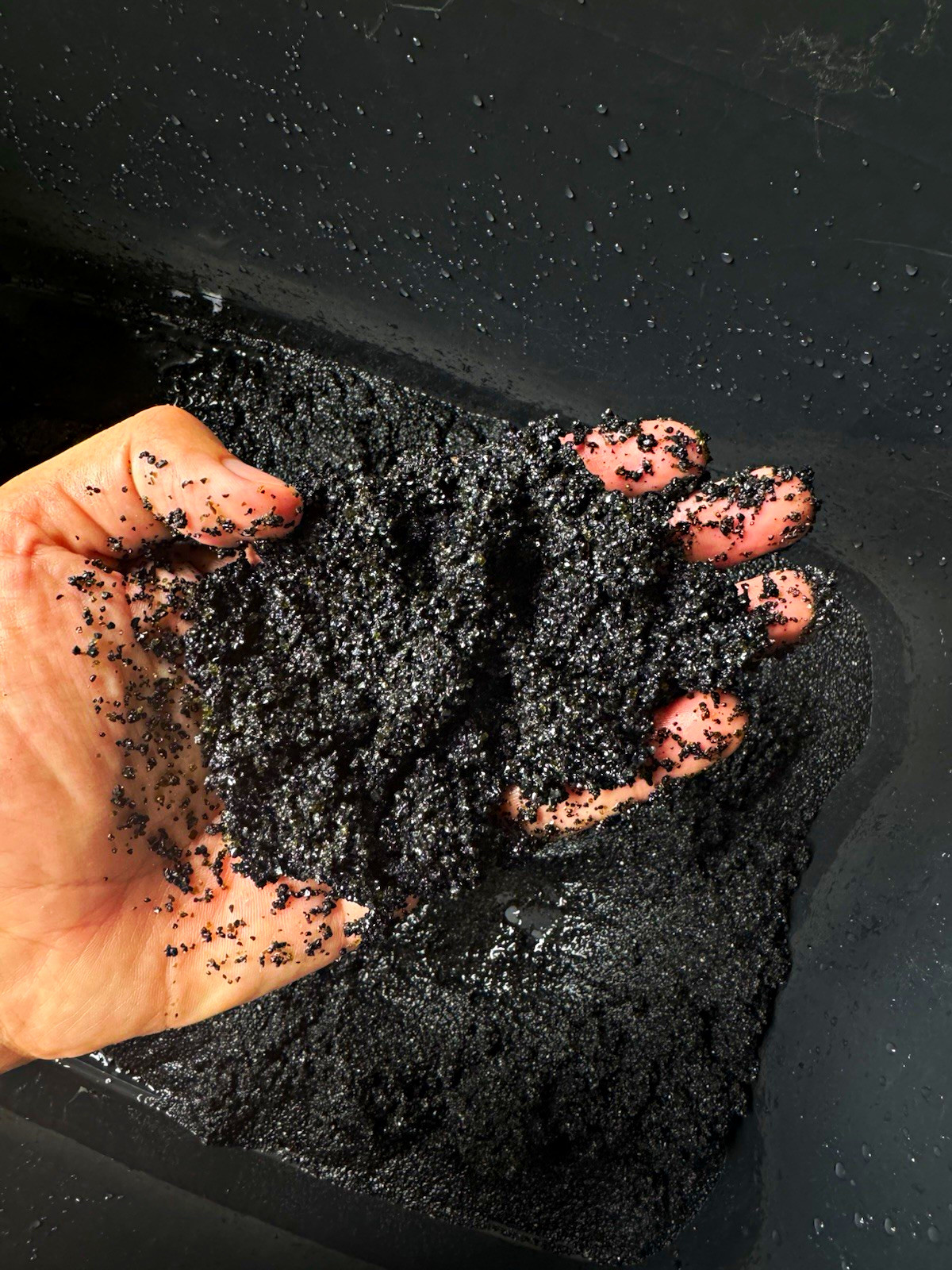
- Pre-washed sand cuts initial cloudiness, but all sand still needs rinsing until runoff is clear before tank placement.
At a glance
- Category
- Aquarium Substrate, Plants & Decor
- Last updated
- Nov 27, 2026
Current offers
Highlights
- Grain size 1–2 mm is the sweet spot: fine enough for corydoras and plants, coarse enough to avoid anaerobic compaction and clouding.
- Inert silica or quartz sand is safe for all freshwater fish; aragonite or coral sand raises pH and hardness, suited only to African cichlids and livebearers.
- Pre-washed sand cuts initial cloudiness, but all sand still needs rinsing until runoff is clear before tank placement.
- Sand bed depth of 1–2 inches supports plants and biological filtration; deeper beds risk anaerobic pockets without Malaysian trumpet snails or periodic stirring.
Best use cases
- Best fit: community tanks with corydoras, loaches, and rooted plants — choose inert 1–2 mm pre-washed sand at 1–2 inch depth.
- Best fit: African cichlid or livebearer tanks needing pH buffering — choose aragonite sand and skip inert silica.
- Wrong fit: high-flow river setups or tanks with large plecos — coarse gravel or a sand/gravel cap prevents shifting and clouding.
- Wrong fit: goldfish or digging cichlids that uproot plants — skip fine sand unless you anchor plants to rock or use coarse 2–3 mm grades.
Buying tips
- Calculate volume: length × width × desired depth in inches ÷ 10 gives pounds of sand for a 1-inch bed; double for 2 inches.
- Choose 1–2 mm grain for planted and bottom-dweller tanks; choose 2–3 mm for high-flow or large-fish tanks to resist displacement.
- Select inert silica/quartz sand unless you specifically need aragonite buffering; test with vinegar — fizzing indicates carbonate content.
- Rinse sand in a bucket until water runs clear; pre-washed labels reduce but do not eliminate this step.
Specs
| Grain Size | 1–2 mm fine / 2–3 mm coarse |
|---|---|
| Composition | Inert silica vs aragonite buffering |
| Bed Depth | 1–2 in planted / shallow for cichlids |
| Pre-Washed | Rinsed vs needs full rinsing |
Related searches
What to check before buying
- Measure tank length and width to calculate sand volume for a 1–2 inch bed before ordering.
- Confirm your fish species' pH and hardness needs to decide inert vs aragonite sand.
- Check filter intake height and flow direction; fine sand near intakes can be drawn in and damage impellers.
- Verify you have a bucket and hose for rinsing, plus a plan for capping or stirring deep beds to prevent anaerobic pockets.
FAQ
Data sources: eBay / Amazon listings and product attribute feeds. Updated Nov 27, 2026.
Some links on this page are affiliate links. If you buy after clicking one, we may earn a commission at no extra cost to you. This does not change which products appear here or their order. Affiliate disclosure.