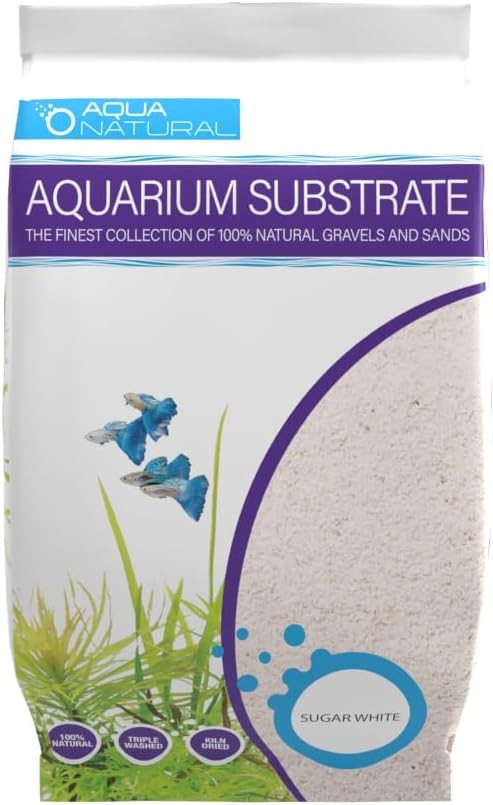

Photos from current listings. Actual item, color, and included accessories may vary.
Aquarium Sand Buying Guide
Aquarium sand is a fine-grain substrate that suits freshwater and marine tanks, offering a natural look and better waste visibility than gravel, but the main trade-off is grain size and composition: fine sand packs tightly and can compact, suffocating plant roots and creating anaerobic pockets, while coarse sand or aragonite-based sand alters water chemistry. Choose inert, rounded-grain sand with a grain size of 1–2 mm for most freshwater setups, and avoid silica-based or aragonite sand unless you specifically need pH buffering for African cichlids or marine tanks.
Median $24.99
Key takeaways
- Grain size 0.5–1 mm is ideal for planted tanks but compacts; 1–2 mm balances root oxygenation and waste visibility; above 2 mm behaves like gravel.
- Silica sand is chemically inert but can trap debris and scratch glass during cleaning; aragonite sand dissolves and raises pH and hardness (KH/GH) for cichlid and saltwater tanks.
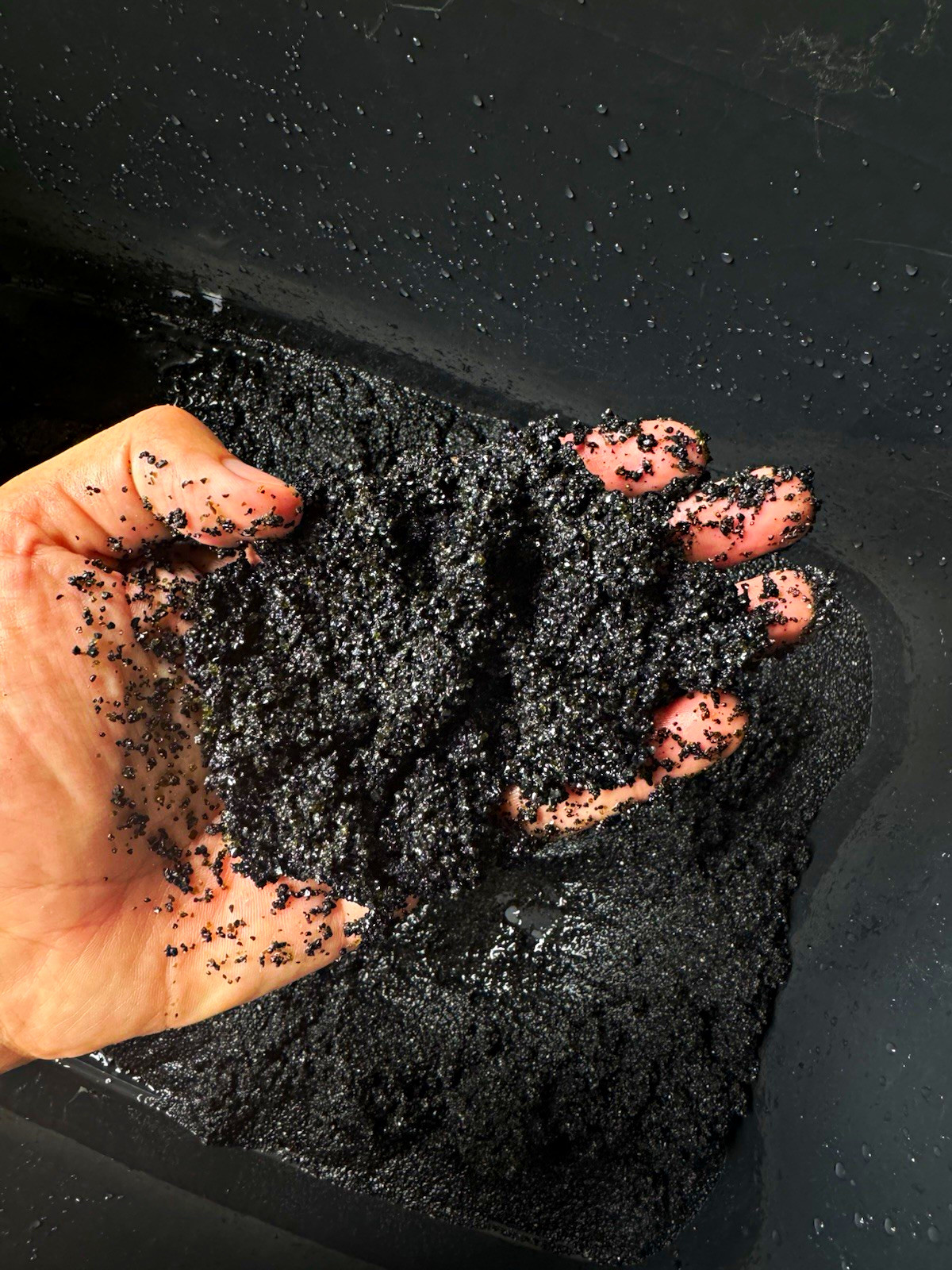
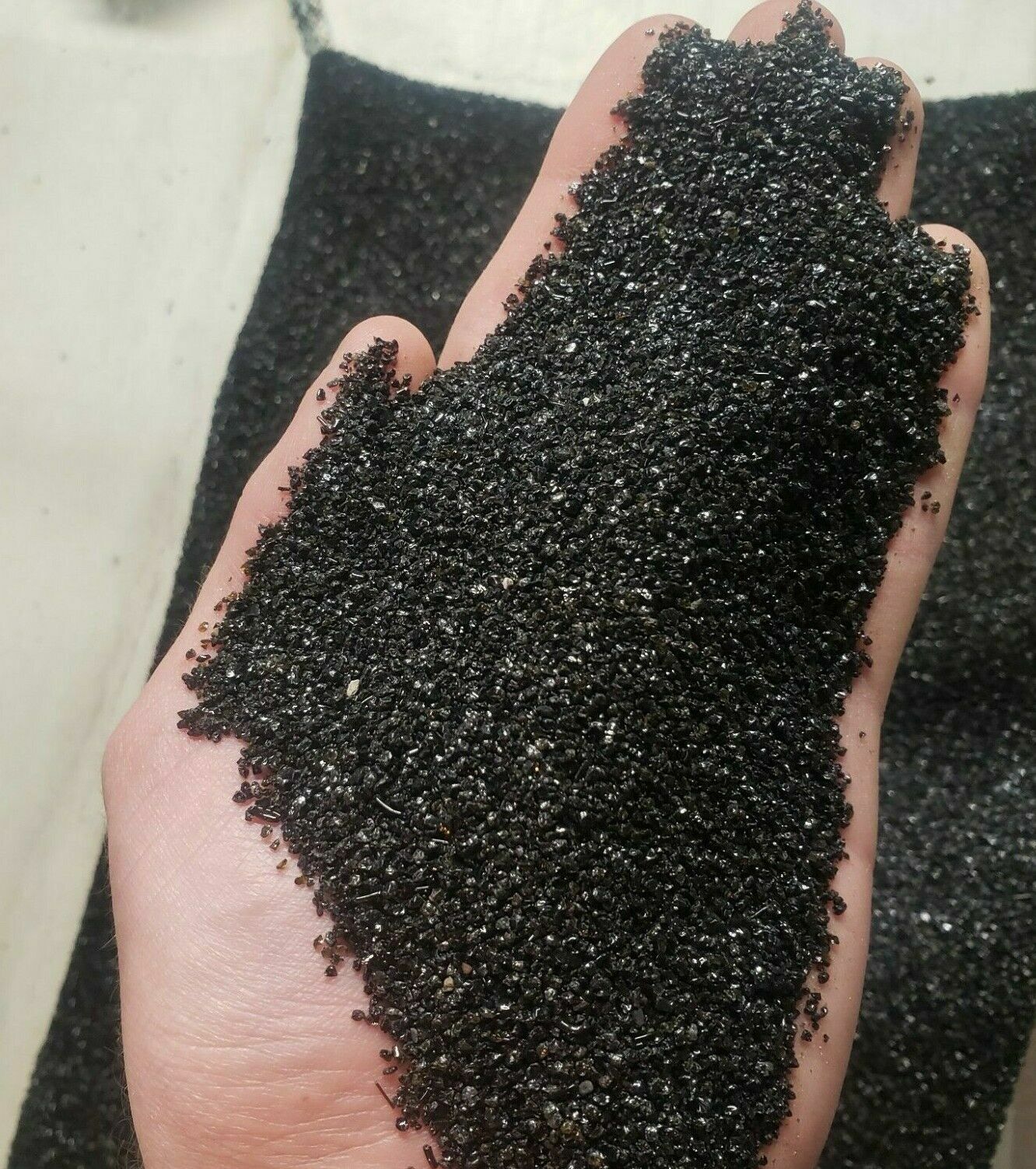
- Pre-washed sand still requires rinsing—fine dust clouds water for days; black sand hides detritus but shows light-colored fish waste more than off-white sand.
At a glance
- Category
- Aquarium Substrate, Plants & Decor
- Last updated
- Nov 27, 2026
Current offers
Highlights
- Grain size 0.5–1 mm is ideal for planted tanks but compacts; 1–2 mm balances root oxygenation and waste visibility; above 2 mm behaves like gravel.
- Silica sand is chemically inert but can trap debris and scratch glass during cleaning; aragonite sand dissolves and raises pH and hardness (KH/GH) for cichlid and saltwater tanks.
- Pre-washed sand still requires rinsing—fine dust clouds water for days; black sand hides detritus but shows light-colored fish waste more than off-white sand.
- Sand depth of 1–2 inches (2.5–5 cm) prevents anaerobic pockets; deeper beds need Malaysian trumpet snails or periodic stirring to avoid hydrogen sulfide.
Best use cases
- Best for freshwater community tanks with bottom-dwellers like corydoras—choose rounded 1–2 mm inert sand (off-white or black) to prevent barbel damage; skip sharp angular sand.
- Ideal for planted aquariums—select 1–2 mm sand over a nutrient base layer, or use a sand-only setup with root tabs; avoid fine 0.5 mm sand that compacts and starves roots.
- Wrong fit for African cichlid or marine tanks needing pH stability—use aragonite sand instead of inert silica or quartz sand; for high-flow tanks, skip fine sand that blows around.
Buying tips
- Calculate volume: length × width × depth (in inches) ÷ 20 gives pounds of sand for a 1-inch layer; double for 2 inches. A 20-gallon long (30×12 in) needs about 18 lb per inch.
- Choose inert quartz or silica sand for freshwater; aragonite or crushed coral sand for cichlid and saltwater. Test with vinegar—aragonite fizzes, inert sand does not.
- Rinse sand in a bucket until runoff is clear—expect 10–20% loss to dust; pre-washed labels reduce but do not eliminate this step.
- For planted tanks, cap a 1-inch soil or clay layer with 1–2 inches of 1–2 mm sand; avoid sand deeper than 2 inches unless you add trumpet snails.
Specs
| Grain Size | 0.5–2 mm (1–2 mm best) |
|---|---|
| Composition | Inert quartz/silica vs aragonite |
| Water Effect | Inert (neutral) or pH/KH buffering |
| Bed Depth | 1–2 in (2.5–5 cm) typical |
Related searches
What to check before buying
- Measure tank footprint and desired depth—1–2 inches for most setups; 3+ inches only with snails or deep-sand methodology.
- Confirm water chemistry goal—inert sand for neutral pH; aragonite sand for pH 8.0+ and KH 8–12 for cichlids or marine.
- Check grain size on the label—0.5–1 mm for fine carpet look, 1–2 mm for general use, 2–3 mm for high-flow or large fish.
- Verify compatibility with bottom-dwellers and filters—rounded grains for corydoras and loaches; avoid fine sand with power filters that intake near the substrate.
FAQ
Data sources: eBay / Amazon listings and product attribute feeds. Updated Nov 27, 2026.
Some links on this page are affiliate links. If you buy after clicking one, we may earn a commission at no extra cost to you. This does not change which products appear here or their order. Affiliate disclosure.