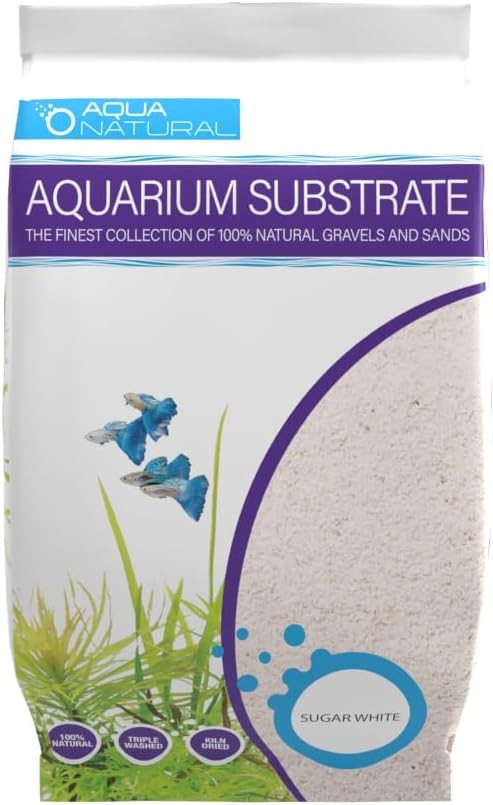

Photos from current listings. Actual item, color, and included accessories may vary.
Aquarium Substrate Buying Guide
Aquarium substrate is the base layer that anchors plants, buffers water chemistry, and defines the biological filtration capacity of a tank. The primary trade-off separates inert, easy-to-vacuum sands and gravels from active, nutrient-rich or buffering soils that cost more and require specific handling. Choose inert media for low-tech or fish-only setups and active soils only when you need root feeding or pH stabilization for demanding plants.
Median $24.99
Key takeaways
- Inert substrates (quartz sand, gravel) do not alter pH or hardness; active soils (ADA Amazonia, Fluval Stratum) release ammonia initially and buffer KH down for acidic, soft-water species.
- Sand grain 0.5-1.5 mm packs tightly and suits corydoras and loaches; gravel 2-3 mm allows better water flow but traps more detritus without deep vacuuming.
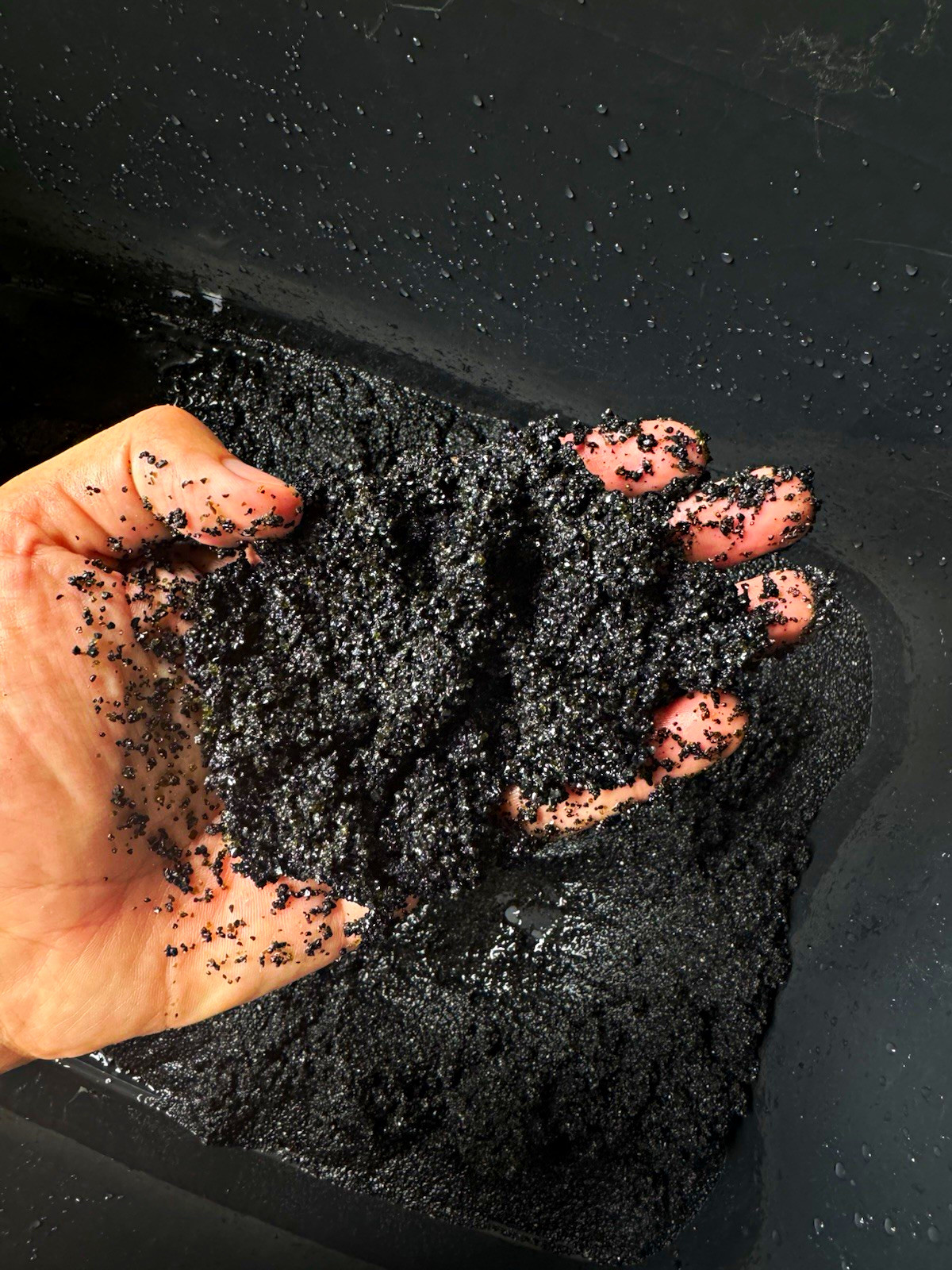
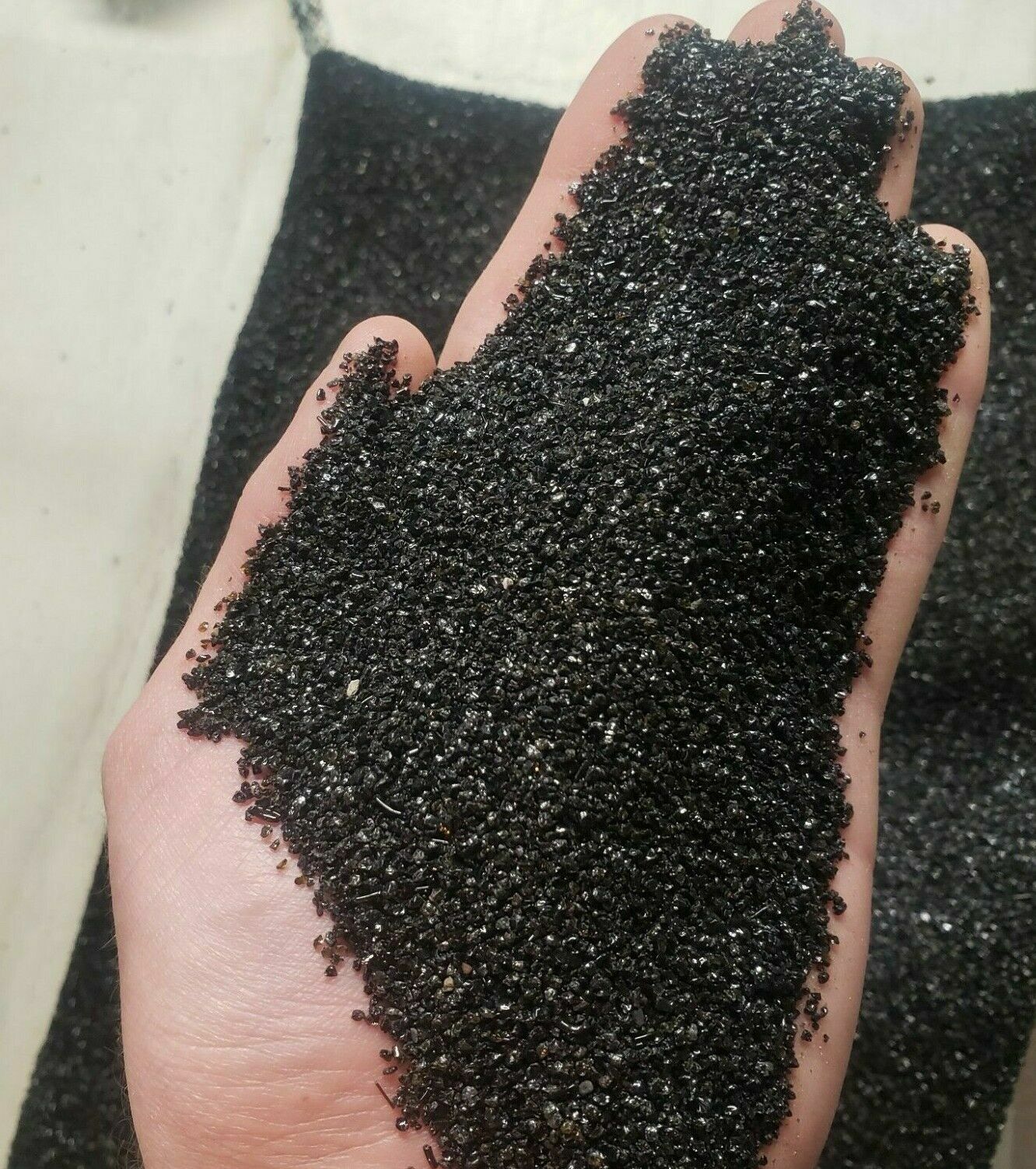
- Black and dark substrates reduce light reflection, lower stress in shy fish, and make plant colors and fish hues appear more saturated than white or off-white sand.
At a glance
- Category
- Aquarium Substrate, Plants & Decor
- Last updated
- Nov 27, 2026
Current offers
Highlights
- Inert substrates (quartz sand, gravel) do not alter pH or hardness; active soils (ADA Amazonia, Fluval Stratum) release ammonia initially and buffer KH down for acidic, soft-water species.
- Sand grain 0.5-1.5 mm packs tightly and suits corydoras and loaches; gravel 2-3 mm allows better water flow but traps more detritus without deep vacuuming.
- Black and dark substrates reduce light reflection, lower stress in shy fish, and make plant colors and fish hues appear more saturated than white or off-white sand.
- Substrate depth of 2-3 inches (5-7.5 cm) supports rooted plants; deeper beds over 4 inches risk anaerobic pockets unless you use a coarse base or Malaysian trumpet snails.
Best use cases
- Plant-heavy low-tech or high-tech tanks: pick a nutrient-rich active soil capped with fine gravel or sand; skip inert sand alone unless you rely entirely on water-column dosing.
- Fish-only or quarantine tanks: choose inert quartz sand or smooth gravel that will not leach minerals or shift pH; skip buffering soils that complicate medication and water changes.
- Corydoras, loaches, and bottom-dwellers: select rounded 0.5-1.5 mm sand to protect barbels; skip sharp crushed glass or angular gravel that causes abrasions.
Buying tips
- Calculate volume: length x width x desired depth in inches divided by 10 gives approximate pounds for a 2-inch bed in a standard rectangular tank; add 20% for sloped scapes.
- Match grain size to stock: 0.5-1.5 mm for sand-sifters and planted carpets, 2-3 mm for general community tanks, 3-5 mm for cichlid diggers that need stable mounds.
- Rinse inert sand and gravel in a bucket until runoff clears before adding to the tank; never rinse active soils, which destroys their structural pellets and releases fines.
- For active soils, expect an ammonia spike in the first 2-4 weeks; cycle the tank fully or run Seachem Prime/ammonia binder before adding livestock.
Specs
| Substrate Type | Inert sand / gravel / active soil |
|---|---|
| Grain Size | 0.5-1.5 mm sand / 2-5 mm gravel |
| pH Effect | Inert neutral / soil buffers to 6.0-6.8 |
| Bed Depth | 2-3 in (5-7.5 cm) for plants |
Related searches
What to check before buying
- Measure tank length and width inside the frame; a 2-inch bed in a 20-gallon long (30 x 12 in) needs roughly 7-8 dry gallons of substrate or about 70-80 lb of sand.
- Confirm your filter intake height; sand beds below 2 inches can be sucked into hang-on-back or canister intakes unless you add a pre-filter sponge.
- Check livestock requirements: soft-water species (discus, cardinal tetras) benefit from buffering soil, while livebearers and African cichlids need inert gravel or sand that holds pH 7.4-8.2.
- Verify plug and voltage for any substrate heater cable or under-gravel system; most are 110-120V US-standard, and 220-240V units require a step-down transformer.
FAQ
Data sources: eBay / Amazon listings and product attribute feeds. Updated Nov 27, 2026.
Some links on this page are affiliate links. If you buy after clicking one, we may earn a commission at no extra cost to you. This does not change which products appear here or their order. Affiliate disclosure.