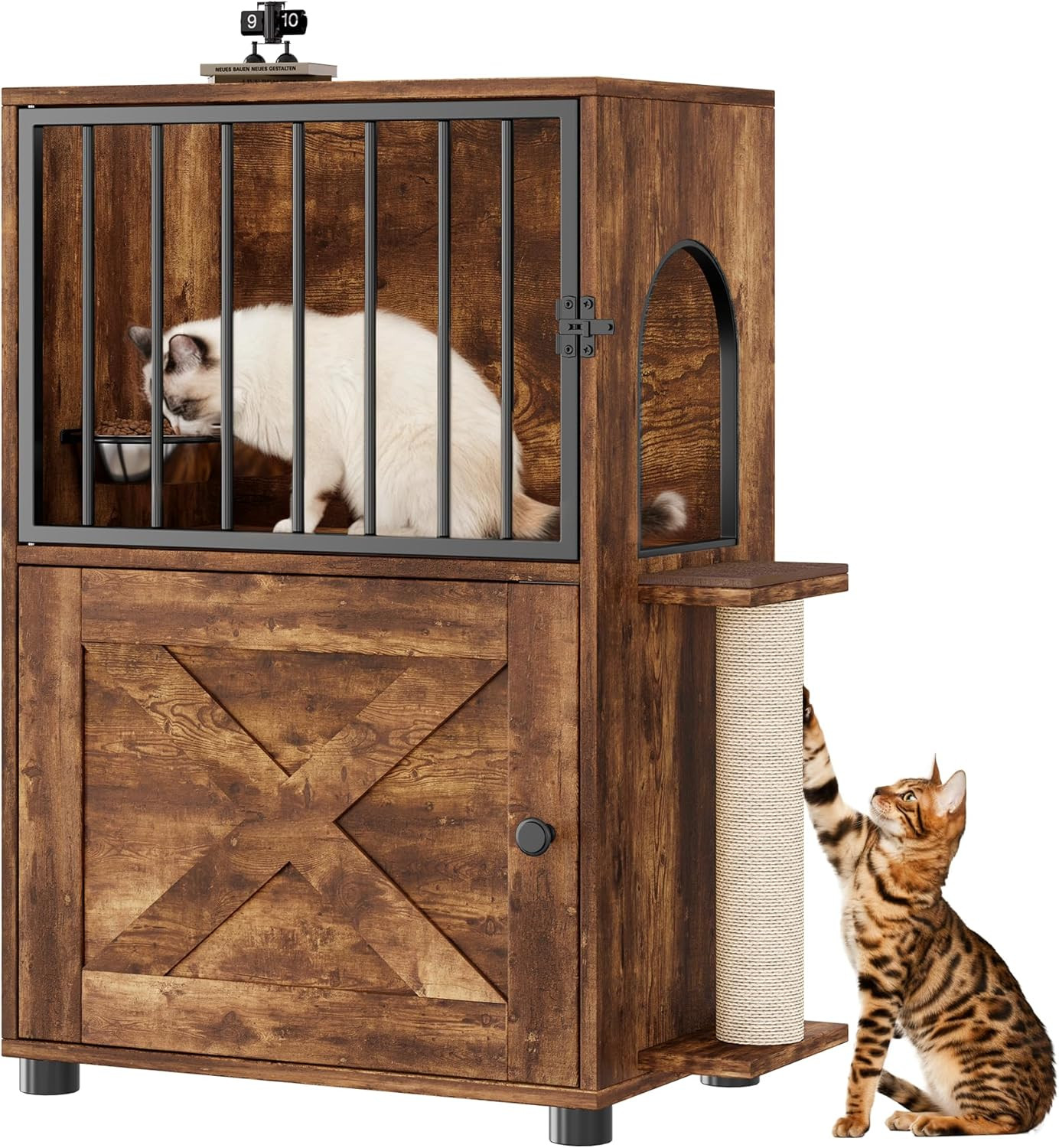

Photos from current listings. Actual item, color, and included accessories may vary.
Elevated Cat Food Bowl Buying Guide
An elevated cat food bowl is a raised feeding station — typically a tilted or flat bowl set 2–6 inches off the floor — that reduces neck strain, improves digestion posture, and keeps whiskers clear of the rim. The core trade-off is stable, easy-clean construction (ceramic or stainless over a weighted base) versus cheap plastic risers that flex, slide, and harbor bacteria. The decision rule: buy a bowl whose rim height matches your cat's elbow-to-floor measurement and whose dish material is ceramic or 304 stainless; skip anything with a plastic bowl or an unweighted base.
Key takeaways
- Bowl material drives hygiene and durability: glazed ceramic and 304 stainless resist scratches and odor; plastic scratches into bacteria-harboring grooves and is the most common cause of feline chin acne.
- Height should match the cat's elbow-to-floor measurement, typically 2–4 in for kittens and small adults, 4–6 in for large breeds like Maine Coons; most fixed risers ship at 3–5 in.
- A tilted 15–30° bowl reduces whisker contact and neck flexion — the reason 'whisker fatigue' bowls outsell flat elevated bowls for wet food.
At a glance
- Category
- Pet Bowls & Feeders
- Last updated
- Nov 28, 2026
Current offers
Highlights
- Bowl material drives hygiene and durability: glazed ceramic and 304 stainless resist scratches and odor; plastic scratches into bacteria-harboring grooves and is the most common cause of feline chin acne.
- Height should match the cat's elbow-to-floor measurement, typically 2–4 in for kittens and small adults, 4–6 in for large breeds like Maine Coons; most fixed risers ship at 3–5 in.
- A tilted 15–30° bowl reduces whisker contact and neck flexion — the reason 'whisker fatigue' bowls outsell flat elevated bowls for wet food.
- Base mass and non-slip feet determine tip resistance: a weighted ceramic dish or a steel bowl in a 1 lb+ weighted stand stays put; hollow plastic risers slide and spill on tile.
Best use cases
- Pick a 2–3 in ceramic tilted bowl for a kitten or small adult cat eating wet food — low rim height prevents shoulder hunching and the tilt keeps whiskers off the sides.
- Choose a 4–6 in stainless bowl in a weighted stand for a large breed (Maine Coon, Ragdoll) or a senior cat with arthritis — the taller rim removes neck flexion and the heavier base prevents tipping.
- Skip elevated bowls entirely for a cat that eats dry food from a slow-feeder or puzzle — those feeders are floor-level by design, and raising them breaks the maze geometry.
- Pick a double-bowl elevated station with separate food and water dishes only if you want one footprint; otherwise two single bowls let you set water height differently from food height.
Buying tips
- Measure elbow-to-floor while the cat stands relaxed; match bowl rim to that number within ±0.5 in. A rim above elbow height forces the cat to reach down, defeating the purpose.
- Require a 304 stainless or glazed ceramic dish that is top-rack dishwasher safe; unglazed ceramic and melamine are porous and should be skipped regardless of price.
- Check the base footprint against your feeding mat: a stand narrower than 8 in across tips when a cat paws at the rim; weighted stands with rubber feet are the stable choice on tile and hardwood.
- For multi-cat homes, buy one bowl per cat plus one spare rather than a shared double station — shared elevated bowls spread upper respiratory and parasite exposure.
Specs
| Bowl Material | Glazed ceramic / 304 stainless vs plastic |
|---|---|
| Rim Height | 2–6 in (match elbow-to-floor) |
| Bowl Tilt | Flat 0° vs tilted 15–30° |
| Base Stability | Weighted + rubber feet vs hollow plastic |
Related searches
What to check before buying
- Measure your cat's elbow-to-floor height standing and its nose-to-tail length; confirm the bowl rim sits at elbow height and the dish is at least 5 in wide for dry food.
- Measure the feeding spot: the stand's footprint plus 2 in clearance on all sides; elevated bowls against a wall can trap a cat's tail and cause spill-refusal.
- Confirm the dish material is marked 304 stainless or food-safe glazed ceramic and is dishwasher safe; plastic and bamboo-fiber dishes are not durable options.
- Check the floor surface: rubber-footed or weighted bases are required on tile and hardwood; on carpet, a wider flat base prevents rocking.
FAQ
Data sources: eBay / Amazon listings and product attribute feeds. Updated Nov 28, 2026.
Some links on this page are affiliate links. If you buy after clicking one, we may earn a commission at no extra cost to you. This does not change which products appear here or their order. Affiliate disclosure.