
Photos from current listings. Actual item, color, and included accessories may vary.
Heat Lamp Buying Guide
A reptile heat lamp is a basking fixture (dome, dual-dome, or ceramic socket) paired with a bulb type that delivers the correct infrared spectrum and basking temperature for your species. The core trade-off is fixture wattage rating and socket material versus the heat output and UVB needs of your reptile; under-rated plastic sockets and unregulated dimmers are the main failure points. The decision rule: match fixture wattage to your bulb, use ceramic sockets for anything above 100W, and pair UVB bulbs only with species that require them.
Median $137.79 · New listings
Key takeaways
- Ceramic E27 sockets rated to 250W handle high-wattage basking bulbs without melting; plastic E26 sockets deform above 100W continuous duty.
- Dual-dome fixtures let you run a daytime heat/UVB bulb and a nighttime ceramic heat emitter (CHE) on separate circuits, avoiding light at night.
- UVB bulbs (e.g., 10.0 desert, 5.0 tropical) output usable UVB only within a specific distance band; without UVB, calcium metabolism fails in diurnal species.
At a glance
- Category
- Reptile Heat & UVB Lighting
- Last updated
- Nov 27, 2026
Current offers
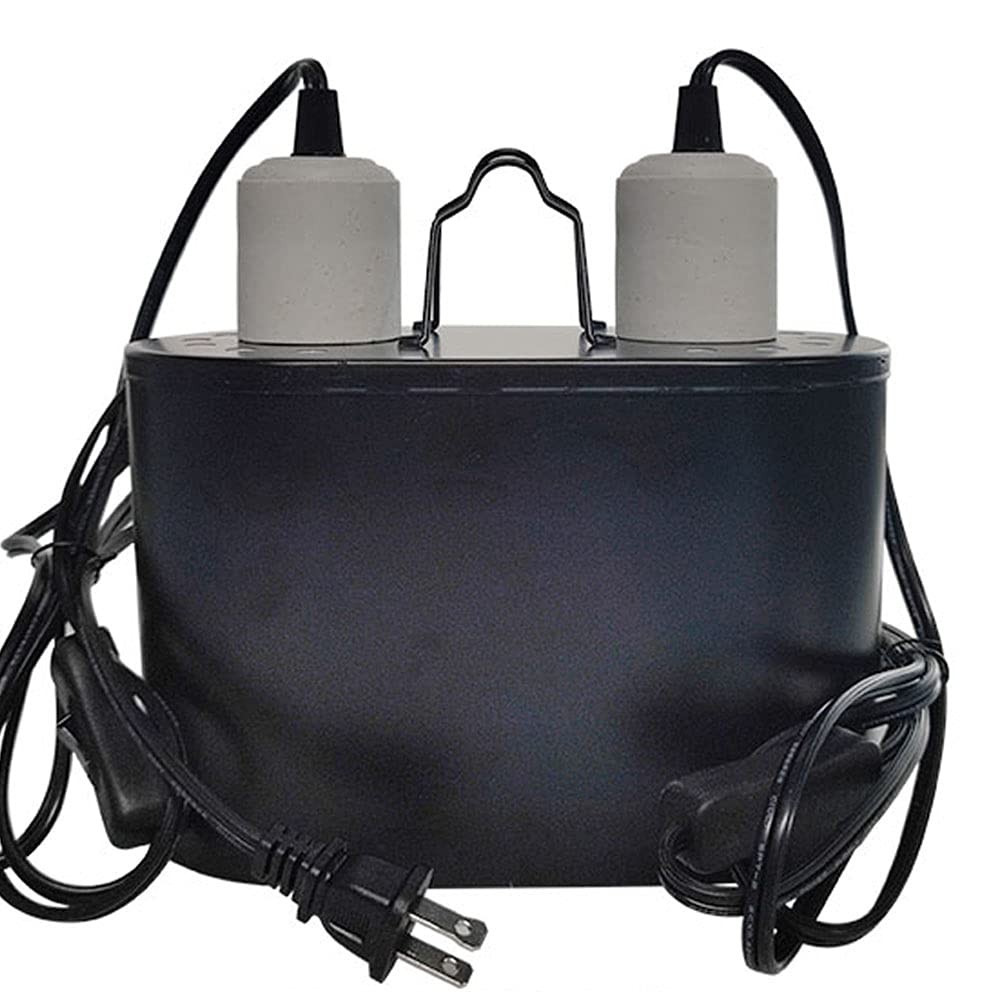 Dual Reptile Heat Lamp Fixture E27 UVB Dome Light for Turtle Snake Tank$36.51View on eBay
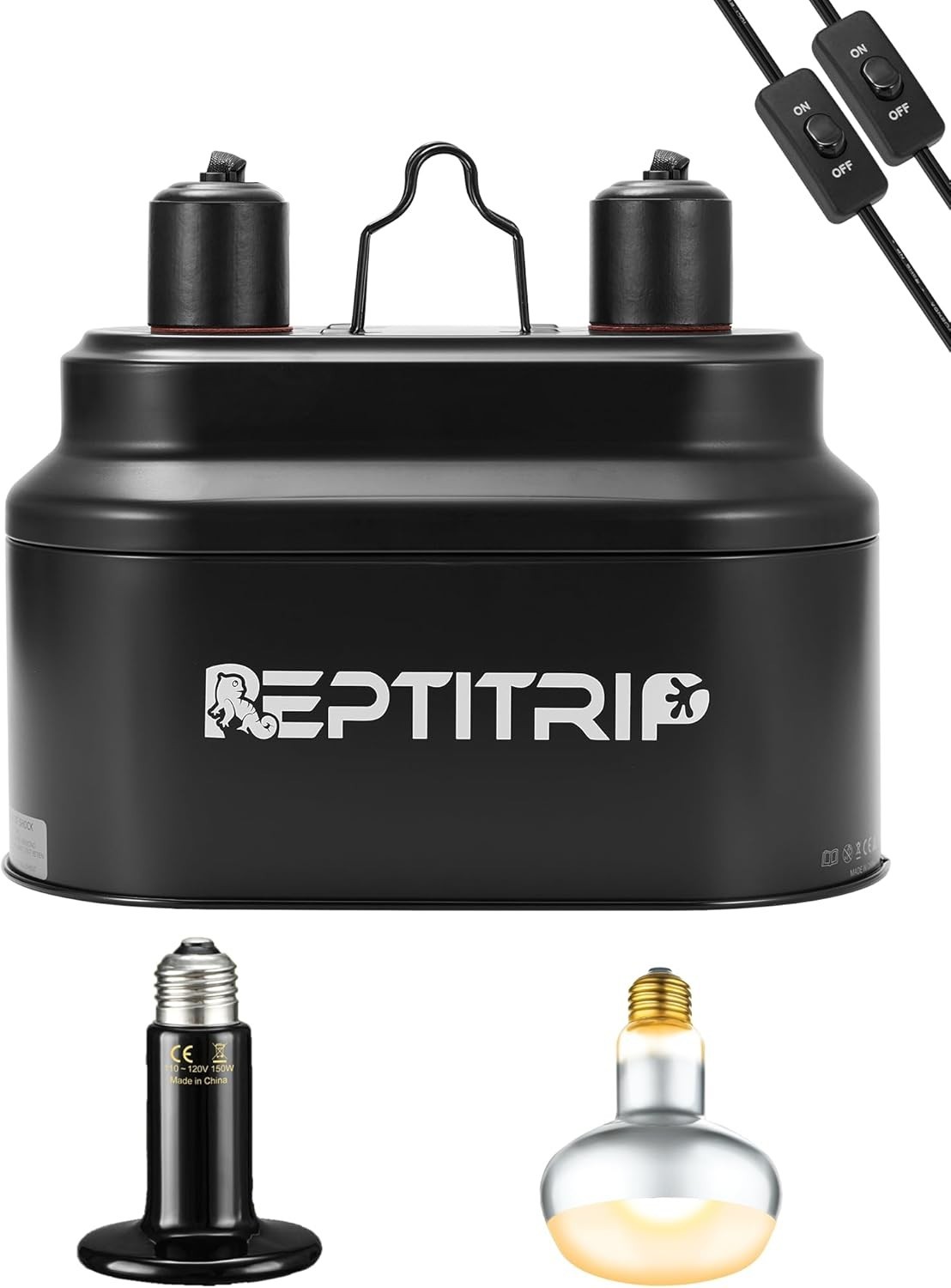 Dual Reptile Heat Lamp Fixture 100W Day Heat Bulb & 100W Ceramic Heater No UVB$42.99View on eBay
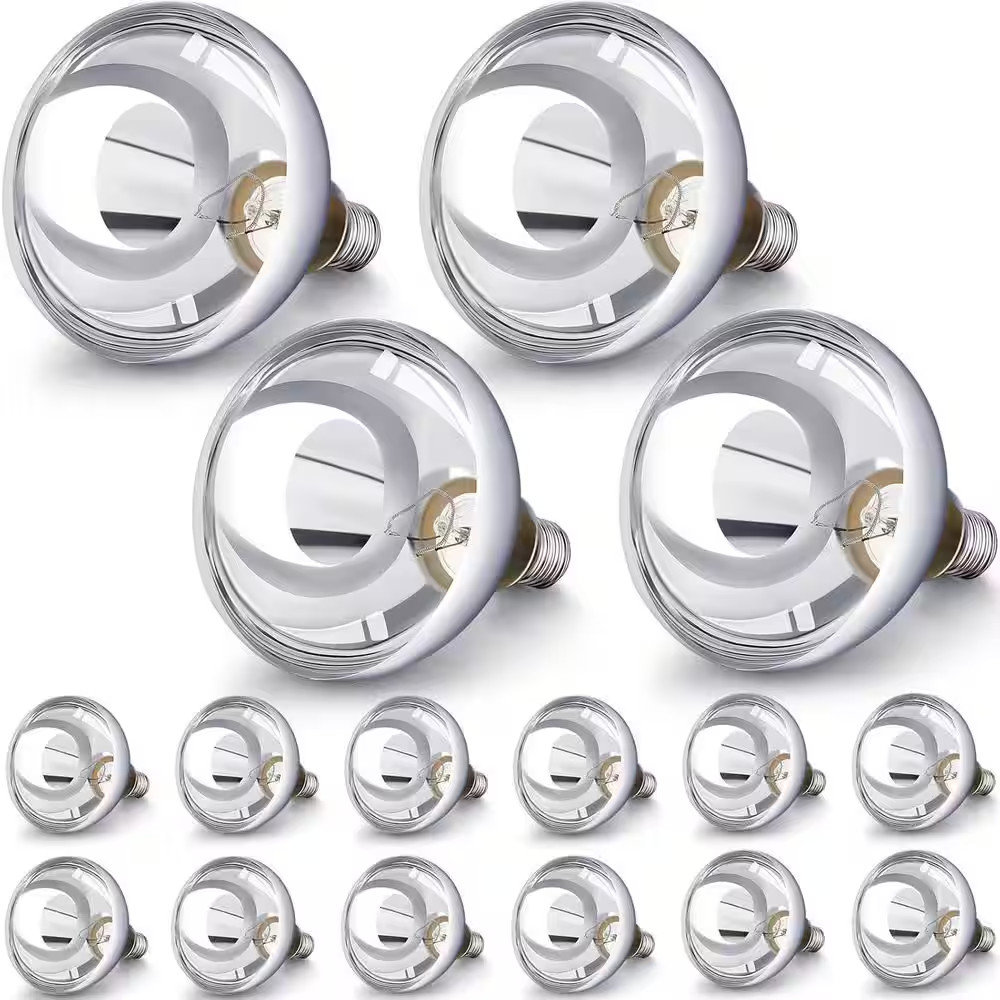 A19 250W R40 E26 Base Soft White (2700K) Heat Lamp Bulbs, 120V for Reptiles and$232.59New · Last checked Nov 16, 2026View on eBay
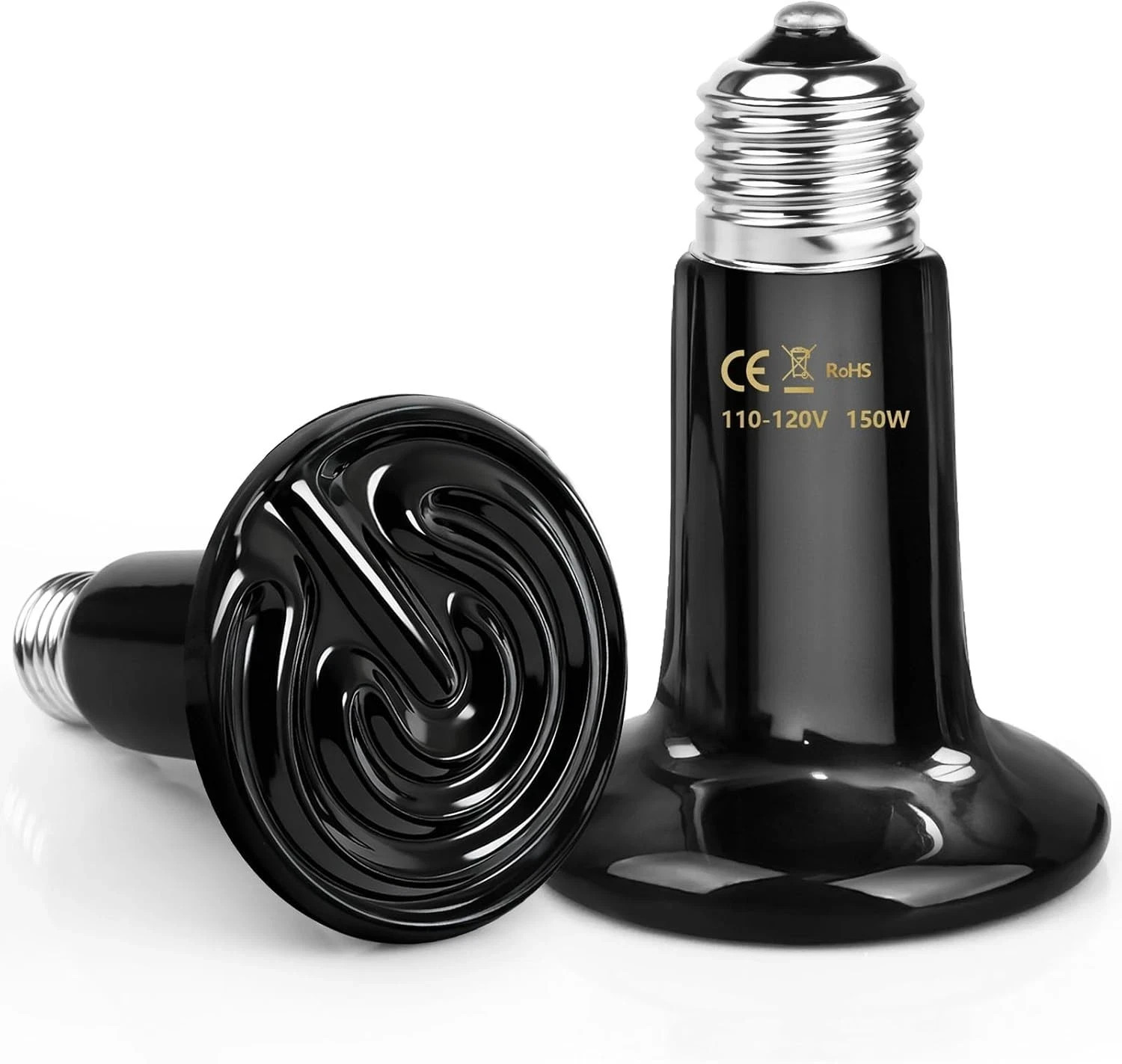 Ceramic Heat Emitter,150W Reptile Heat Lamp Bulb, No Light for Amphibian$1,229.00New · Last checked Nov 16, 2026View on eBay
Highlights
- Ceramic E27 sockets rated to 250W handle high-wattage basking bulbs without melting; plastic E26 sockets deform above 100W continuous duty.
- Dual-dome fixtures let you run a daytime heat/UVB bulb and a nighttime ceramic heat emitter (CHE) on separate circuits, avoiding light at night.
- UVB bulbs (e.g., 10.0 desert, 5.0 tropical) output usable UVB only within a specific distance band; without UVB, calcium metabolism fails in diurnal species.
- Ceramic heat emitters (CHEs) produce infrared heat with zero visible light and fit standard E27 sockets, ideal for nocturnal species and night cycles.
Best use cases
- Bearded dragon: pick a single or dual dome with a 100-150W basking bulb plus a 10.0 UVB tube or compact; skip pure CHE-only setups for daytime basking.
- Leopard gecko: use a 50-75W basking bulb or CHE on a thermostat; skip high-output 10.0 UVB unless you provide a shaded retreat and correct distance.
- Turtle: choose a dual-dome with a 100W basking bulb and a 5.0-10.0 UVB compact over the dock; skip under-tank heaters alone, which do not replicate basking light.
- Ball python: pick a CHE or radiant heat panel on a thermostat for 24/7 heat; skip bright basking bulbs that disrupt nocturnal behavior.
Buying tips
- Match bulb wattage to fixture rating: never exceed the socket's max wattage, and add 20% headroom for dimmers and thermostats.
- Use ceramic sockets for bulbs above 100W; plastic sockets are only safe for low-wattage LED or compact fluorescent bulbs.
- For UVB, select a bulb whose output matches the species' Ferguson zone: 5.0 for tropical/crepuscular, 10.0 for desert/basking species.
- Pair every heat source with a thermostat or dimmer; uncontrolled bulbs can spike basking spots above safe temperatures within minutes.
Specs
| Socket Type | Ceramic E27 vs Plastic E26 |
|---|---|
| Max Wattage | 100W / 150W / 250W ceramic |
| Fixture Style | Single dome / Dual dome / Clamp |
| Bulb Compatibility | Basking / UVB / CHE / LED |
Related searches
What to check before buying
- Measure your enclosure's basking spot distance: UVB output and heat intensity drop sharply beyond the bulb's rated distance band.
- Confirm your fixture fits the enclosure's screen or hood: dome diameter and clamp style must match the mesh opening and rim.
- Check your home's voltage and plug standard (120V US vs 230V EU) and confirm the fixture includes the correct plug.
- Verify you have a thermostat or dimmer rated for the total wattage before running any bulb above 50W.
FAQ
Data sources: eBay / Amazon listings and product attribute feeds. Updated Nov 27, 2026.
Some links on this page are affiliate links. If you buy after clicking one, we may earn a commission at no extra cost to you. This does not change which products appear here or their order. Affiliate disclosure.