
Photos from current listings. Actual item, color, and included accessories may vary.
Ultrasonic Dog Training Device Buying Guide
Ultrasonic dog training devices are handheld or bark-activated emitters that use high-frequency sound (typically 20–30 kHz) to interrupt barking or unwanted behavior without physical contact. The core trade-off is frequency range and activation trigger: fixed-frequency, manual-press units are cheap but easy for dogs to habituate to, while multi-frequency bark-activated units deliver consistent correction. Choose a device with at least 3 frequency options, a 10–30 ft effective range, and bark-detection triggering if you need hands-free deterrence; skip single-tone keychain repellers for any serious training.
Median $11.99
Key takeaways
- Effective ultrasonic deterrence requires 20–30 kHz output; devices rated below 20 kHz or above 30 kHz fall outside typical canine hearing sensitivity and underperform.
- Bark-activated units use a microphone with a 5–15 ft trigger range and auto-fire in under 0.5 seconds, while manual units require the owner to press within line of sight.
- Multi-frequency emitters cycle 3–4 tones to reduce canine habituation; single-tone devices lose effectiveness after 2–4 weeks of repeated exposure.
At a glance
- Category
- Pet Training Gear
- Last updated
- Nov 27, 2026
Current offers
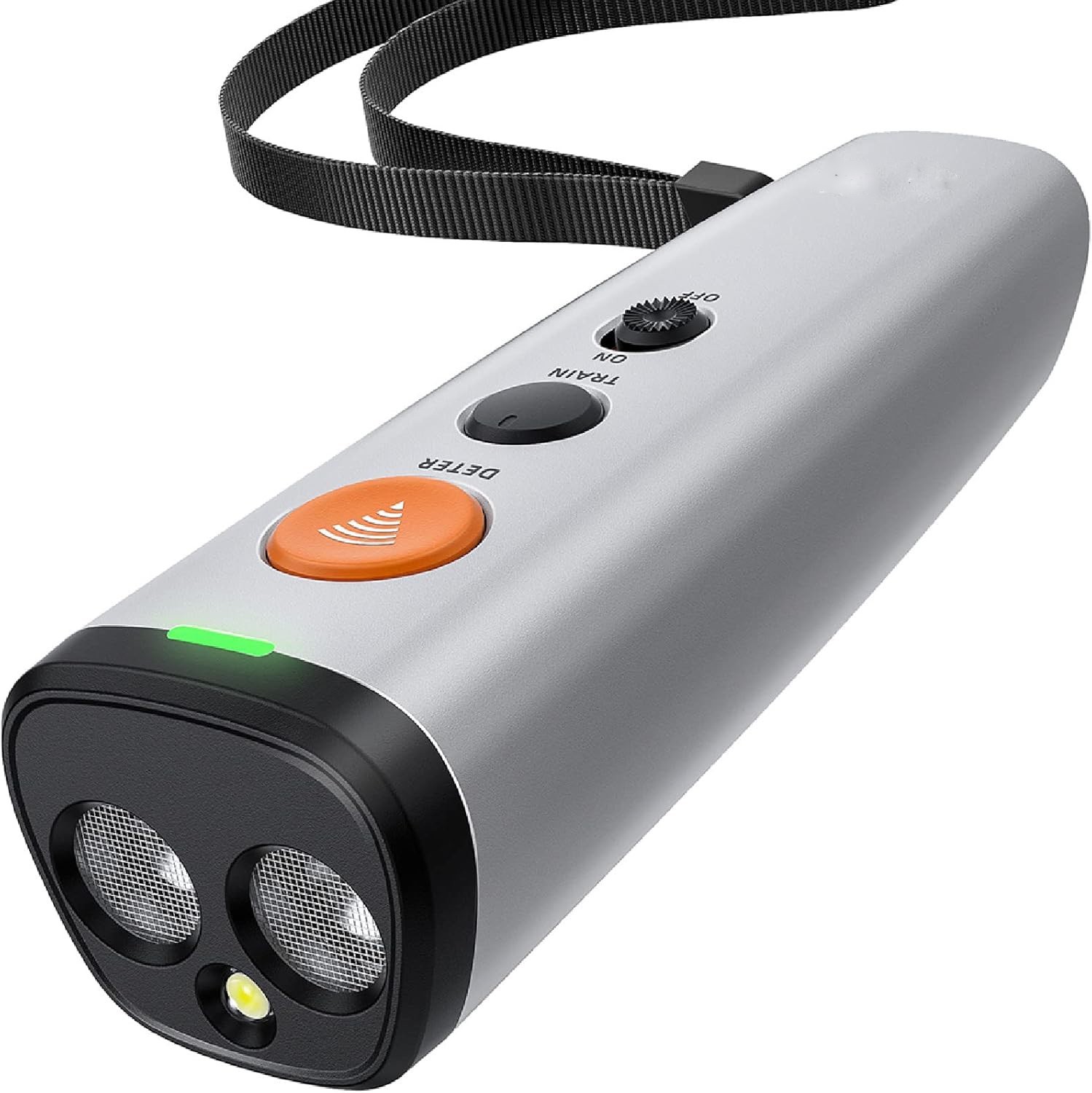 Ultrasonic Dog Repeller Anti Bark Device Stop Barking Humane Pet Training Tool$11.99Last checked Nov 24, 2026View on eBay
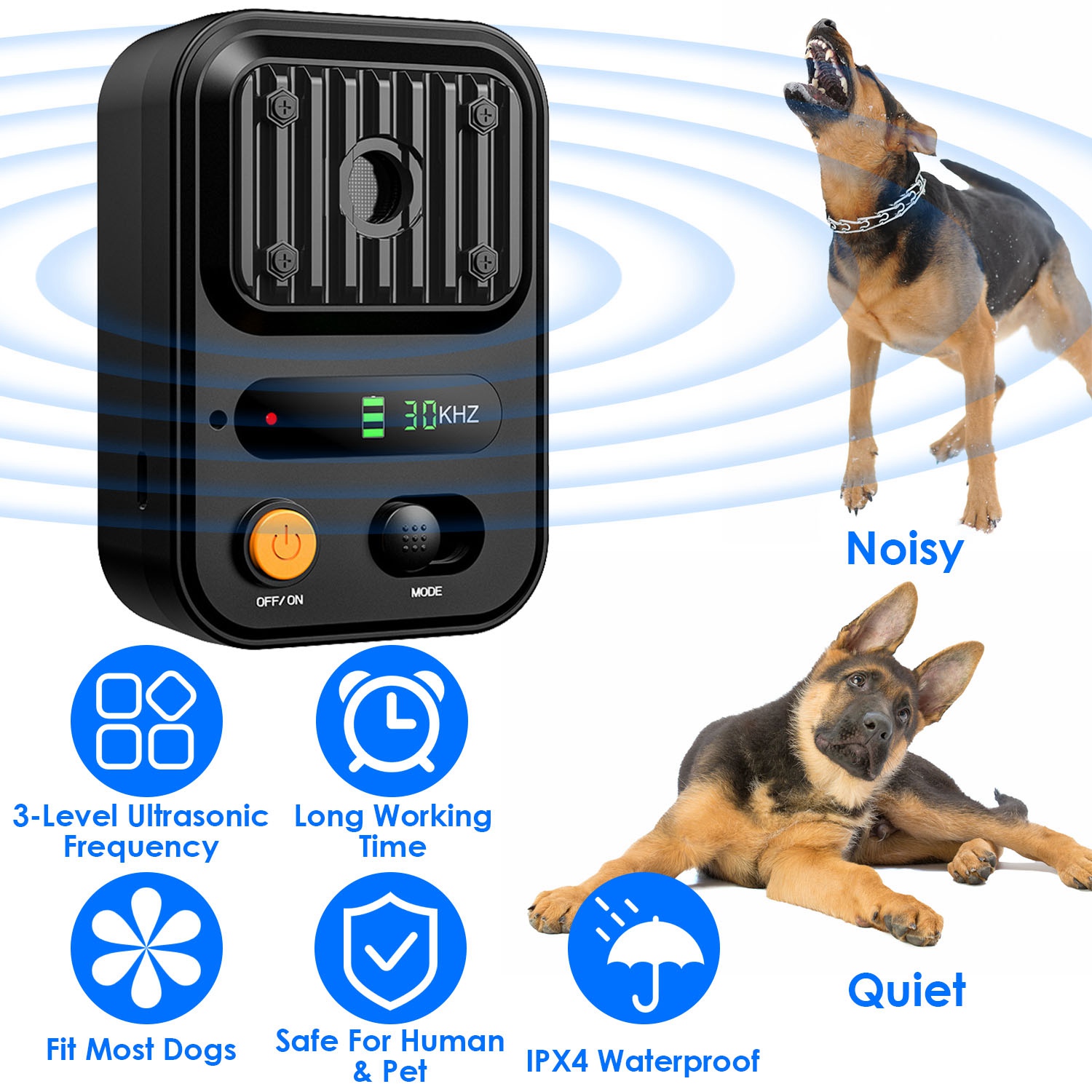 Black-Green Color Options -- 1Pc Ultrasonic Anti-Barking Device Rechargeable Auto Dog Bark Control Deterrent Box Training IPX4 Waterproof With 3 Frequency Max 32.8Feet Sensing Distance For Most$37.99View on Mallflare
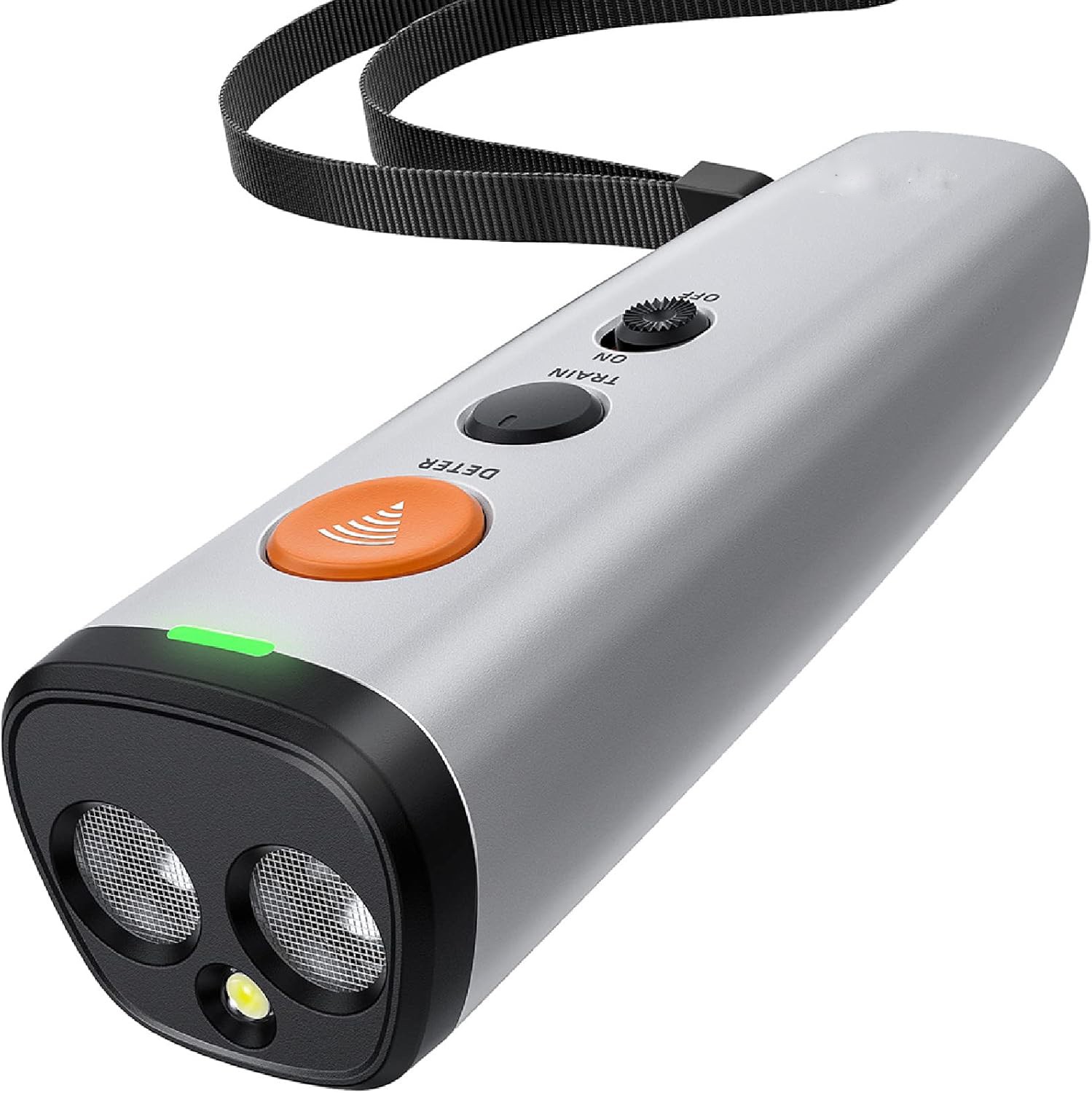 Ultrasonic Dog Repeller Anti Bark Device Stop Barking Humane Pet Training Tool$11.99Last checked Nov 24, 2026View on eBay
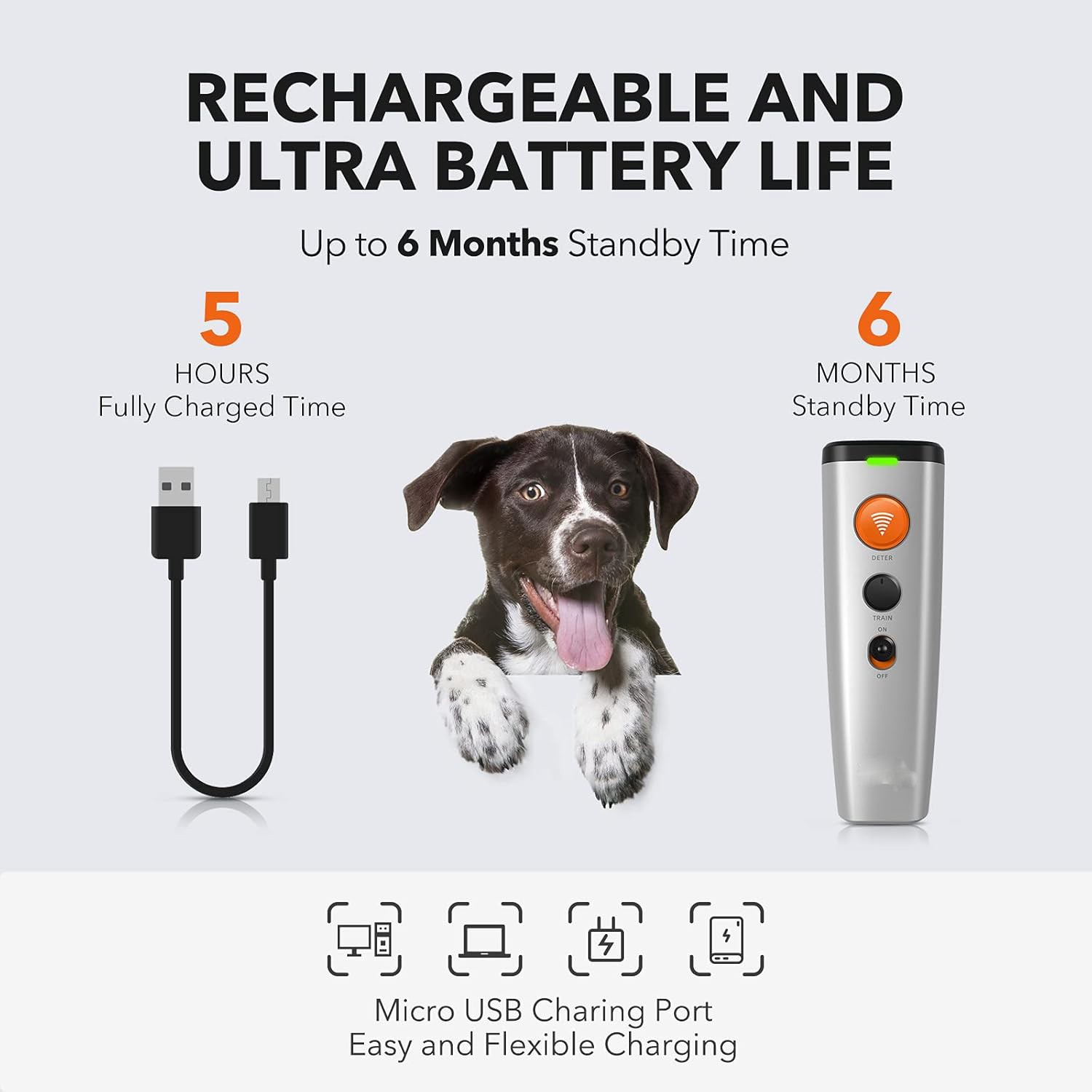 Ultrasonic Dog Repeller Anti Bark Device Stop Barking Humane Pet Training Tool$11.99Last checked Nov 23, 2026View on eBay
- Ultrasonic Dog Repeller Anti Bark Device Stop Barking Humane Pet Training Tool$11.99Last checked Nov 23, 2026View on eBay
- Ultrasonic Dog Repeller Anti Bark Device Stop Barking Humane Pet Training Tool$11.99Last checked Nov 23, 2026View on eBay
- Ultrasonic Dog Repeller Anti Bark Device Stop Barking Humane Pet Training Tool$11.99Last checked Nov 22, 2026View on eBay
- Ultrasonic Dog Repeller Anti Bark Device Stop Barking Humane Pet Training Tool$11.99Last checked Nov 22, 2026View on eBay
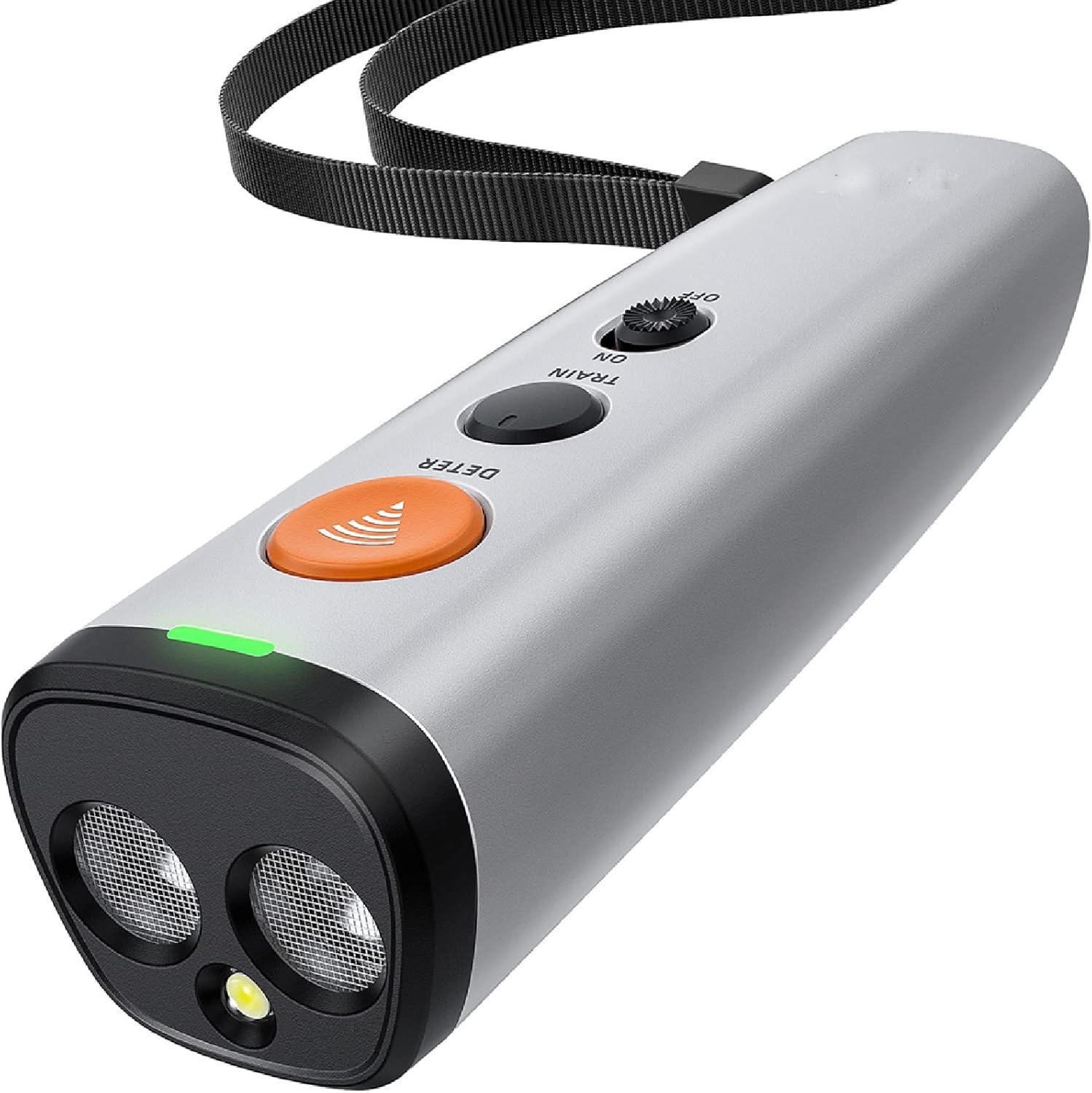 Ultrasonic Dog Repeller Anti Bark Device Stop Barking Humane Pet Training Tool$11.99View on eBay
- Ultrasonic Dog Repeller Anti Bark Device Stop Barking Humane Pet Training Tool$11.99View on eBay
- Ultrasonic Dog Repeller Anti Bark Device Stop Barking Humane Pet Training Tool$12.99Last checked Nov 24, 2026View on eBay
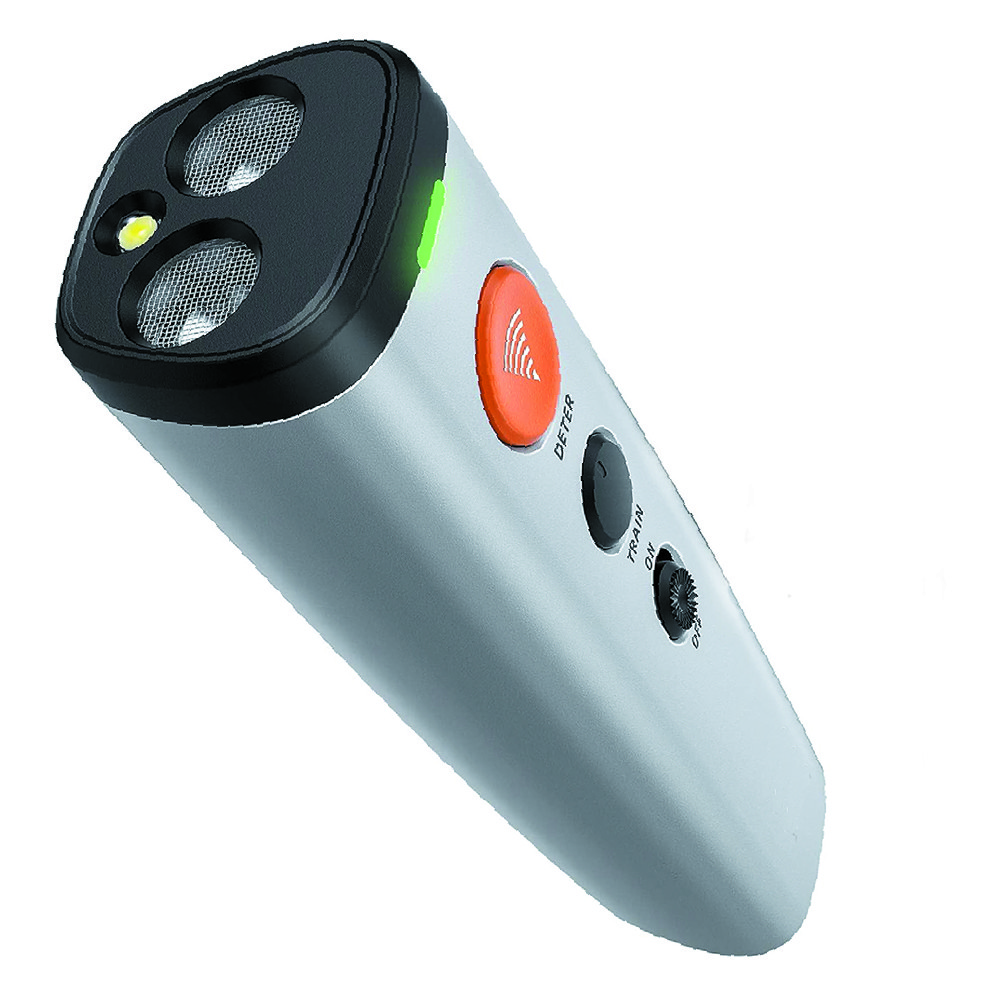 Ultrasonic Dog Repeller Anti Bark Device Stop Barking Humane Pet Training Tool$15.99View on eBay
Highlights
- Effective ultrasonic deterrence requires 20–30 kHz output; devices rated below 20 kHz or above 30 kHz fall outside typical canine hearing sensitivity and underperform.
- Bark-activated units use a microphone with a 5–15 ft trigger range and auto-fire in under 0.5 seconds, while manual units require the owner to press within line of sight.
- Multi-frequency emitters cycle 3–4 tones to reduce canine habituation; single-tone devices lose effectiveness after 2–4 weeks of repeated exposure.
- Plastic-bodied handheld units weigh 3–6 oz and run on 9V or rechargeable Li-ion; 9V alkaloids deliver roughly 30–60 days of intermittent use.
Best use cases
- Best fit: a multi-frequency handheld unit for indoor nuisance barking — pick 3+ tone cycling and a 10–15 ft range; skip single-tone keychain repellers, which dogs ignore within weeks.
- Best fit: a bark-activated wall or tabletop unit for absentee deterrence at doorways or crates — requires a 5–15 ft mic trigger and auto-fire; skip it in multi-dog homes where it fires on the wrong dog.
- Best fit: a compact manual repeller for walks and outdoor recall interruption — choose 9V or USB-C rechargeable with a wrist strap; skip oversized dual-speaker units that are too bulky for pocket carry.
- Wrong fit: puppies under 6 months or dogs with noise phobia — ultrasonic aversion can worsen anxiety; use treat-based training instead.
Buying tips
- Match frequency to the dog: 20–25 kHz suits most medium/large breeds; 25–30 kHz is better for small, high-hearing-sensitivity breeds — avoid devices fixed below 20 kHz.
- Choose bark-activated over manual if you need correction when you are not in the room; manual-only units are ineffective for absentee barking.
- Prefer USB-C rechargeable Li-ion over 9V alkalines for frequent daily use; 9V is fine for occasional walks but costs more over a year of daily training.
- Verify the emitter has 3–4 cycling frequencies; a single fixed tone invites habituation and defeats the training purpose within a month.
Specs
| Emitter Frequency | 20–30 kHz (25 kHz typical) |
|---|---|
| Trigger Type | Manual press vs bark-activated |
| Tone Cycling | Single fixed vs 3–4 multi-frequency |
| Power Source | 9V alkaline vs USB-C Li-ion |
Related searches
What to check before buying
- Measure your training distance: confirm the device's rated range (10–30 ft) covers your doorway, crate, or yard trigger zone before buying.
- Check household dog count and noise environment — bark-activated units misfire in multi-dog homes or near TVs and street noise; choose manual for busy homes.
- Confirm power standard: 9V battery (replaceable) vs USB-C rechargeable; match to your charging routine and whether you need disposable backup power.
- Verify the unit includes a wrist strap or belt clip for handheld use and a wall/table stand if you need stationary bark-activated placement.
FAQ
Data sources: eBay / Amazon listings and product attribute feeds. Updated Nov 27, 2026.
Some links on this page are affiliate links. If you buy after clicking one, we may earn a commission at no extra cost to you. This does not change which products appear here or their order. Affiliate disclosure.