
Photos from current listings. Actual item, color, and included accessories may vary.
Training Collar Dog With Remote Buying Guide
A remote training collar pairs a handheld transmitter with a receiver collar to deliver tone, vibration, or static stimulation at distance, letting you interrupt unwanted behavior precisely. The core trade-off is range and stimulation modes versus safe fit and waterproof construction; cheap units often skimp on contact quality, battery sealing, and humane current limits. Buy a receiver rated IP67 or better with adjustable static levels starting near zero and a collar circumference that matches your dog’s neck, or skip remote collars entirely for head halters if your issue is pulling.
Median $50.49
Key takeaways
- Receiver waterproofing ranges from IP65 splash resistance to IP67 full submersion; only IP67 survives rain, mud, and swimming without corroding the charge port.
- Remote range claims span roughly 300 ft to 3,280 ft (1,000 m) line-of-sight; 2.4 GHz systems lose range through walls and dense cover, so pick double your needed distance.
- Static stimulation is delivered as adjustable low-current pulses; humane tiers start at 0–10 levels and cap output, while cheap units jump from zero to high output with no fine control.
At a glance
- Category
- Pet Training Gear
- Last updated
- Nov 27, 2026
Current offers
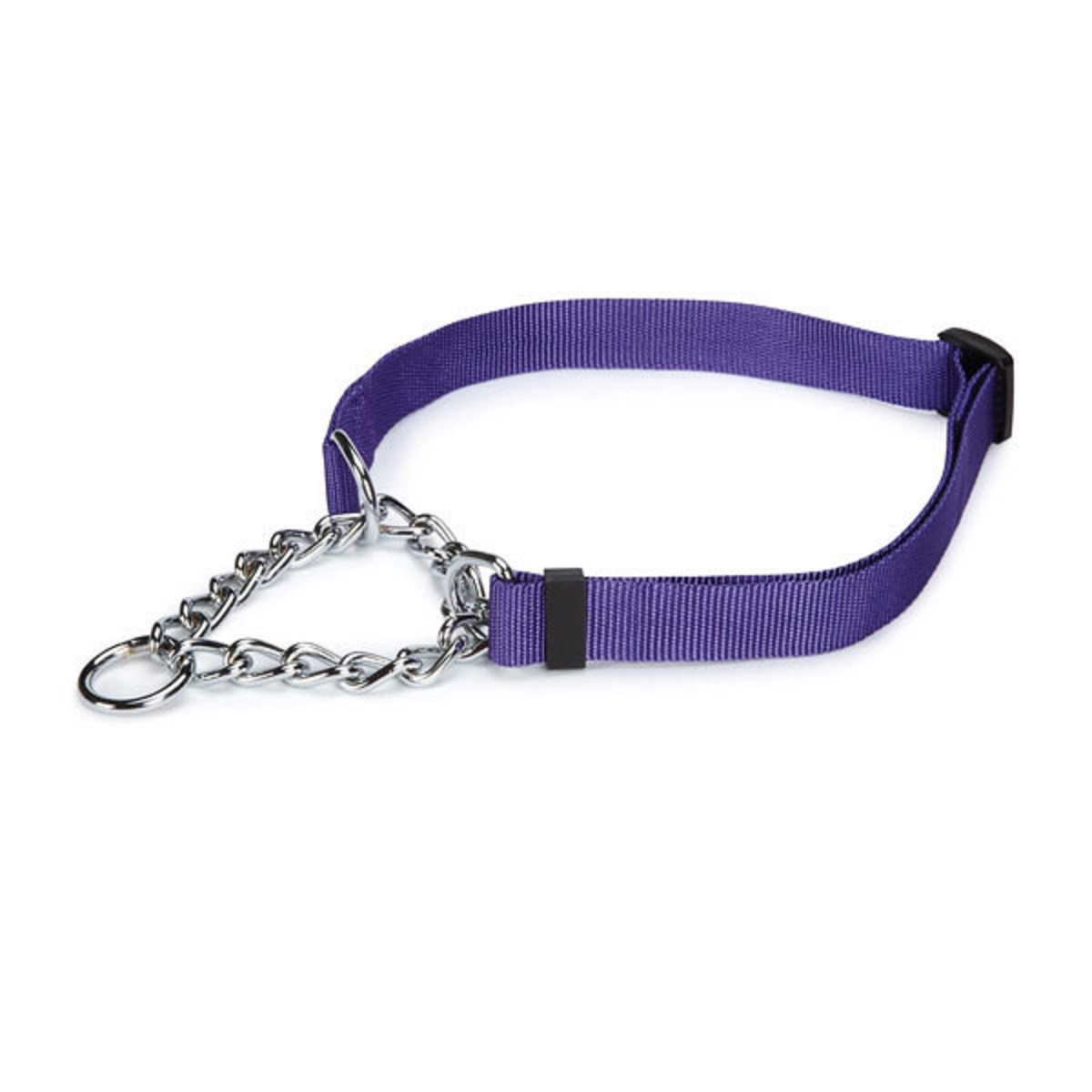 Guardian Gear NO-SLIP Martingale"Greyhound"Choke CHAIN&NYLON TRAINING COLLAR$13.99View on eBay
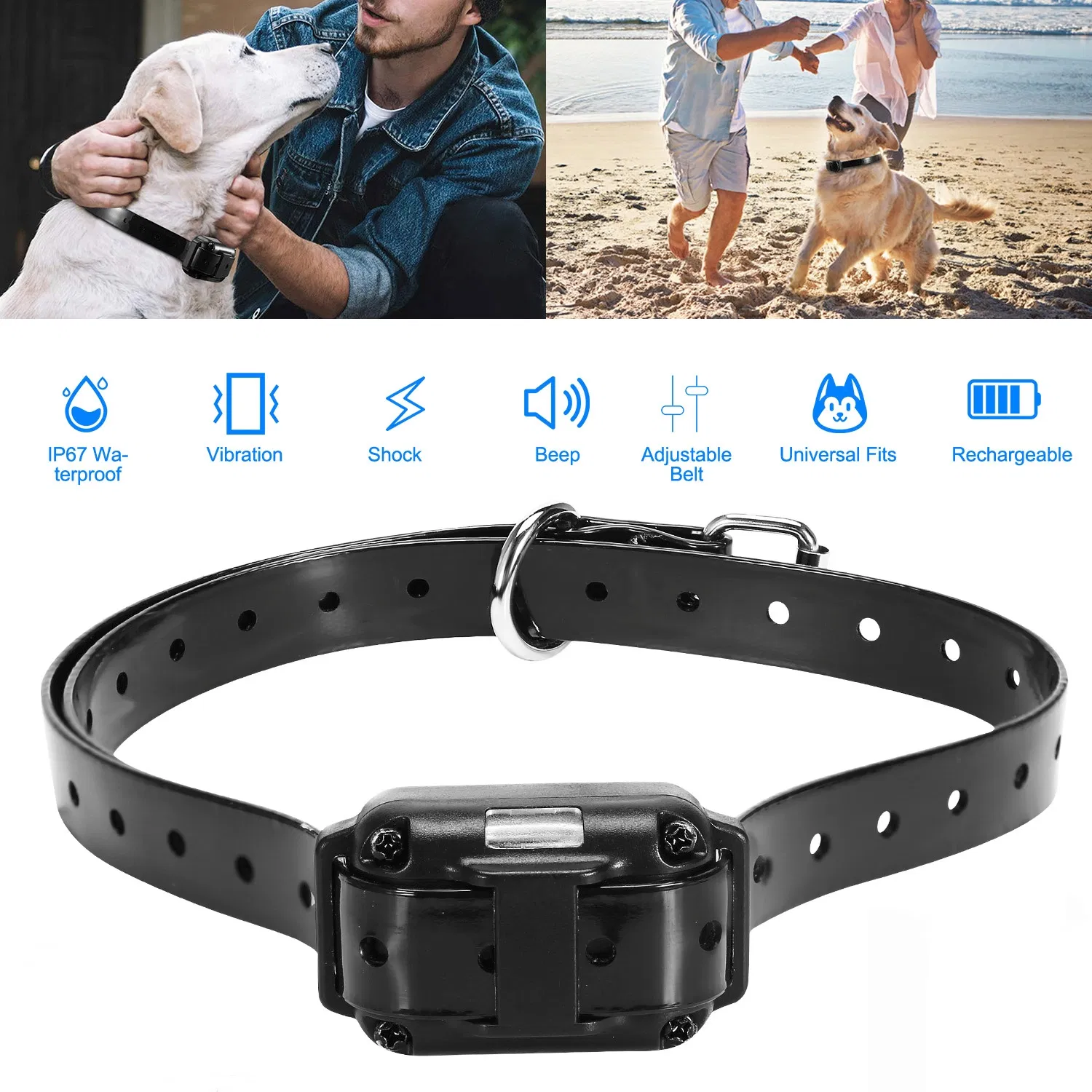 Dog Training Collar Receiver, IP67 Waterproof Static with 3 Modes Shock Vibration Beep, 2625FT Remote Range, Rechargeable Adjustable for Small Medium Large Dogs$41.99View on Mallflare
 Companion Gear 14 Must Have Puppy Starter Kit - Training Pads Bowl Leash Collar$14.98Last checked Nov 22, 2026View on eBay
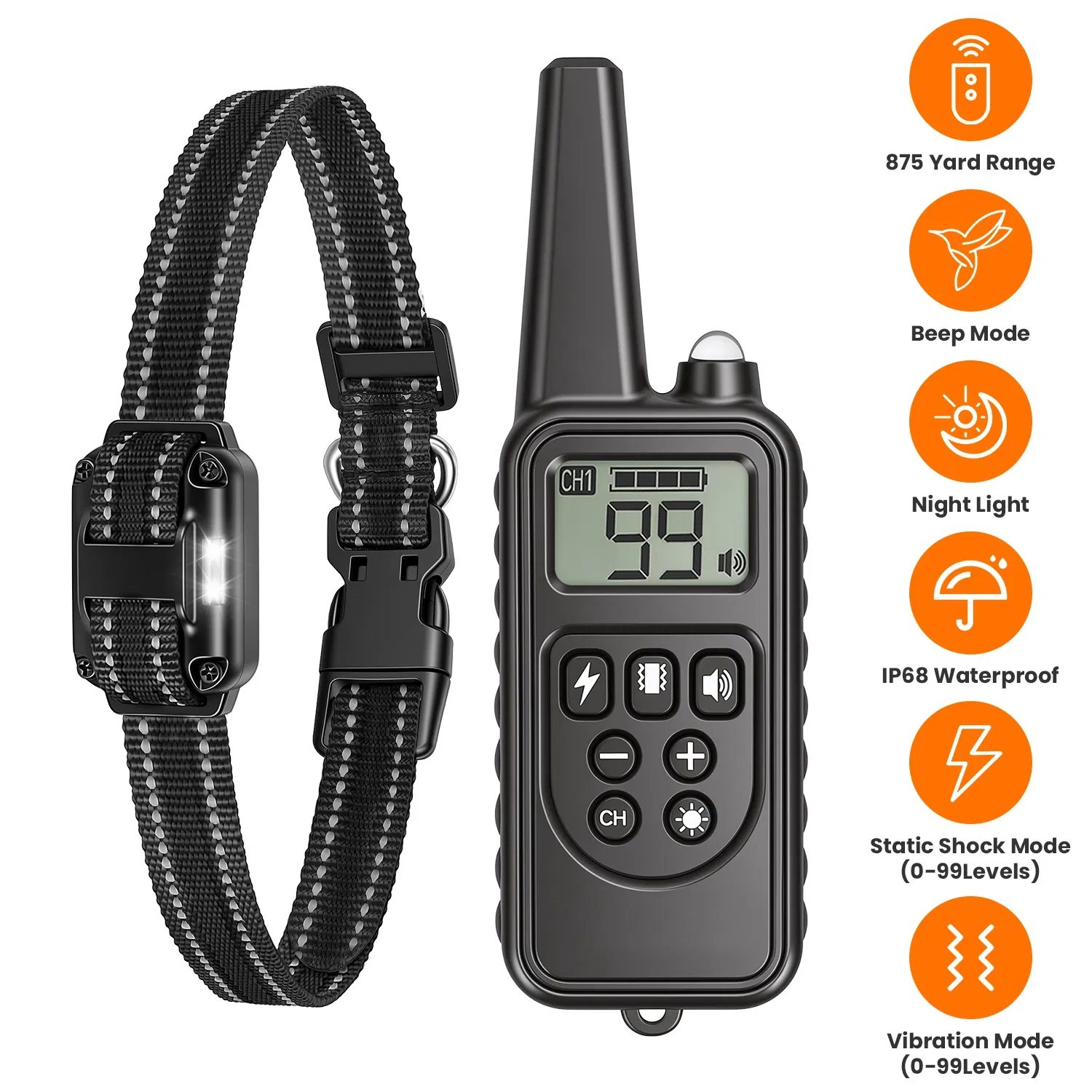 Dog Training Collar with Remote Rechargeable Dog IP68 Waterproof 4 Modes 3 Channels for Medium and Small Dogs$44.99View on Mallflare
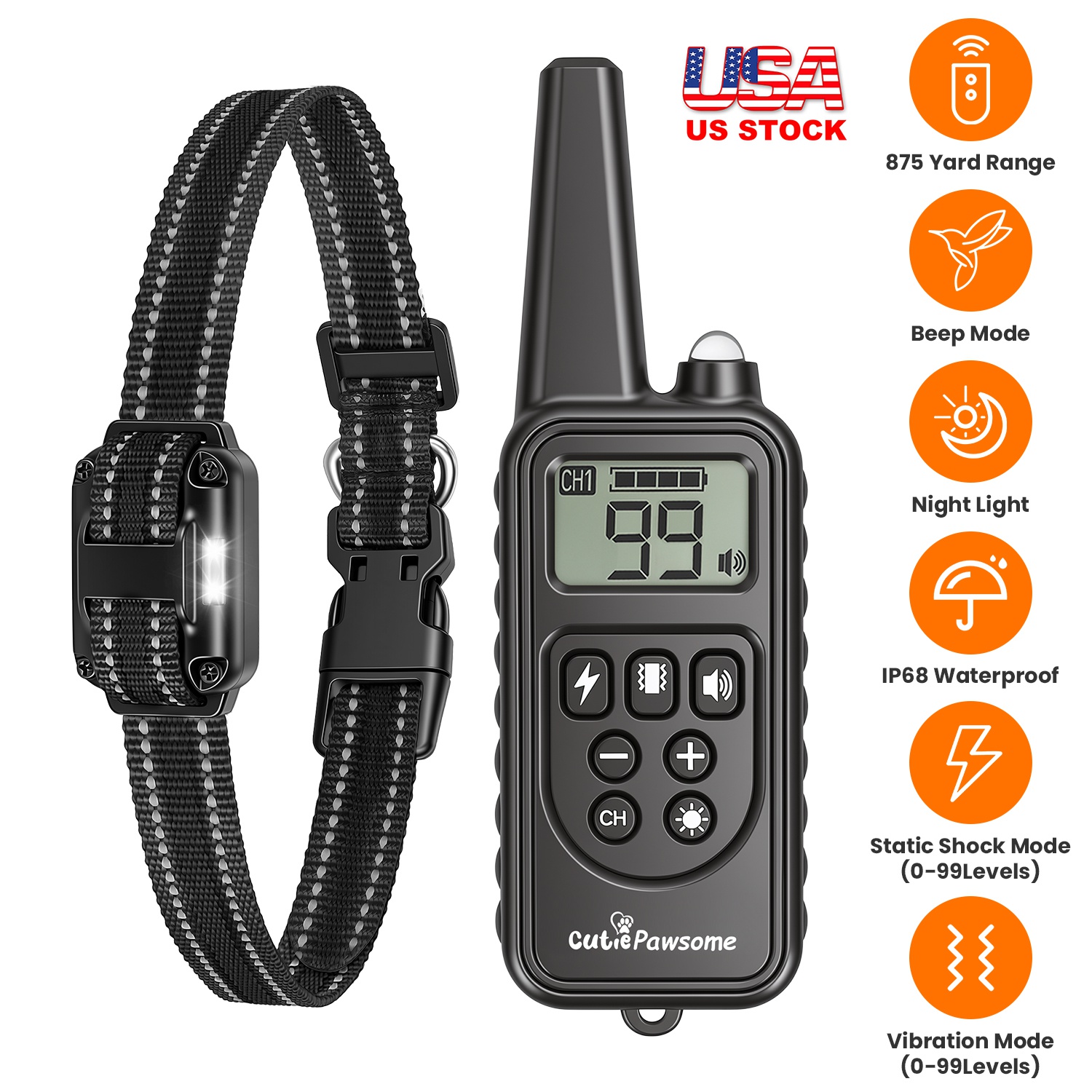 Dog Training Collar With Remote$46.99View on Mallflare
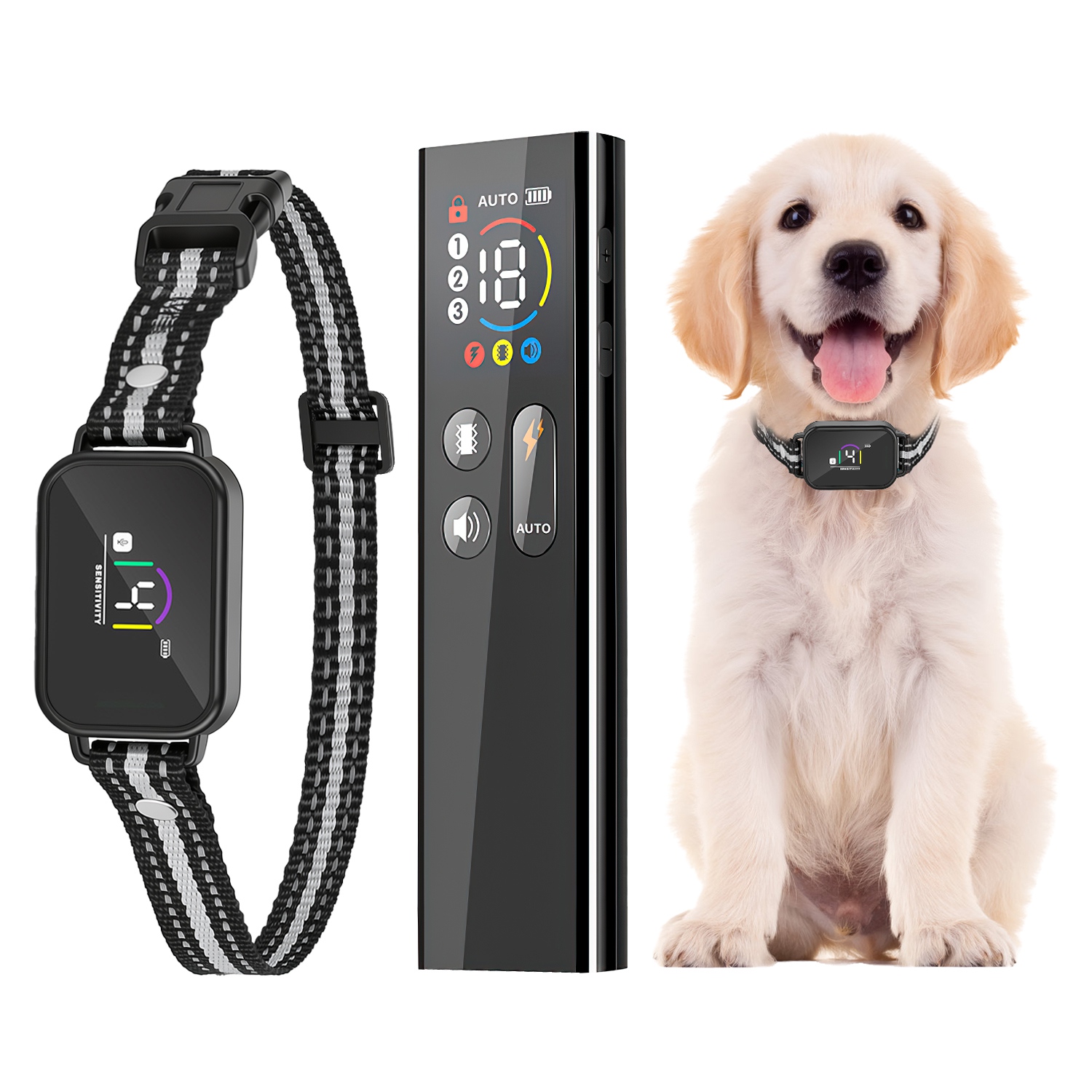 1Pc 2 In 1 Dog Shock And Bark Collar Dog Training With Remote Rechargeable IP68 Waterproof 3 Channels For Medium And Small Dogs$53.99View on Mallflare
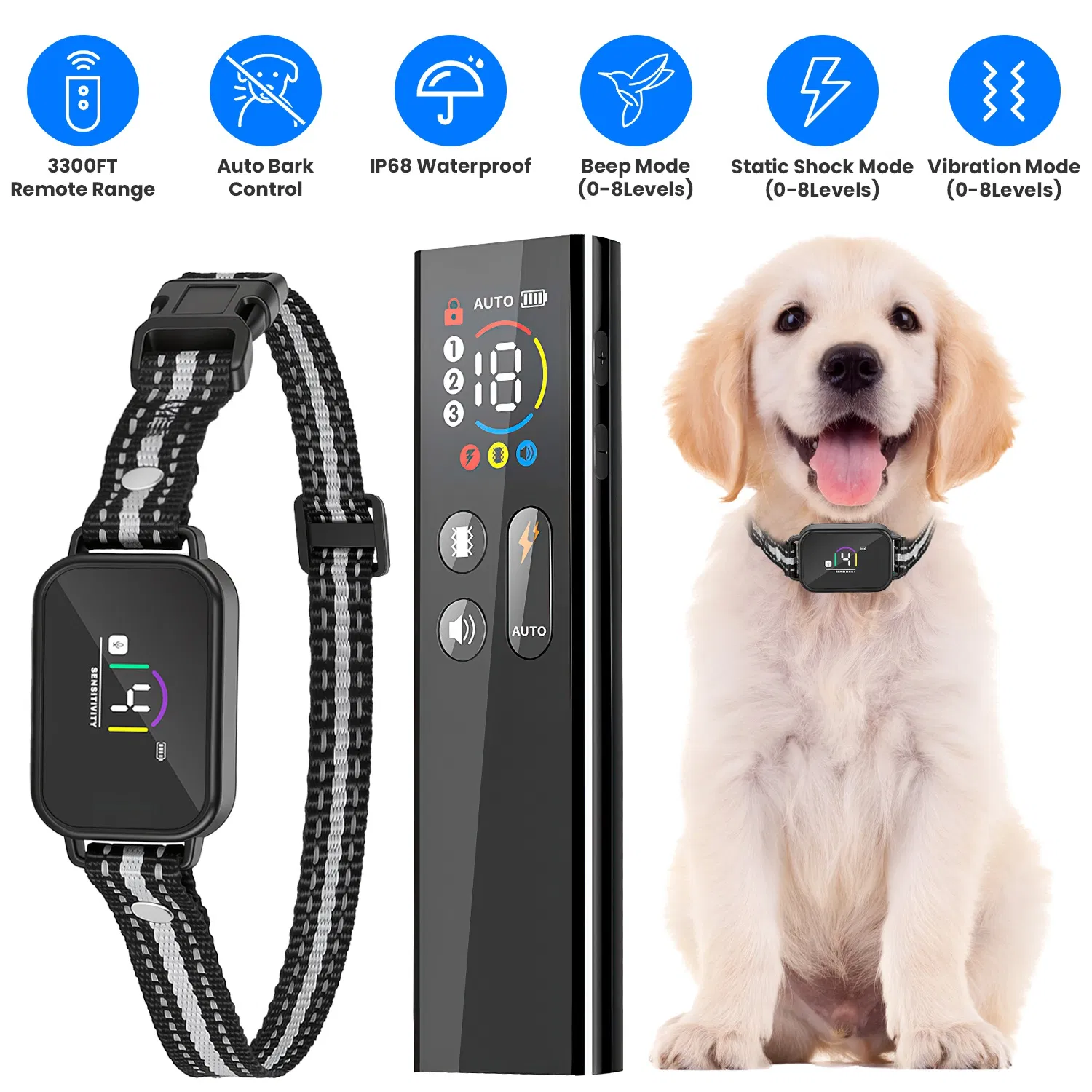 2-in-1 Dog Shock and Bark Collar Dog Training with Remote 1/2/3 Collars(Options) Rechargeable IP68 Waterproof 3 Channels for Medium and Small Dogs$67.99View on Mallflare
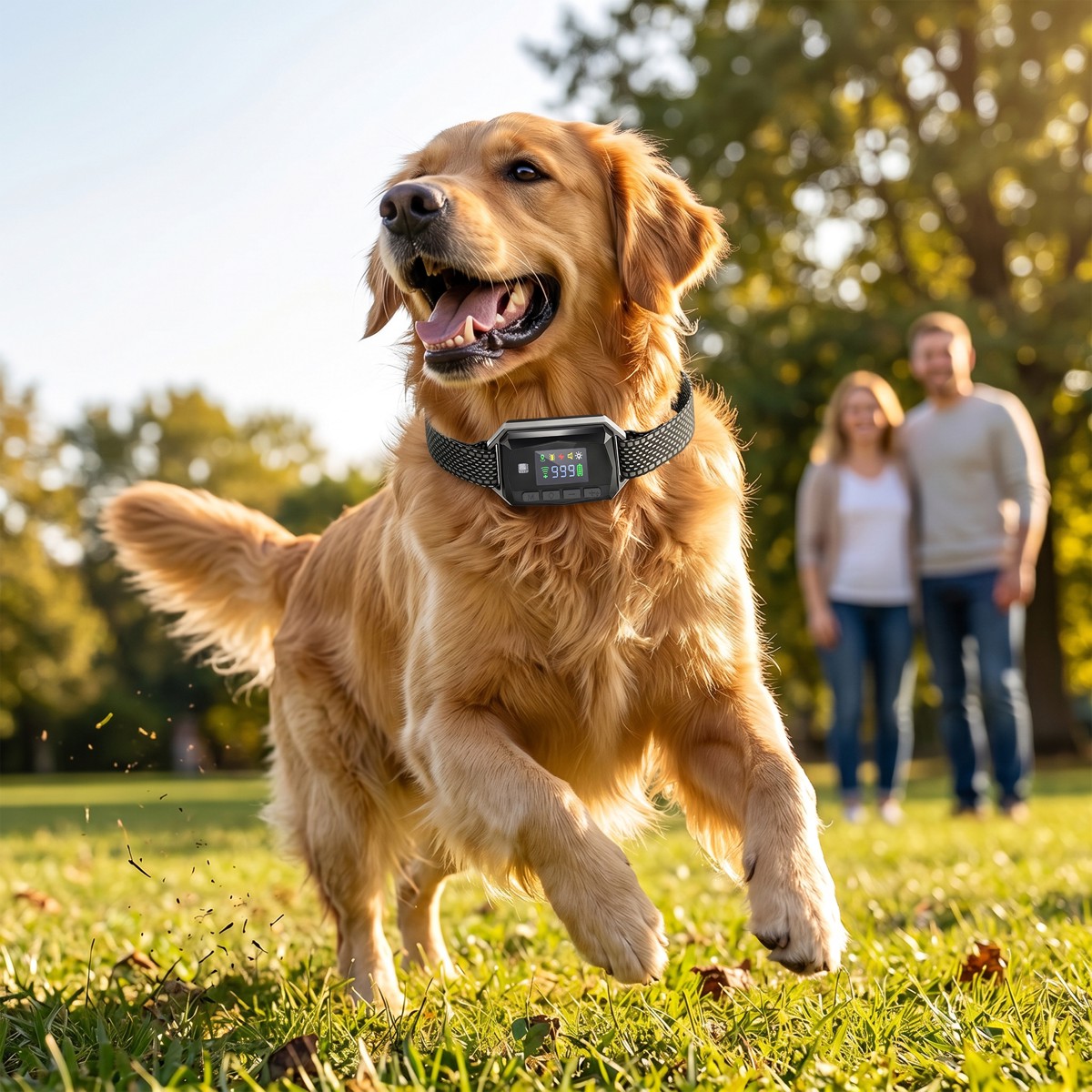 GPS Dog Fence Collar, Rechargeable Outdoor Boundary System with Remote Training and IP67 Water Resistance, Black$72.99View on Mallflare
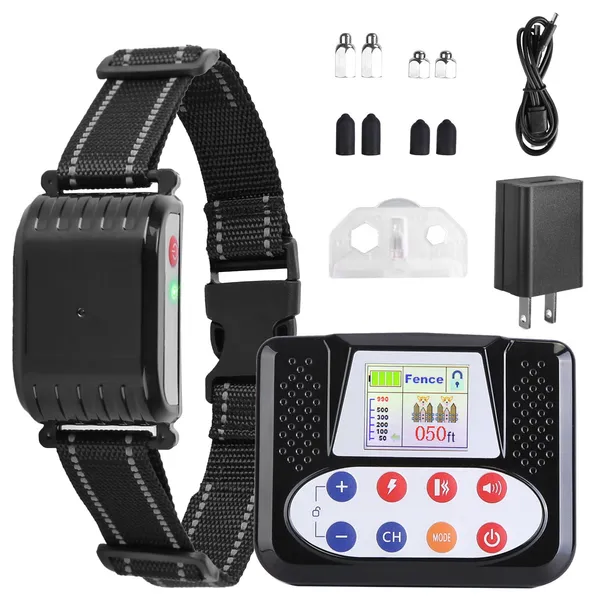 990FT Range Dog Wireless Fence Remote Training Collar IPX6 Waterproof Receiver With 0-9 Levels Beep Vibration Shock Mode 4 Channels Rechargeable Transmitter System$103.99View on Mallflare
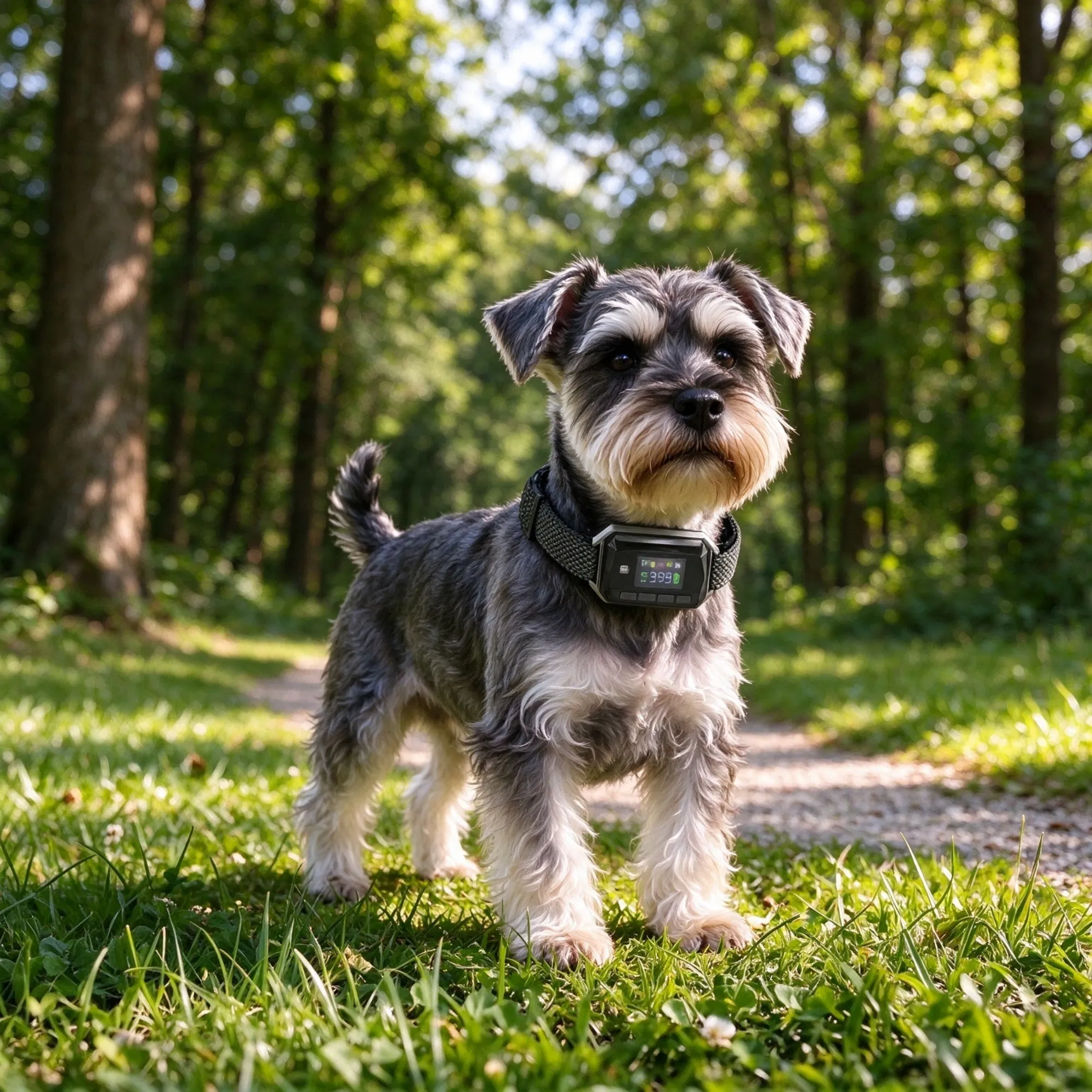 Rechargeable GPS Dog Fence Collar with Remote Training, IP67 Waterproof Outdoor Boundary System, Black$105.99View on Mallflare
Highlights
- Receiver waterproofing ranges from IP65 splash resistance to IP67 full submersion; only IP67 survives rain, mud, and swimming without corroding the charge port.
- Remote range claims span roughly 300 ft to 3,280 ft (1,000 m) line-of-sight; 2.4 GHz systems lose range through walls and dense cover, so pick double your needed distance.
- Static stimulation is delivered as adjustable low-current pulses; humane tiers start at 0–10 levels and cap output, while cheap units jump from zero to high output with no fine control.
- Multi-dog systems use 2–3 receiver channels on one transmitter; single-dog kits cannot be expanded later, so buy channel capacity up front if you may add a second dog.
Best use cases
- Best fit: yard recall and boundary training for a dog over 15 lb — choose a 900–3,300 ft IP67 receiver with 0–99 static levels and vibration, and use tone as the primary cue.
- Best fit: multi-dog household — pick a 2- or 3-channel transmitter that pairs separate receivers; skip single-channel kits that force you to buy a second complete system.
- Wrong fit: dogs under 10 lb or with trachea sensitivity — a remote static collar concentrates pressure on the neck; use a front-clip harness or head halter instead.
- Wrong fit: leaving the collar on unattended all day — receivers are training tools for supervised sessions, not 24/7 bark deterrents; use a dedicated bark collar for unattended barking.
Buying tips
- Measure neck circumference at the base of the skull and add 2 in (5 cm) for fit; receiver straps typically cover 8–28 in, and a loose collar makes contact prongs intermittent.
- Match contact prong length to coat: short prongs for short-haired dogs, long prongs for thick double coats; prongs must touch skin, not just fur, for consistent stimulation.
- Choose a receiver rated IP67 and a transmitter with a safety keypad lock; unlocked buttons in a pocket can deliver accidental high-level stimulation.
- Prefer systems with separate tone, vibration, and static buttons plus a dedicated level dial; combined-mode buttons make it hard to give a warning without stimulation.
Specs
| Receiver Waterproofing | IP65 splash vs IP67 submersible |
|---|---|
| Remote Range | 300–3,300 ft line-of-sight |
| Stimulation Levels | 0–99 adjustable static + vibration |
| Dog Channels | 1, 2, or 3 receivers per remote |
Related searches
What to check before buying
- Neck size: measure circumference and confirm the strap range covers it with 2 in of slack; check receiver weight stays under about 2 oz for small breeds.
- Water exposure: confirm IP67 if the dog swims or trains in wet grass; IP65 only handles splashes and light rain.
- Charging and battery: check for USB-C or a sealed magnetic charger and a low-battery indicator on both transmitter and receiver.
- Training plan: budget for a 2–4 week conditioning period using tone first; remote collars work only with consistent marker training, not as a punishment shortcut.
FAQ
Data sources: eBay / Amazon listings and product attribute feeds. Updated Nov 27, 2026.
Some links on this page are affiliate links. If you buy after clicking one, we may earn a commission at no extra cost to you. This does not change which products appear here or their order. Affiliate disclosure.