
Photos from current listings. Actual item, color, and included accessories may vary.
Dog Bark Collar With Remote Buying Guide
A dog bark collar with remote combines a bark-triggered correction unit with a handheld transmitter, so you can interject a cue at distance instead of relying solely on automatic sensors. The core trade-off is between automatic bark-detection reliability and manual remote control range, both of which depend on receiver size, contact quality, waterproof rating, and whether the collar offers progressive correction levels rather than a fixed shock. Durable options specify IP67/IP68 sealing, a stated range in meters or feet, multiple discrete stimulation levels, and adjustable contact prongs; vague listings with no waterproof rating, no range figure, or a single correction level are the compromises to skip.
Median $60.99
Key takeaways
- Remote range tiers are real engineering differences: 300–500 m class receivers suit yards and training fields, while 800–1000 m (about 2600–3280 ft) units are for open land where line-of-sight radio actually holds.
- IP67 survives rain and splashes but not submersion; IP68 is the rating to demand for swimming dogs or dock-and-water work, and it applies to the receiver, not the handheld remote.
- Correction architecture matters more than mode count: look for 8–16+ discrete shock levels plus separate vibration and tone, because a single fixed shock level is either ineffective or excessive depending on the dog.
At a glance
- Category
- Pet Training Gear
- Last updated
- Nov 28, 2026
Current offers
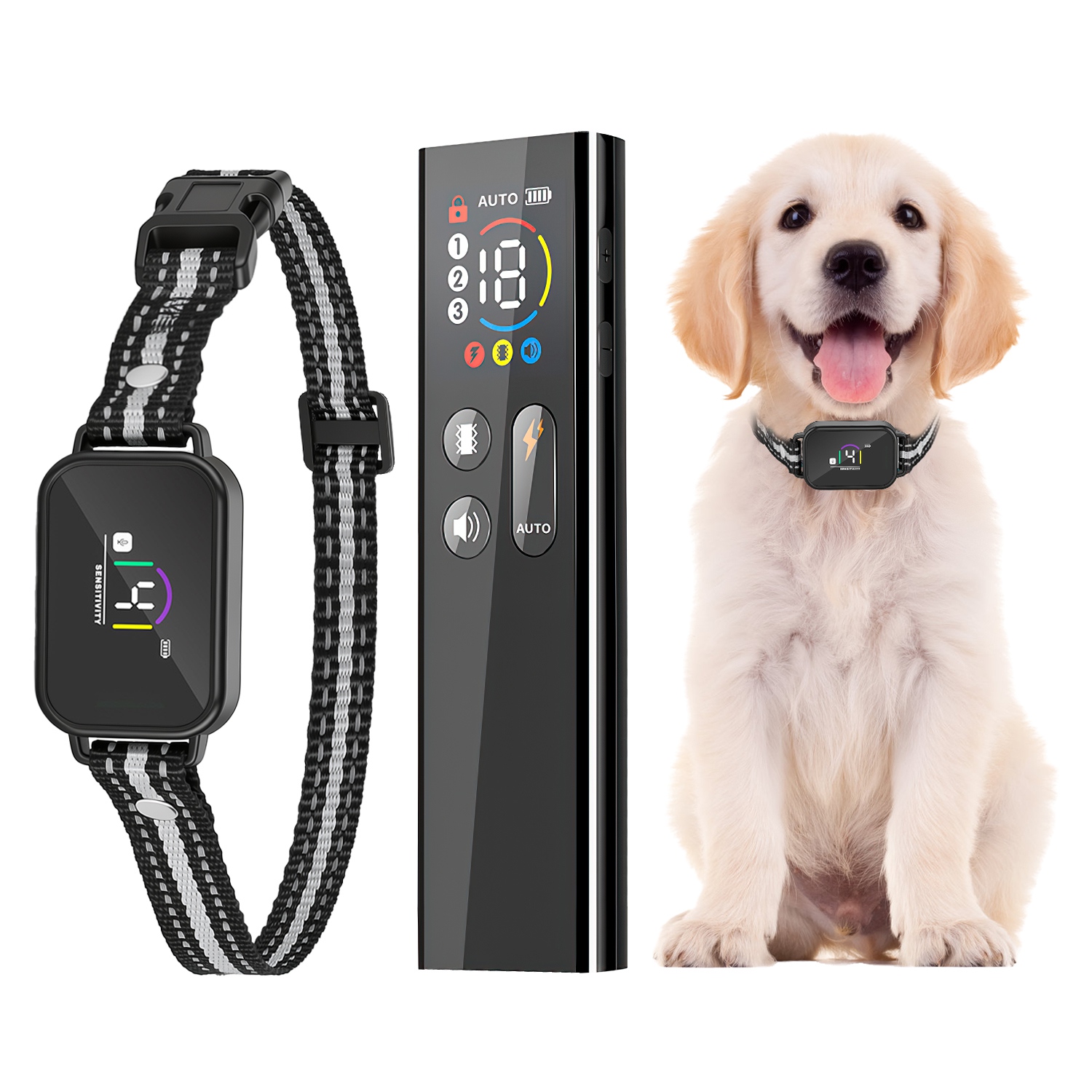 1Pc 2 In 1 Dog Shock And Bark Collar Dog Training With Remote Rechargeable IP68 Waterproof 3 Channels For Medium And Small Dogs$53.99View on Mallflare
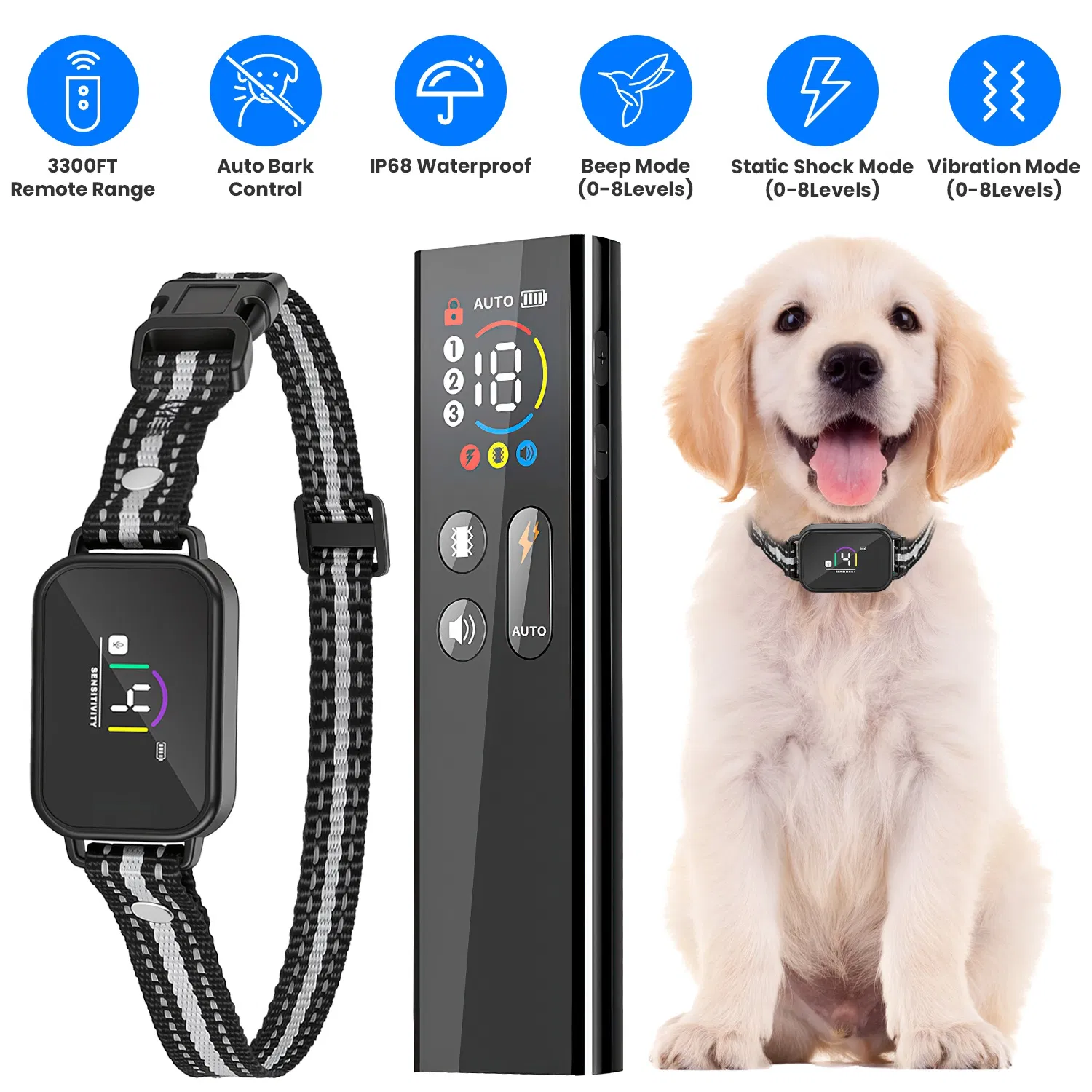 2-in-1 Dog Shock and Bark Collar Dog Training with Remote 1/2/3 Collars(Options) Rechargeable IP68 Waterproof 3 Channels for Medium and Small Dogs$67.99View on Mallflare
Highlights
- Remote range tiers are real engineering differences: 300–500 m class receivers suit yards and training fields, while 800–1000 m (about 2600–3280 ft) units are for open land where line-of-sight radio actually holds.
- IP67 survives rain and splashes but not submersion; IP68 is the rating to demand for swimming dogs or dock-and-water work, and it applies to the receiver, not the handheld remote.
- Correction architecture matters more than mode count: look for 8–16+ discrete shock levels plus separate vibration and tone, because a single fixed shock level is either ineffective or excessive depending on the dog.
- Automatic bark detection uses a vibration sensor or microphone in the receiver; dual-detection units cut false triggers from nearby barking, while a remote-only e-collar has no bark sensor at all.
Best use cases
- Best fit for yard and boundary training: a 300–500 m remote e-collar with 8+ levels and IP67 receiver, because the dog stays in line of sight and rain is the main exposure.
- Best fit for water-loving or working dogs: an IP68 receiver with tone/vibration first and progressive shock levels, sized for 15 lb+ necks so the contact prongs actually reach skin through the coat.
- Best fit for multi-dog households: a multi-channel transmitter (2–3 receivers, or a 2-in-1 unit with 1/2/3 collar options) so one remote controls each dog independently.
- Wrong fit: toy breeds under roughly 10 lb and flat-coated or thick-necked dogs without long contact prongs — the receiver box is too heavy and the contacts never touch skin, so correction fails and the collar rides loose.
Buying tips
- Match receiver weight to dog size: units around 2–3 oz suit 15–40 lb dogs, while 40 lb+ dogs can carry heavier receivers; under 10 lb, choose a dedicated small-dog receiver or skip shock entirely.
- Size the strap so two fingers slide under it and the receiver sits high on the neck near the vocal cords; contact prongs must touch skin, so order a set with both short and long prongs.
- Pick range by terrain, not marketing: 300–500 m covers suburban yards and training fields, but 800–1000 m only helps on open ground — obstructions cut radio range sharply regardless of rating.
- Treat the remote as the weak link: confirm it uses rechargeable USB-C or a standard battery type and that the transmitter is at least splash-resistant, since it lives in your hand outdoors.
Specs
| Waterproof Rating | IP67 splash vs IP68 submersible |
|---|---|
| Remote Range | 300-500 m yard vs 800-1000 m open |
| Correction Modes | Tone + vibration + 8-16 shock levels |
| Multi-Dog Channels | 1 channel vs 2-3 channel transmitter |
Related searches
What to check before buying
- Measure your dog's neck circumference and weight before choosing a receiver tier — receivers are typically built for roughly 10–15 lb and up, and strap length must cover the neck plus coat.
- Check the waterproof rating is stated for the receiver (IP67 minimum, IP68 for swimming) and that the remote has its own water resistance rating.
- Confirm the transmitter's channel count matches your household: one channel per dog, so two dogs need a 2-channel remote or a 2-in-1 kit with multiple collars.
- Verify the correction ladder: at least 8 shock levels and independent tone and vibration modes so you can start low and condition the dog before using stimulation.
FAQ
Data sources: eBay / Amazon listings and product attribute feeds. Updated Nov 28, 2026.
Some links on this page are affiliate links. If you buy after clicking one, we may earn a commission at no extra cost to you. This does not change which products appear here or their order. Affiliate disclosure.