
Photos from current listings. Actual item, color, and included accessories may vary.
Choke Collar Buying Guide
Choke collars are slip-chain or prong training collars that tighten under leash tension to deliver a corrective cue; the core trade-off is between harsh aversive control and humane, fit-critical construction. Durable options use solid chrome-plated steel with welded links and smooth, rounded prong tips, while compromises show stamped seams, sharp edges, and loose swivels that bind. The decision rule: buy only if you will pair it with professional guidance and a proper fit, and skip it entirely for puppies, flat-faced breeds, or any dog with tracheal or neck sensitivity.
Median $15.99
Key takeaways
- Slip-chain choke collars rely on chain gauge and link weld quality: thicker, welded chrome-plated steel resists stretching and sharp burrs that injure neck skin.
- Prong (pinch) collars distribute correction across multiple contact points; rounded, polished prong tips and a center plate are the difference between humane cueing and puncture risk.
- Martingale-style chain-and-nylon hybrids limit maximum tightening, preventing the endless choke of a pure slip chain and reducing tracheal pressure.
At a glance
- Category
- Pet Training Gear
- Last updated
- Nov 27, 2026
Current offers
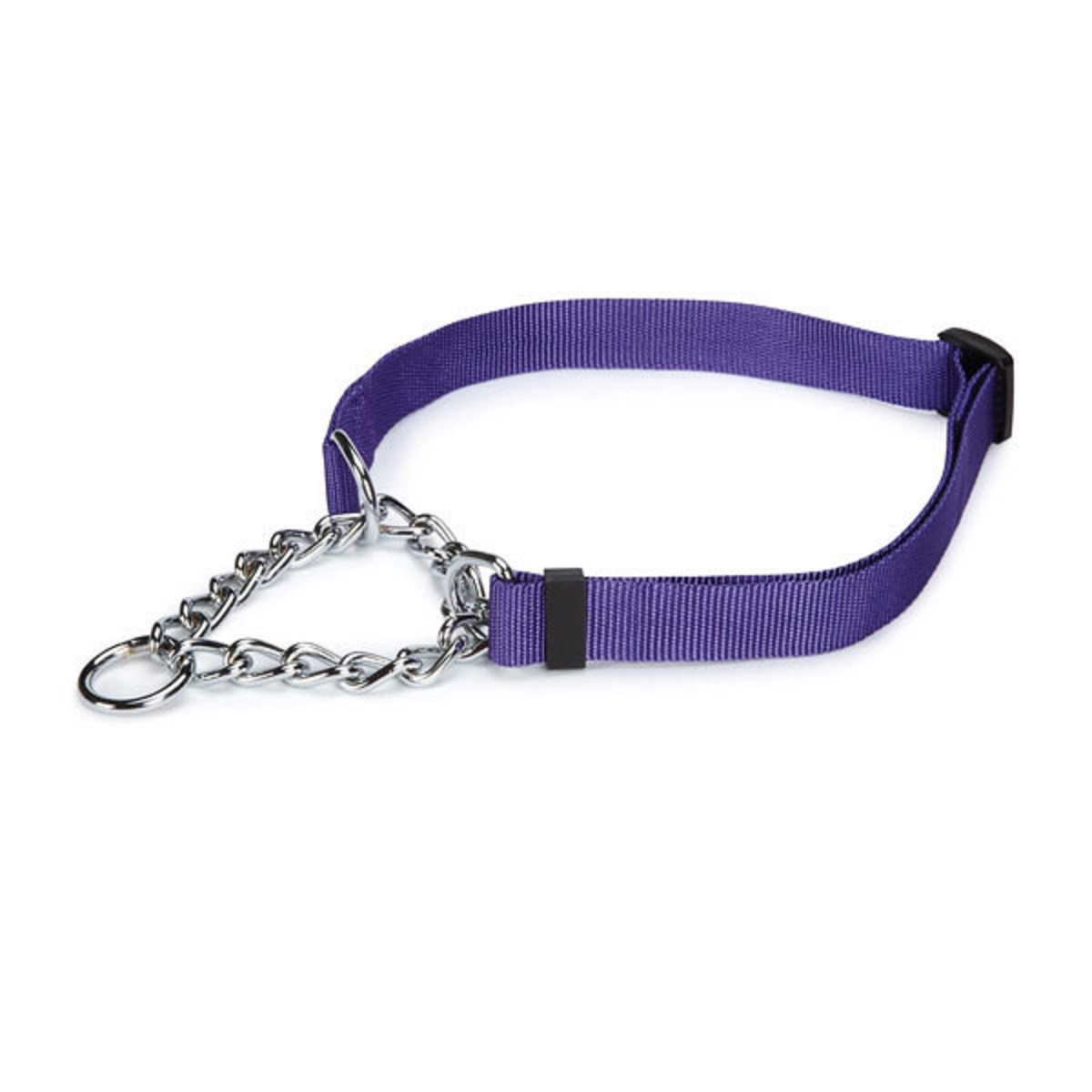 Guardian Gear NO-SLIP Martingale"Greyhound"Choke CHAIN&NYLON TRAINING COLLAR$13.99View on eBay
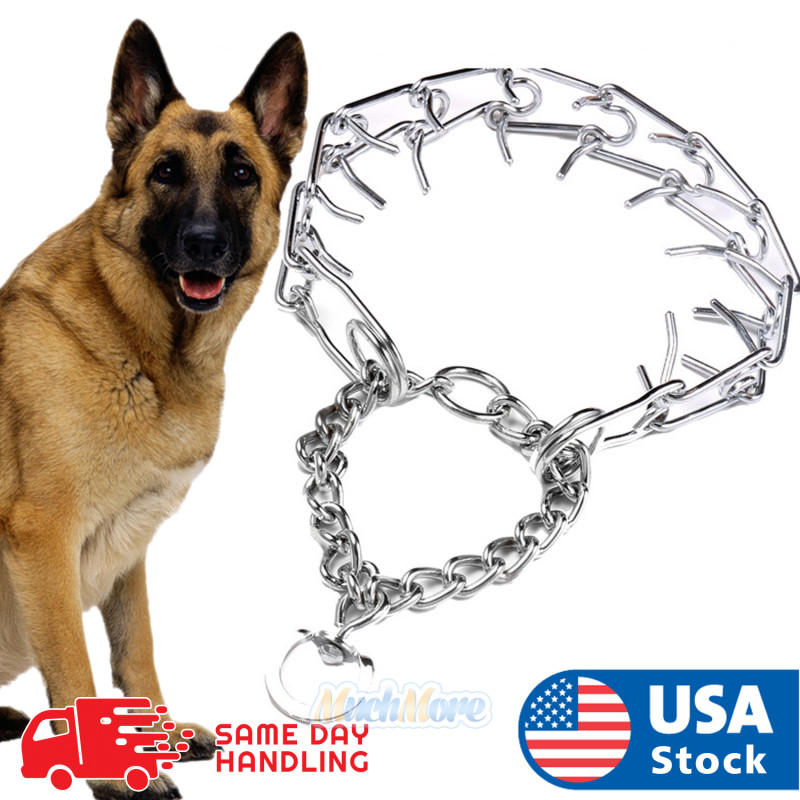 Pets Dog Training Guardian Gear Collar Chain Pet Metal Prong Pinch Choke 16"-22"$15.99Last checked Nov 26, 2026View on eBay
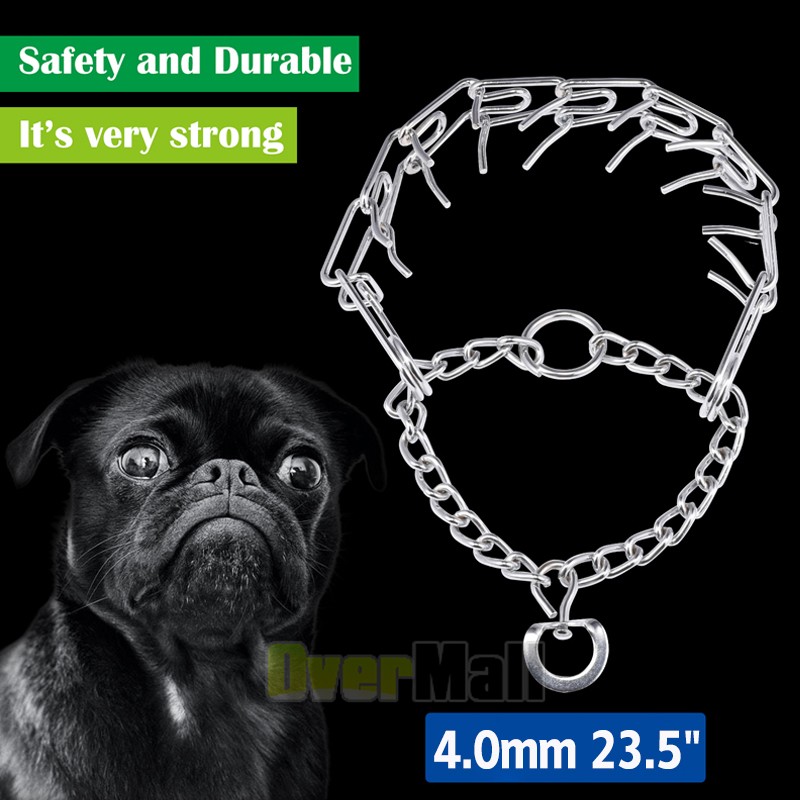 Pets Dog Training Guardian Gear Collar Chain Pet Metal Prong Pinch Choke$15.99Last checked Nov 24, 2026View on eBay
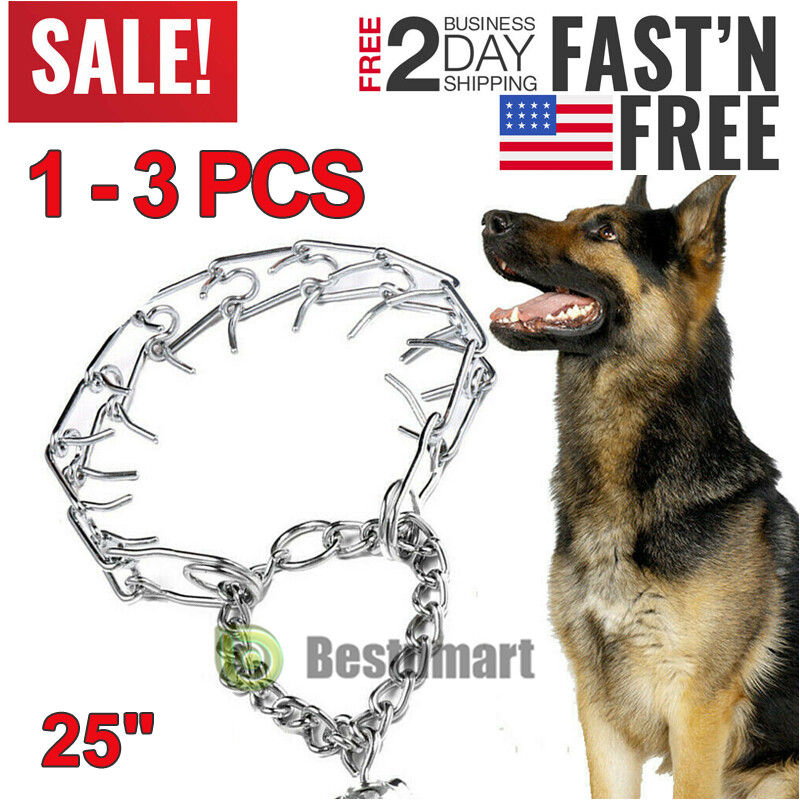 Adjustable 16"-23" Dog Training Guardian Gear Collar Chain Pet Prong Pinch Choke$42.99Last checked Nov 23, 2026View on eBay
Highlights
- Slip-chain choke collars rely on chain gauge and link weld quality: thicker, welded chrome-plated steel resists stretching and sharp burrs that injure neck skin.
- Prong (pinch) collars distribute correction across multiple contact points; rounded, polished prong tips and a center plate are the difference between humane cueing and puncture risk.
- Martingale-style chain-and-nylon hybrids limit maximum tightening, preventing the endless choke of a pure slip chain and reducing tracheal pressure.
- Fit sizing is neck circumference plus 2-3 inches for slip collars; prong collars add link segments, so adjustable ranges like 16-22 in must match the dog's actual neck, not its weight class.
Best use cases
- Best fit: strong, thick-necked adult dogs that pull hard and have failed flat-collar training — choose a prong collar with rounded tips and a safety buckle, sized to neck circumference plus 2 inches.
- Best fit: owners in structured professional training who need a precise, limited-tightening correction — choose a Martingale chain-and-nylon hybrid rather than a pure slip chain.
- Wrong fit: puppies under 6 months, flat-faced (brachycephalic) breeds, or dogs with collapsing trachea — skip all choke and prong types; use a front-clip harness instead.
- Wrong fit: casual buyers wanting a everyday walking collar — skip choke collars entirely; they are training tools, not primary walking gear.
Buying tips
- Measure neck circumference snugly, then add 2-3 inches for slip chains; for prong collars, start with the smallest link count that still slips over the head and add links only as needed.
- Choose chrome-plated steel over painted or plastic-coated metal: plating resists rust and skin irritation, while coatings chip and hide corrosion.
- Inspect prong tips: rounded, polished, and ideally capped tips prevent skin punctures; sharp stamped tips are an immediate reject.
- Prefer welded chain links and a swivel snap that rotates freely; unwelded or stiff swivels bind under load and cause inconsistent correction timing.
Specs
| Collar Type | Slip chain / Prong / Martingale hybrid |
|---|---|
| Material | Chrome-plated steel, welded links |
| Neck Size Range | 16-22 in adjustable (add links) |
| Prong Tip Style | Rounded polished vs sharp stamped |
Related searches
What to check before buying
- Neck measurement: record snug neck circumference in inches and compare to the collar's adjustable range before choosing a size tier.
- Dog profile: confirm the dog is over 6 months, not flat-faced, and has no known tracheal or cervical spine issues.
- Companion gear: have a backup flat collar or harness for everyday walks and a qualified trainer to teach correct timing and pressure.
- Environment: check that the collar's metal finish suits your climate — chrome plating for humid or wet conditions, and avoid bare steel that rusts.
FAQ
Data sources: eBay / Amazon listings and product attribute feeds. Updated Nov 27, 2026.
Some links on this page are affiliate links. If you buy after clicking one, we may earn a commission at no extra cost to you. This does not change which products appear here or their order. Affiliate disclosure.