
Photos from current listings. Actual item, color, and included accessories may vary.
Pet Travel And Safety Buying Guide
Pet travel and safety gear spans crash-tested harnesses, vehicle barriers, booster seats, and rolling carriers, each solving a different restraint or transport problem. The core trade-off is between certified structural strength (wide-webbing harnesses, rigid aluminum frames, steel barrier bars) and lightweight convenience fabrics that only manage, not protect. Buy certified restraint for crash protection, rigid frames for rolling carriers, and mesh barriers strictly for containment—never as occupant protection.
Median $37.88
Key takeaways
- Harness strength is set by webbing width and hardware: 1-inch (25 mm) nylon webbing with welded steel D-rings and metal buckles rates far above 3/4-inch polypropylene with plastic quick-release clips.
- Vehicle barriers split into mesh/net dividers (containment only, no crash rating) and tubular steel or aluminum grid barriers that mount to headrest posts or seat frames for structural separation.
- Rolling carriers with aluminum alloy frames collapse flat for storage but carry real weight; soft-sided fabric-only trolleys sag and tip when a pet shifts, so frame rigidity decides stability.
At a glance
- Category
- Pet Travel & Safety
- Last updated
- Nov 26, 2026
Current offers
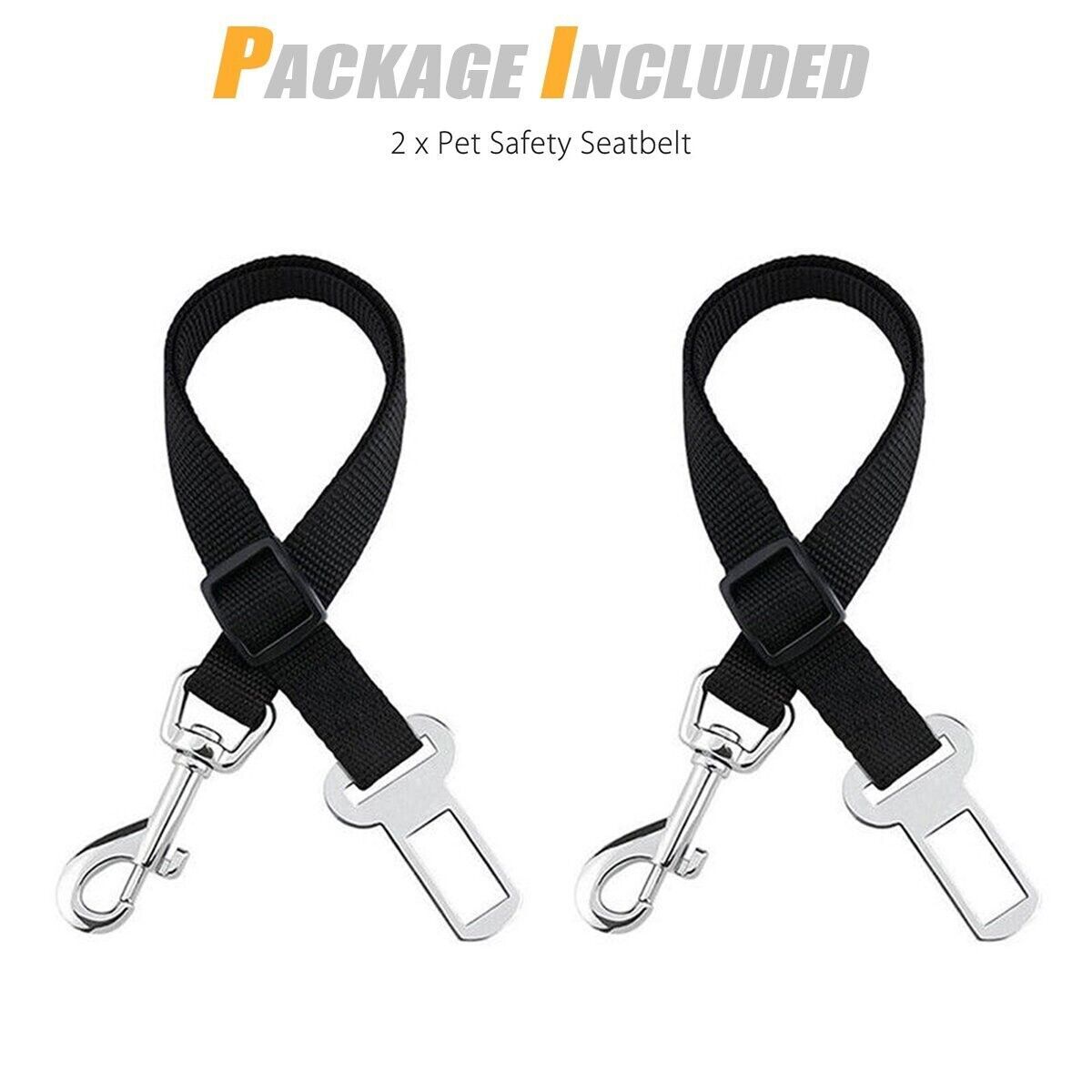 2× Adjustable Pet Dog Car Seat Belt Safety Clip for Car Auto Travel Vehicle Safe$9.45Last checked Nov 23, 2026View on eBay
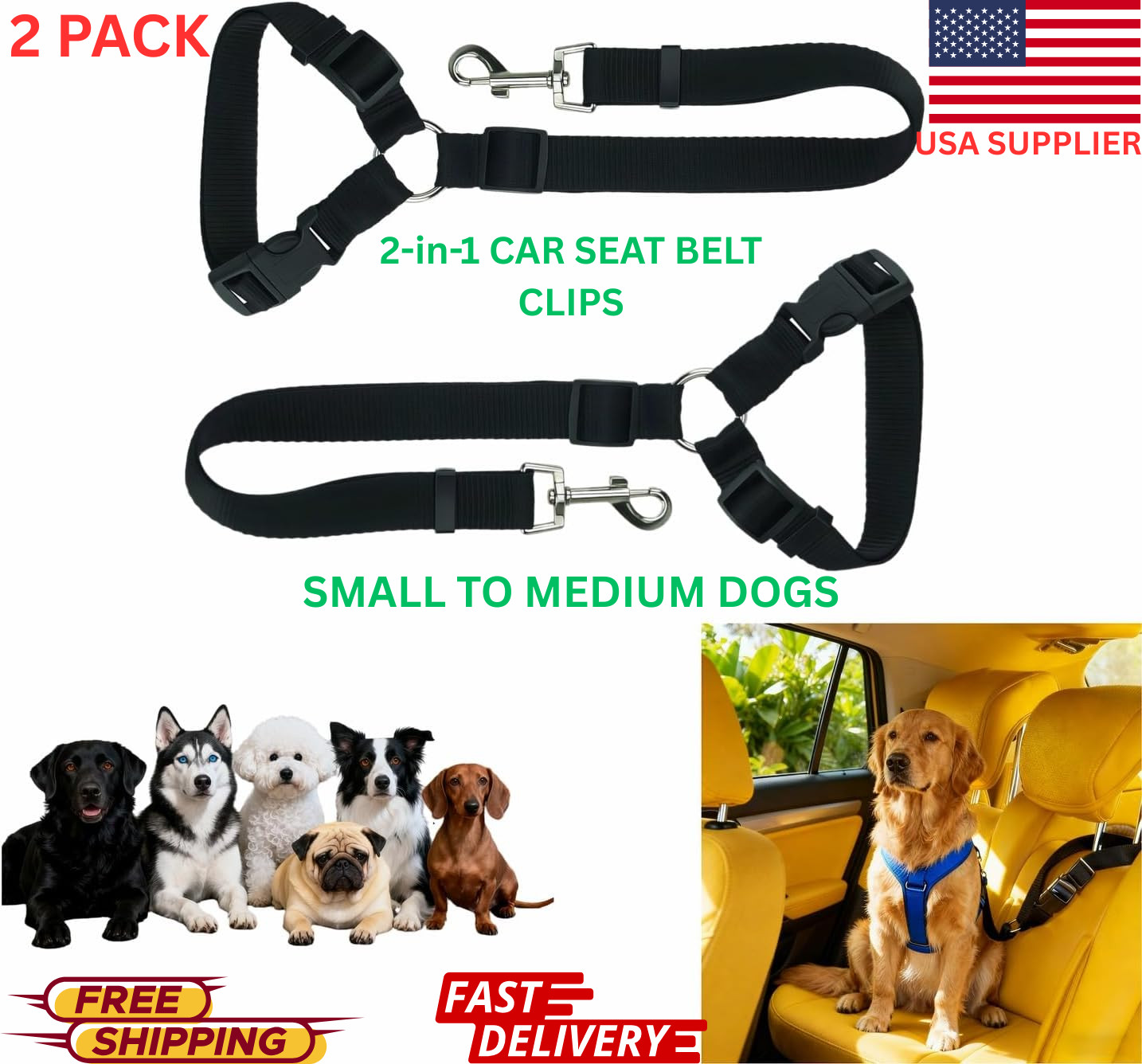 Dog Seat Belt Clips 2 PACK Adjustable Pet Car Harness Leash Safety Travel SUV$10.99Last checked Nov 24, 2026View on eBay
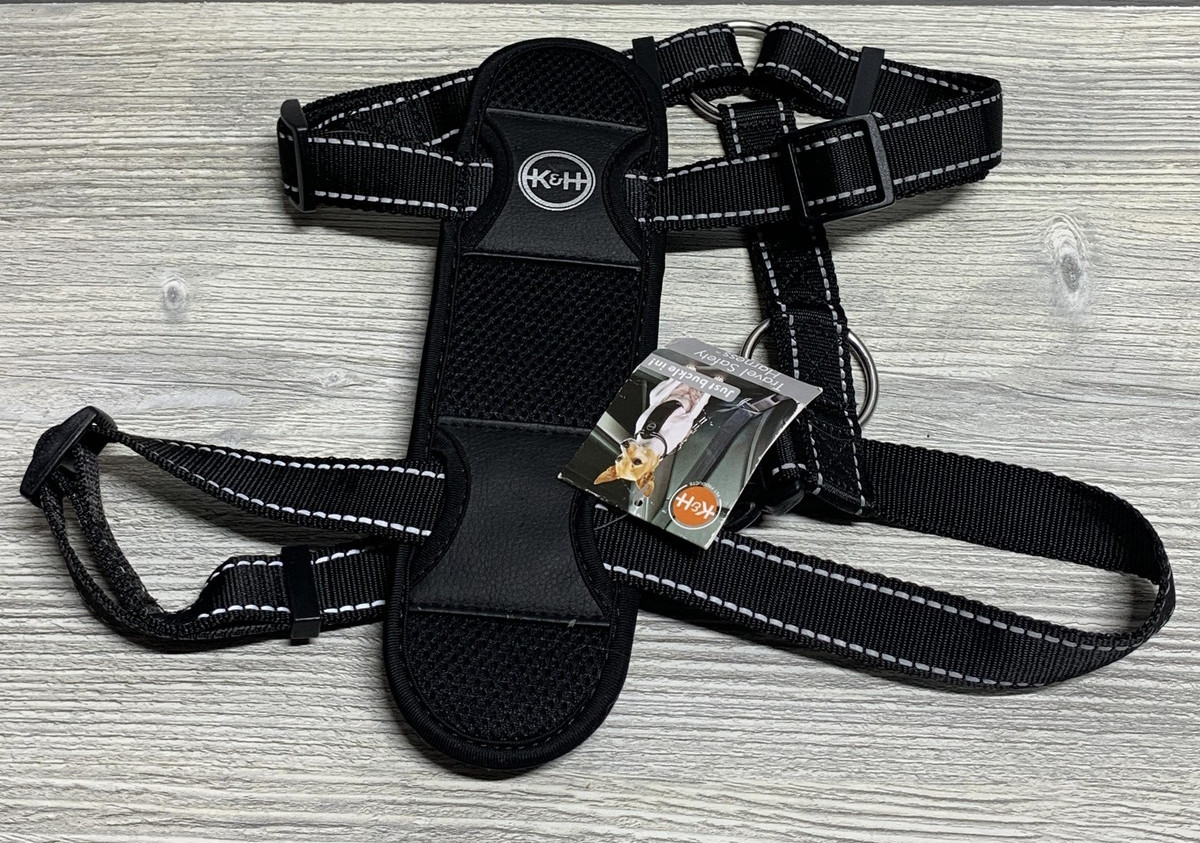 K&H Pet Products Travel Safety Dog Car Harness Large Black Nylon No Leash$11.99Last checked Nov 20, 2026View on eBay
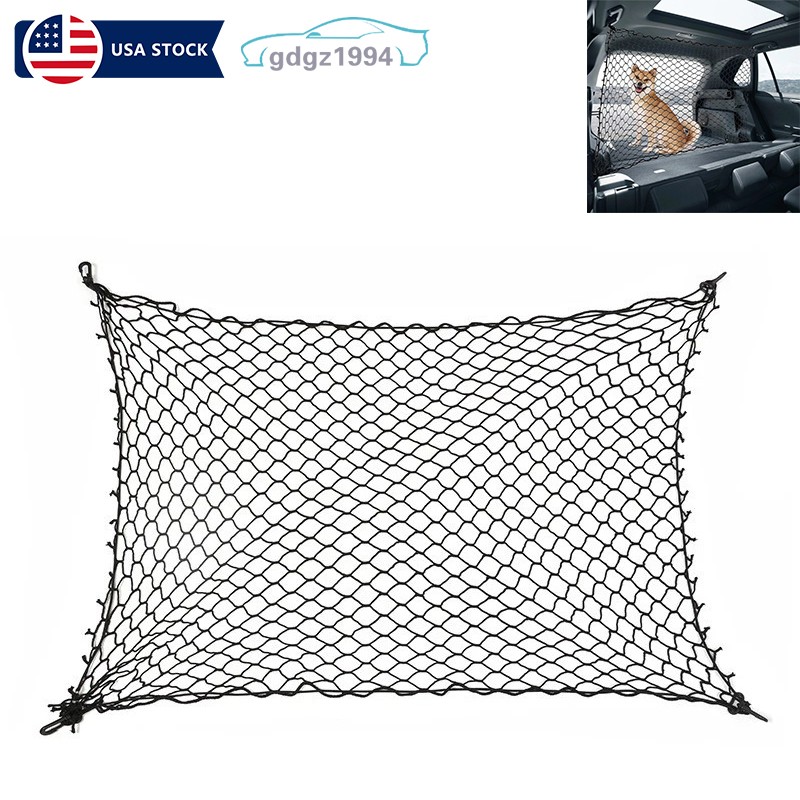 Dog Car Barrier Pet Net Pet Travel Safety Barrier Mesh Net Dog Divider SUV Van$15.19View on eBay
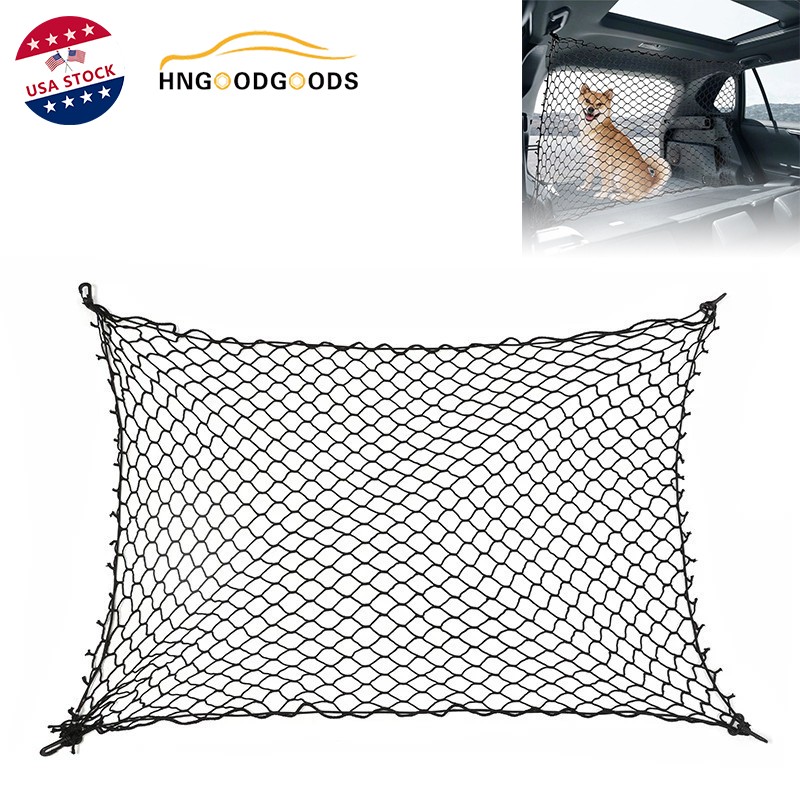 Dog Car Barrier Pet Net Pet Travel Safety Barrier Mesh Net Dog Divider Car SUV$15.66View on eBay
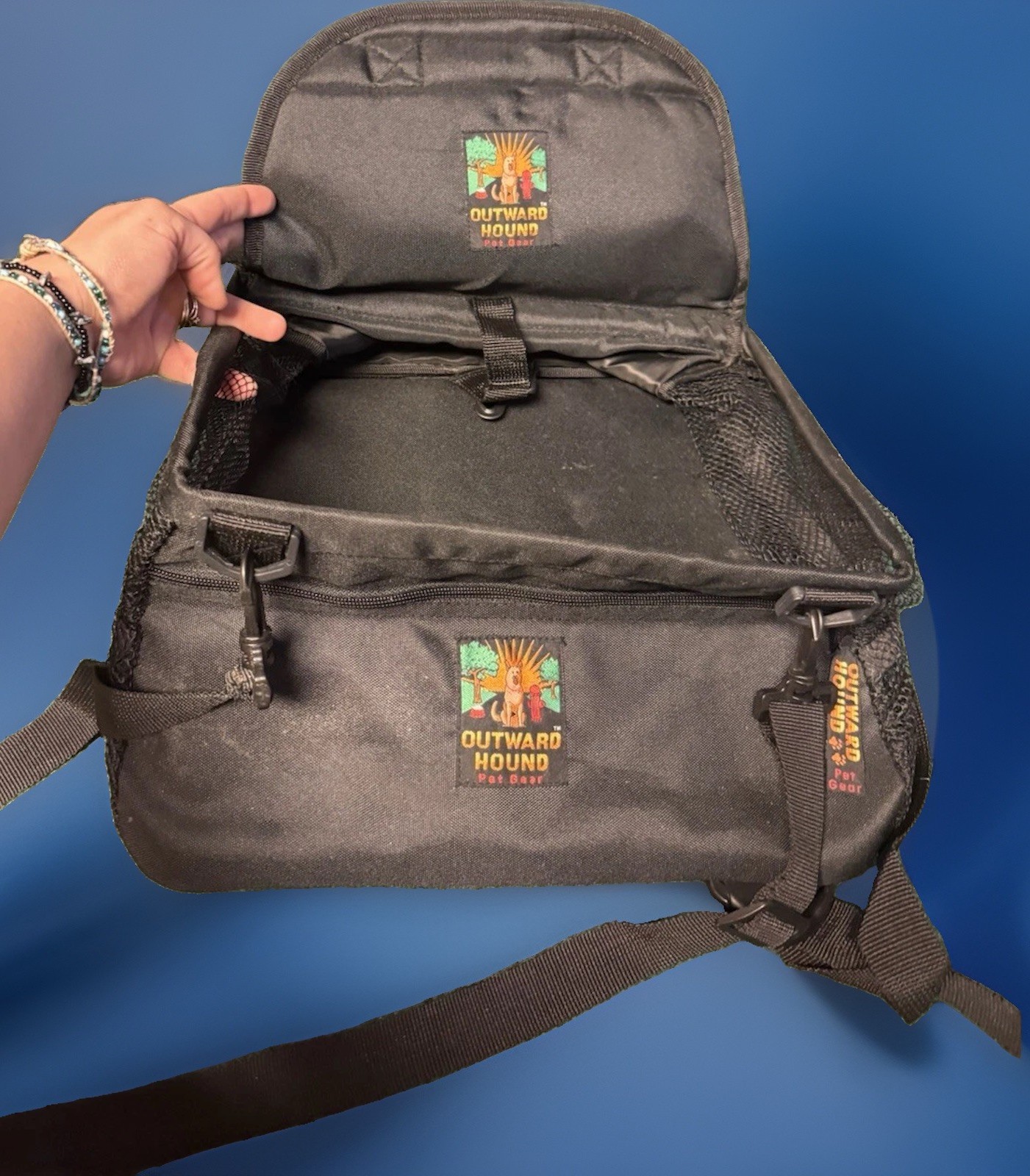 Outward Hound Pet Travel Gear Small/ Med Dogs Puppies Car Seat Safety Carrier S$18.00Last checked Nov 25, 2026View on eBay
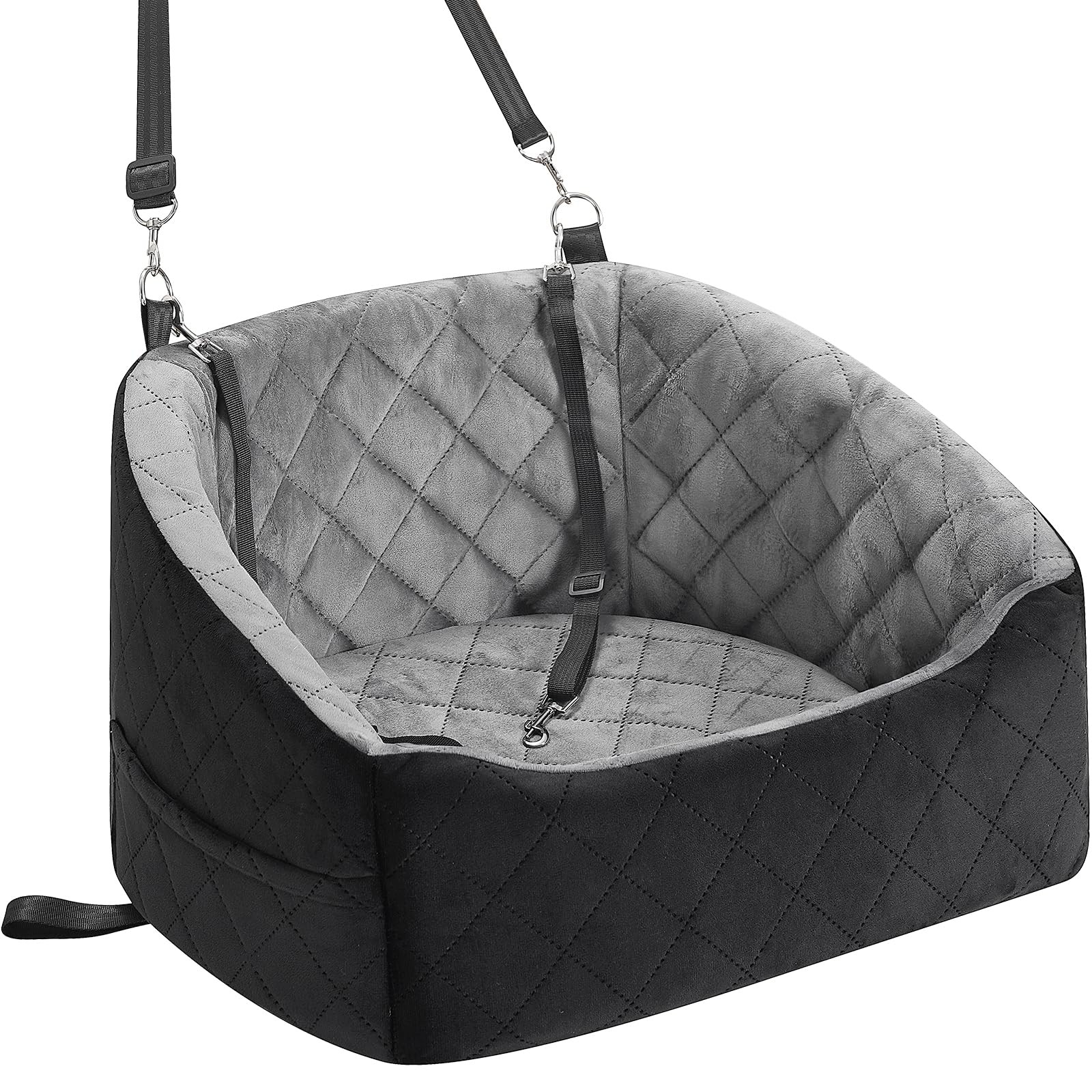 KANGREST Dog Car Seat Small Dogs Up 30 Lbs, Pet Travel Safety Bed Puppy Cat$21.40View on eBay
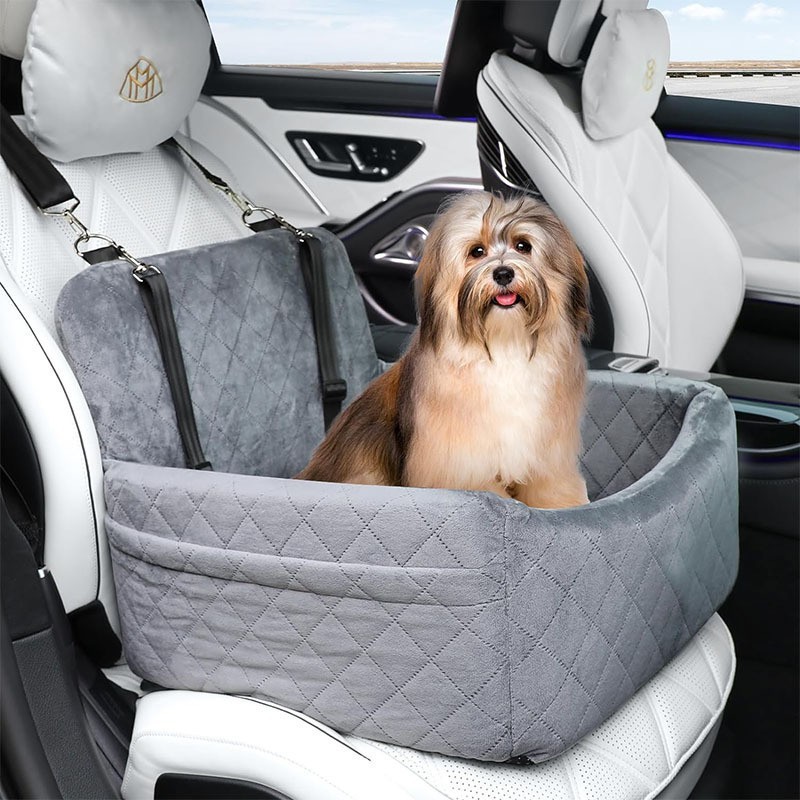 Medium Pet Dog Cat Bed Car Seat Carrier Booster Auto Travel Safety FOUR SEASONS$24.99Last checked Nov 26, 2026View on eBay
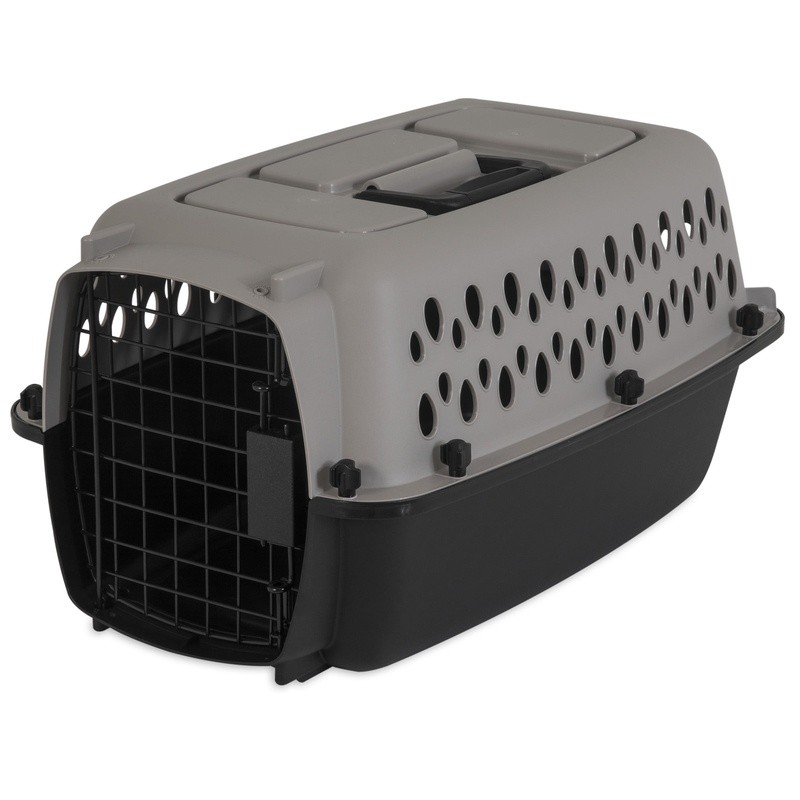 Hard-Side Pet Kennel Dogs Travel Carrier Portable Easy Assembly Durable Safety$31.23View on eBay
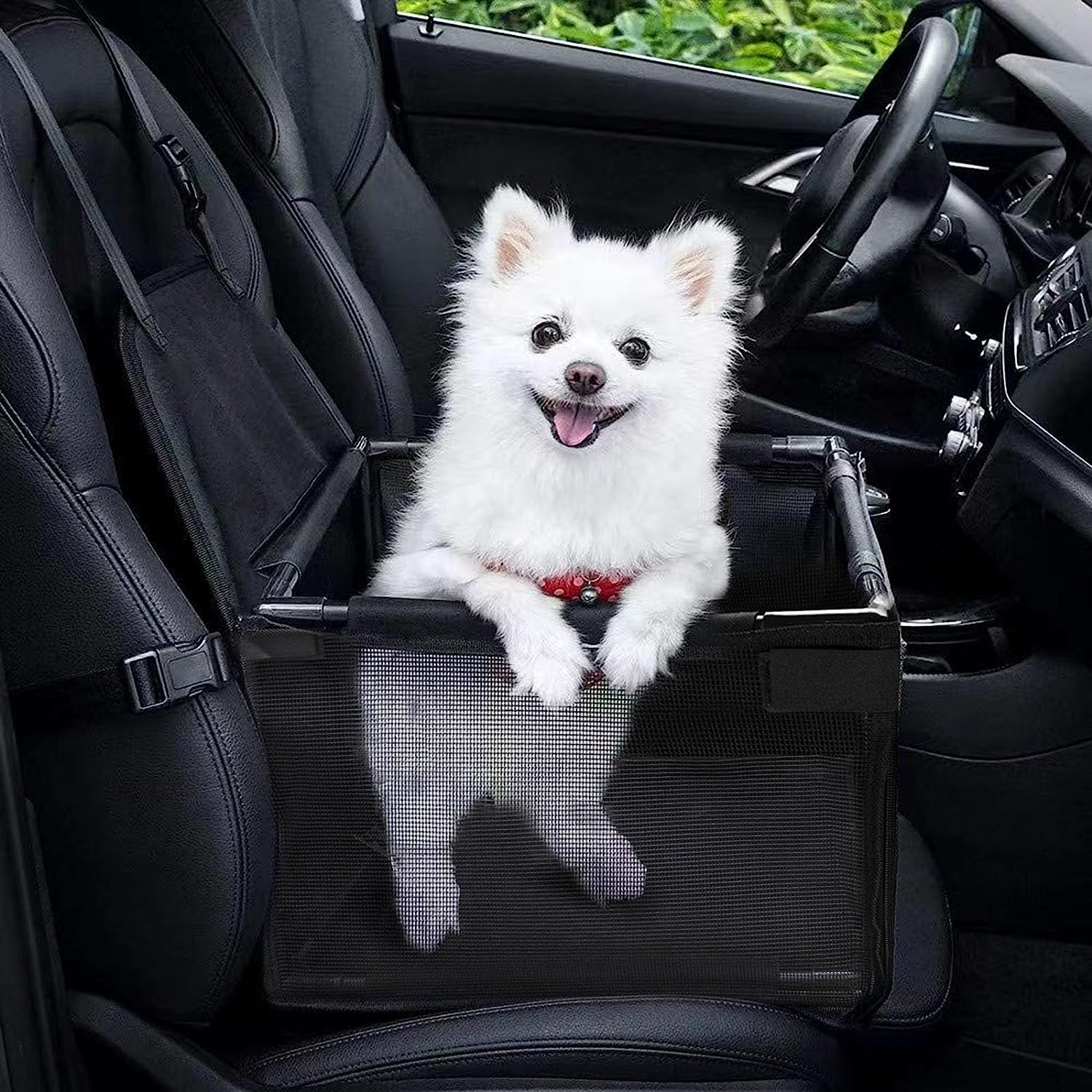 Small/Medium Dog Car Seat, Folding Travel Safety Pet Booster for Dogs up to 20Lb$37.88Last checked Nov 25, 2026View on eBay
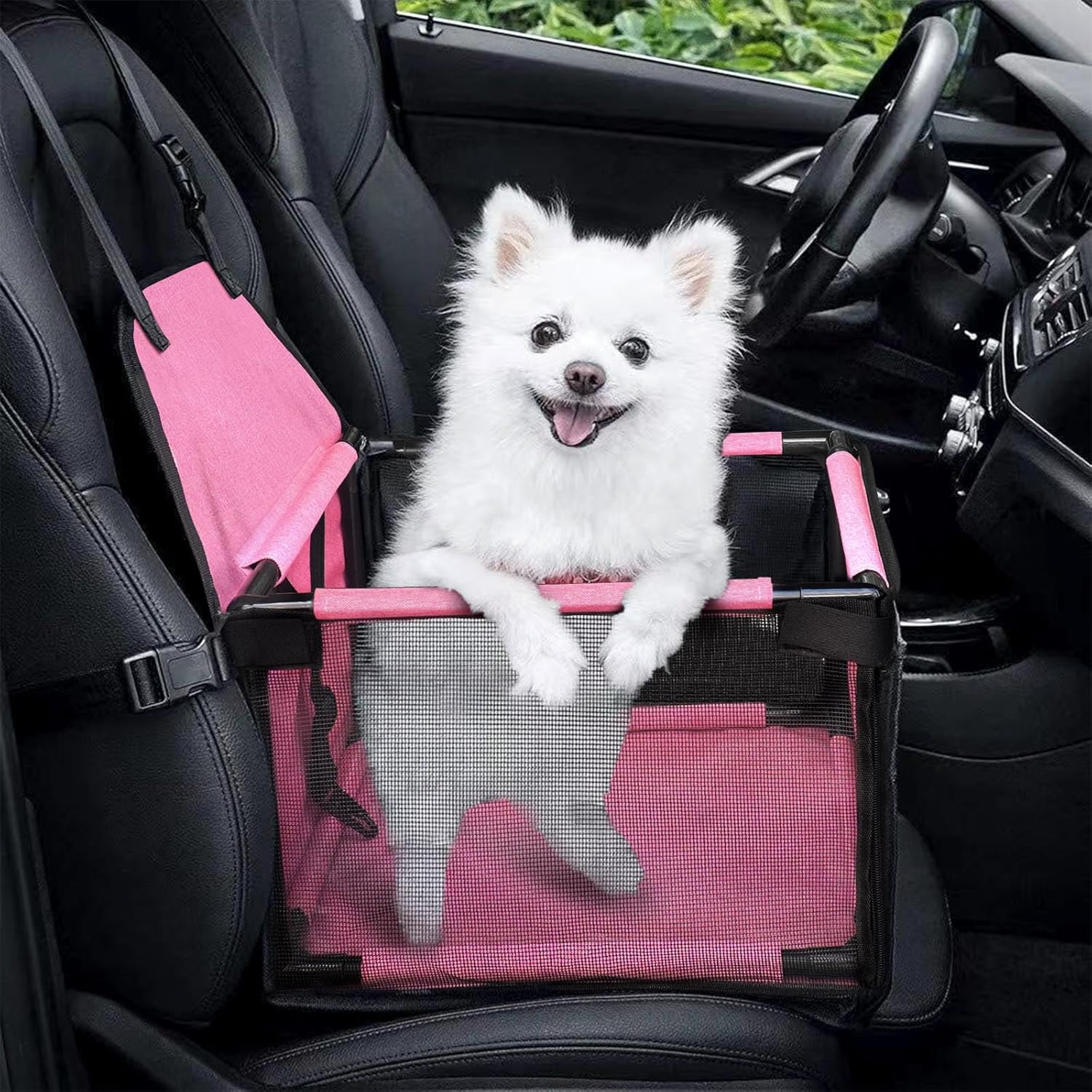 Small/Medium Dog Car Seat, Folding Travel Safety Pet Booster for Dogs up to 20Lb$37.88Last checked Nov 23, 2026View on eBay
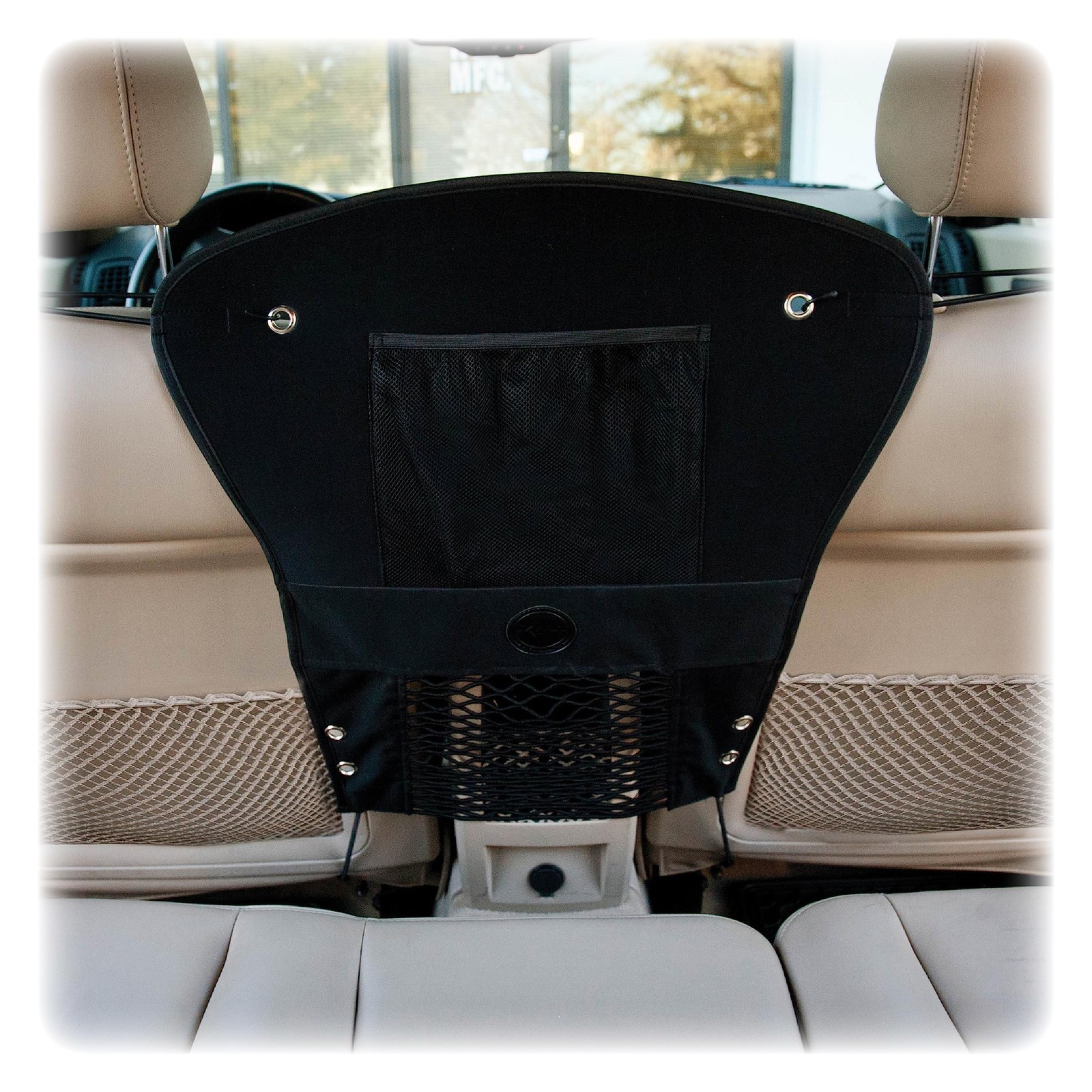 Dog Car Net, Pet Travel Safety Barrier, Auto Safety Organizer with Pocket & M...$39.97View on eBay
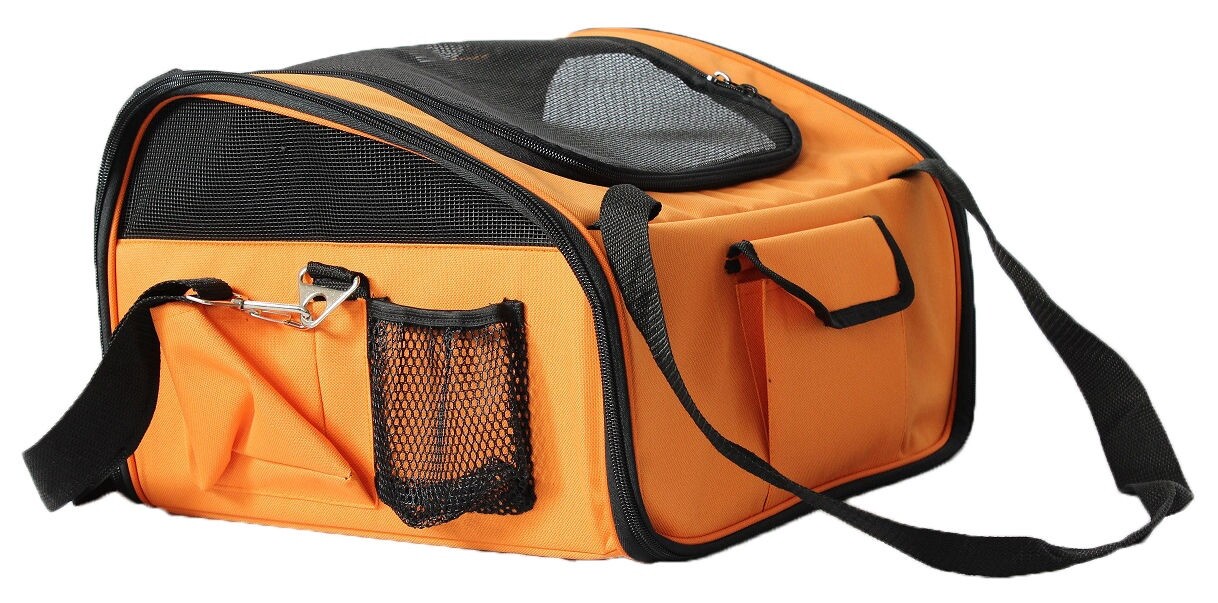 Ultra-Lock Collapsible Safety Travel Wire Folding Pet Dog or Cat Carseat Carrier$54.99Last checked Nov 25, 2026View on eBay
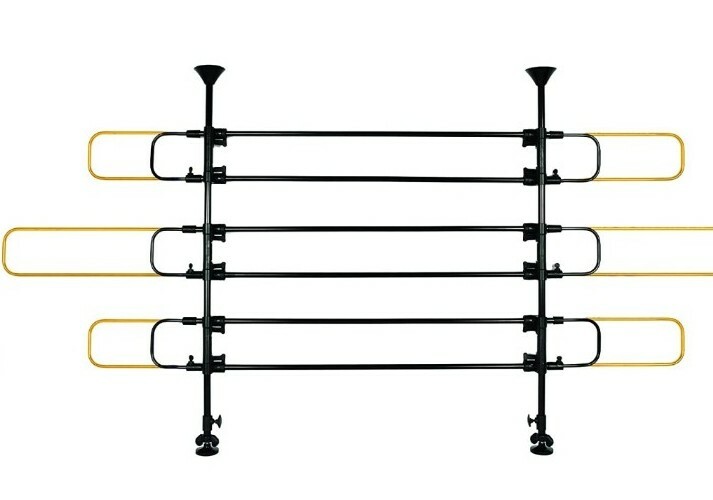 Precision Vehicle Pet Barrier Universal-Travel Safety With Your Pets That U Luv$59.99Last checked Nov 19, 2026View on eBay
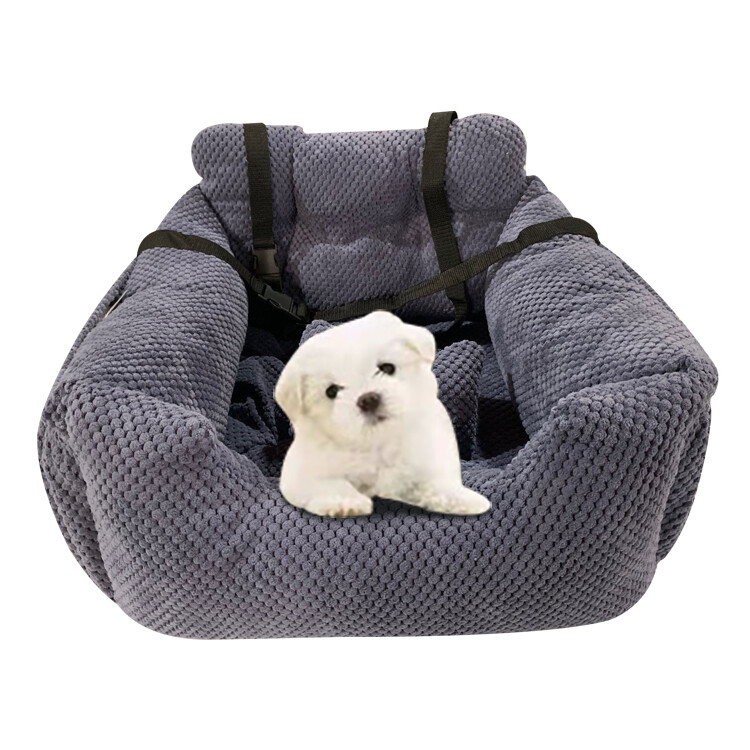 FOUR SEASONS Pet Dog Cat Bed Car Seat Carrier Booster Auto Travel Safety (NAVY)$75.88Last checked Nov 22, 2026View on eBay
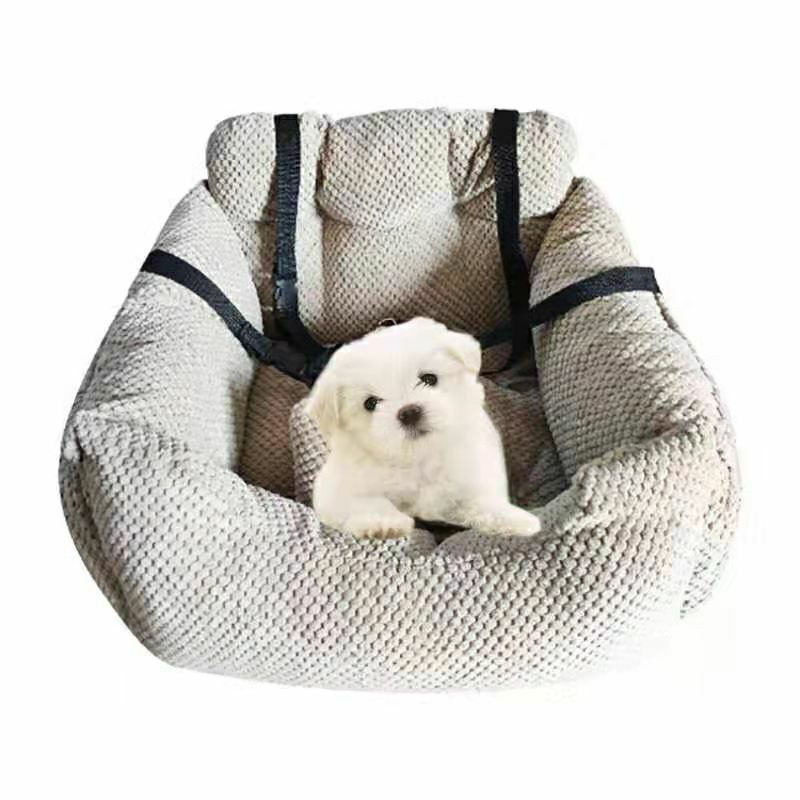 FOUR SEASONS Pet Dog Cat Bed Car Seat Carrier Booster Auto Travel Safety (KHAKI)$75.88Last checked Nov 22, 2026View on eBay
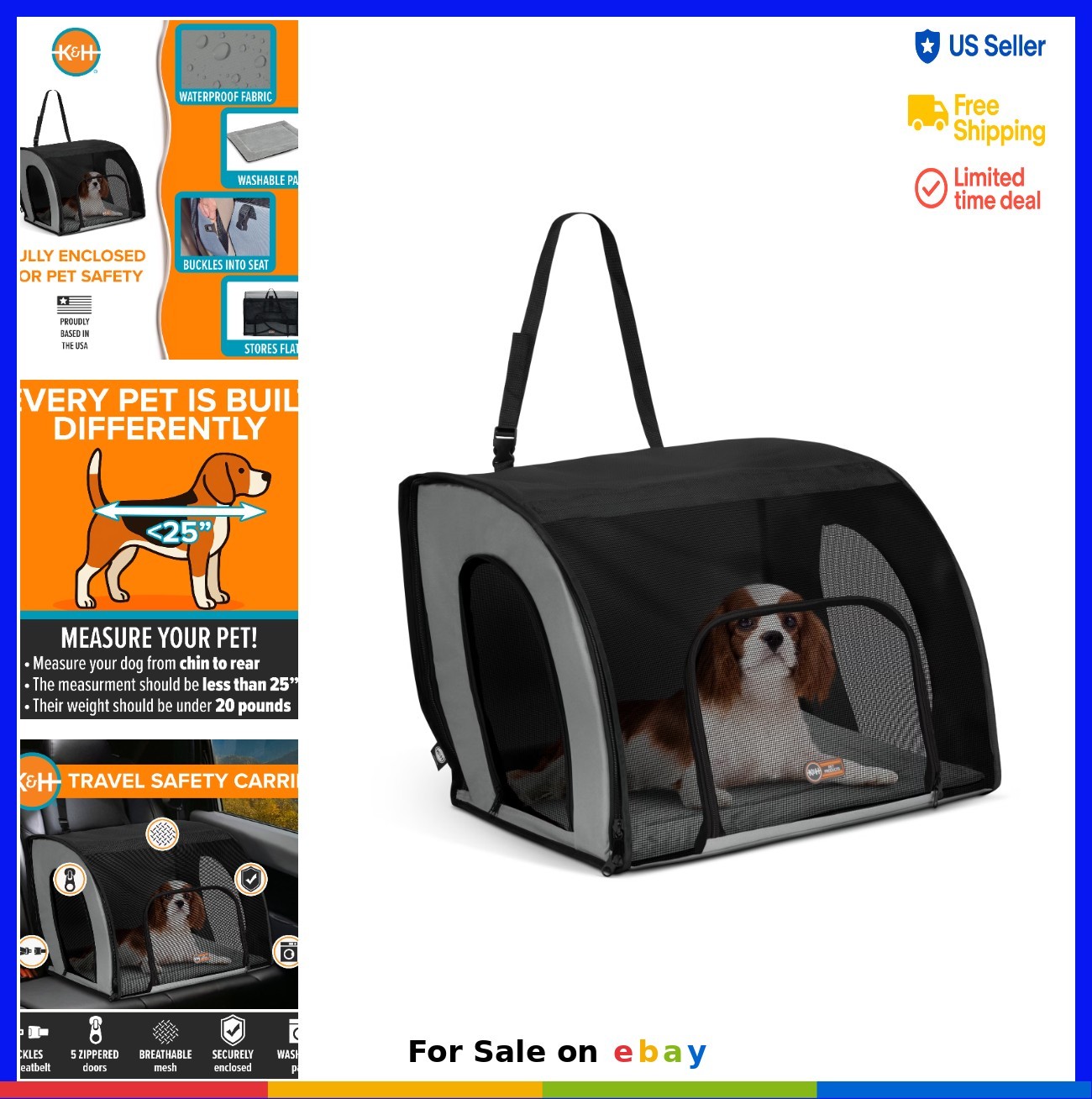 Pet Travel Safety Carrier Medium 24x19x17 Inches Gray Black Machine Washable$87.97View on eBay
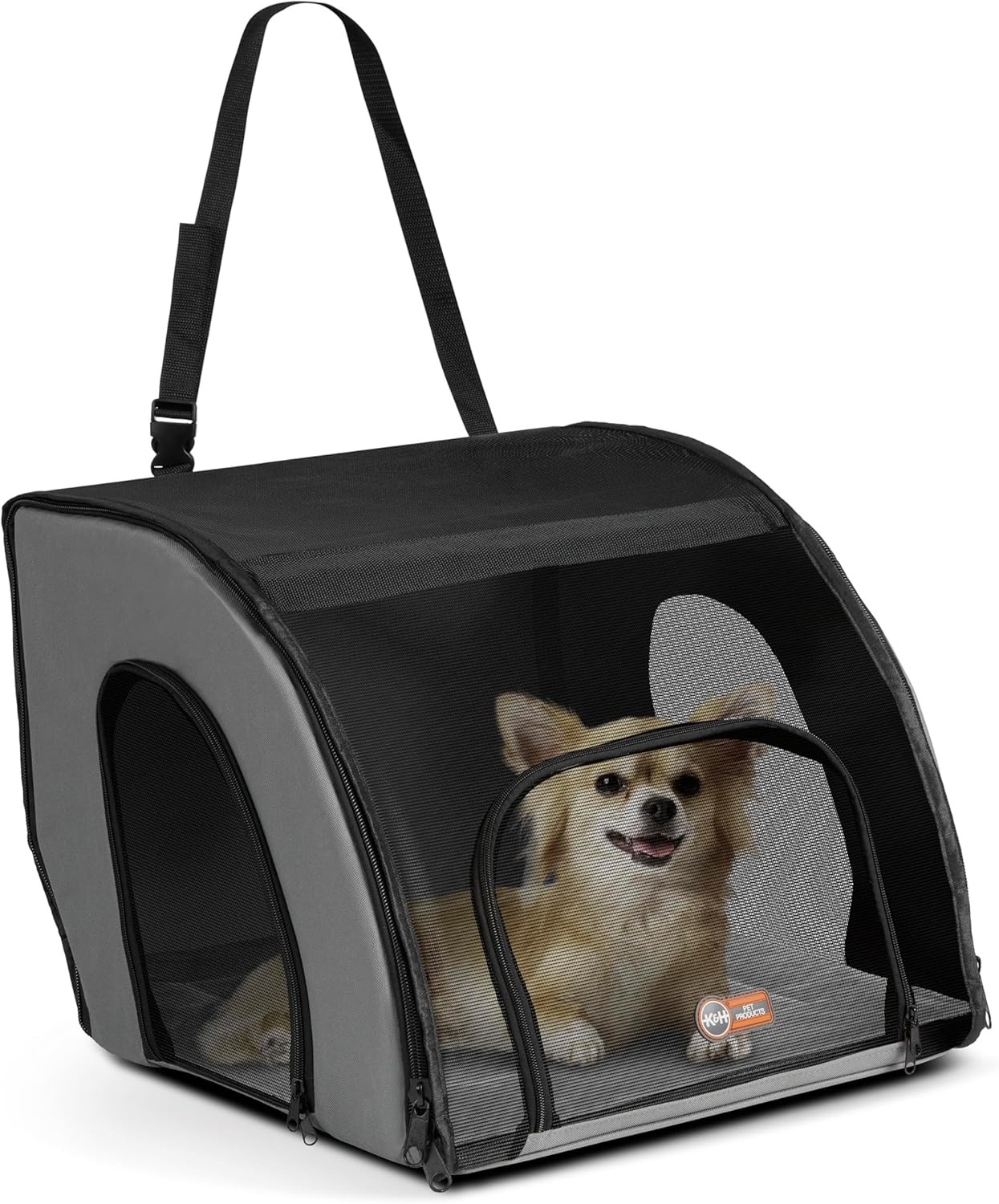 K&H Pet Products Enclosed Dog Cat Car Seat Travel Safety Carrier$90.99View on eBay
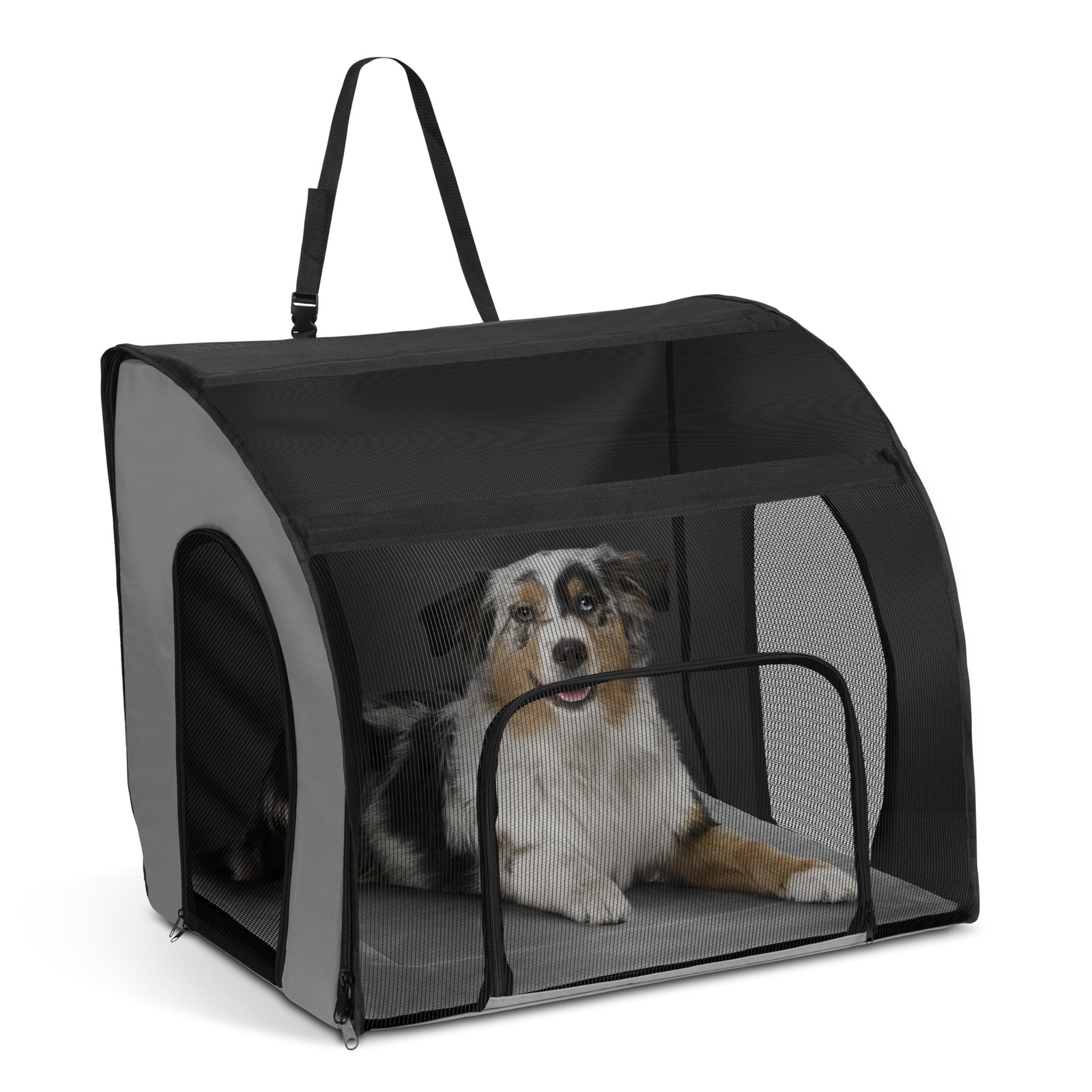 K&H Pet Products Enclosed Large Dog Car Seat, Travel Safety Carrier, Dog Travel$97.83Last checked Nov 22, 2026View on eBay
 Luxury Black Vegan Leather Pet Dog Cat Bed Car Seat Carrier Auto Travel Safety !$129.35View on eBay
Highlights
- Harness strength is set by webbing width and hardware: 1-inch (25 mm) nylon webbing with welded steel D-rings and metal buckles rates far above 3/4-inch polypropylene with plastic quick-release clips.
- Vehicle barriers split into mesh/net dividers (containment only, no crash rating) and tubular steel or aluminum grid barriers that mount to headrest posts or seat frames for structural separation.
- Rolling carriers with aluminum alloy frames collapse flat for storage but carry real weight; soft-sided fabric-only trolleys sag and tip when a pet shifts, so frame rigidity decides stability.
- Booster seats rely on a rigid foam or plastic shell plus a tether strap; look for a wide, flat base and a safety leash clip rated to the pet's weight, not just plush lining.
Best use cases
- Daily car rides with a dog: pick a 1-inch webbing crash-tested harness paired with a seat-belt tether; skip thin 3/4-inch strap harnesses that stretch and clip-fail under load.
- SUV cargo area with a large dog: choose a tubular steel or aluminum grid barrier fitted to headrest posts; a mesh net divider only stops climbing over, not a 70 lb dog lunging forward.
- Small dog or cat on short errands: a booster seat with rigid shell and leash clip keeps the pet elevated and contained; skip fabric-only boosters that collapse sideways.
- Airline or vet travel with a pet that cannot walk far: an aluminum-frame rolling carrier with padded handle and internal safety leash works; a soft tote with no frame is for brief carrying only.
Buying tips
- Match harness webbing to pet weight: 1-inch (25 mm) nylon for dogs over 25 lb, 3/4-inch for toy breeds; metal buckles and welded D-rings are mandatory for crash use.
- Measure headrest post spacing and cargo width before buying a barrier; adjustable mesh nets fit 30–60 inch openings, but steel grid barriers need exact vehicle-specific width.
- For rolling carriers, check the frame material (aluminum alloy vs steel vs none) and wheel diameter; wheels under 3 inches catch on pavement seams and tip the bag.
- Booster seats need a flat, wide base and a tether that anchors to the seat; confirm the internal leash clip and shell are rated for the pet's full weight, not just small breeds.
Specs
| Harness Webbing | 1 in nylon / 3/4 in poly |
|---|---|
| Barrier Type | Mesh net vs steel/aluminum grid |
| Carrier Frame | Aluminum alloy / steel / soft-sided |
| Booster Shell | Rigid foam/plastic vs fabric-only |
Related searches
What to check before buying
- Measure your vehicle's rear seat width, headrest post gap, and cargo height; barriers and boosters are sized to these openings, not to pet size alone.
- Weigh your pet and confirm the harness or carrier load rating covers that weight with margin; a 60 lb dog needs hardware rated well above 60 lb.
- Check seat-belt buckle type (tongue width) so the tether clips into your car's receptacles without an adapter.
- For rolling carriers, confirm collapsed dimensions fit your trunk or overhead bin and that wheels are replaceable, since they wear first.
FAQ
Data sources: eBay / Amazon listings and product attribute feeds. Updated Nov 26, 2026.
Some links on this page are affiliate links. If you buy after clicking one, we may earn a commission at no extra cost to you. This does not change which products appear here or their order. Affiliate disclosure.