
Photos from current listings. Actual item, color, and included accessories may vary.
Large Dog Carrier Car Buying Guide
A large dog car carrier is a crash-tested or belt-secured enclosure, hammock, or hard crate that keeps a 50 lb+ dog contained and protects human occupants from a loose animal. The core trade-off is structural rigidity versus packability: welded steel or aluminum frames survive impact and chewing, while soft-sided nylon or polyester carriers only restrain, not protect. The decision rule is simple: choose a rigid, crash-tested kennel for highway travel, and a soft sling or booster only for short, low-speed errands with a dog under 25 lb.
Median $114.41
Key takeaways
- Crash-tested kennels meet the Center for Pet Safety standard and use a single-piece molded or welded metal frame; soft carriers have no crash standard and rely on seatbelt loops only.
- Steel-wire and aluminum crates add 20-40 lb of tare weight but resist deformation in a 30 mph impact; folding fabric cages collapse under the same force and should be treated as containment, not protection.
- Belt-routed carriers require a 2- or 3-point seatbelt through a reinforced sleeve; carriers without a pass-through channel cannot be anchored and slide forward under braking.
At a glance
- Category
- Pet Travel & Safety
- Last updated
- Nov 26, 2026
Current offers
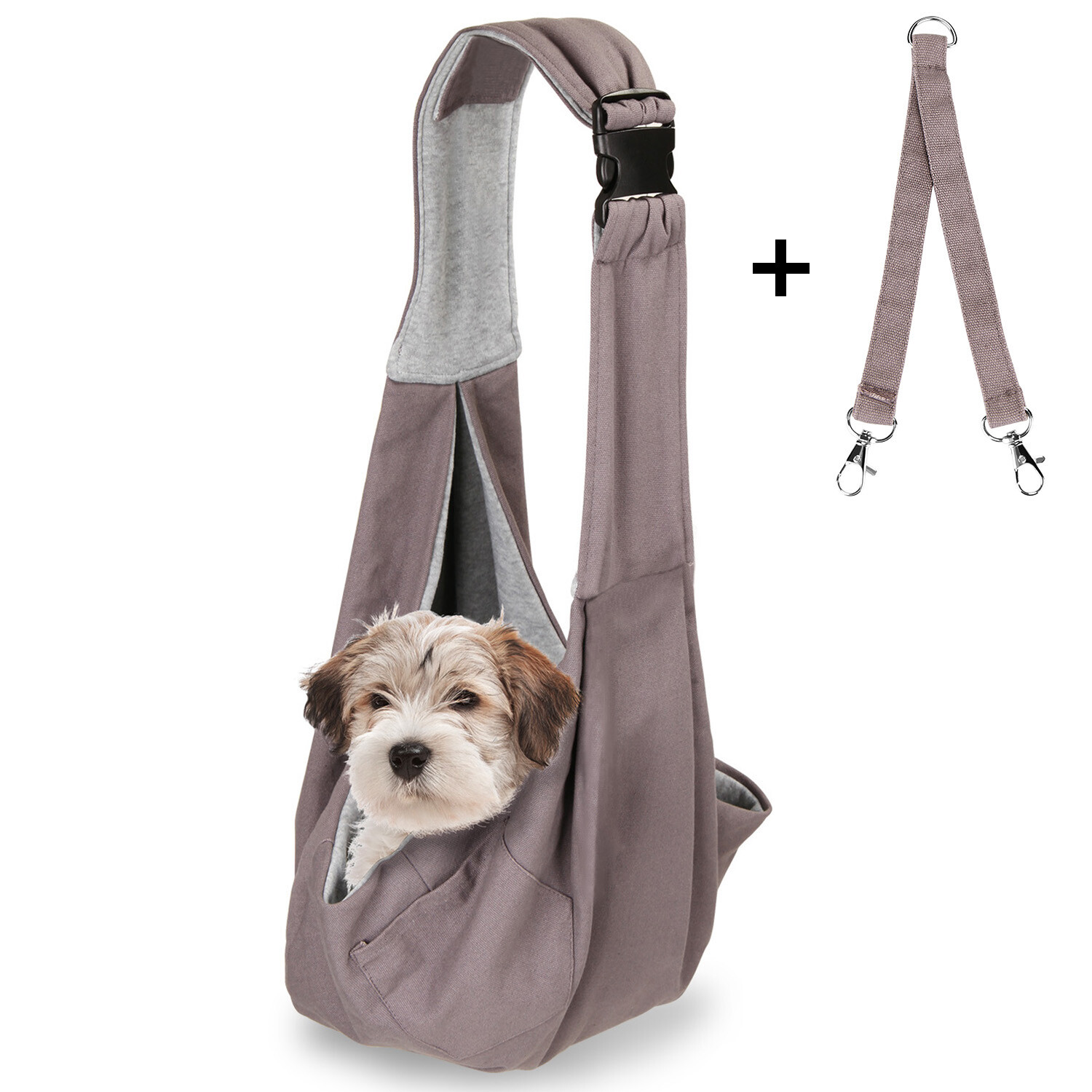 Large Dog Sling Carrier Shoulder Bag Mesh Backpack Pet Cat for 25lb Travel Tote$25.19Last checked Nov 24, 2026View on eBay
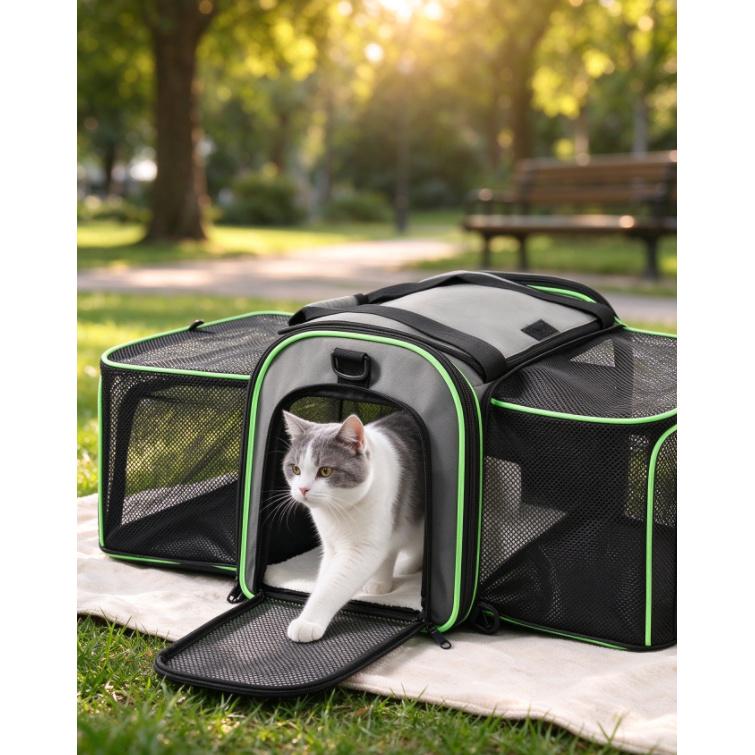 Large Expandable Pet Backpack, Breathable Mesh Cat Dog Carrier Extra Capacity Portable Pet Travel Bag For Car Outdoor Camping$65.99View on Mallflare
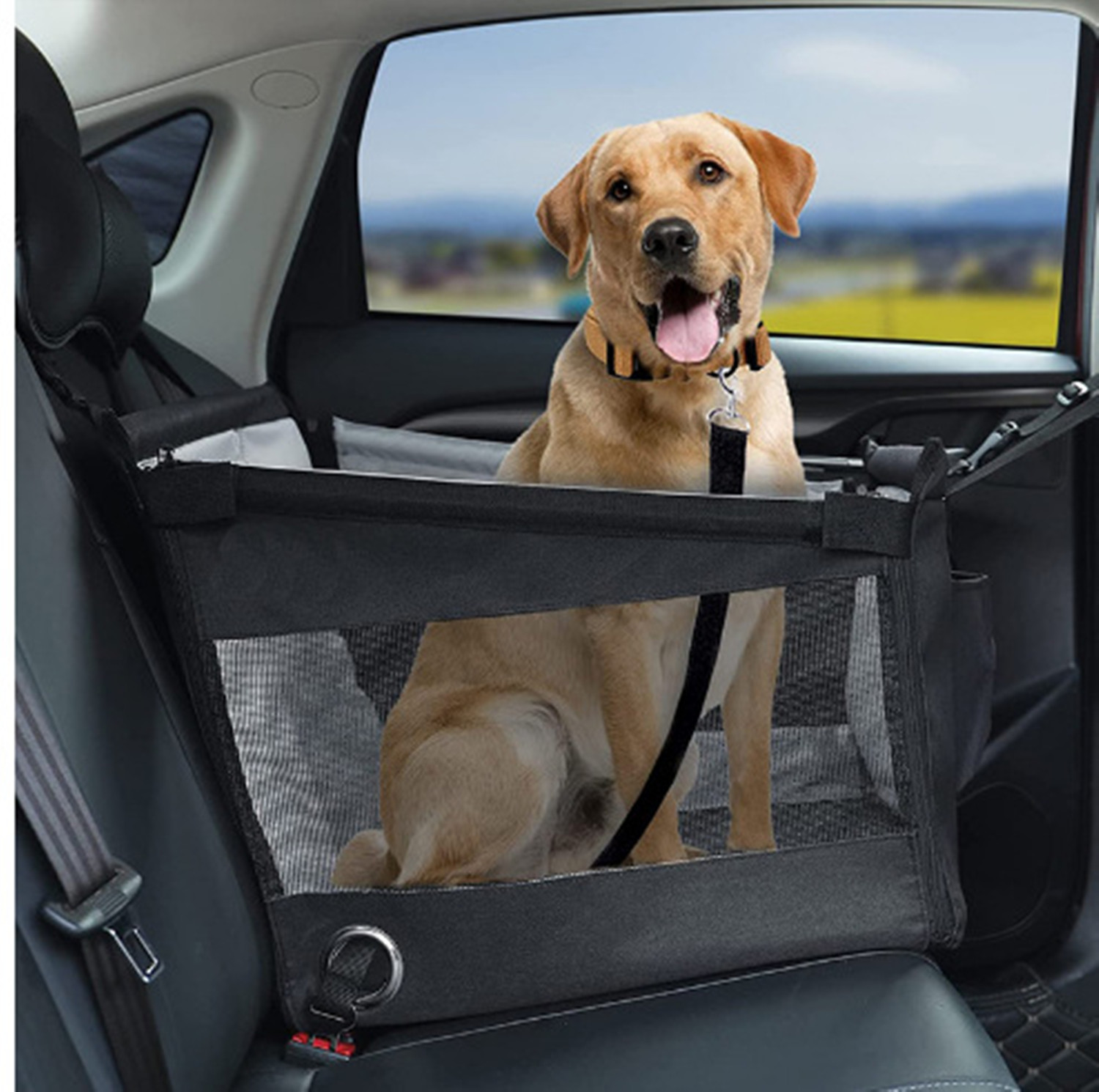 Pet Dog Car Seat for Large Dogs Travel Carrier Cage with Belt Safety Seat Kennel$28.99Last checked Nov 23, 2026View on eBay
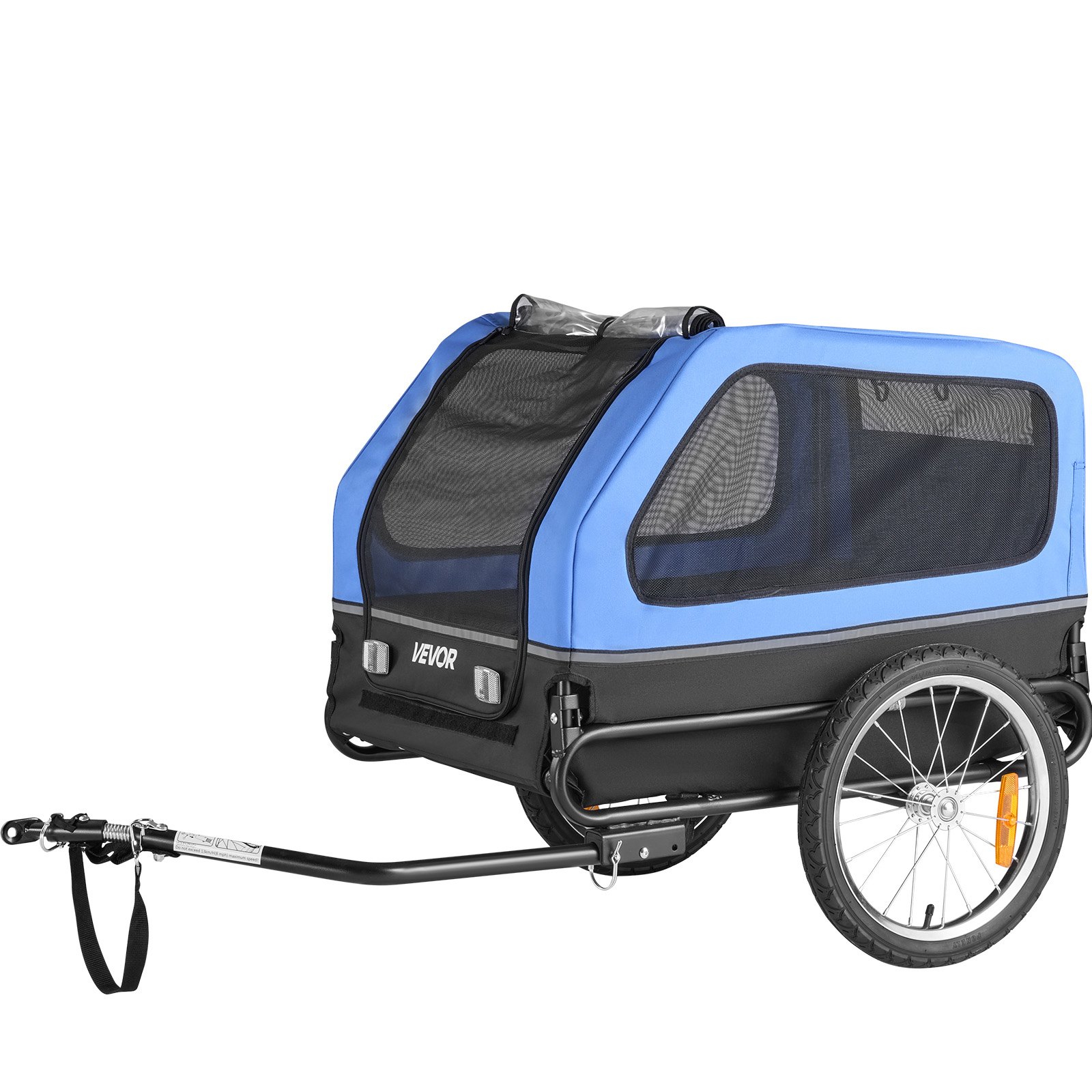 Dog Bike Trailer, Supports Up To 88 Lbs, Pet Cart Bicycle Carrier For Small & Large Dogs, Easy Folding Frame With Quick Release Wheel, Universal Coupler, Reflector, Flag, Internal Leash$164.99View on Mallflare
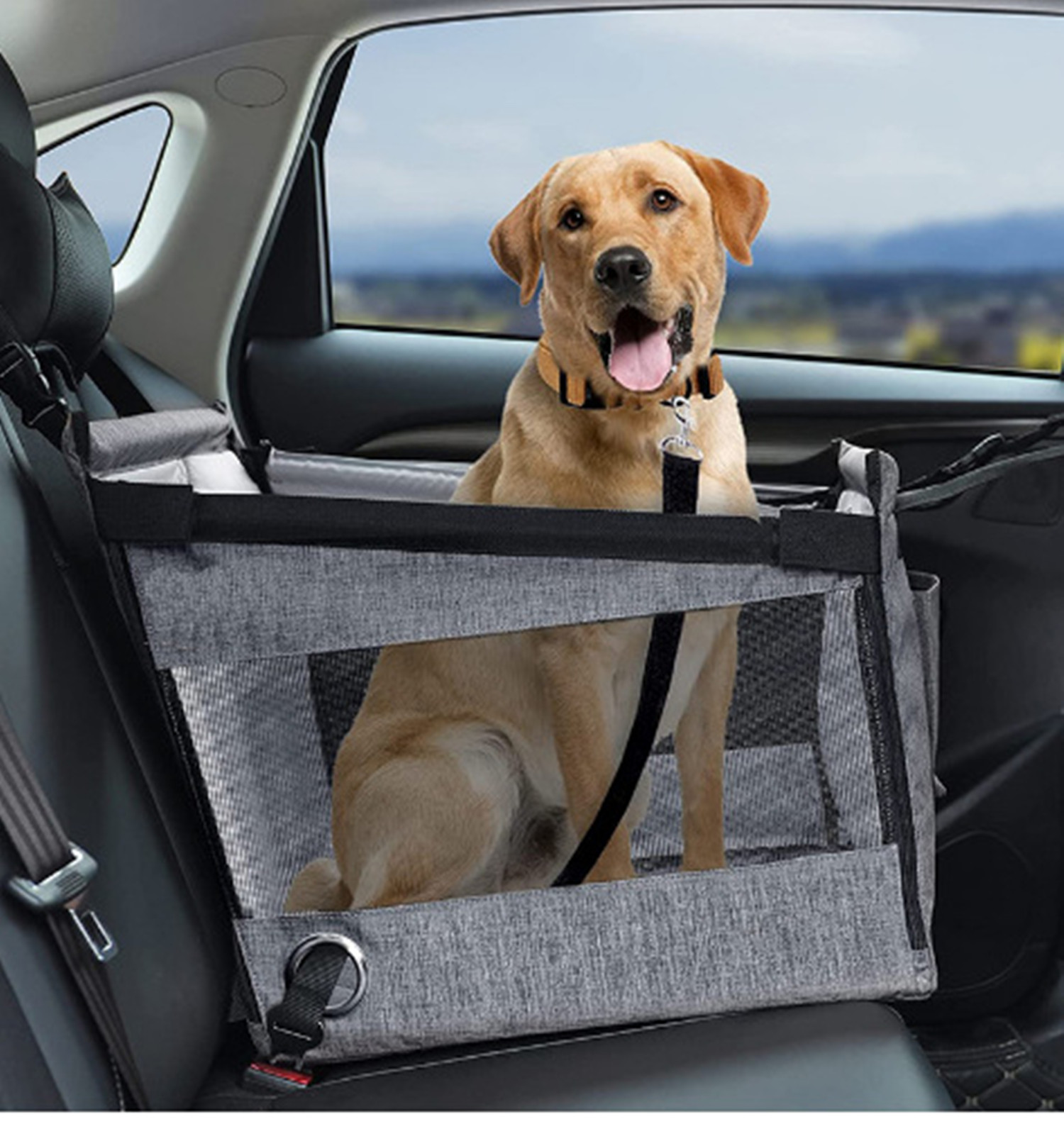 Dog Car Seats for Large Dog Pet Car Booster Seat Travel Carrier Cage Bag Folding$31.34Last checked Nov 24, 2026View on eBay
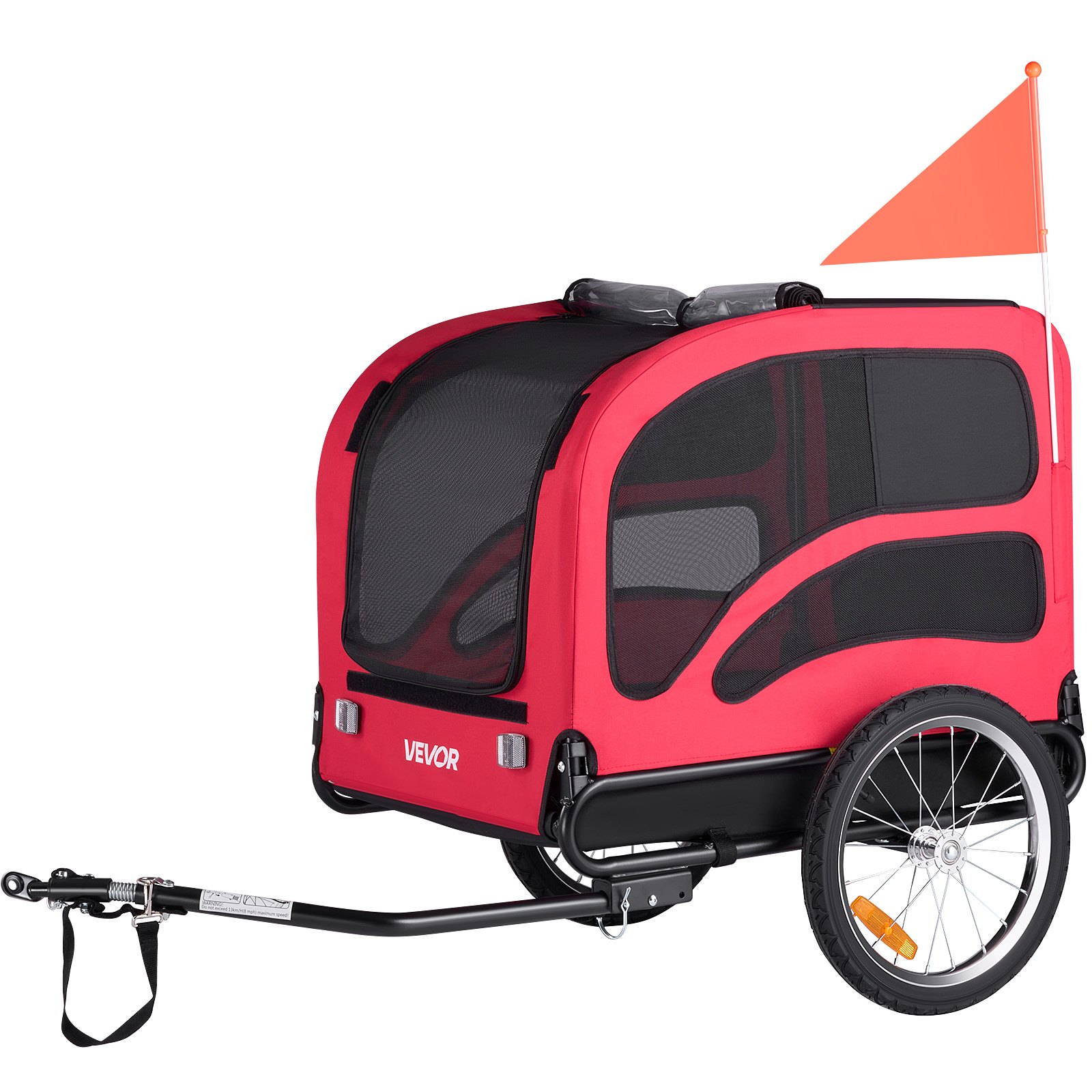 Dog Bike Trailer, Supports Up To 100 Lbs, Pet Cart Bicycle Carrier For Small & Large Dogs, Easy Folding Frame With Quick Release Wheel, Universal Coupler, Reflector, Flag, Internal Leash$181.99View on Mallflare
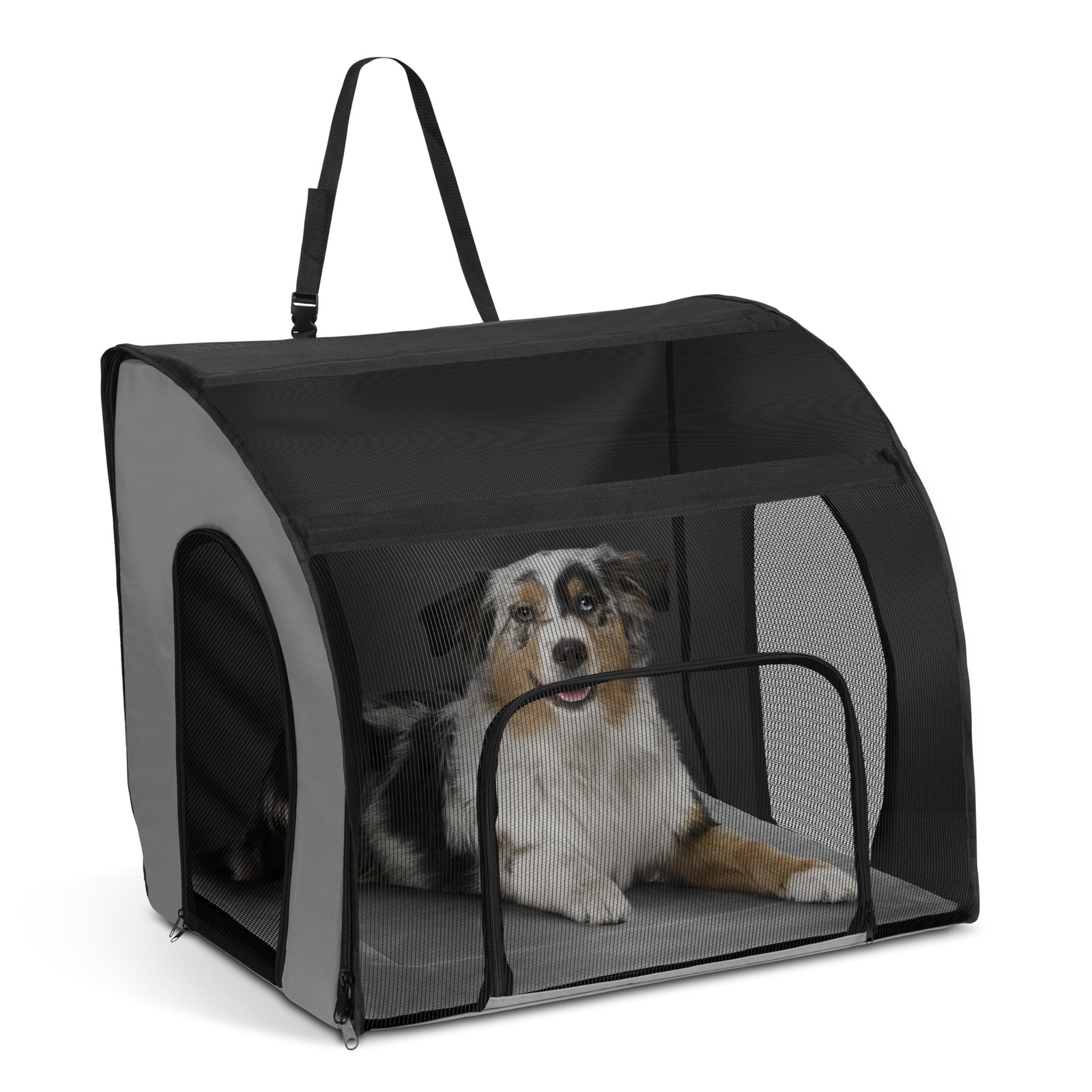 K&H Pet Products Enclosed Large Dog Car Seat, Travel Safety Carrier, Dog Travel$97.83Last checked Nov 22, 2026View on eBay
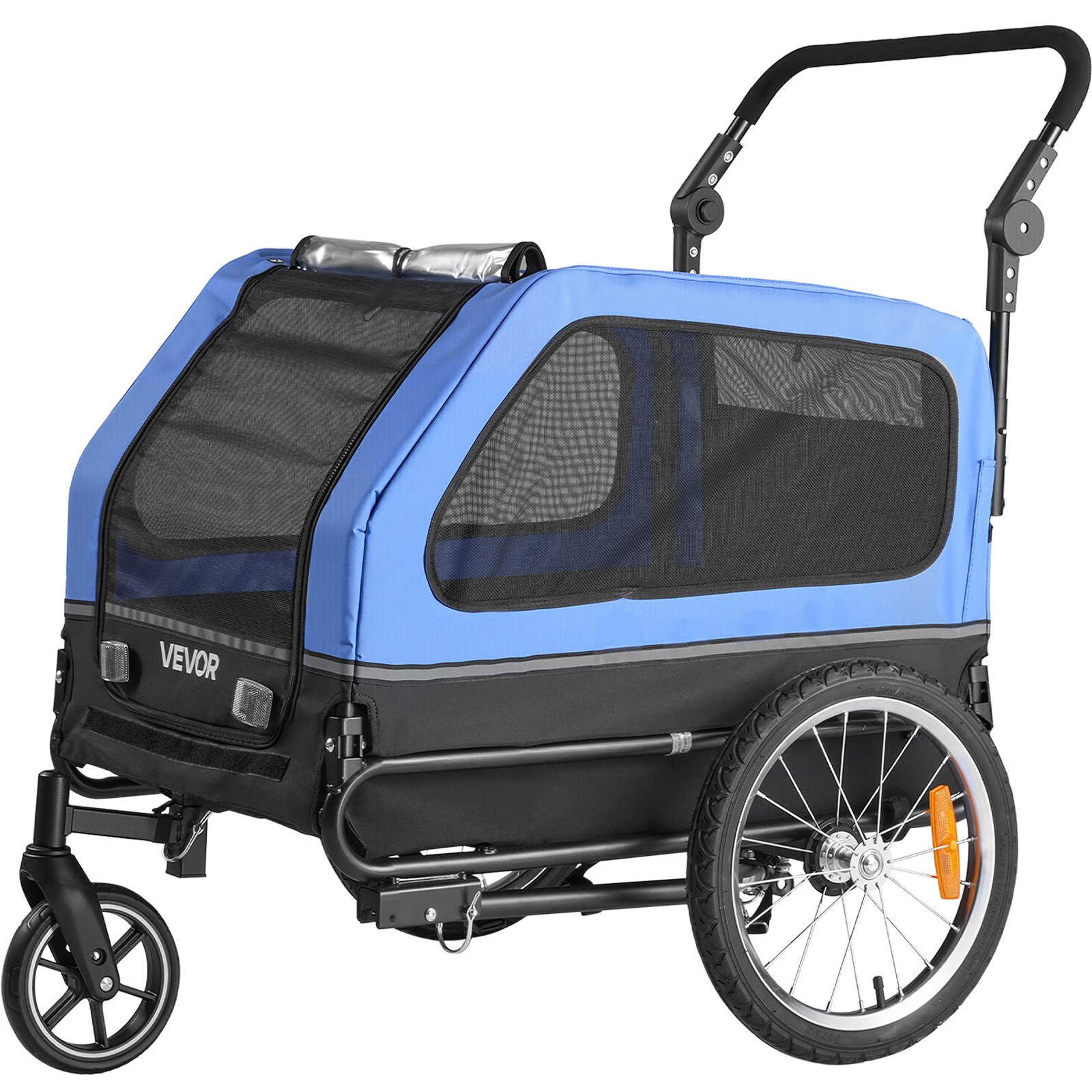 Dog Bike Trailer, Supports Up To 88 Lbs, 2-in-1 Pet Stroller Cart Bicycle Carrier For Small & Large Dogs, Easy Folding Frame With Quick Release Wheel, Universal Coupler, Internal Leash$201.99View on Mallflare
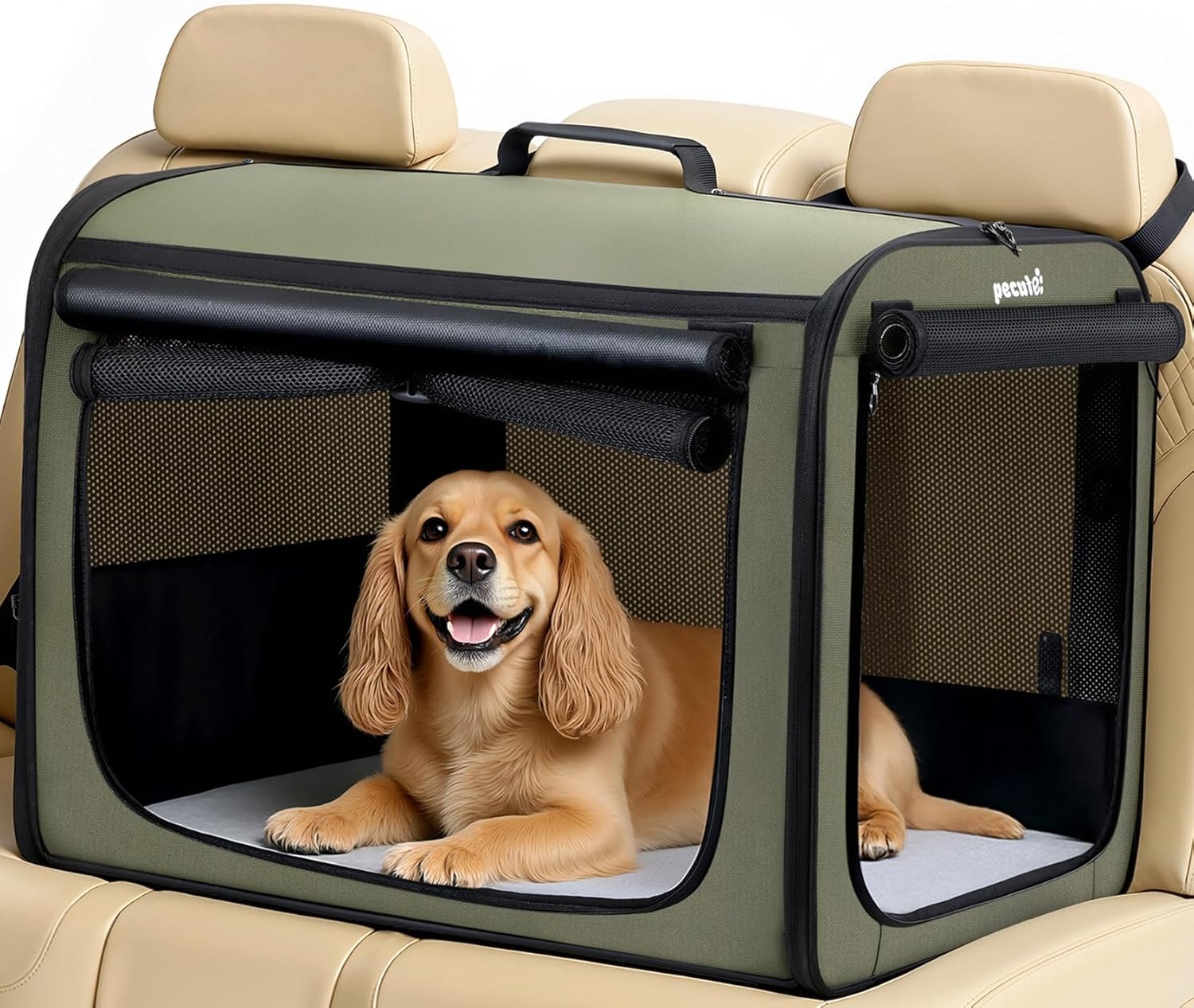 Large Dog Car Carrier Light Weight, 27×20.5×20.5Ins Dog Carrier for Cars, Portab$130.99View on eBay
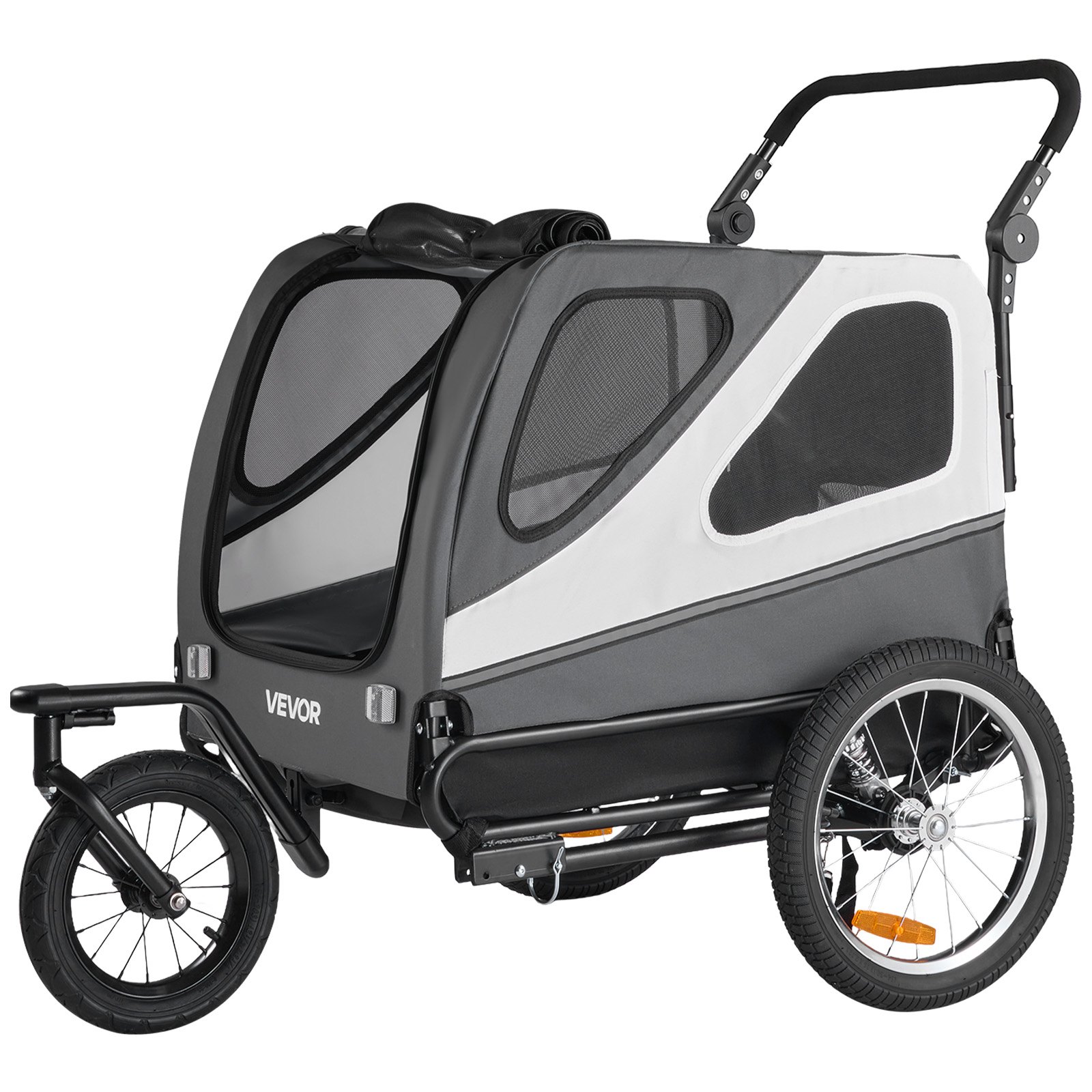 Dog Bike Trailer, Supports Up To 100 Lbs, 2-in-1 Pet Stroller Cart Bicycle Carrier For Small & Large Dogs, Easy Folding Frame With Quick Release Wheel, Universal Coupler, Internal Leash$237.99View on Mallflare
Highlights
- Crash-tested kennels meet the Center for Pet Safety standard and use a single-piece molded or welded metal frame; soft carriers have no crash standard and rely on seatbelt loops only.
- Steel-wire and aluminum crates add 20-40 lb of tare weight but resist deformation in a 30 mph impact; folding fabric cages collapse under the same force and should be treated as containment, not protection.
- Belt-routed carriers require a 2- or 3-point seatbelt through a reinforced sleeve; carriers without a pass-through channel cannot be anchored and slide forward under braking.
- Large-dog sizing hinges on interior height (dog must stand without head contact) and length (nose-to-tail plus 2-4 in); a 70 lb dog typically needs at least 30 in L x 20 in W x 24 in H interior.
Best use cases
- Best fit: a 60-90 lb dog on daily highway commutes needs a rigid, crash-tested kennel or a metal-framed car seat secured with the seatbelt and tether; skip soft slings and fabric booster bags.
- Best fit: a 25-50 lb dog on short city trips can use a belt-routed booster or sling with a reinforced sleeve and tether; skip open-top baskets that let the dog climb out.
- Best fit: multi-dog households or SUVs with folded seats should pick a foldable metal crate with a 66 lb+ capacity rating and a flat floor footprint; skip rolling backpacks marketed as car seats.
- Wrong fit: a dog over 50 lb in any backpack or shoulder-sling carrier — these are rated to roughly 25 lb and will tear at the strap anchors; choose a hard-sided or frame-supported car enclosure instead.
Buying tips
- Measure your cargo area first: the crate footprint plus 2 in of clearance on each side must fit behind the second row or in the trunk; a 36 in crate will not fit most sedans without folding the rear seat.
- Match carrier capacity to dog weight with a 10-15% margin; a carrier rated exactly at your dog's weight will sag at the base and stress the belt sleeve.
- Choose welded steel wire or aluminum over stitch-only fabric frames for dogs over 40 lb; look for a continuous metal perimeter and reinforced belt channel.
- Confirm the seatbelt routing style: a pass-through sleeve works with lap-shoulder belts, while a tether clip must attach to a harness D-ring, never a collar.
Specs
| Frame Material | Welded steel / aluminum vs fabric |
|---|---|
| Crash Standard | CPS-certified vs containment only |
| Weight Capacity | 25 lb sling / 66 lb+ crate |
| Belt Routing | Pass-through sleeve + tether |
Related searches
What to check before buying
- Measure interior cargo height, width, and depth with the seats in your normal travel position; subtract 2 in per side for door swing and belt access.
- Check your vehicle's seatbelt configuration: lap-only belts in the center or third row need a different anchor than lap-shoulder belts.
- Verify the carrier's weight rating exceeds your dog's weight by at least 10%, and that the floor is flat and reinforced for a standing dog.
- Confirm the carrier collapses or folds for storage if you need the cargo space when the dog is not aboard; rigid crates do not fold.
FAQ
Data sources: eBay / Amazon listings and product attribute feeds. Updated Nov 26, 2026.
Some links on this page are affiliate links. If you buy after clicking one, we may earn a commission at no extra cost to you. This does not change which products appear here or their order. Affiliate disclosure.