
Photos from current listings. Actual item, color, and included accessories may vary.
Dog Seat Belt Buying Guide
A dog seat belt is a restraint system that tethers a dog to the vehicle seat or headrest to prevent distraction and projectile injury in a crash. The core trade-off is between a simple nylon tether that clips to a collar or harness versus a crash-tested harness-and-tether system that distributes force across the chest. The clear decision rule: any belt that attaches to a neck collar is a distraction-control device, not a crash-safety device — only a wide, padded harness paired with a short tether qualifies as real occupant protection.
Median $18.92
Key takeaways
- Tether length matters: belts longer than 6 inches let the dog reach the front seats or door panels and lose restraint in a sudden stop; 4–6 inch fixed tethers are the safe range.
- Attachment point determines load path: headrest-loop tethers are universal but load the headrest posts, while seat-belt-tongue tethers lock into the seat buckle and are stronger in a crash.
- Nylon webbing strength is graded by width and stitch count: 1-inch (25 mm) webbing with box-X stitching at all stress points resists chewing and shock loads; 3/4-inch webbing is for cats and small dogs only.
At a glance
- Category
- Pet Travel & Safety
- Last updated
- Nov 26, 2026
Current offers
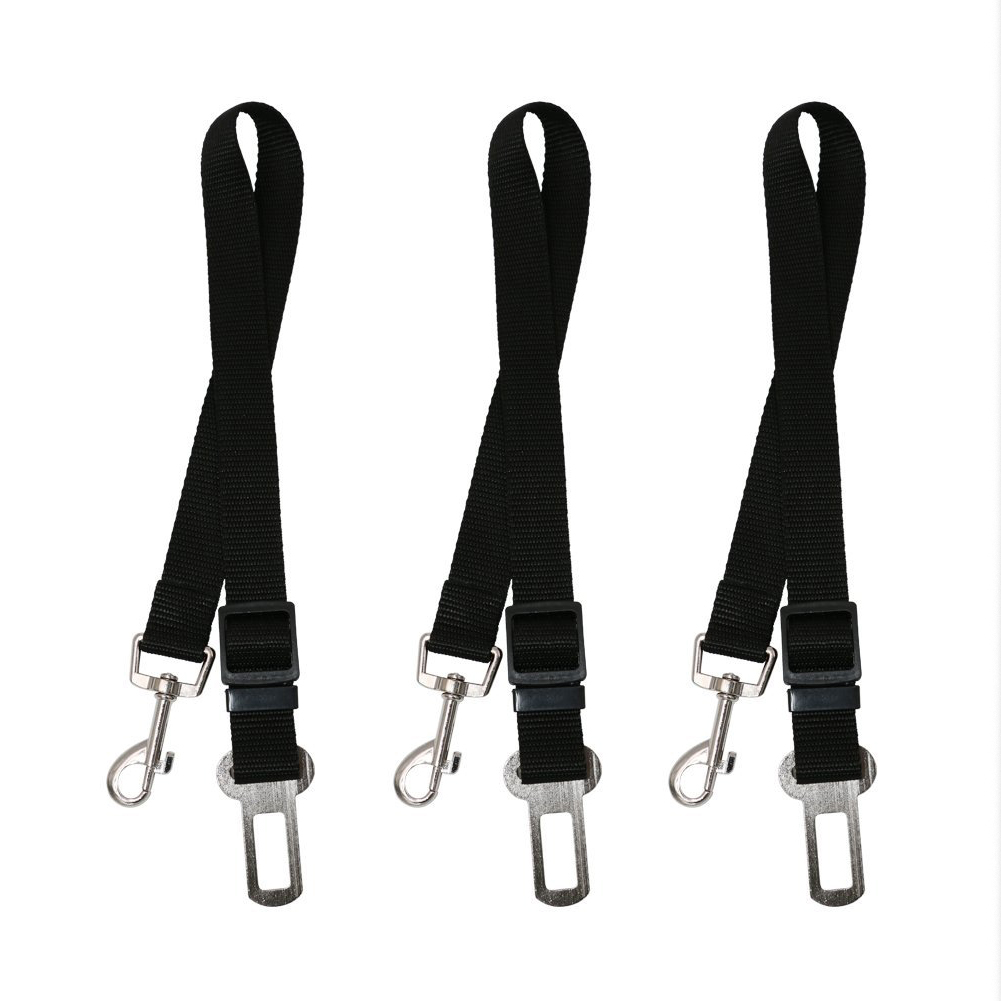 3 PCS Adjustable Pet Dog Cat Car Seat Belt Safety Leads Vehicle Seatbelt Harness$6.39Last checked Nov 24, 2026View on eBay
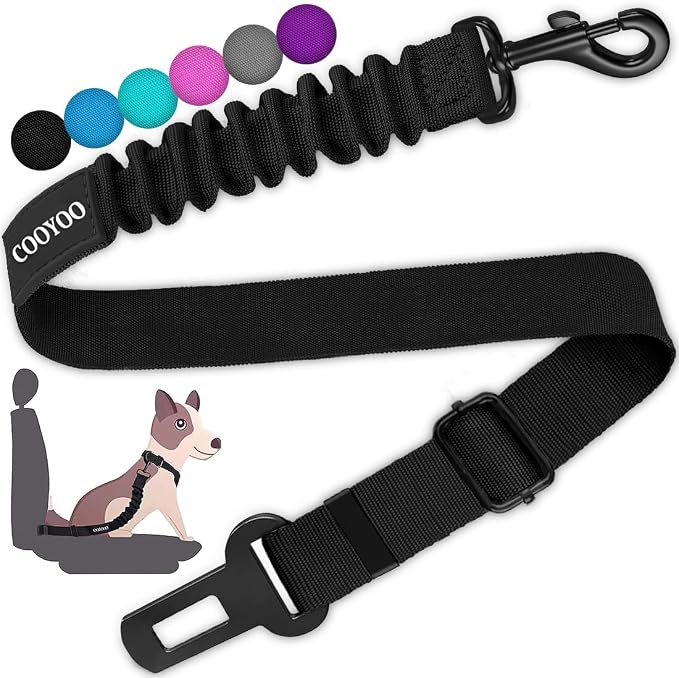 Adjustable Retractable Dog Car Seat Belt, Heavy-Duty Black Nylon Pet Safety Harness With Elastic Buffer For Vehicle Travel$73.99View on Mallflare
 Pet Dog Seat Belt Retractable Travel Car Safety Harnesses Lead Restraint Lanyard$6.99Last checked Nov 23, 2026View on eBay
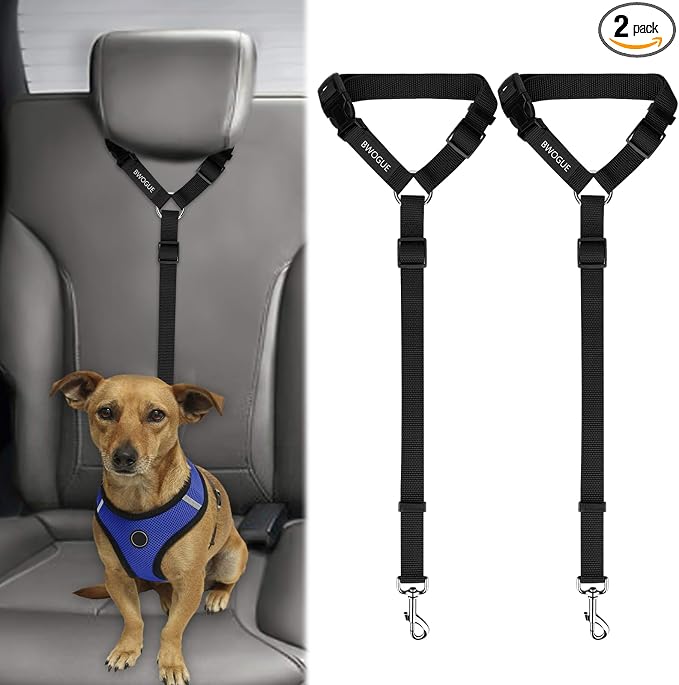 Set Of 2 Dog Car Seat Belts With Headrest Attachments, Adjustable Pet Safety Restraint Leads For Secure Vehicle Travel$73.99View on Mallflare
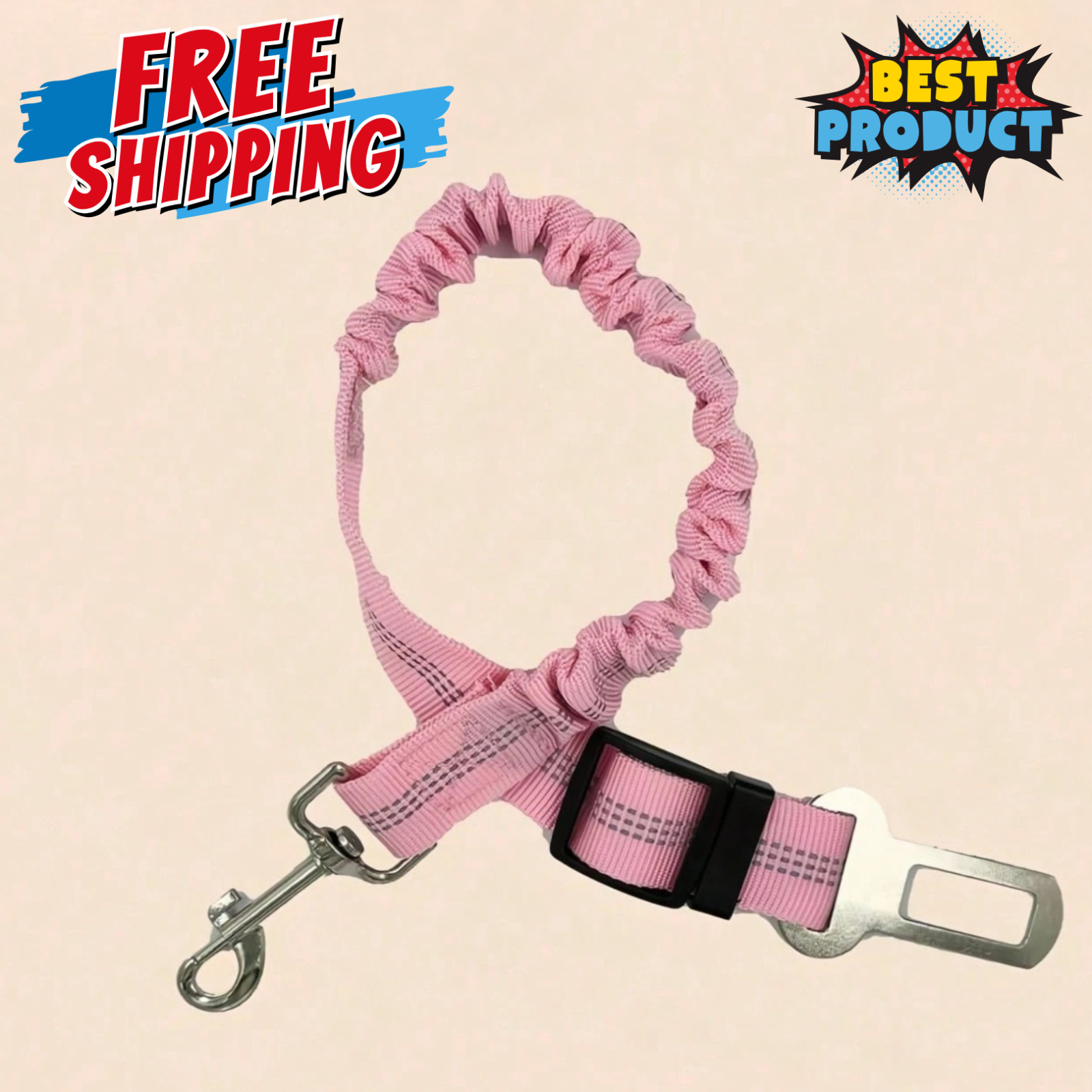 Dog Seat Belt Leash Pet Seatbelt 14 Colors Car ELASTIC Safety Adjustable Harness$7.89Last checked Nov 20, 2026View on eBay
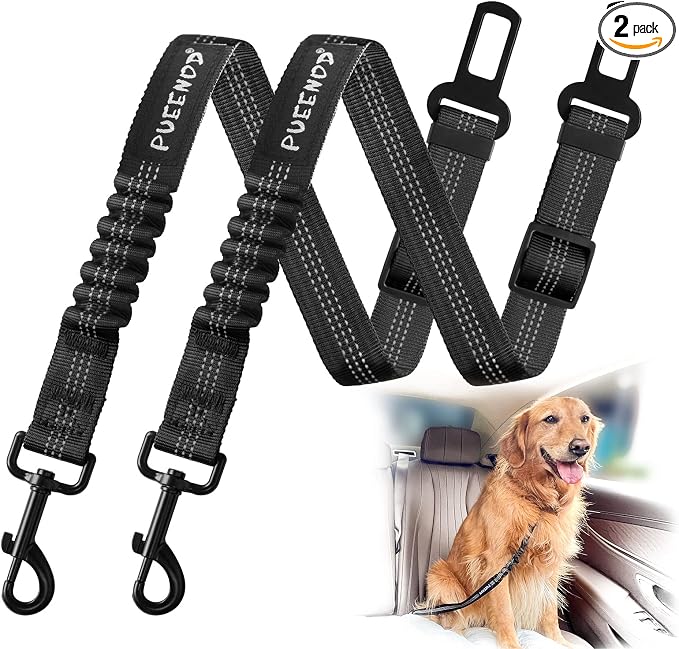 2-Pack Adjustable Nylon Dog Car Seat Belts With Elastic Bungee Buffer And Reflective Strips$73.99View on Mallflare
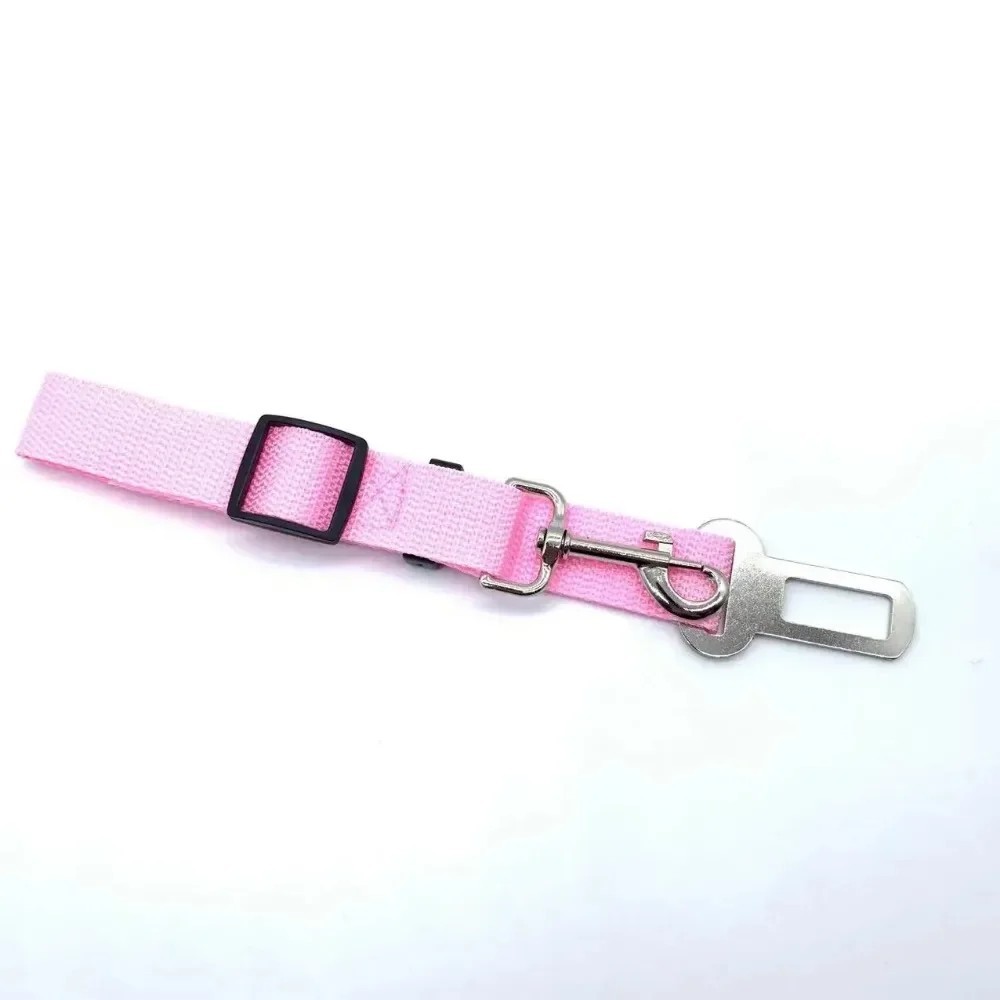 Adjustable Dog Pet Car Seat Belt Safety Lead Leash Restraint Harness Travel Clip$8.99View on eBay
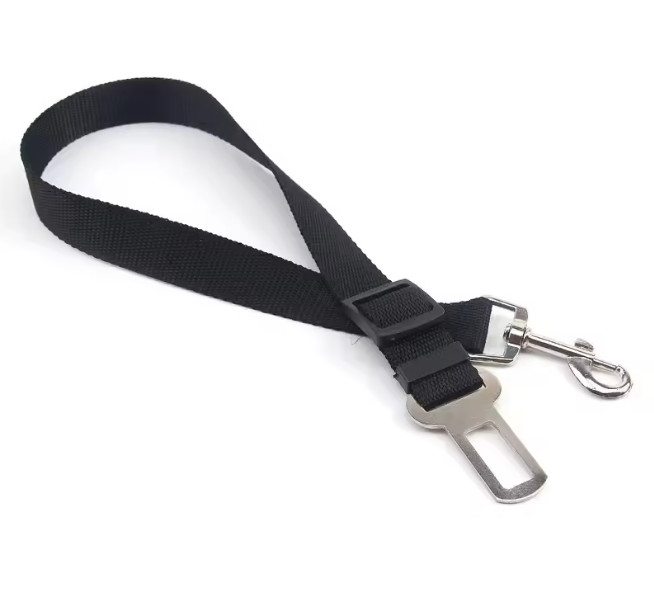 Dog Car Seat Belt Safety Harness Adjustable Travel Pet Leash Car Seat Protector$10.96Last checked Nov 20, 2026View on eBay
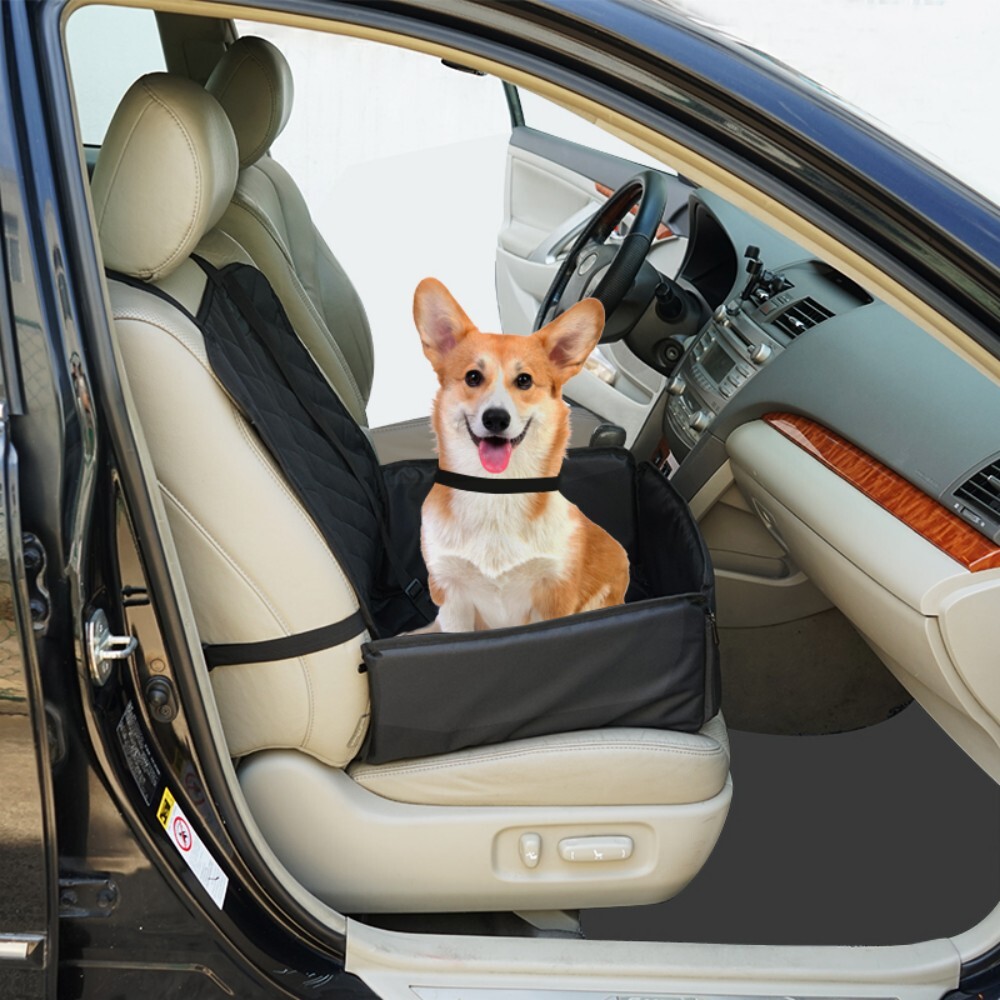 Dog Car Seat Washable Pet Cat Booster Seat Waterproof Pet Seat Travel Bed + Belt$18.92Last checked Nov 22, 2026View on eBay
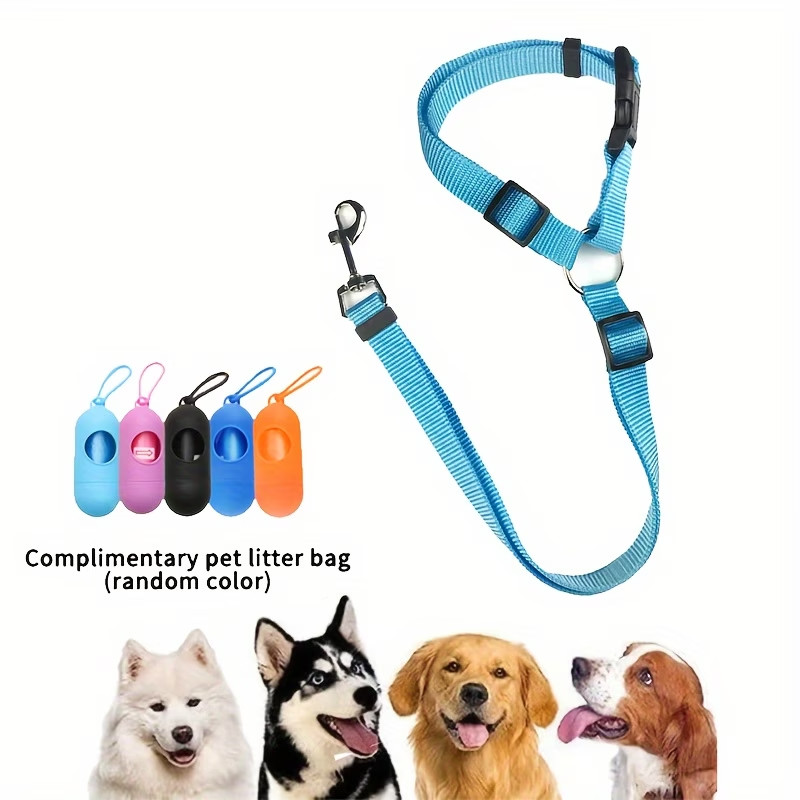 Dog Seat Belt, Adjustable Pet Car Safety, Leash Nylon Travel, Harness Clip$21.99Last checked Nov 20, 2026View on eBay
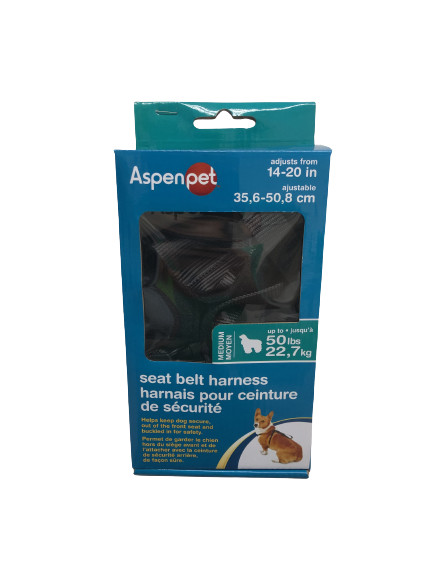 New Adjustable Pet Dog Car Seat Belt Restraint Vehicle Travel Safety Harness$25.00Last checked Nov 22, 2026View on eBay
Highlights
- Tether length matters: belts longer than 6 inches let the dog reach the front seats or door panels and lose restraint in a sudden stop; 4–6 inch fixed tethers are the safe range.
- Attachment point determines load path: headrest-loop tethers are universal but load the headrest posts, while seat-belt-tongue tethers lock into the seat buckle and are stronger in a crash.
- Nylon webbing strength is graded by width and stitch count: 1-inch (25 mm) webbing with box-X stitching at all stress points resists chewing and shock loads; 3/4-inch webbing is for cats and small dogs only.
- Crash-tested systems carry a certification (e.g., CPS crash-test certification or TÜV/ADAC testing) and pair a wide chest harness with a short tether; a bare tether sold alone is not crash-rated.
Best use cases
- Daily city driving with a medium dog: choose a 1-inch nylon tether that clicks into the seat-belt buckle plus a padded harness — skip headrest loops if your rear seats have no exposed posts.
- Highway and long-distance travel: choose a crash-tested harness-and-tether kit with a 4–6 inch tether and metal hardware — skip elastic bungee tethers that stretch and defeat restraint.
- Small dogs and cats: choose a 3/4-inch lightweight tether and a secure harness — skip retractable or elastic leads that allow the animal to reach the driver.
- Wrong fit to avoid: a tether clipped to a flat collar or choke chain concentrates crash force on the throat and can cause tracheal injury; always pair the tether with a body harness.
Buying tips
- Measure from the seat-belt buckle or headrest post to the dog's harness ring: a 4–6 inch tether keeps the dog seated; anything over 8 inches lets the dog stand and reach the front console.
- Match webbing width to dog weight: 1-inch (25 mm) nylon for dogs over 15 lb, 3/4-inch for small dogs and cats; check for box-X stitching rather than single-run stitching at the clip ends.
- Prefer metal buckles, swivel snaps, and welded D-rings over plastic hardware — plastic clips fatigue and crack under repeated shock loads in warm cars.
- Confirm the tether's connector matches your vehicle: a seat-belt-tongue tether needs a standard 2-inch buckle, while a headrest loop needs adjustable posts; measure post spacing before ordering.
Specs
| Tether Type | Seat-buckle tongue / headrest loop |
|---|---|
| Tether Length | 4–6 in fixed / elastic bungee |
| Webbing Width | 1 in (25 mm) / 3/4 in |
| Hardware | Metal snap / plastic clip |
Related searches
What to check before buying
- Measure your rear seat-belt buckle width (standard is about 2 inches) and headrest post spacing to confirm the tether connector will fit.
- Check that the dog's harness has a metal D-ring on the back, not the chest, so the tether pulls from the strongest point.
- Verify your vehicle has a locking seat-belt retractor or use a seat-belt lock clip so the tether does not extend in a stop.
- Confirm the tether length keeps the dog behind the front seat backs and away from airbag deployment zones.
FAQ
Data sources: eBay / Amazon listings and product attribute feeds. Updated Nov 26, 2026.
Some links on this page are affiliate links. If you buy after clicking one, we may earn a commission at no extra cost to you. This does not change which products appear here or their order. Affiliate disclosure.