
Photos from current listings. Actual item, color, and included accessories may vary.
Dog Harness Car Travel Buying Guide
A dog car harness is a crash-tested restraint system that keeps your dog secure and prevents driver distraction, but the market splits sharply between certified crash-tested harnesses and generic nylon straps that offer little real protection. The core trade-off is between legitimate crash-test certification (FMVSS 213 or equivalent) and low-cost adjustable strap designs that meet no safety standard. The decision rule: only buy a harness that explicitly passes a dynamic crash test at a stated weight; treat any unlabeled strap-and-buckle product as a containment aid, not a safety device.
Median $9.03
Key takeaways
- Crash-tested harnesses are dynamically tested to FMVSS 213 or a comparable standard at a specific dog weight (e.g., 75 lb) — generic straps carry no such certification.
- Wide, padded chest plates distribute crash force across the sternum; narrow 1-inch webbing straps concentrate load and can cause internal injury in a collision.
- Metal load-bearing hardware (steel D-rings, welded buckles) versus molded plastic buckles is the single biggest durability and failure-point difference.
At a glance
- Category
- Pet Travel & Safety
- Last updated
- Nov 26, 2026
Current offers
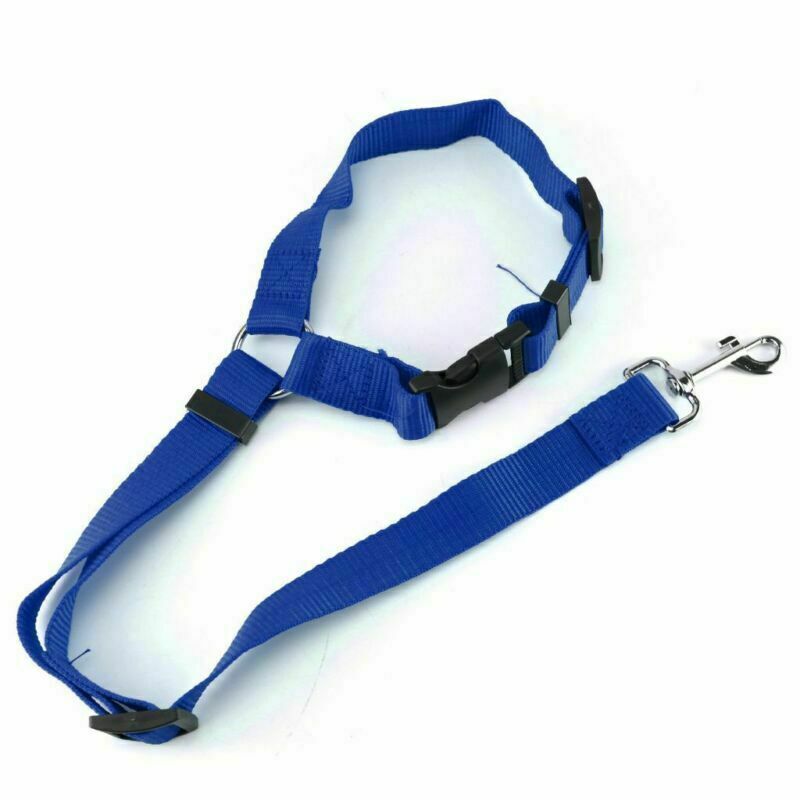 1/2 PCS Dog Car Safety Seat Belt Restraint Harness Leash Travel Clip for Pet Cat$7.54Last checked Nov 23, 2026View on eBay
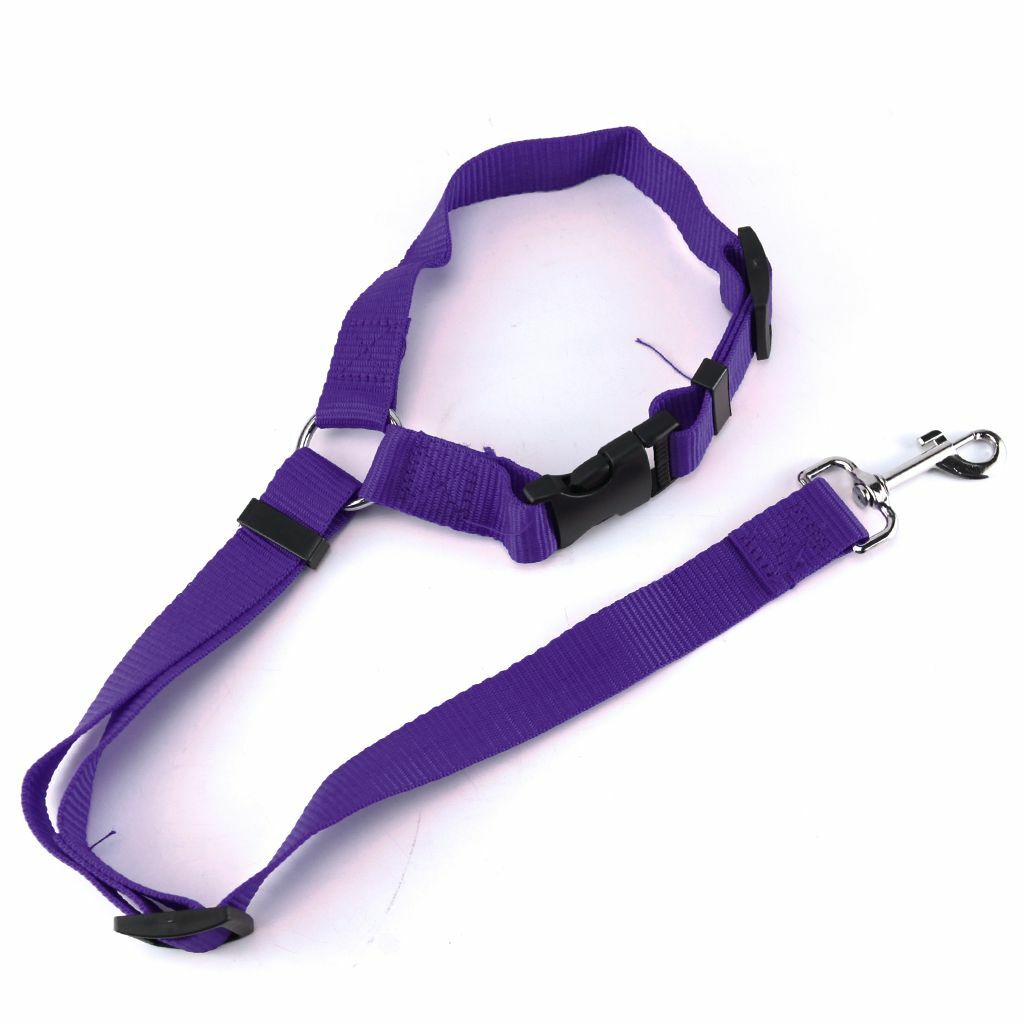 1/2pcs Dog Car Safety Seat Belt Restraint Harness Leash Travel Clip for Pet Cat$7.91Last checked Nov 23, 2026View on eBay
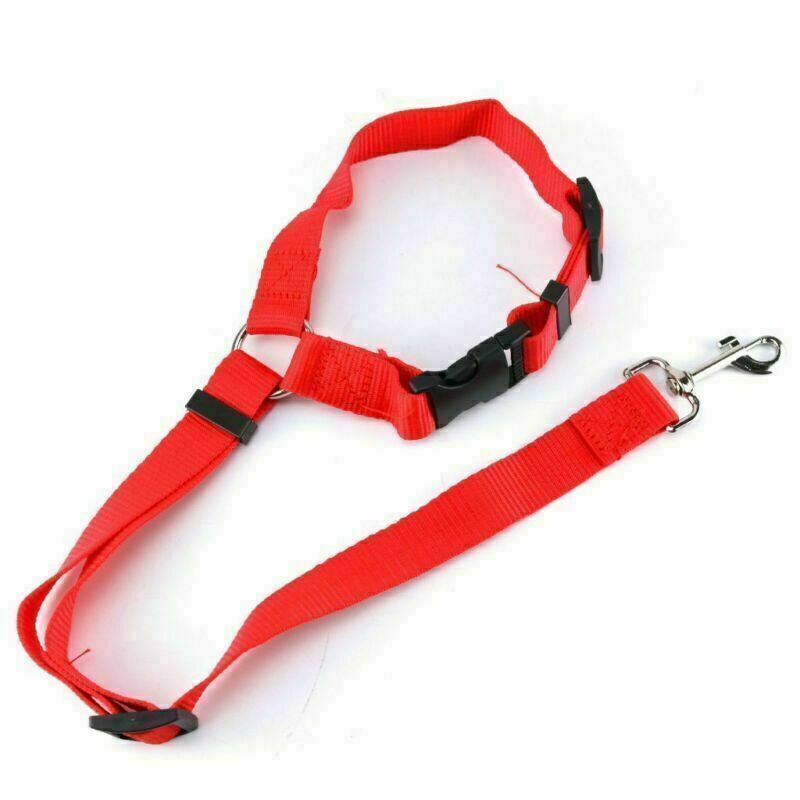 1-2pcs Car Safety Seat Belt Restraint Harness Leash Travel Clip for Pet Cat Dog$7.91Last checked Nov 20, 2026View on eBay
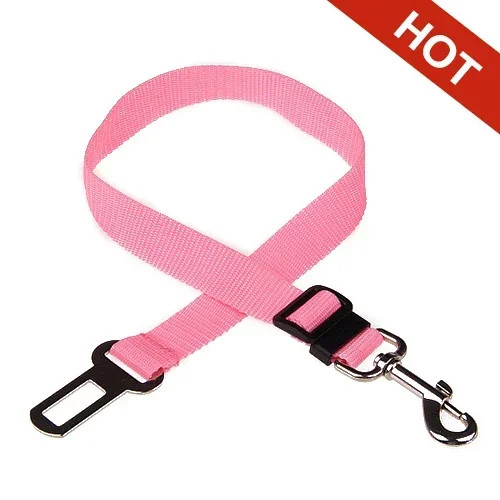 Adjustable Pet Car Seat Belt Safety Harness Clip for Dogs and Cats Travel$8.09View on eBay
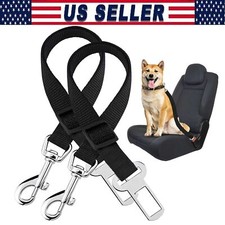 2× Pet Dog Seat Belt Adjustable Travel Car Safety Harnesses Lead Restraint USA$8.63Last checked Nov 23, 2026View on eBay
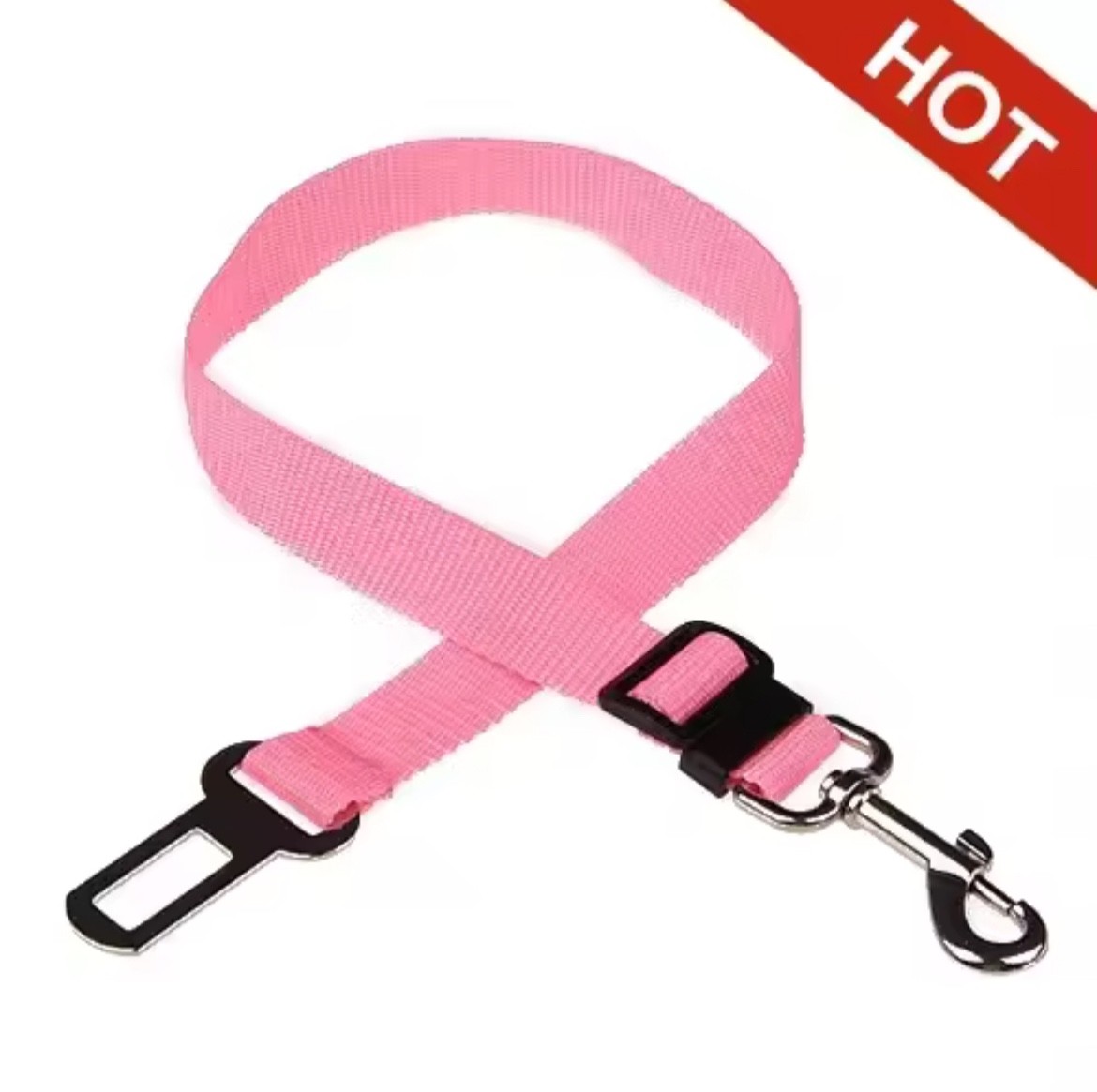 Dog Car Safety Harness Seat Belt Adjustable Pet Travel Restraint Reflective$8.88Last checked Nov 23, 2026View on eBay
 Car Safety Seat Belt Restraint Harness Leash Travel Clip for Pet Cat Dog -1/2PC$9.17Last checked Nov 24, 2026View on eBay
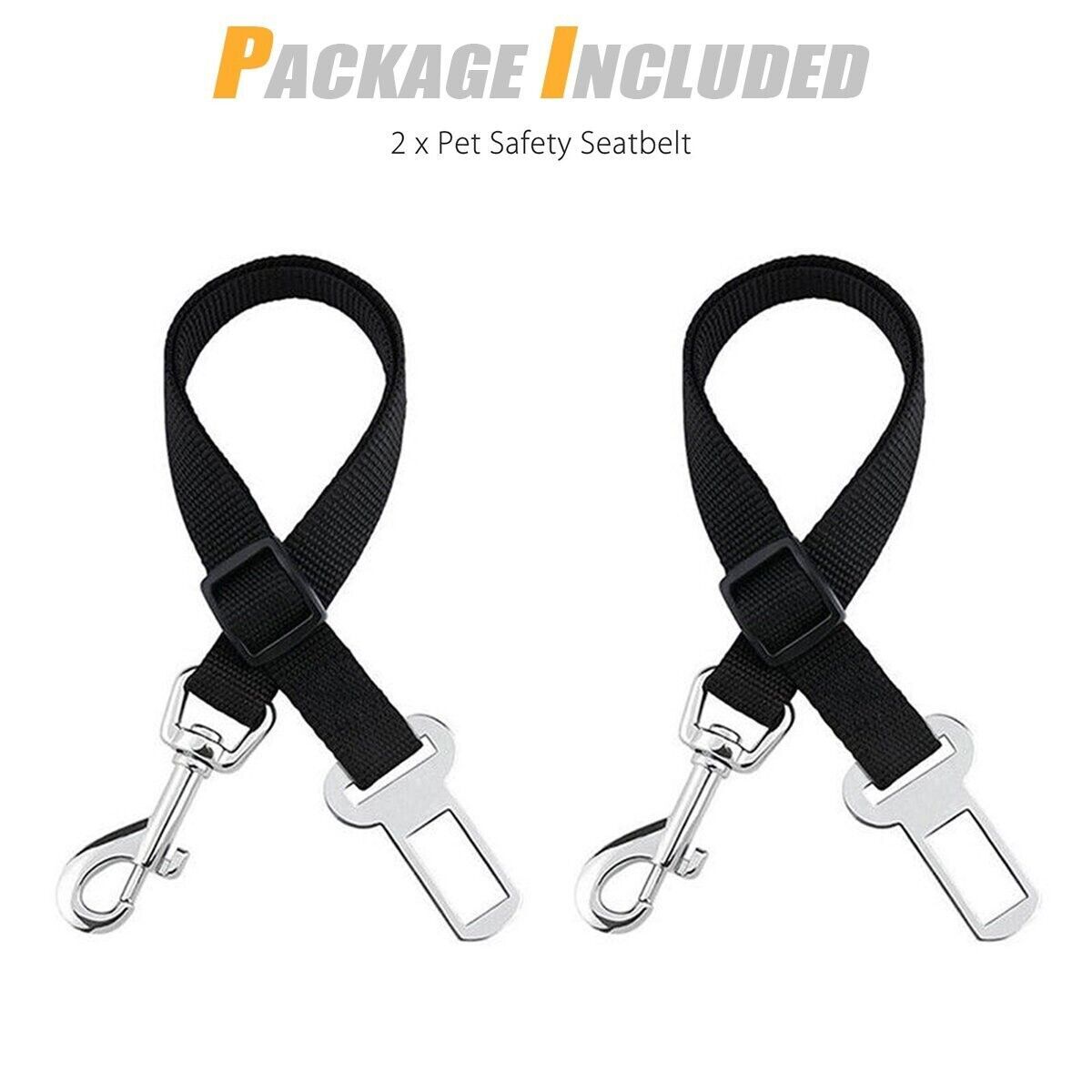 2× Dog Car Safety Seat Belt Restraint Harness Leash Travel Clip for Pet Cat USA$9.45Last checked Nov 24, 2026View on eBay
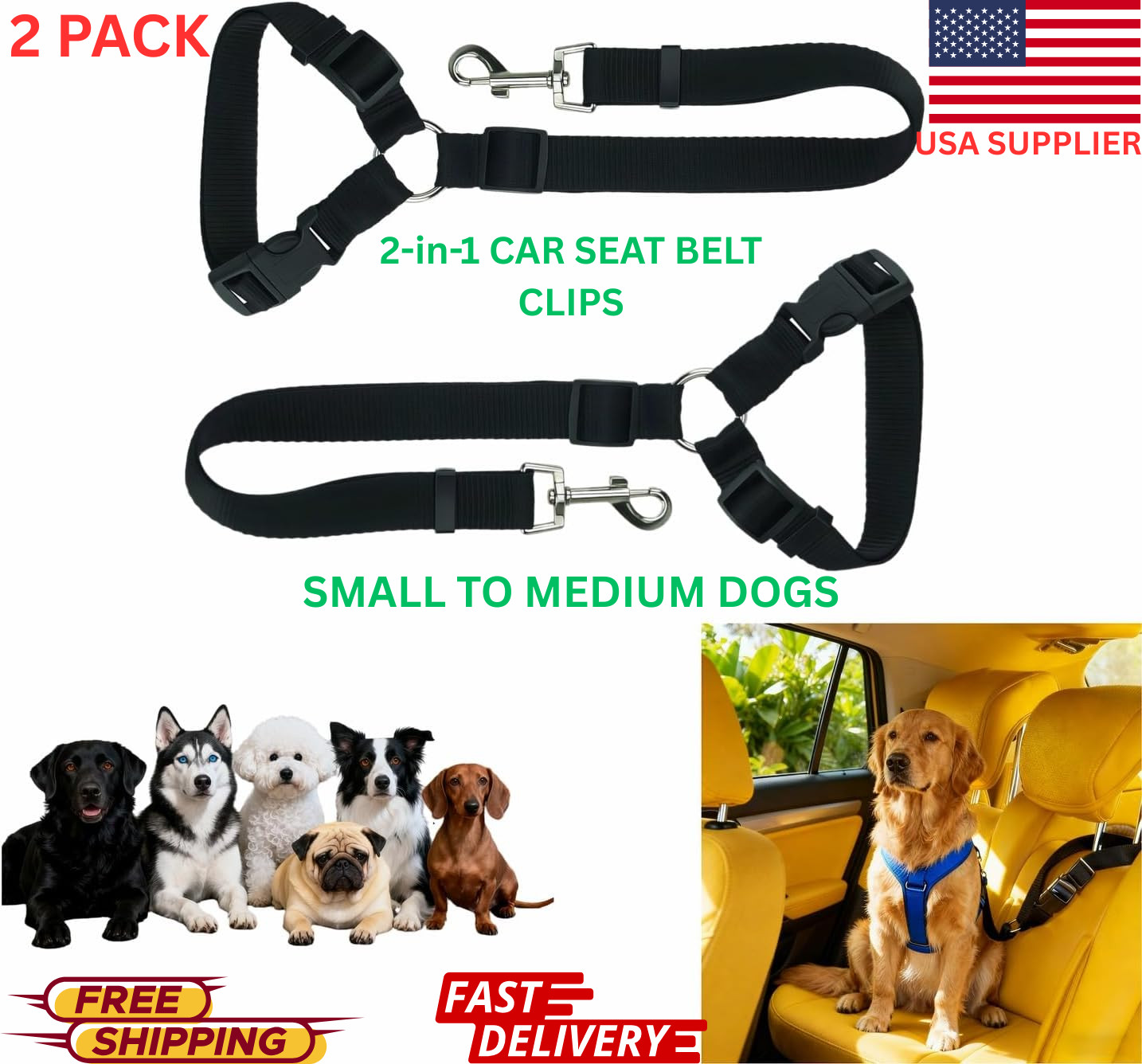 Dog Seat Belt Clips 2 PACK Adjustable Pet Car Harness Leash Safety Travel SUV$10.99Last checked Nov 24, 2026View on eBay
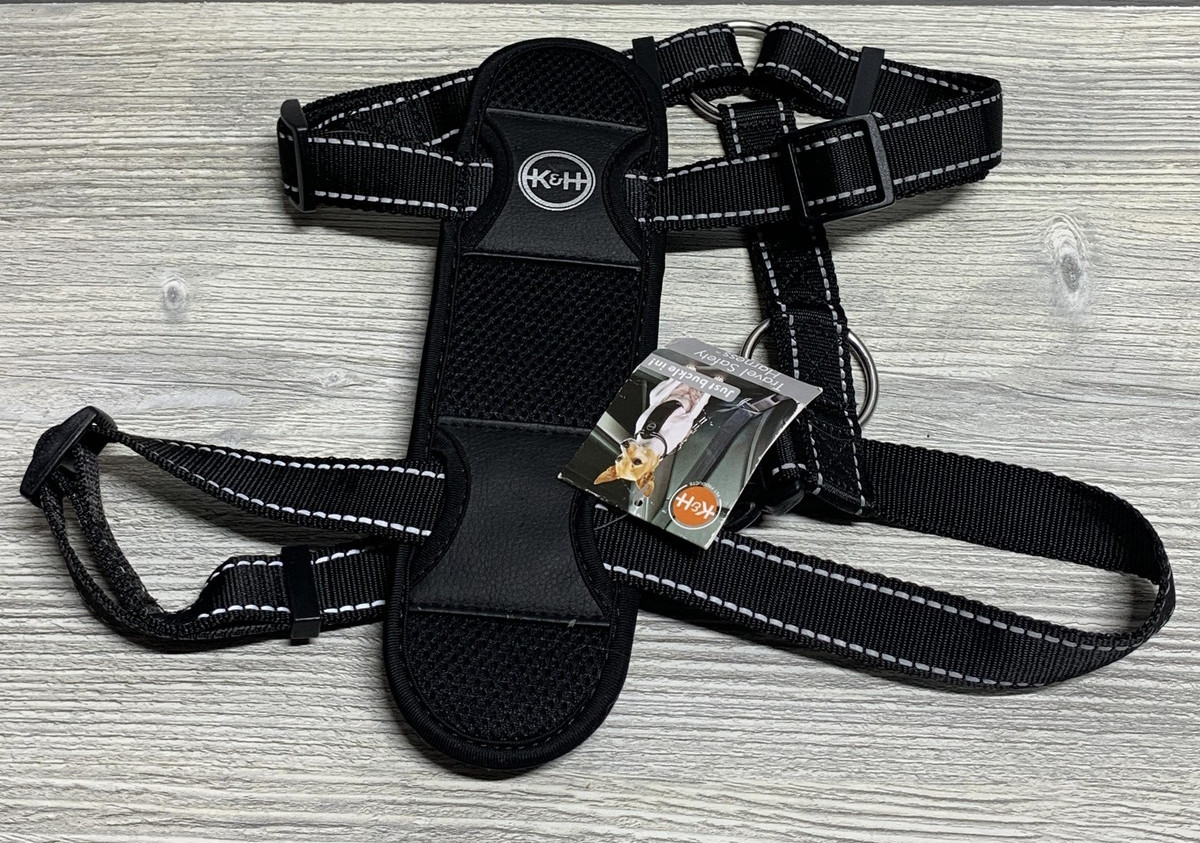 K&H Pet Products Travel Safety Dog Car Harness Large Black Nylon No Leash$11.99Last checked Nov 20, 2026View on eBay
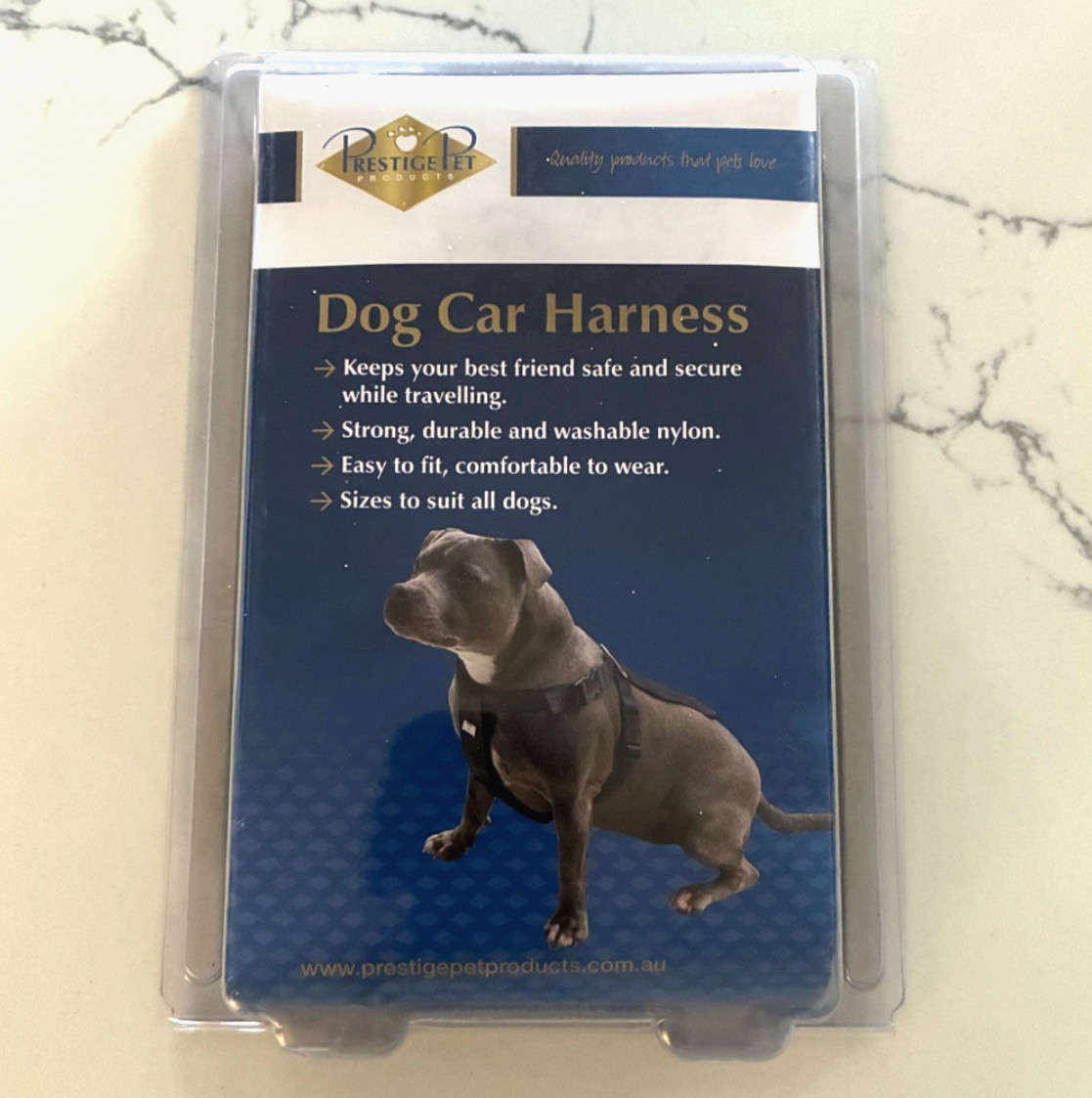 Prestige Pet Dog Car Harness Large 60-70cm Black Nylon Safety Travel Harness NOS$16.94View on eBay
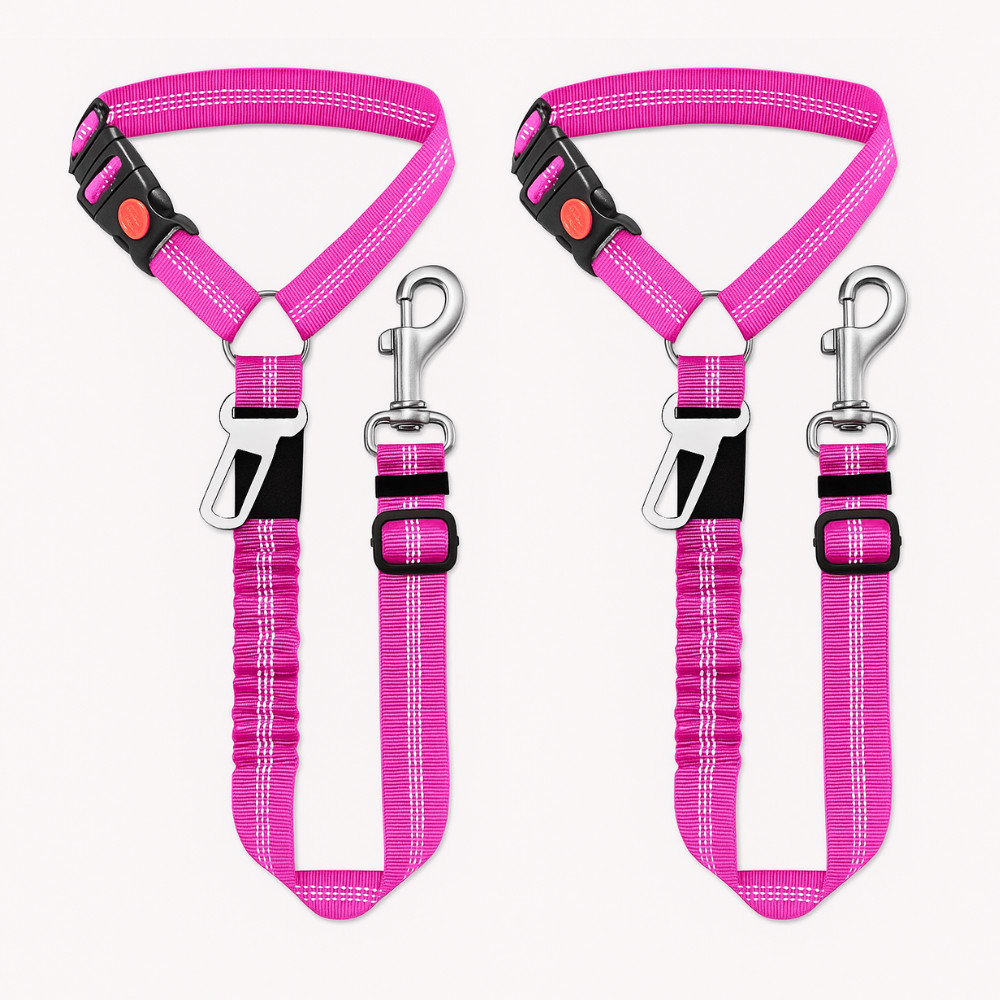 Dog Seat Belt Pet Travel Car Safety Harness Lead Adjustable Restraint$16.99Last checked Nov 24, 2026View on eBay
Highlights
- Crash-tested harnesses are dynamically tested to FMVSS 213 or a comparable standard at a specific dog weight (e.g., 75 lb) — generic straps carry no such certification.
- Wide, padded chest plates distribute crash force across the sternum; narrow 1-inch webbing straps concentrate load and can cause internal injury in a collision.
- Metal load-bearing hardware (steel D-rings, welded buckles) versus molded plastic buckles is the single biggest durability and failure-point difference.
- A crash-tested harness must be paired with a latch-bar or seat-belt tether, not a headrest loop, to keep the dog on the seat rather than becoming a projectile.
Best use cases
- Daily car rides and highway travel: choose a crash-tested harness with a wide padded chest plate and steel D-ring, sized to your dog's exact girth — skip generic bungee straps.
- Short errands with a calm dog: a basic adjustable nylon strap harness is acceptable for containment only, but never rely on it for crash protection.
- Large or strong dogs (over 50 lb): pick a harness rated to the dog's weight with metal hardware and a latch-bar tether; thin plastic-buckle straps will fail under load.
- Puppies and chewers: choose a harness with chew-resistant webbing and no dangling elastic cords, and avoid retractable headrest tethers that invite chewing.
Buying tips
- Measure your dog's chest girth at the widest point behind the front legs; a harness must list a girth range that includes that measurement — do not size by weight alone.
- Demand an explicit crash-test claim with a stated test weight and standard (FMVSS 213 or equivalent); 'heavy-duty' and 'safety' in the title are marketing, not certification.
- Prioritize welded steel D-rings and metal buckles over molded plastic; plastic buckles are the first failure point in a collision.
- Match the tether type to your vehicle: a latch-bar loop or seat-belt buckle tether secures the dog to the seat, while a headrest loop only restrains the head and allows the body to slide.
Specs
| Crash Certification | FMVSS 213 tested vs uncertified |
|---|---|
| Chest Plate Width | Padded wide plate vs 1 in webbing |
| Hardware Material | Welded steel vs molded plastic |
| Tether Anchor Type | Latch bar / seat belt vs headrest loop |
Related searches
What to check before buying
- Confirm your dog's chest girth measurement falls within the harness's stated size range before ordering.
- Check that your vehicle has an accessible latch bar or seat-belt buckle anchor for the tether type you choose.
- Verify the harness's crash-test weight rating meets or exceeds your dog's actual weight.
- Inspect hardware material — steel D-rings and buckles — and webbing width of at least 1 inch for medium and large dogs.
FAQ
Data sources: eBay / Amazon listings and product attribute feeds. Updated Nov 26, 2026.
Some links on this page are affiliate links. If you buy after clicking one, we may earn a commission at no extra cost to you. This does not change which products appear here or their order. Affiliate disclosure.