
Photos from current listings. Actual item, color, and included accessories may vary.
Dog Car Seat With Seatbelt Buying Guide
A dog car seat with seatbelt is a crash-tested or at least restraint-ready travel system combining a raised or bucket-style pet seat with a vehicle-anchored tether or harness. The core trade-off is between a soft, lightweight booster that positions a small dog for visibility versus a rigid, anchored seat-and-harness pairing that distributes crash force across the chest instead of the neck. The decision rule: choose a seat with a metal tether anchor and pair it with a padded, vehicle-rated harness — a seat alone or a neck-loop leash is a comfort accessory, not a safety device.
Median $31.34
Key takeaways
- Bucket/booster seats anchor via two paths: seat-belt pass-through around the vehicle seatback base, or a headrest strap plus lower LATCH-style clip; only belt-through plus a metal tether ring keeps the seat in place under braking.
- Restraint harnesses use either a single steel buckle-tongue loop or a crash-rated chest harness with a tether; a plain nylon loop clipped to the collar transfers load to the trachea and is unsafe above parking-lot speeds.
- Bungee/elastic tethers reduce jolt but stretch under load — pick a bungee only as a secondary lead for calm dogs, not as the primary crash anchor.
At a glance
- Category
- Pet Travel & Safety
- Last updated
- Nov 26, 2026
Current offers
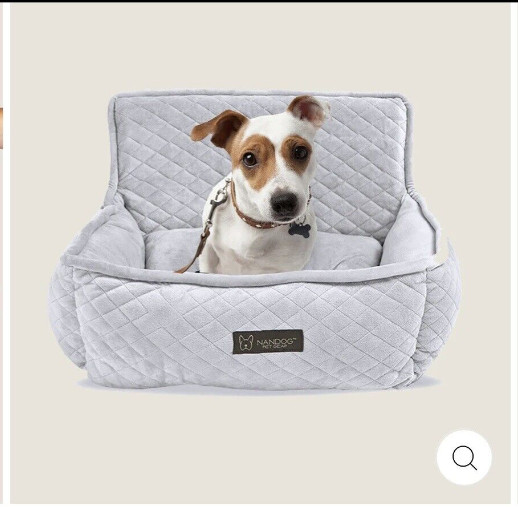 NanDog Dog Car Safety Seat w/ Belt Travel Cushion Bed Nonslip Quilted Gray NWT$10.11Last checked Nov 20, 2026View on eBay
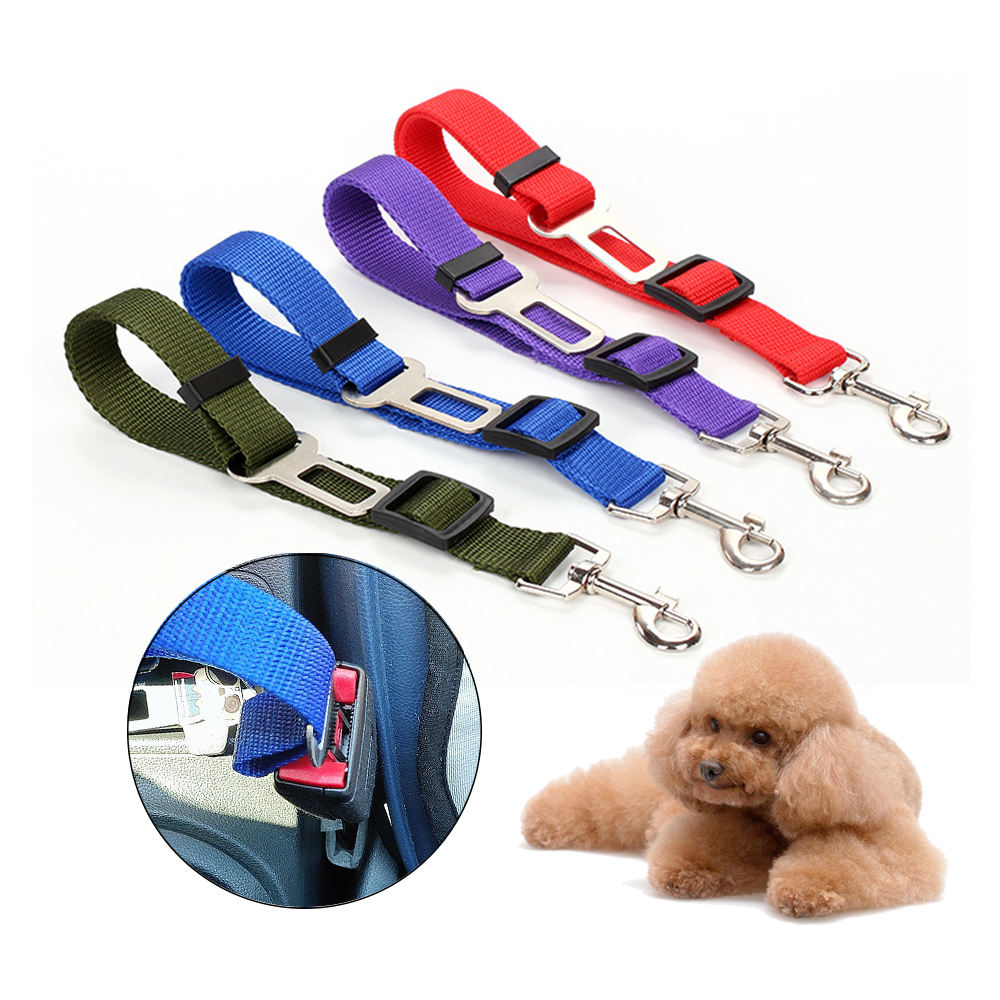 High Quality Durable Pet Cat Dog Vehicle Leash Nylon Adjustable Car Seat Dog Safety Belt Pet Leashes$25.99View on Mallflare
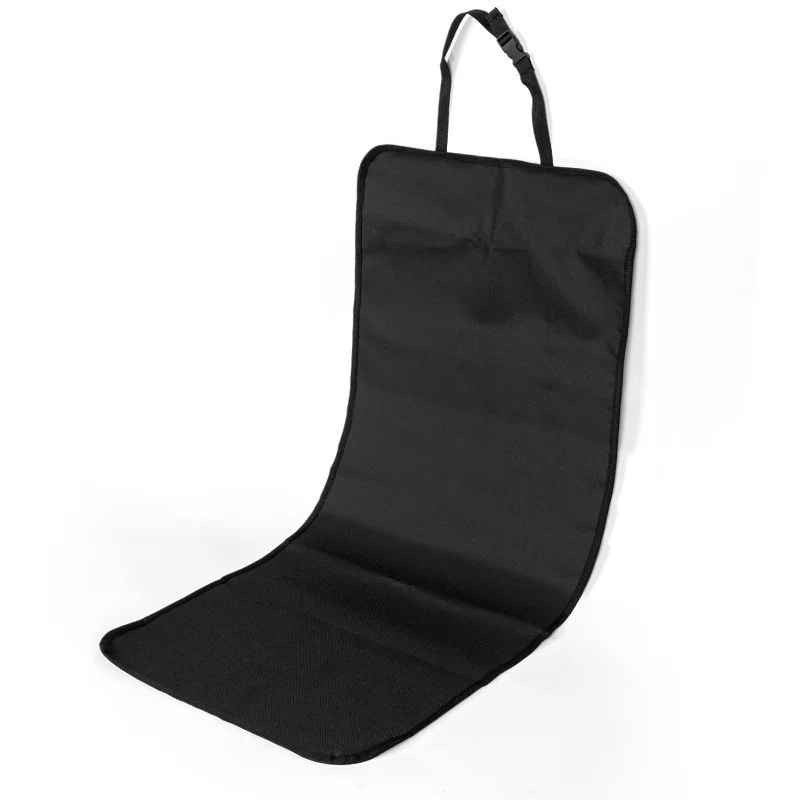 Foldable Dog Car Seat Hammock Travel Pet Carrier Basket Safety Booster Unbranded$10.99Last checked Nov 22, 2026View on eBay
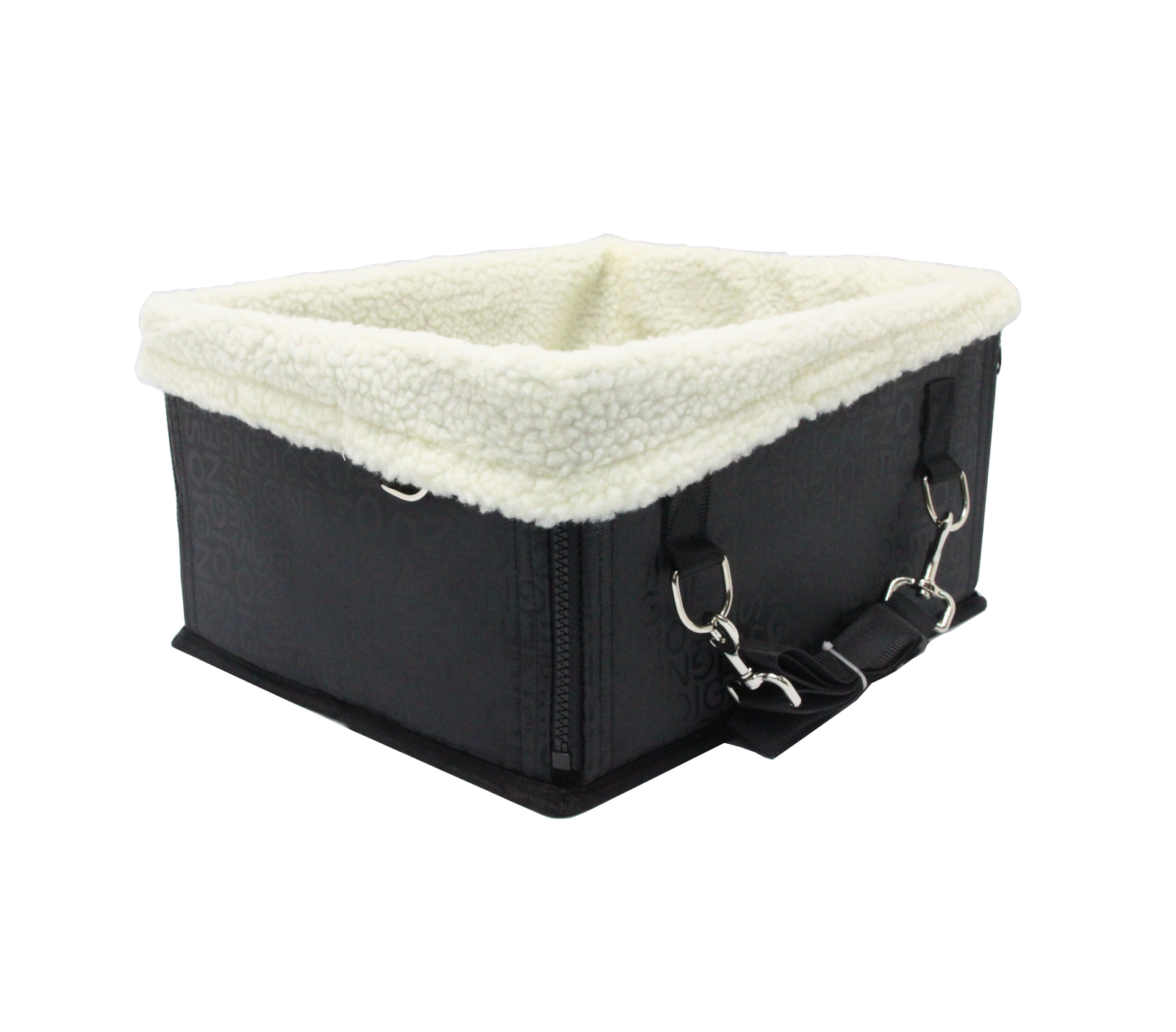 Dog Cat Safety Seat Pet Car Carrier Cat Bag Pet Travel Pet Messenger Pet Kennel$13.99Last checked Nov 22, 2026View on eBay
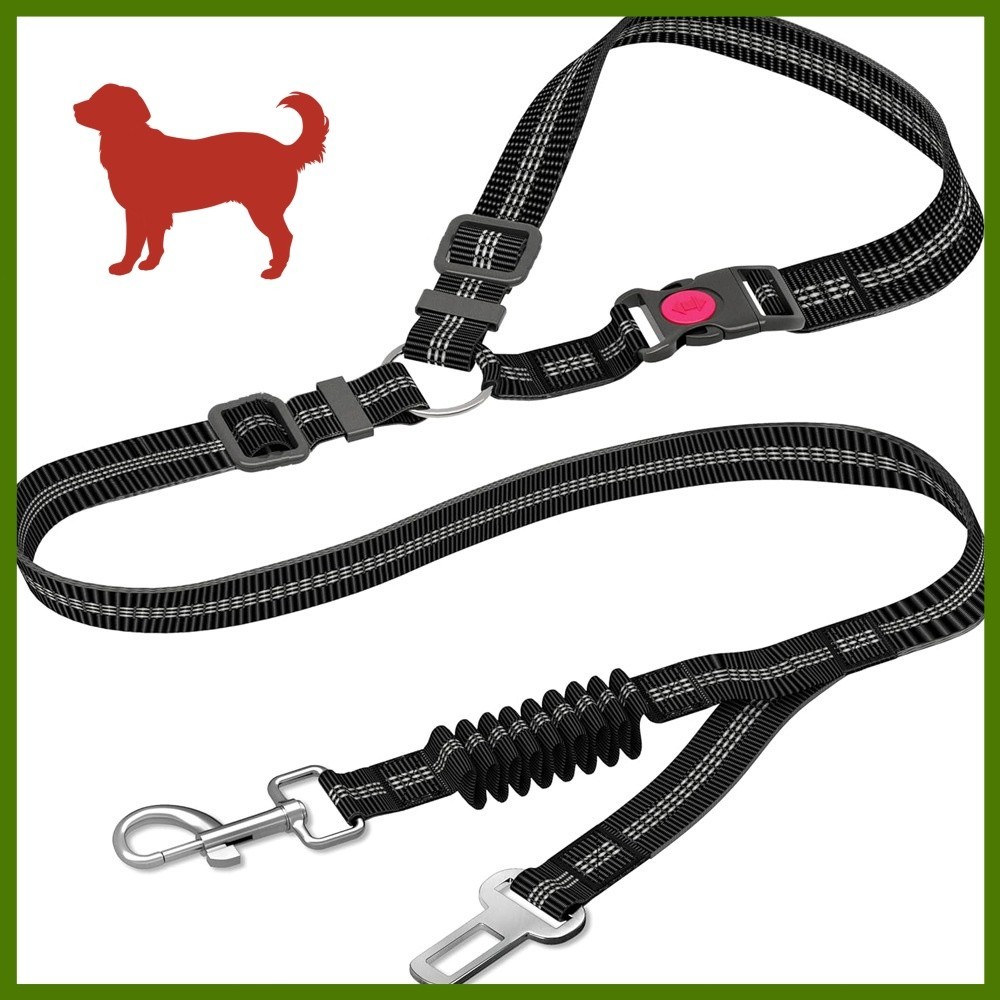 Dog Car Safety Towing Rope, Extendable Pet Seat Belt, Car Travel Pet Protective$14.97Last checked Nov 26, 2026View on eBay
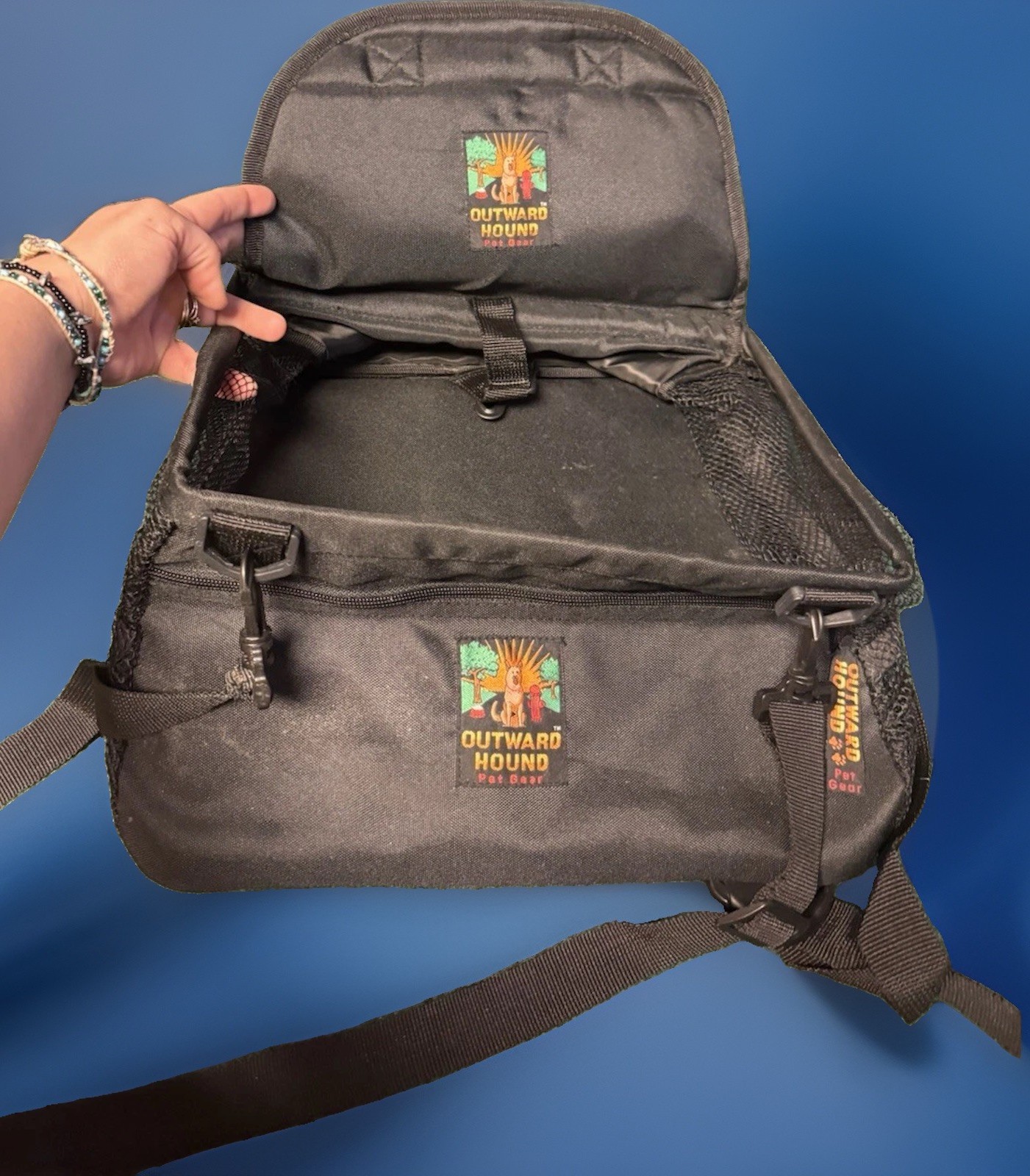 Outward Hound Pet Travel Gear Small/ Med Dogs Puppies Car Seat Safety Carrier S$18.00Last checked Nov 25, 2026View on eBay
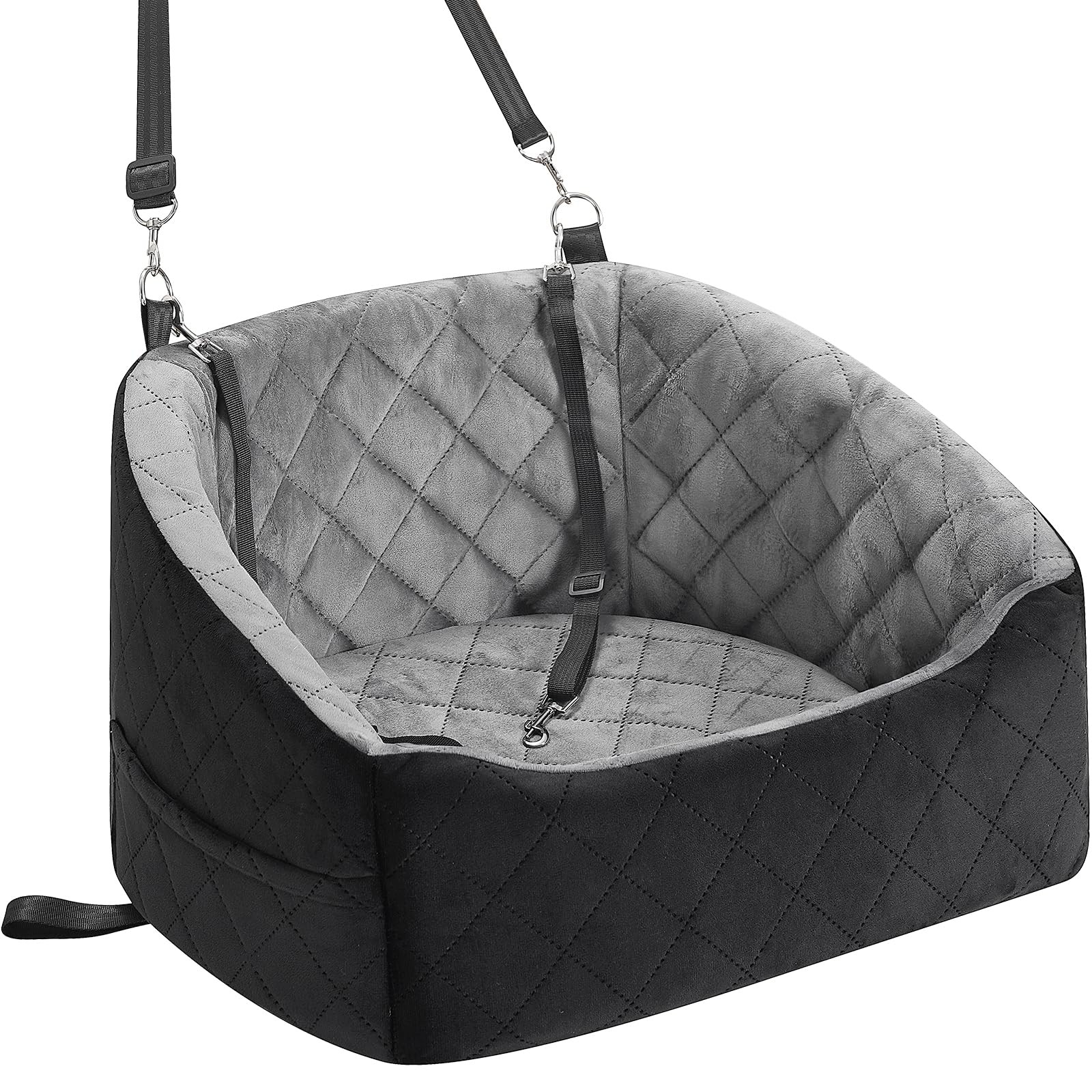 KANGREST Dog Car Seat Small Dogs Up 30 Lbs, Pet Travel Safety Bed Puppy Cat$21.40View on eBay
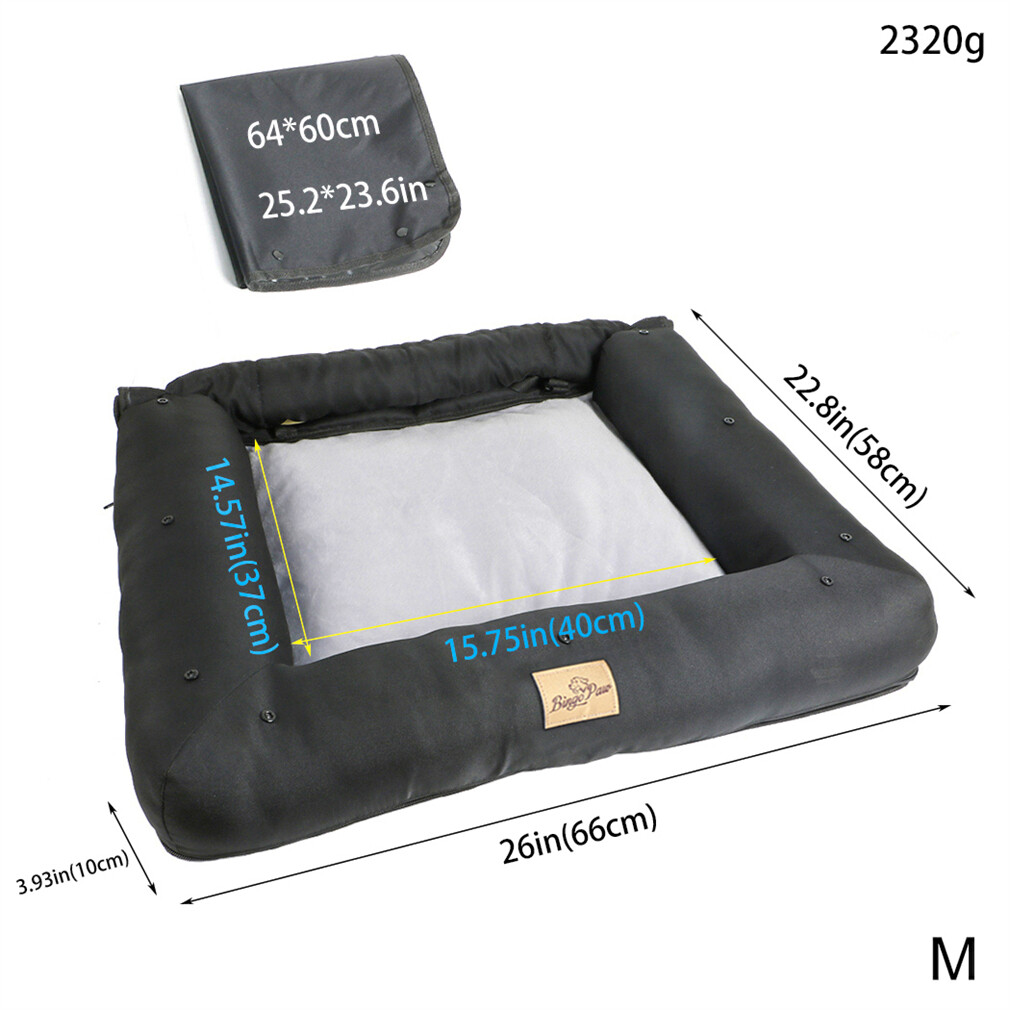 Waterproof Heavy Duty Dog Car Seat Pet Travel Bed Carrier Booster w/Safety Leash$21.93Last checked Nov 25, 2026View on eBay
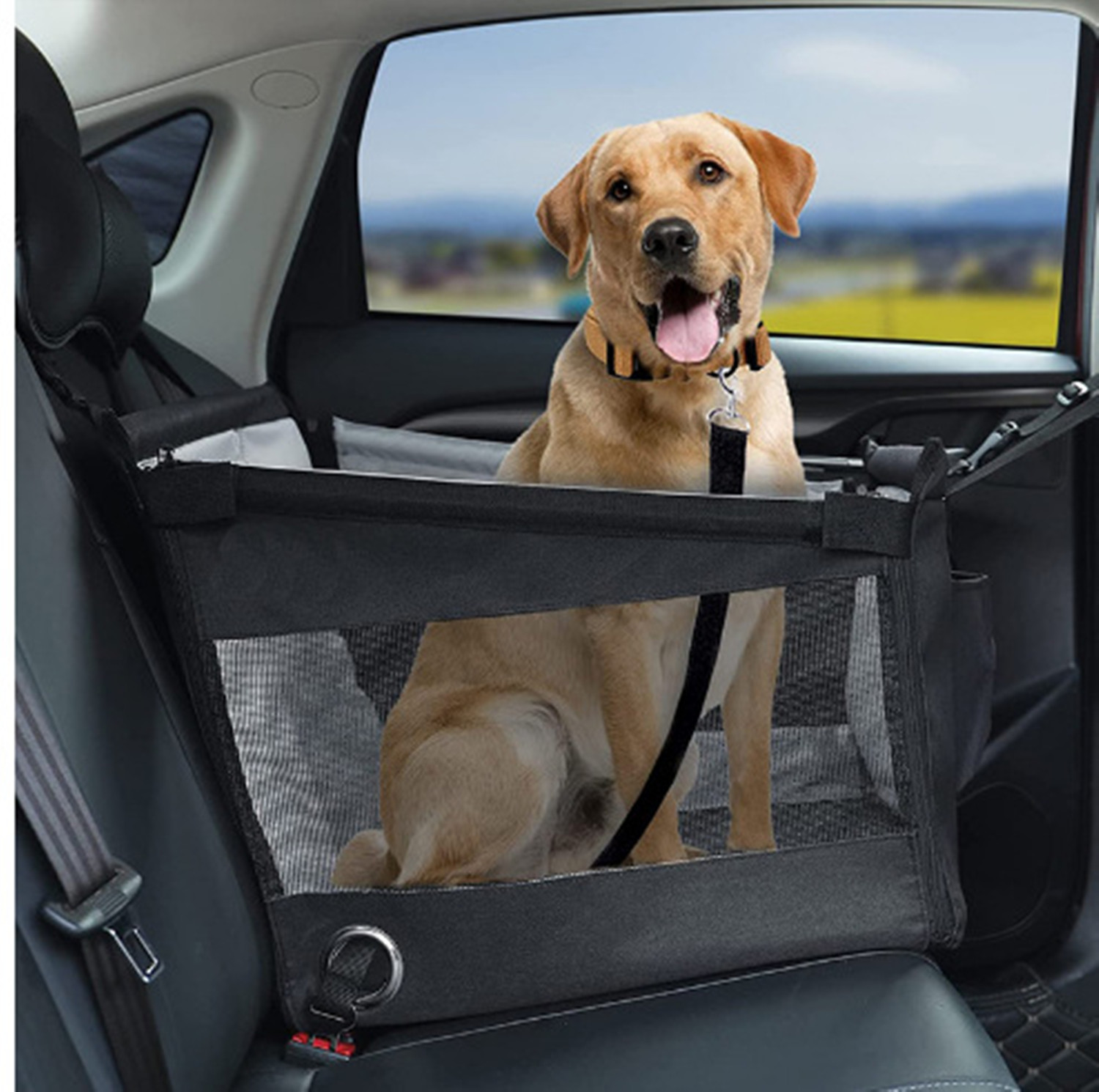 Pet Dog Car Seat for Large Dogs Travel Carrier Cage with Belt Safety Seat Kennel$28.99Last checked Nov 23, 2026View on eBay
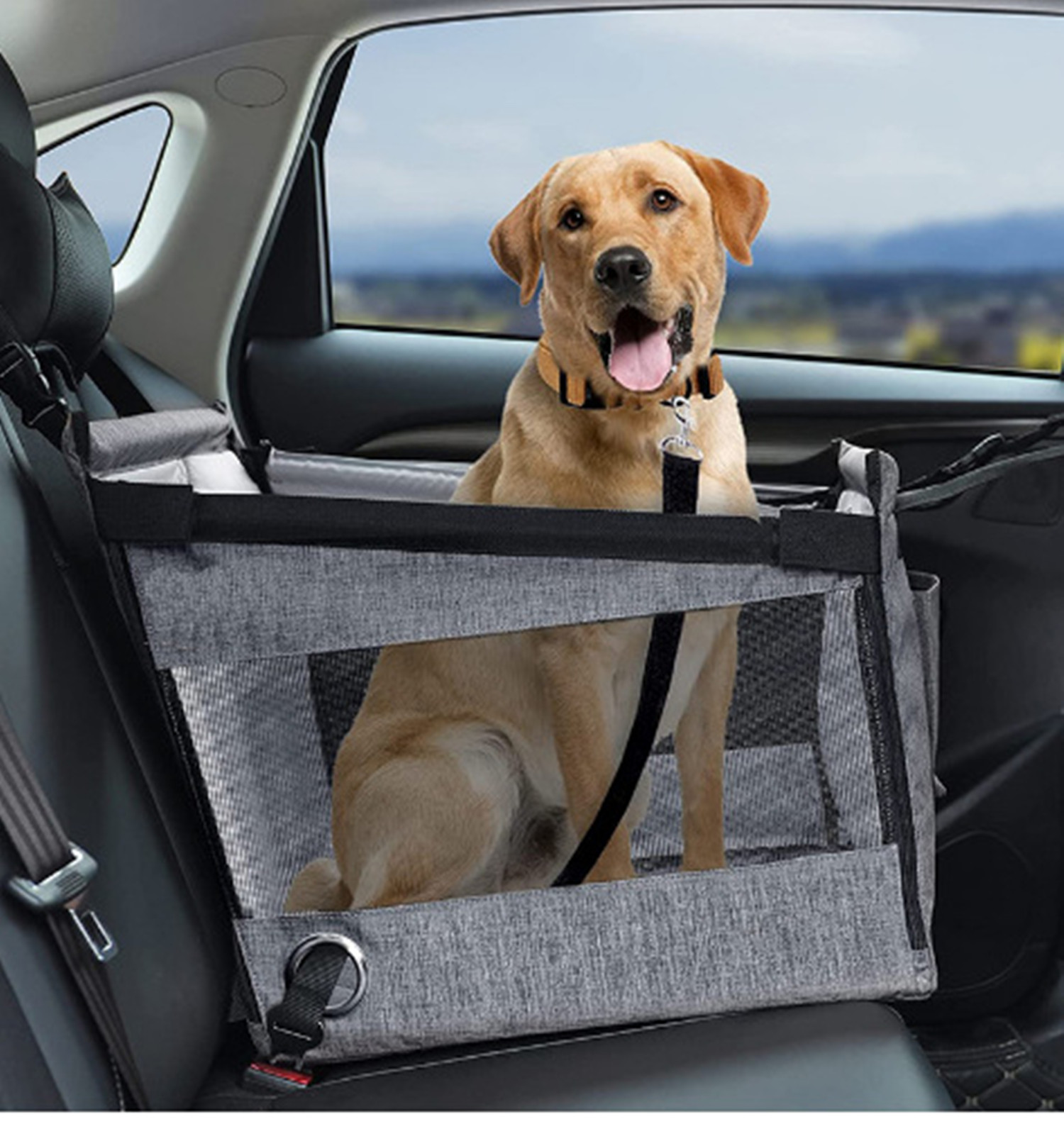 Dog Car Seats for Large Dog Pet Car Booster Seat Travel Carrier Cage Bag Folding$31.34Last checked Nov 24, 2026View on eBay
 Dog Car Seat Travel Carrier with Safety Belt | Foldable Pet Booster Seat$31.34Last checked Nov 22, 2026View on eBay
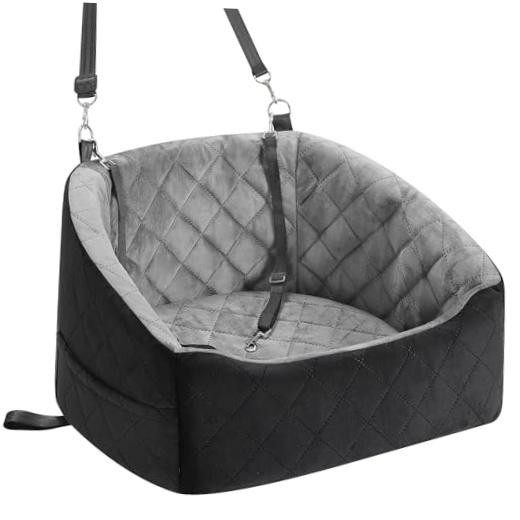 Dog Car Seat for Dogs Up to 30 Lbs, Pet Travel Safety Bed for Small Grey-Black$35.93View on eBay
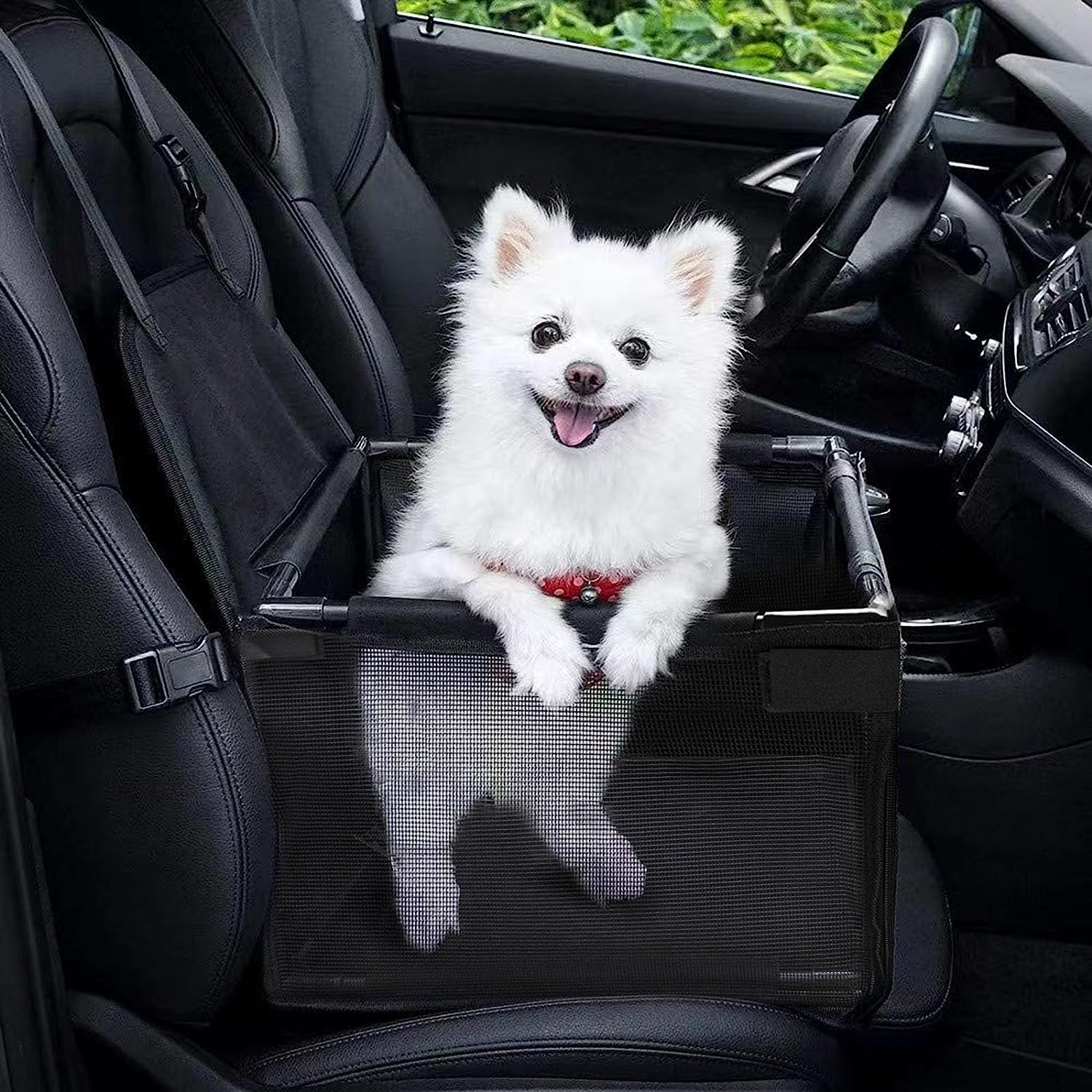 Small/Medium Dog Car Seat, Folding Travel Safety Pet Booster for Dogs up to 20Lb$37.88Last checked Nov 25, 2026View on eBay
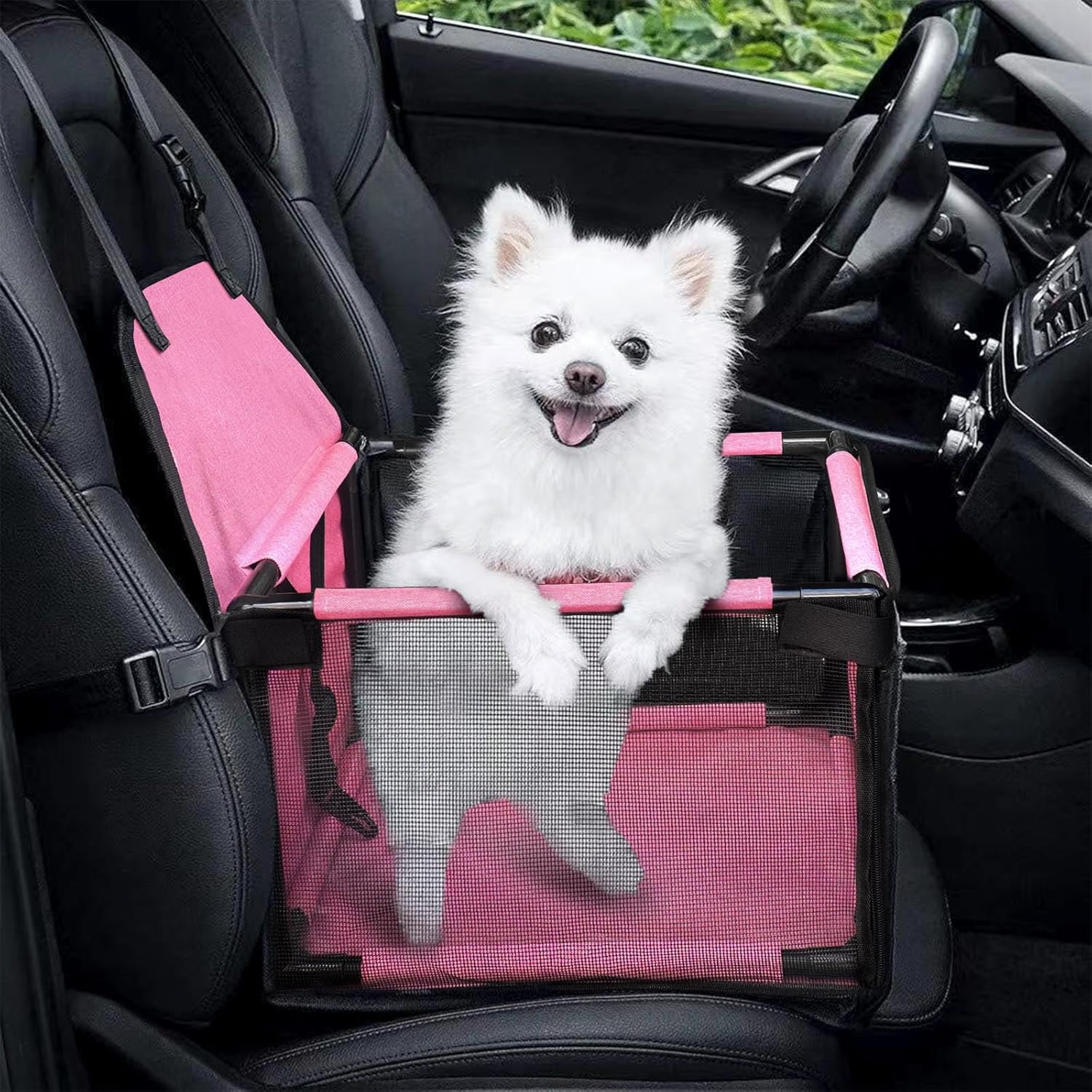 Small/Medium Dog Car Seat, Folding Travel Safety Pet Booster for Dogs up to 20Lb$37.88Last checked Nov 23, 2026View on eBay
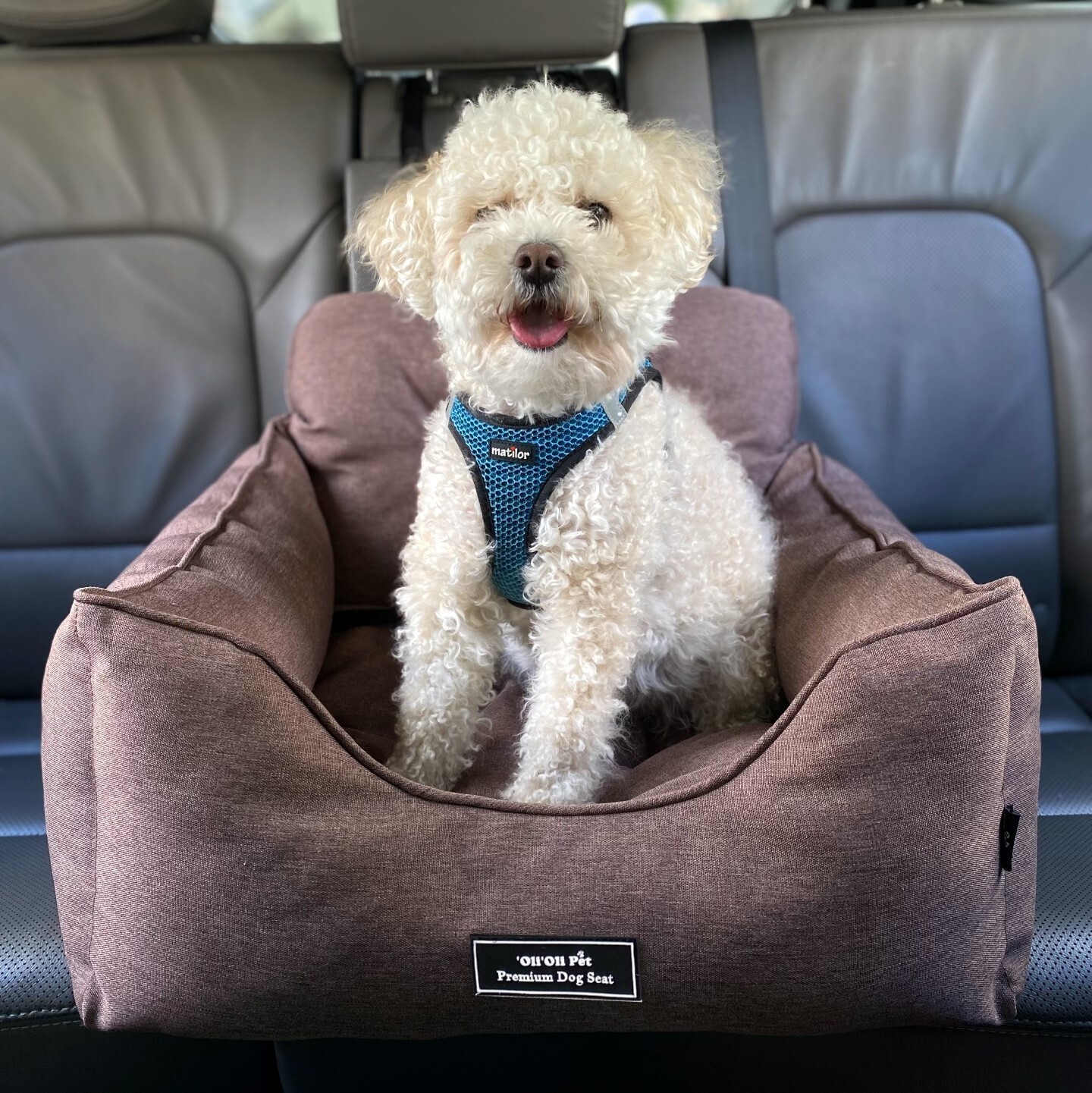 'Oli'Oli Pet Premium Waterproof Dog Car Booster Seat & Pet Bed. Free Shipping$45.00Last checked Nov 22, 2026View on eBay
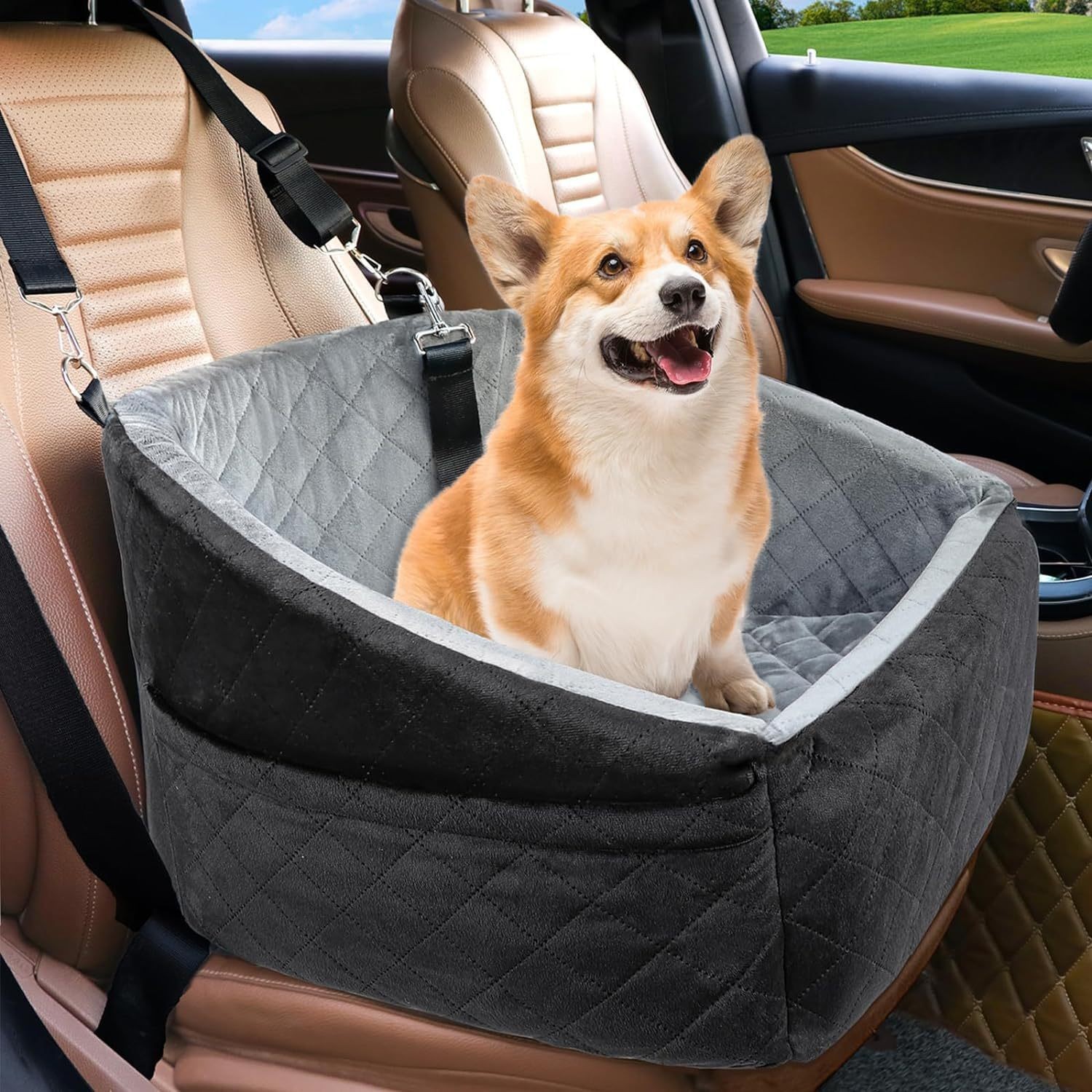 Dog Car Seat for Small Pets Up to 30lbs, Booster Bed with Storage & Safety Belt$49.99View on eBay
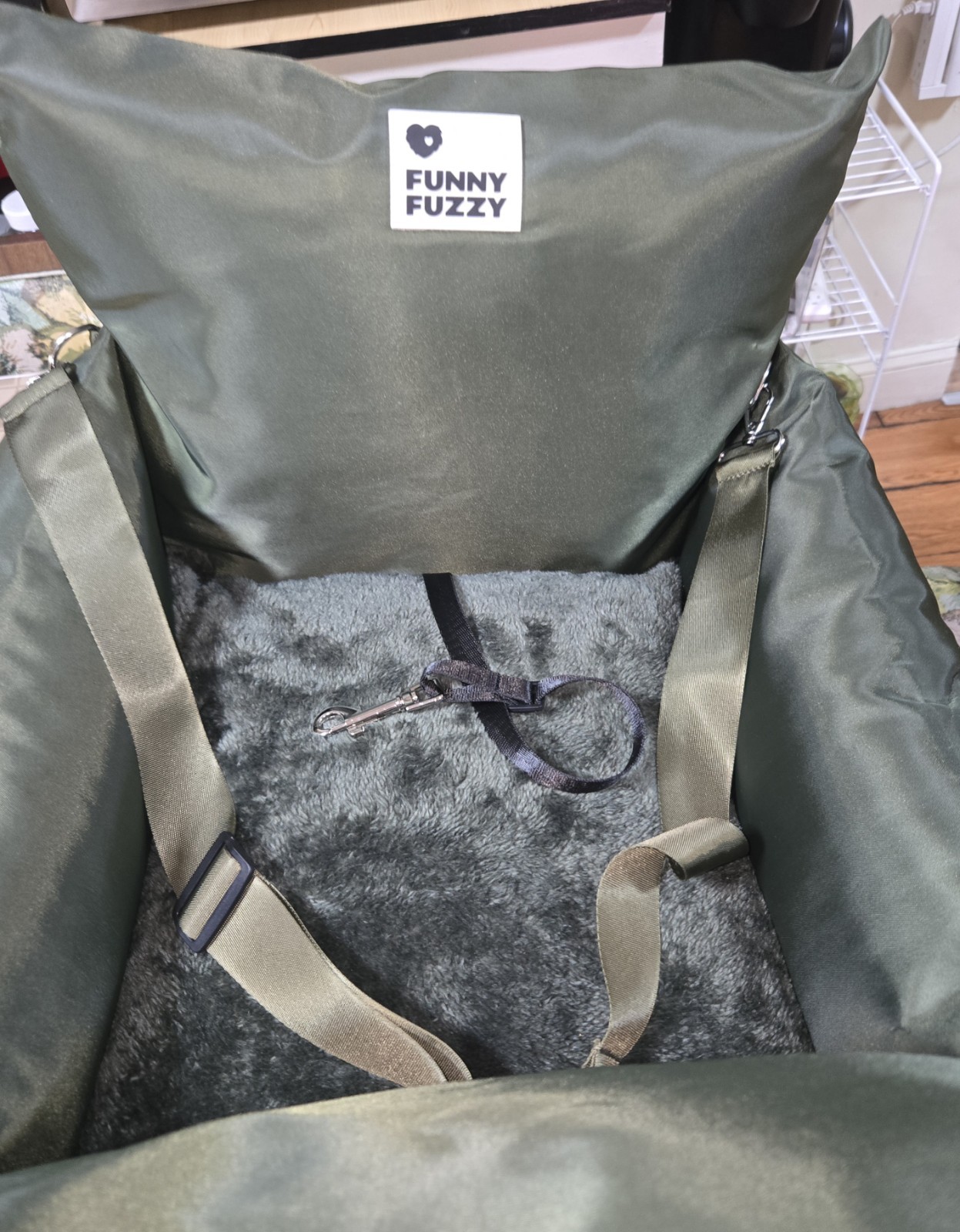 FunnyFuzzy Green Car Seat Travel Dog Bed With Attached Safety Leash - Pet Bed$55.00Last checked Nov 20, 2026View on eBay
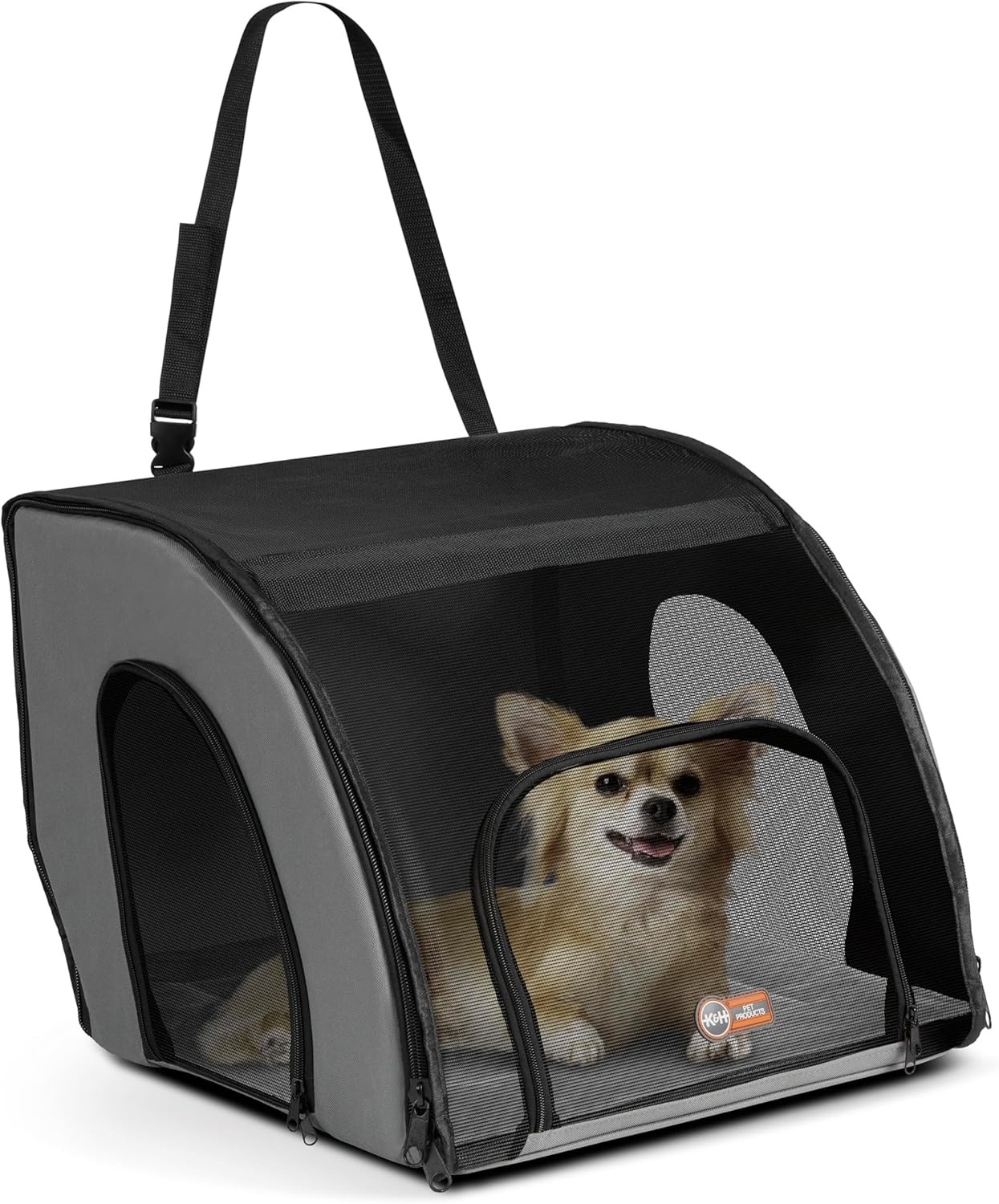 K&H Pet Products Enclosed Dog Cat Car Seat Travel Safety Carrier$90.99View on eBay
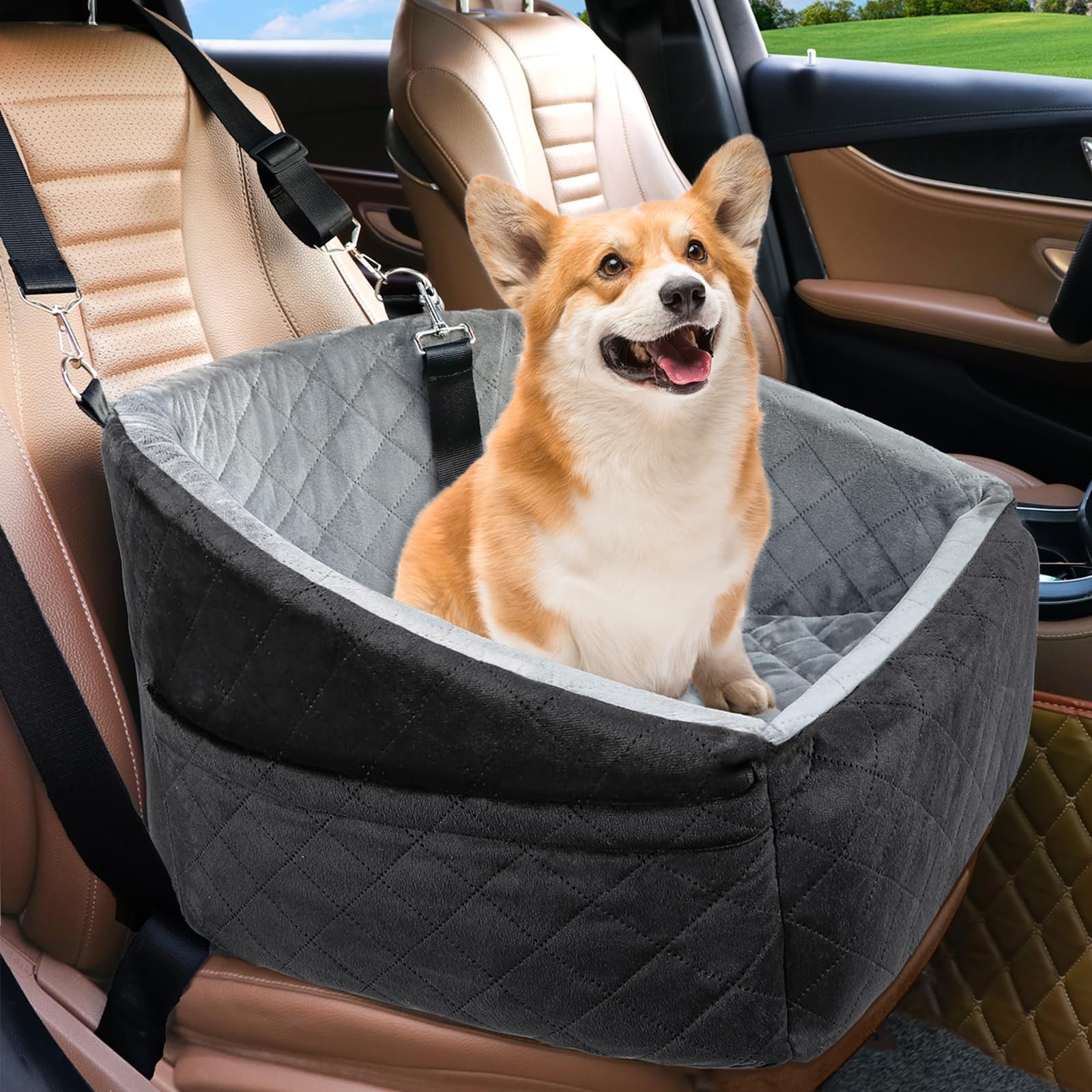 Dog Car Seat for Small Pets Up to 30lbs, Booster Bed with Storage & Safety Belt$96.66Last checked Nov 20, 2026View on eBay
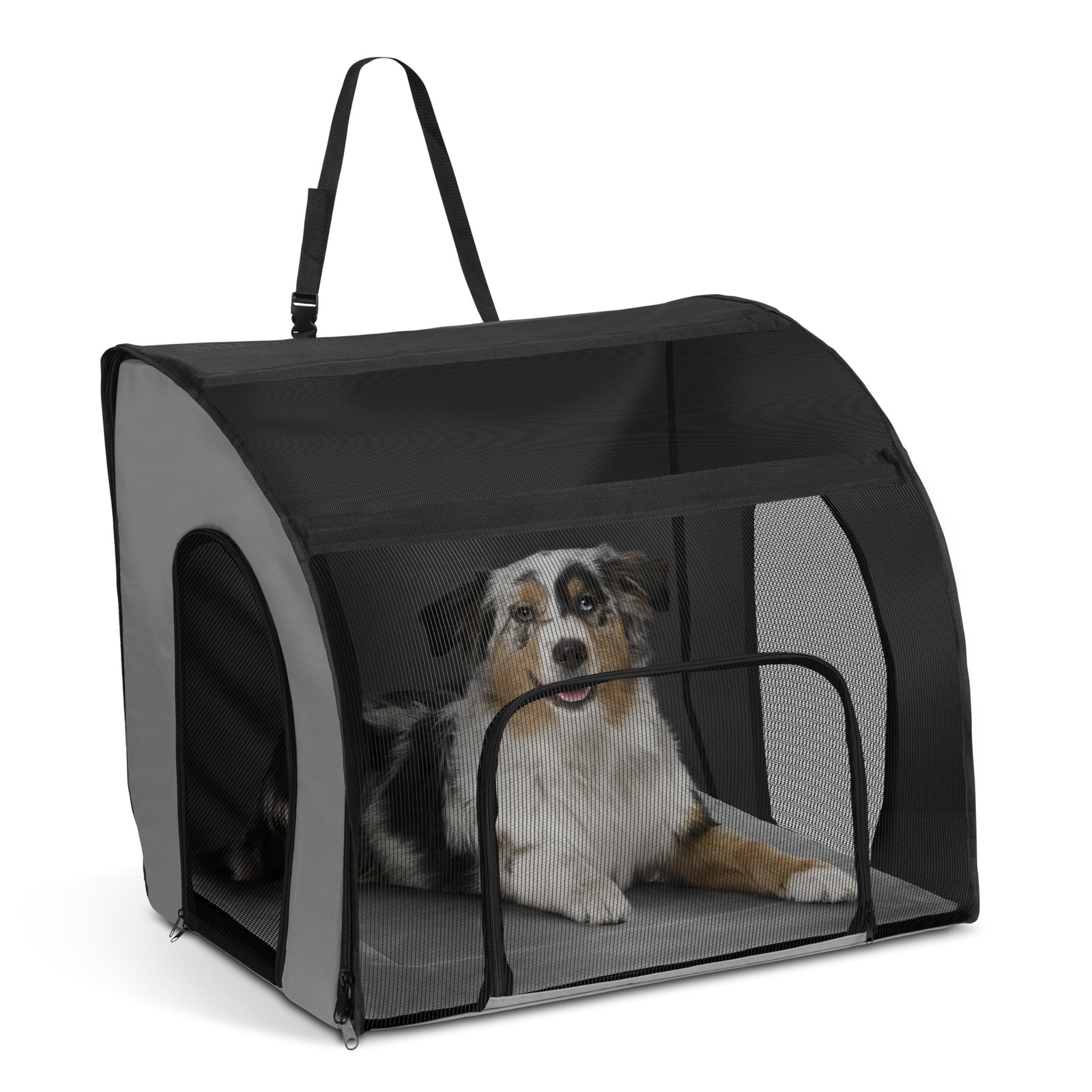 K&H Pet Products Enclosed Large Dog Car Seat, Travel Safety Carrier, Dog Travel$97.83Last checked Nov 22, 2026View on eBay
Highlights
- Bucket/booster seats anchor via two paths: seat-belt pass-through around the vehicle seatback base, or a headrest strap plus lower LATCH-style clip; only belt-through plus a metal tether ring keeps the seat in place under braking.
- Restraint harnesses use either a single steel buckle-tongue loop or a crash-rated chest harness with a tether; a plain nylon loop clipped to the collar transfers load to the trachea and is unsafe above parking-lot speeds.
- Bungee/elastic tethers reduce jolt but stretch under load — pick a bungee only as a secondary lead for calm dogs, not as the primary crash anchor.
- Fabric and padding determine longevity: 100% polyester oxford with PVC backing resists claw tears and car-seat friction, while soft plush liners add comfort but compress and lose crash padding over time; metal D-rings and buckles outlast plastic.
Best use cases
- Best fit: small dog under 25 lb with a belt-through booster plus a padded chest harness tethered to the seat's D-ring — gives visibility and keeps the dog off the driver's lap.
- Best fit: medium or large dog in a crash-rated harness with a steel buckle-tongue tether plugged into the vehicle's seat belt receptacle, paired with a flat seat cover or hammock rather than a raised booster.
- Wrong fit: a simple nylon seatbelt leash looped around the neck for any dog that rides regularly at highway speed — use a chest harness with a metal tether instead.
- Skip: a headrest-only strap booster for a dog that jumps or paws; choose a belt-through base with a lower anchor clip if the seat lacks LATCH or the vehicle seat is leather.
Buying tips
- Match the restraint to the dog's weight: boosters rated up to 25 lb are for small breeds; above that, use a crash-rated harness tether with no raised seat so the dog's mass stays low and anchored.
- Measure the vehicle seat base before buying a booster — belt-path boosters need 14–18 in of seat depth and a clear path to the seatbelt buckle; a 2-in mismatch makes the seat slide.
- Choose a metal buckle-tongue tether (fits standard 2-in vehicle receptacles) over a plastic clip; plastic clips deform in heat and fail under sudden load.
- For fabric, pick 600D polyester oxford with reinforced stitching at the tether ring; soft plush liners are comfort layers only and should be removable and washable.
Specs
| Seat Type | Booster bucket / flat anchored / hammock |
|---|---|
| Anchor Method | Seatbelt pass-through or headrest + lower clip |
| Restraint Type | Chest harness + metal tether / neck loop |
| Weight Rating | Small: up to 25 lb; large: harness tether |
Related searches
What to check before buying
- Confirm the vehicle seat has a usable seatbelt path or headrest posts for the anchor method — bench seats without headrests need a belt-through booster, not a headrest strap.
- Weigh and measure the dog (weight and chest girth) to confirm booster rating and harness size; a booster rated for 25 lb is unsafe for a 30-lb dog even if it fits.
- Check the vehicle's seatbelt receptacle type (standard 2-in tongue) and whether the rear seat has LATCH/lower anchors; tethers must match what the car actually provides.
- Verify the seat's cover material resists claw snags and is removable for washing — leather or vinyl vehicle seats need a non-slip base to prevent the booster sliding.
FAQ
Data sources: eBay / Amazon listings and product attribute feeds. Updated Nov 26, 2026.
Some links on this page are affiliate links. If you buy after clicking one, we may earn a commission at no extra cost to you. This does not change which products appear here or their order. Affiliate disclosure.