
Photos from current listings. Actual item, color, and included accessories may vary.
Dog Car Restraint Buying Guide
A dog car restraint is a crash-tested system that keeps your pet secure and prevents driver distraction. The core trade-off is between a simple seat-belt tether and a crash-tested harness: tethers only stop roaming, while a properly rated harness distributes crash forces across the chest. Buy a harness that passes a dynamic crash test (look for FMVSS 213 or a stated test speed), and skip any product that clips to a collar.
Median $9.48
Key takeaways
- Crash-tested harnesses are dynamic-tested at 30 mph or more; a plain nylon tether has no crash rating and can cause internal injury by concentrating force on the neck.
- A seat-belt tether must connect to a crash-tested harness, never a collar; collar attachment concentrates load on the trachea and is unsafe in any sudden stop.
- Headrest-loop tethers suit hatchbacks and SUVs with exposed headrest posts, while seat-belt-socket clips fit sedans with retractable rear belts; confirm your rear seat layout before choosing.
At a glance
- Category
- Pet Travel & Safety
- Last updated
- Nov 26, 2026
Current offers
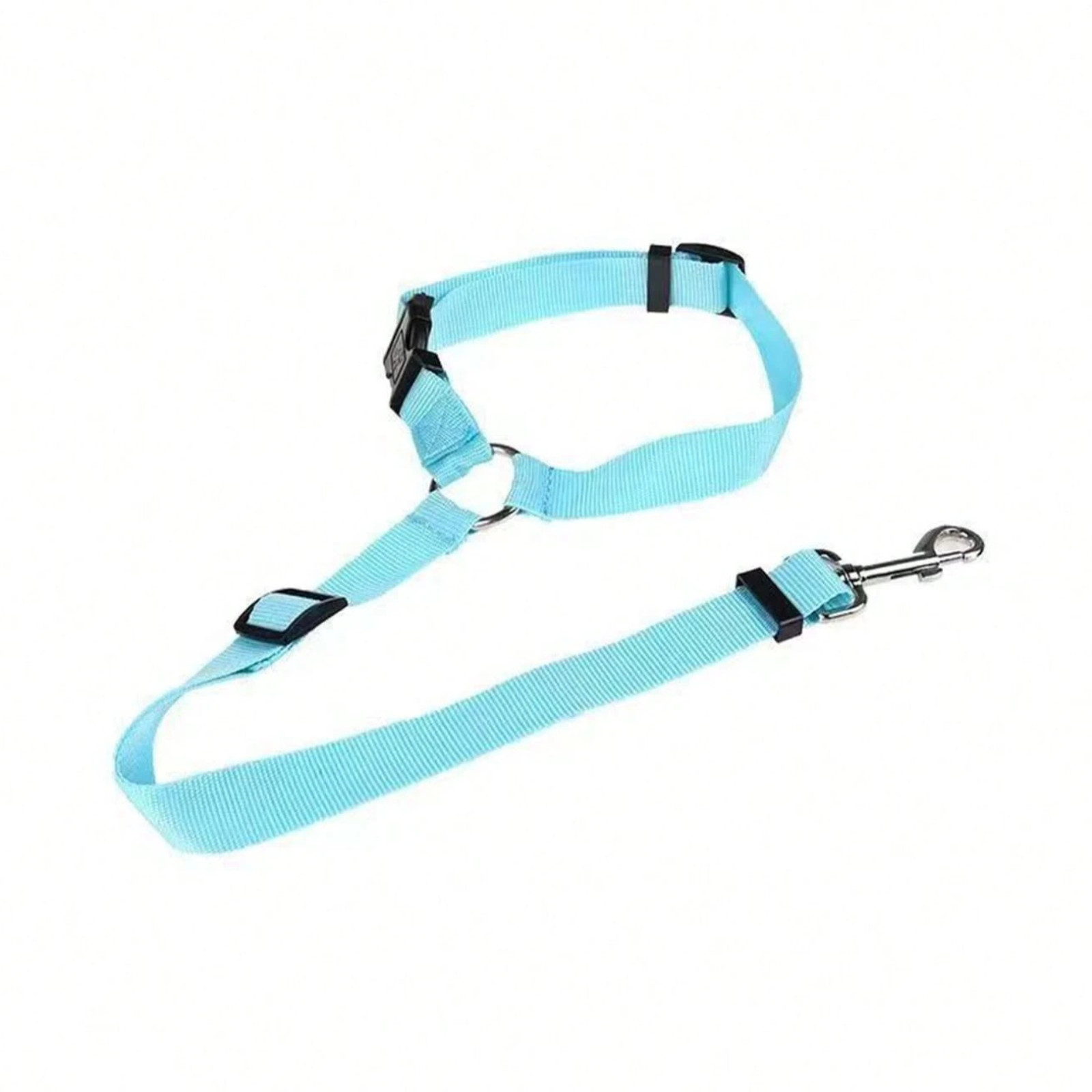 Dog Cat Seatbelt Leash Pet Car Safety Belt Harness Collar Adjustable Restraint$5.99Last checked Nov 20, 2026View on eBay
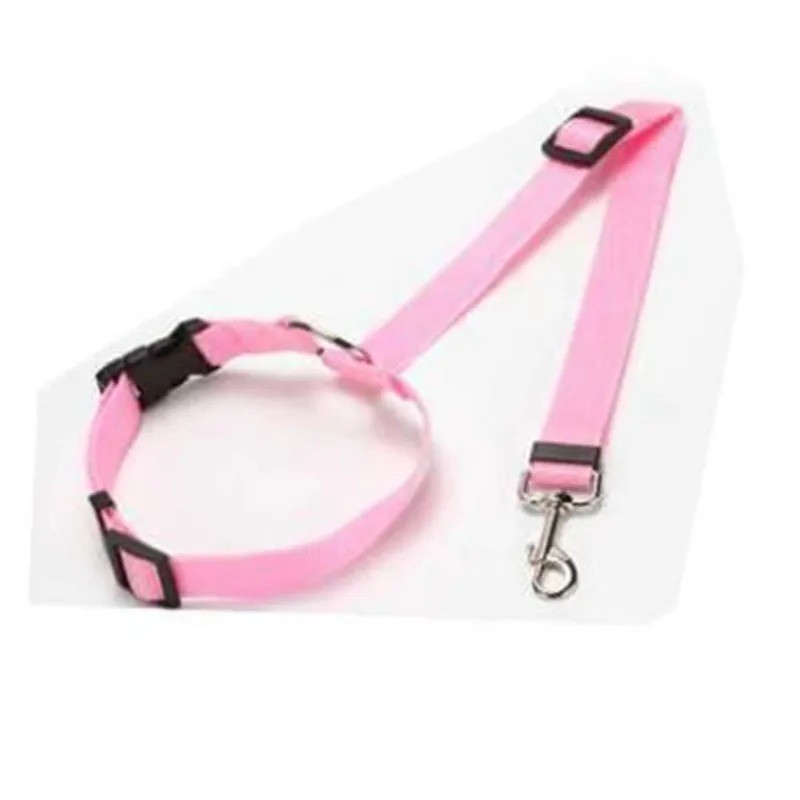 SEATBELT LEASH Dog Pet Car Safety Belt Harness Collar Restraint Lead Adjustable$8.14Last checked Nov 25, 2026View on eBay
 2× Pet Dog Seat Belt Adjustable Travel Car Safety Harnesses Lead Restraint USA$8.63Last checked Nov 23, 2026View on eBay
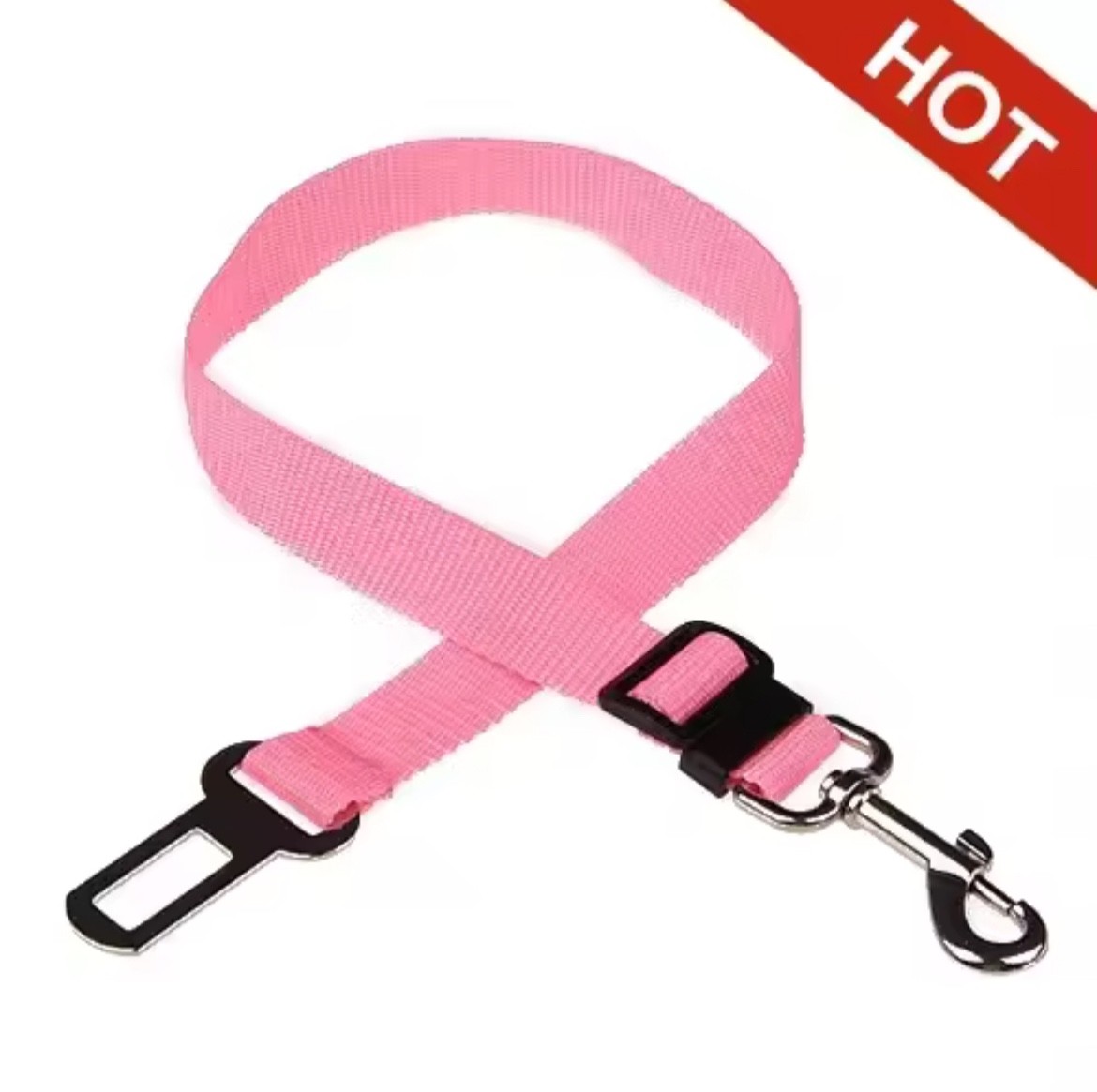 Dog Car Safety Harness Seat Belt Adjustable Pet Travel Restraint Reflective$8.88Last checked Nov 23, 2026View on eBay
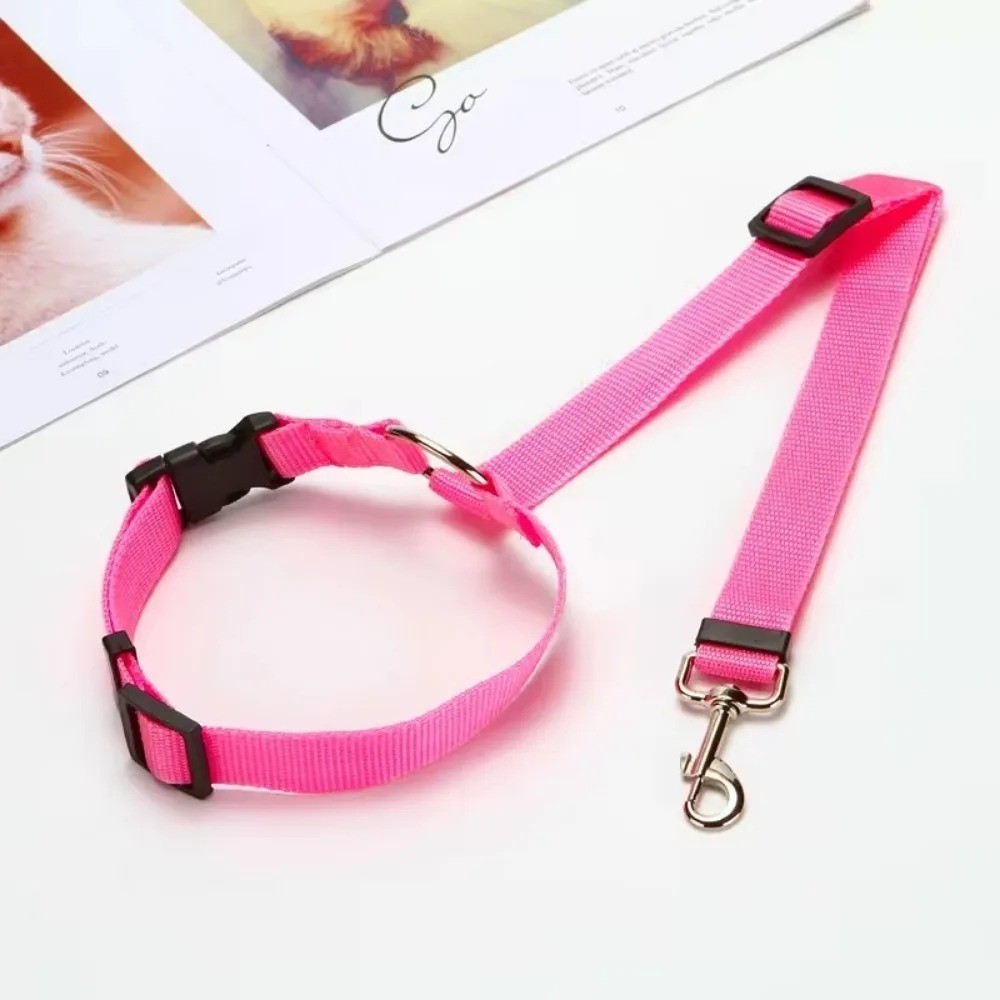 SEATBELT LEASH Dog Pet Car Safety Belt Harness Collar Restraint Lead Adjustable$10.07Last checked Nov 24, 2026View on eBay
- Pet Car Seat Belt Adjustable Nylon Dog Safety Lead Leash Harness Restraint Safe$11.85Last checked Nov 25, 2026View on eBay
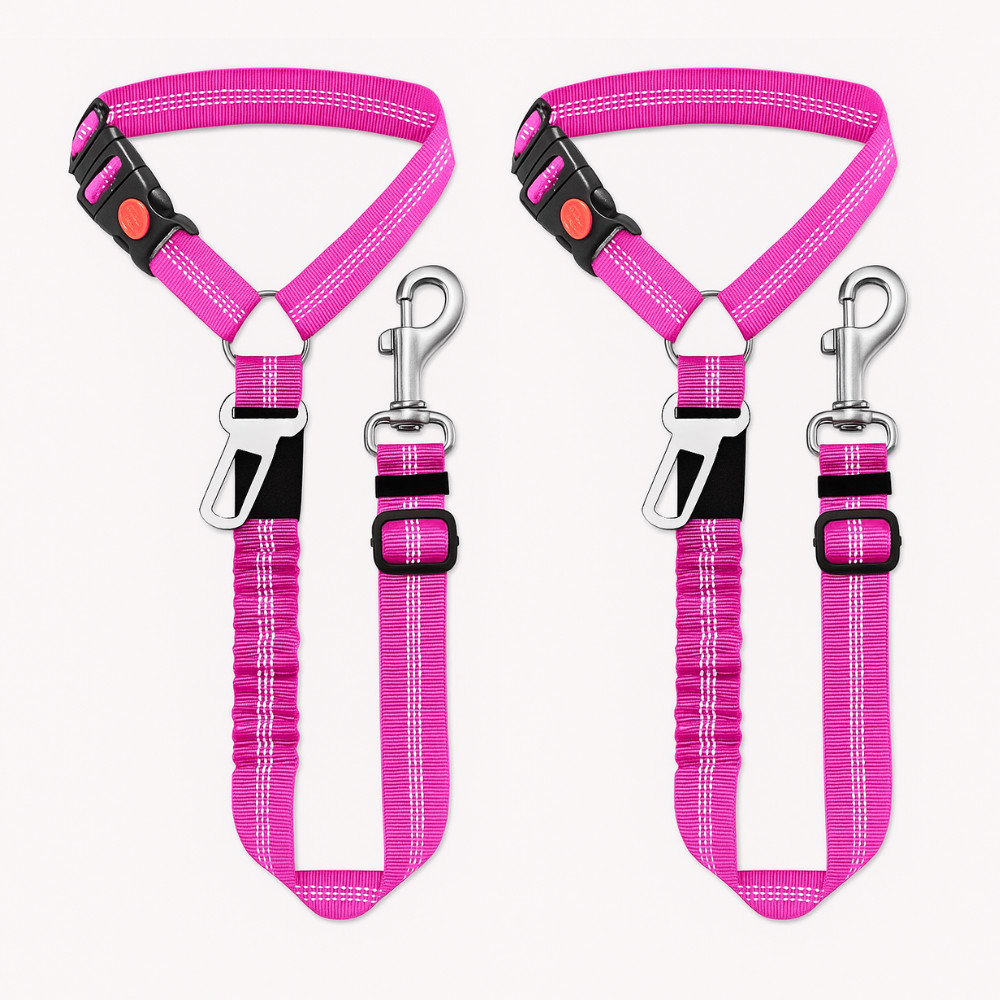 Dog Seat Belt Pet Travel Car Safety Harness Lead Adjustable Restraint$16.99Last checked Nov 24, 2026View on eBay
 Pet Dog Car Seat Belt Restraint Adjustable Safety Leash fits Vehicle Travel$49.55Last checked Nov 24, 2026View on eBay
Highlights
- Crash-tested harnesses are dynamic-tested at 30 mph or more; a plain nylon tether has no crash rating and can cause internal injury by concentrating force on the neck.
- A seat-belt tether must connect to a crash-tested harness, never a collar; collar attachment concentrates load on the trachea and is unsafe in any sudden stop.
- Headrest-loop tethers suit hatchbacks and SUVs with exposed headrest posts, while seat-belt-socket clips fit sedans with retractable rear belts; confirm your rear seat layout before choosing.
- Nylon webbing width of 1 inch or more with box-X stitching at load points is the minimum construction for a restraint expected to hold a dog in a crash.
Best use cases
- Best for everyday errands with a calm dog: a crash-tested harness plus a seat-belt tether keeps the dog in the back seat and out of the driver's lap.
- Best for SUVs and hatchbacks with cargo space: a headrest-loop tether or a hard-sided crate secured with straps suits dogs that travel in the cargo area.
- Wrong fit: a collar-only leash restraint or a thin elastic tether — these are for parking-lot control, not crash protection, and should never be used at highway speed.
- Wrong fit: a retractable leash used as a car restraint — the locking mechanism is not rated for crash loads and can spool out on impact.
Buying tips
- Match the tether length to your seat: 11-inch seat-belt clip tethers keep the dog seated, while longer headrest loops let the dog stand or lie down — measure from the anchor point to the dog's harness ring.
- Choose a harness sized by chest girth, not weight alone: measure the widest part of the ribcage and add two fingers of slack; a loose harness can slip out in a crash.
- Check the attachment hardware: a metal seat-belt tongue or a locked carabiner is stronger than a plastic clip, which can fatigue and release under load.
- For two dogs, use two separate tethers anchored to separate seat belts or headrest posts — never clip two dogs to one tether, which causes tangling and shared load.
Specs
| Restraint Type | Seat-belt tether vs headrest loop |
|---|---|
| Crash Rating | Dynamic-tested 30 mph (FMVSS 213) |
| Attachment Point | Harness back D-ring (never collar) |
| Webbing & Hardware | 1 in nylon, metal clip/tongue |
Related searches
What to check before buying
- Measure your rear seat: confirm the distance from the seat-belt socket or headrest post to where the dog sits, so the tether is neither taut nor long enough to reach the front seat.
- Check your vehicle's rear seat type: bench with retractable belts, captain's chairs, or cargo-area tie-downs determine whether you need a seat-belt clip, headrest loop, or crate strap.
- Verify the harness has a metal D-ring at the back (not the front clip) for tether attachment; front-clip rings are for walking, not crash restraint.
- Confirm the dog's chest girth and weight fall within the harness size chart, and that the harness is labeled crash-tested — not just 'car safe'.
FAQ
Data sources: eBay / Amazon listings and product attribute feeds. Updated Nov 26, 2026.
Some links on this page are affiliate links. If you buy after clicking one, we may earn a commission at no extra cost to you. This does not change which products appear here or their order. Affiliate disclosure.