
Photos from current listings. Actual item, color, and included accessories may vary.
Dog Car Harness Buying Guide
A dog car harness is a crash-tested restraint that distributes impact force across the chest and sternum instead of the neck, keeping the dog in place and away from airbags. The core trade-off is between thin nylon strap belts (leash-style tethers that attach to a collar or harness) and purpose-built padded harnesses with metal load hardware and crash-test certification. Durable options use wide webbing, welded D-rings or metal buckles, and a crash-standard claim; compromises are narrow polypropylene straps with plastic buckles and no impact rating.
Median $8.99
Key takeaways
- Crash-tested harnesses are dynamically pull-tested to hold roughly 2,000-4,000 lb of load; untested straps with plastic buckles can fail at the buckle or stitching seam under a fraction of that force.
- Webbing width matters: 1-inch nylon webbing is the baseline for medium-to-large dogs, while 3/4-inch is common on small-dog and cat belts and has less tear resistance.
- Metal welded D-rings and load-bearing buckles (aluminum or steel) outperform molded plastic side-release buckles, which are the most common failure point on cheap restraint straps.
At a glance
- Category
- Pet Travel & Safety
- Last updated
- Nov 26, 2026
Current offers
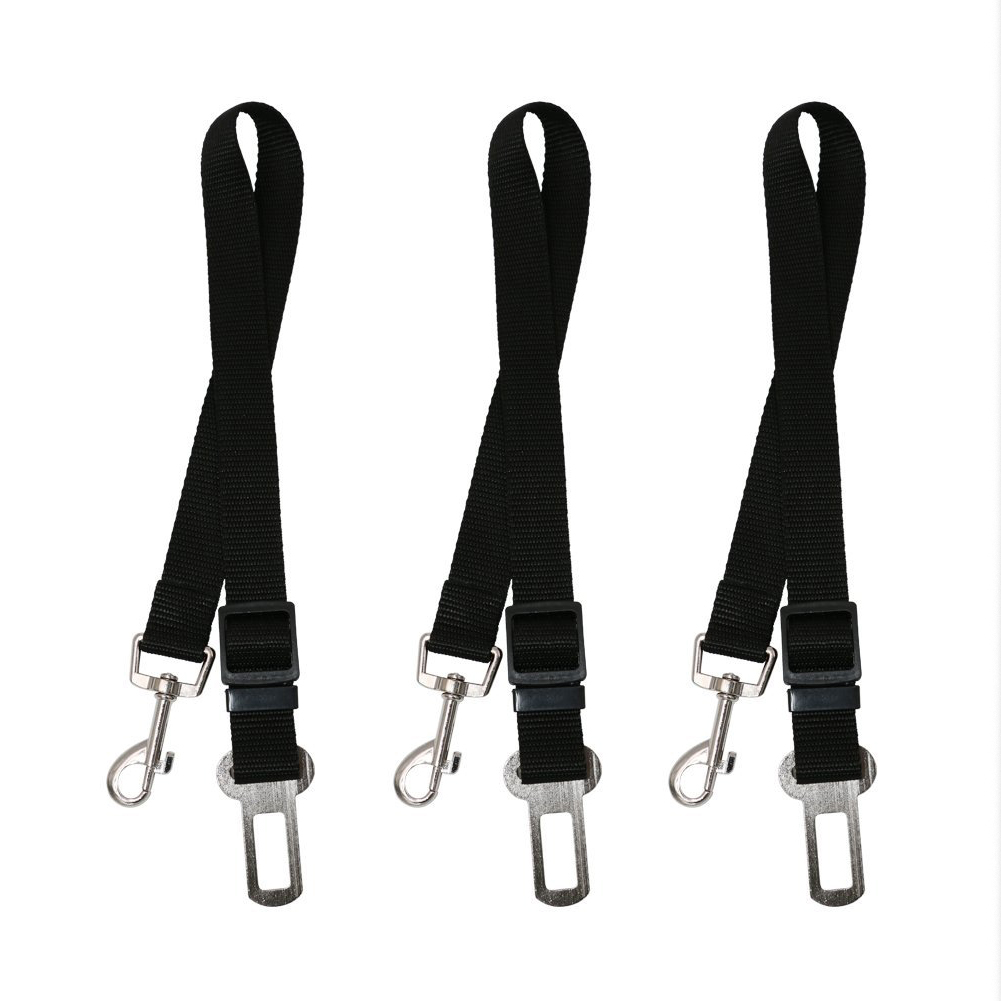 3 PCS Adjustable Pet Dog Cat Car Seat Belt Safety Leads Vehicle Seatbelt Harness$6.39Last checked Nov 24, 2026View on eBay
 Pet Dog Seat Belt Retractable Travel Car Safety Harnesses Lead Restraint Lanyard$6.99Last checked Nov 23, 2026View on eBay
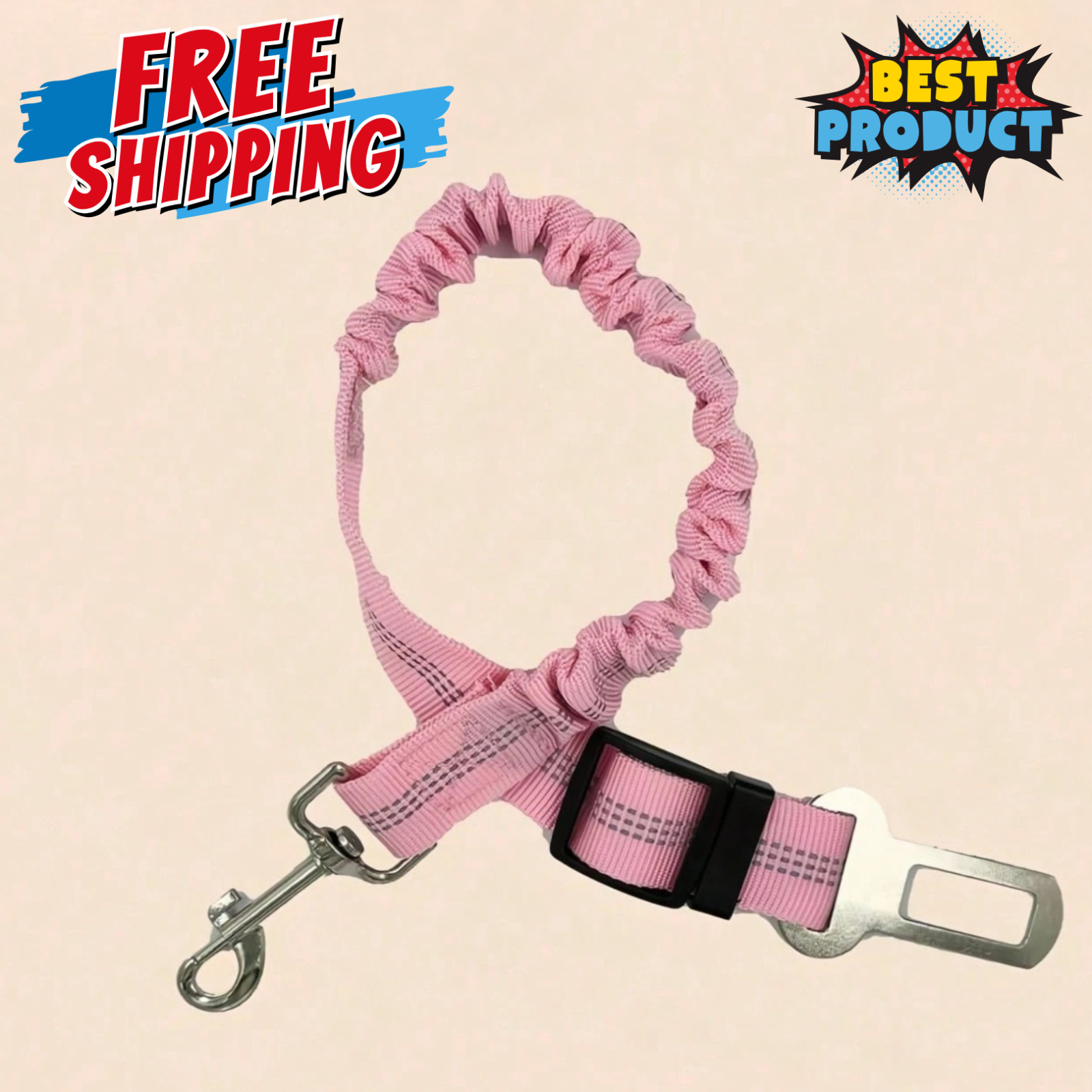 Dog Seat Belt Leash Pet Seatbelt 14 Colors Car ELASTIC Safety Adjustable Harness$7.89Last checked Nov 20, 2026View on eBay
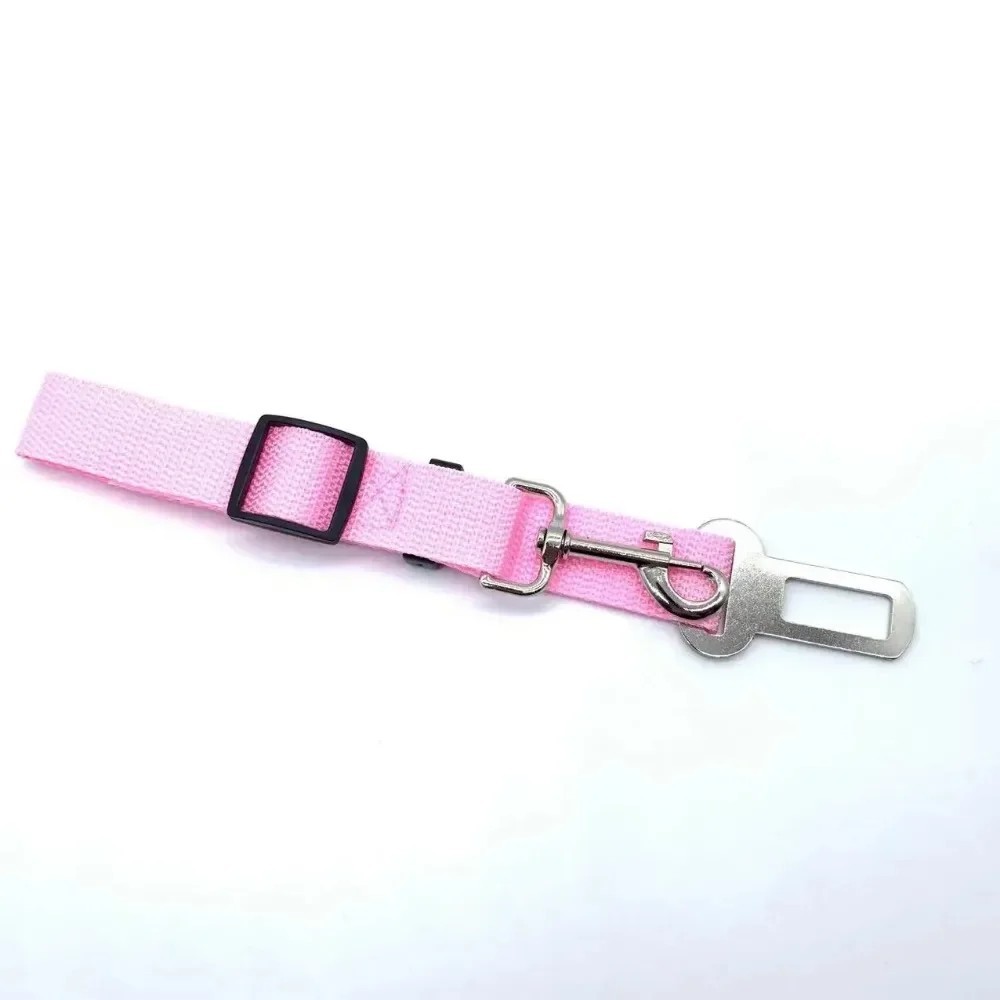 Adjustable Dog Pet Car Seat Belt Safety Lead Leash Restraint Harness Travel Clip$8.99View on eBay
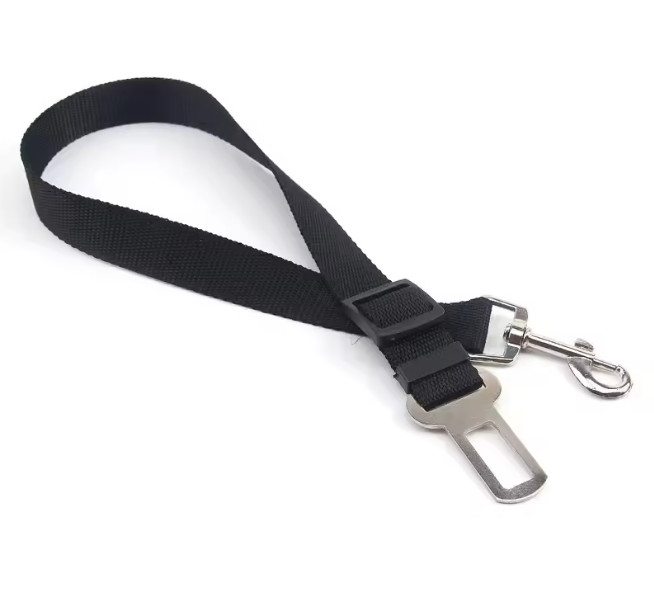 Dog Car Seat Belt Safety Harness Adjustable Travel Pet Leash Car Seat Protector$10.96Last checked Nov 20, 2026View on eBay
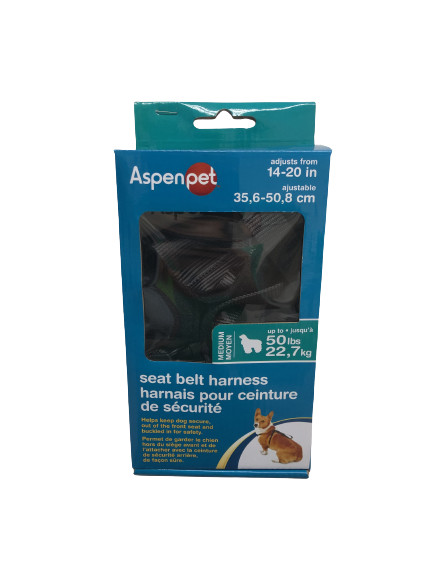 New Adjustable Pet Dog Car Seat Belt Restraint Vehicle Travel Safety Harness$25.00Last checked Nov 22, 2026View on eBay
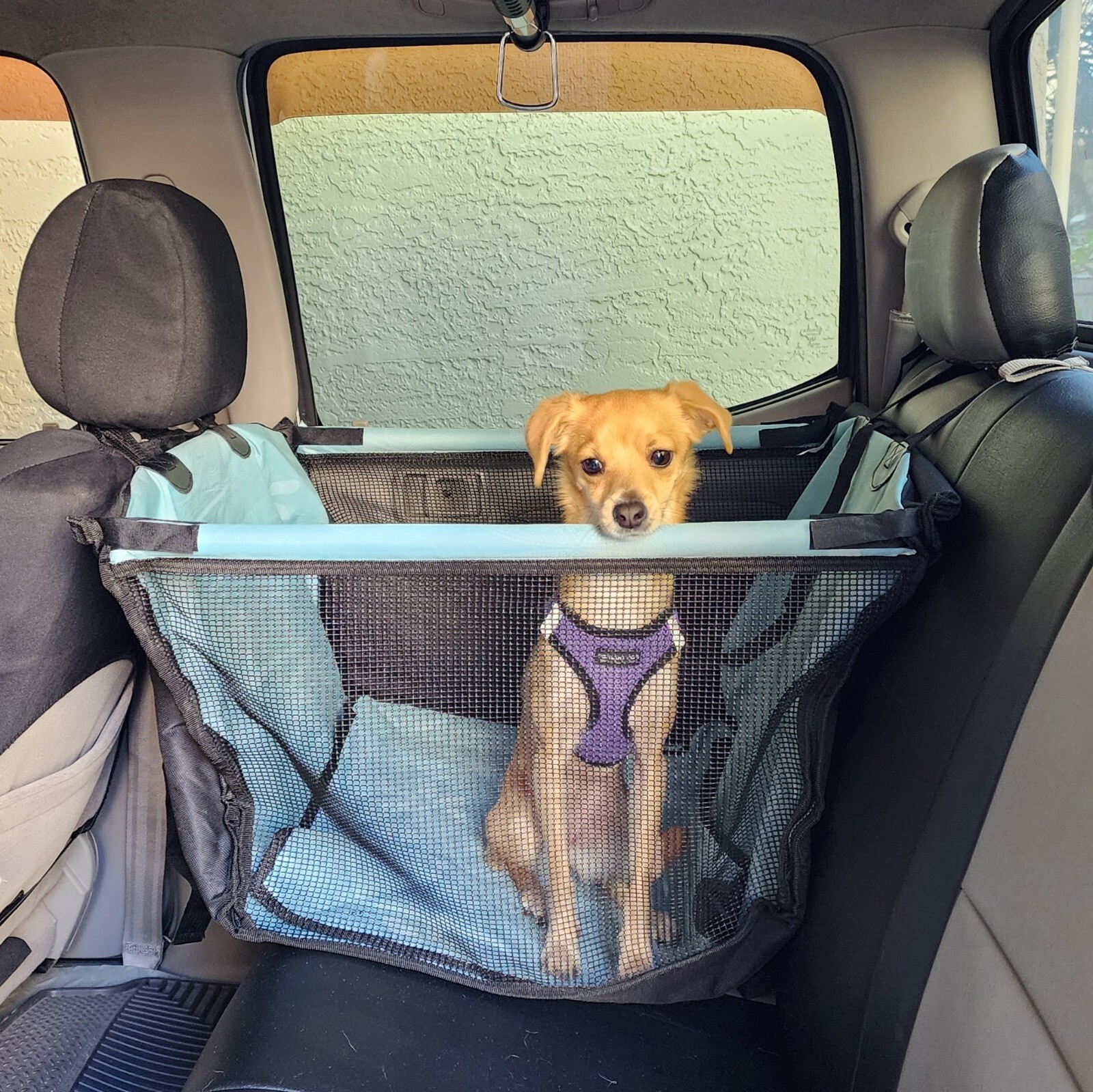 Dog Car Seat Half Rear Pet Travel Waterproof Pad Dog Hammock Safety Harness New$79.98Last checked Nov 25, 2026View on eBay
Highlights
- Crash-tested harnesses are dynamically pull-tested to hold roughly 2,000-4,000 lb of load; untested straps with plastic buckles can fail at the buckle or stitching seam under a fraction of that force.
- Webbing width matters: 1-inch nylon webbing is the baseline for medium-to-large dogs, while 3/4-inch is common on small-dog and cat belts and has less tear resistance.
- Metal welded D-rings and load-bearing buckles (aluminum or steel) outperform molded plastic side-release buckles, which are the most common failure point on cheap restraint straps.
- Harness types split into crash-tested body harnesses (padded chest plate, five-point adjustment) and simple seat-belt tether straps that loop around an existing harness or collar, which offer restraint but no impact protection.
Best use cases
- For daily car rides with a medium or large dog, choose a crash-tested padded harness paired with a seat-belt tether or latch-strap, not a narrow collar-attached belt.
- For small dogs and cats under roughly 15 lb, a lightweight adjustable tether with a padded vest is sufficient; skip heavy crash harnesses that overwhelm a small frame.
- For a dog that chews or panics in the car, pick a harness with metal hardware and reinforced stitching and skip retractable or elastic-bungee tethers that allow reach and entanglement.
- Skip headrest-loop tethers for dogs over about 30 lb unless the strap is rated heavy-duty; the headrest loop is the weakest anchor point in the vehicle.
Buying tips
- Measure the dog's girth (chest behind the front legs) and match to the harness size chart; a harness should allow two fingers under the straps, not a loose collar fit.
- Insist on metal D-rings and metal or load-rated buckles for dogs over 25 lb; plastic quick-release buckles are the top reported failure point.
- Choose 1-inch minimum webbing for medium and large dogs; 3/4-inch webbing is acceptable only for toy and small breeds.
- Match the tether to the vehicle anchor: seat-belt clip tethers fit standard buckles, while latch-strap and headrest loops suit SUVs and cargo areas with different anchor points.
Specs
| Restraint Type | Crash-tested harness vs tether strap |
|---|---|
| Webbing Width | 1 in (med/large) / 3/4 in (small) |
| Hardware | Metal D-ring / load-rated buckle |
| Anchor Type | Seat-belt clip / LATCH / headrest |
Related searches
What to check before buying
- Measure chest girth and neck, then compare against the harness size range—do not size up for growth on a crash harness.
- Confirm the vehicle anchor type: standard seat-belt buckle, LATCH/ISOFIX, or headrest post, and pick a tether that matches.
- Check the rear seat or cargo layout: airbag-equipped front seats require the dog to be secured in the rear, and a hard cargo divider may be needed for SUVs.
- Verify the harness is labeled crash-tested to a recognized standard (e.g., dynamic pull test) rather than simply 'safety harness'.
FAQ
Data sources: eBay / Amazon listings and product attribute feeds. Updated Nov 26, 2026.
Some links on this page are affiliate links. If you buy after clicking one, we may earn a commission at no extra cost to you. This does not change which products appear here or their order. Affiliate disclosure.