
Photos from current listings. Actual item, color, and included accessories may vary.
Airline Dog Carrier Buying Guide
An airline dog carrier is a soft-sided or hard-sided pet travel bag sized to fit under an aircraft seat, and the core trade-off is cabin-fit compliance versus structural support and ventilation. Durable options use 600D Oxford or ballistic nylon shells, rigid PE or metal frame inserts, and mesh panels with reinforced stitching; compromises use thin 210D polyester, floppy unsupported sides, and undersized mesh that fails airline gate checks. The decision rule: buy only after matching the carrier's exterior dimensions to your airline's under-seat allowance and your dog's standing height and length, and insist on a rigid base plus at least two mesh sides.
Median $26.23
Key takeaways
- Cabin compliance hinges on exterior dimensions, not weight: most major US carriers cap soft carriers near 18 x 11 x 11 in, so a 15.7 x 7.9 x 11.8 in bag fits regional and mainline under-seat spaces but a 19-in length risks gate rejection.
- Shell material grade separates durable from disposable: 600D Oxford or ballistic nylon resists clawing and sagging, while 210D-300D polyester stretches and tears at seams within a few trips.
- Frame construction determines whether the bag keeps its shape under a seat: PE board or metal wire inserts hold the base and walls, whereas unsupported soft bags collapse and reduce usable interior height.
At a glance
- Category
- Pet Travel & Safety
- Last updated
- Nov 26, 2026
Current offers
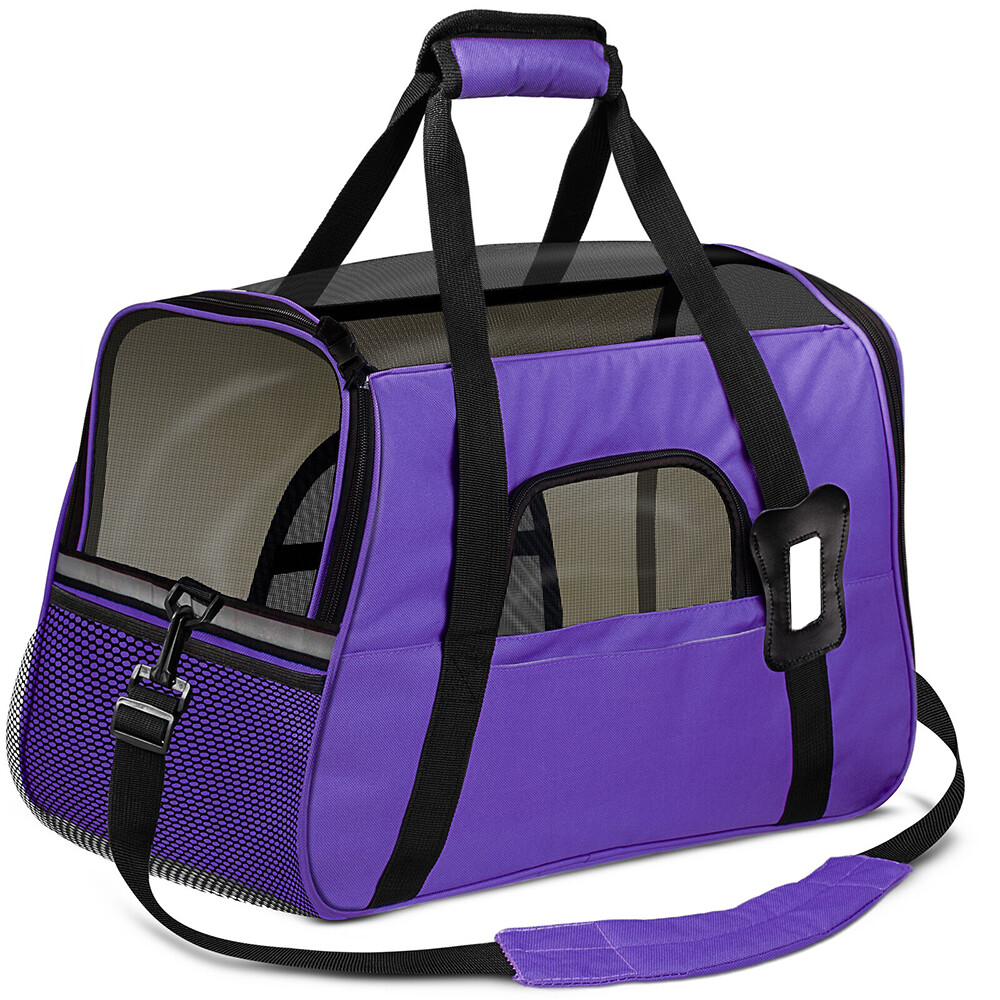 Pet Dog /Small Cat Carrier Soft Sided Comfort Bag Travel Case Airline Approved$20.66Last checked Nov 18, 2026View on eBay
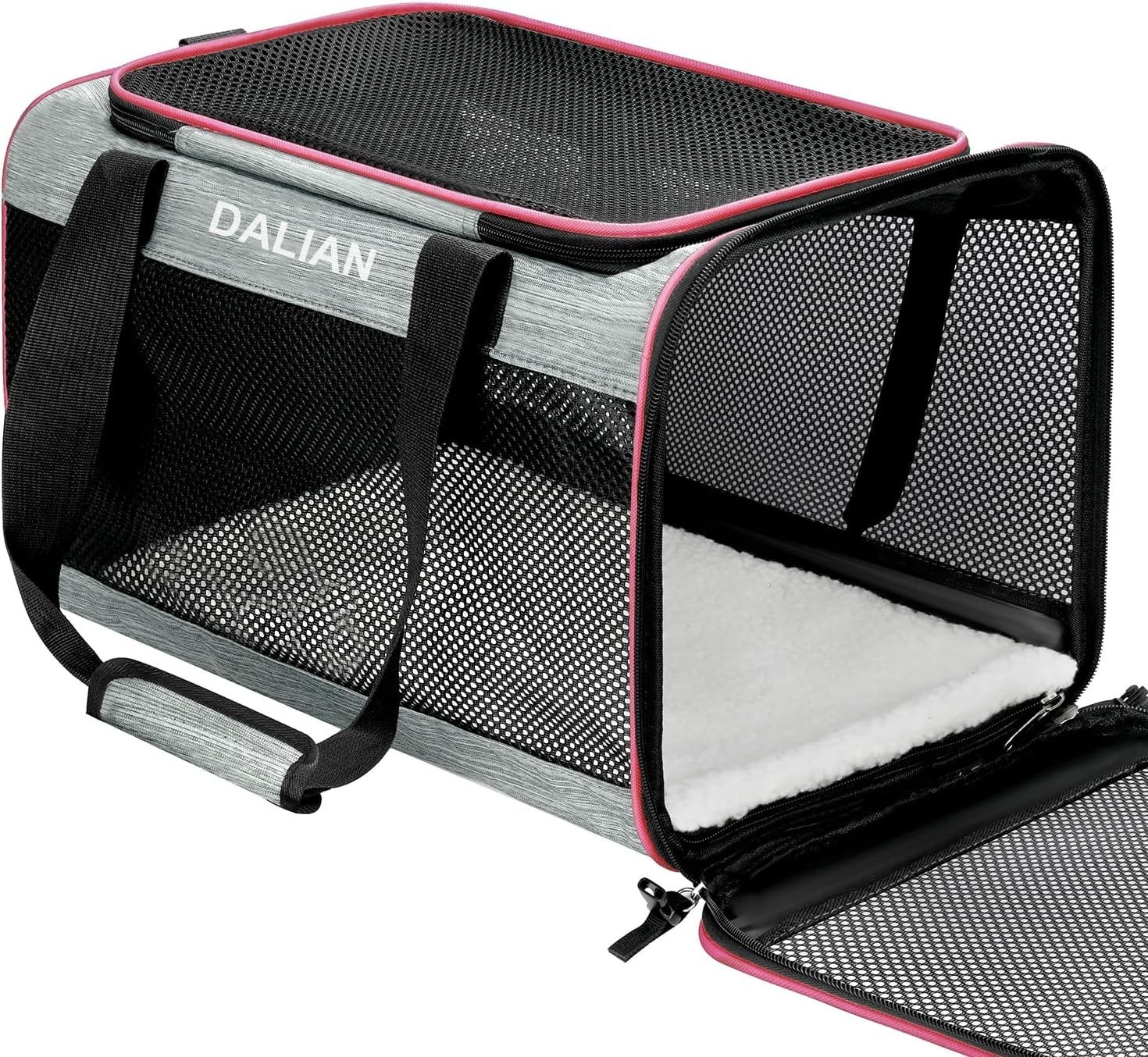 Dog Soft-Sided Carriers Cat Carrier Airline Approved Pet Carrier$21.78Last checked Nov 18, 2026View on eBay
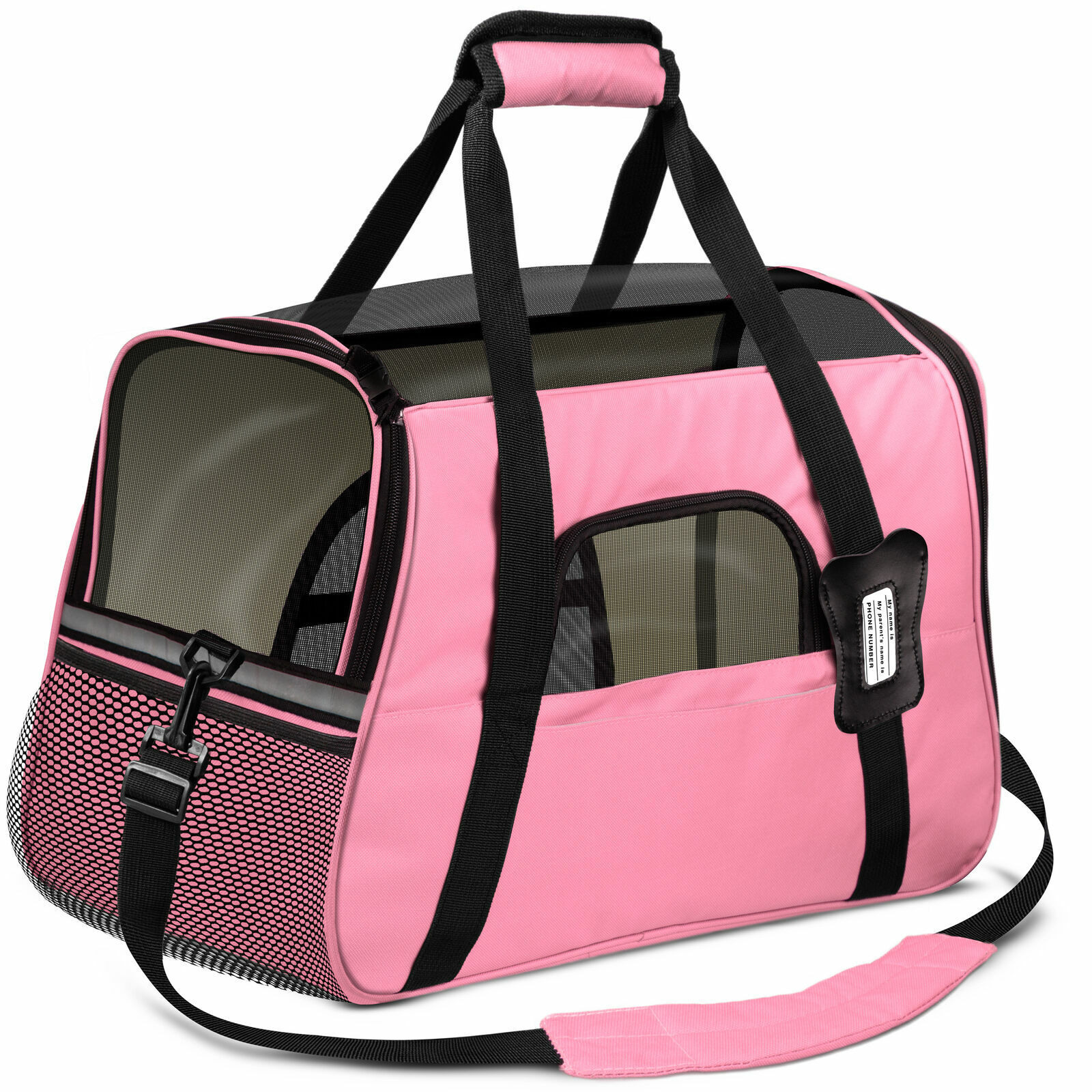 Pet Carrier Cat Travel Bag Portable Soft Sided Comfort Case Airline Approved Dog$22.75Last checked Nov 18, 2026View on eBay
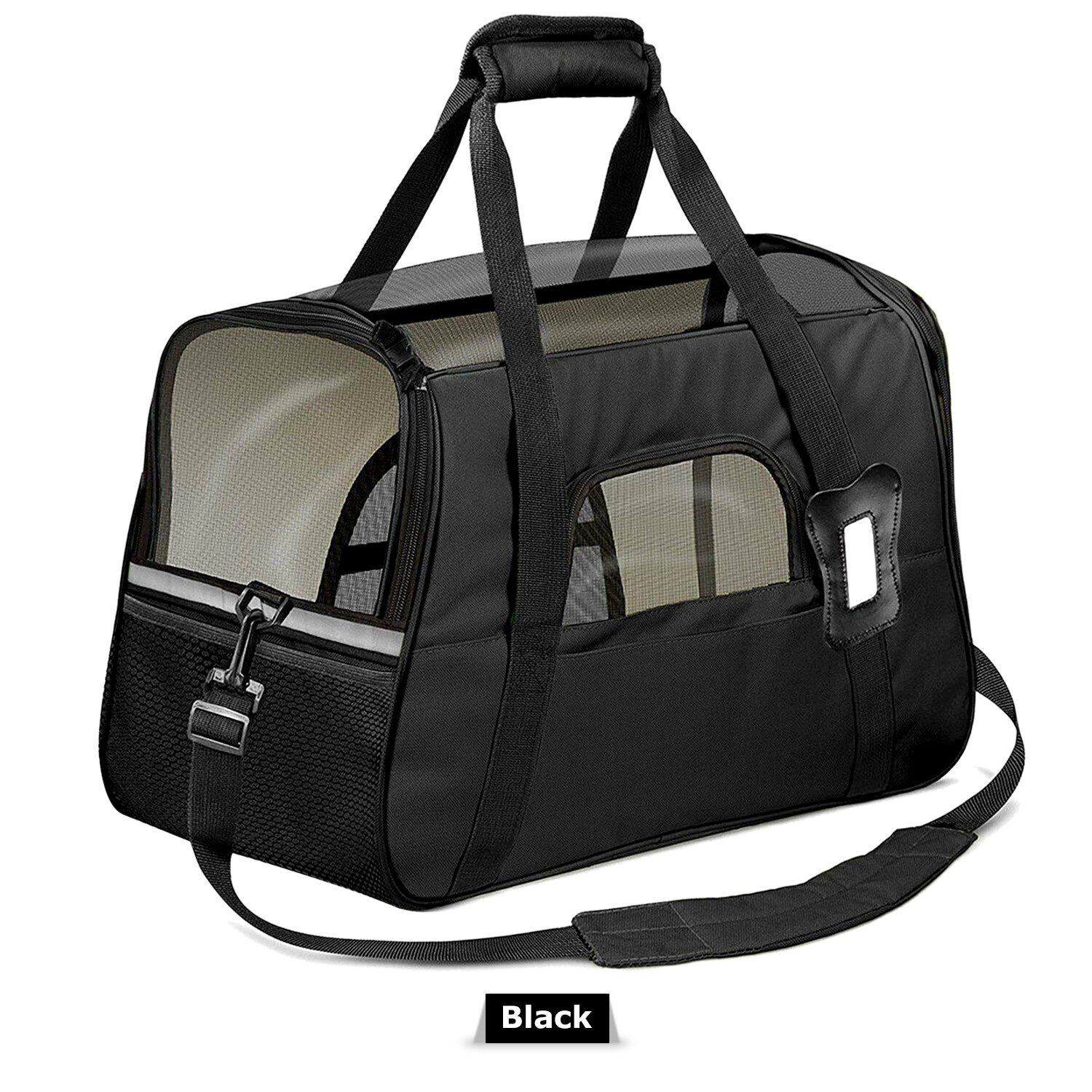 Pet Dog /Small Cat Carrier Soft Sided Comfort Bag Travel Case Airline Approved$22.77Last checked Nov 18, 2026View on eBay
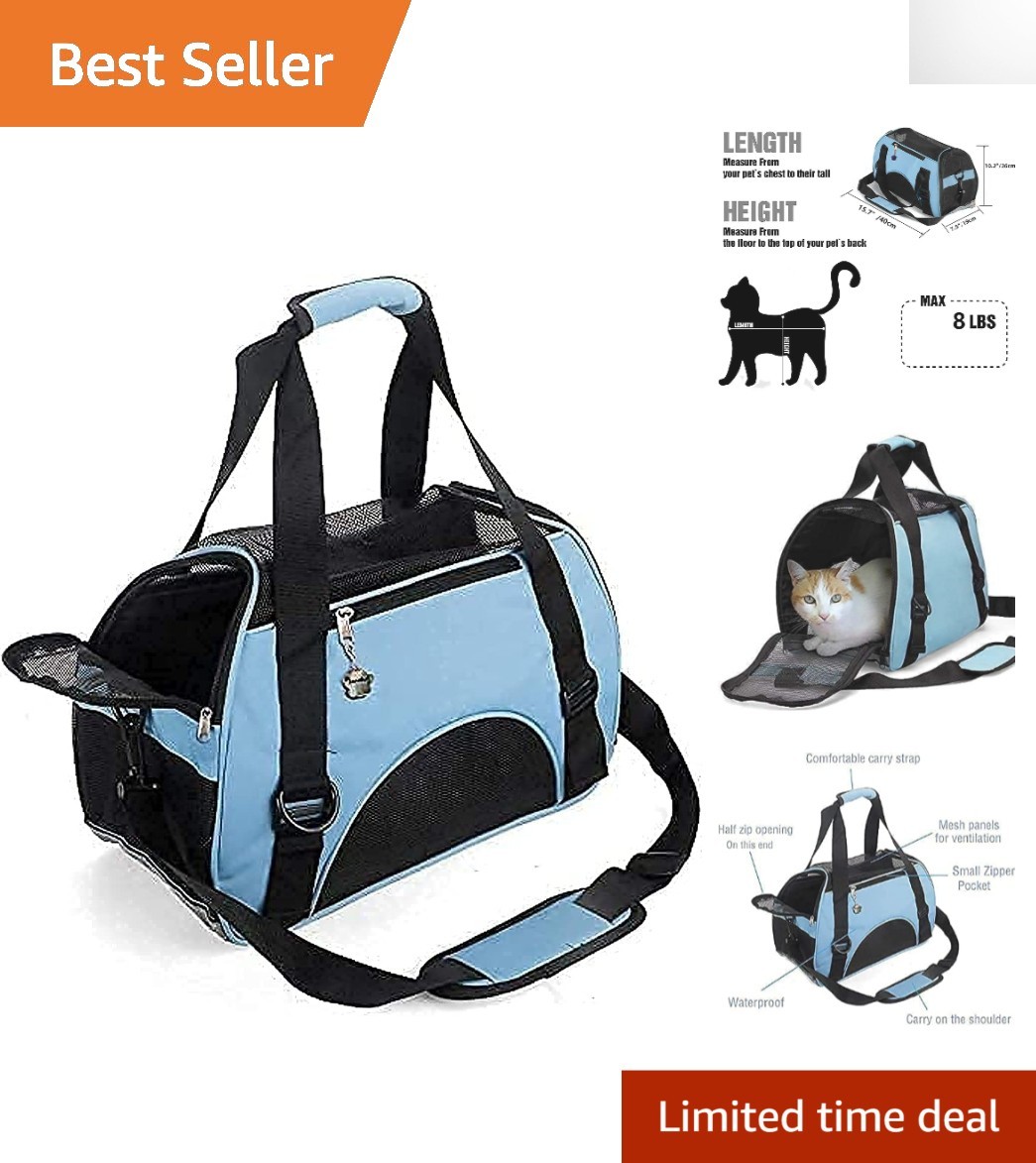 Airline Approved Soft-Sided Cat & Dog Carrier - Portable Blue Pet Bag 15.7"L$23.99Last checked Nov 26, 2026View on eBay
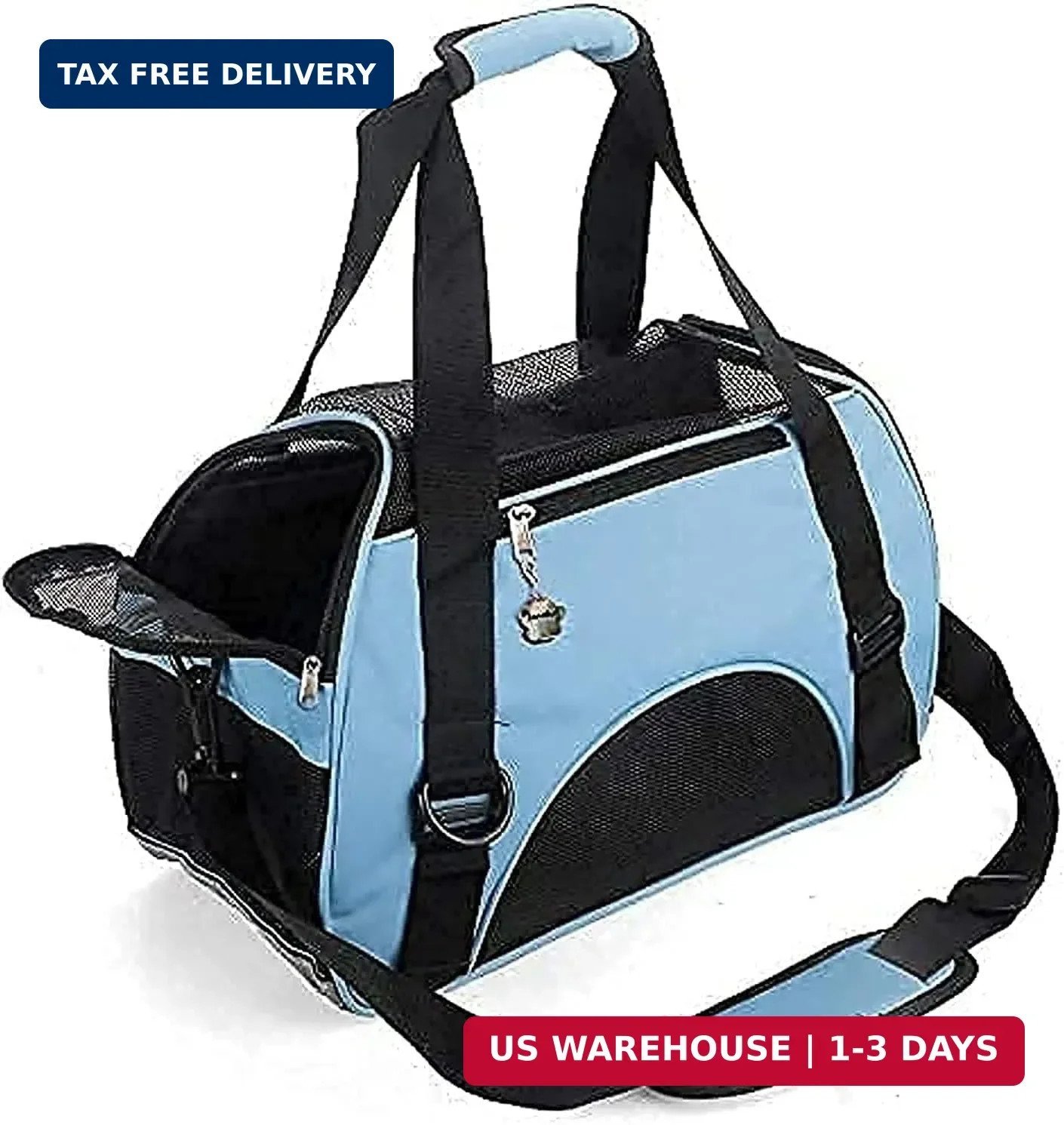 Soft-Sided Pet Carrier for Cats and Small Dogs Airline Approved Portable Foldabl$26.23View on eBay
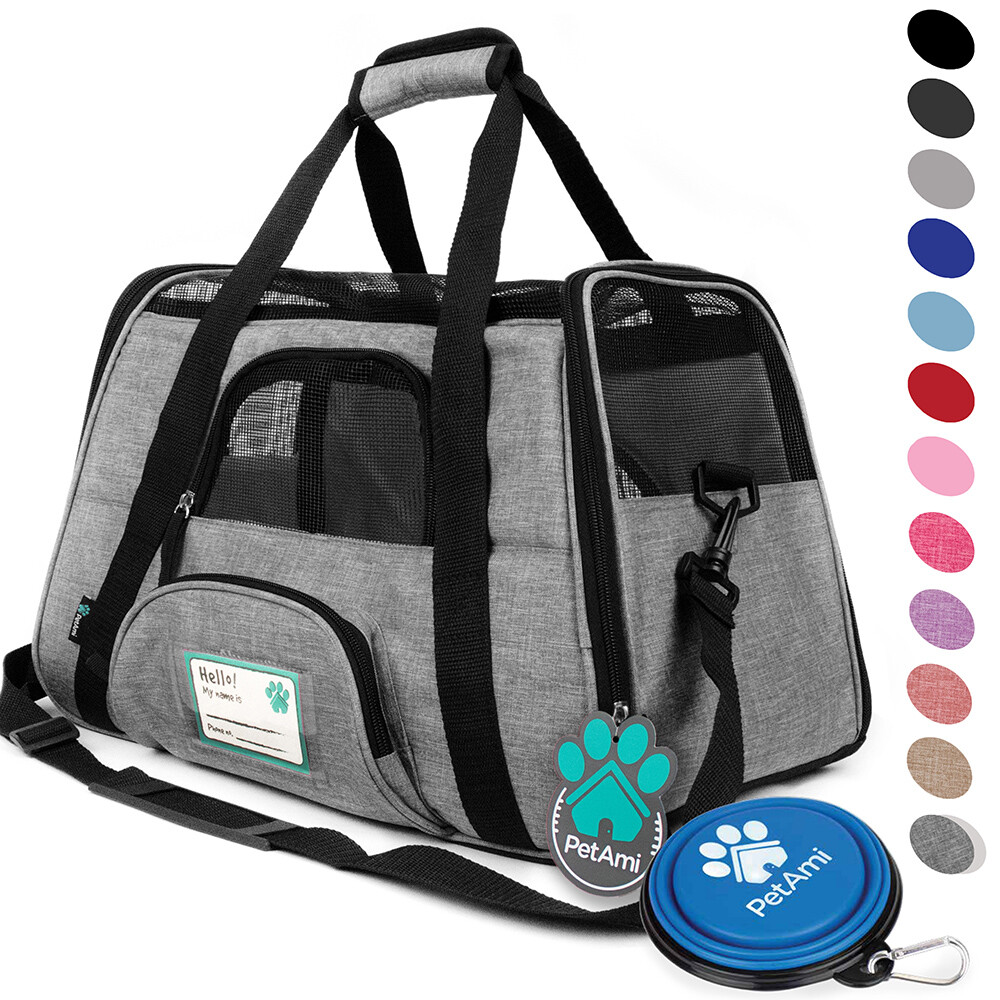 Cat Dog Pet Carrier Bag Travel Comfort Bag Case Airline Approved Soft Sided Mesh$31.99Last checked Nov 18, 2026View on eBay
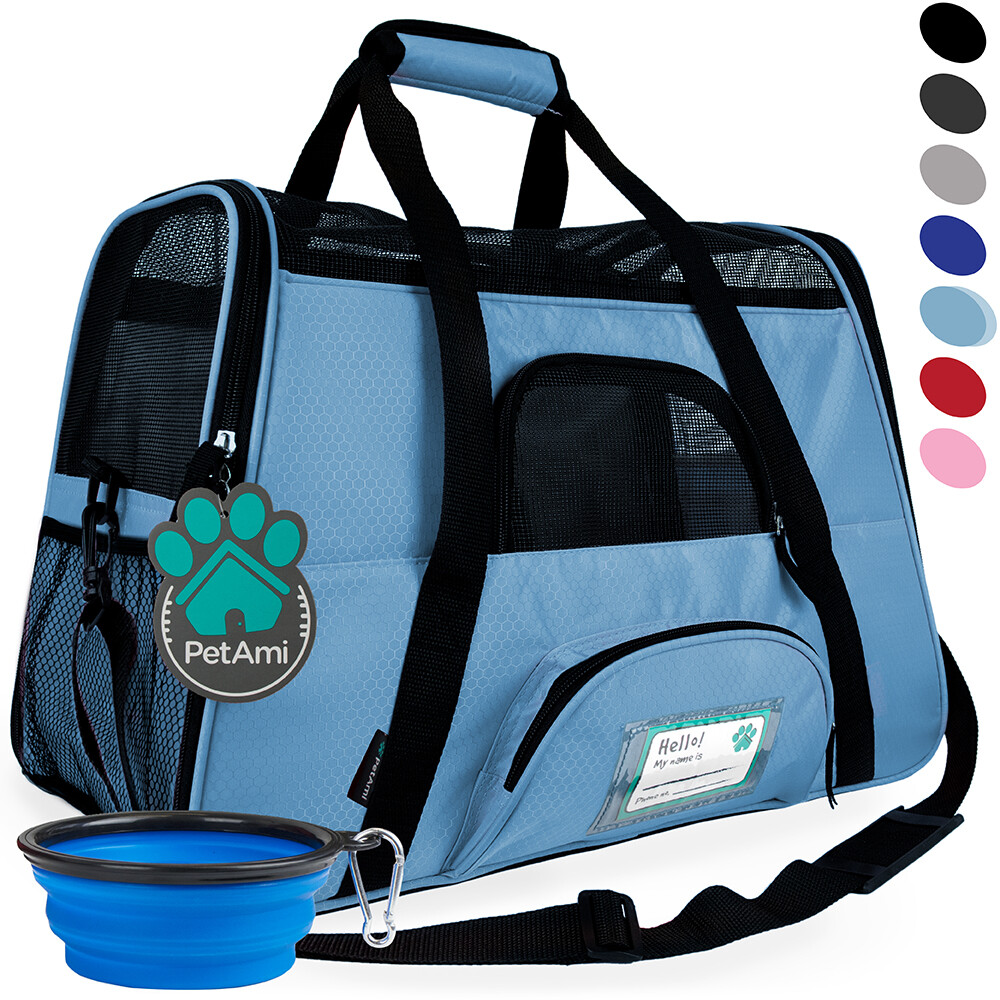 Pet Carrier Bag Soft Sided Puppy Kitten Cat Dog Tote Bag Travel Airline Approved$34.99Last checked Nov 25, 2026View on eBay
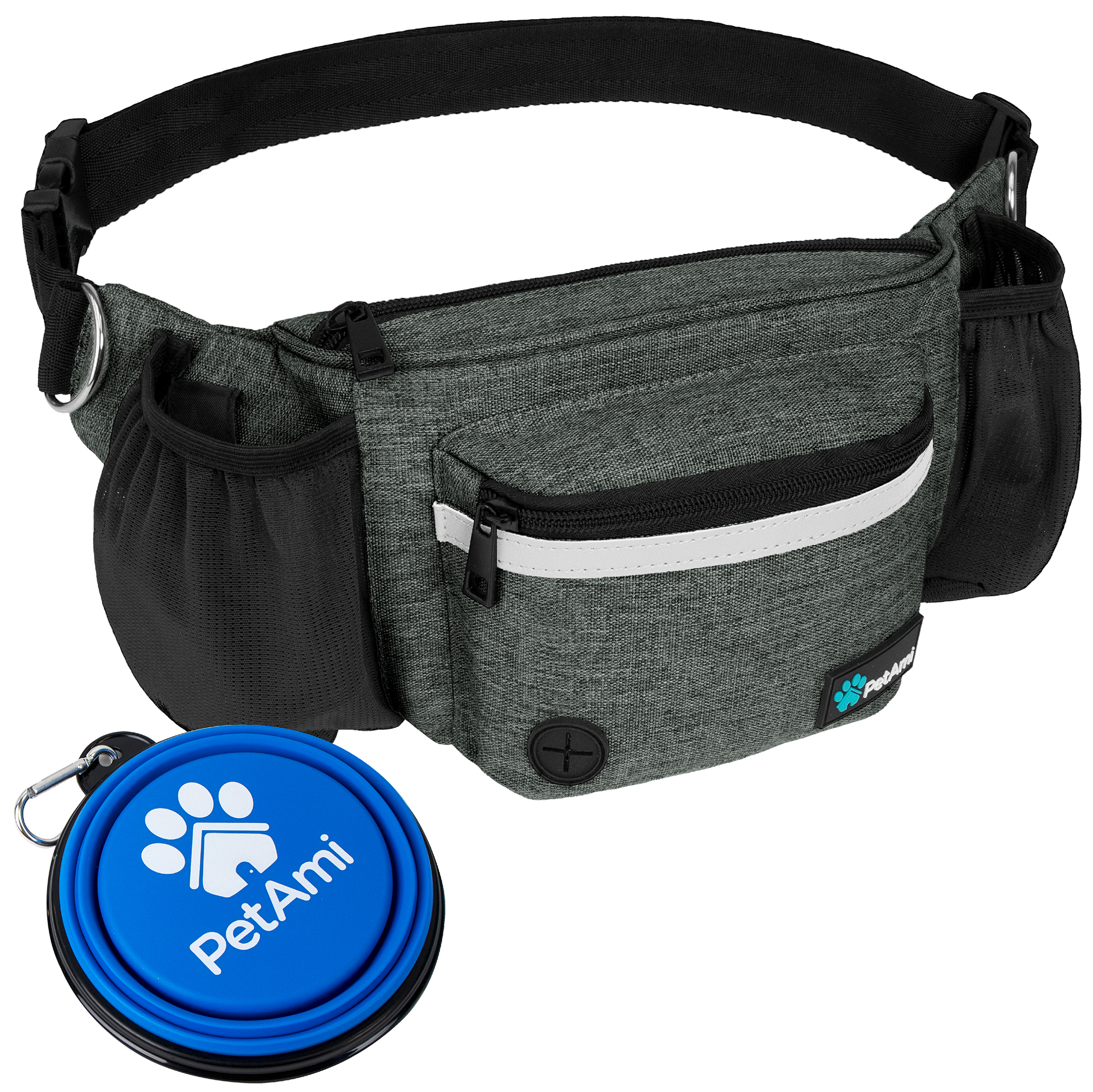 Pet Carrier Cat Travel Bag Portable Soft Sided Comfort Case Airline Approved Dog$34.99Last checked Nov 23, 2026View on eBay
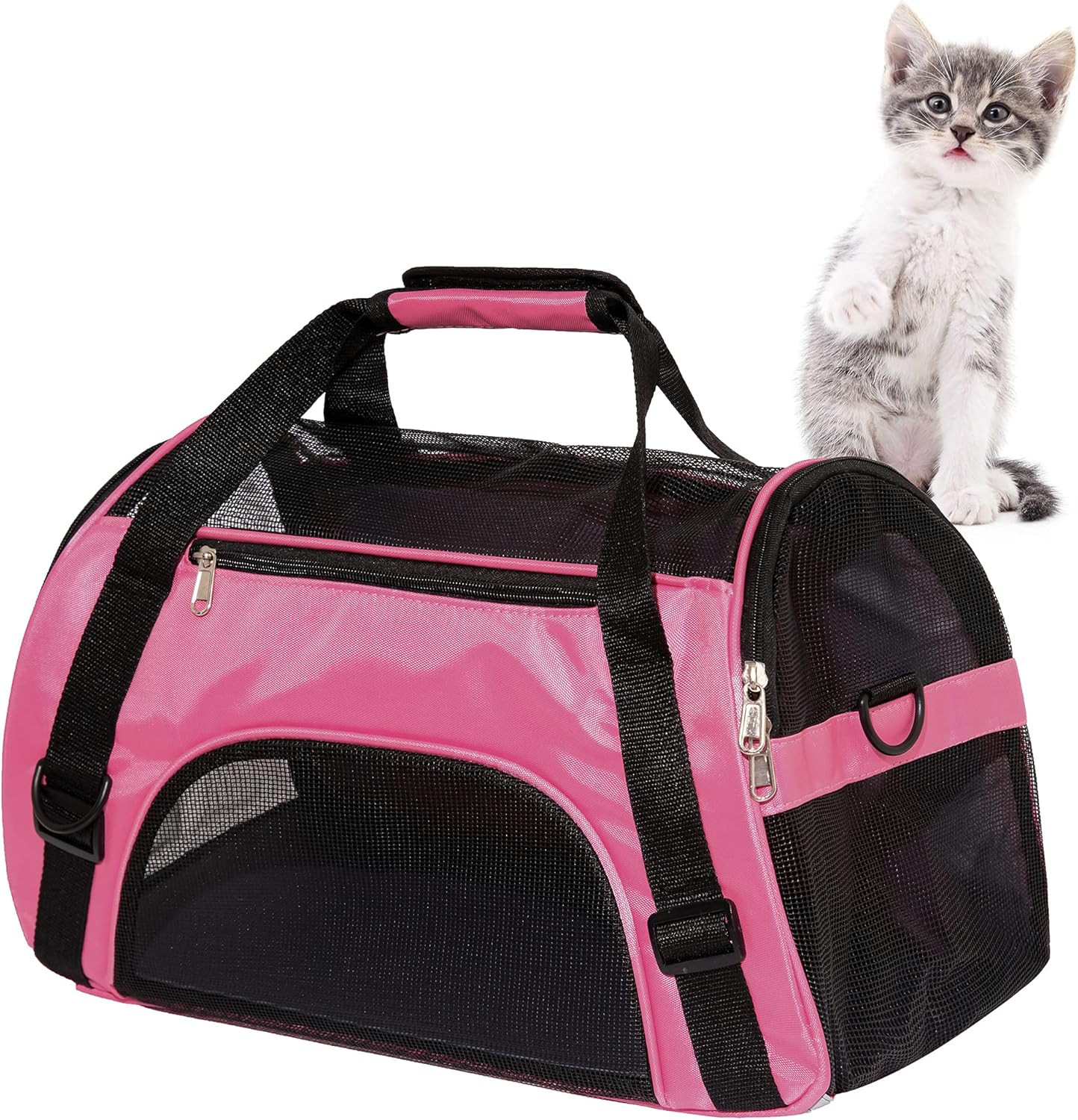 Soft-Sided Pet Carrier Cat Dog Travel Bag Airline Friendly Mesh Tote Shoulder$35.99Last checked Nov 25, 2026View on eBay
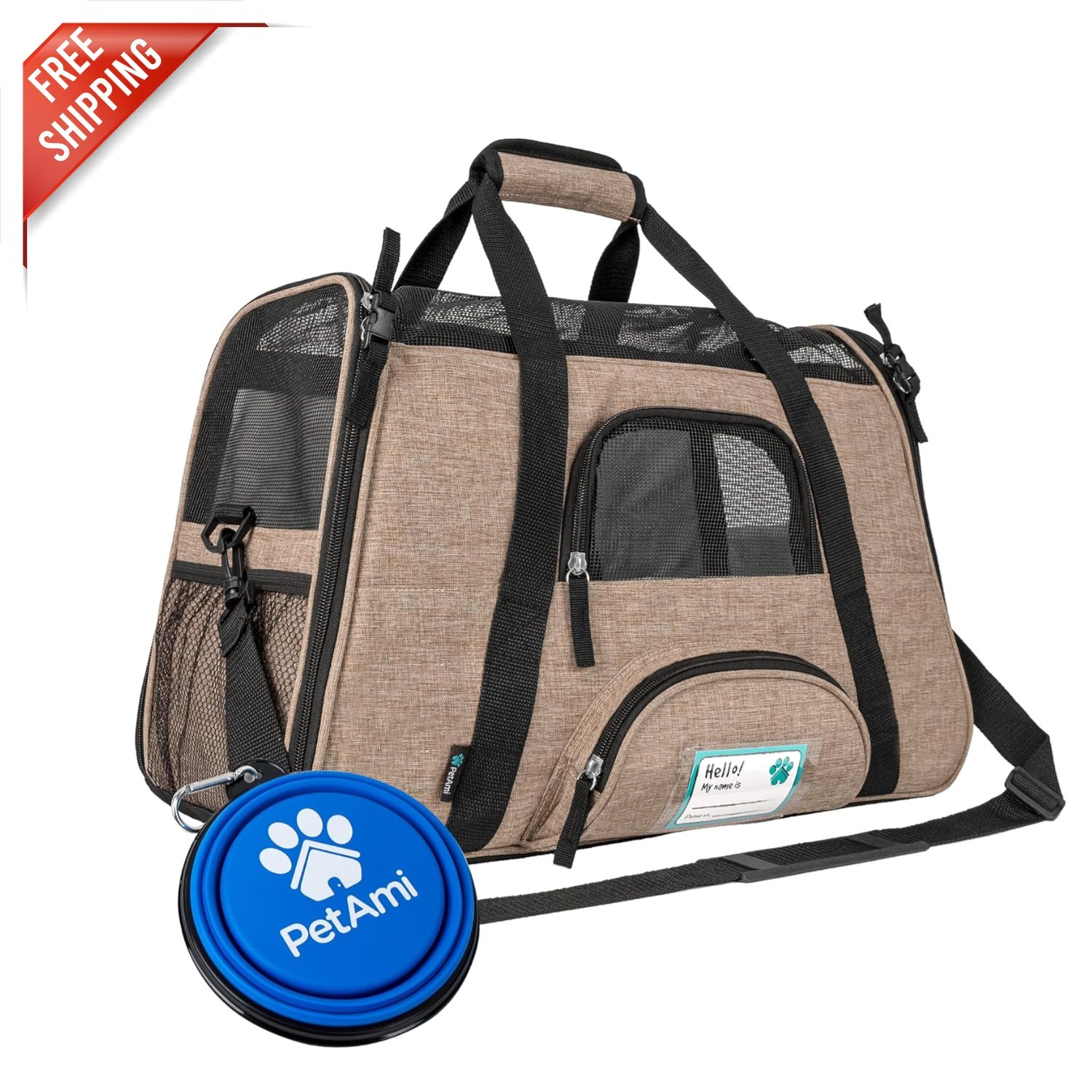 Lightweight Airline Approved Pet Carrier with Removable Sherpa Bed - 18 lbs Max$62.67Last checked Nov 23, 2026View on eBay
Highlights
- Cabin compliance hinges on exterior dimensions, not weight: most major US carriers cap soft carriers near 18 x 11 x 11 in, so a 15.7 x 7.9 x 11.8 in bag fits regional and mainline under-seat spaces but a 19-in length risks gate rejection.
- Shell material grade separates durable from disposable: 600D Oxford or ballistic nylon resists clawing and sagging, while 210D-300D polyester stretches and tears at seams within a few trips.
- Frame construction determines whether the bag keeps its shape under a seat: PE board or metal wire inserts hold the base and walls, whereas unsupported soft bags collapse and reduce usable interior height.
- Ventilation and visibility require mesh on at least two sides plus a top panel; single-mesh carriers trap heat on tarmac and during boarding delays, which matters for brachycephalic breeds.
Best use cases
- Best fit for cabin travel with a 10-15 lb dog: pick a soft-sided 600D Oxford carrier with PE board base and exterior near 15.7 x 7.9 x 11.8 in, which slides under most mainline seats.
- Right for a 15-20 lb dog on regional jets: choose a taller soft carrier with a compressible top and confirm your specific aircraft's under-seat height, since regional seats are shallower than mainline.
- Wrong fit for a dog that stands taller than 11 in at the shoulder: a cabin carrier cannot safely contain it; book cargo or a larger in-cabin alternative only if the airline permits.
- Skip hard-sided carriers for in-cabin use unless the airline explicitly allows them; rigid plastic crates rarely fit under-seat dimensions and are intended for checked/cargo travel.
Buying tips
- Measure your dog standing: interior height must exceed shoulder height by about 2 in, and interior length must exceed nose-to-tail-base length by about 2 in for turning room.
- Match exterior dimensions to the strictest airline you will fly: 18 x 11 x 11 in is the common mainline cap, and 15.7 x 7.9 x 11.8 in suits smaller under-seat spaces.
- Choose 600D Oxford or ballistic nylon with reinforced stitching at handle and zipper seams; 210D polyester is a disposable tier that fails at stress points.
- Confirm a rigid PE board or metal frame base plus top and side mesh; unsupported bags sag under seat pressure and cut ventilation.
Specs
| Shell Material | 600D Oxford vs 210D polyester |
|---|---|
| Cabin Dimensions | 18 x 11 x 11 in mainline cap |
| Frame Support | PE board / wire vs unsupported |
| Ventilation Mesh | 2-3 sides vs single panel |
Related searches
What to check before buying
- Measure your airline's under-seat clearance for the specific aircraft and fare class, then compare it to the carrier's exterior dimensions, not its interior.
- Weigh your dog and confirm the carrier's stated weight limit plus your airline's in-cabin pet weight cap, which is often 20 lb including the bag.
- Check that the base is rigid and removable for cleaning, and that the zippers have locking sliders or clip guards to prevent escape.
- Verify the carrier collapses or has a compressible top if you fly regional jets, and that mesh panels sit on at least two sides for airflow.
FAQ
Data sources: eBay / Amazon listings and product attribute feeds. Updated Nov 26, 2026.
Some links on this page are affiliate links. If you buy after clicking one, we may earn a commission at no extra cost to you. This does not change which products appear here or their order. Affiliate disclosure.