
Photos from current listings. Actual item, color, and included accessories may vary.
Toy Dog With Anxiety Buying Guide
Anxiety-relief dog toys are not a single product but a category defined by three mechanisms: calming plush (deep pressure, heartbeat, warmth), food-dispensing puzzle toys (occupies the fight-or-flight brain), and durable chew outlets (redirects stress chewing). The core trade-off is between soft comfort items that get destroyed and tough chews that offer no emotional security—so the decision rule is to match the toy's mechanism to the dog's anxiety trigger: separation distress requires a plush/snuffle combo, crate anxiety requires a durable dispenser, and destructive chewing requires a high-durometer chew with no stuffing.
Median $49.49 · New listings
Key takeaways
- Calming plush toys rely on unstuffed designs (fleece shell, no polyfill) because stuffing is an ingestion hazard for anxious chewers; 'Skinny Peltz' style no-stuff plush with squeakers is the standard architecture.
- Food-dispensing puzzle toys must use food-grade TPR or natural rubber (not hard plastic) with adjustable opening sizes—a fixed small hole frustrates dogs and increases anxiety rather than reducing it.
- Durable chew tiers are defined by Shore durometer: natural rubber (30-50A) for moderate chewers, nylon (70D+) for power chewers, and silicone (10-20A) only for gentle mouths—silicone 'flying saucer' discs are fetch toys, not anxiety chews.
At a glance
- Category
- Pet Toys
- Last updated
- Nov 27, 2026
Current offers
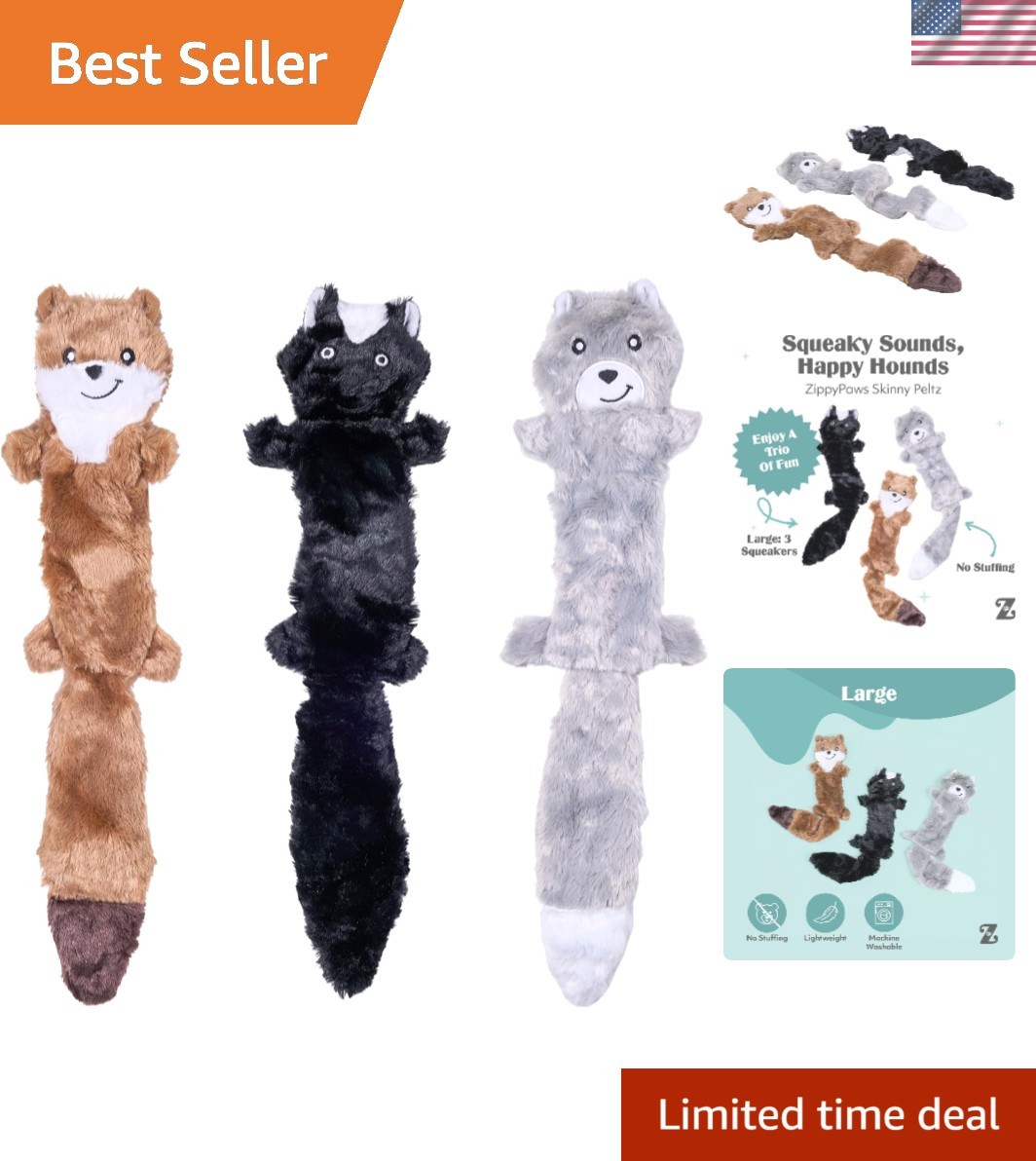 Skinny Peltz Large Plush Dog Toy Pack - Soft, No Stuffing, Squeaky Fun!$32.99Last checked Nov 28, 2026View on eBay
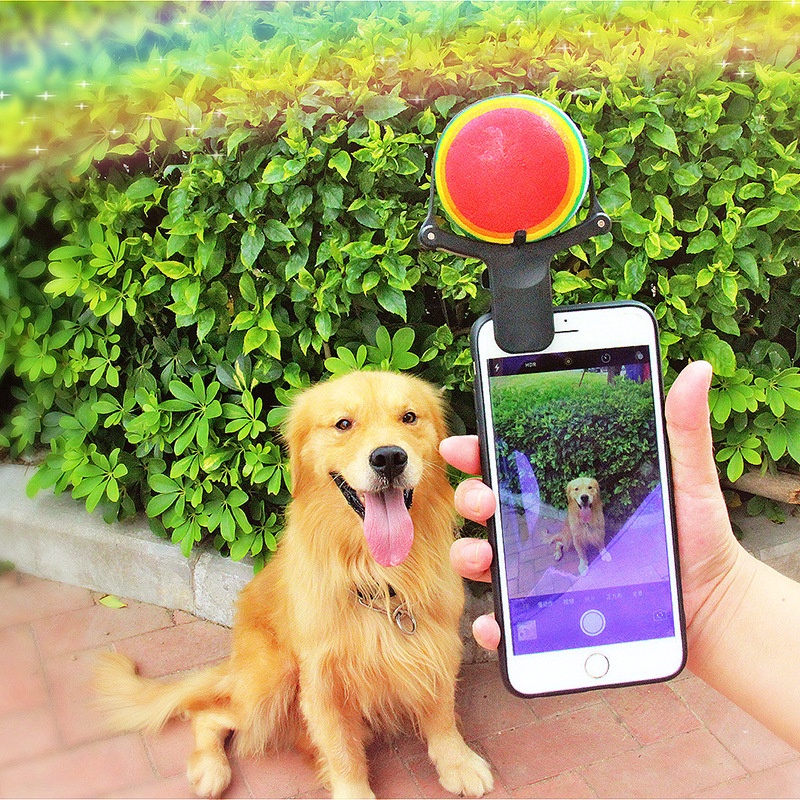 Pet photo props toy pet selfie artifact funny dog camera phone clip tennis$10.99View on Mallflare
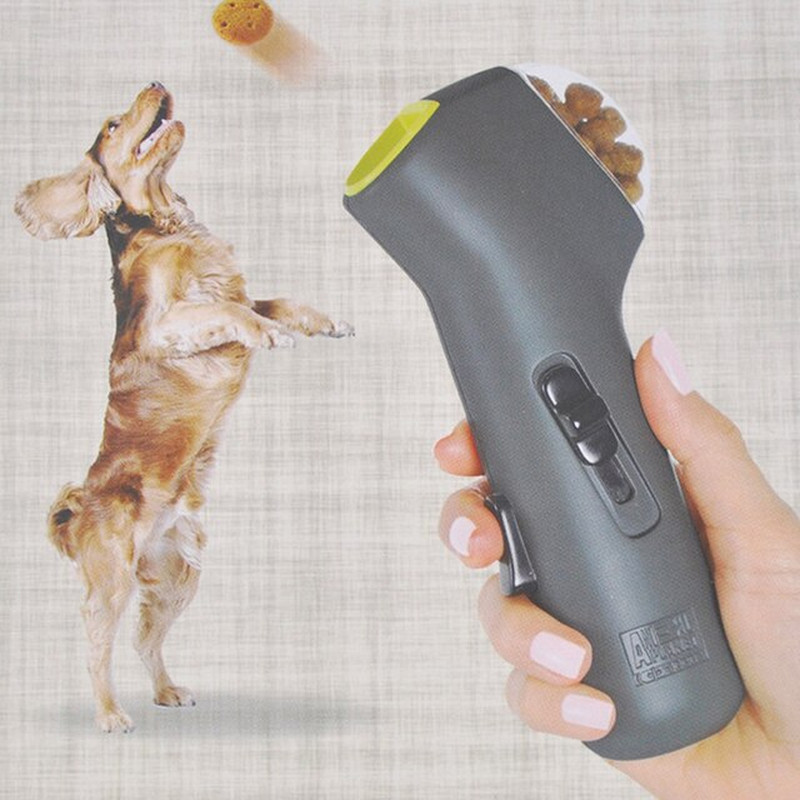 Dog Interactive Training Toy Pet Snack Catapult Launcher Outdoor Beach Toy Dog C$33.95View on eBay
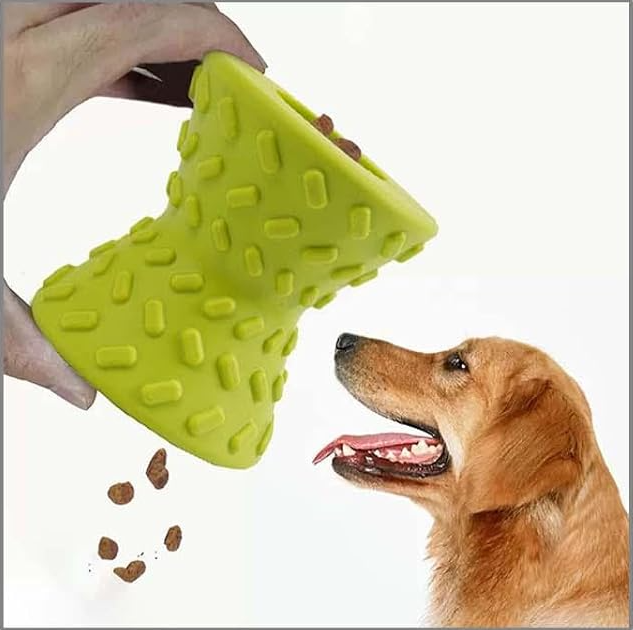 (green)Dog Toy Dumbbell Dropper Made Of Natural Rubber, Resistant To Biting And Grinding Teeth, Puzzle Pet Dog Toy$10.99View on Mallflare
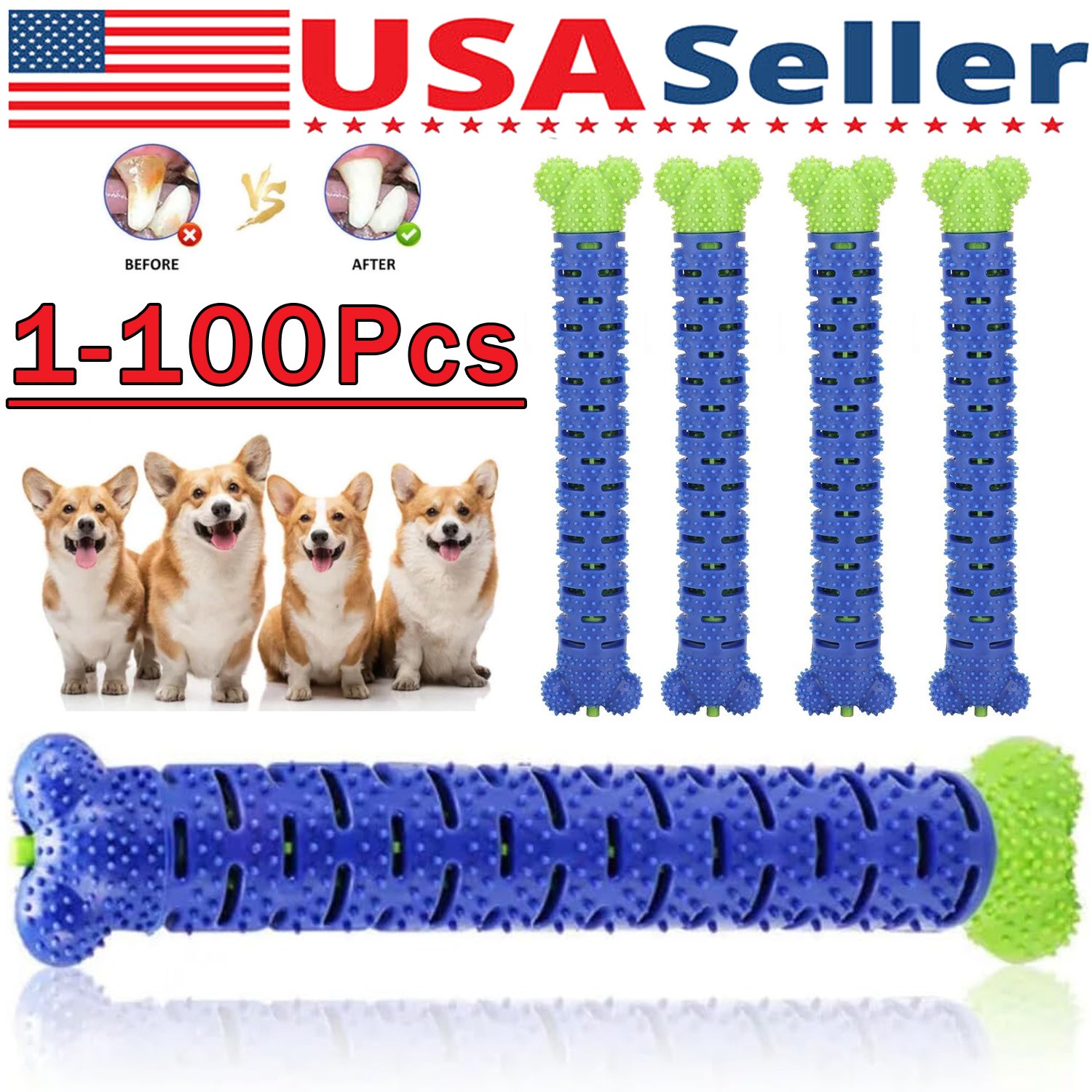 Chew Toy Dog Puppy Toothbrush Molar Tooth Cleaning Doggy Brushing Instrument Lot$352.51New · Last checked Nov 17, 2026View on eBay
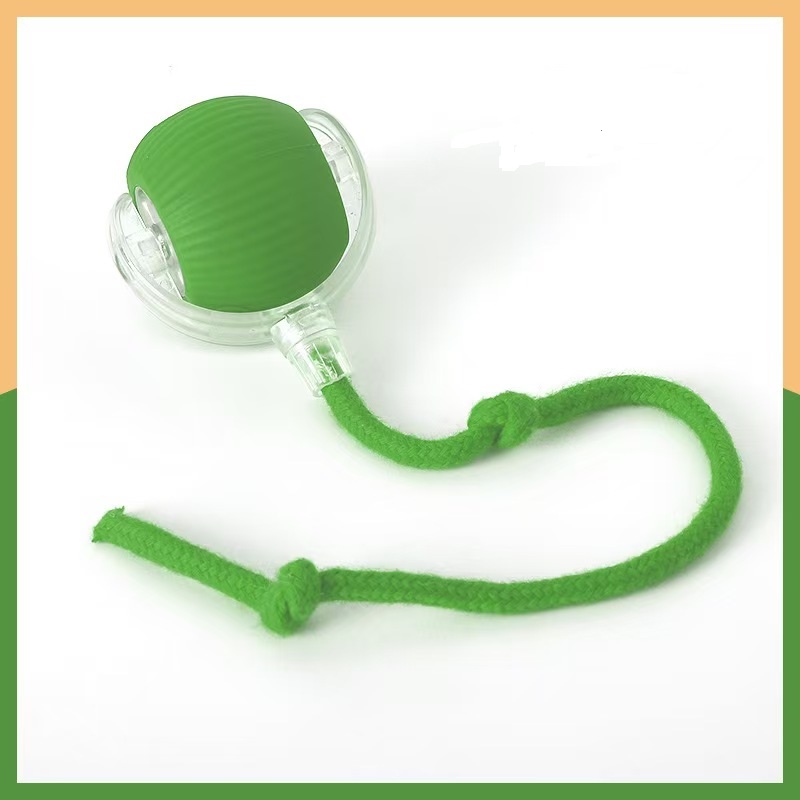 (Green) Electric Dog Ball Toy - Indoor Large And Small Cat Dog Interactive Intelligent Rolling Pet$13.99View on Mallflare
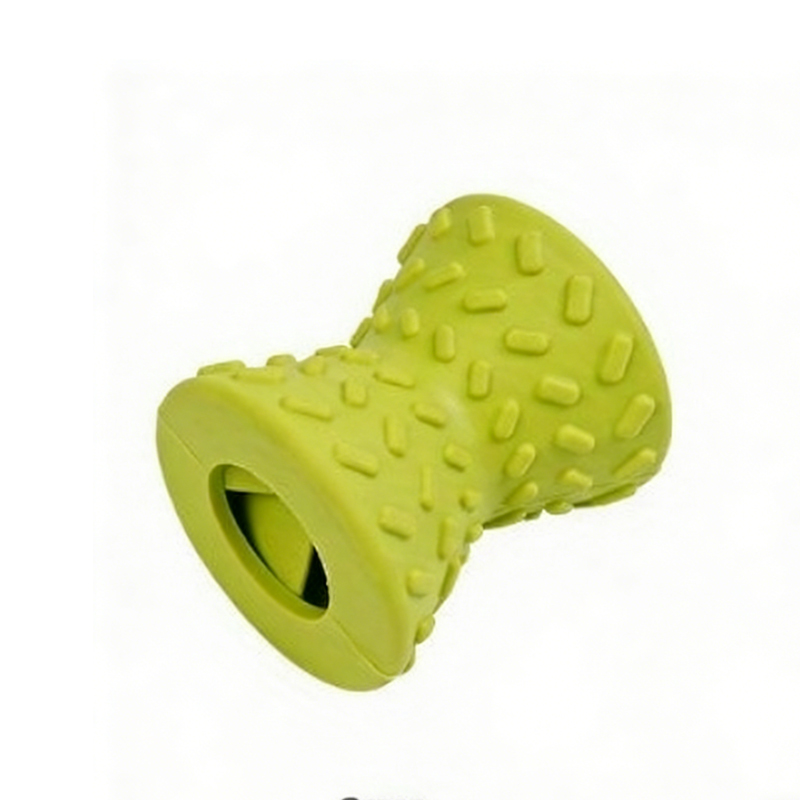 Natural Rubber Chew Toys,Dog Toys For Aggressive Chewers, Dog For Medium Large Dogs, For Traning$17.99View on Mallflare
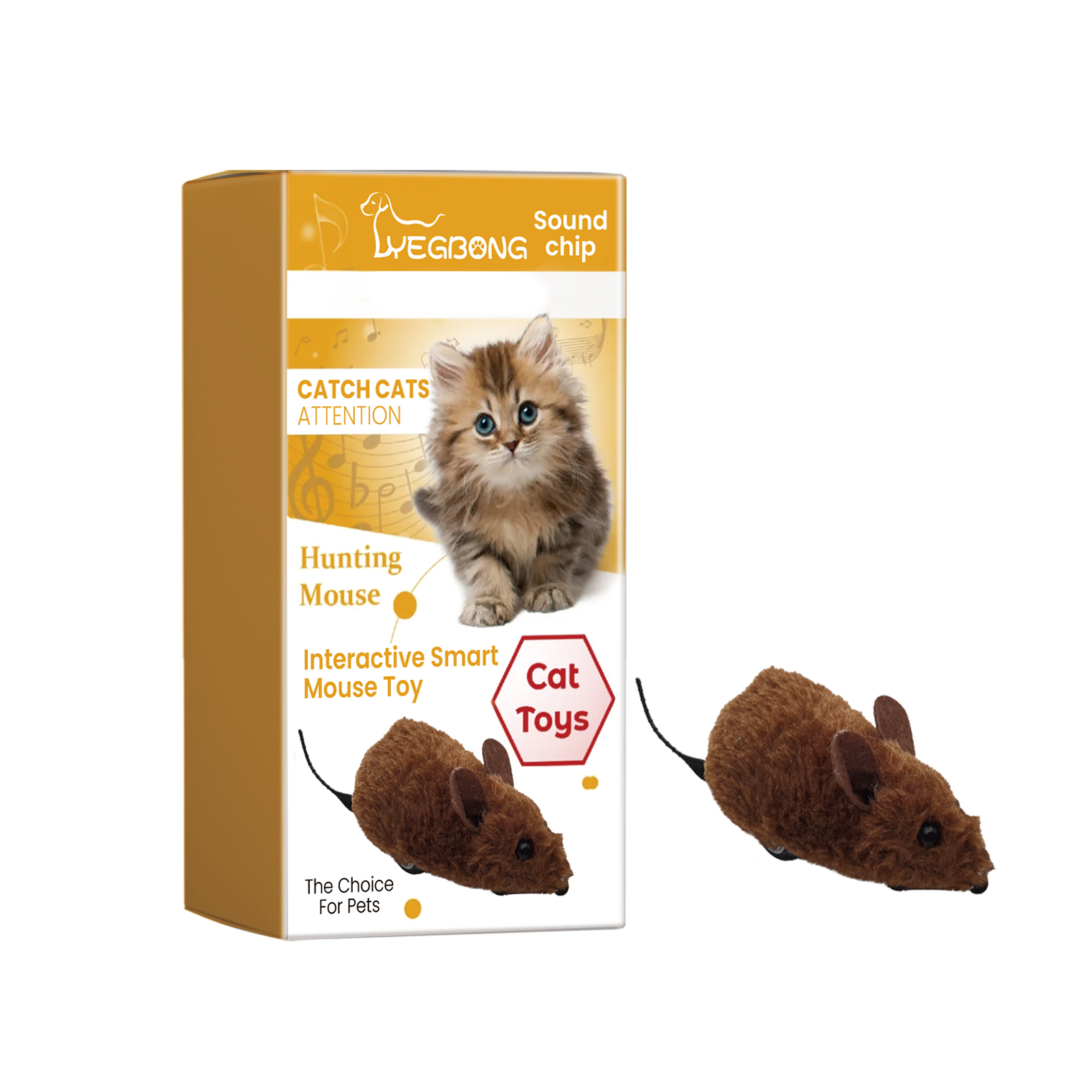 Auth. & Cert. Yegbong Interactive Smart Mouse Toy, Cats And Dogs Like A Sound Relief Plush Toy$19.99View on Mallflare
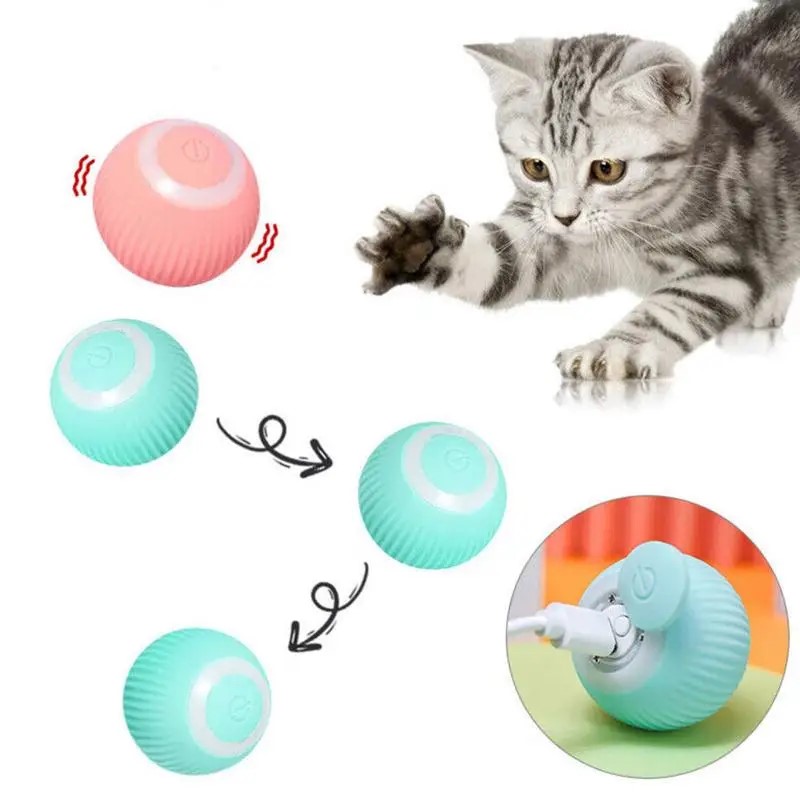 Electric Dog Cat Ball Toy,Indoor Large And Small Cat Dog Interactive Intelligent Rolling Pet$19.99View on Mallflare
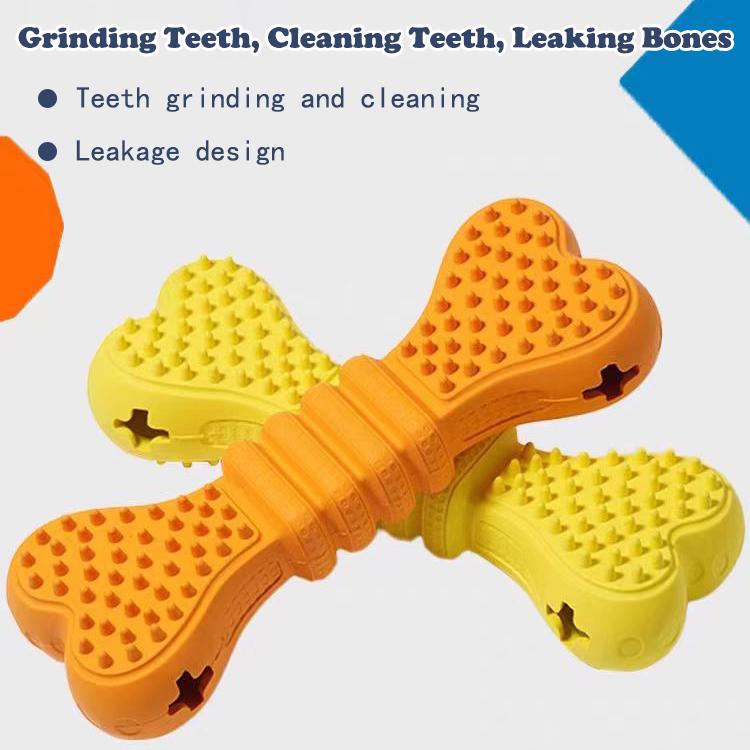 Dog Chew Toys Two-pack Dog Toothbrush Care Cleaning Stick For Dog Dental Safe Tooth Protection And Suitable For Large, Medium And Small Dogs And Puppies Sticks$19.99View on Mallflare
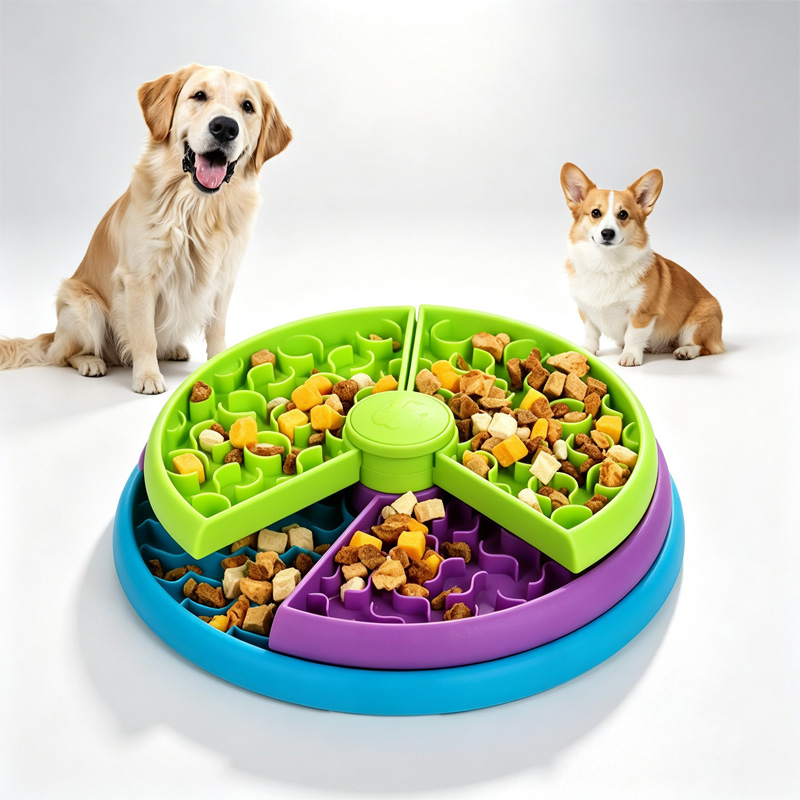 3in1 Interactive Dog Puzzle Feeder, Rotating Anti-Choking Slow Bowl & Lick Mat, Mental Stimulation Foraging Toy For Medium & Large Dogs$20.99View on Mallflare
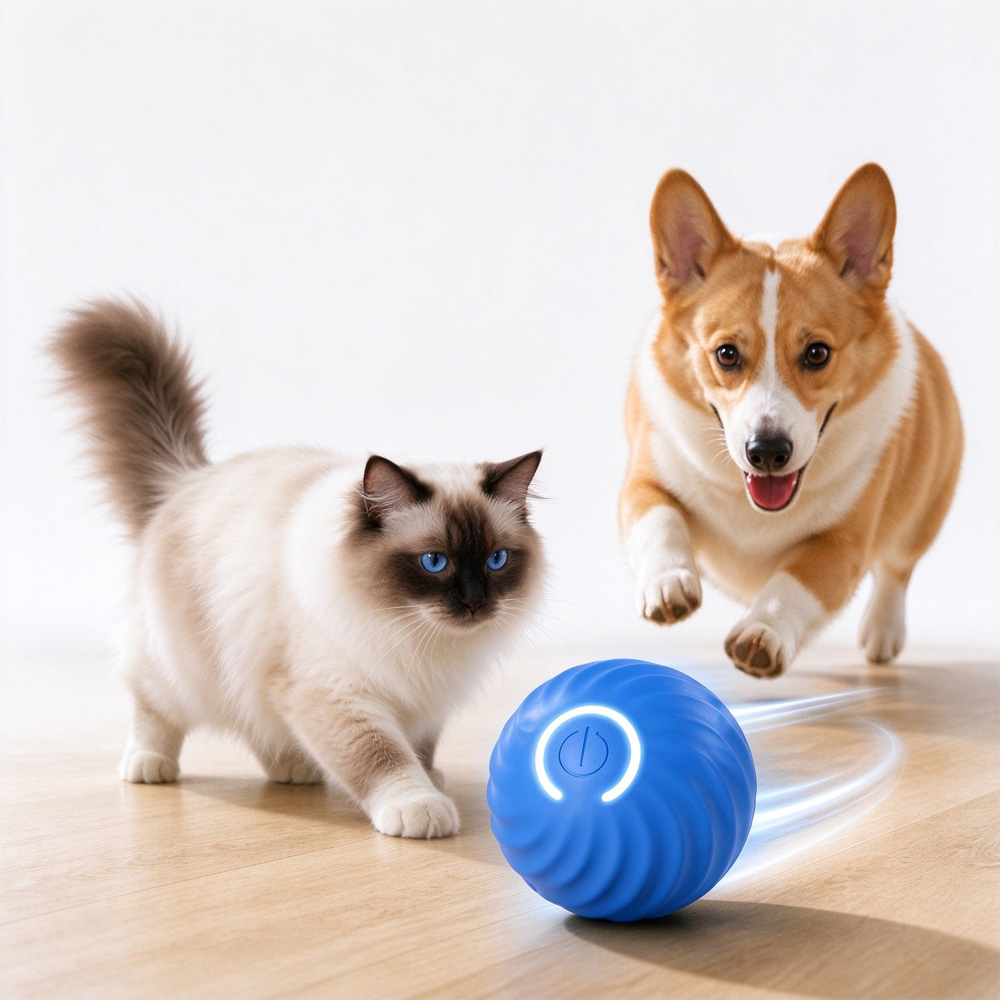 Automatic Rolling Dog Toy Ball, Interactive Motion Activated Smart Moving For Small Medium Dogs & Cats, USB Type-C Rechargeable Pet Chase Toy$20.99View on Mallflare
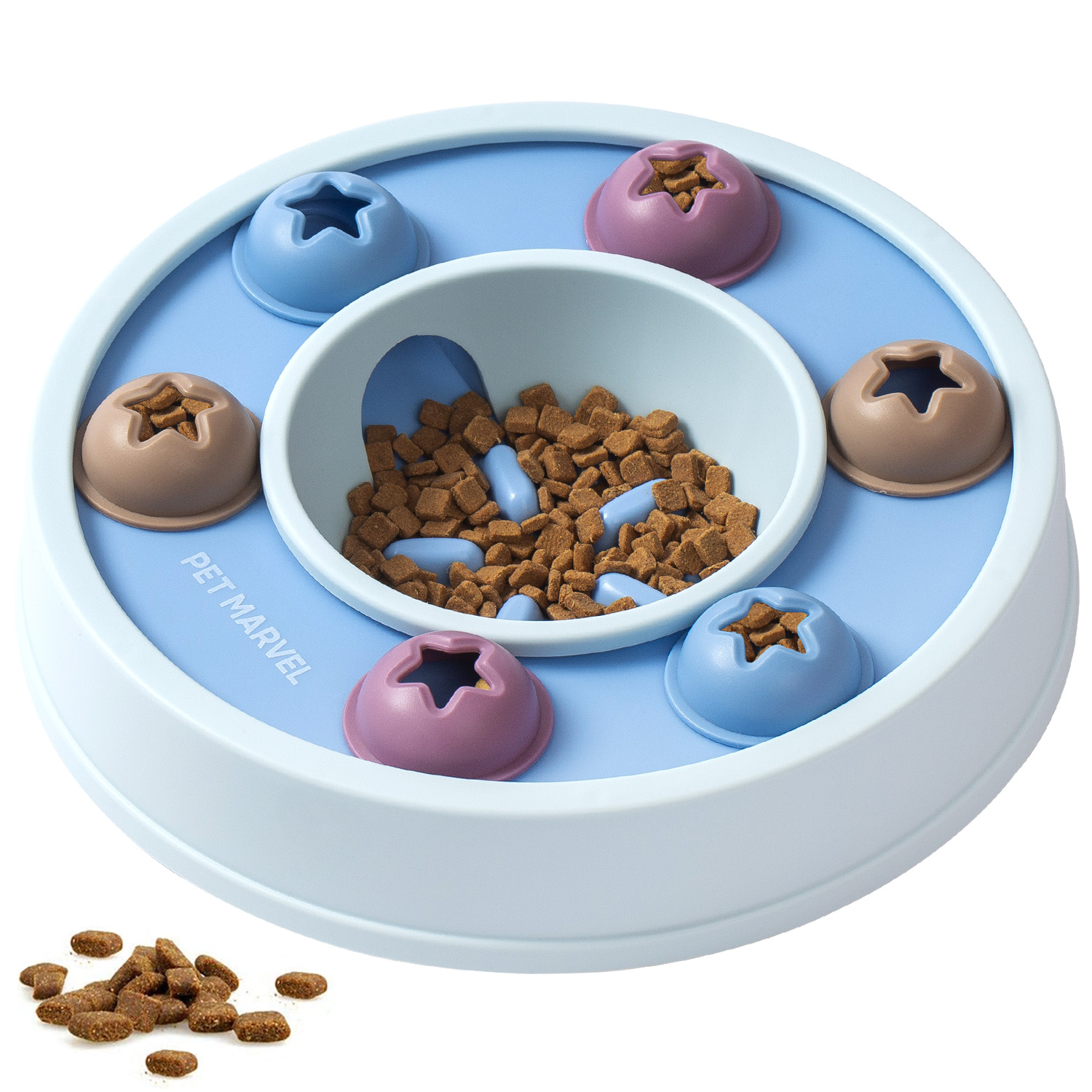 PETMARVEL Interactive Puzzle Game Dog Toy, Level 1-3$21.99View on Mallflare
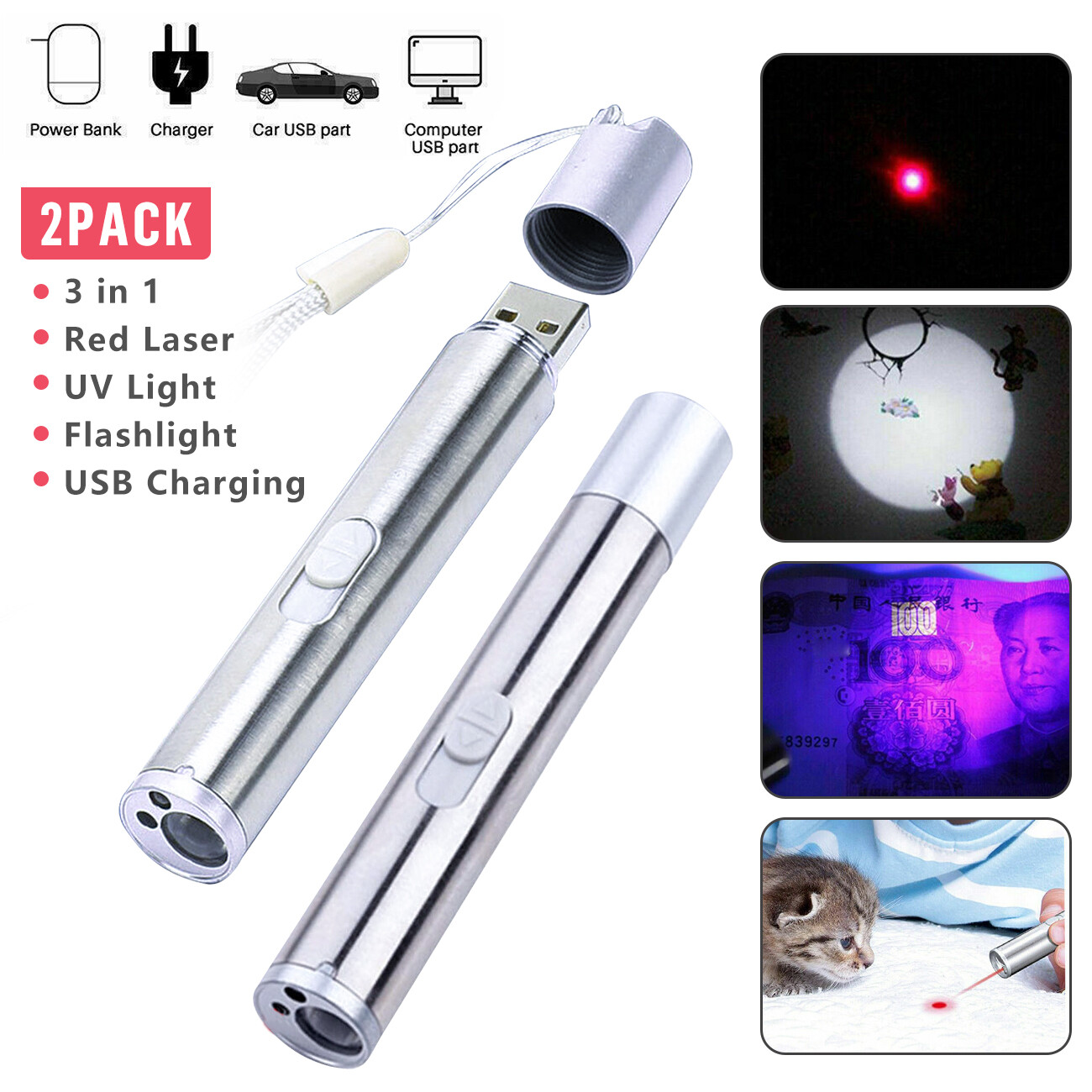 Red Laser Pointer Pen USB Rechargeable LED Light 3 In 1 UV Flashlight 2pcs Cat Dog Toys$21.99View on Mallflare
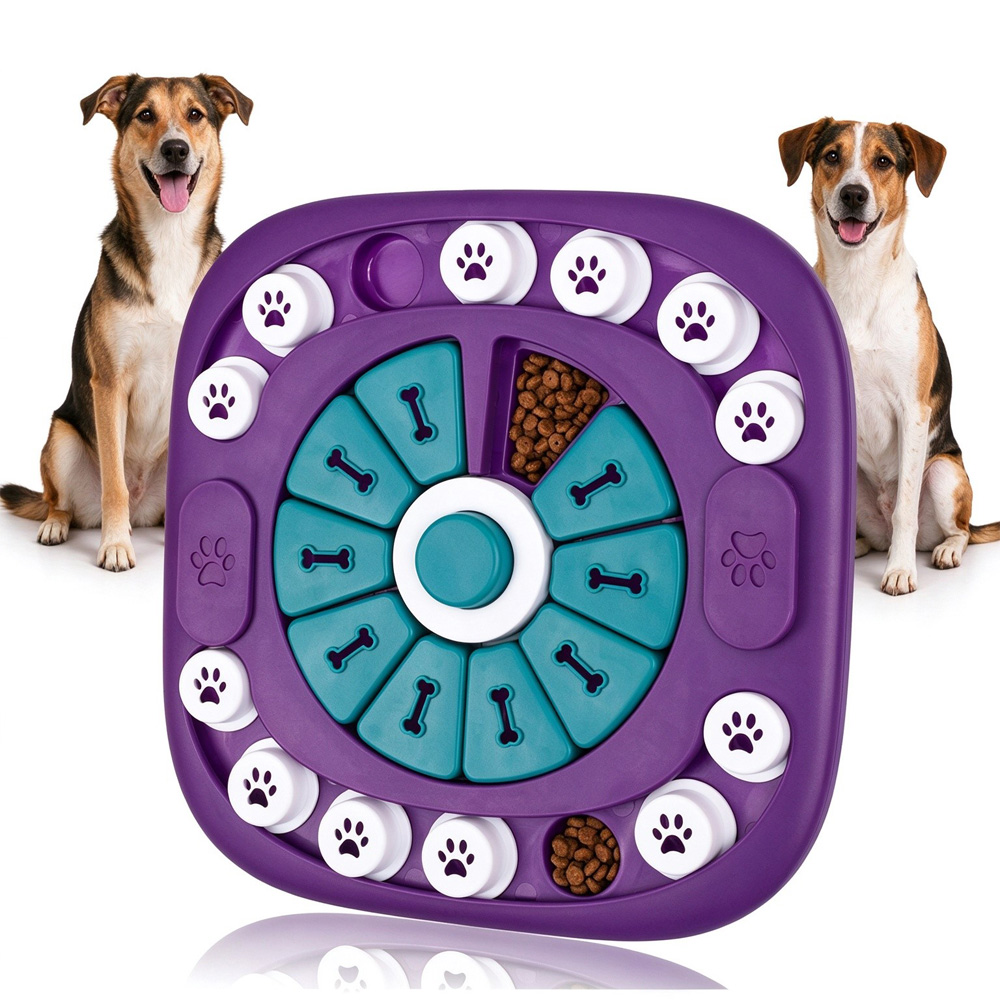 Dog Puzzle Toys, Interactive Treat Dog Enrichment For Large Medium Small Dogs$22.99View on Mallflare
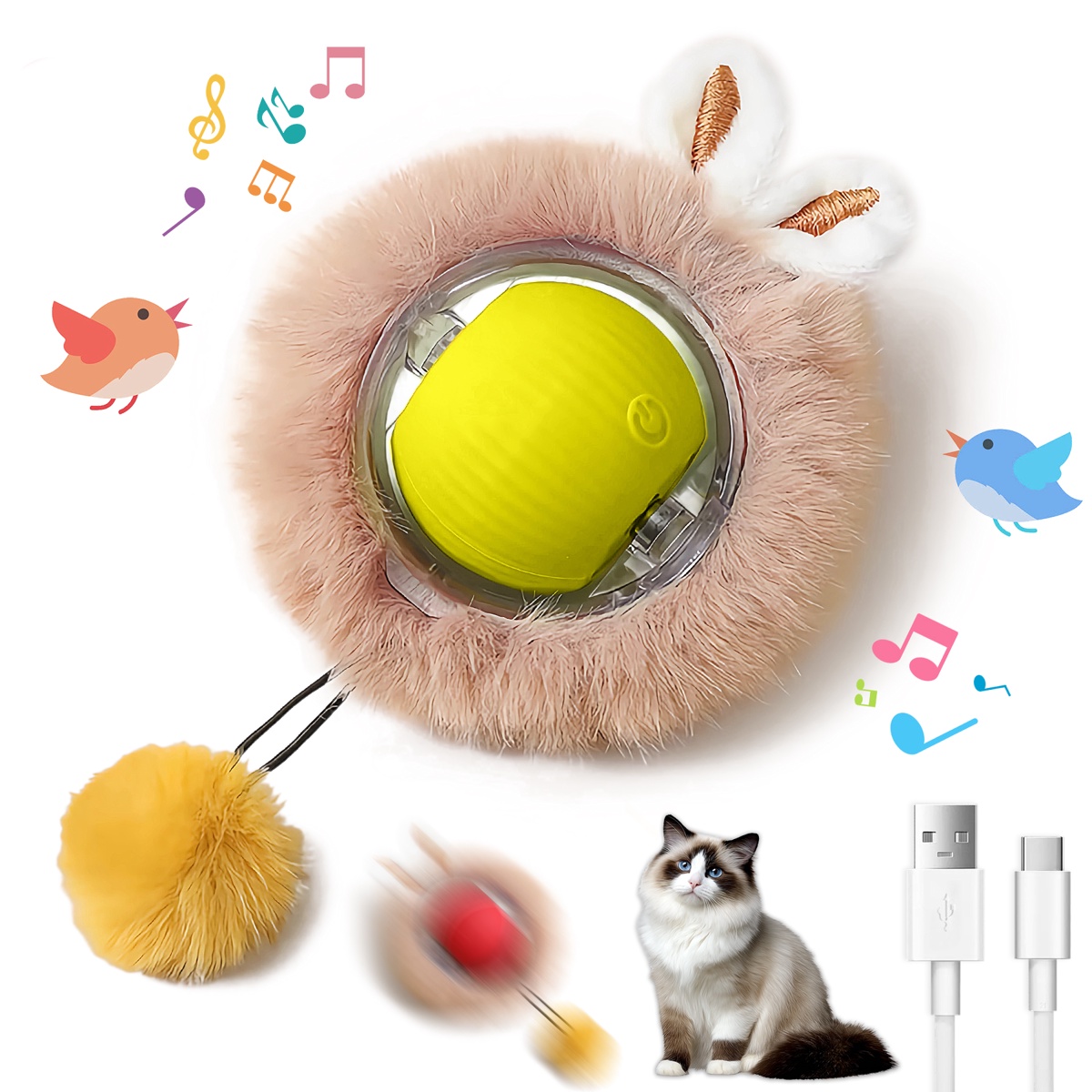 Interactive Toys Ball For Cats, Dog,Agile Moving Cat ,Motion Activated Automatic With Lights,with Fluffy Tail And Bunny Ears For Indoor Pets$23.99View on Mallflare
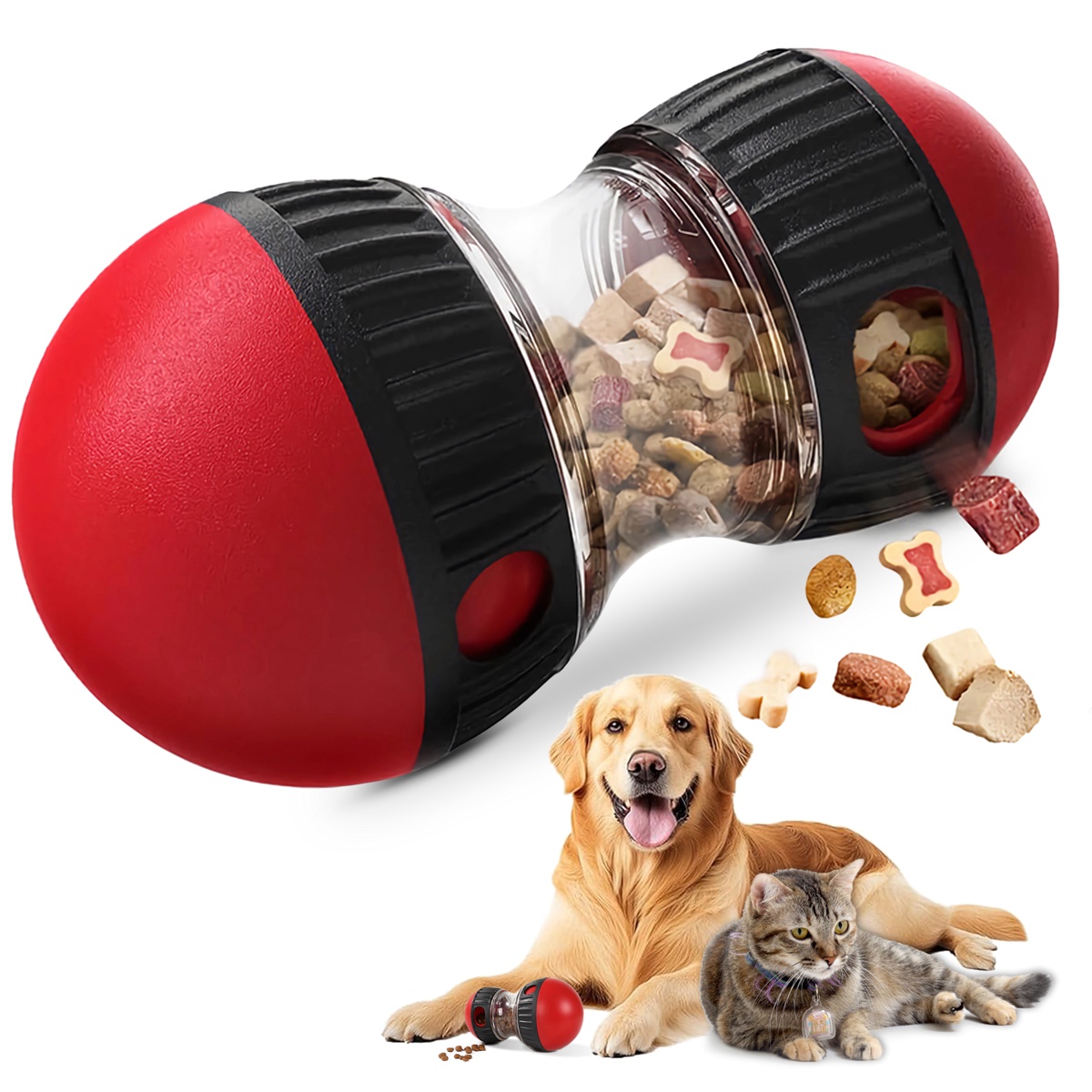 Dog Puzzle Toy, Adjustable Treat Dispensing Ball Food Dispenser Tough Slow Feeder Puppy Enrichment Training Toy Pet Interactive Chase Toys For Small Medium Large Dogs$24.99View on Mallflare
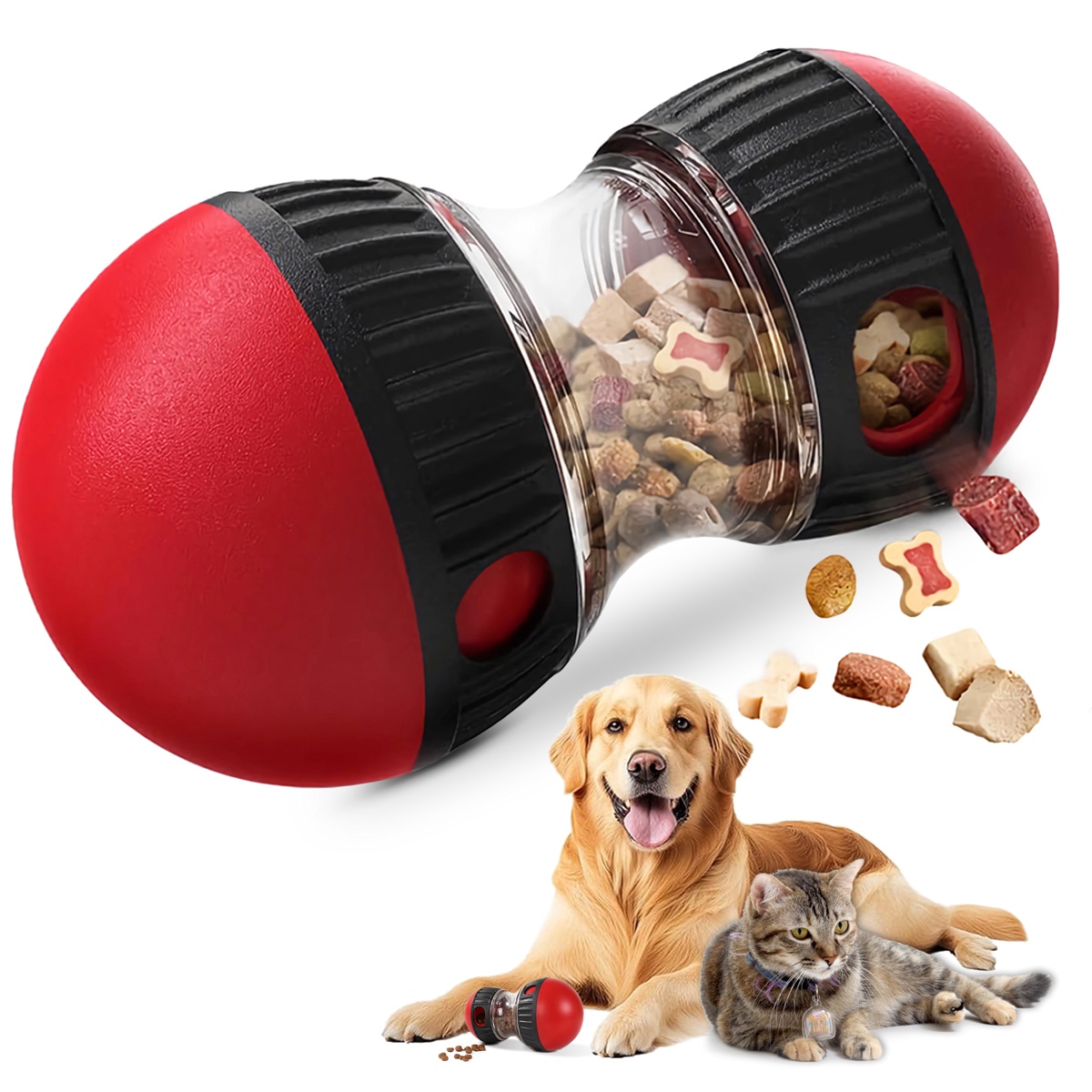 Interactive Dog Treat Ball, Dog Dispenser Toy - Adjustable Dispensing Dog Puzzle Toy - Mental Stimulation & Slow Feeder for Small, Medium, and Large Breeds - Durable & Fun Bore$25.99View on Mallflare
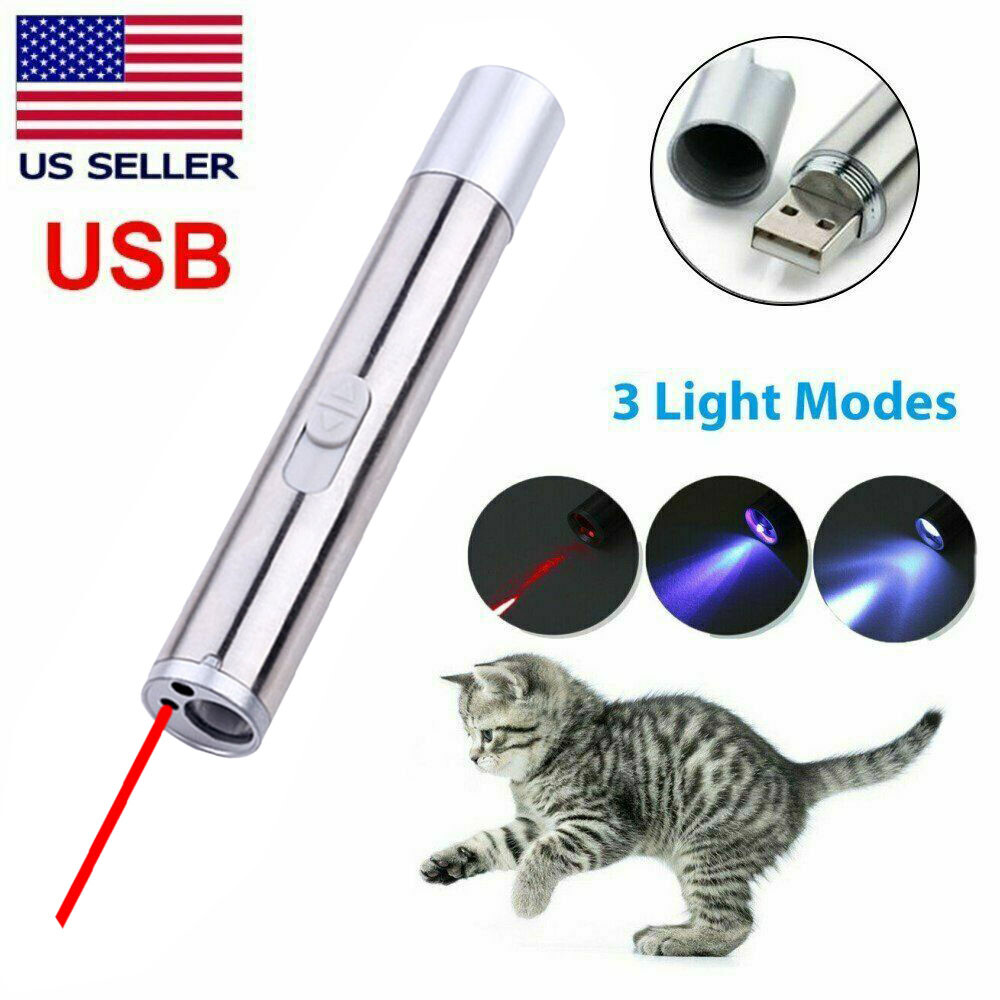 Cat Dog Toy Red Laser Pointer Pen USB Rechargeable LED Light UV Flashlight$28.99View on Mallflare
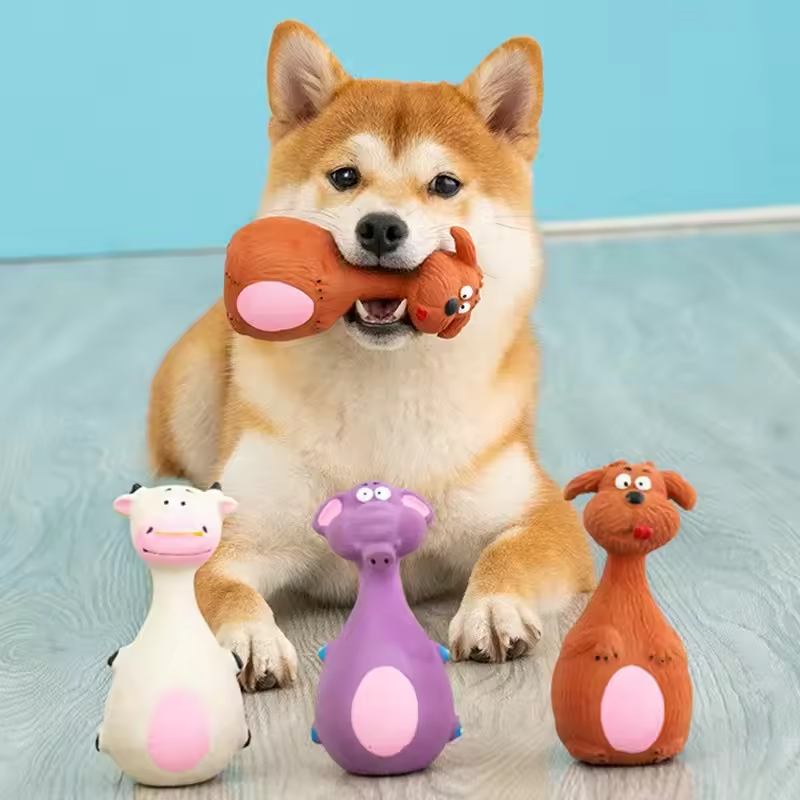 4pcs Cute Latex Dog Chew Toys With Sound, Interactive Biting For Dental Health, Puppy Teething Pet Supplies$28.99View on Mallflare
Highlights
- Calming plush toys rely on unstuffed designs (fleece shell, no polyfill) because stuffing is an ingestion hazard for anxious chewers; 'Skinny Peltz' style no-stuff plush with squeakers is the standard architecture.
- Food-dispensing puzzle toys must use food-grade TPR or natural rubber (not hard plastic) with adjustable opening sizes—a fixed small hole frustrates dogs and increases anxiety rather than reducing it.
- Durable chew tiers are defined by Shore durometer: natural rubber (30-50A) for moderate chewers, nylon (70D+) for power chewers, and silicone (10-20A) only for gentle mouths—silicone 'flying saucer' discs are fetch toys, not anxiety chews.
- Interactive electronic toys (rolling balls, laser pointers) provide distraction but not calming; they are a management tool for boredom, not a solution for clinical separation anxiety, which requires plush or snuffle-based enrichment.
Best use cases
- Separation anxiety (alone at home): choose a no-stuff plush with a heartbeat or heat pack plus a snuffle mat—skip hard rubber chews, which do not provide security and can be ignored when the owner leaves.
- Crate training anxiety: pick a treat-dispenser ball with adjustable difficulty and a natural-rubber construction that survives being pushed against crate bars; skip plush toys, which shred against wire and create ingestion risk.
- Destructive stress chewing (furniture, doors): select a natural-rubber or nylon chew with a high durometer rating; skip silicone discs and thin fabric toys, which teach the dog that soft materials are fair game.
- Mild boredom restlessness (not clinical anxiety): an electronic rolling ball or treat-launcher gives temporary focus; skip it for true panic-level anxiety, where the noise and unpredictable motion can escalate stress.
Buying tips
- Match toy size to the dog's muzzle, not weight: a toy that fits fully inside the mouth is a choking hazard—choose a diameter at least 1.5x the dog's muzzle width for chew items.
- For anxious chewers, avoid polyfill-stuffed toys entirely; no-stuff plush or flat fleece toys eliminate the ingestion risk that sends anxious dogs to surgery.
- Natural rubber (not plastic) is the correct material for treat-dispenser balls because it flexes under bite pressure and holds up to repeated freezing—freeze the stuffed toy to extend engagement time.
- Silicone and thin plastic 'flying saucer' or 'dumbbell' toys are fetch and teething items only; they score low on durability and should not be left with a dog unsupervised.
Specs
| Calming Mechanism | Plush/heartbeat vs food puzzle vs chew |
|---|---|
| Stuffing Type | No-stuff fleece vs polyfill-stuffed |
| Chew Material Grade | Natural rubber 30-50A vs nylon 70D+ |
| Dispenser Adjustability | Adjustable opening vs fixed hole |
Related searches
What to check before buying
- Measure your dog's muzzle width and current chews: choose chew-toy diameter at least 1.5x muzzle width to prevent swallowing.
- Confirm the toy is free of polyfill stuffing and glued-on parts (eyes, bells) if your dog is a destructive chewer—stitched, single-piece construction only.
- Check whether the toy is freezer-safe if you plan to use it for extended calming sessions; natural rubber and TPR tolerate freezing, hard plastic can crack.
- Verify the dispenser's opening is adjustable or sized for your dog's kibble—a hole too small for the food creates frustration, not calm.
FAQ
Data sources: eBay / Amazon listings and product attribute feeds. Updated Nov 27, 2026.
Some links on this page are affiliate links. If you buy after clicking one, we may earn a commission at no extra cost to you. This does not change which products appear here or their order. Affiliate disclosure.