
Photos from current listings. Actual item, color, and included accessories may vary.
Smart Cat Toy Buying Guide
Smart cat toys are motorized or sensor-triggered devices—rolling balls, laser teasers, and plush sound toys—that automate play for indoor cats. The core trade-off is between passive motion (gravity or spring-driven) and active electronics (rechargeable motor, sensor, or laser), where the latter delivers engagement but demands durable housings, safe batteries, and cat-proof seams. Choose an active toy only if it has a sealed USB-C or USB rechargeable battery, a shatter-resistant shell, and an auto-off timer; skip anything with exposed wiring or coin cells.
Median $19.99
Key takeaways
- Motion type determines durability: brushless DC motors in rolling balls last longer than brushed motors, while laser toys use a static diode with no moving parts but require Class 1 or Class 2 eye-safe output.
- Power architecture separates tiers: USB-C or USB micro-B rechargeable lithium cells (typically 300–800 mAh) beat disposable coin cells for cost and safety; sealed battery compartments prevent cat access.
- Shell material matters: ABS or polycarbonate (PC) plastic resists cracking under batting and biting better than styrene or recycled blends; look for wall thickness around 2 mm or more.
At a glance
- Category
- Pet Toys
- Last updated
- Nov 27, 2026
Current offers
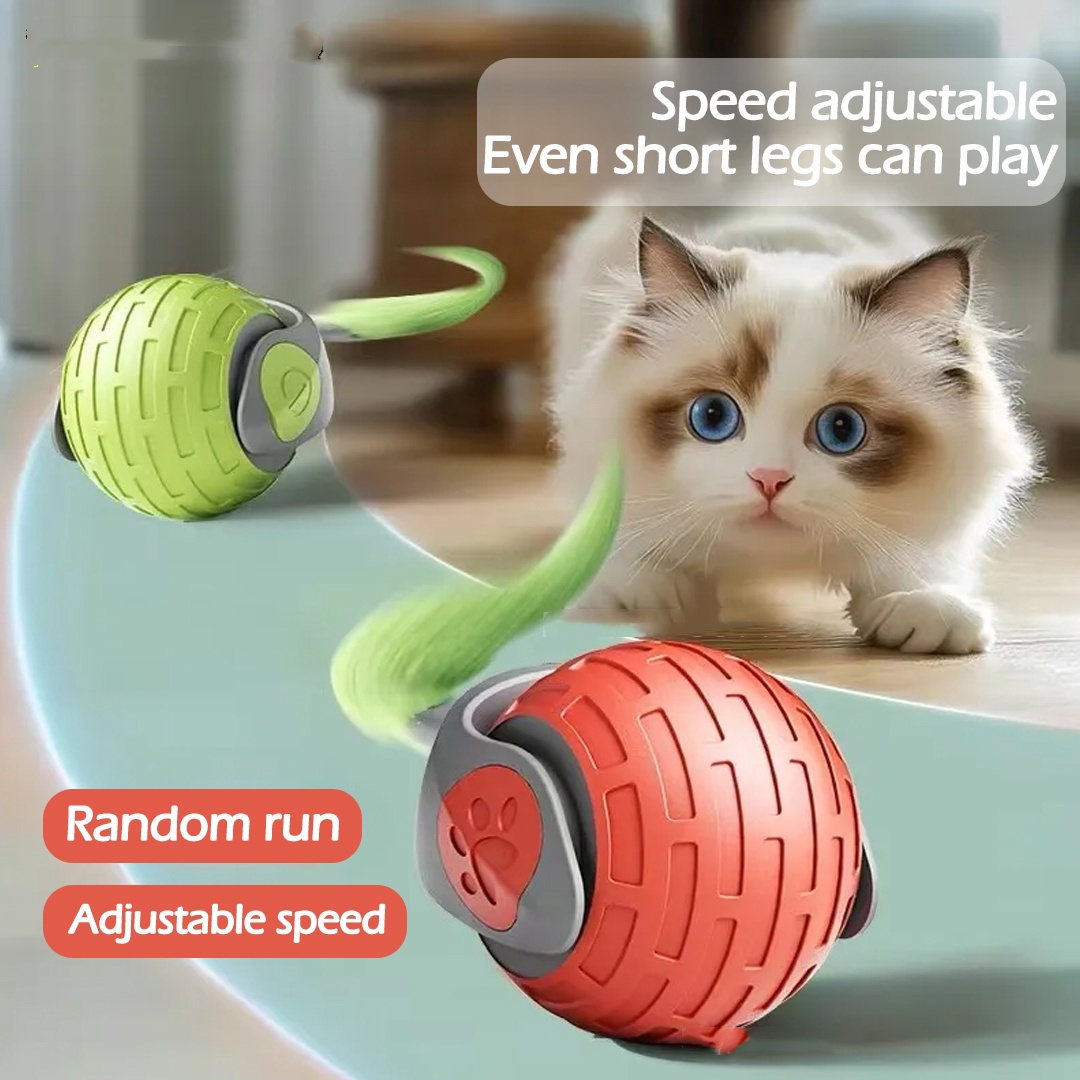 New Interactive Cat Toys Ball Auto Electric Rolling For Cat Kitty Pets Smart Automatic Teaser USB Rechargeable Cat Toy Pet Products$8.99View on Mallflare
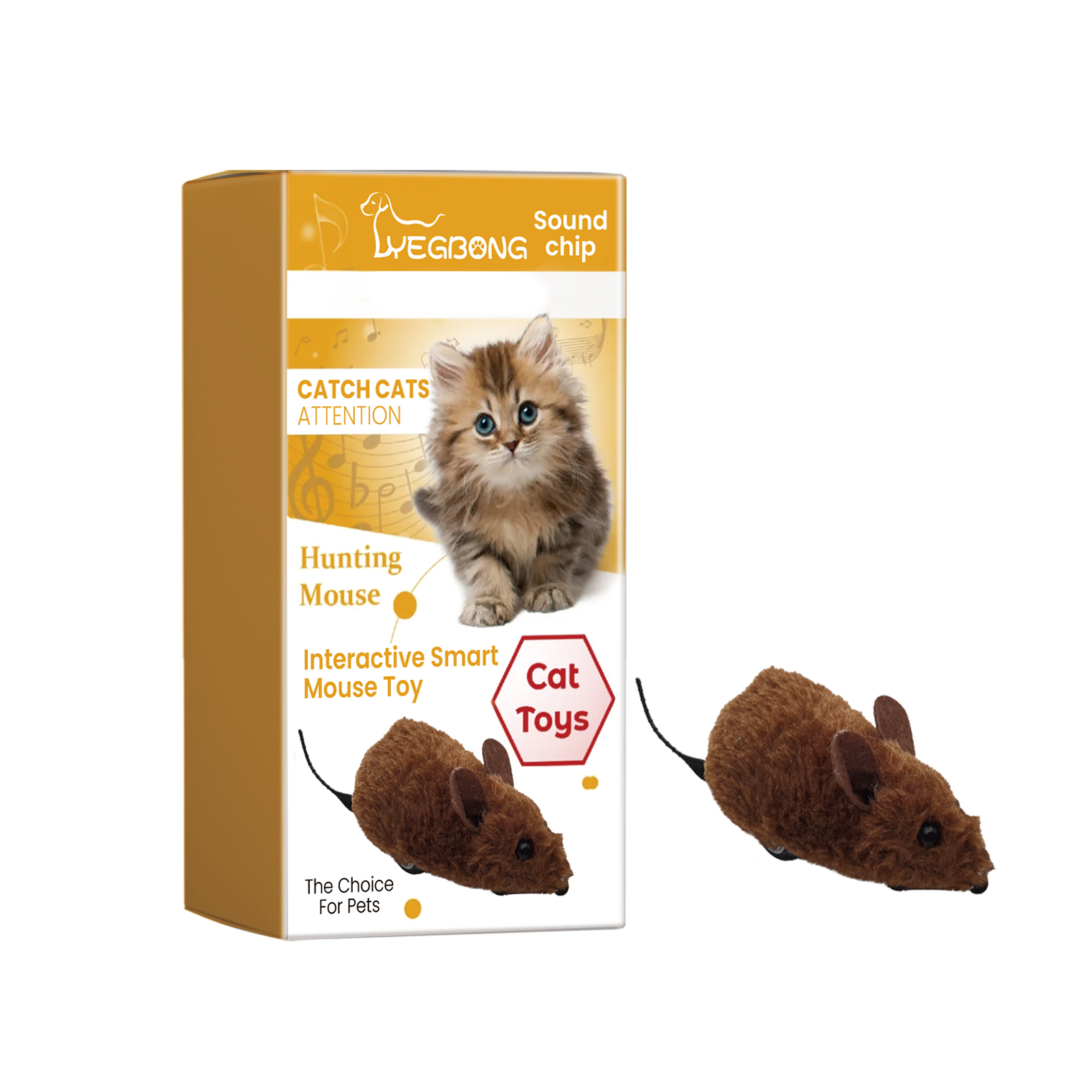 Auth. & Cert. Yegbong Interactive Smart Mouse Toy, Cats And Dogs Like A Sound Relief Plush Toy$19.99View on Mallflare
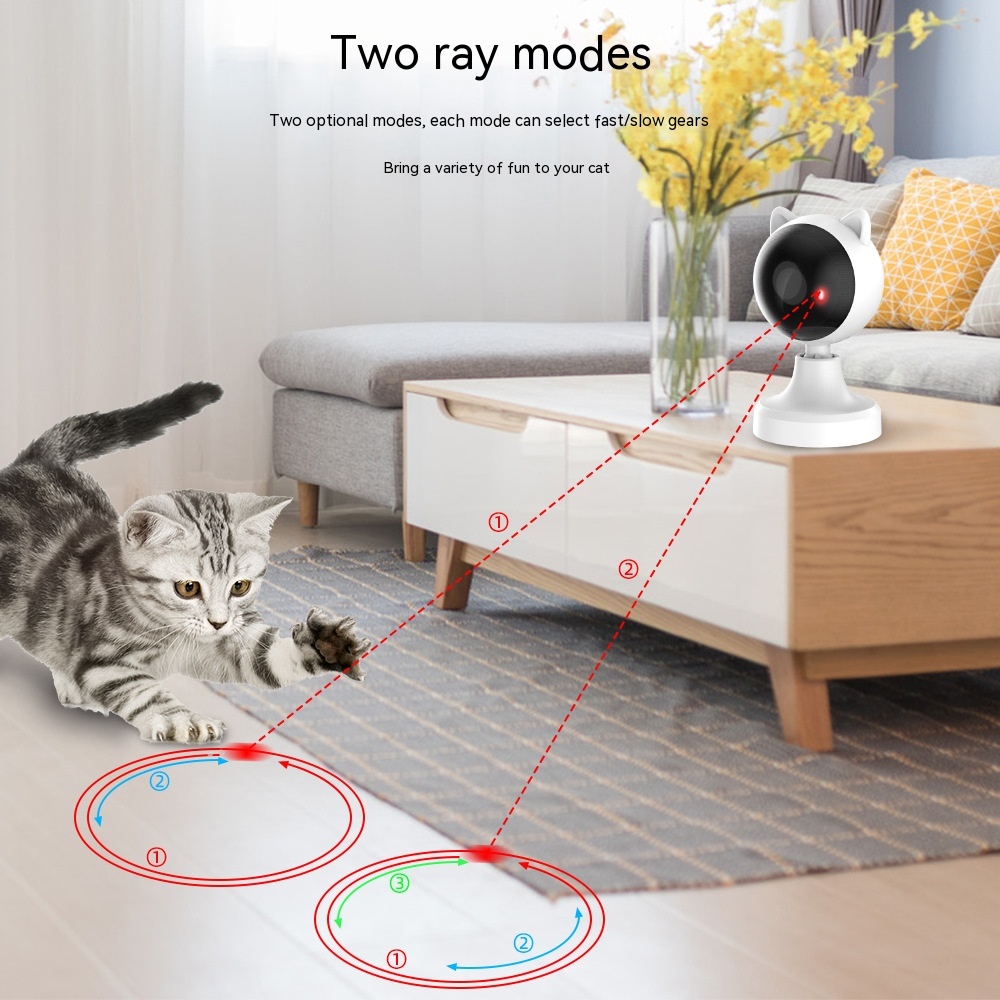 Smart Laser Cat Teaser Toy USB Charging$23.99View on Mallflare
Highlights
- Motion type determines durability: brushless DC motors in rolling balls last longer than brushed motors, while laser toys use a static diode with no moving parts but require Class 1 or Class 2 eye-safe output.
- Power architecture separates tiers: USB-C or USB micro-B rechargeable lithium cells (typically 300–800 mAh) beat disposable coin cells for cost and safety; sealed battery compartments prevent cat access.
- Shell material matters: ABS or polycarbonate (PC) plastic resists cracking under batting and biting better than styrene or recycled blends; look for wall thickness around 2 mm or more.
- Auto-shutoff and erratic-motion algorithms distinguish smart toys from simple spinning balls; a 5–15 minute inactivity timer preserves battery and prevents overstimulation.
Best use cases
- Best fit for solo indoor cats: a rechargeable rolling ball with randomized motion and auto-off—skip spring-loaded or gravity-only balls that stop moving after a few seconds.
- Best fit for cats that ignore floor toys: a USB-charged laser teaser with adjustable random patterns; avoid fixed-pattern laser pointers that cats habituate to within days.
- Best fit for multi-cat households or kittens: a plush sound-and-motion mouse with reinforced stitching; skip small hard plastic balls that can be batted under appliances and lost.
- Wrong fit for destructive chewers or dogs: lightweight plastic smart balls with exposed charging ports; choose a solid rubber or thick ABS shell rated for pet chewing instead.
Buying tips
- Match toy diameter to cat size: rolling balls should be at least 4 cm for adult cats and 5 cm or more for kittens to prevent paw trapping; laser toys need a wide, low-angle projection base.
- Check the charging standard: USB-C is the current standard for newer smart toys; micro-USB is common but older; avoid proprietary magnetic chargers that are easy to lose and hard to replace.
- Verify battery capacity and runtime: 300–500 mAh gives roughly 1–2 hours of active play; toys with 800 mAh or more last multiple sessions, but heavier batteries can make small balls roll unevenly.
- Look for an IPX4 or better splash rating if the toy will be near water bowls; plastic seams should be ultrasonic-welded or gasketed, not glued, to survive drool and cleaning.
Specs
| Motion Type | Motorized rolling / Laser / Plush sound |
|---|---|
| Charging Standard | USB-C / Micro-USB / Disposable cells |
| Shell Material | ABS or PC plastic, 2 mm+ wall |
| Auto-Off Timer | 5–15 min inactivity shutoff |
Related searches
What to check before buying
- Measure your floor space: a rolling ball needs at least 2 square meters of clear hard floor; carpet deeper than 1 cm will stall most motorized balls.
- Confirm your cat’s play style: batting and chasing suits rolling balls; pouncing suits plush mice; visual tracking suits lasers—pick the motion type that matches observed behavior.
- Check household charging: ensure a USB-A or USB-C wall adapter is available; toys with built-in rechargeable batteries need roughly 2 hours to charge for 1–2 hours of play.
- Inspect for safety: no exposed screws or coin-cell batteries; laser toys must state Class 1 or Class 2 and never be pointed at eyes; plastic edges should be rounded, not sharp.
FAQ
Data sources: eBay / Amazon listings and product attribute feeds. Updated Nov 27, 2026.
Some links on this page are affiliate links. If you buy after clicking one, we may earn a commission at no extra cost to you. This does not change which products appear here or their order. Affiliate disclosure.