
Photos from current listings. Actual item, color, and included accessories may vary.
Rubber Dog Toy Buying Guide
Rubber dog toys range from soft natural-rubber fetch balls to high-durometer chew toys built for power chewers. The core trade-off is rubber hardness and thickness versus elasticity: softer compounds (40–60 Shore A) are gentle for puppies and senior dogs, while dense natural rubber (65–80 Shore A) resists puncture and tear from aggressive jaws. Buy by chew strength first, then size-match the toy to your dog's muzzle to prevent choking.
Median $17.99
Key takeaways
- Natural rubber (latex) outlasts TPR and plastic in repeated chewing; look for 'natural rubber' or 'food-grade rubber' rather than vague 'rubber-like'.
- Shore A hardness separates tiers: 40–55 A for puppies/seniors, 60–70 A for moderate chewers, 70–80 A for aggressive chewers.
- Solid molded construction with no glued seams resists splitting; hollow treat-dispenser designs are weaker at the opening rim.
At a glance
- Category
- Pet Toys
- Last updated
- Nov 27, 2026
Current offers
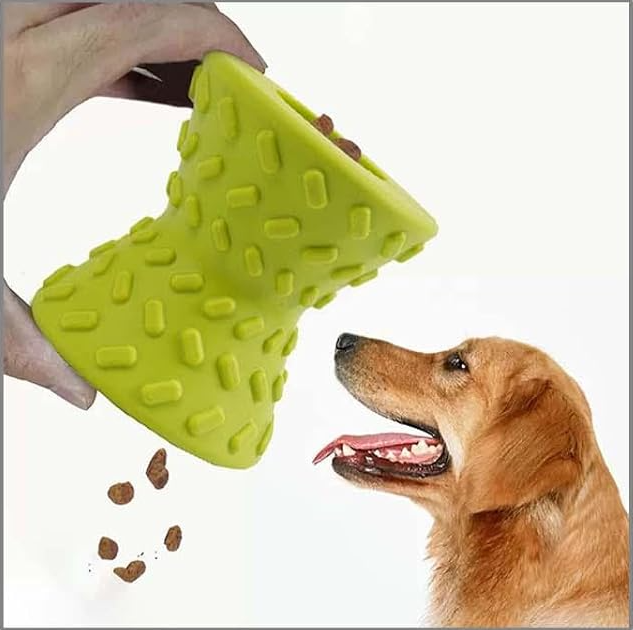 (green)Dog Toy Dumbbell Dropper Made Of Natural Rubber, Resistant To Biting And Grinding Teeth, Puzzle Pet Dog Toy$10.99View on Mallflare
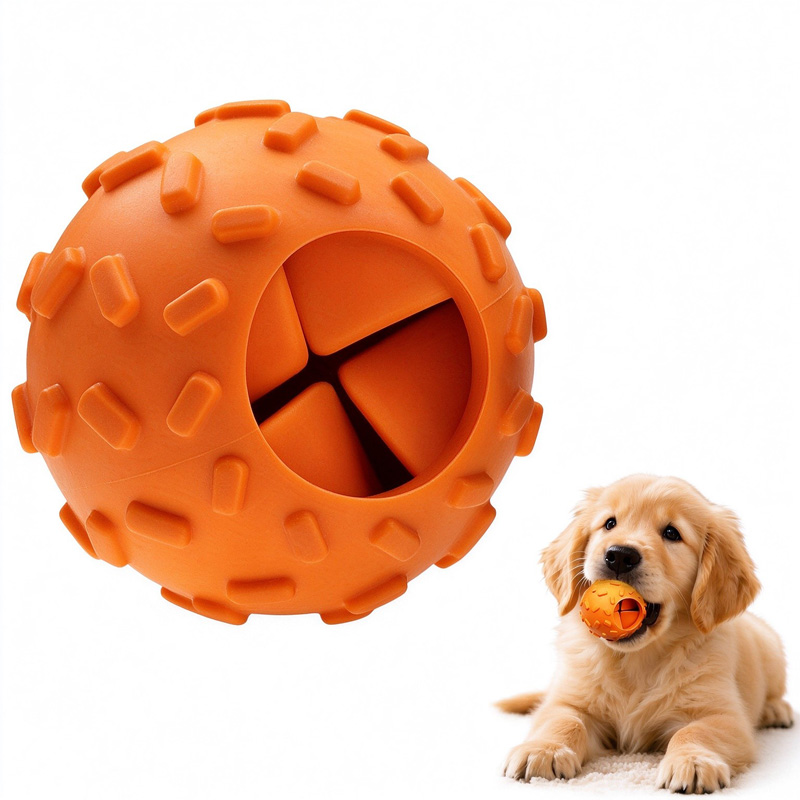 Dog Treat Dispenser Toy Ball, Durable Rubber Teeth Grinding Chew Toy, Interactive Puzzle Leakage For Dogs$16.99View on Mallflare
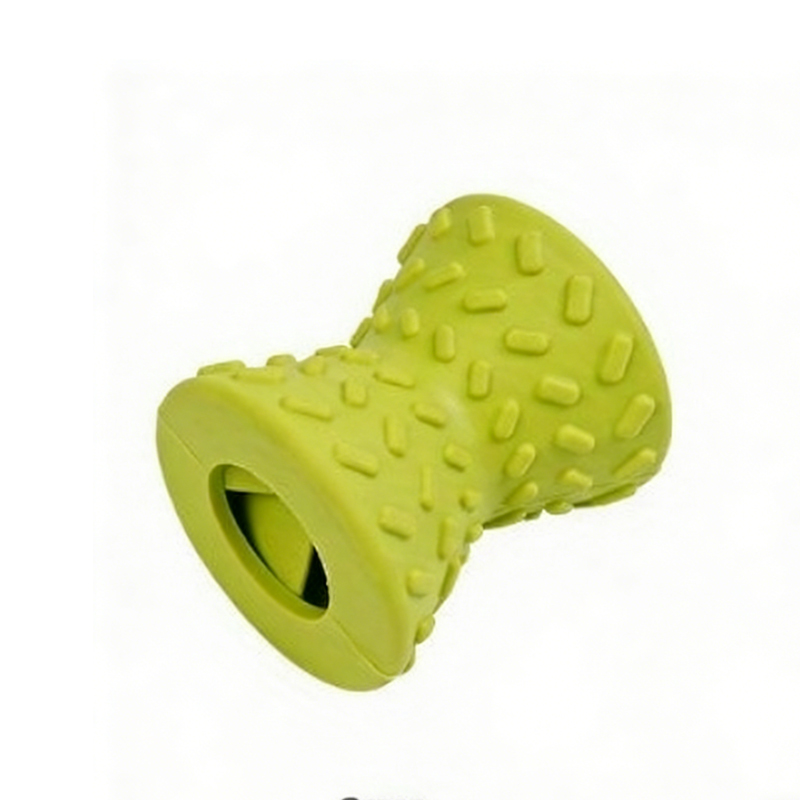 Natural Rubber Chew Toys,Dog Toys For Aggressive Chewers, Dog For Medium Large Dogs, For Traning$17.99View on Mallflare
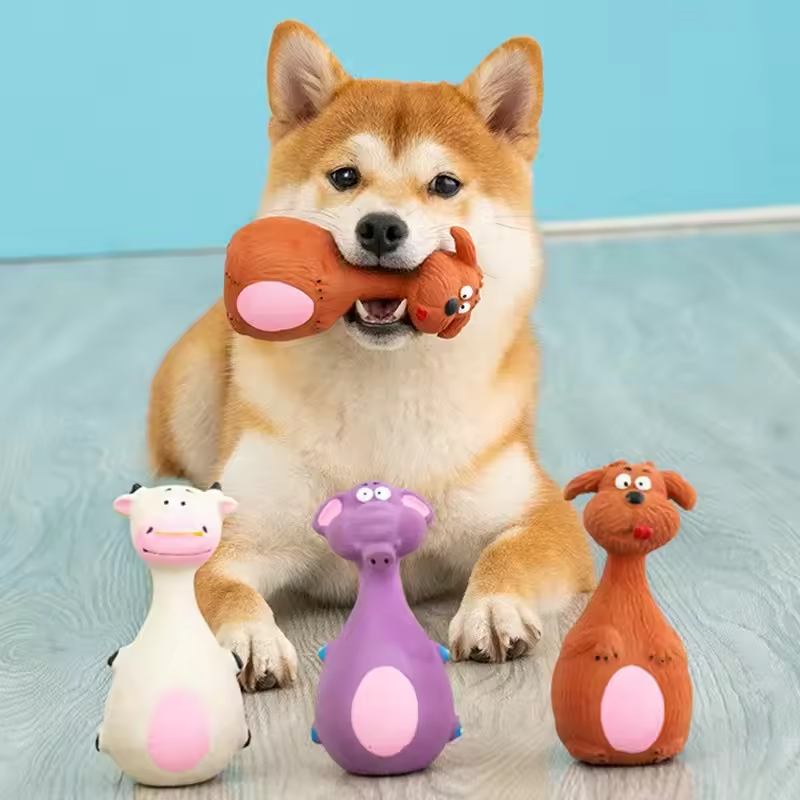 4pcs Cute Latex Dog Chew Toys With Sound, Interactive Biting For Dental Health, Puppy Teething Pet Supplies$28.99View on Mallflare
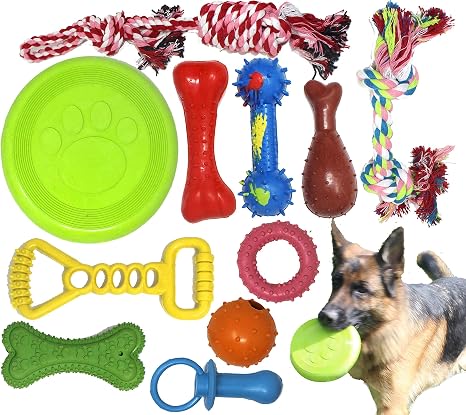 Natural Rubber Dog Chew Toy Set With Ball And Rope For Small To Medium Dogs And Puppies$98.99View on Mallflare
Highlights
- Natural rubber (latex) outlasts TPR and plastic in repeated chewing; look for 'natural rubber' or 'food-grade rubber' rather than vague 'rubber-like'.
- Shore A hardness separates tiers: 40–55 A for puppies/seniors, 60–70 A for moderate chewers, 70–80 A for aggressive chewers.
- Solid molded construction with no glued seams resists splitting; hollow treat-dispenser designs are weaker at the opening rim.
- Sizing rule: toy diameter should exceed the dog's muzzle width by at least 25% so it cannot be swallowed.
Best use cases
- Aggressive chewers (Labradors, Pit Bulls, German Shepherds): pick solid natural-rubber chew toys at 70–80 Shore A with thick walls; skip hollow treat balls and rope-tied sets.
- Puppies and senior dogs: choose 40–55 Shore A natural-rubber balls and textured teething toys; skip dense power-chewer chews that can hurt developing or worn teeth.
- Fetch and interactive play: use 60–65 Shore A rubber balls sized above the muzzle; skip treat-dispenser balls for fetch because the opening weakens the shell.
- Moderate chewers and medium breeds: 60–70 Shore A rubber chew toys with textured surfaces work; skip thin-walled novelty shapes and plastic-core toys.
Buying tips
- Match Shore A hardness to chew strength: under 55 A for puppies/seniors, 60–70 A for moderate chewers, 70–80 A for aggressive chewers.
- Choose solid molded natural rubber over TPR or plastic; TPR tears faster and plastic can crack into sharp edges.
- Size the toy 25% wider than your dog's muzzle; a toy that fits fully inside the mouth is a choking hazard.
- For treat-dispenser toys, pick thick-walled designs with small openings; large openings on thin rubber split under chewing.
Specs
| Rubber Type | Natural latex vs TPR vs plastic |
|---|---|
| Hardness (Shore A) | 40–55 puppy / 60–70 moderate / 70–80 aggressive |
| Construction | Solid molded vs hollow treat-dispenser |
| Size Rule | Toy width ≥ 1.25× muzzle width |
Related searches
What to check before buying
- Measure your dog's muzzle width and choose a toy at least 25% wider to prevent swallowing.
- Confirm the rubber type is natural or food-grade latex, not TPR or plastic blends.
- Check the toy has no glued seams or small attached parts that can detach.
- For treat-dispenser toys, verify the opening is small enough to slow treats but thick-walled enough to resist tearing.
FAQ
Data sources: eBay / Amazon listings and product attribute feeds. Updated Nov 27, 2026.
Some links on this page are affiliate links. If you buy after clicking one, we may earn a commission at no extra cost to you. This does not change which products appear here or their order. Affiliate disclosure.