
Photos from current listings. Actual item, color, and included accessories may vary.
Puppy Chew Toy Buying Guide
Puppy chew toys are teething tools and safe-diversion objects that must survive a puppy's needle-sharp deciduous teeth without shedding chunks or hardening into a choking hazard. The core trade-off is material hardness versus give: natural rubber and cotton rope flex and soothe gums, while hard nylon and dense ETPU outlast power chewers but can crack puppy teeth or be ignored during teething pain. The decision rule is simple: match the toy's Shore hardness and construction to your puppy's bite stage and adult size, and reject any toy with glued-on parts, exposed squeakers, or plastic pieces thin enough to shear off.
Median $72.49 · New listings
Key takeaways
- Natural rubber toys in the 35–55 Shore A range flex under puppy molars, relieving teething pressure without the risk of hard nylon cracking deciduous teeth.
- Cotton rope toys clean between teeth via abrasion; tightly twisted 3-strand cotton with knotted ends resists fraying better than loose-woven or synthetic-blend rope.
- ETPU spike balls and treat-dispensing balls add erratic bounce and foraging engagement, extending solo playtime for puppies that lose interest in static chews.
At a glance
- Category
- Pet Toys
- Last updated
- Nov 27, 2026
Current offers
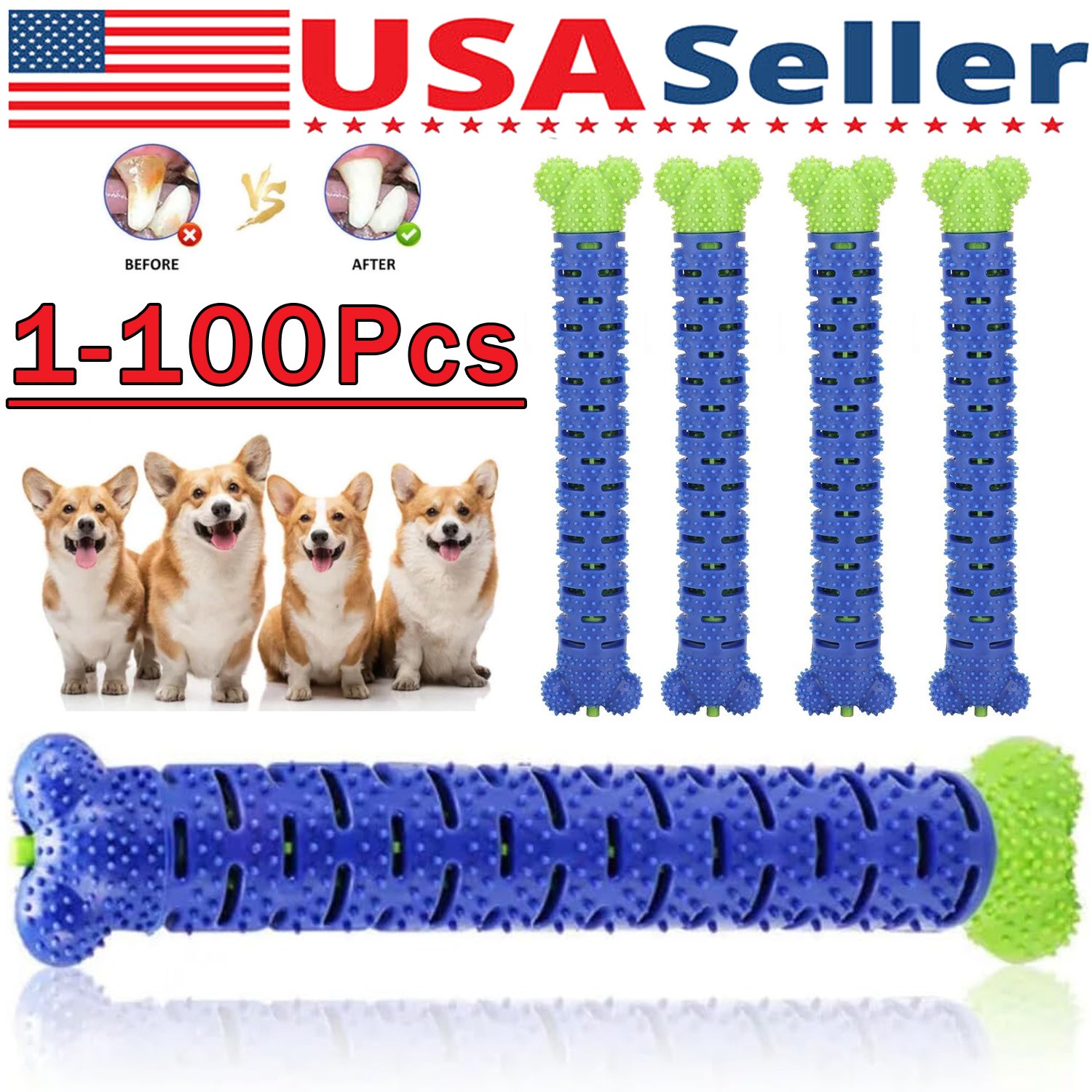 Chew Toy Dog Puppy Toothbrush Molar Tooth Cleaning Doggy Brushing Instrument Lot$352.51New · Last checked Nov 17, 2026View on eBay
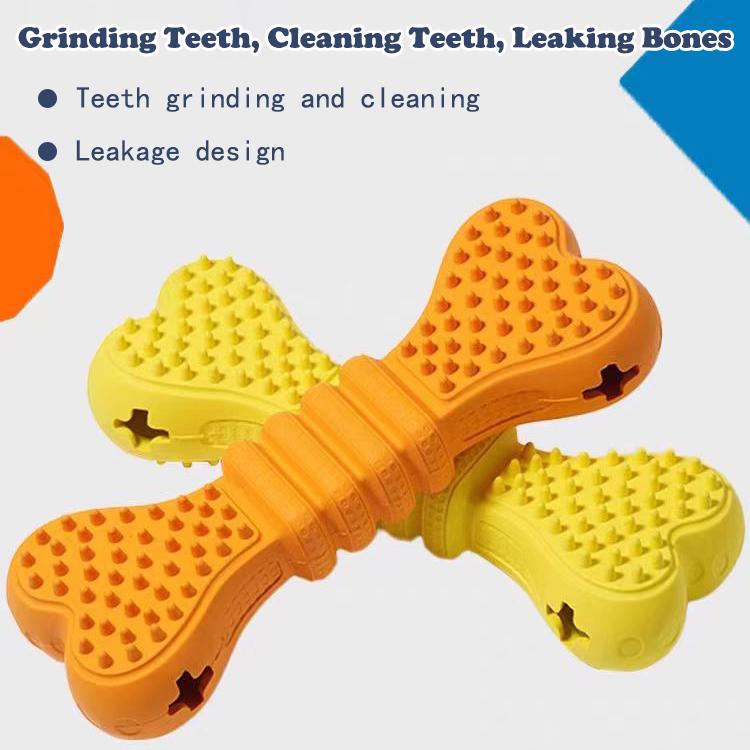 Dog Chew Toys Two-pack Dog Toothbrush Care Cleaning Stick For Dog Dental Safe Tooth Protection And Suitable For Large, Medium And Small Dogs And Puppies Sticks$19.99View on Mallflare
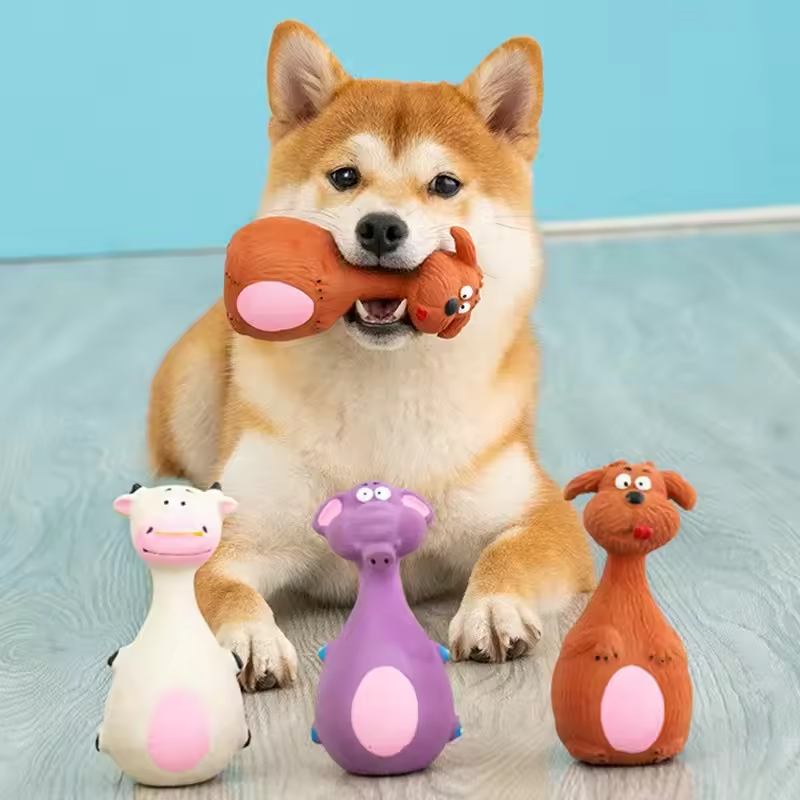 4pcs Cute Latex Dog Chew Toys With Sound, Interactive Biting For Dental Health, Puppy Teething Pet Supplies$28.99View on Mallflare
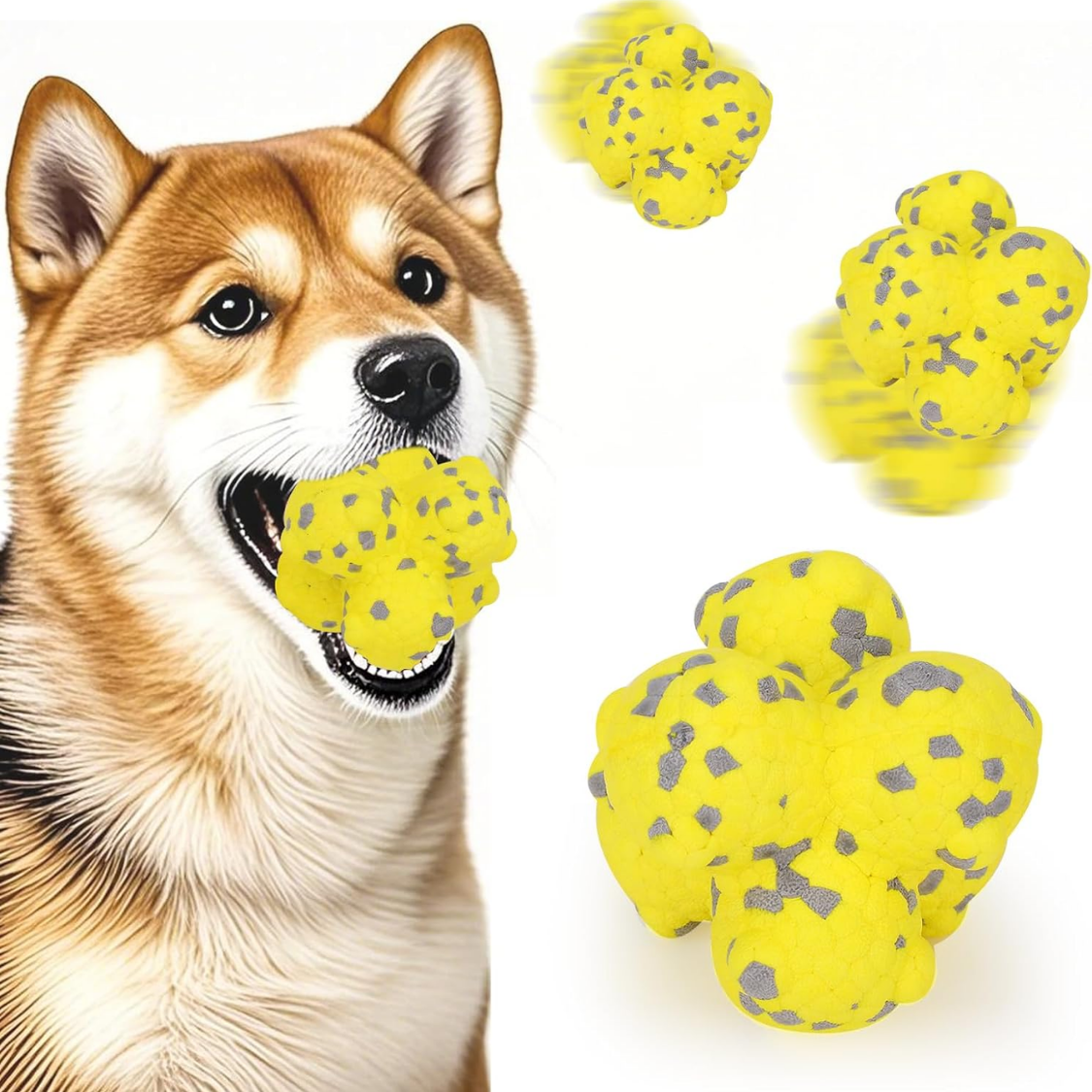 Dog Spike Ball Toy Tough ETPU Interactive Chew For Aggressive Chewers Floating Fetch Teeth Cleaning Puppy & Dog Toy Compatible With Launcher$40.99View on Mallflare
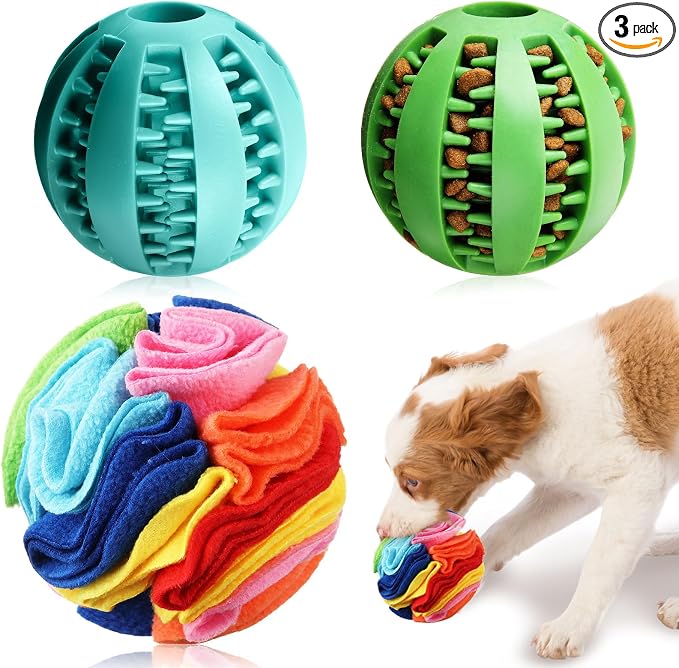 3-Piece Puppy Chew & Snuffle Toy Set With Treat Balls, Interactive Foraging Training Toys For Small And Medium Dogs$62.99View on Mallflare
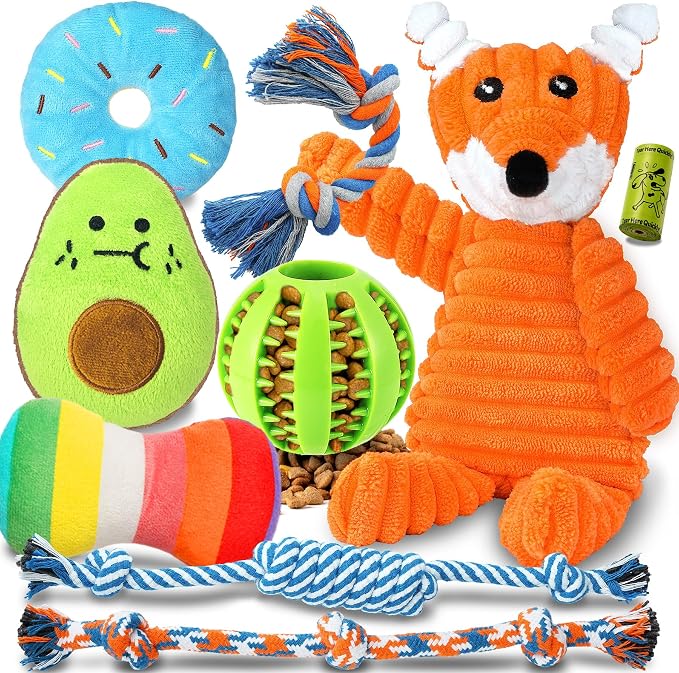 9-Piece Puppy Toy Set For Small Dogs, Including Teething Chew Toys, Cute Squeaky Balls, And Rope For Playtime And Dental Care$81.99View on Mallflare
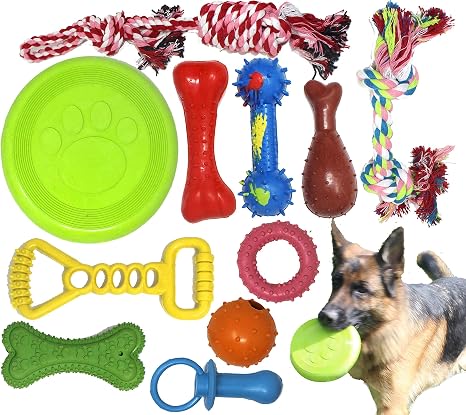 Natural Rubber Dog Chew Toy Set With Ball And Rope For Small To Medium Dogs And Puppies$98.99View on Mallflare
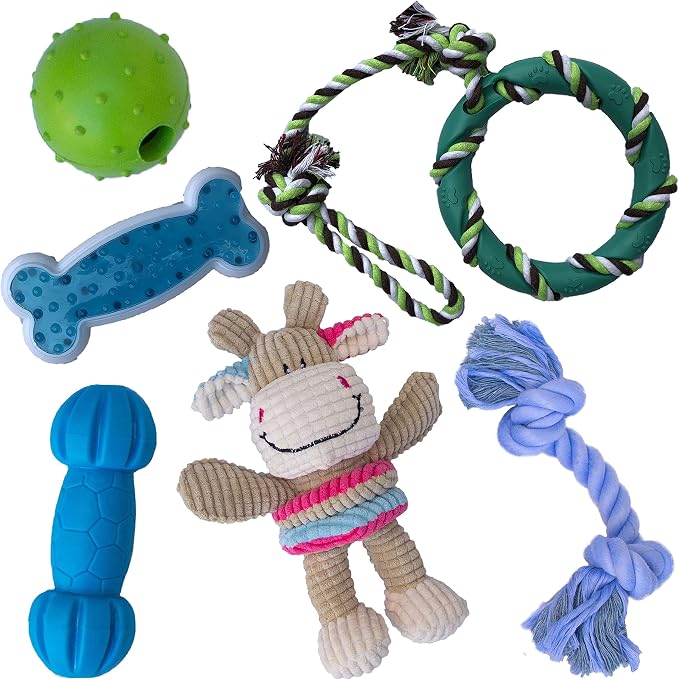 6-Piece Natural Rubber Puppy Chew Toy Set For Teething$98.99View on Mallflare
Highlights
- Natural rubber toys in the 35–55 Shore A range flex under puppy molars, relieving teething pressure without the risk of hard nylon cracking deciduous teeth.
- Cotton rope toys clean between teeth via abrasion; tightly twisted 3-strand cotton with knotted ends resists fraying better than loose-woven or synthetic-blend rope.
- ETPU spike balls and treat-dispensing balls add erratic bounce and foraging engagement, extending solo playtime for puppies that lose interest in static chews.
- Multi-piece sets typically mix rubber, latex, rope, and plush; latex squeakers are the least durable component and are best treated as supervised-only toys.
Best use cases
- Best fit for 8–16 week teething puppies: soft natural rubber chews and cotton rope knots that yield to gums — skip hard nylon and antler-style chews until adult teeth set.
- Best fit for puppies left alone in a crate or pen: a treat-stuffed rubber ball or snuffle set that dispenses kibble — skip plush and latex squeakers that can be shredded and ingested unsupervised.
- Best fit for medium-to-large breed puppies (over 25 lb expected adult weight): thicker-gauge rubber and ETPU with launcher compatibility — skip small latex and thin rope toys sized for toy breeds.
- Wrong fit for power-chewing adolescents: silicone flying discs and soft latex are shreddable — move to dense ETPU or rubber composite once adult molars erupt.
Buying tips
- Size the toy to the puppy's current mouth, not adult breed: a toy must be too large to swallow whole but small enough to grip — roughly 1.5–2x the width of the muzzle.
- Choose 3-strand tightly twisted cotton rope over loose-woven rope; knot ends tightly and trim frayed strands before they become swallowable.
- Prefer one-piece molded natural rubber over glued or stitched multi-part toys; seams and attached squeakers are the first failure points.
- For treat-dispensing chew balls, confirm the opening fits your kibble size (typically 5–10 mm) so the toy stays engaging rather than jammed or instantly emptied.
Specs
| Chew Material | Natural rubber / Cotton rope / ETPU / Latex |
|---|---|
| Rubber Hardness | 35–55 Shore A (puppy teething range) |
| Rope Construction | 3-strand twisted cotton, knotted ends |
| Toy Sizing Rule | 1.5–2x muzzle width, recheck monthly |
Related searches
What to check before buying
- Measure your puppy's muzzle width and current weight to select toy size; re-check monthly as puppy growth outpaces toy sizing.
- Confirm the chew material matches teething stage: soft rubber/rope for deciduous teeth, denser ETPU/rubber for adult teeth after 6 months.
- Check your crate or pen dimensions and floor surface — treat balls and spike balls roll and bounce, so hard floors need a mat to limit noise and sliding.
- For launcher-compatible balls, verify the ball diameter matches your specific launcher model before buying, since sizes are not universal.
FAQ
Data sources: eBay / Amazon listings and product attribute feeds. Updated Nov 27, 2026.
Some links on this page are affiliate links. If you buy after clicking one, we may earn a commission at no extra cost to you. This does not change which products appear here or their order. Affiliate disclosure.