
Photos from current listings. Actual item, color, and included accessories may vary.
Electric Cat Toy Buying Guide
Electric cat toys are battery- or USB-rechargeable motion devices—rolling balls, teaser wands, and flopping fish—that trigger a cat's chase and pounce instinct without a human hand on the string. The core trade-off is between cheap brushed motors with hard plastic shells that die or crack within weeks and brushless or geared motors in softer, textured housings that survive daily batting. The decision rule: buy a rechargeable toy with a replaceable or protected battery, a textured or fabric surface, and a motion mode that pauses—skip anything with a sealed internal cell, smooth hard plastic, or continuous non-stop run.
Median $13.99
Key takeaways
- Motor type is the durability limiter: brushless DC motors outlast brushed motors in rolling-ball toys because brushes wear out first under repeated direction reversals and stall torque.
- Housing material splits into two tiers: smooth hard ABS/PP plastic balls crack at seams and slide on hard floors, while fabric-wrapped or TPR/TPE soft-shell toys absorb batting and grip carpet.
- Power architecture matters more than capacity: USB-C rechargeable with a protected internal Li-ion cell beats swappable AA alkalines for running cost, but only if the charge port is recessed and the cell is user-replaceable.
At a glance
- Category
- Pet Toys
- Last updated
- Nov 27, 2026
Current offers
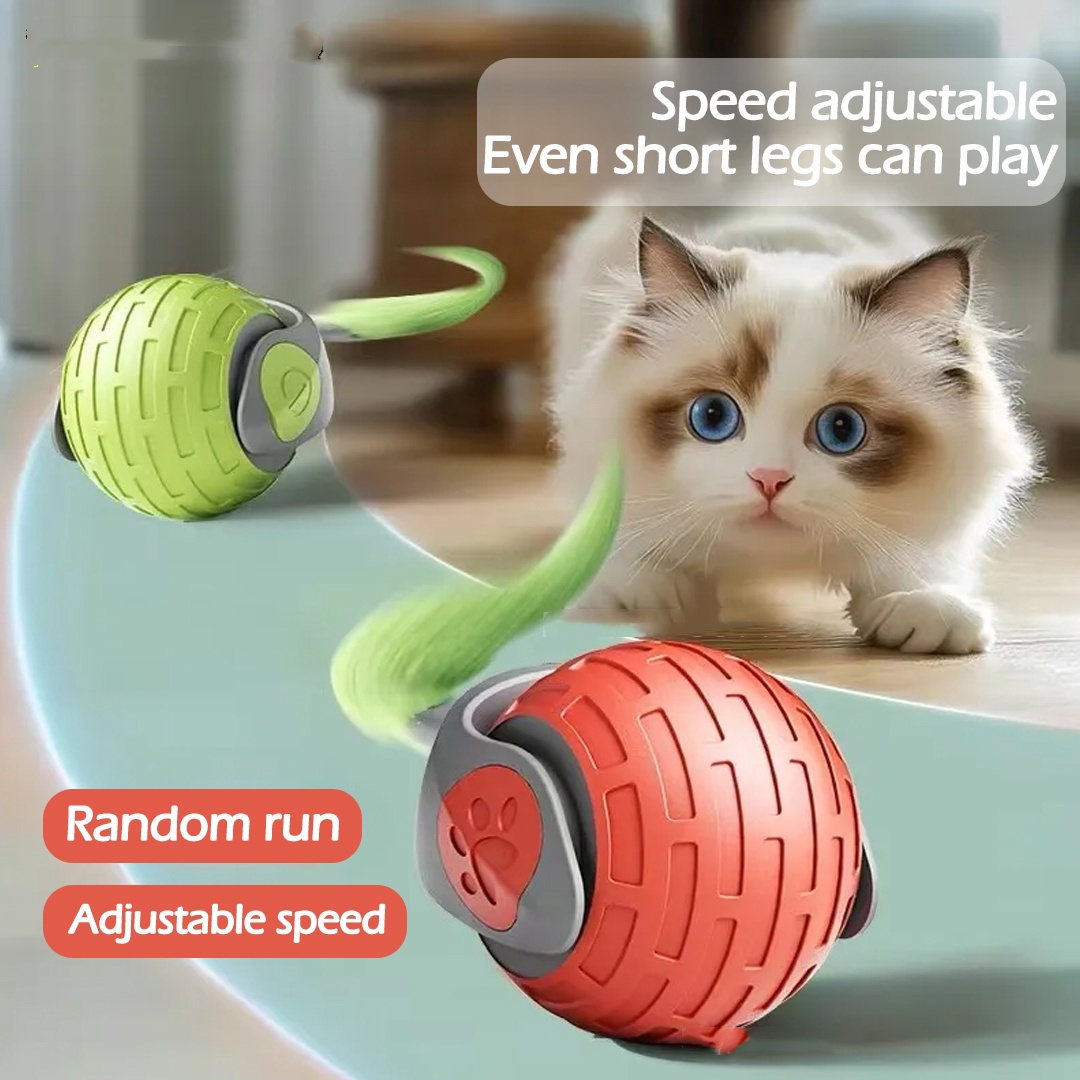 New Interactive Cat Toys Ball Auto Electric Rolling For Cat Kitty Pets Smart Automatic Teaser USB Rechargeable Cat Toy Pet Products$8.99View on Mallflare
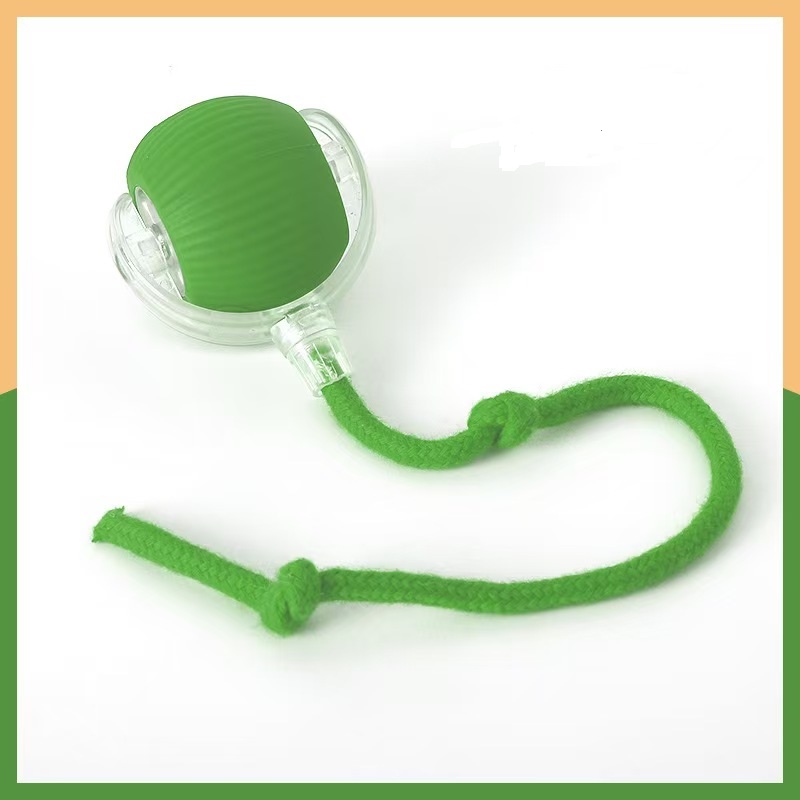 (Green) Electric Dog Ball Toy - Indoor Large And Small Cat Dog Interactive Intelligent Rolling Pet$13.99View on Mallflare
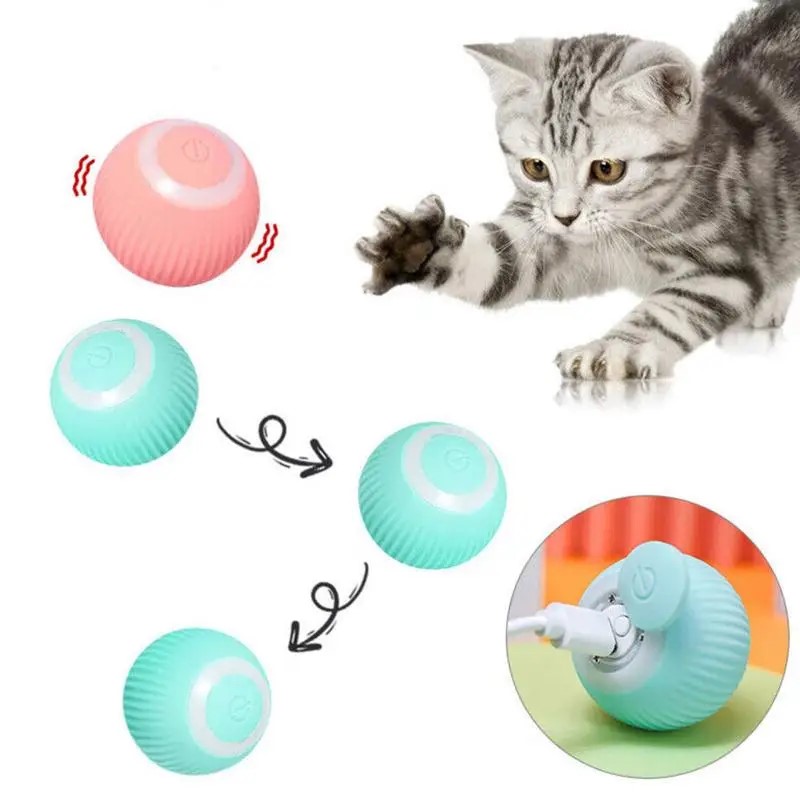 Electric Dog Cat Ball Toy,Indoor Large And Small Cat Dog Interactive Intelligent Rolling Pet$19.99View on Mallflare
Highlights
- Motor type is the durability limiter: brushless DC motors outlast brushed motors in rolling-ball toys because brushes wear out first under repeated direction reversals and stall torque.
- Housing material splits into two tiers: smooth hard ABS/PP plastic balls crack at seams and slide on hard floors, while fabric-wrapped or TPR/TPE soft-shell toys absorb batting and grip carpet.
- Power architecture matters more than capacity: USB-C rechargeable with a protected internal Li-ion cell beats swappable AA alkalines for running cost, but only if the charge port is recessed and the cell is user-replaceable.
- Motion logic separates engaging toys from ignored ones: auto-reversing with random pause intervals mimics prey, while continuous single-direction rolling causes cats to disengage within minutes.
Best use cases
- Best fit: a solo indoor cat in an apartment gets a USB-rechargeable auto-reversing ball with a 10–15 minute auto-off—skip continuous-run toys that drain flat and bore the cat.
- Best fit: a multicat household or a vigorous biter needs a fabric-wrapped or soft-TPR motion toy plus a wand teaser for interactive play—skip thin hard-plastic shells that crack at the seam under multiple cats.
- Best fit: a kitten or senior cat benefits from a low-speed floppy fish or slow-rolling ball with pause cycles—skip high-speed constant-spin toys that frustrate low-mobility or timid cats.
- Wrong fit: a cat that only responds to feather or string prey should get a motorized wand teaser with replaceable attachments rather than a rolling ball, which relies on ground-chase drive.
Buying tips
- Match toy diameter to cat size: rolling balls of roughly 1.5–2.5 inches suit average adults, while kittens and small breeds need under 1.5 inches to bat and carry comfortably.
- Choose USB-C rechargeable over micro-USB or AA: USB-C ports are more robust to repeated plug cycles and the standard is now common on quality motors.
- Demand auto-off and pause logic: a toy that runs 10–15 minutes then sleeps preserves battery and keeps the cat's interest higher than non-stop motion.
- For hard floors, pick a textured or fabric-shell ball; smooth plastic balls skitter unpredictably and are more likely to crack when they hit walls or furniture legs.
Specs
| Motor Type | Brushless DC vs brushed |
|---|---|
| Power Source | USB-C rechargeable vs AA |
| Shell Material | Hard ABS/PP vs fabric/TPR |
| Motion Logic | Auto-reverse + pause vs continuous |
Related searches
What to check before buying
- Measure your floor surface: carpet favors rolling balls and floppy fish, while hard tile or wood needs a textured or soft-shell toy to avoid runaway sliding.
- Confirm the charge port is recessed and covered—exposed micro-USB ports on pet toys collect hair and fail first.
- Check that any battery compartment is screwed shut or the internal cell is sealed away from claws and teeth; loose coin cells are a swallowing hazard.
- Verify the toy's motion mode can be paused or auto-stops, so it does not run continuously and overstimulate or annoy the cat (and your household).
FAQ
Data sources: eBay / Amazon listings and product attribute feeds. Updated Nov 27, 2026.
Some links on this page are affiliate links. If you buy after clicking one, we may earn a commission at no extra cost to you. This does not change which products appear here or their order. Affiliate disclosure.