
Photos from current listings. Actual item, color, and included accessories may vary.
Dog Puzzle Toy Buying Guide
Dog puzzle toys are enrichment devices that turn feeding or play into a problem-solving task, ranging from simple treat-dispensing balls to multi-step sliders and lift-and-flip boards. The core trade-off is mental challenge versus physical durability: soft plastic boards that offer complex logic puzzles are often shredded by strong chewers, while tough rubber dispensers survive but rarely engage dogs beyond a few minutes. The decision rule: match puzzle complexity to your dog's confirmed chew style and existing problem-solving speed, and never buy a board puzzle for a dog that routinely destroys plush toys.
Median $49.49
Key takeaways
- Board puzzles (sliders, flaps, drawers) use ABS or PP plastic and suit gentle mouthing; rubber dispensers use natural or TPR rubber for power chewers.
- Level 1-3 systems progress from single-action (nose or paw push) to multi-step sequences; a dog that solves Level 1 in under two minutes needs Level 2 or 3 immediately.
- Treat-dispensing balls rely on adjustable hole sizes to control kibble release rate; too-large holes turn the toy into a fast feeder with no enrichment value.
At a glance
- Category
- Pet Toys
- Last updated
- Nov 27, 2026
Current offers
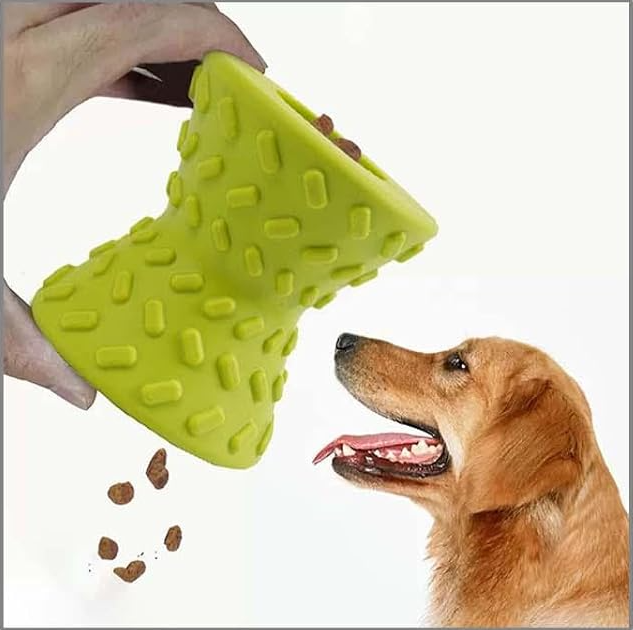 (green)Dog Toy Dumbbell Dropper Made Of Natural Rubber, Resistant To Biting And Grinding Teeth, Puzzle Pet Dog Toy$10.99View on Mallflare
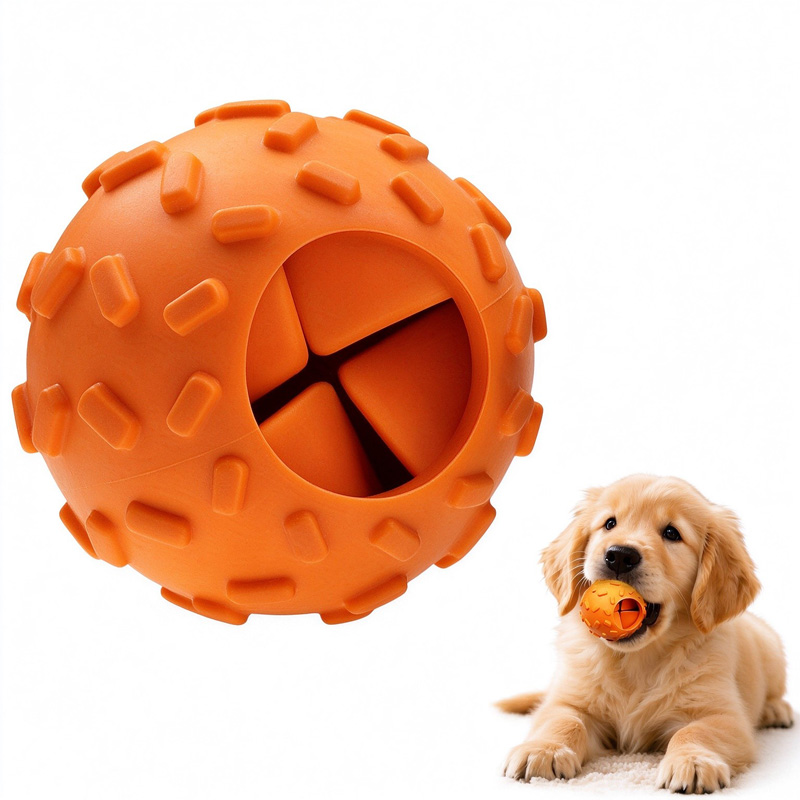 Dog Treat Dispenser Toy Ball, Durable Rubber Teeth Grinding Chew Toy, Interactive Puzzle Leakage For Dogs$16.99View on Mallflare
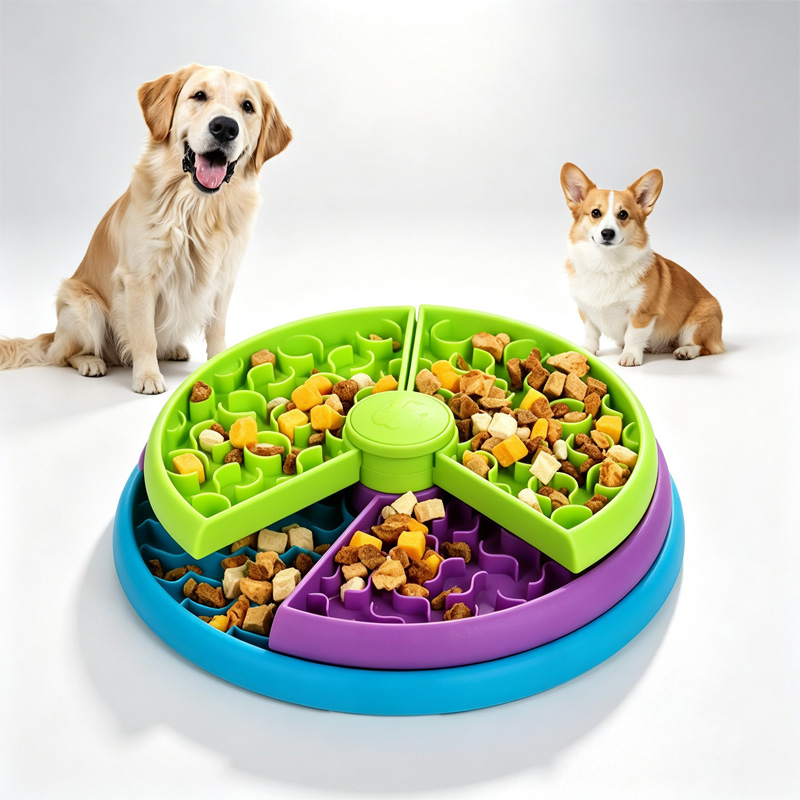 3in1 Interactive Dog Puzzle Feeder, Rotating Anti-Choking Slow Bowl & Lick Mat, Mental Stimulation Foraging Toy For Medium & Large Dogs$20.99View on Mallflare
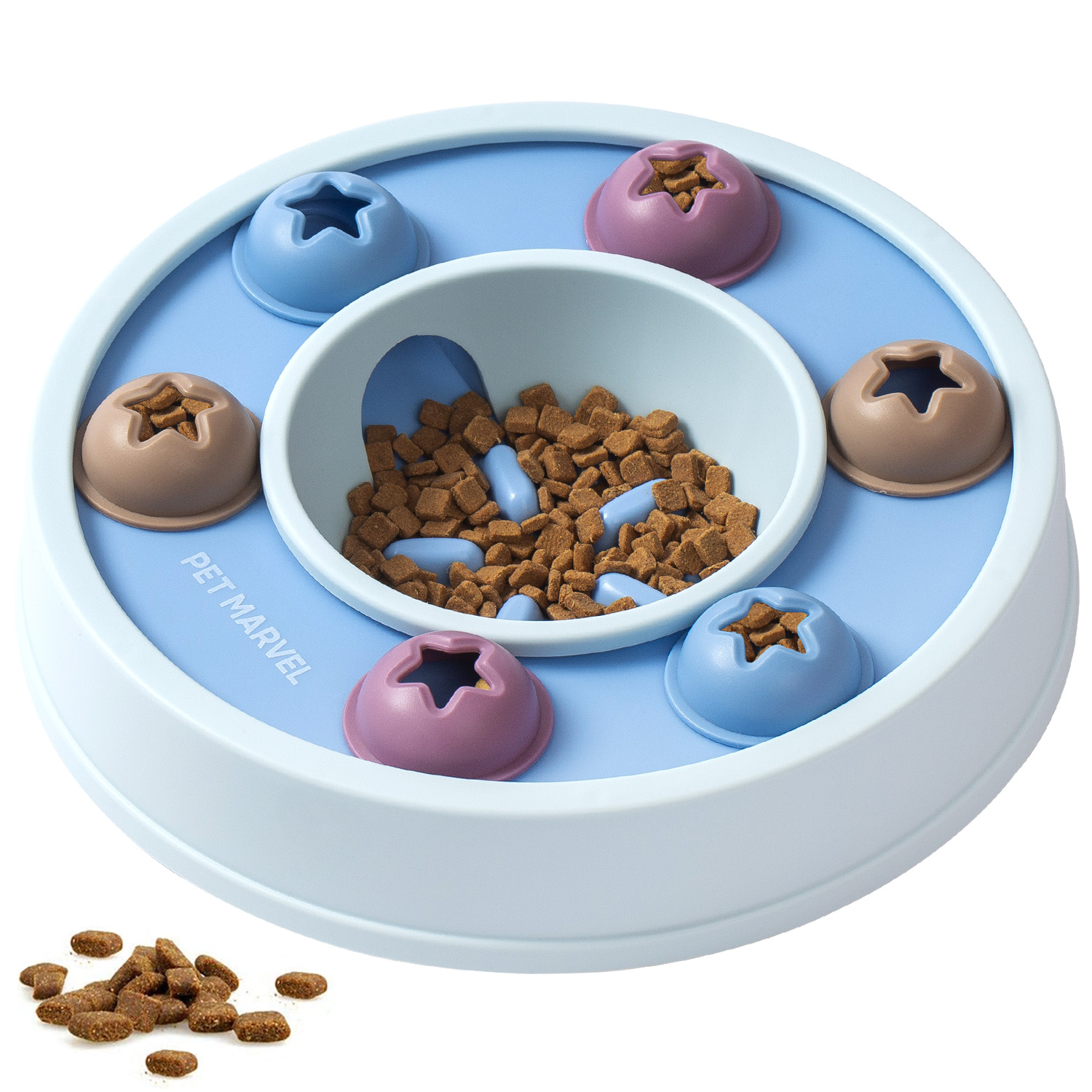 PETMARVEL Interactive Puzzle Game Dog Toy, Level 1-3$21.99View on Mallflare
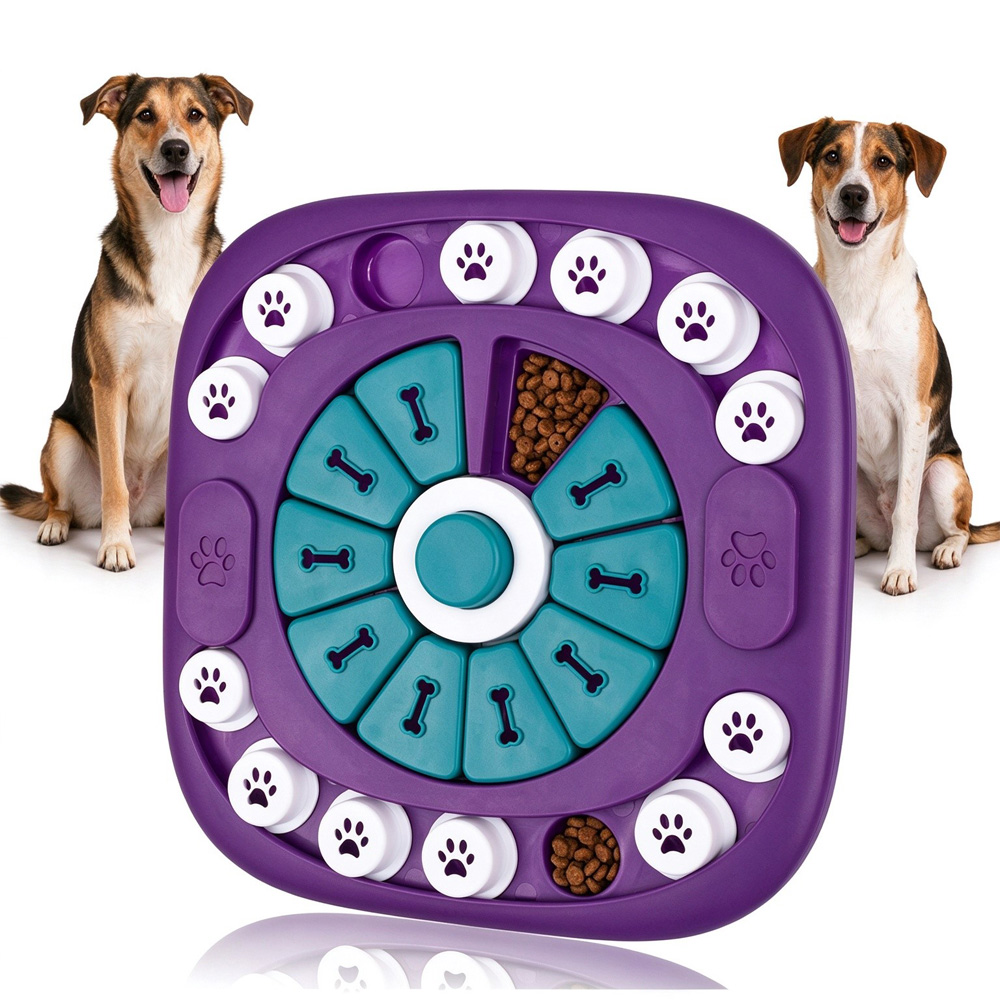 Dog Puzzle Toys, Interactive Treat Dog Enrichment For Large Medium Small Dogs$22.99View on Mallflare
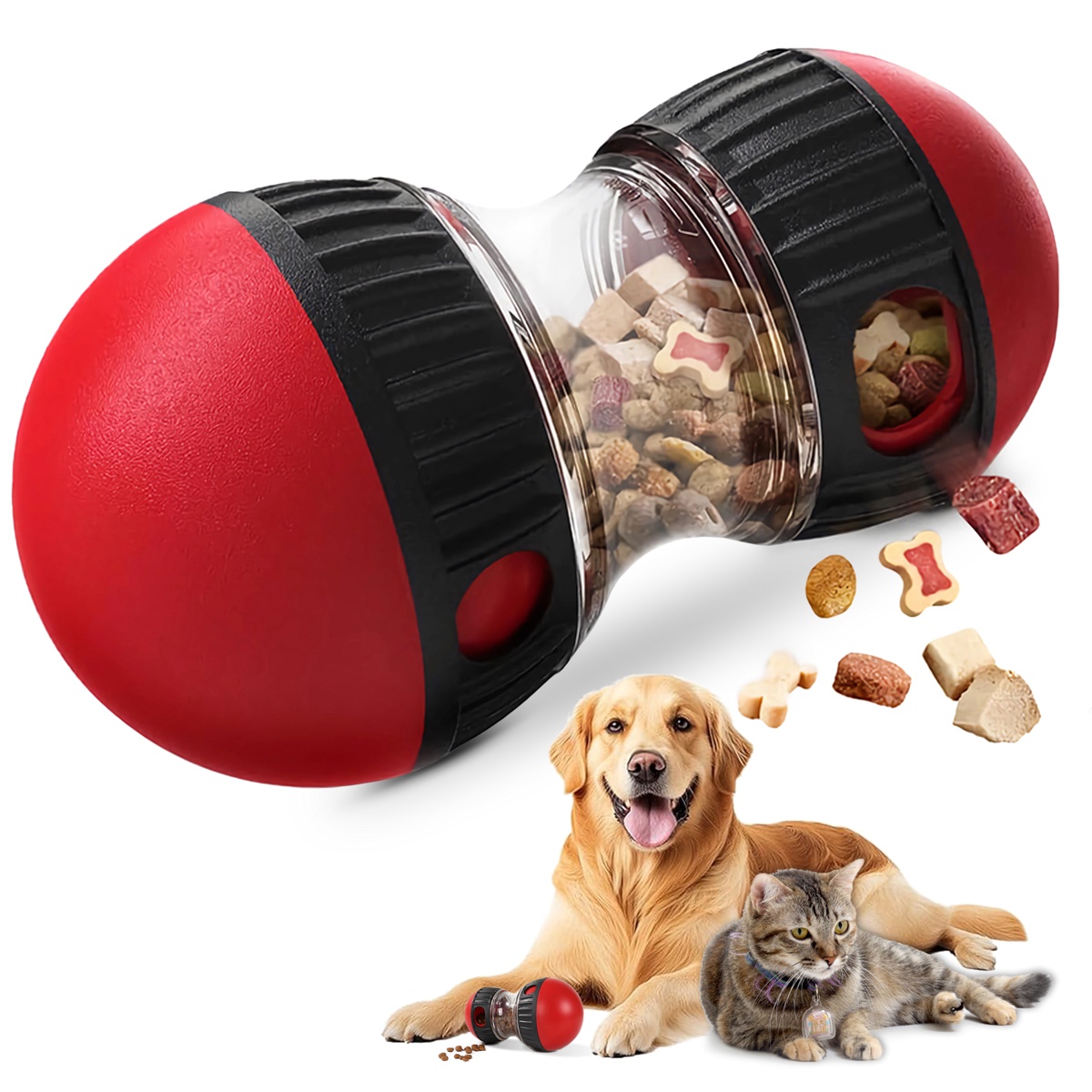 Dog Puzzle Toy, Adjustable Treat Dispensing Ball Food Dispenser Tough Slow Feeder Puppy Enrichment Training Toy Pet Interactive Chase Toys For Small Medium Large Dogs$24.99View on Mallflare
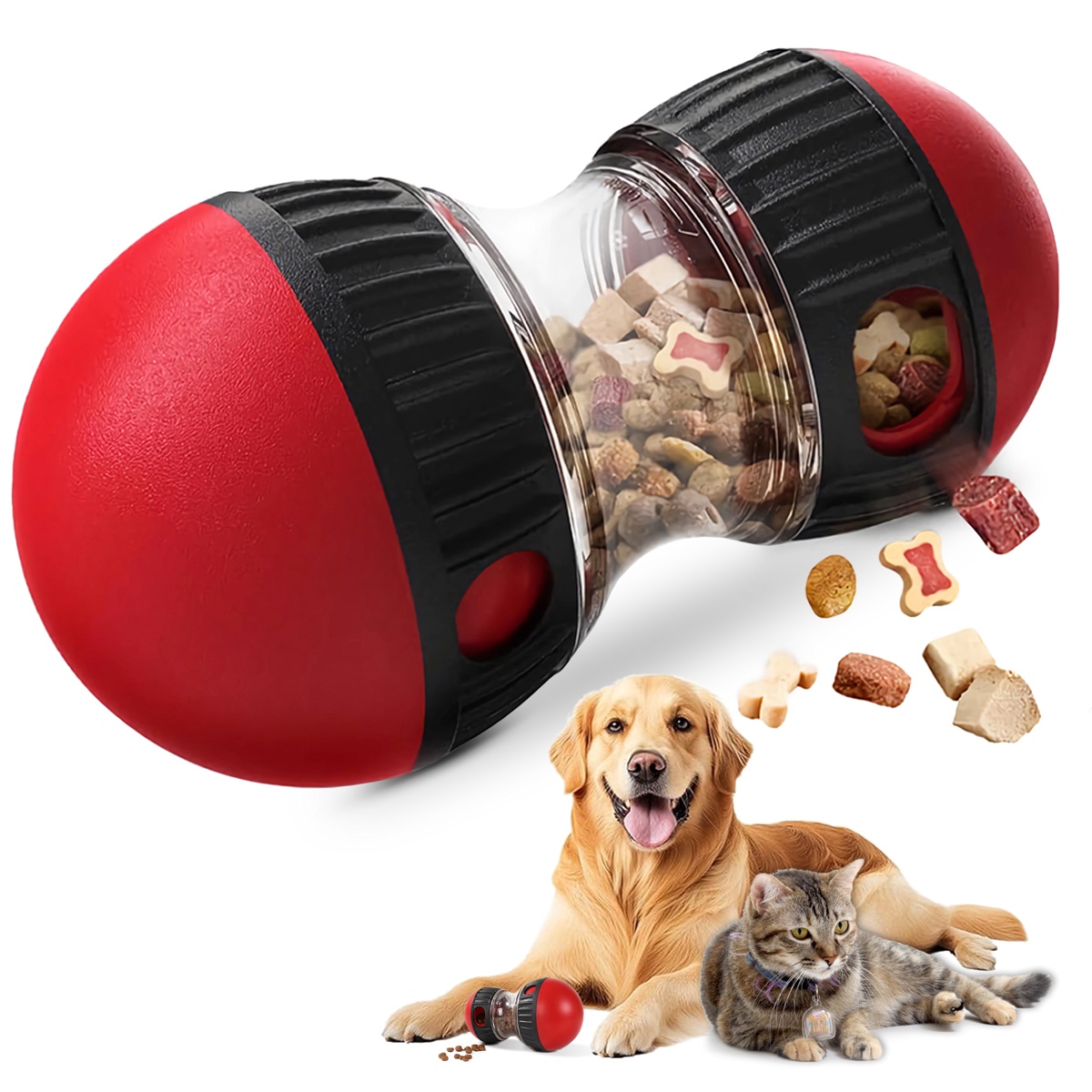 Interactive Dog Treat Ball, Dog Dispenser Toy - Adjustable Dispensing Dog Puzzle Toy - Mental Stimulation & Slow Feeder for Small, Medium, and Large Breeds - Durable & Fun Bore$25.99View on Mallflare
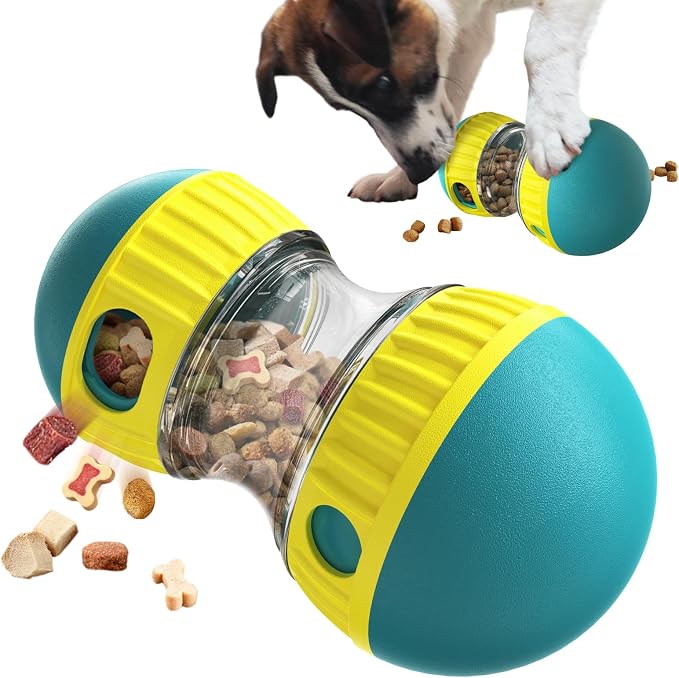 Adjustable Dog Puzzle Toy Treat Dispensing Ball, Tough Slow Feeder And Interactive Training Enrichment Toy$47.99View on Mallflare
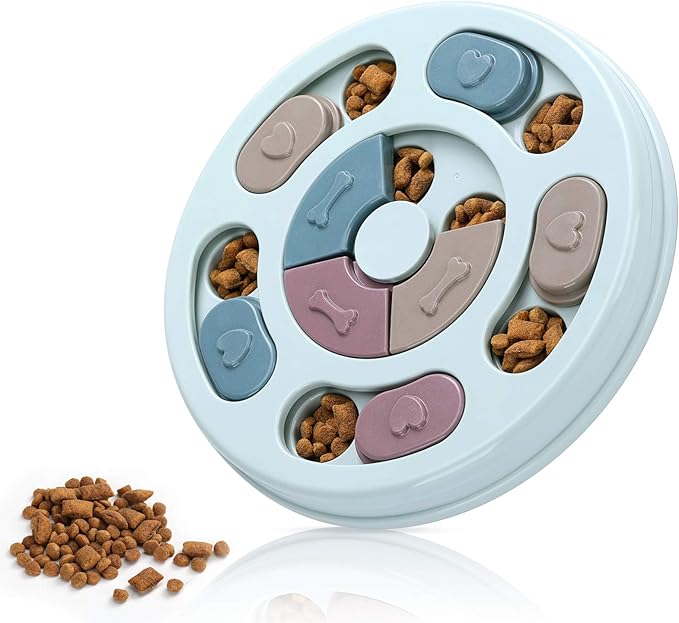 Interactive Dog Treat Puzzle Toy For IQ Training Mental Enrichment Food Dispensing And Brain Stimulation$47.99View on Mallflare
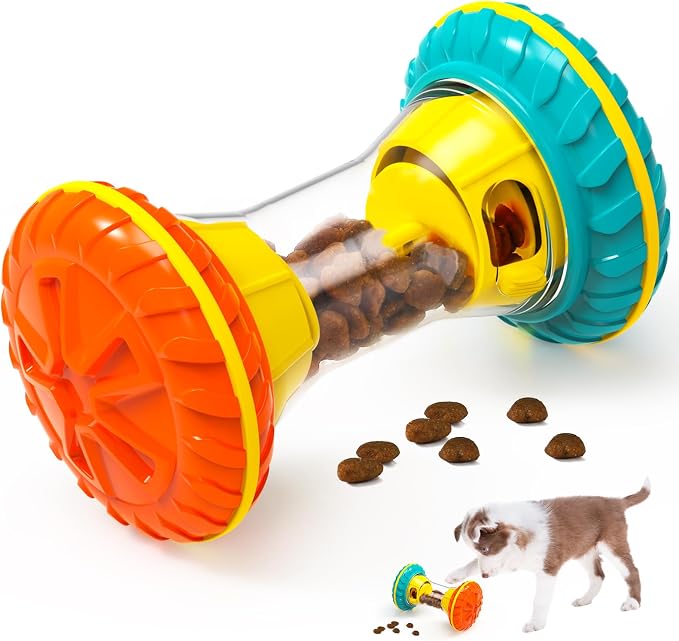 Interactive Dog Puzzle Toy, Treat Dispensing Slow Feeder And Enrichment Training Toy For Smart Dogs$50.99View on Mallflare
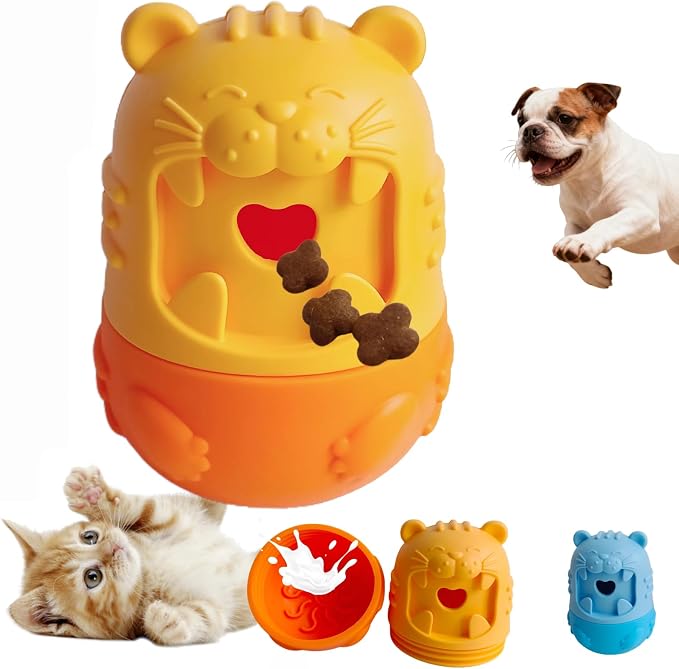 Multi-Functional Pet Snuffle Ball And Treat Dispensing Puzzle Toy, Interactive Mat For Cats And Dogs$57.99View on Mallflare
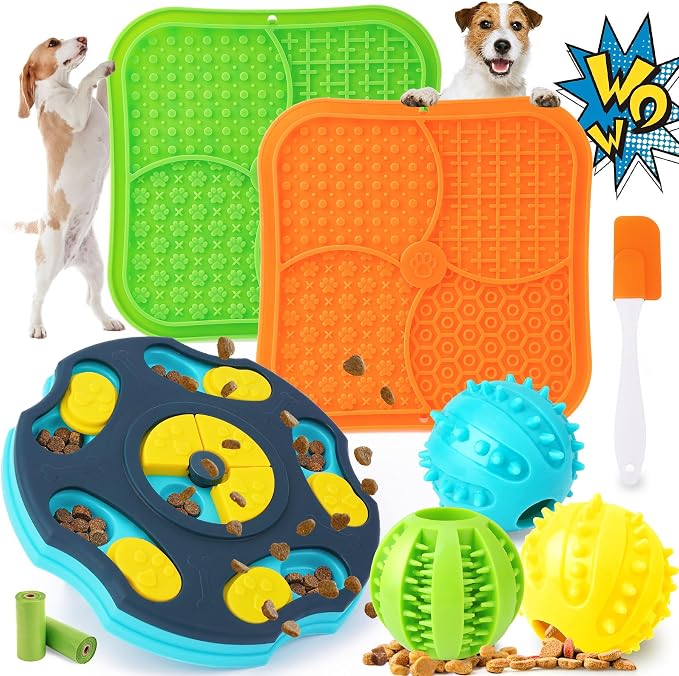 9-Pack Dog Enrichment Toy Set With Puzzle Toys And Lick Mats For Interactive Feeding And Training$62.99View on Mallflare
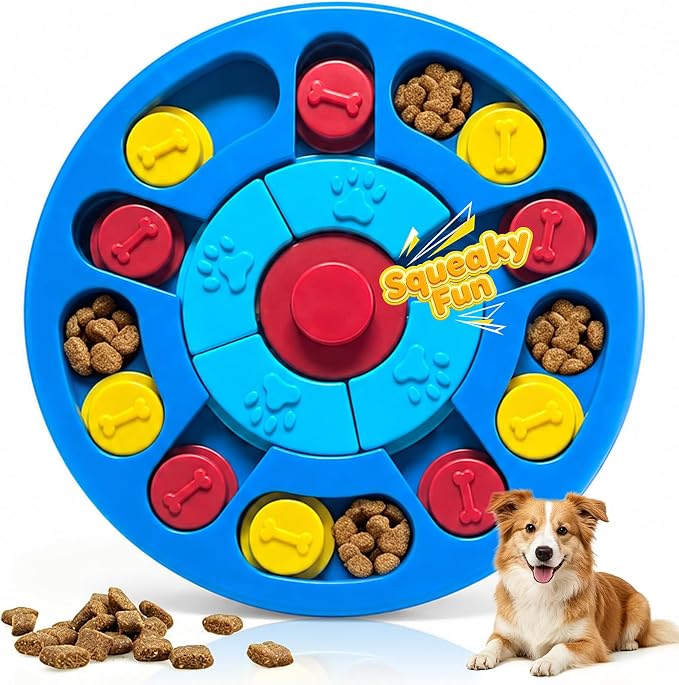 Interactive Dog Puzzle Toy, Treat Dispenser For Mental Stimulation, Enrichment And Slow Feeding$62.99View on Mallflare
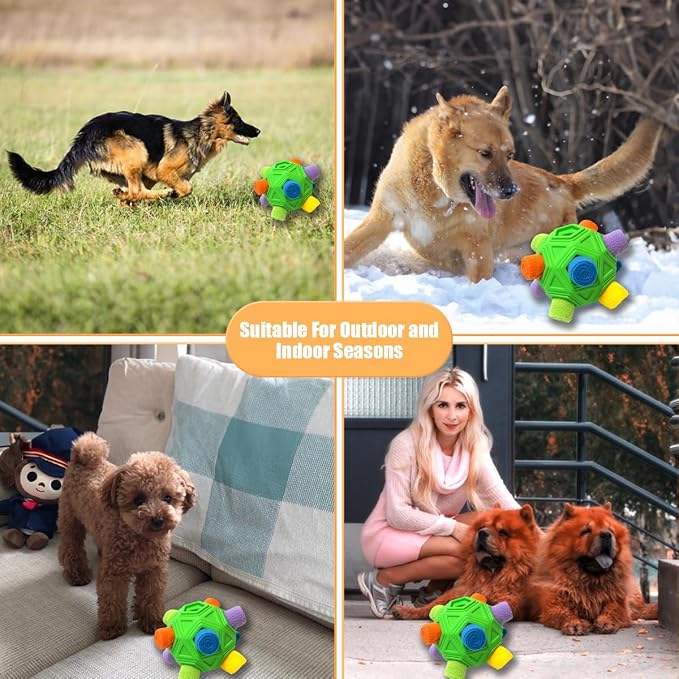 Dog Snuffle Ball Interactive Puzzle Toy With Squeaky Carrot, Slow Feeder For Natural Foraging, Training And Stress Relief$65.99View on Mallflare
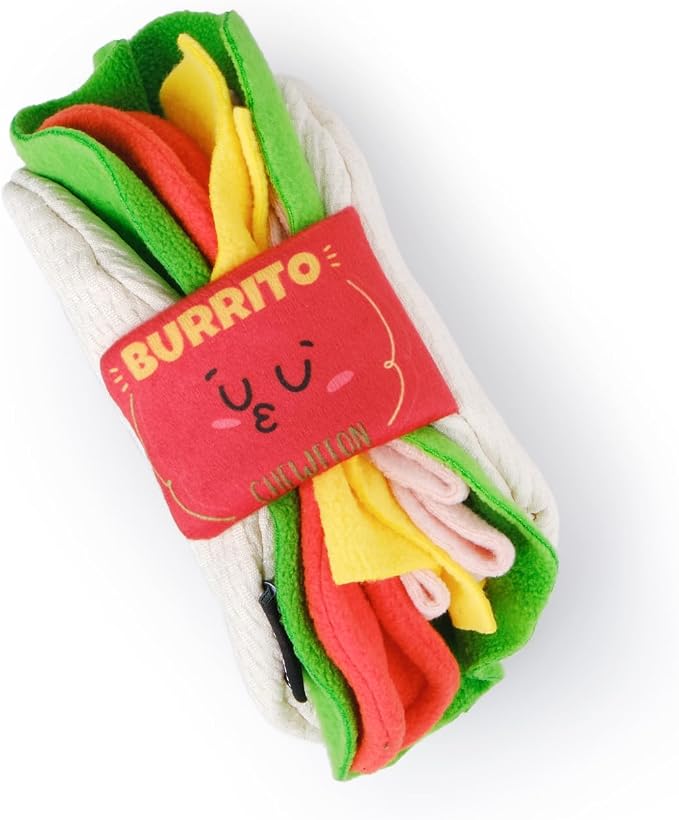 Interactive Snuffle Dog Toy, Enrichment Puzzle With Hidden Treat Pockets For Foraging, Mental Stimulation And Boredom Relief$65.99View on Mallflare
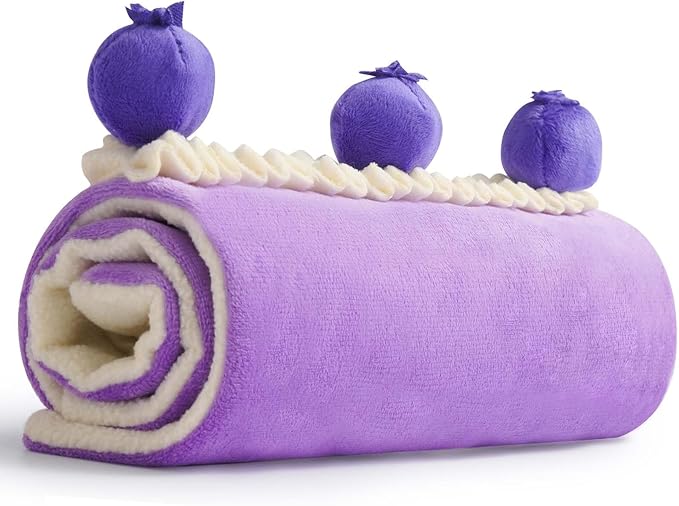 Blueberry Cake Snuffle Toy For Dogs And Puppies, Crinkle Hide-and-Seek Puzzle Enrichment Toy For Small And Medium$70.99View on Mallflare
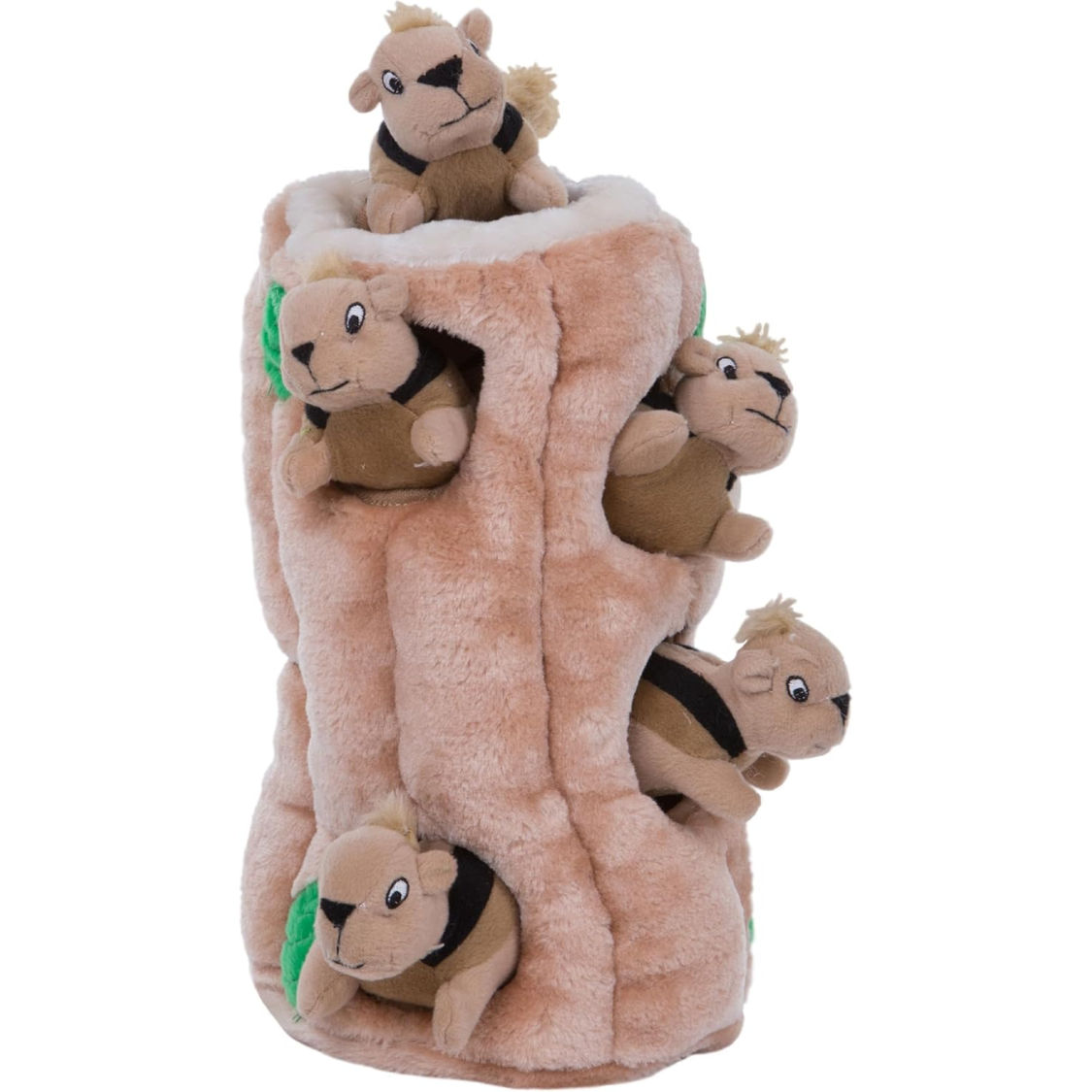 Squirrel Dog Toy Interactive 2in1 Plush Puzzle With 6 Squeaky Removable Squirrels$72.99View on Mallflare
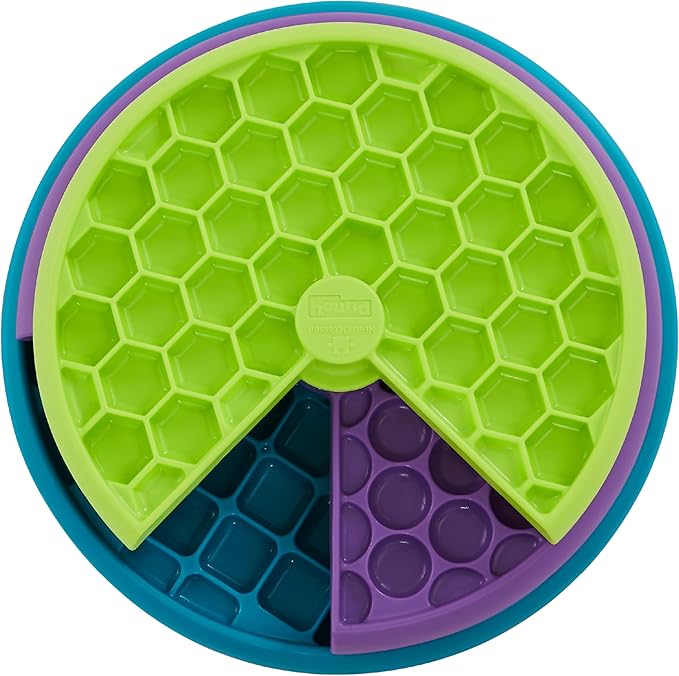 10-Inch 3-in-1 Dog Treat Puzzle Toy, Interactive Lick And Slow Feeder Enrichment Game$73.99View on Mallflare
Highlights
- Board puzzles (sliders, flaps, drawers) use ABS or PP plastic and suit gentle mouthing; rubber dispensers use natural or TPR rubber for power chewers.
- Level 1-3 systems progress from single-action (nose or paw push) to multi-step sequences; a dog that solves Level 1 in under two minutes needs Level 2 or 3 immediately.
- Treat-dispensing balls rely on adjustable hole sizes to control kibble release rate; too-large holes turn the toy into a fast feeder with no enrichment value.
- Rotating slow-bowl and lick-mat hybrids add anti-gulp feeding but are not true puzzles—they slow intake without requiring sequential problem-solving.
Best use cases
- Best fit: a food-motivated adolescent or adult dog that needs mealtime slowed and mental work—choose a level-appropriate board puzzle or adjustable dispensing ball.
- Best fit: a heavy chewer that destroys soft toys—pick a solid natural-rubber treat ball with thick walls and no removable plastic parts, and skip any board with sliders or flaps.
- Wrong fit: a dog already solving advanced puzzles quickly—skip Level 1 boards and move directly to Level 3 multi-step or rotating composite feeders.
- Wrong fit: a flat-faced (brachycephalic) or senior dog with limited paw dexterity—choose nose-push or snuffle-style dispensers, and skip lift-and-flip board puzzles.
Buying tips
- Measure your dog's muzzle width: board puzzle channels and flap gaps must exceed the muzzle width by at least 1 inch, or the dog cannot reach treats and abandons the toy.
- Choose natural rubber or thick TPR (minimum 5 mm wall) for chewers; rigid ABS boards are for supervised nose-work only and crack under sustained biting.
- For dispensing balls, verify adjustable aperture sizing: small kibble (under 8 mm) needs a narrow setting, or treats fall out instantly and the puzzle becomes a feeder.
- Match complexity to solve speed: if your dog clears a Level 1 board in under 2 minutes, buy Level 2-3; a Level 1 board for an experienced dog causes frustration and disengagement.
Specs
| Puzzle Type | Board / Dispenser Ball / Composite |
|---|---|
| Difficulty Level | Level 1-3 sequential actions |
| Material Grade | ABS/PP plastic vs natural rubber/TPR |
| Chew Suitability | Gentle mouthing vs power chewer |
Related searches
What to check before buying
- Confirm your dog's chew style (gentle mouthing vs. destructive chewing) before choosing plastic board vs. rubber dispenser.
- Measure floor space: board puzzles need a stable, non-slip surface at least twice the board's footprint; carpet or a rubber mat prevents sliding.
- Check dishwasher-safety claims only on solid rubber or sealed plastic toys; hollow board puzzles with moving parts trap food residue and need hand-washing.
- Verify treat size compatibility: kibble diameter must pass through the toy's smallest opening, or load soft paste or small training treats instead.
FAQ
Data sources: eBay / Amazon listings and product attribute feeds. Updated Nov 27, 2026.
Some links on this page are affiliate links. If you buy after clicking one, we may earn a commission at no extra cost to you. This does not change which products appear here or their order. Affiliate disclosure.