
Photos from current listings. Actual item, color, and included accessories may vary.
Chew Toy Aggressive Chewer Buying Guide
Aggressive-chewer chew toys are purpose-built rubber or nylon objects engineered to survive repeated high-pressure biting without fragmenting into swallowable pieces. The core trade-off is hardness versus safety: harder thermoplastics outlast jaws but risk cracked teeth, while softer natural rubbers stay safe but get destroyed quickly. The decision rule is to match material hardness (Shore A) and a documented chew-strength rating to your dog's bite force and size, and to skip any toy without a visible safety rating or that is too small to pass the choke test.
Median $43.99 · New listings
Key takeaways
- Natural rubber (Shore A 45-60) flexes and resists punctures; hard nylon (Shore D 70+) survives power chewers but is tooth-abrasive and can crack molars in older dogs.
- Chew-strength tiers are real: standard rubber suits 10-25 lb dogs, thick-wall rubber or nylon handles 25-70 lb, and solid nylon or reinforced rubber is required for 70+ lb power chewers.
- Construction matters more than shape: seamless molded walls over 8 mm thick and reinforced core inserts outlast hollow squeakers and thin latex, which fail within minutes.
At a glance
- Category
- Pet Toys
- Last updated
- Nov 27, 2026
Current offers
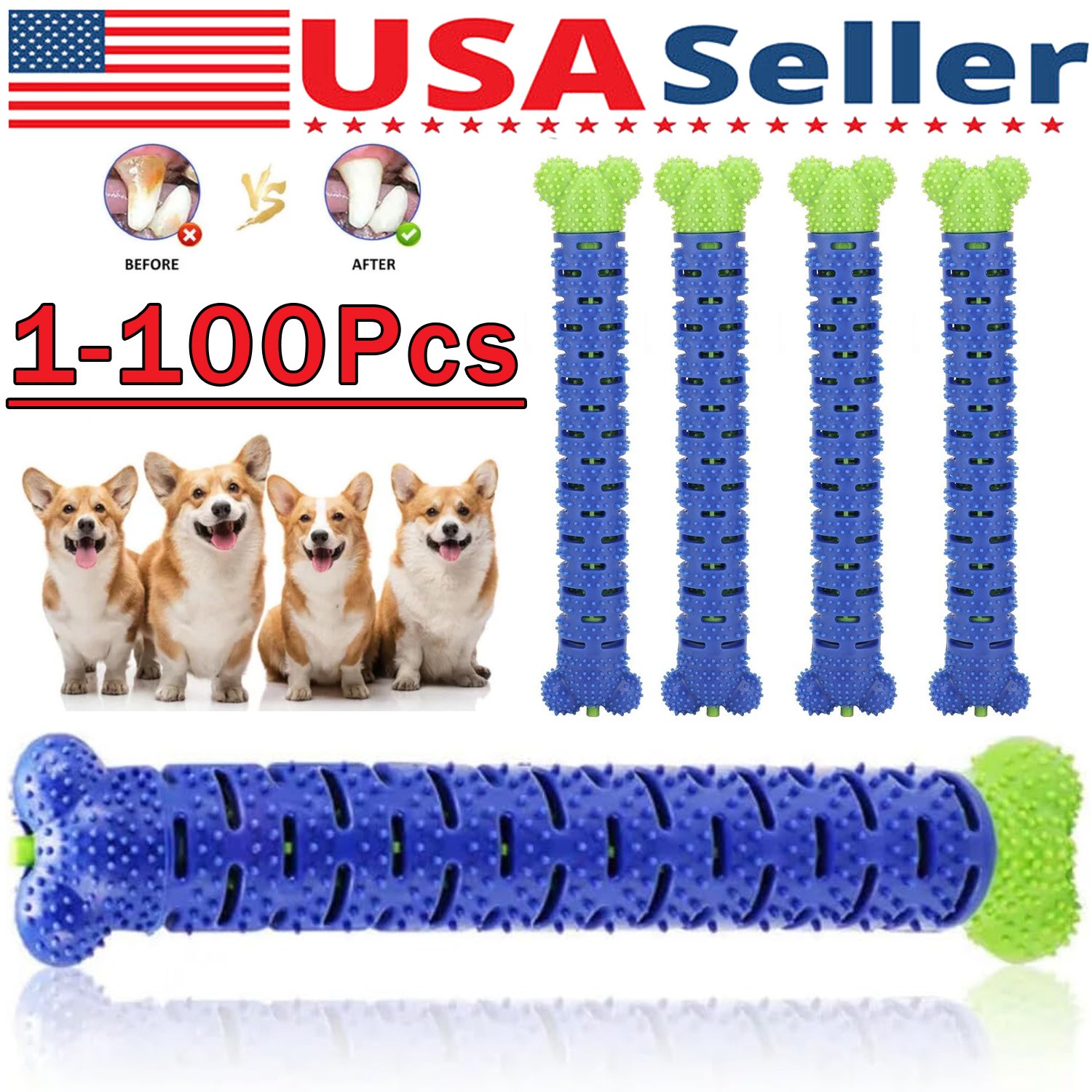 Chew Toy Dog Puppy Toothbrush Molar Tooth Cleaning Doggy Brushing Instrument Lot$352.51New · Last checked Nov 17, 2026View on eBay
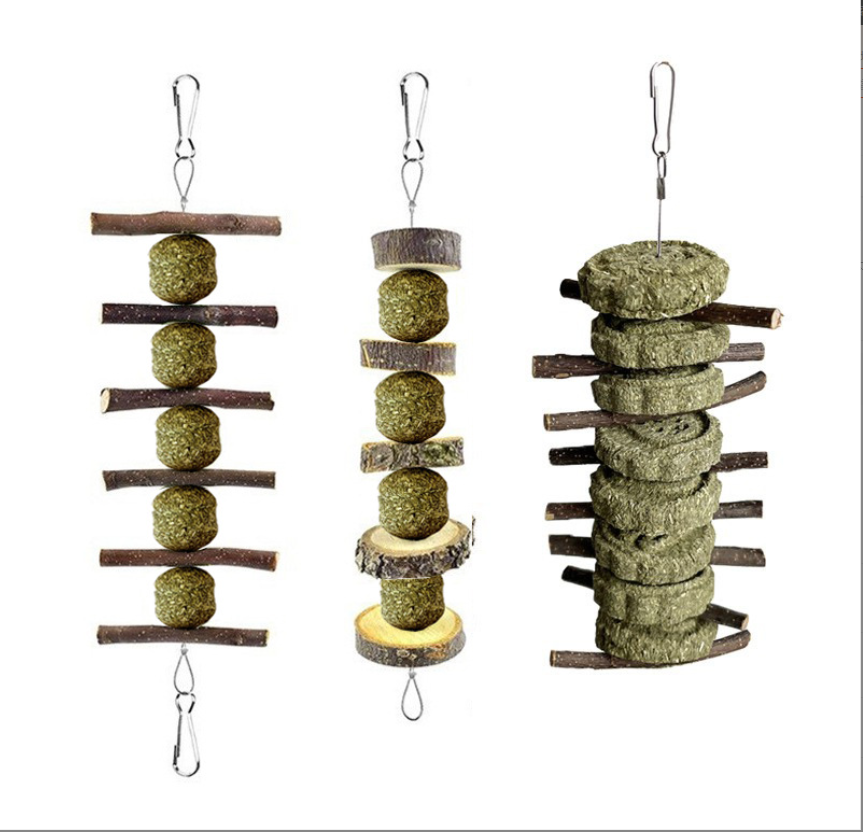 Rabbit Chew Toys, 3PCS Pet For Chinchilla Hamster Molars Apple Sticks Grass Ball , Cake Skewer For$11.99View on Mallflare
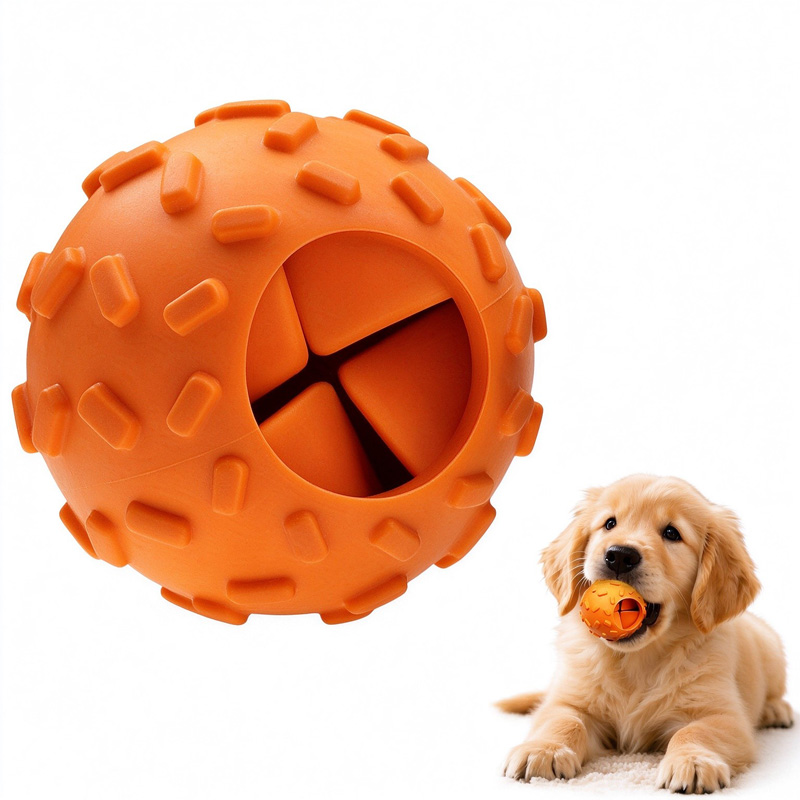 Dog Treat Dispenser Toy Ball, Durable Rubber Teeth Grinding Chew Toy, Interactive Puzzle Leakage For Dogs$16.99View on Mallflare
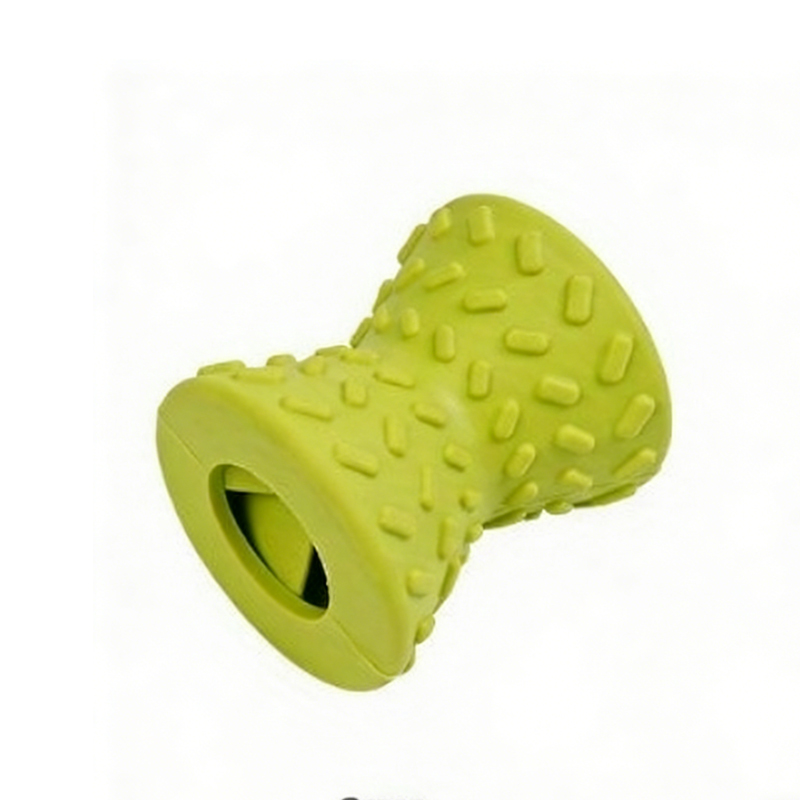 Natural Rubber Chew Toys,Dog Toys For Aggressive Chewers, Dog For Medium Large Dogs, For Traning$17.99View on Mallflare
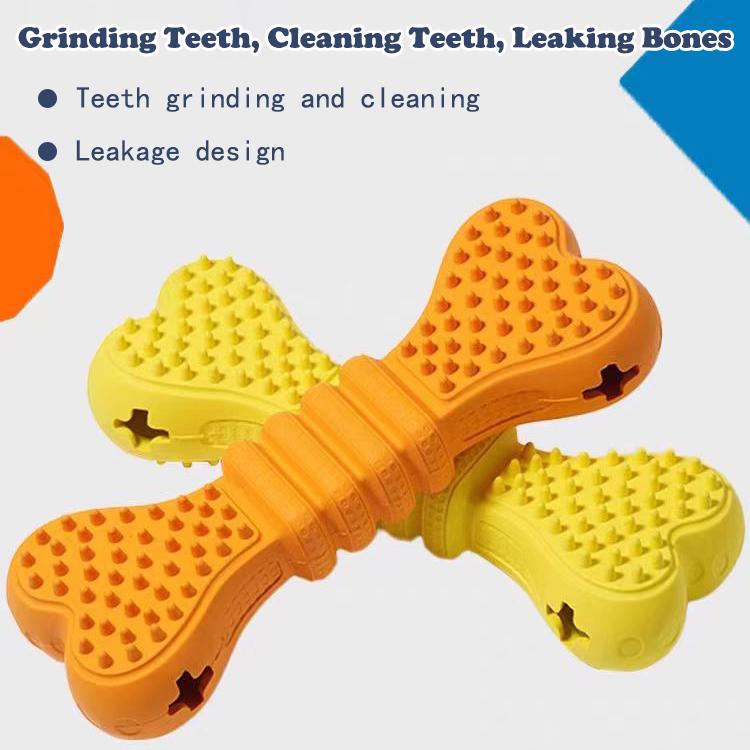 Dog Chew Toys Two-pack Dog Toothbrush Care Cleaning Stick For Dog Dental Safe Tooth Protection And Suitable For Large, Medium And Small Dogs And Puppies Sticks$19.99View on Mallflare
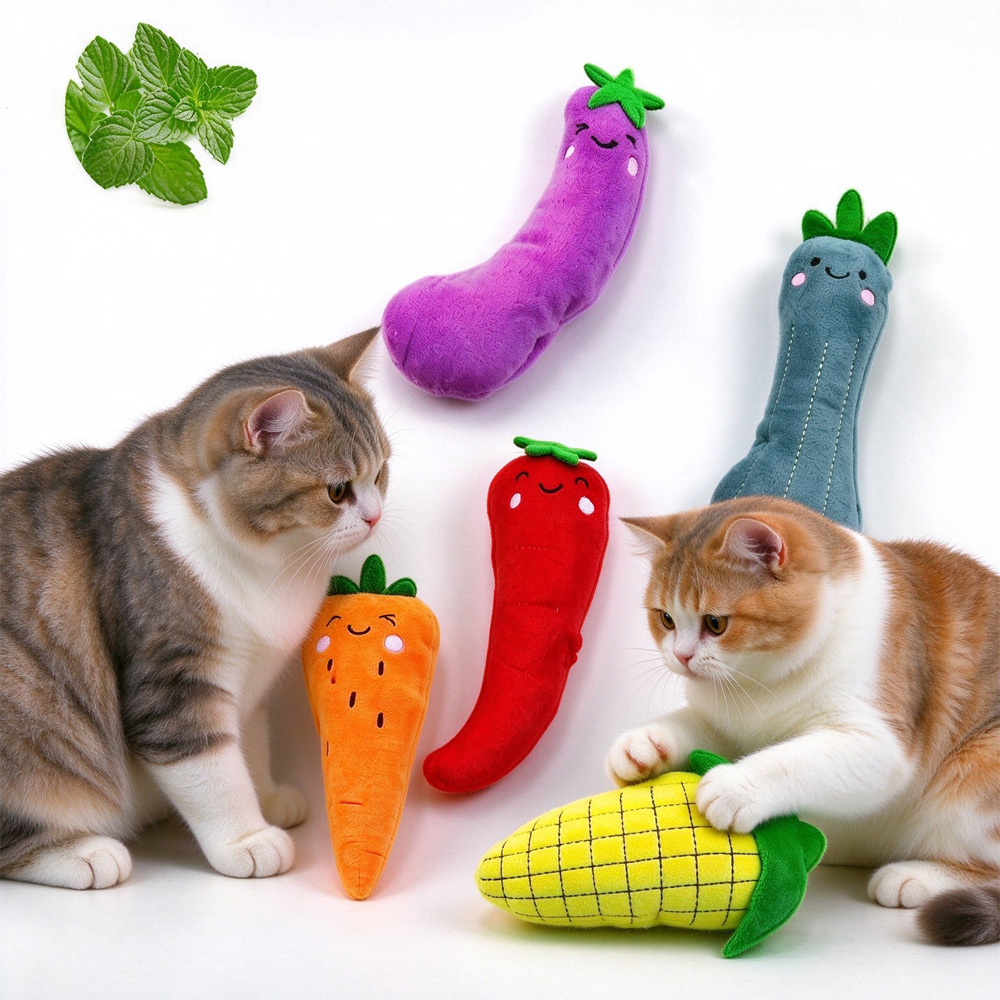 5 Pack Vegetable Catnip Plush Toys, Cute Kicker Chew For Indoor Cats$20.99View on Mallflare
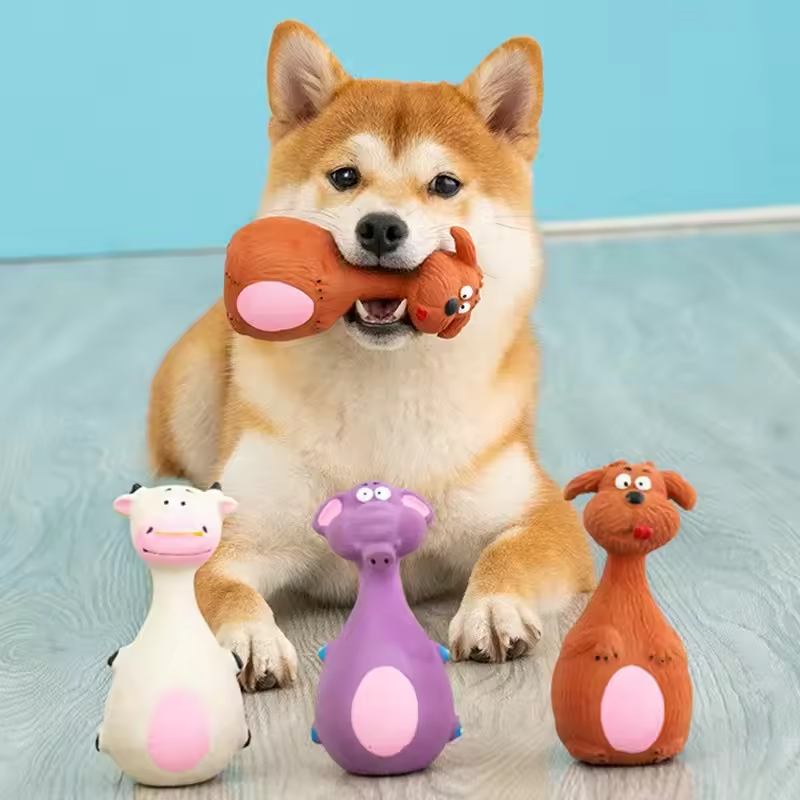 4pcs Cute Latex Dog Chew Toys With Sound, Interactive Biting For Dental Health, Puppy Teething Pet Supplies$28.99View on Mallflare
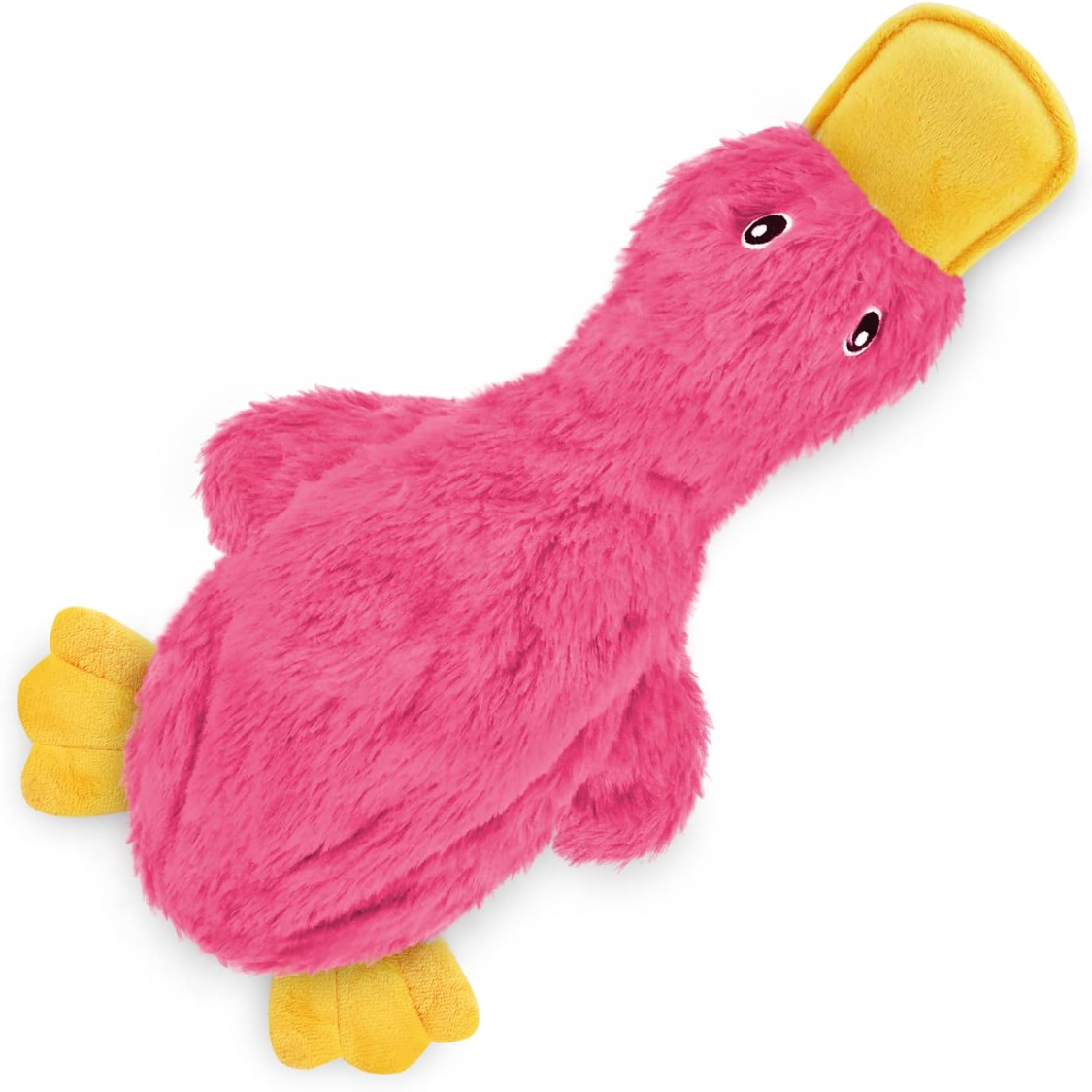 Best Pet Supplies Interactive Squeaky Dog Chew Toy, Ideal Dog Toys For Chewers, Small, Medium Large Dogs, And Fetch Lovers$35.99View on Mallflare
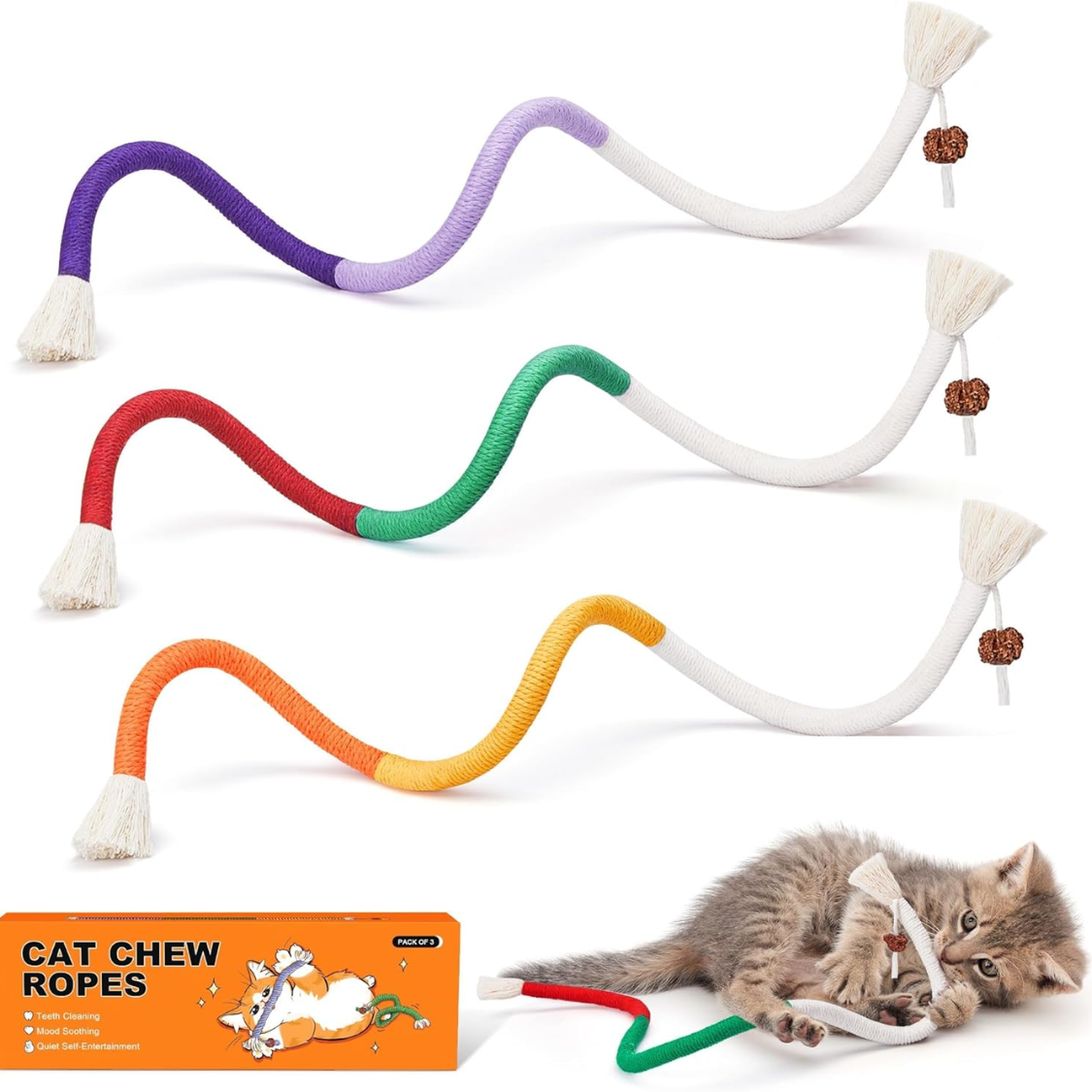 Cat Toys Chew Ropes 3Pcs With Refillable Natural Catnip$38.99View on Mallflare
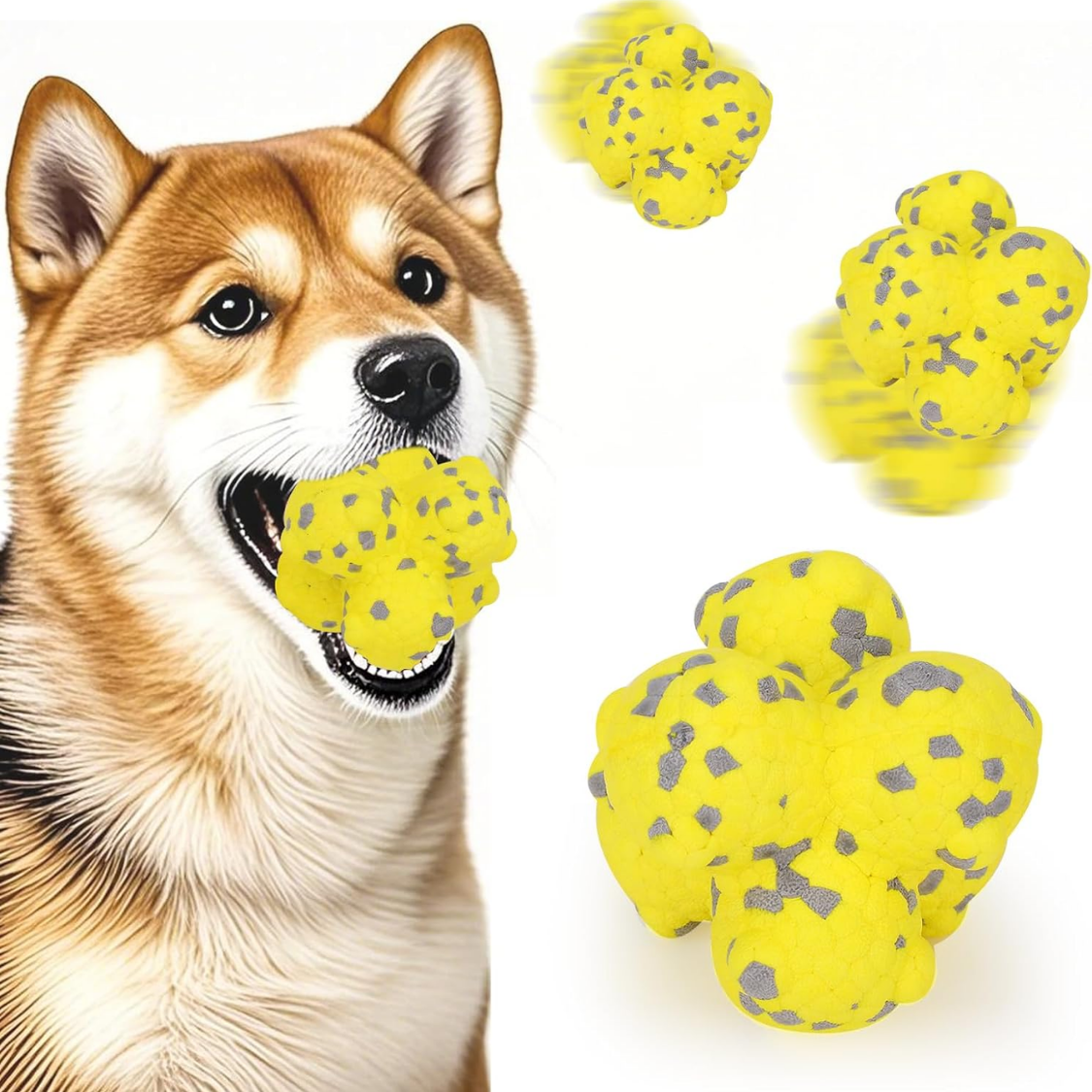 Dog Spike Ball Toy Tough ETPU Interactive Chew For Aggressive Chewers Floating Fetch Teeth Cleaning Puppy & Dog Toy Compatible With Launcher$40.99View on Mallflare
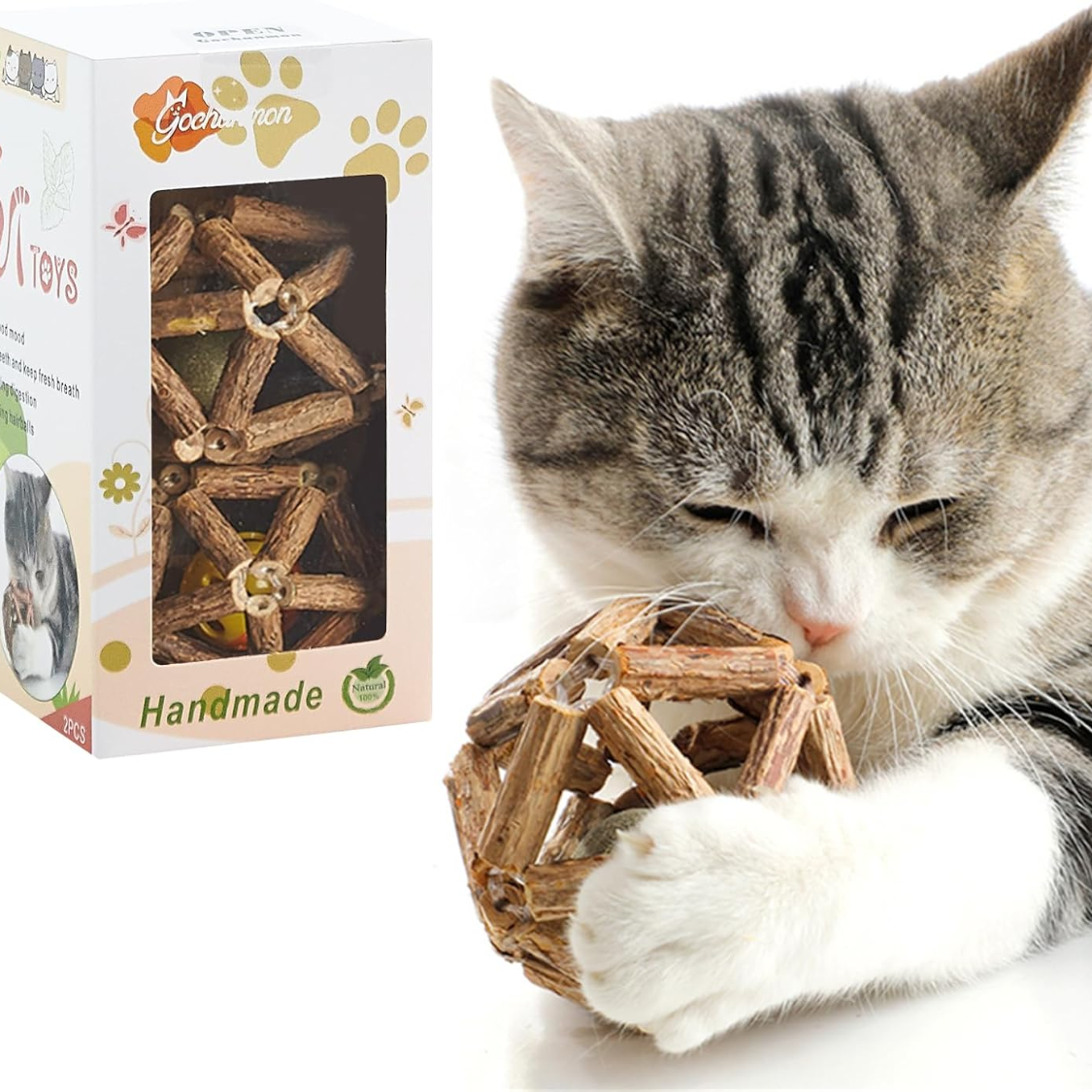 Natural Silvervine Stick Catnip Ball Bell Cat Toys For Indoor Cats- Cleaning Teeth Molar Tools Cat Chew$43.99View on Mallflare
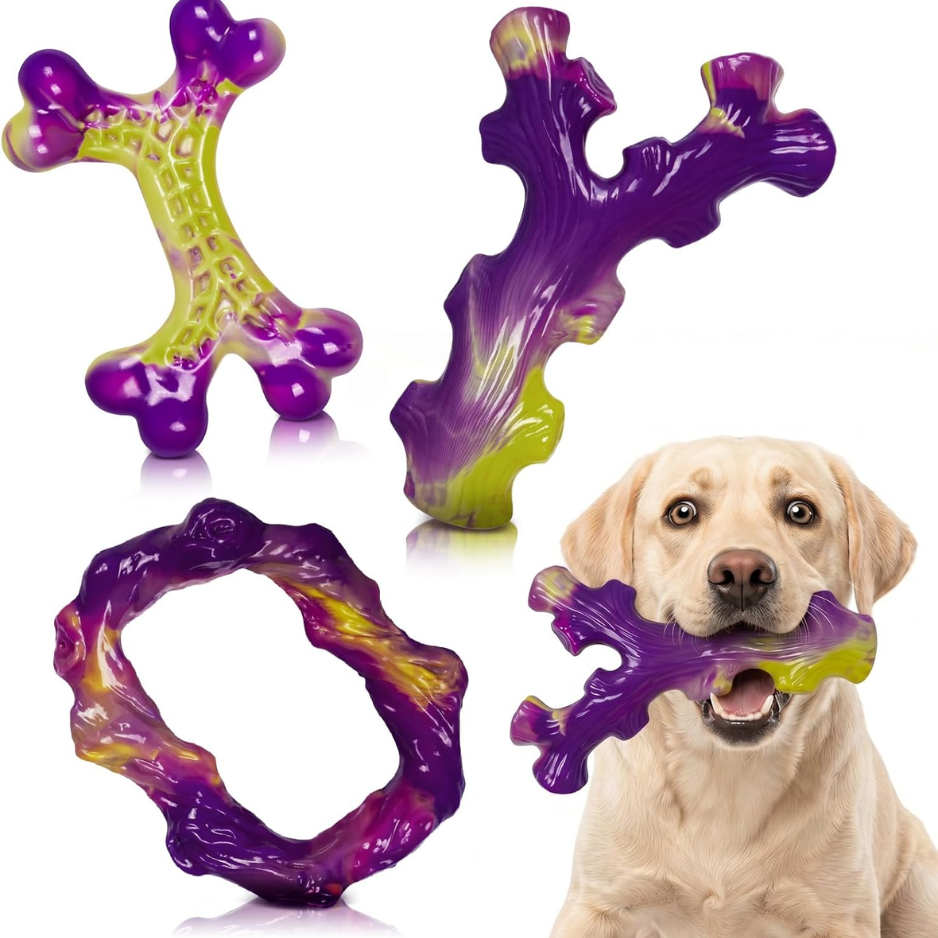 Tough Dog Toys For Aggressive Chewers 3 Pack, Indestructible Dog For Large Dogs, Dog Chew To Keep Them Busy$44.99View on Mallflare
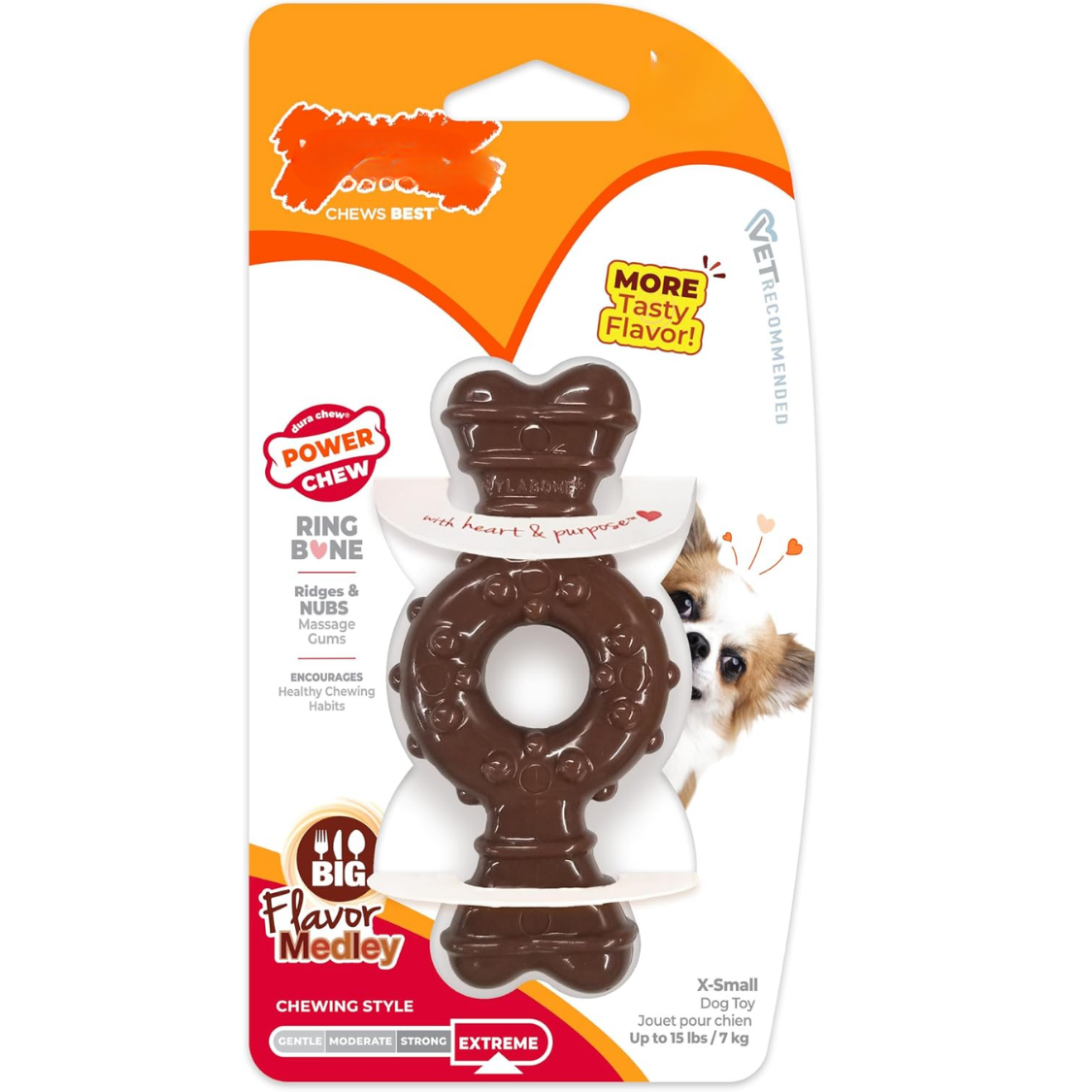 Power Chew Ring Bone Dog Toy Flavor Medley, XSmall Durable Toy For Aggressive Chewers$54.99View on Mallflare
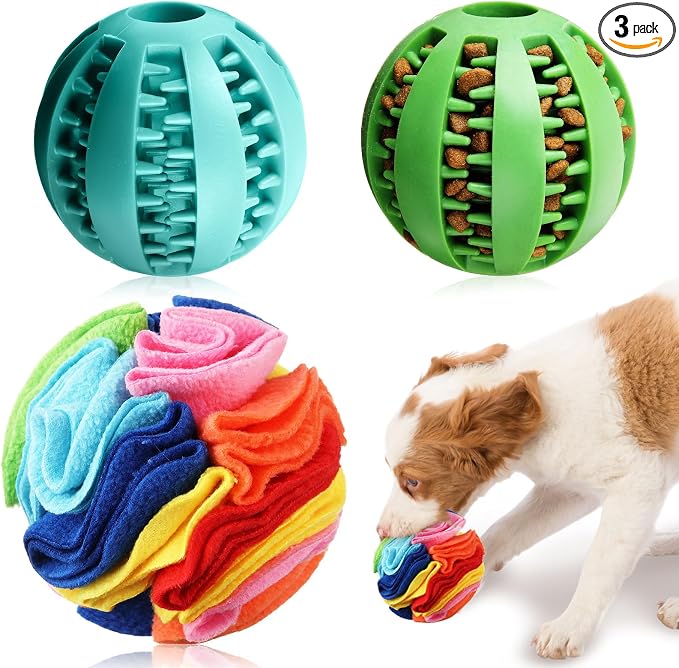 3-Piece Puppy Chew & Snuffle Toy Set With Treat Balls, Interactive Foraging Training Toys For Small And Medium Dogs$62.99View on Mallflare
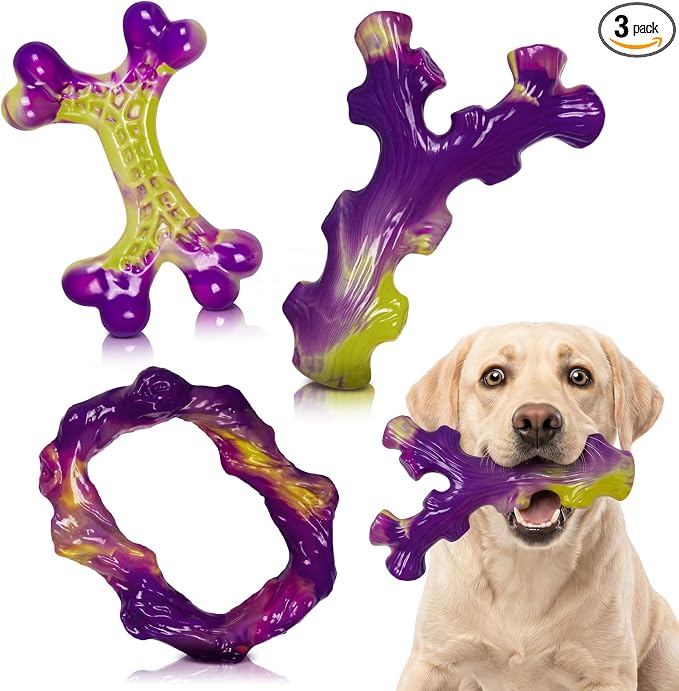 3-Pack Tough Dog Chew Toys For Aggressive Chewers Durable Interactive For Medium Large Dogs$63.99View on Mallflare
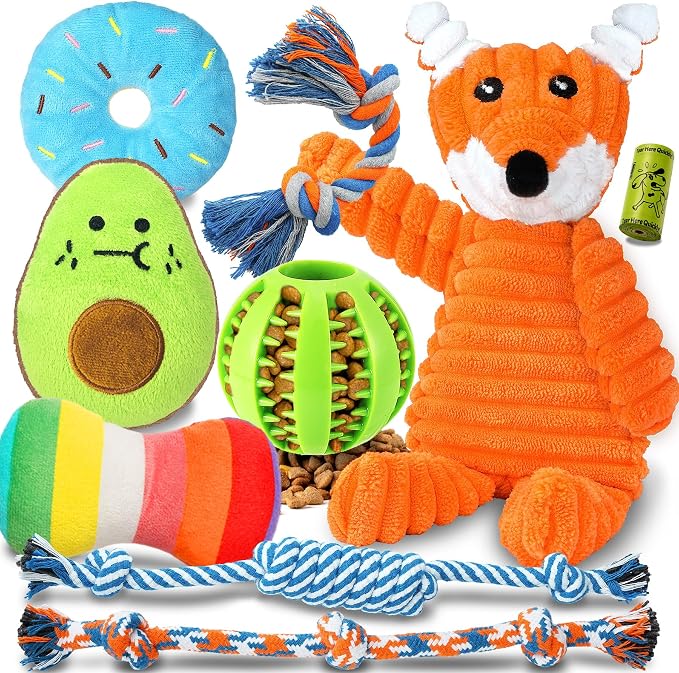 9-Piece Puppy Toy Set For Small Dogs, Including Teething Chew Toys, Cute Squeaky Balls, And Rope For Playtime And Dental Care$81.99View on Mallflare
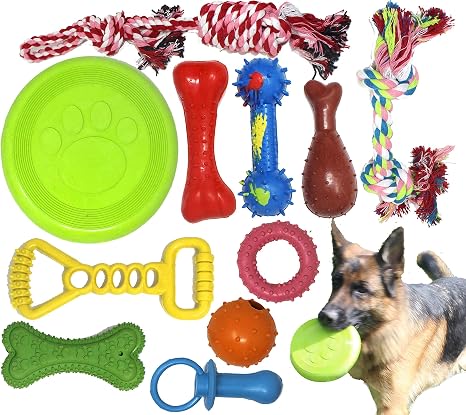 Natural Rubber Dog Chew Toy Set With Ball And Rope For Small To Medium Dogs And Puppies$98.99View on Mallflare
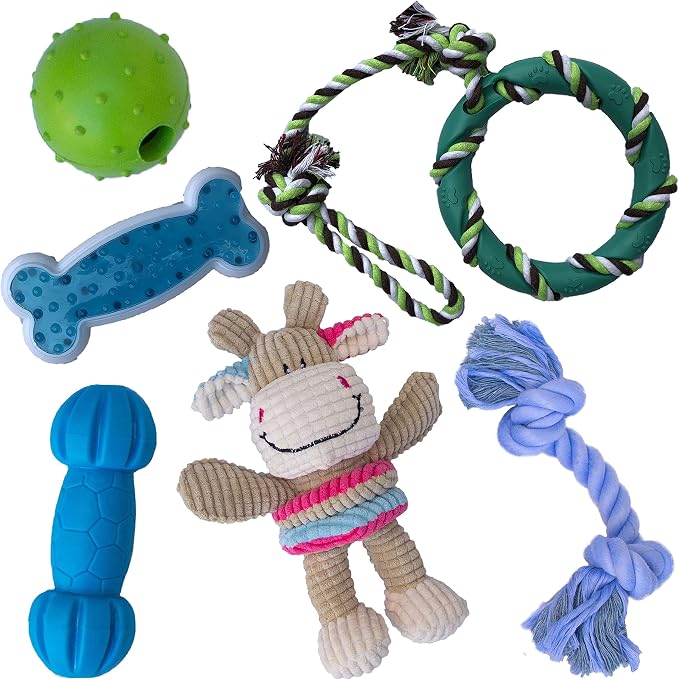 6-Piece Natural Rubber Puppy Chew Toy Set For Teething$98.99View on Mallflare
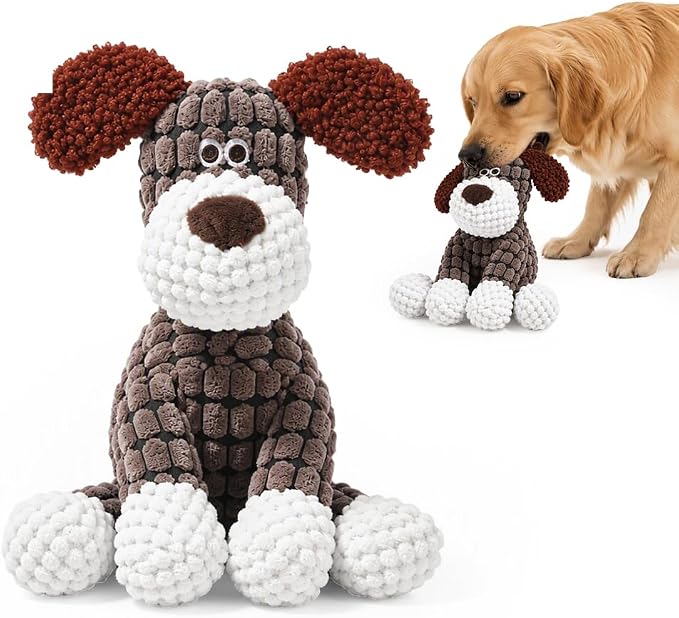 Durable Plush Squeaky Dog Chew Toy, Tough Interactive Pet Toy For Active And Strong Chewers$106.99View on Mallflare
Highlights
- Natural rubber (Shore A 45-60) flexes and resists punctures; hard nylon (Shore D 70+) survives power chewers but is tooth-abrasive and can crack molars in older dogs.
- Chew-strength tiers are real: standard rubber suits 10-25 lb dogs, thick-wall rubber or nylon handles 25-70 lb, and solid nylon or reinforced rubber is required for 70+ lb power chewers.
- Construction matters more than shape: seamless molded walls over 8 mm thick and reinforced core inserts outlast hollow squeakers and thin latex, which fail within minutes.
- Xylitol-free, BPA-free, and phthalate-free formulations are essential; natural rubber or food-grade TPR is safer than recycled plastic blends that splinter.
Best use cases
- Best fit: a 60-90 lb Labrador or Pit-mix that destroys plush toys in minutes needs a solid natural-rubber or nylon chew with a stated 70+ lb rating and no hollow cavities.
- Wrong fit: a 12-week-old puppy or senior dog with fragile deciduous teeth should skip hard nylon entirely and use soft rubber teething toys to avoid enamel damage.
- Best fit: a moderate chewer under 30 lb does well with thick-wall rubber treat-dispenser balls that combine mental enrichment with safe, resilient chewing.
- Wrong fit: a dog that swallows chunks should never get rope or fabric chew toys; choose one-piece molded rubber with no glued seams or attached parts.
Buying tips
- Use the 10-minute rule: if your dog hasn't visibly dented the toy in 10 minutes of hard chewing, it's the right hardness tier; if it's punctured, size up to nylon or a thicker wall.
- Size the toy larger than your dog's muzzle: a toy shorter than 1.5x the muzzle length is a choking hazard and will be swallowed during aggressive chewing.
- Match material to jaw: natural rubber for moderate chewers, nylon or reinforced rubber for power chewers over 50 lb, and never latex or thin TPR for any aggressive chewer.
- Look for a stated chew-strength rating and safety standard on the packaging; toys without a lb/kg rating or material grade are unverified and risky for strong jaws.
Specs
| Chew Material | Natural rubber / nylon / TPR |
|---|---|
| Hardness Rating | Shore A 45-60 rubber; Shore D 70+ nylon |
| Chew Strength Tier | Standard / Power / Extreme (lb-rated) |
| Safety Standard | BPA-free, phthalate-free, xylitol-free |
Related searches
What to check before buying
- Measure your dog's muzzle length and weight: choose a toy at least 1.5x muzzle length and rated for at least 10 lb above your dog's weight.
- Confirm the material grade (natural rubber Shore A, nylon Shore D, or food-grade TPR) and check it is BPA-, phthalate-, and xylitol-free.
- Inspect for hollow cavities, glued seams, squeaker holes, or attached fabric; these are failure points that aggressive chewers exploit first.
- Verify the toy passes the choke test (larger than the dog's throat) and has no small removable parts before giving it unsupervised.
FAQ
Data sources: eBay / Amazon listings and product attribute feeds. Updated Nov 27, 2026.
Some links on this page are affiliate links. If you buy after clicking one, we may earn a commission at no extra cost to you. This does not change which products appear here or their order. Affiliate disclosure.