
Photos from current listings. Actual item, color, and included accessories may vary.
Pet Health Supply Buying Guide
Pet health supply covers consumable and durable products that maintain or improve an animal's hygiene, digestion, skin, coat, dental, and record-keeping health—from probiotic chews and ear cleaners to paw balms and health-record cards. The core trade-off is between active-ingredient dosage and delivery format (chew, powder, liquid, cream) versus cost per day and palatability or ease of application, not between brands. Pick vet-formulated chews or powders with guaranteed CFU or active percentages for internal use, and choose pharma-grade topical creams or self-cleaning tools for external maintenance; skip unlabeled, scent-heavy, or single-ingredient items for therapeutic needs.
Median $22.99
Key takeaways
- Probiotic chews are dosed by CFU count and day supply: 30-day bags typically deliver 1–5 billion CFU per chew, while 60- and 90-day multi-packs lower cost per day but demand airtight storage to preserve live cultures.
- Ear cleaners use either drying acidic formulas (for routine wax control) or medicated antiseptic solutions (for active infections); flapless squeeze bottles and cotton pads are required for safe application.
- Paw and nose balms are graded by wax type—beeswax and shea butter provide occlusive barriers for winter salt and hot pavement, while lighter shea-only sticks suit routine moisturizing without residue.
At a glance
- Category
- Pet Health
- Last updated
- Nov 27, 2026
Current offers
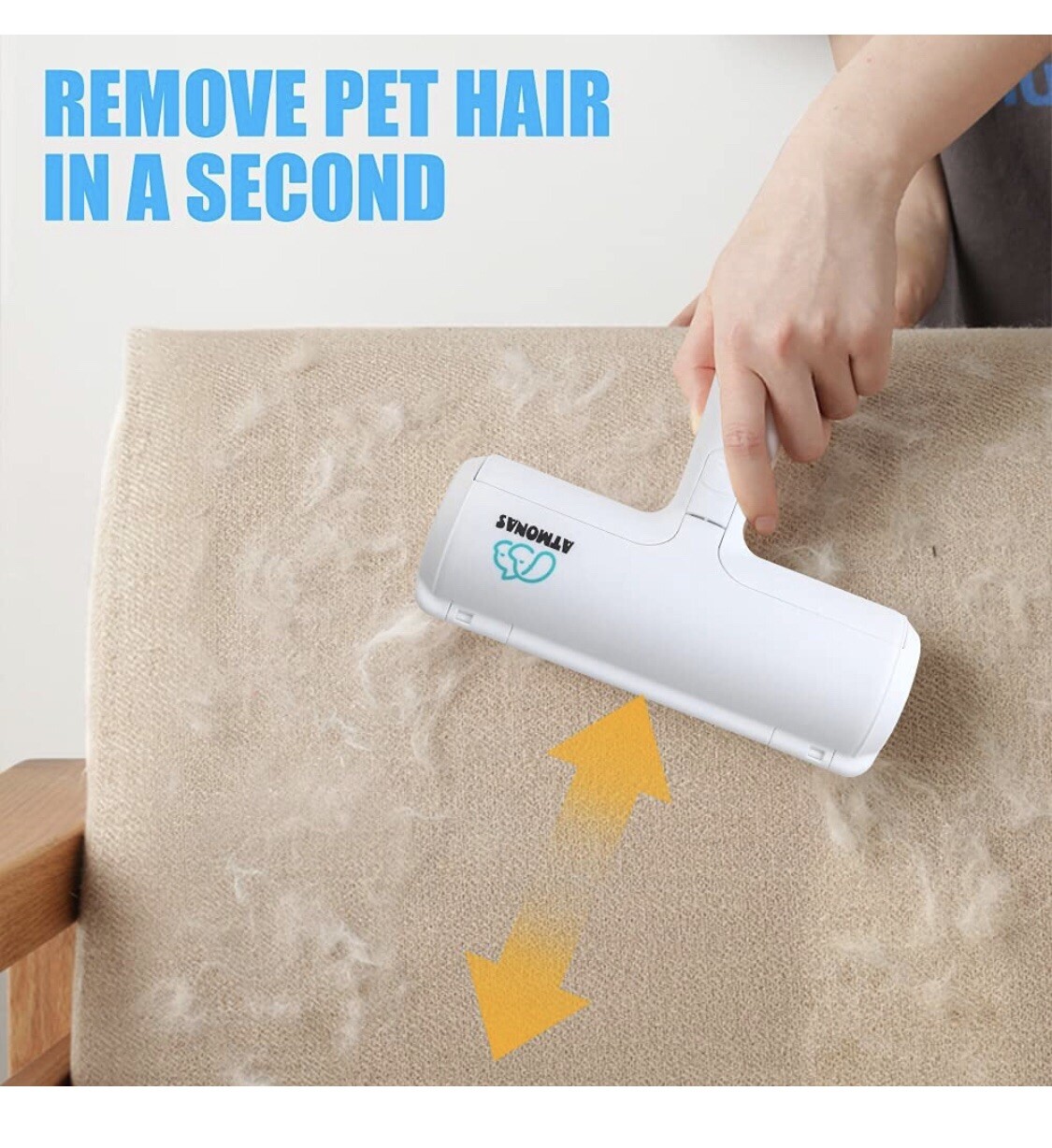 Atmonas Pet Health Supplies Hair Remover, with Self-Cleaning, Efficient Cat$5.98Last checked Nov 18, 2026View on eBay
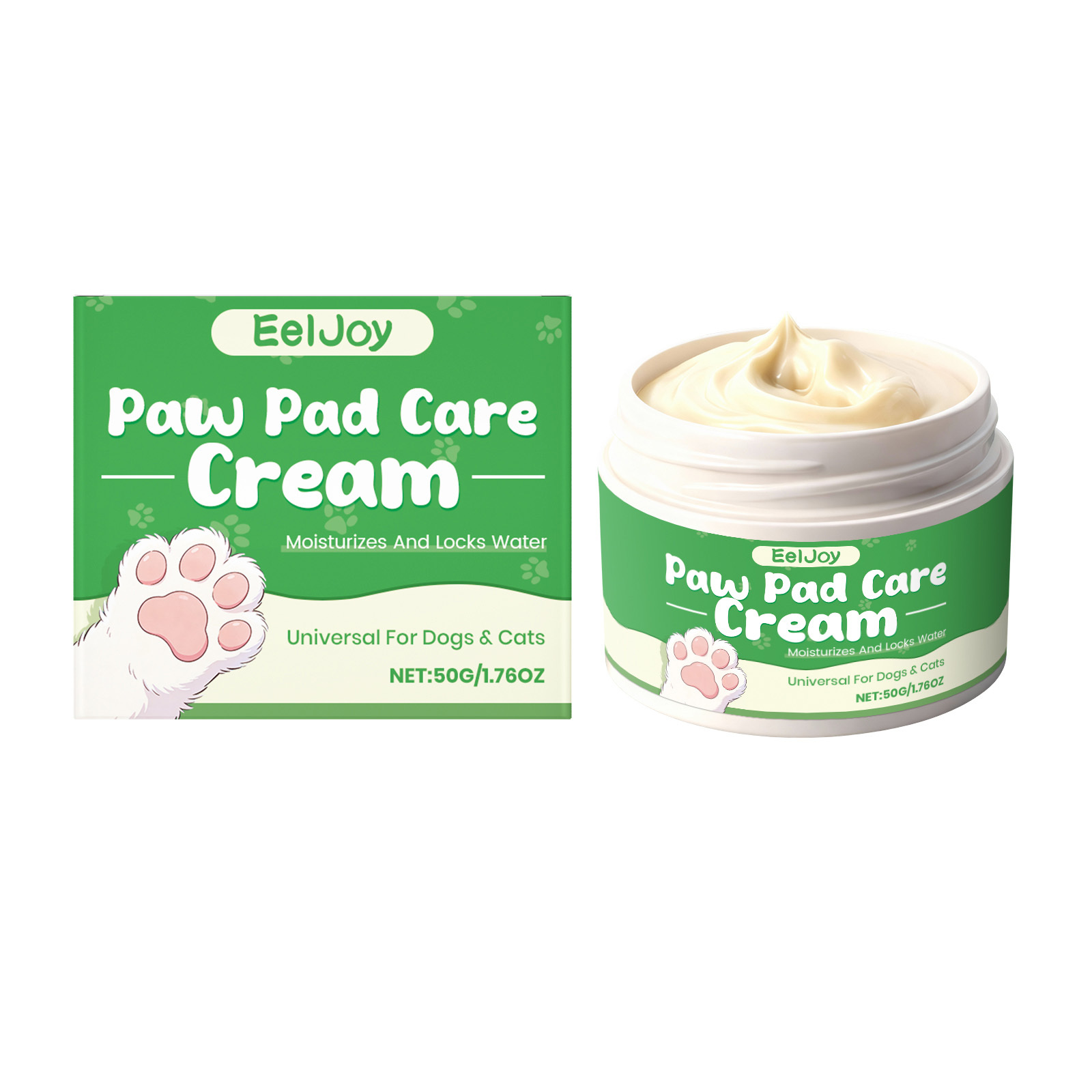 Health Supplies Pet Nail Care Cream - Moisturizing Pads For Pets. The$21.99View on Mallflare
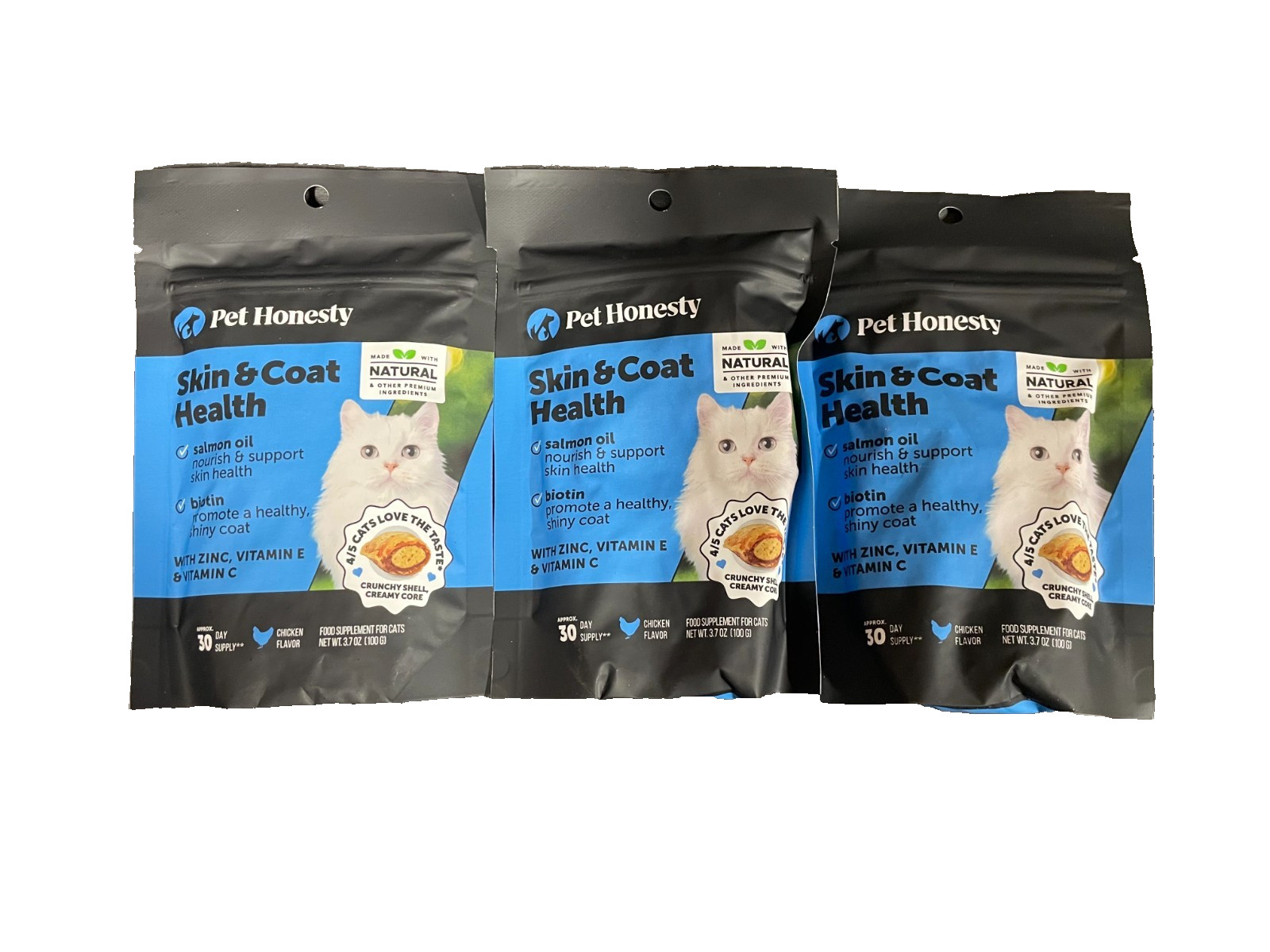 Pet Honesty Cat Skin & Coat Health Chews 30 day supply - 3 bags (90 day total)$16.95Last checked Nov 19, 2026View on eBay
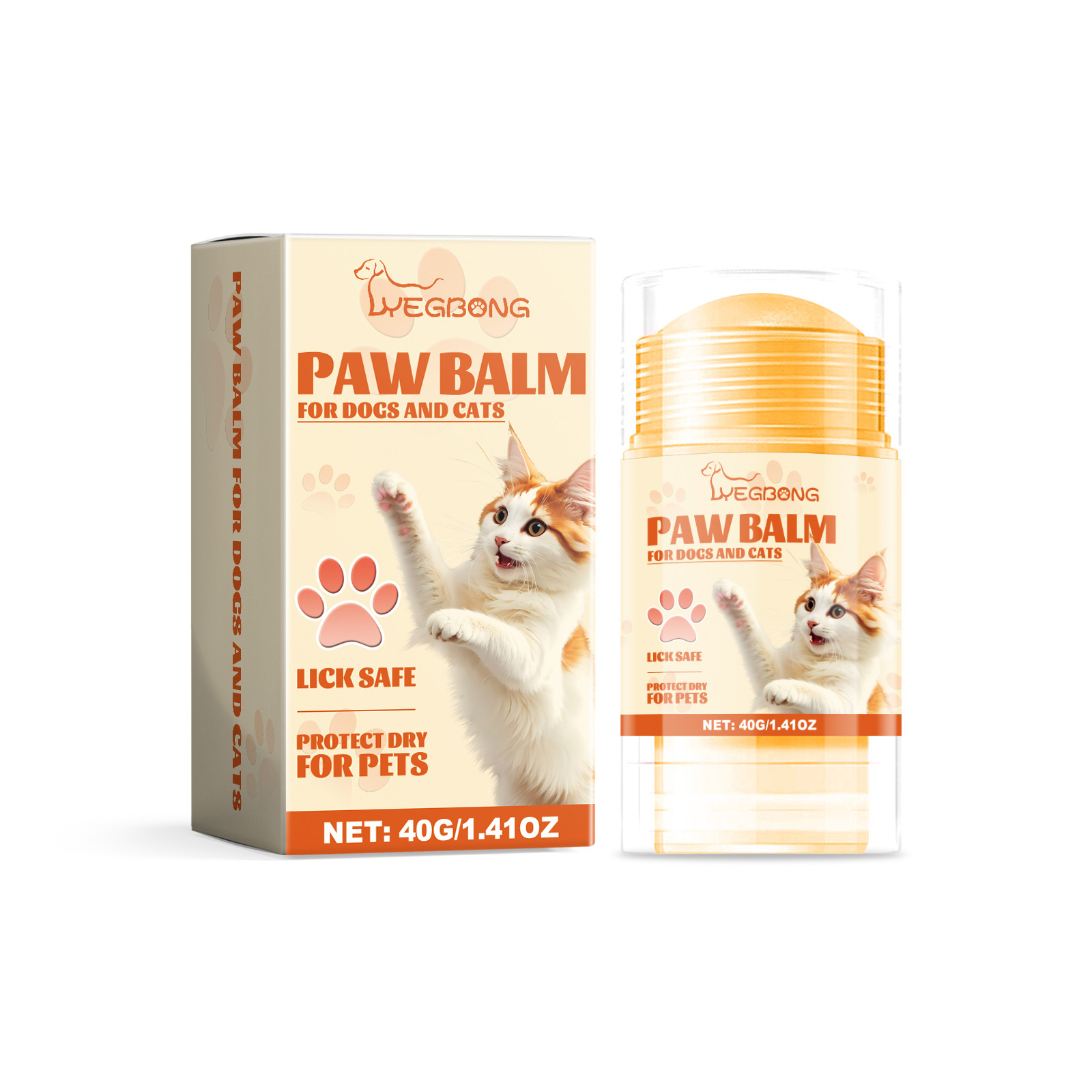 Health Supplies Love Pet Paw Care Stick$22.99View on Mallflare
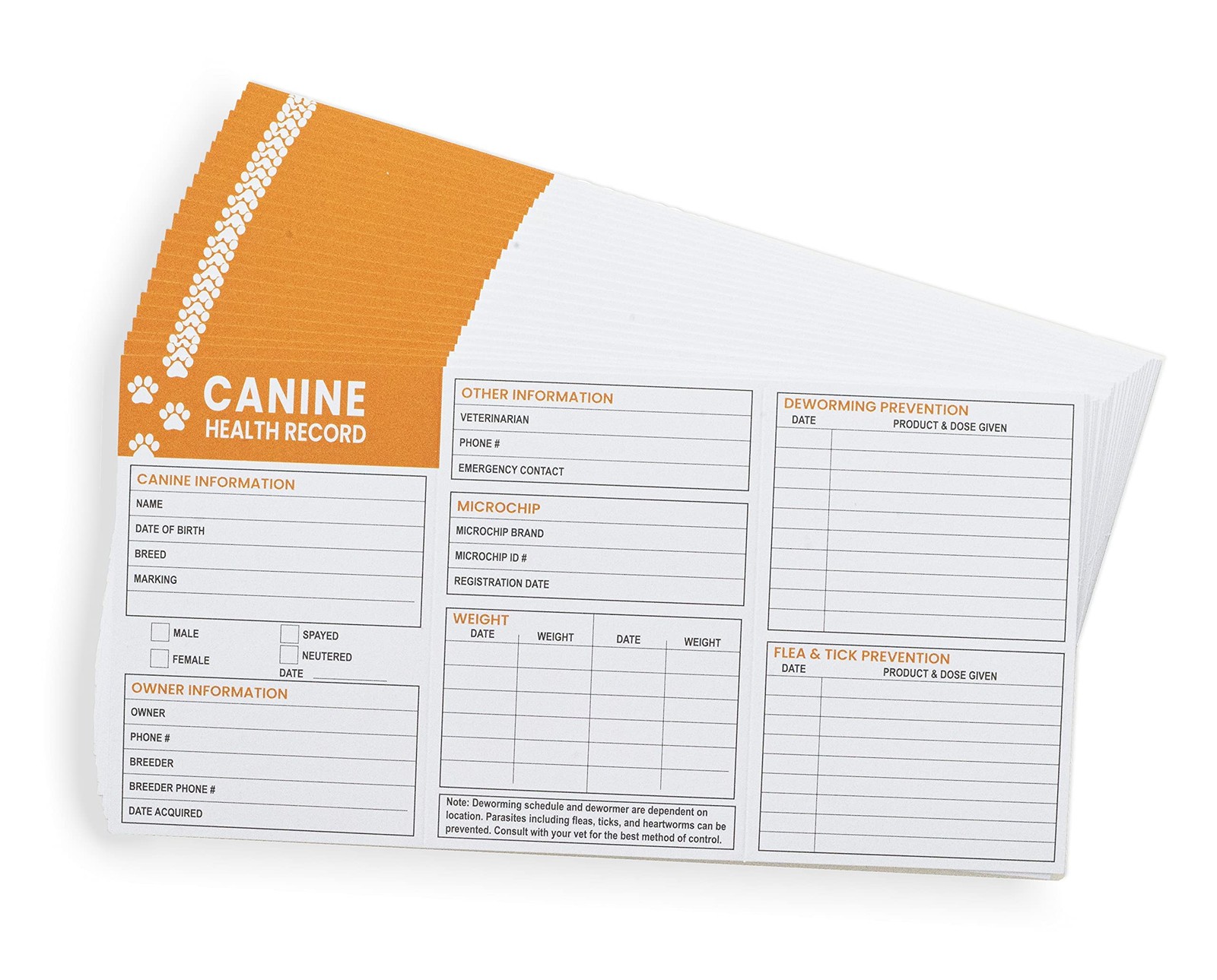 Good|Harbor Pet Supplies | (25 Pack) Premium Canine Health Record Pack of 25$18.25Last checked Nov 26, 2026View on eBay
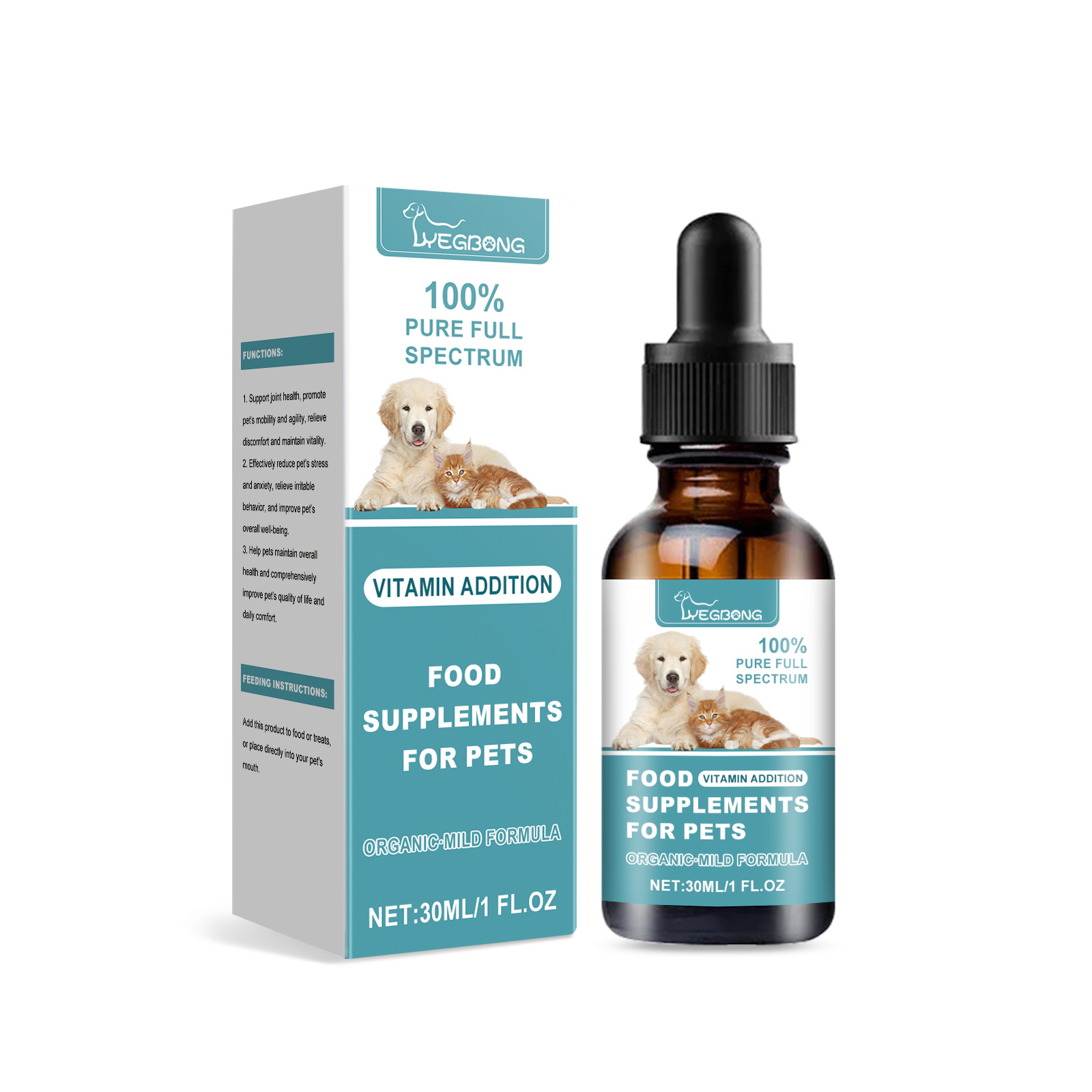 Health Supplies Pet Food Supplement Care For Pets Physical Discomfort Daily$22.99View on Mallflare
 DOG HEALTH SUPPLIES Best Dog Rash Rapid Relief Treatment Puppy Cat Pet Medicine$19.45Last checked Nov 24, 2026View on eBay
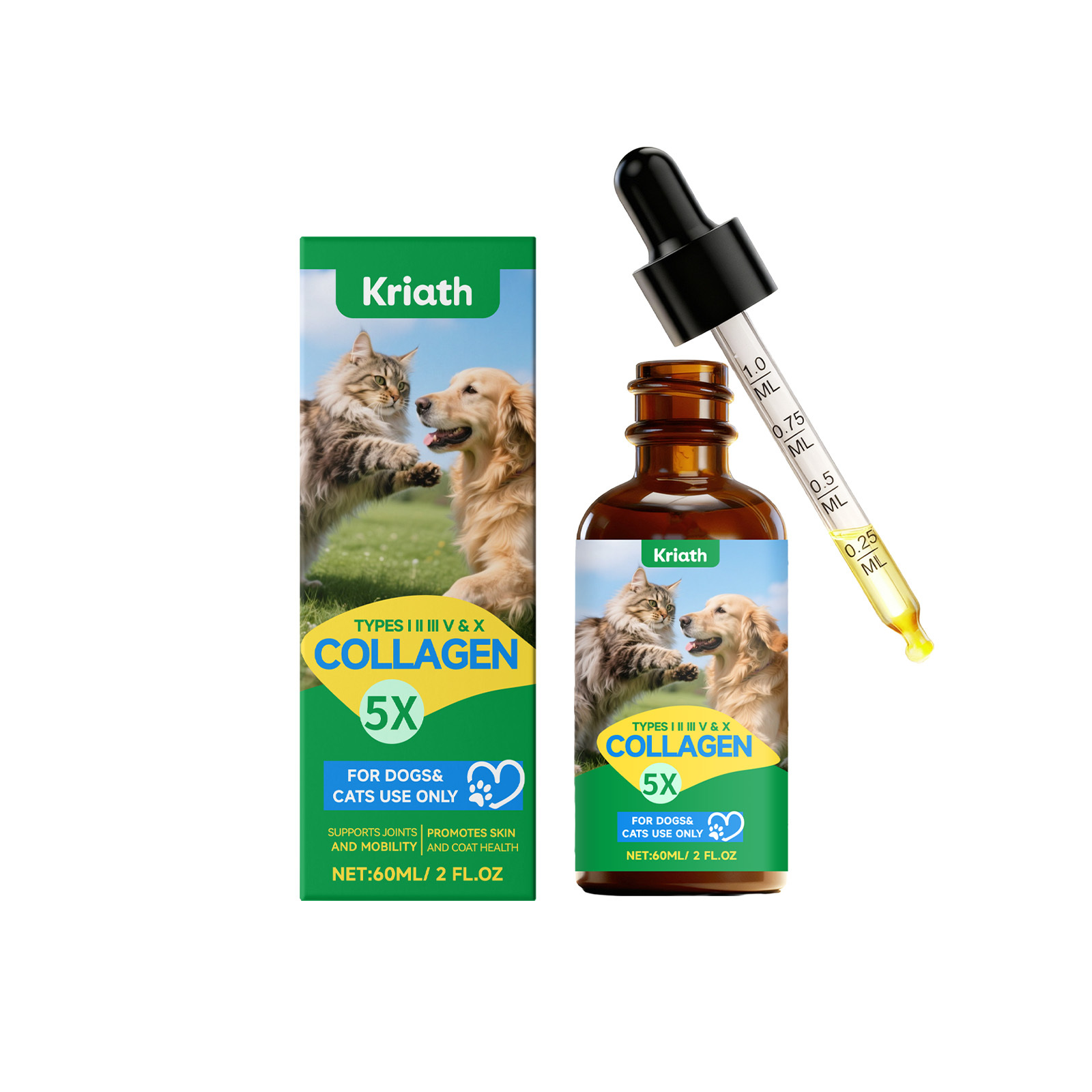 Health Supplies Pet Collagen Drops For Joint Care$22.99View on Mallflare
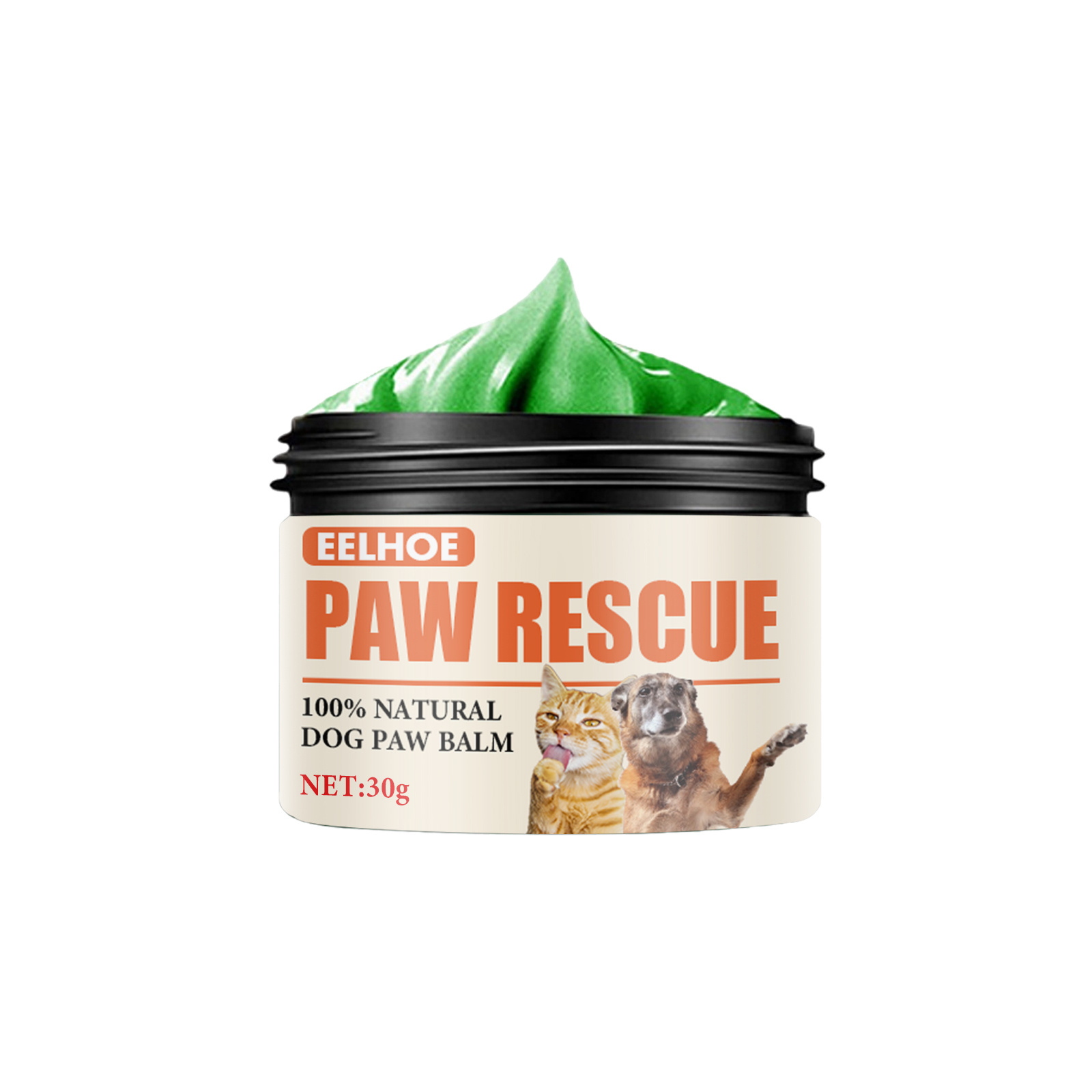 Health Supplies Pet Paw Balm For Cats And Dogs Foot Pad Protective Oil Soothes$22.99View on Mallflare
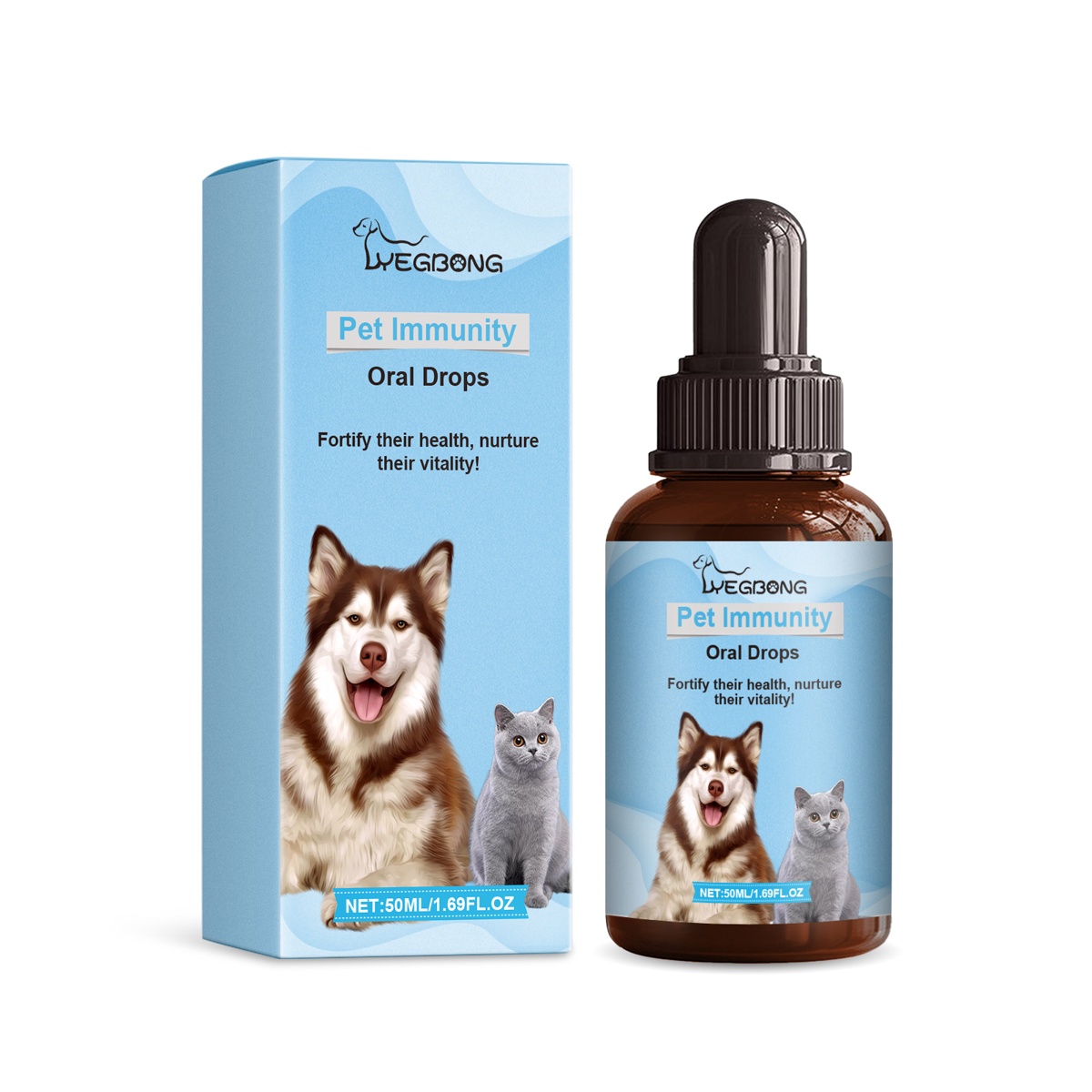 Health Supplies Pet Immune Oral Drops$22.99View on Mallflare
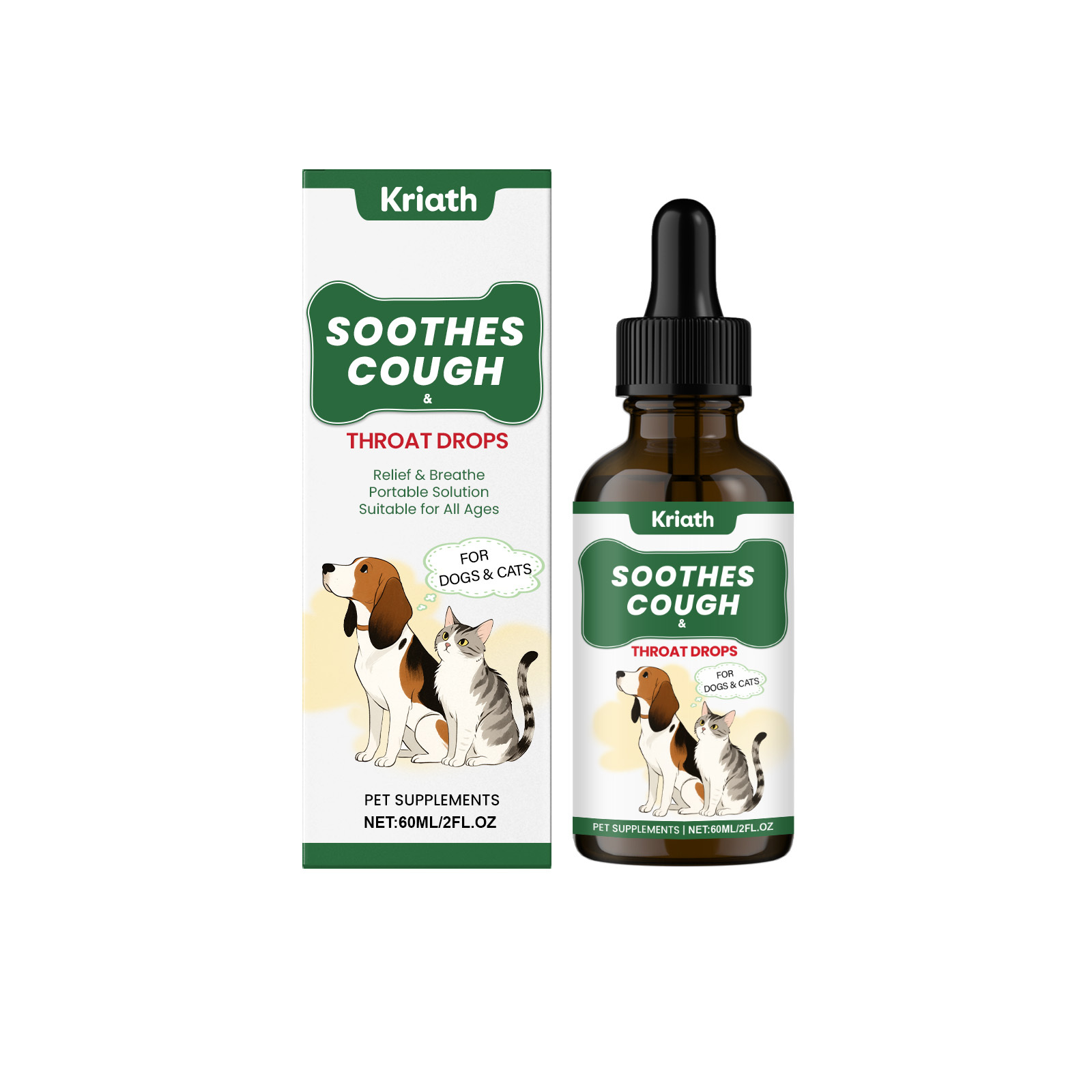 Health Supplies Pet Herbal Throat Nourishing Liquid Is A Gentle$22.99View on Mallflare
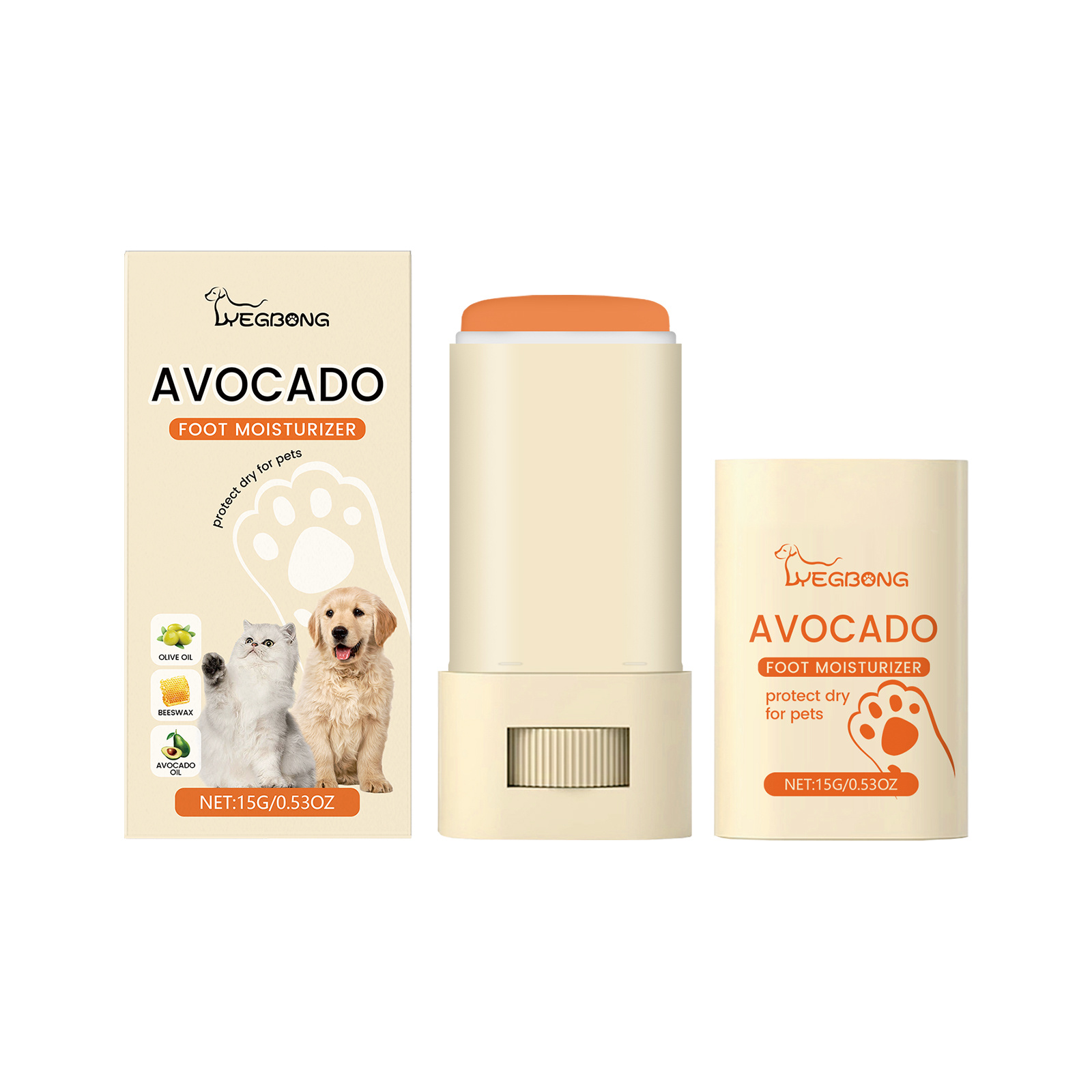 Health Supplies Pet Moisturizing Claw Cream Pet Beauty$22.99View on Mallflare
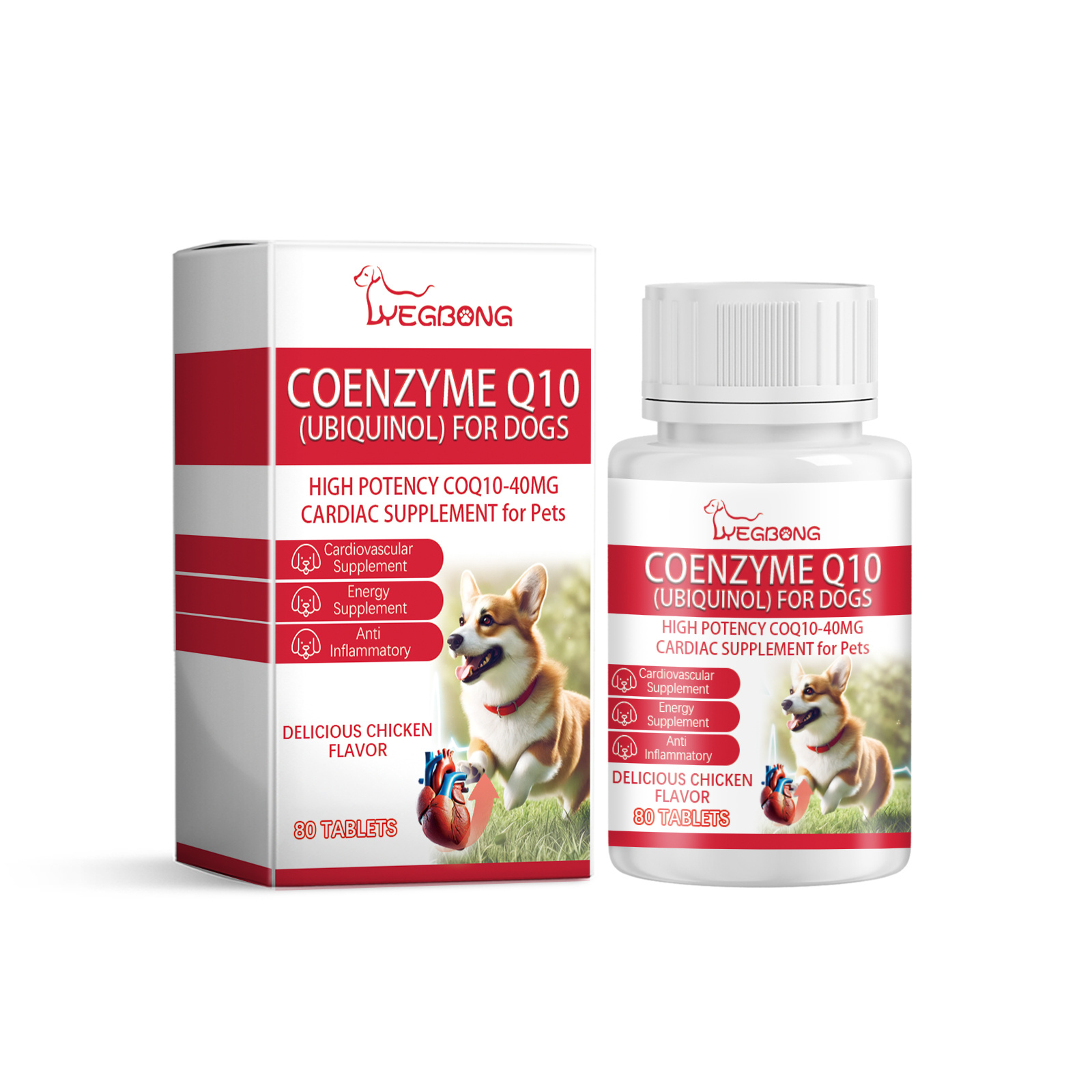 Health Supplies Dog Coenzyme Tablets For Pet Dogs Special Supplement Nutrition$22.99View on Mallflare
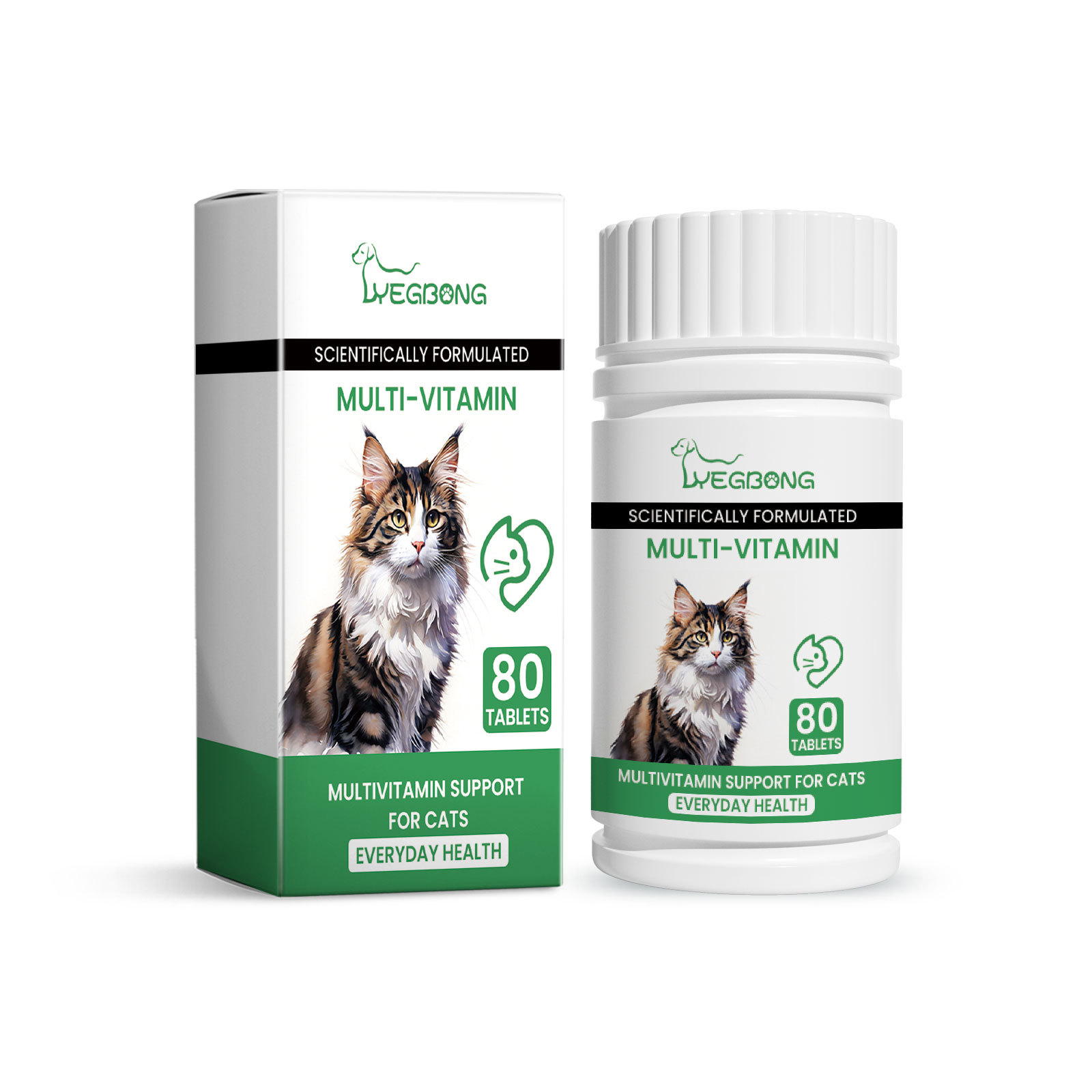 Health Supplies Pet Cat Multivitamin Tablets$22.99View on Mallflare
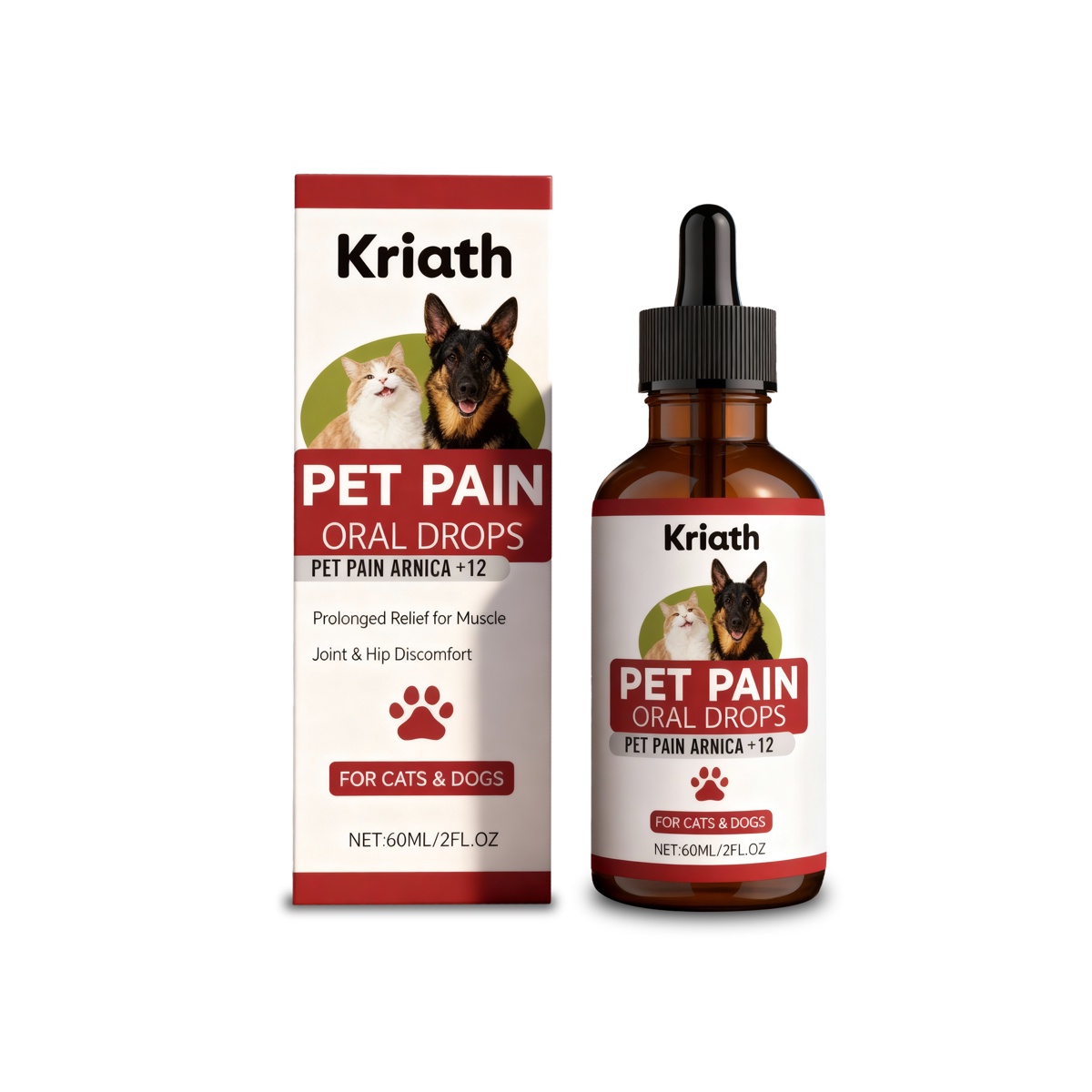 Health Supplies Pet Cat And Dog Herbal Care Drops With Mild Ingredients Daily$22.99View on Mallflare
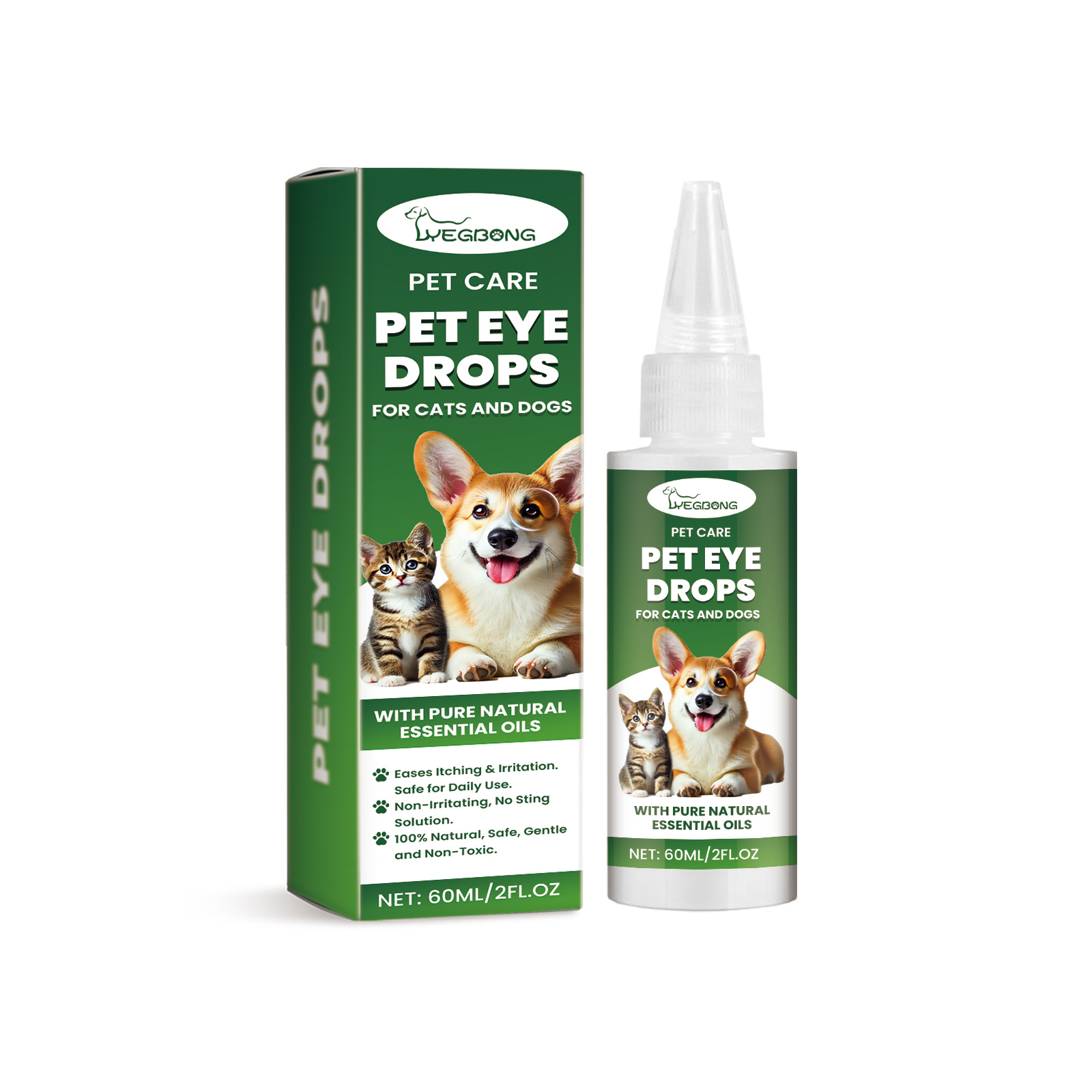 Health Supplies Pet Eye Drops$22.99View on Mallflare
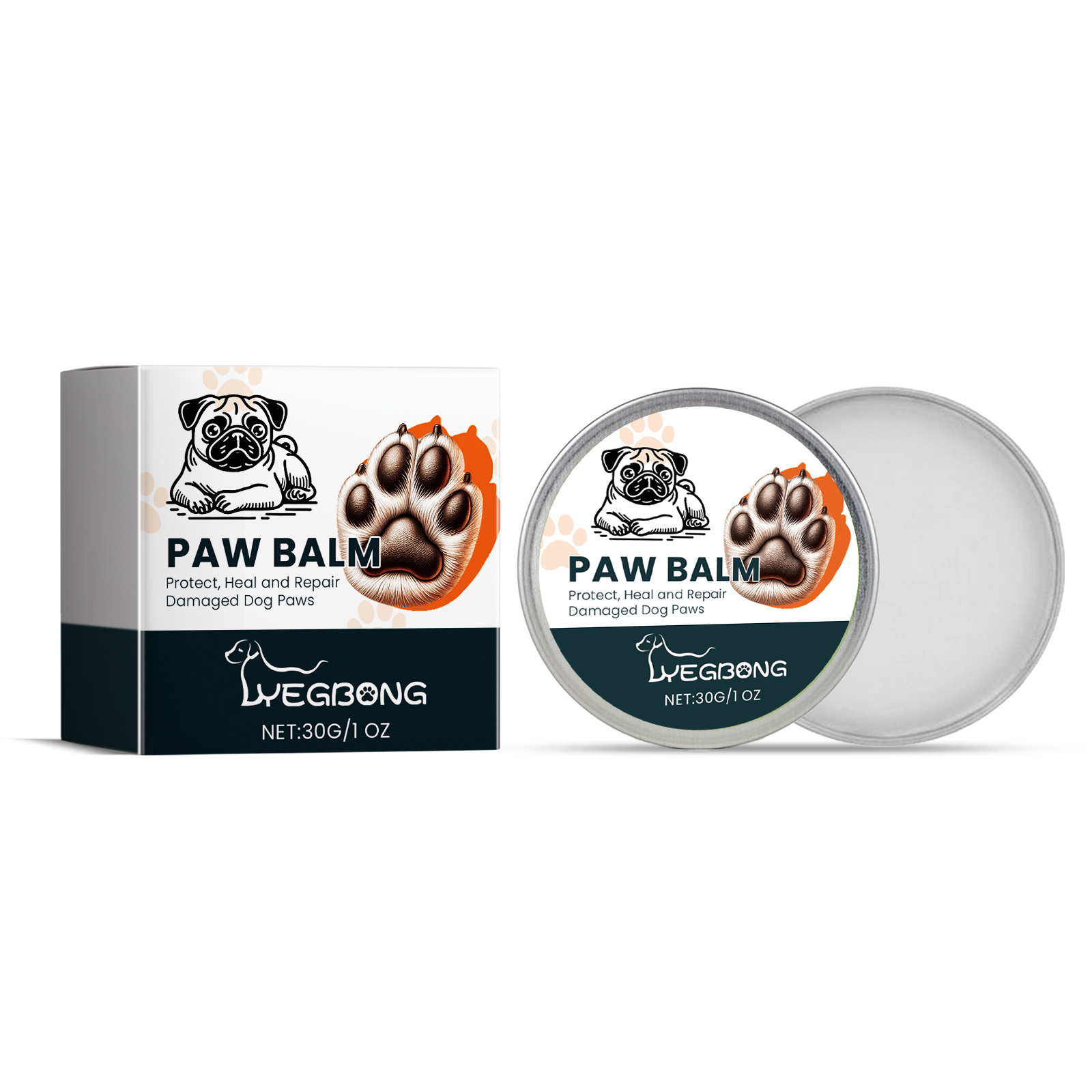 Health Supplies Dog Paw Cream Pet Paw Moisturizing Foot Dog$22.99View on Mallflare
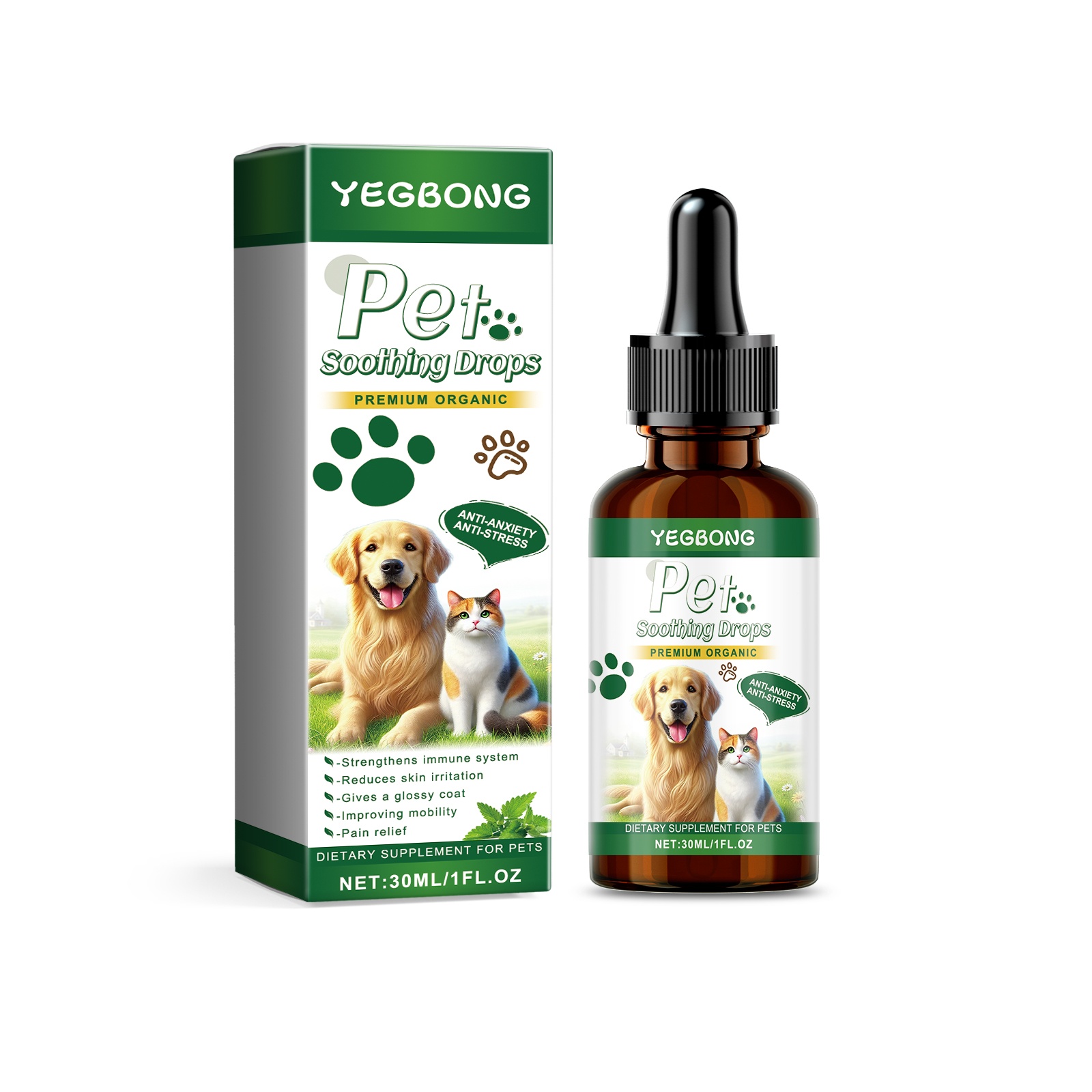 Health Supplies Pet Relief Drops$22.99View on Mallflare
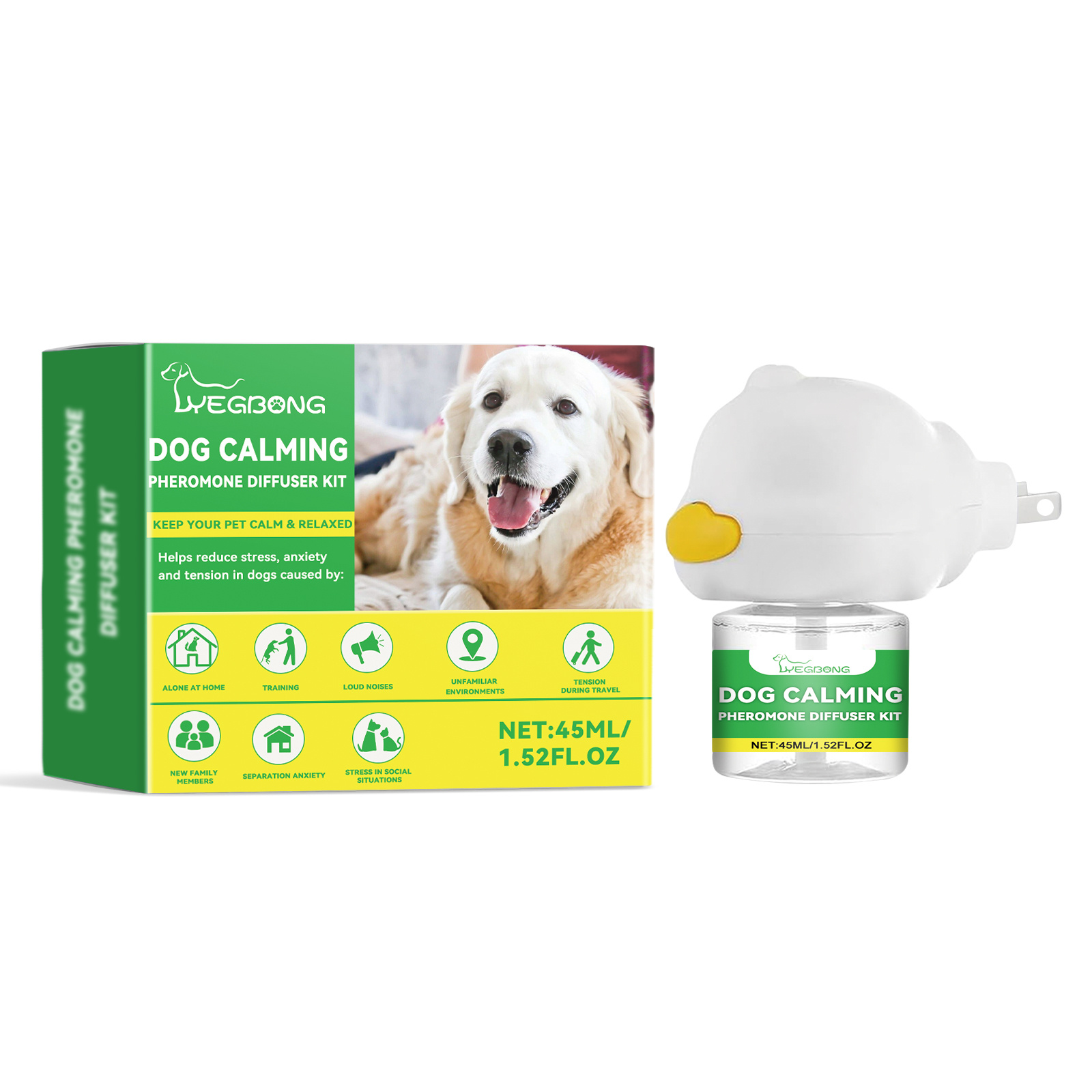 Health Supplies Dog Mood Diffuser Set Relieves Pet Anxiety New Home Environment$24.99View on Mallflare
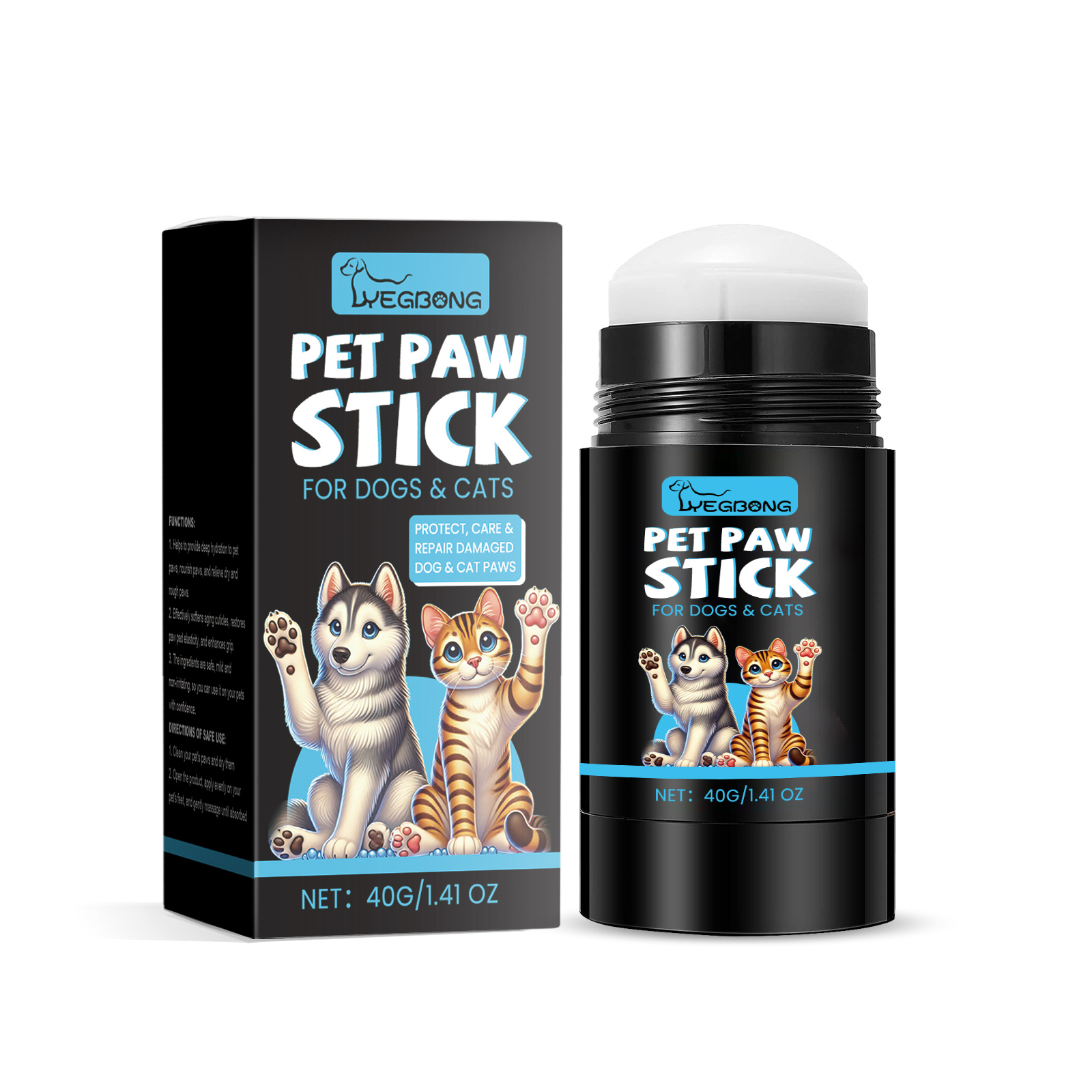 Health Supplies Cat And Dog Paw Ball Cream Moisturizing Paw Care Pet Foot$25.99View on Mallflare
Highlights
- Probiotic chews are dosed by CFU count and day supply: 30-day bags typically deliver 1–5 billion CFU per chew, while 60- and 90-day multi-packs lower cost per day but demand airtight storage to preserve live cultures.
- Ear cleaners use either drying acidic formulas (for routine wax control) or medicated antiseptic solutions (for active infections); flapless squeeze bottles and cotton pads are required for safe application.
- Paw and nose balms are graded by wax type—beeswax and shea butter provide occlusive barriers for winter salt and hot pavement, while lighter shea-only sticks suit routine moisturizing without residue.
- Dental powders and gels rely on enzymatic or abrasive action; effectiveness depends on daily application to teeth and gum line, not on chew texture alone, and plaque control requires mechanical brushing or dental chews alongside.
Best use cases
- For multi-cat or multi-dog households managing digestion, buy 60- or 90-day probiotic multi-packs with guaranteed CFU per chew and chicken or fish flavor for palatability; skip single 30-day bags, which cost more per day and run out during loading periods.
- For dogs with cracked pads from hot asphalt or winter salt, choose a beeswax-based paw balm stick applied before walks; skip thin lotion-style creams that absorb too fast and leave pads unprotected.
- For routine ear wax and debris in floppy-eared breeds, use an acidic drying ear cleaner with cotton pads weekly; skip medicated antiseptic cleaners unless a vet has diagnosed an infection, as they disrupt normal ear flora.
- For boarding, training, or vet visits, keep a 25-pack of canine health record cards to log vaccines, medications, and weight; skip loose paper notes that get lost and delay check-in.
Buying tips
- Match day supply to household size: one cat needs 30 chews per month, so a 3-bag 90-day pack serves one cat for three months or three cats for one month, cutting per-day cost.
- Verify CFU or active-ingredient concentration on the label—probiotics should state a guaranteed CFU count at expiry, not just at manufacture, to ensure live cultures through the bag's life.
- For topical creams and balms, choose fragrance-free, lick-safe formulas with beeswax, shea butter, or coconut oil; avoid products listing alcohol or synthetic fragrance, which dry pads and irritate skin.
- Buy health-record cards in packs sized to your visit frequency (25 cards covers roughly two years of monthly vet or grooming visits) and confirm they include fields for vaccine dates and microchip number.
Specs
| Probiotic Dosage | 1–5 billion CFU per chew |
|---|---|
| Day Supply Pack | 30, 60, or 90-day multi-bags |
| Topical Base | Beeswax, shea, coconut oil |
| Record Card Pack | 25-card packs, 3x5 or half-letter |
Related searches
What to check before buying
- Measure your pet's weight and confirm chew or powder dosage instructions cover that weight range—most probiotic chews dose by 10–25 lb increments.
- Check storage conditions: live probiotics need cool, dry storage below 75°F, and some require refrigeration; confirm your kitchen or pet cabinet meets this before buying multi-month packs.
- For ear cleaners and topical creams, verify the bottle or tube size against treatment duration—a 4 oz ear cleaner lasts about 8–12 weekly cleanings for a medium dog.
- Confirm record cards fit your filing system (3x5-inch index cards or half-letter sheets) and that your vet accepts handwritten logs for boarding or travel requirements.
FAQ
Data sources: eBay / Amazon listings and product attribute feeds. Updated Nov 27, 2026.
Some links on this page are affiliate links. If you buy after clicking one, we may earn a commission at no extra cost to you. This does not change which products appear here or their order. Affiliate disclosure.