
Photos from current listings. Actual item, color, and included accessories may vary.
Dog Food Buying Guide
Dog food is a complete and balanced diet or a supplemental topper, and the primary trade-off is between guaranteed nutritional adequacy (AAFCO profiles) and targeted health support (urinary, joint, skin). The clear decision rule is to buy a food that meets AAFCO nutrient profiles for your dog's life stage as the base diet, and treat supplements, broths, and toppers as adjuncts—never as replacements for complete nutrition.
Median $18.99
Key takeaways
- AAFCO statement on the label is the baseline: 'complete and balanced' for a named life stage (growth, maintenance, all life stages) is the only regulatory proof of nutritional adequacy.
- Urinary health formulas work by controlled mineral levels (struvite/reduced magnesium and phosphorus) and urinary acidification; they are therapeutic diets that require veterinary supervision, not generic 'urinary support' supplements.
- Dry kibble moisture is roughly 10-12%, while canned wet food is 75-80% moisture; higher water intake is a primary lever for urinary dilution and stone prevention.
At a glance
- Category
- Pet Health
- Last updated
- Nov 29, 2026
Current offers
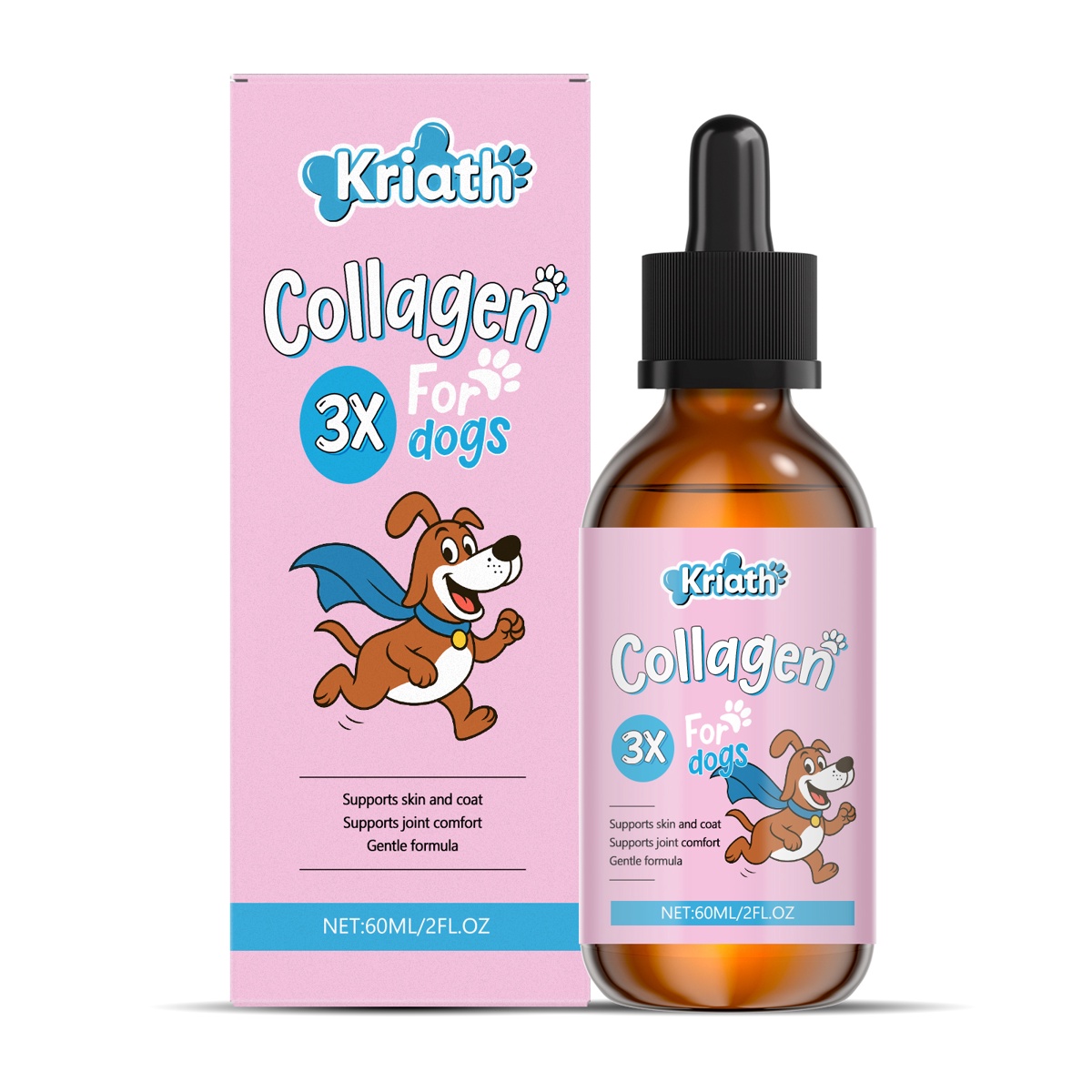 Auth. & Cert. Kriath Dog Collagen Drops Mild Formula Hair And Skin Care Main Food Combined With Supplements$18.99View on Mallflare
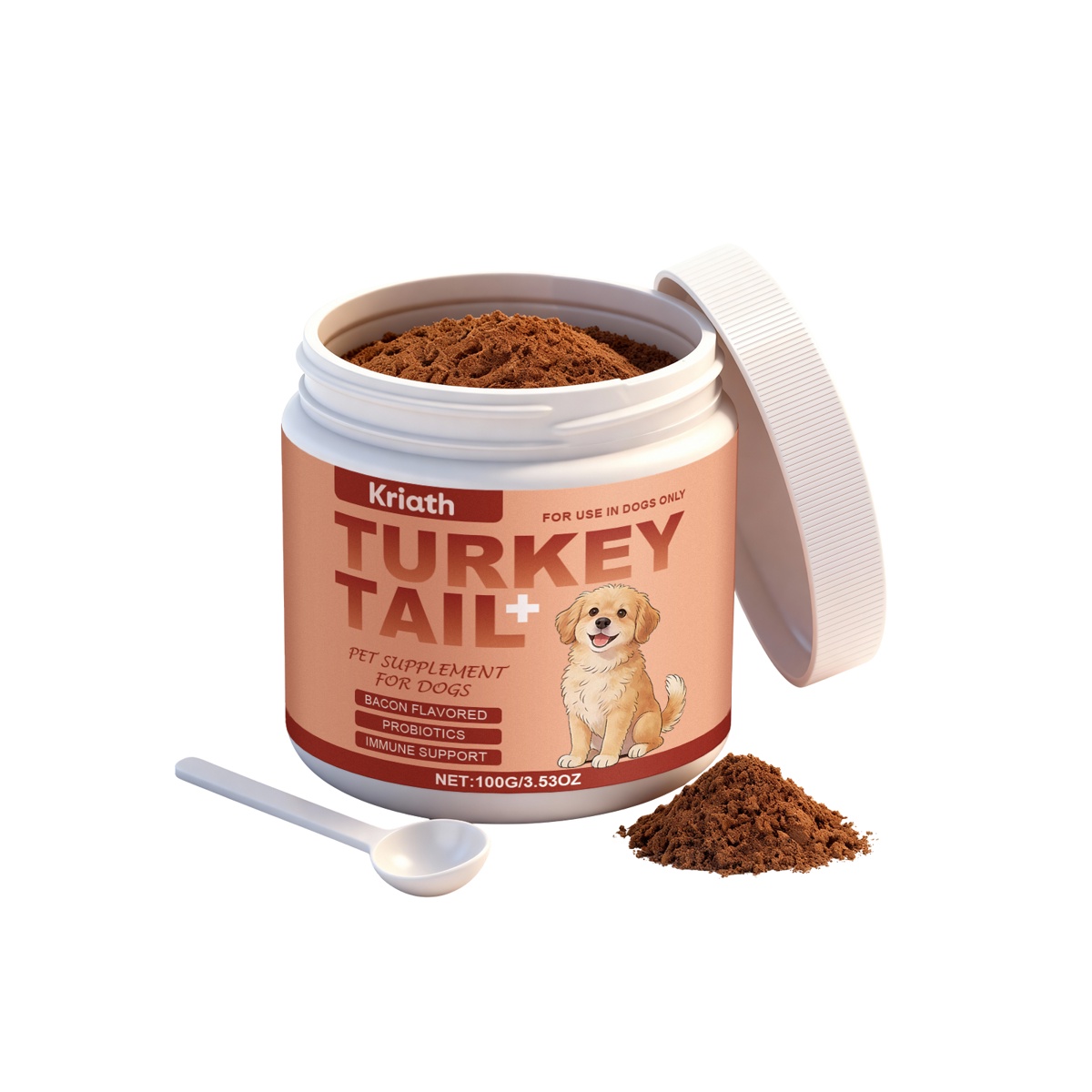 Auth. & Cert. Kriath Dog Food Uses Nutritional Supplements It Has A Bacon Flavor And Is Easy To Feed. It Provides Daily Care For Your Pet's Joints, Skin And Hair.$18.99View on Mallflare
Highlights
- AAFCO statement on the label is the baseline: 'complete and balanced' for a named life stage (growth, maintenance, all life stages) is the only regulatory proof of nutritional adequacy.
- Urinary health formulas work by controlled mineral levels (struvite/reduced magnesium and phosphorus) and urinary acidification; they are therapeutic diets that require veterinary supervision, not generic 'urinary support' supplements.
- Dry kibble moisture is roughly 10-12%, while canned wet food is 75-80% moisture; higher water intake is a primary lever for urinary dilution and stone prevention.
- Guaranteed analysis gives minimum protein/fat and maximum fiber/moisture; 'crude' values are minimums, not exact, so compare on a dry-matter basis when switching between wet and dry.
Best use cases
- Best fit: a dog with confirmed struvite or oxalate stones or recurrent UTIs—choose a veterinary therapeutic urinary diet (Hill's c/d, Royal Canin Urinary SO, Purina Pro Plan UR) and skip over-the-counter 'urinary' chews and drops.
- Best fit: a healthy adult dog needing daily maintenance—select an AAFCO 'complete and balanced' adult formula matching body size and activity, and skip collagen drops or bacon-flavored supplements as the sole diet.
- Best fit: a senior or joint-compromised dog—use a complete senior diet plus a measured joint supplement (glucosamine/chondroitin or green-lipped mussel) as a topper, not as a meal replacement.
- Wrong fit: buying a 'supplement' or 'dietary' drop product as the main food—these are not formulated to AAFCO complete profiles and will cause nutritional gaps if fed exclusively.
Buying tips
- Find the AAFCO nutritional adequacy statement on the bag; it must name the life stage and, for 'all life stages', meet growth plus maintenance—reject bags without it.
- For urinary concerns, increase water: mix wet food (75-80% moisture) into the diet or add a pet fountain, since dilution matters more than any single supplement.
- Switch foods over 7-10 days by blending 25/75, 50/50, 75/25 ratios to avoid GI upset, and match kibble size to breed (small bites under 8 mm for toy breeds).
- Check the guaranteed analysis dry-matter basis: divide protein % by (100 minus moisture %) to compare wet vs dry accurately—wet food often looks lower but is higher once moisture is removed.
Specs
| Nutritional Adequacy | AAFCO complete & balanced by life stage |
|---|---|
| Moisture Content | Dry 10-12% / Wet 75-80% |
| Urinary Formula Type | Therapeutic (vet) vs OTC support |
| Supplement Role | Topper only, not complete diet |
Related searches
What to check before buying
- Confirm your dog's current weight and body condition score (1-9 scale, ideal 4-5) to calculate feeding amount from the bag's kcal/cup or kcal/kg.
- Measure your storage space: a 30-lb bag needs an airtight container, and kibble stays fresh about 6 weeks after opening—buy sizes you can finish.
- Verify the formula is labeled for your dog's life stage (puppy, adult, senior) and, for urinary diets, that you have a veterinary diagnosis before purchasing.
- Check for a named meat source first in the ingredient list and avoid formulas with unidentified 'meat meal' or excessive fillers if your dog has allergies.
FAQ
Data sources: eBay / Amazon listings and product attribute feeds. Updated Nov 29, 2026.
Some links on this page are affiliate links. If you buy after clicking one, we may earn a commission at no extra cost to you. This does not change which products appear here or their order. Affiliate disclosure.