
Photos from current listings. Actual item, color, and included accessories may vary.
Cat Nail Clipper Buying Guide
Cat nail clippers are precision grooming tools that cut through keratin claws without splitting or crushing the quick, and the core trade-off is between scissor-type blades that offer visibility and control versus guillotine-style or grinder alternatives that trade speed for forgiveness. Durable options use tempered stainless steel blades with a Rockwell hardness around 52-56 HRC, a safety guard or stopper that physically limits cut depth, and a non-slip handle sized for one-handed control; compromises use stamped mild-steel blades, plastic pivot pins, or oversized dog clippers that crush rather than slice.
Median $21.99
Key takeaways
- Scissor-type clippers with a 5-8 mm curved blade opening and a spring-loaded pivot give the cleanest slice on cat claws; guillotine-style clippers have a circular cutting hole that can crush thick claws if the blade edge is not sharpened to a razor micro-bevel.
- Stainless steel blades hardened to 52-56 HRC hold a sharp edge through dozens of trims; stamped blades under 45 HRC roll and tear the claw, causing splitting and quick-pain.
- A safety guard or adjustable stopper that limits cut depth to 2-3 mm past the blade edge is the single most effective over-cut prevention feature, more reliable than LED bloodline illumination which only helps on clear or light-colored claws.
At a glance
- Category
- Pet Grooming & Cleaning
- Last updated
- Nov 27, 2026
Current offers
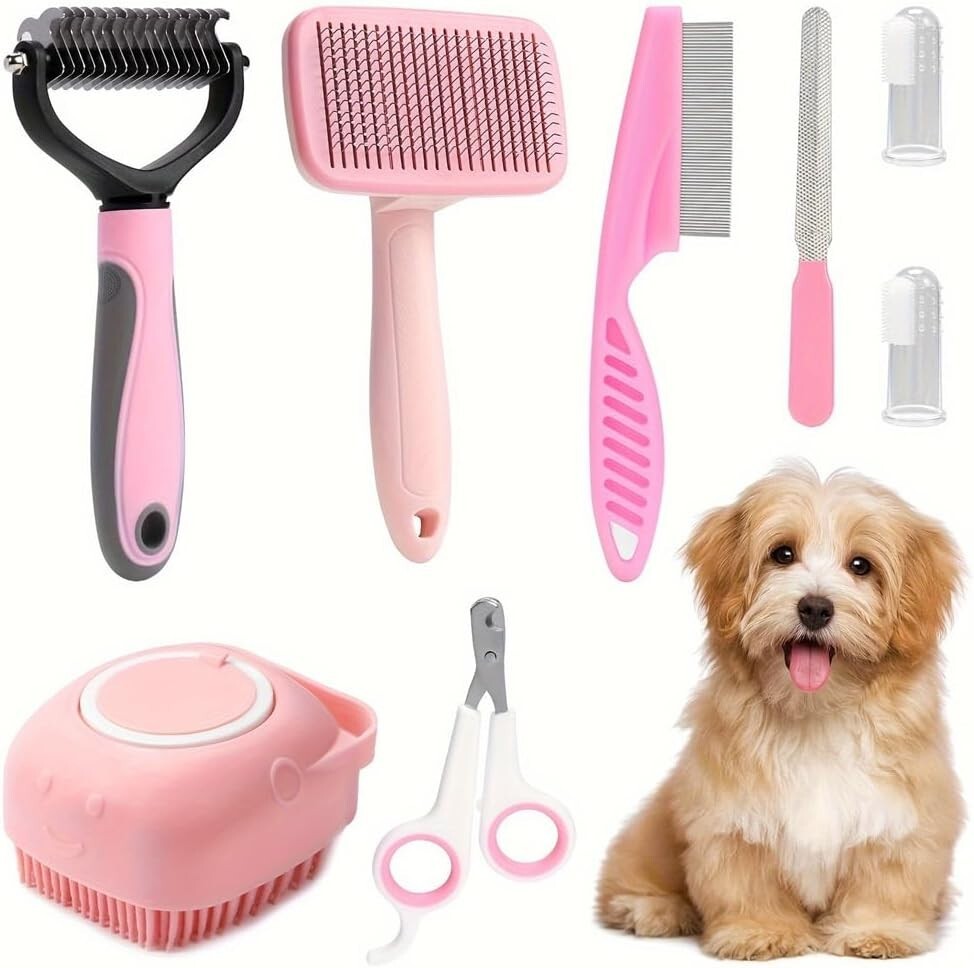 8 Pcs Cat Dog Brush Grooming Kit, Self-Cleaning Slicker Brush, Pet Nail Clipper$9.99Last checked Nov 24, 2026View on eBay
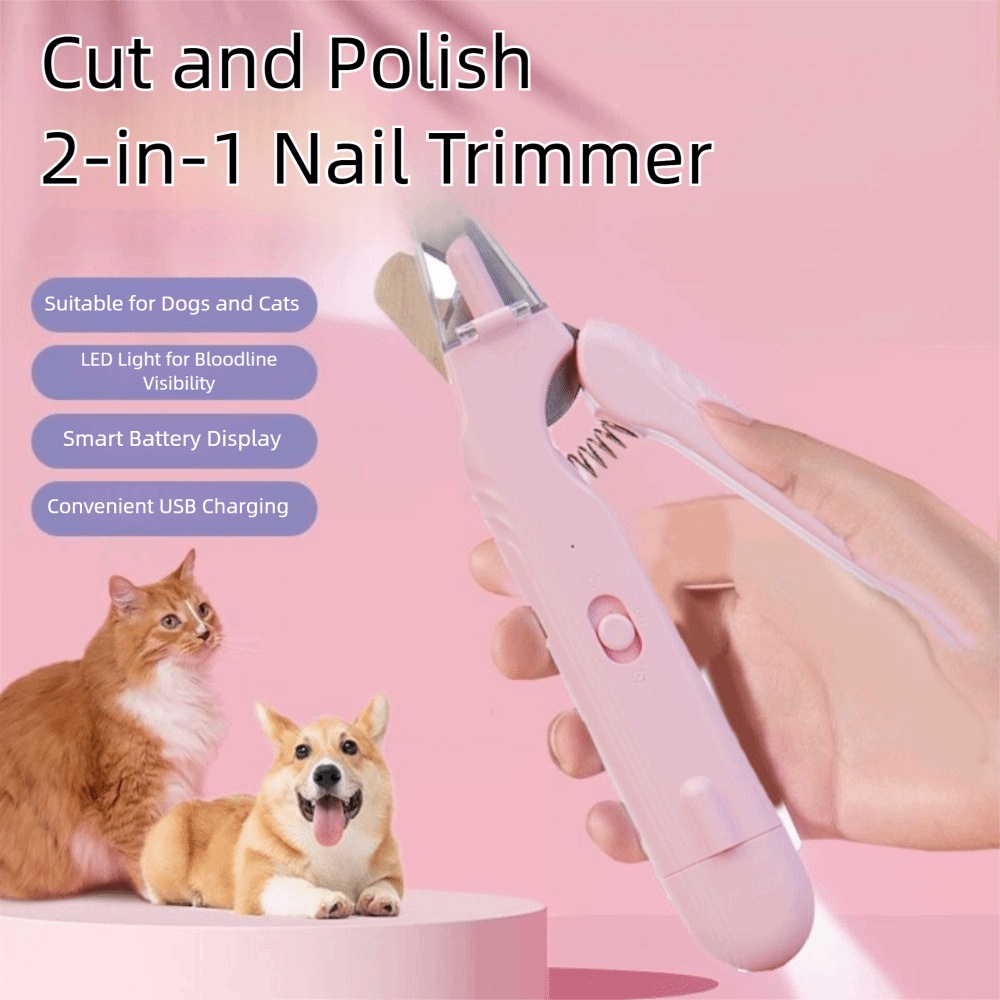 2 In 1 Pet Nail Clippers With Led Light Dog Cat Special Blood Line Scissors Multifunction Animals Paw Trimmer Pet Supplies$14.99View on Mallflare
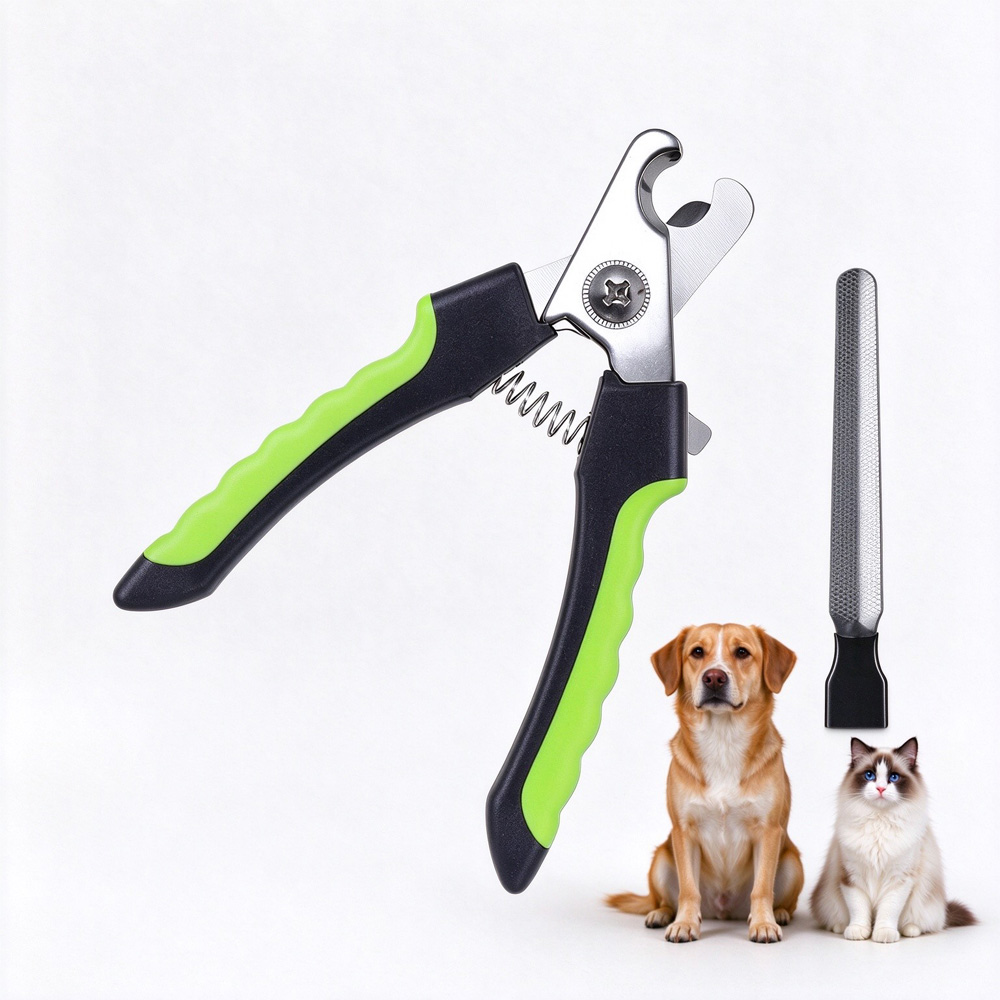 Pet Nail Clippers With Safety Guard & File, Professional Dog Trimmer, Sharp Stainless Steel Blade, Non-Slip Rubber Handle, For Small Medium Large Dogs & Cats$18.99View on Mallflare
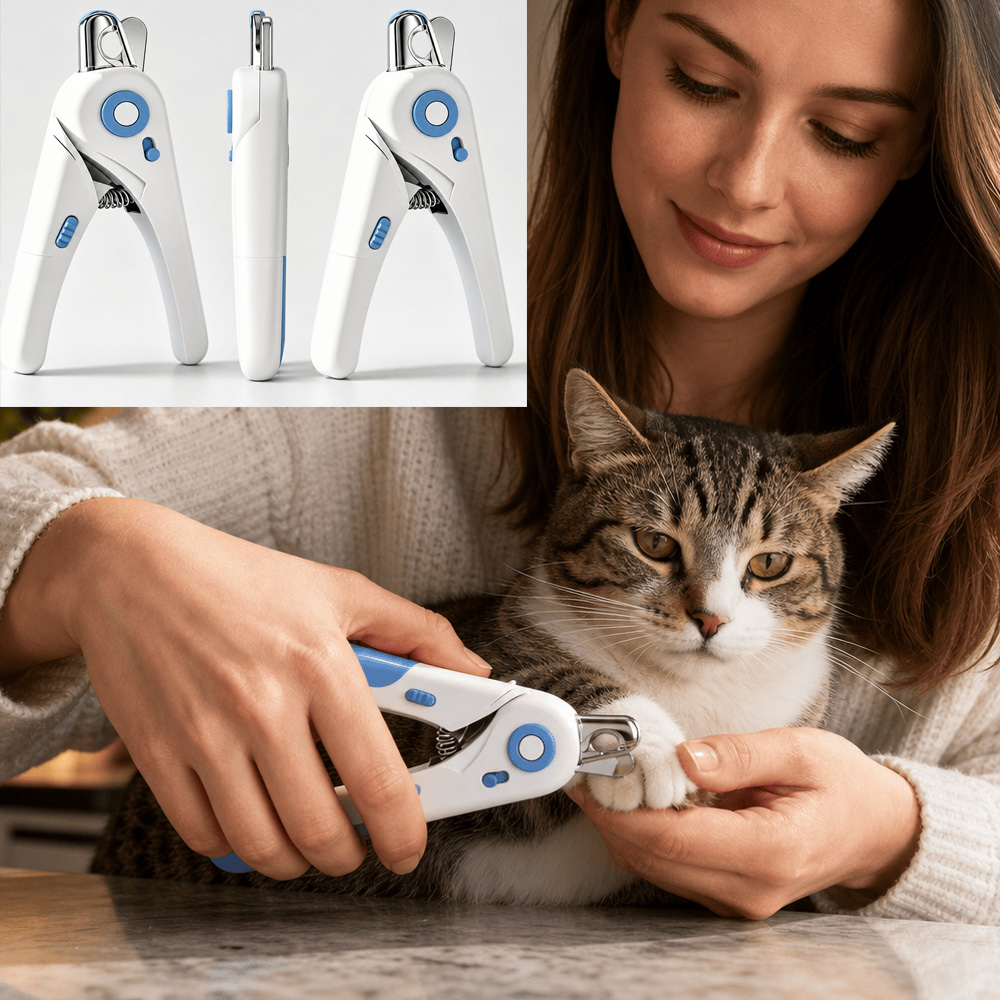 Pet Nail Clippers For Cats & Dogs, Professional Upgraded Pet Trimmer With Safety Guard, Non-Slip Handle, Pet Grooming Tool For Small Medium Pets$20.99View on Mallflare
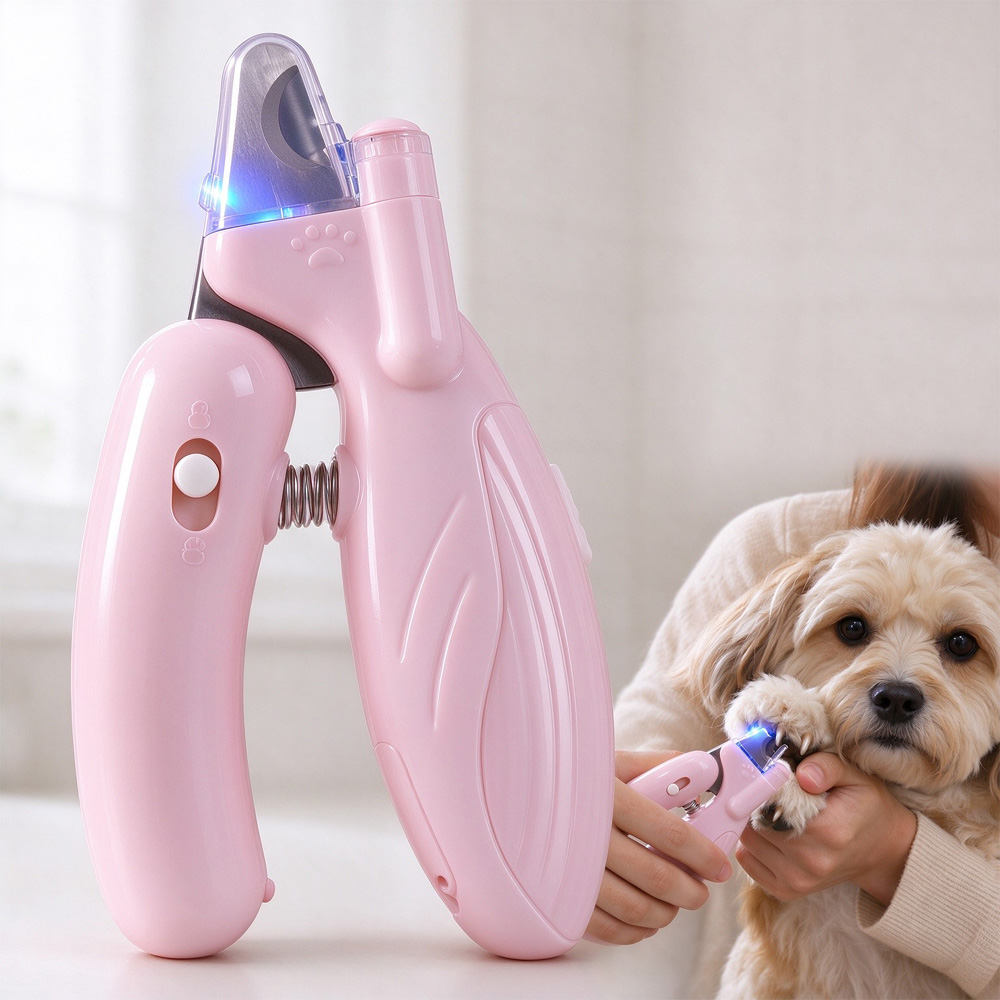 LED Pet Nail Clippers For Dogs & Cats, Professional Pet Trimmer With LED Light To See Bloodline, Avoid Over-Cutting, Safe Grooming Tool For Small Medium Pets$21.99View on Mallflare
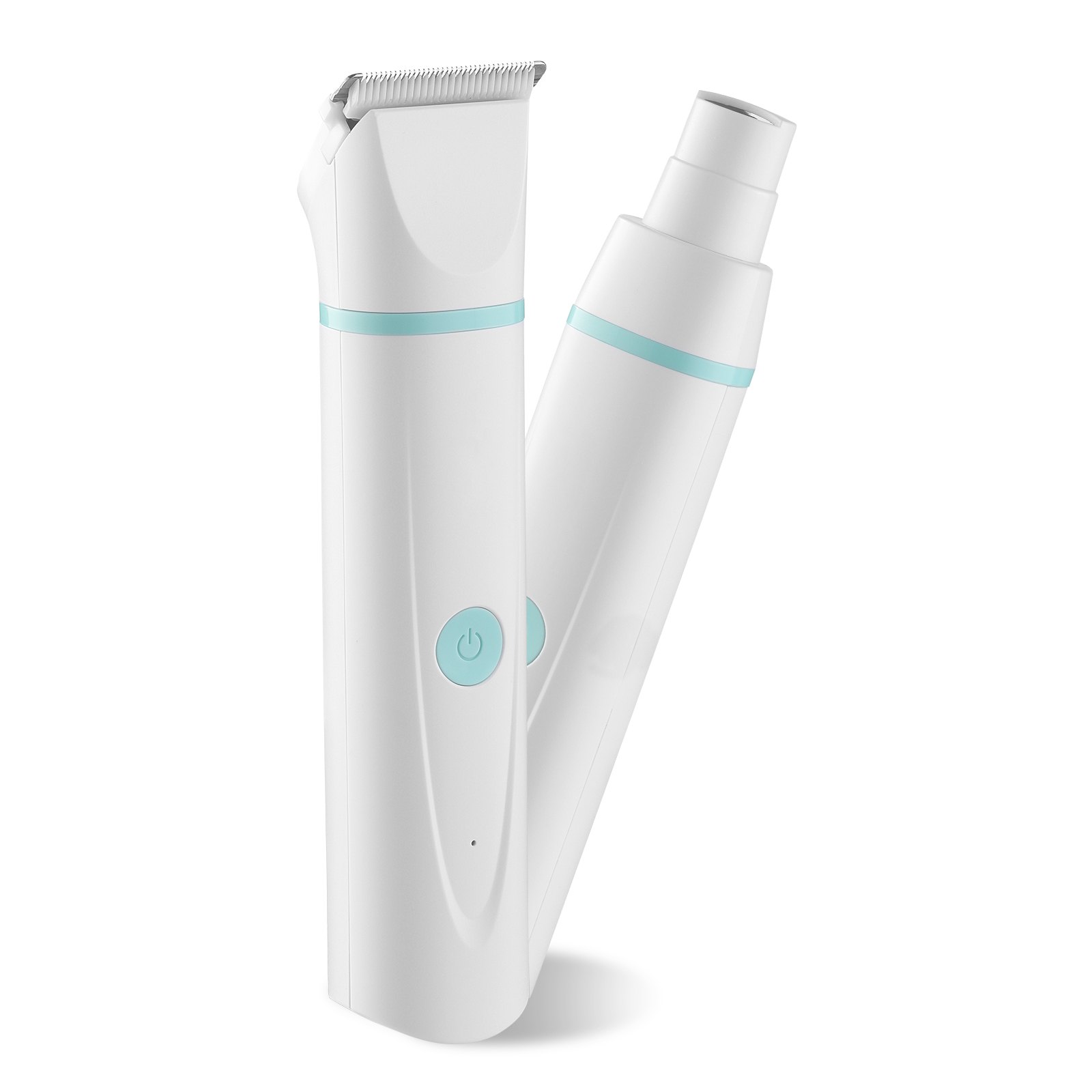 Dog Clippers For Grooming, 4 In 1 Dog Kit, Low Noise, Rechargeable Pet Shaver With 6 Combs & 4 Detachable Blades, Waterproof Cordless Pet Hair Trimmers Nail Grinder Set For Dogs Cats$25.99View on Mallflare
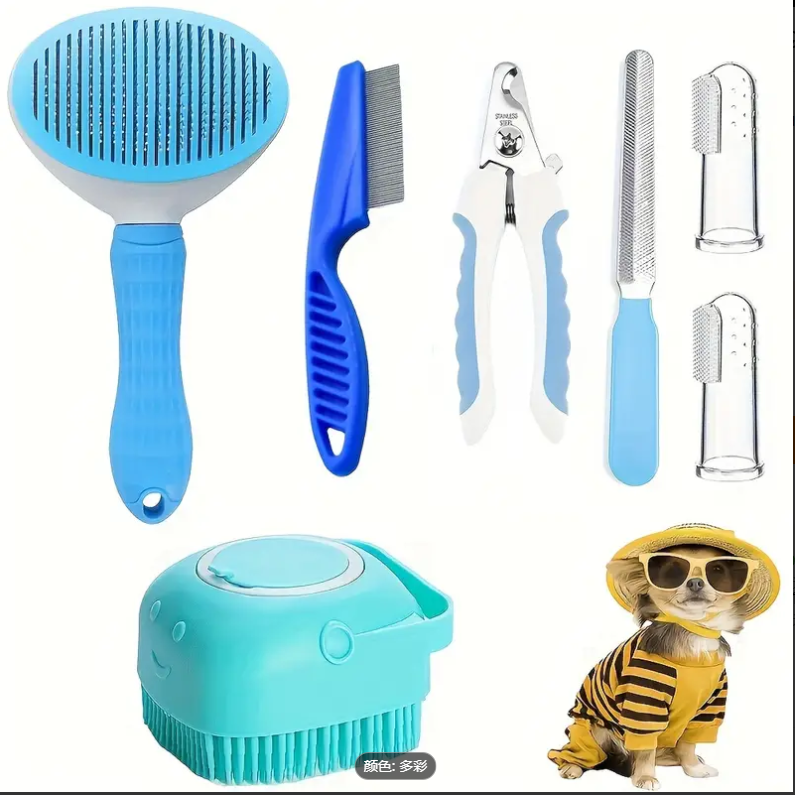 7-piece Set -blue)Grooming Tool Set For Cats & Dogs, Pet Bath Towel, Including Self-Cleaning Slicker Brush,Steel Comb, Nail Clippers & File$28.99View on Mallflare
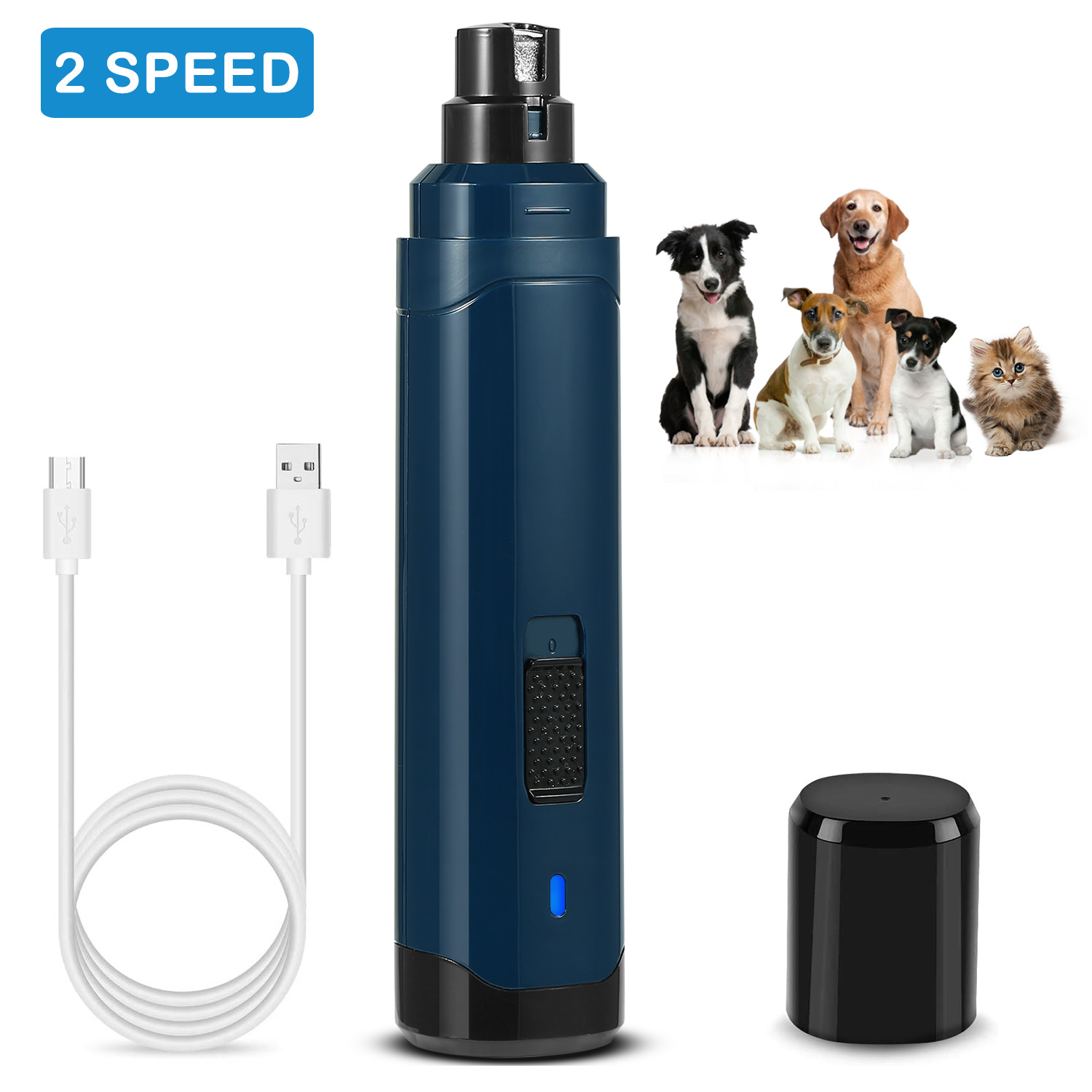 1Pc Dog Nail Grinder 2 Speeds Quiet USB Rechargeable Pet Professional Pet Trimmer Cordless Paws Grooming & Smoothing Claw Care For Small Medium Large Dogs & Cats$39.99View on Mallflare
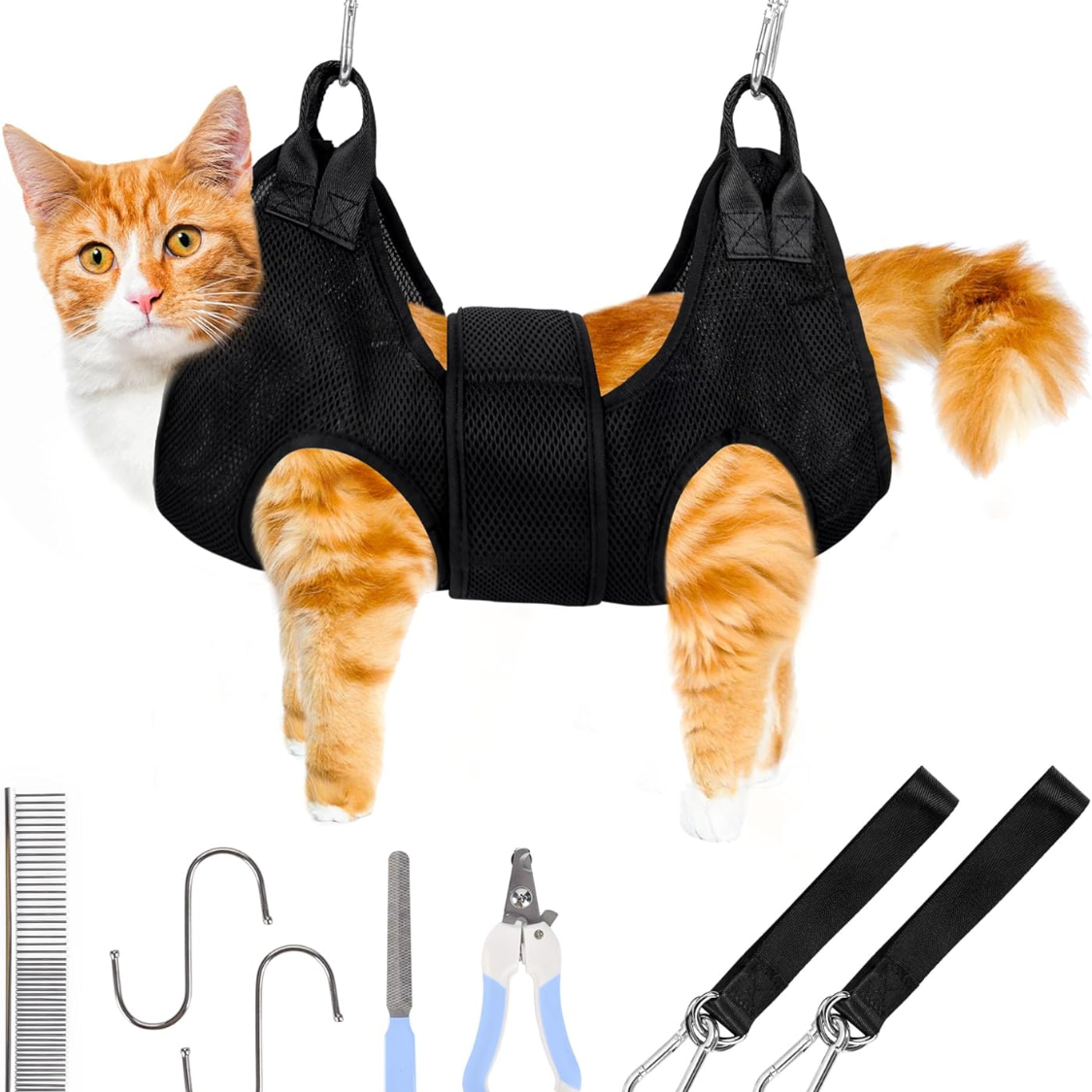 Cat Grooming Hammock Kit For Cats Dogs Up To 12 Lb, Hanging Harness And Sling For Nail Trimming, Includes Clippers Trimmer$56.99View on Mallflare
Highlights
- Scissor-type clippers with a 5-8 mm curved blade opening and a spring-loaded pivot give the cleanest slice on cat claws; guillotine-style clippers have a circular cutting hole that can crush thick claws if the blade edge is not sharpened to a razor micro-bevel.
- Stainless steel blades hardened to 52-56 HRC hold a sharp edge through dozens of trims; stamped blades under 45 HRC roll and tear the claw, causing splitting and quick-pain.
- A safety guard or adjustable stopper that limits cut depth to 2-3 mm past the blade edge is the single most effective over-cut prevention feature, more reliable than LED bloodline illumination which only helps on clear or light-colored claws.
- Handle ergonomics matter at cat scale: a 10-12 cm overall tool length with a rubberized or TPR grip and a return spring light enough for 2-finger actuation prevents hand fatigue and slips during a 2-3 second cut window.
Best use cases
- Best fit for cooperative indoor cats with light or translucent claws: a scissor-type stainless clipper with a 5-6 mm opening and a built-in safety guard, used with a towel-wrap or lap hold; skip guillotine styles and LED gimmicks because visibility is already good and the guard prevents over-cut.
- Best fit for squirmy or rescue cats with dark, opaque claws: a scissor clipper with a depth-limiting guard plus a second person or a grooming hammock rated to the cat's weight; skip open-hole guillotine clippers because you cannot see the quick and the crush-cut increases split risk.
- Best fit for senior cats or cats with thick, brittle claws: a sharp 52-56 HRC scissor blade with a slightly wider 7-8 mm opening and a file or grinder for finishing; skip dog-sized clippers (12 cm+ blades) and dull budget trimmers because they crush the claw plate and cause delamination.
- Wrong fit for all cats: dog nail clippers with 10 mm+ blade openings and heavy return springs; they are too large to position on a 4-5 mm cat claw, obscure the cut line, and increase the chance of cutting into the quick.
Buying tips
- Match blade opening to claw thickness: measure the widest part of the cat's claw at the base (typically 3-5 mm for adult cats); choose a clipper with a 5-8 mm curved opening, never a dog clipper with a 10-12 mm hole.
- Prioritize blade steel grade over handle material: look for tempered stainless steel (440C or equivalent) rated 52-56 HRC; plastic handles are fine if the pivot is metal and the return spring is stainless, but plastic pivot pins are a failure point.
- Choose a safety guard with a fixed or tool-adjustable stop rather than a friction slider; friction sliders drift during repeated cuts and lose their depth limit after a few trims.
- For multi-cat households, pick a clipper with replaceable blades or a sharpening-friendly screw pivot; a single dull blade after 15-20 trims is the most common reason buyers repurchase, so replacement-blade availability extends tool life.
Specs
| Blade Type | Scissor vs Guillotine vs Grinder |
|---|---|
| Blade Steel | Tempered stainless 52-56 HRC |
| Cut Opening | 5-8 mm curved (cat) |
| Safety Feature | Depth guard / stopper 2-3 mm |
Related searches
What to check before buying
- Measure the cat's claw base width with a caliper or ruler; confirm the clipper's curved blade opening is 1-2 mm wider than the widest claw to allow clean seating without pinching.
- Check that the safety guard's maximum cut depth is 2-3 mm past the blade edge; deeper limits do not prevent quick cuts on cats with short quicks.
- Verify the handle fits your hand: overall tool length 10-12 cm and a grip circumference under 8 cm for one-handed scissor action; oversized handles reduce control on small claws.
- Confirm the pivot and return spring are metal (stainless or brass), not plastic; plastic springs lose tension after 50-100 actuations and cause incomplete cuts.
FAQ
Data sources: eBay / Amazon listings and product attribute feeds. Updated Nov 27, 2026.
Some links on this page are affiliate links. If you buy after clicking one, we may earn a commission at no extra cost to you. This does not change which products appear here or their order. Affiliate disclosure.