
Photos from current listings. Actual item, color, and included accessories may vary.
Dog Grooming Brush Buying Guide
A dog grooming brush is a hand tool that removes loose hair, detangles coats, and distributes oils; the core trade-off is pin/blade geometry and backing stiffness versus coat type and undercoat density. Durable options use stainless steel pins or blades set in a rigid, non-flexing head with rounded tips, while compromises use plastic pins, soft silicone nubs, or thin springy wire that bends and rusts. Decision rule: match the tool architecture to coat length and undercoat (slicker for long/medium, undercoat rake for double coats, rubber curry for short coats), and reject any brush whose tines flex under thumb pressure or lack tip protection.
Median $10.00
Key takeaways
- Slicker brushes use fine stainless pins set at an angle in a rigid head; pin length 15-25 mm suits long coats, under 15 mm suits short coats, and bent pins mean the head flexes and skips undercoat.
- Undercoat rakes/deshedding blades use 1-2 rows of stainless teeth with a guarded edge; single-row straight blades cut undercoat on double-coated breeds, while multi-row curved rakes lift it without scraping skin.
- Self-cleaning models use a one-click retracting plate to strip hair from pins; the mechanism adds bulk and a plastic seam, so prioritize metal pin anchorage over the ejector convenience.
At a glance
- Category
- Pet Grooming & Cleaning
- Last updated
- Nov 27, 2026
Current offers
 Pet Hair Remover Dog Cat Comb Grooming Massage Deshedding Self Cleaning Brush$2.80Last checked Nov 24, 2026View on eBay
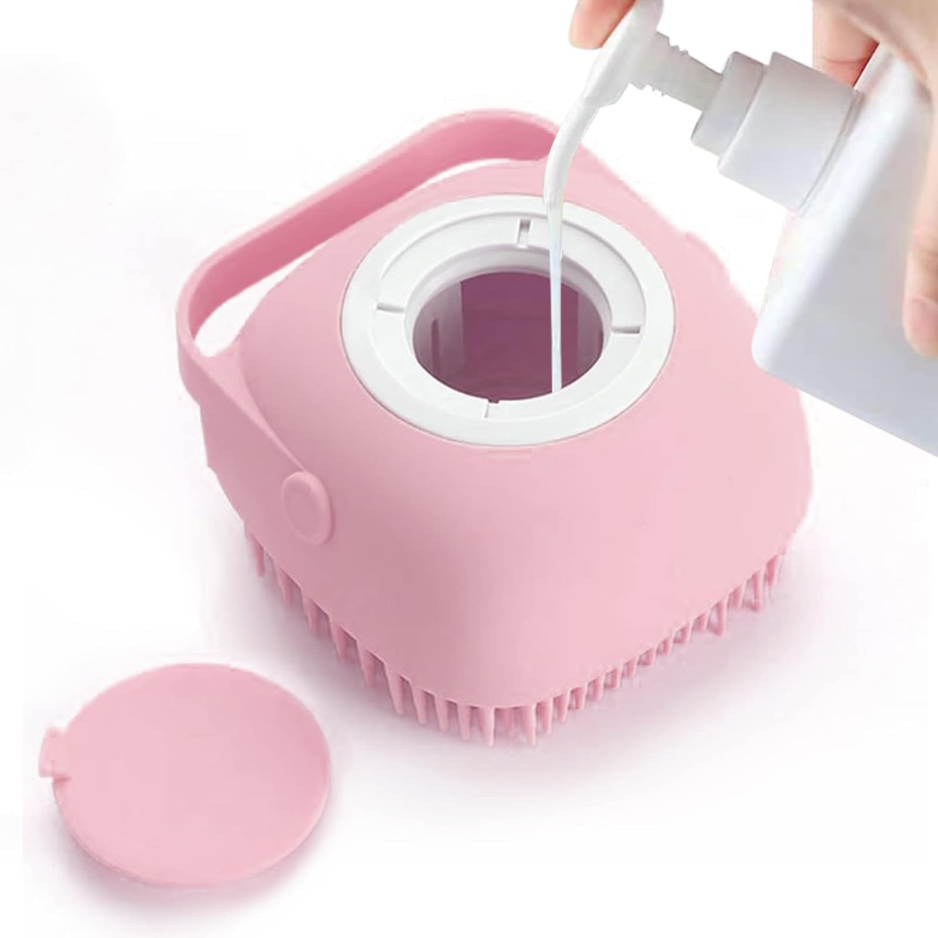 Pet Grooming Bath Massage Brush With Soap And Shampoo Dispenser Soft Silicone Bristle For Long Short Haired Dogs Cats Shower$36.99View on Mallflare
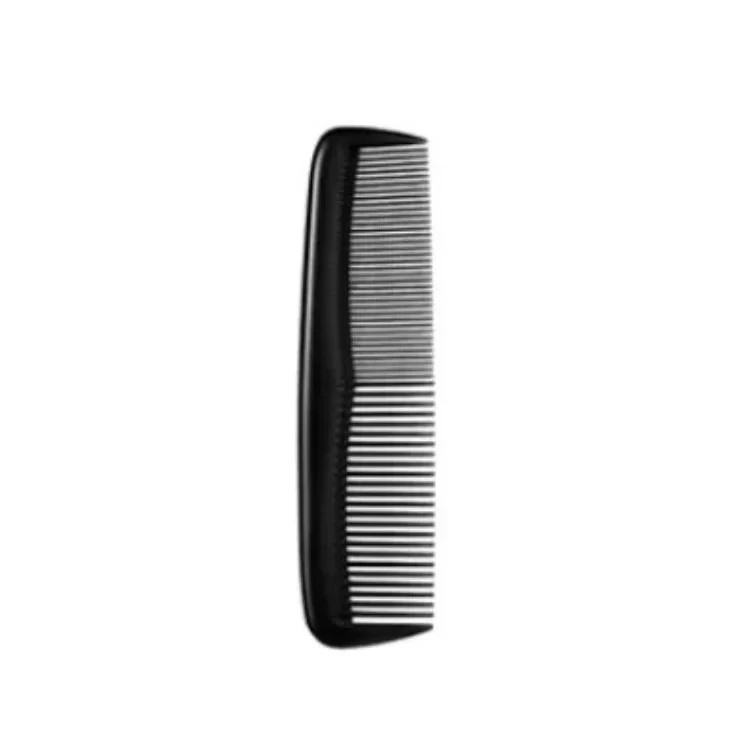 Pet Hair Remover Dog Cat Comb Grooming Massage Deshedding Self Cleaning Brush$2.99View on eBay
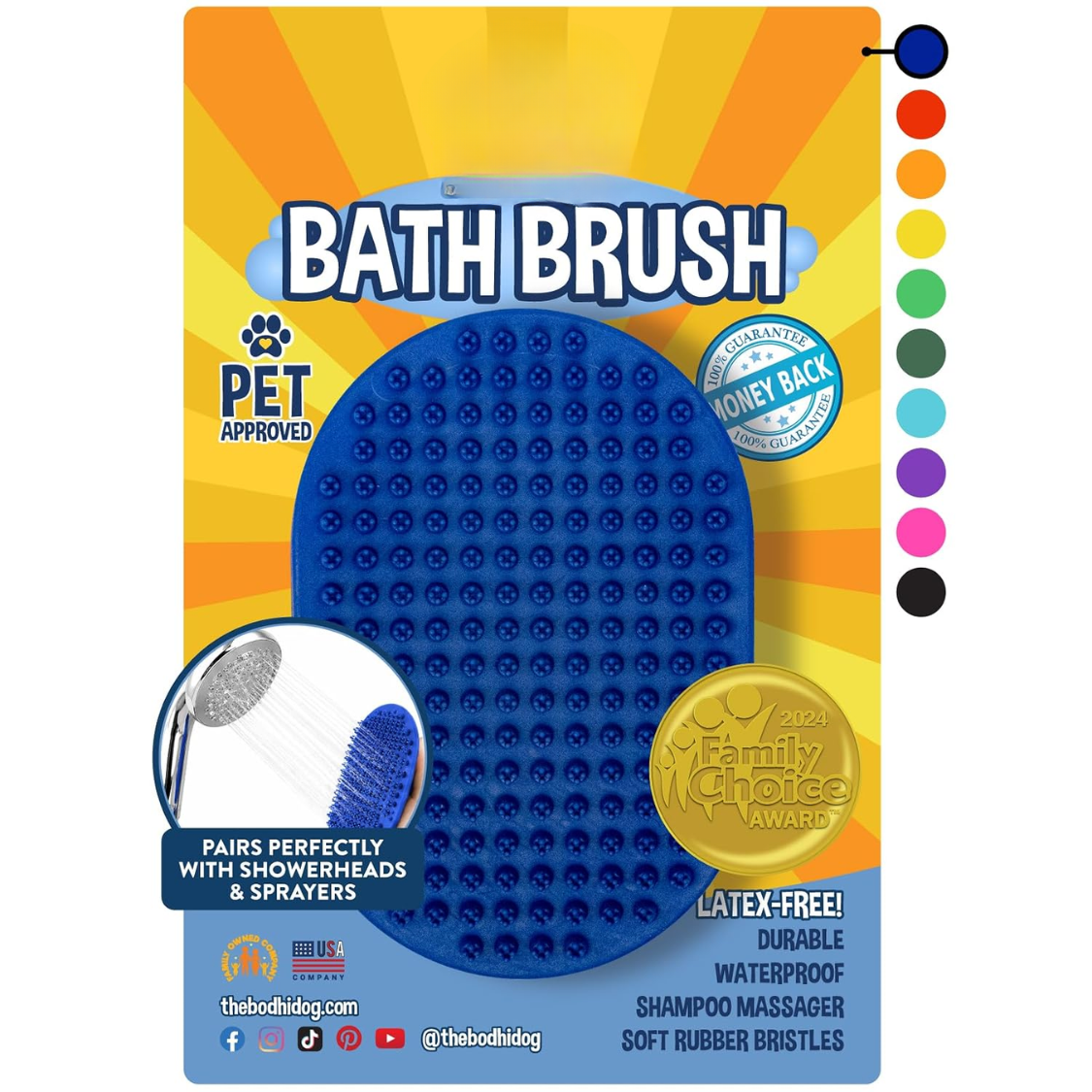 Dog Shampoo Brush Pet Grooming Bath Supplies For Dogs And Cats For Long Short Hair$43.99View on Mallflare
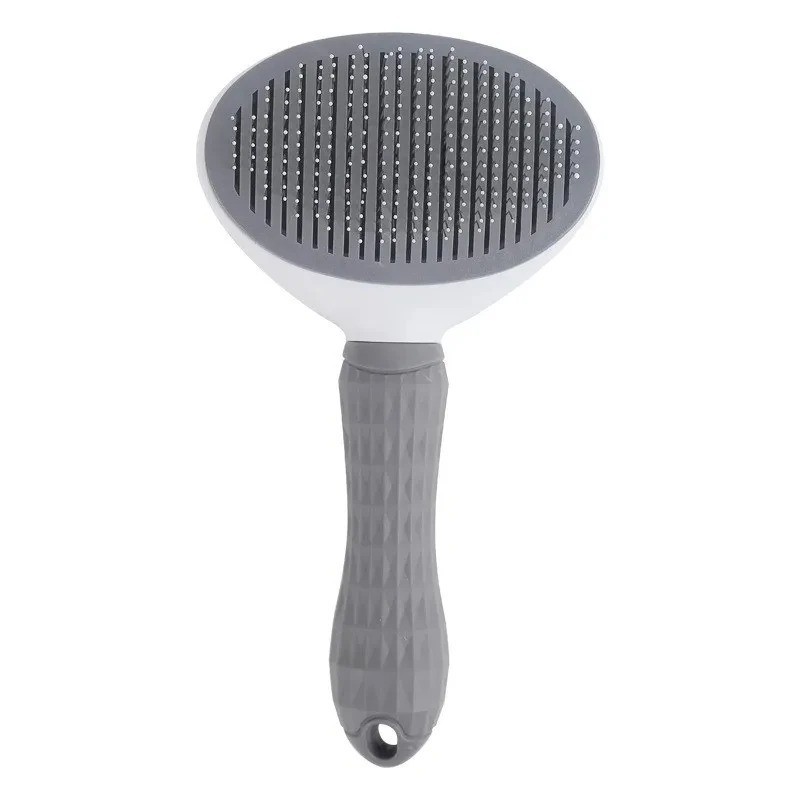 Pet Hair Remover Dog Cat Comb Grooming Massage Deshedding Cleaning Brush USA$3.99Last checked Nov 21, 2026View on eBay
 Self Cleaning Shedding Brush - Skin Friendly Grooming Tool For Dogs, Cats, And Puppies, Deshedding And Hair Removal For Long And Short Haired Pets, Black$71.99View on Mallflare
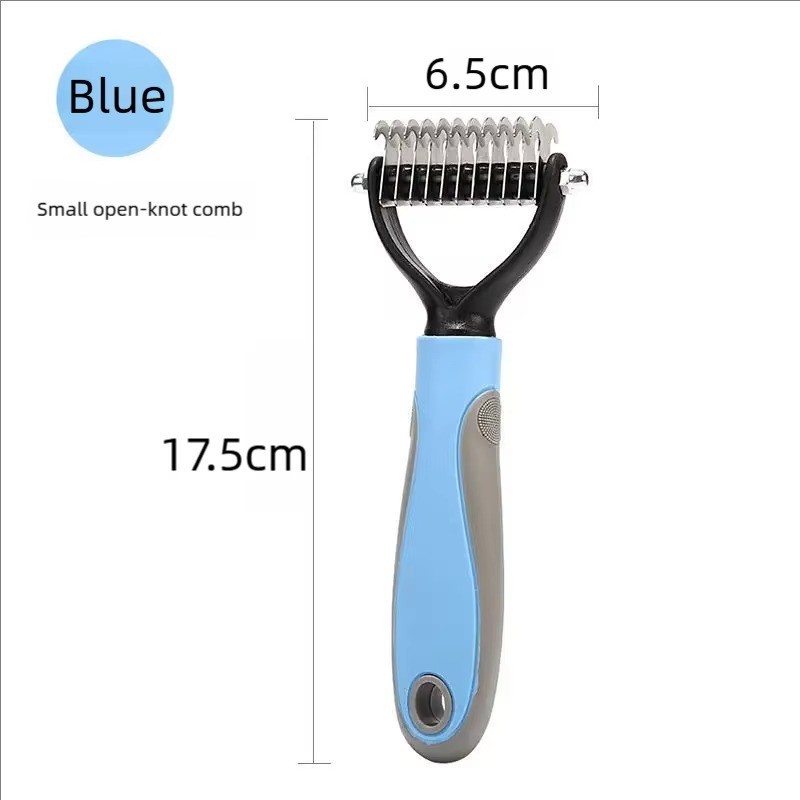 Pet Dog Cat Hair Remover Comb Needle Grooming Massage Deshedding Cleaning Brush$5.49Last checked Nov 21, 2026View on eBay
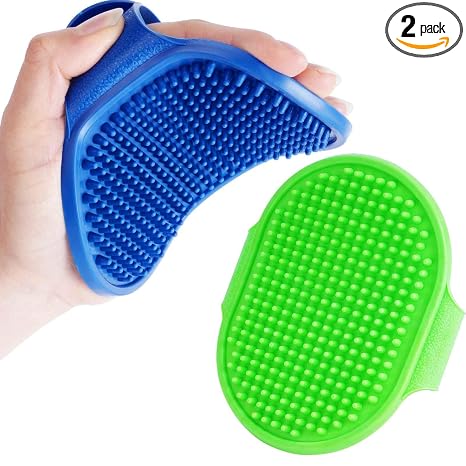 2-Pack Soft Silicone Pet Grooming And Bath Brushes With Adjustable Handles For Dogs And Cats$73.99View on Mallflare
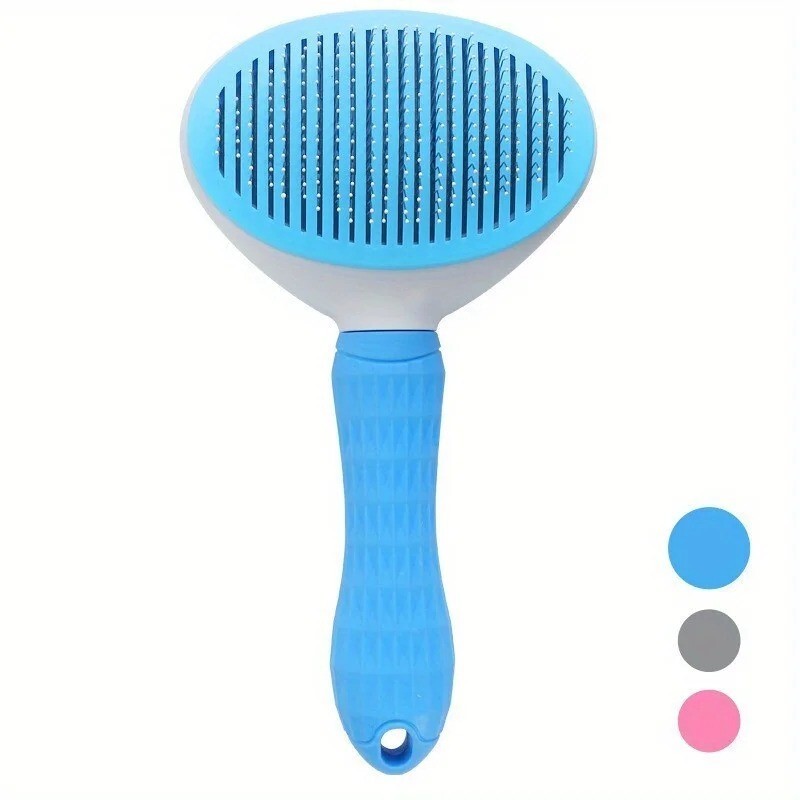 Pet Hair Remover Dog Cat Comb Grooming Massage Deshedding Self Cleaning Brush US$5.99Last checked Nov 24, 2026View on eBay
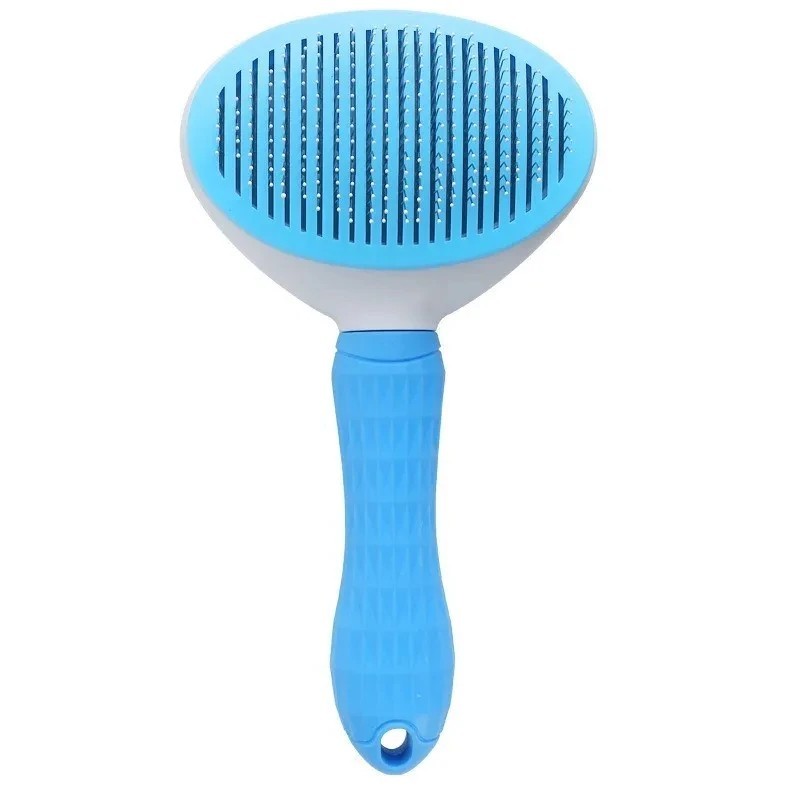 Pet Hair Remover Dog Cat Comb Grooming Massage Deshedding Self Cleaning Brush$6.35Last checked Nov 21, 2026View on eBay
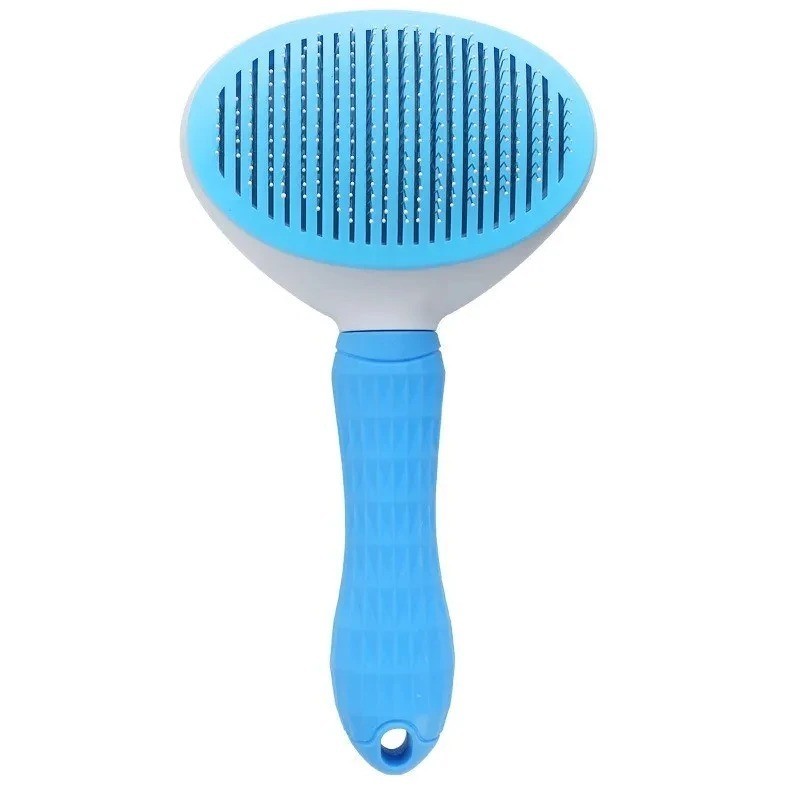 Pet Hair Remover Dog Cat Comb Grooming Massage Deshedding Self Cleaning Brush$6.39Last checked Nov 20, 2026View on eBay
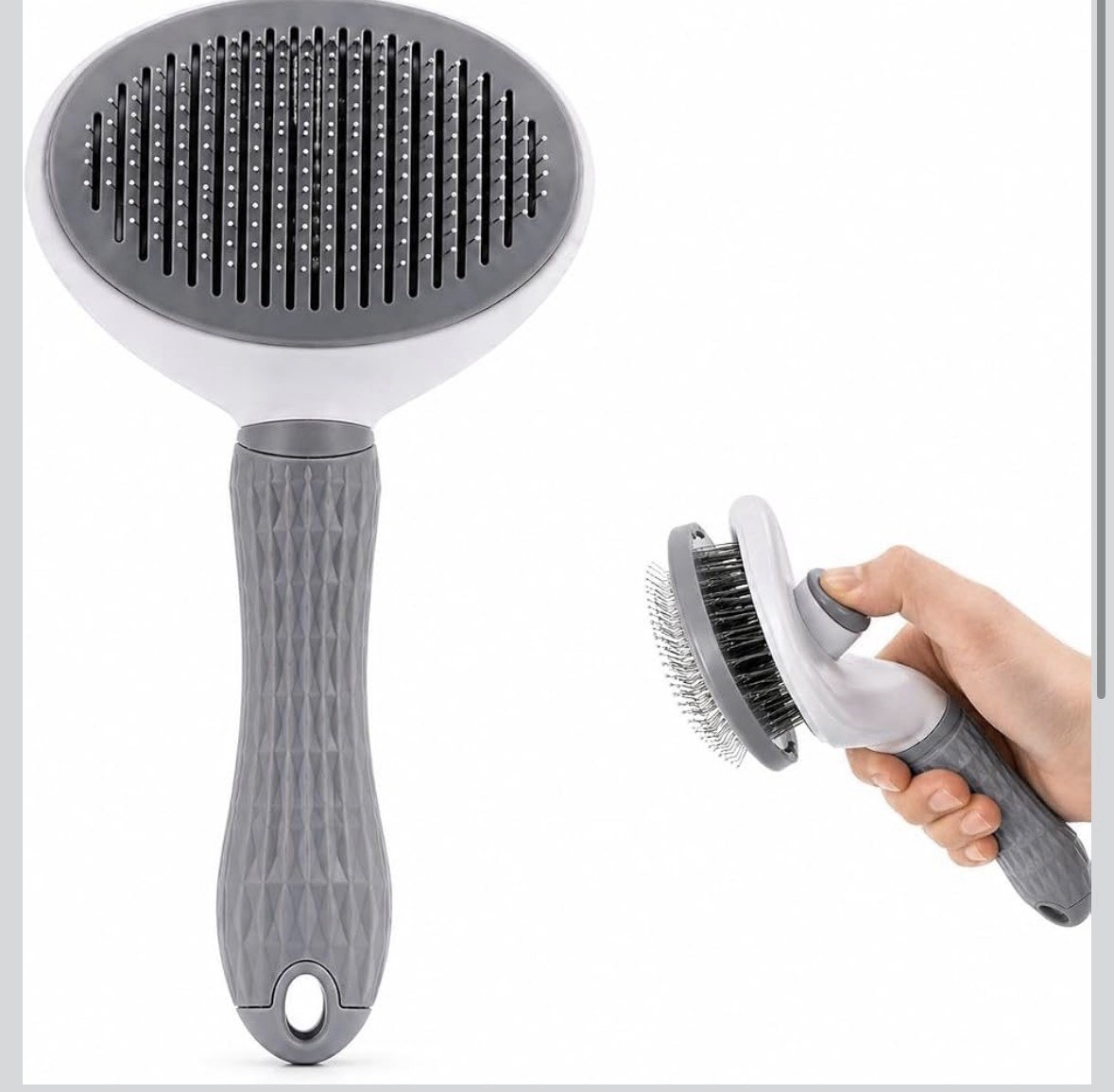 Pet Grooming Deshedding Brush, Self-Cleaning Massaging Brush for Dogs and Cats$7.00View on eBay
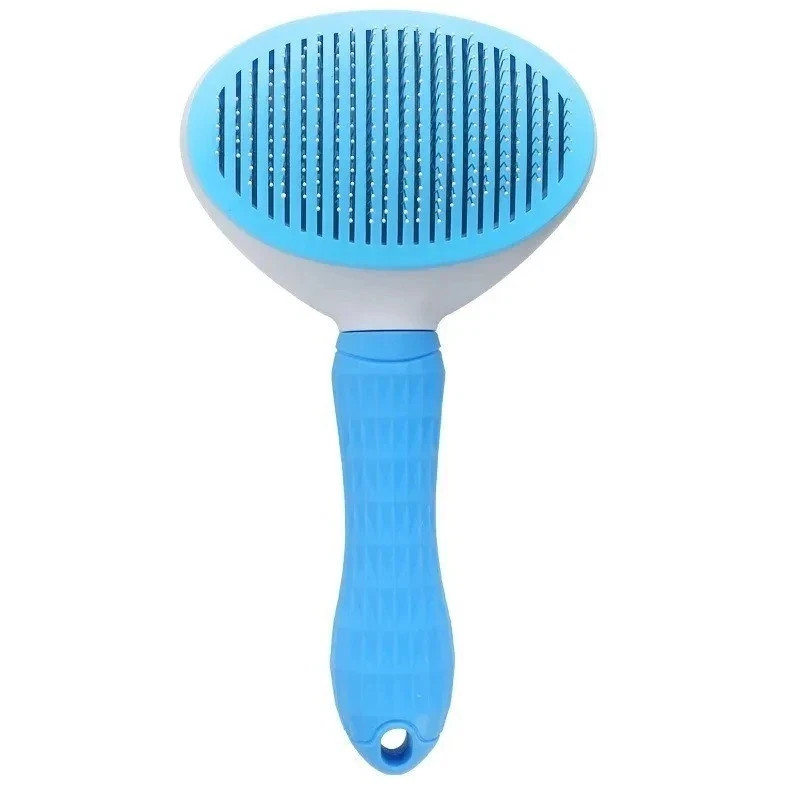 Pet Hair Remover Dog Cat Comb Grooming Massage Deshedding Self Cleaning Brush$7.85Last checked Nov 24, 2026View on eBay
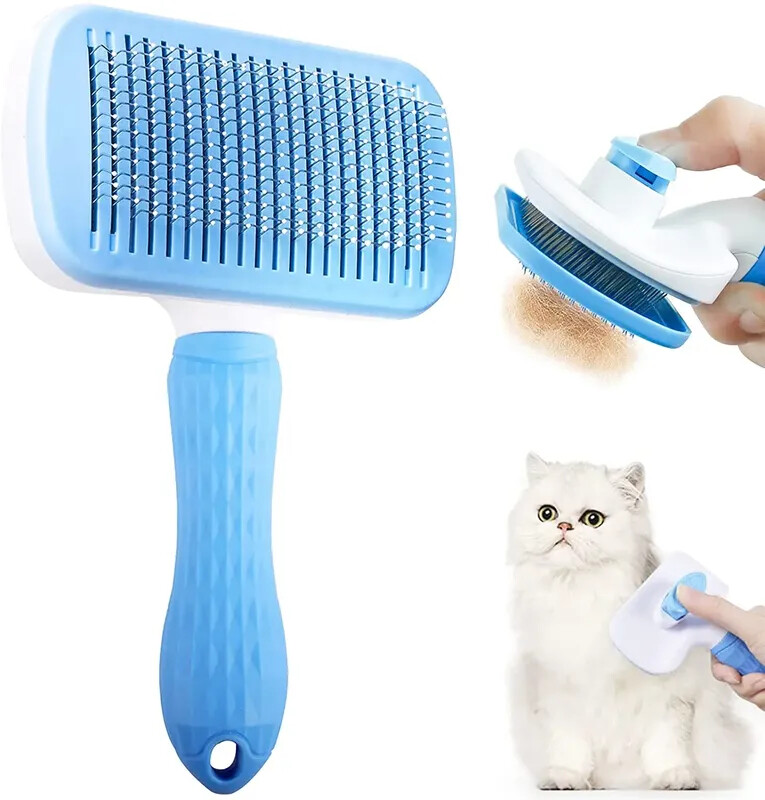 Self Cleaning Slicker Brush Dog Cat Pet Grooming Brush Pet Hair Remover Brush$7.99Last checked Nov 20, 2026View on eBay
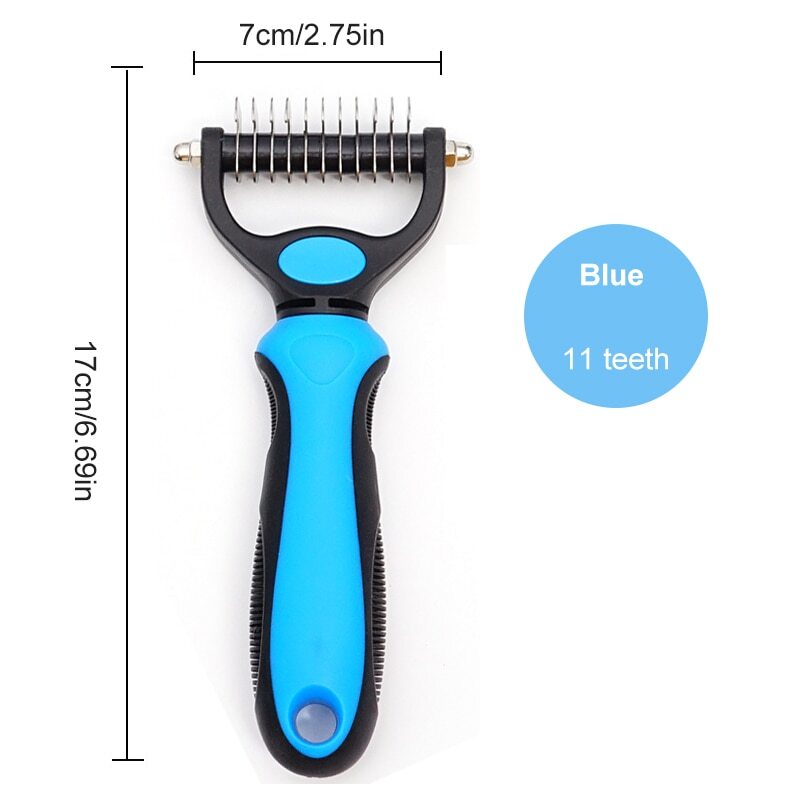 Pet Dog Cat Hair Remover Comb Needle Grooming Massage Deshedding Cleaning Brush$8.85Last checked Nov 24, 2026View on eBay
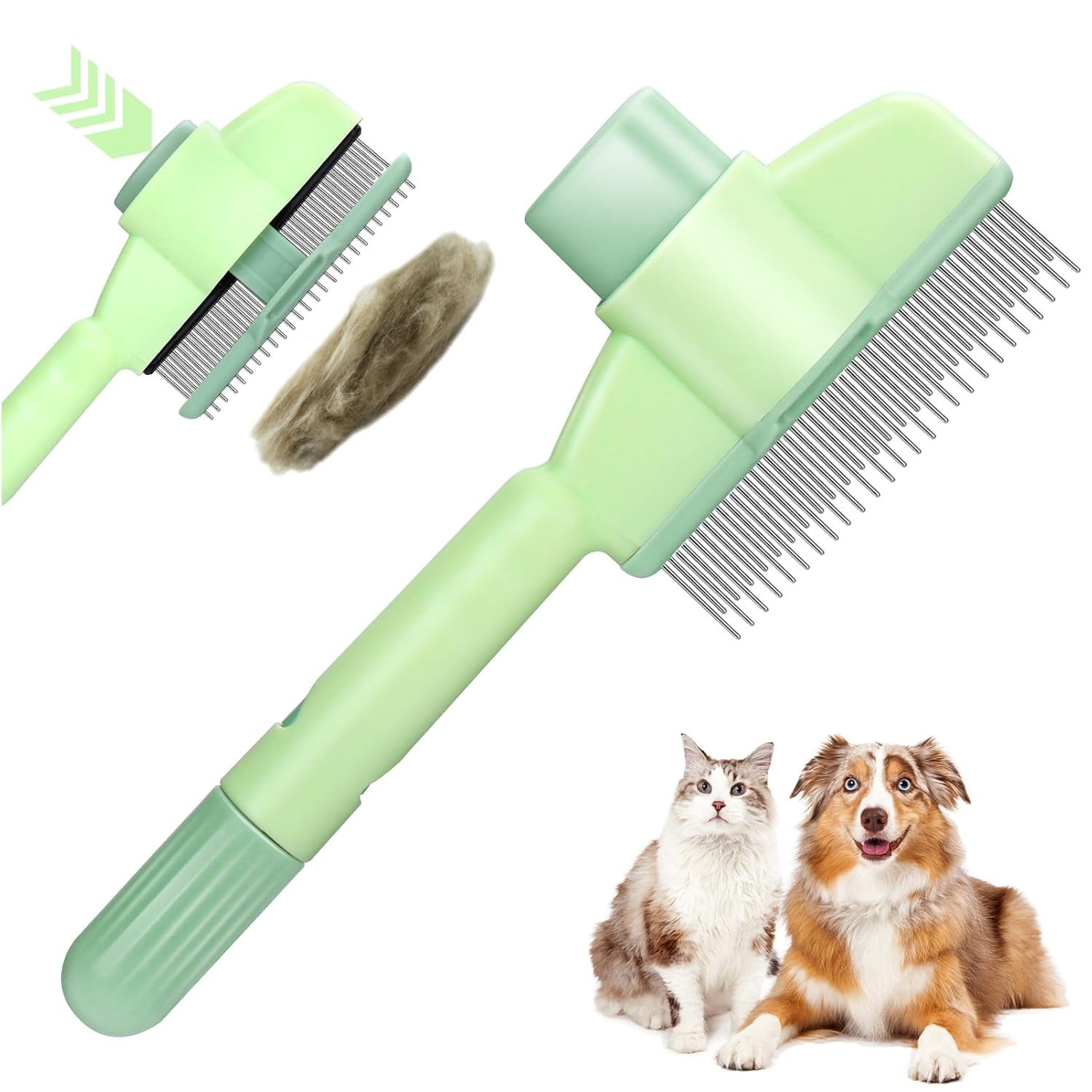 Pet Hair Remover Dog Cat Comb Grooming Massage Deshedding Self Cleaning Brush$9.79Last checked Nov 21, 2026View on eBay
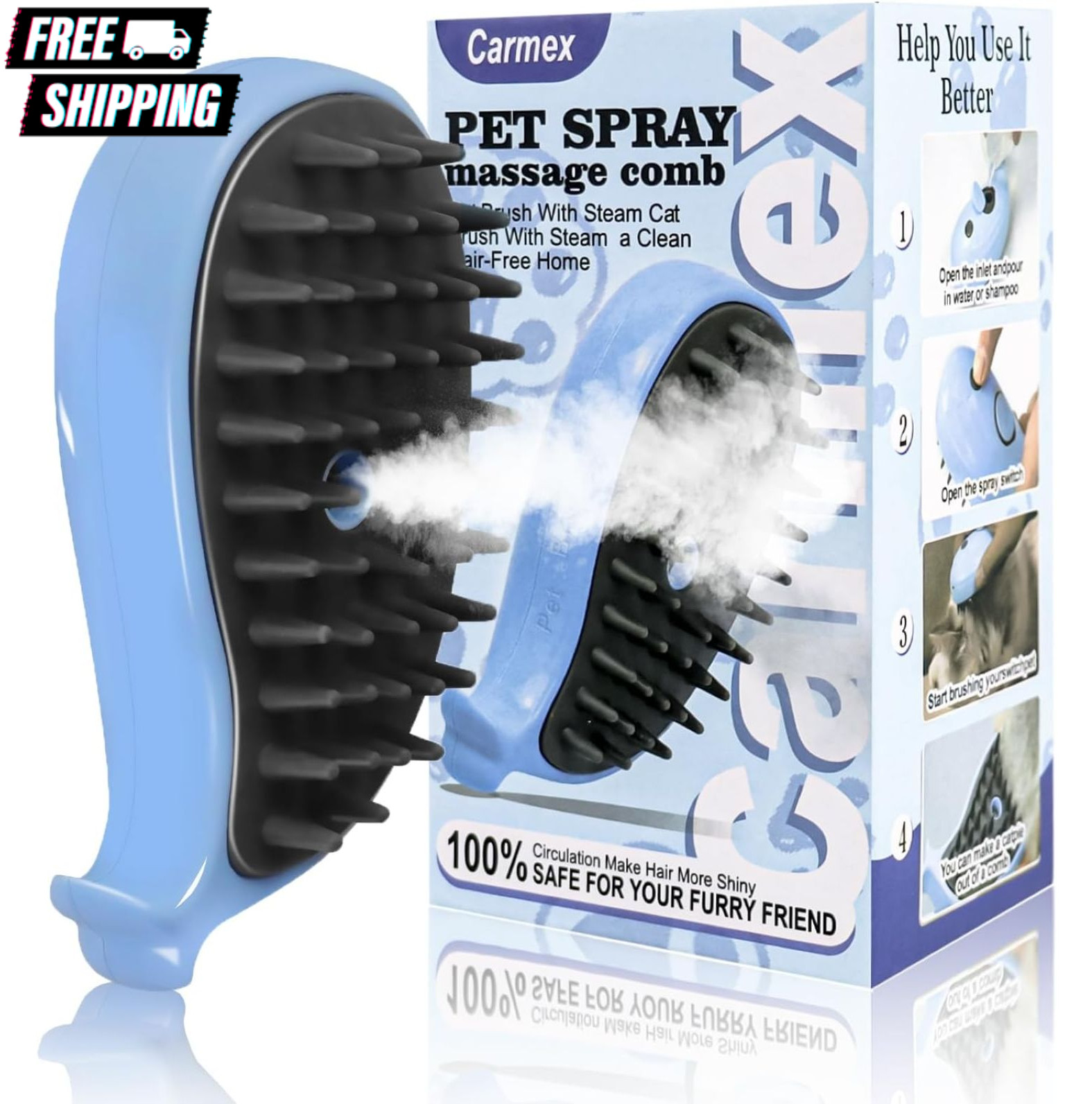 3in1 Rechargeable Cat & Dog Pet Grooming Brush for Shedding Hair Hot Steam Spray$9.89Last checked Nov 26, 2026View on eBay
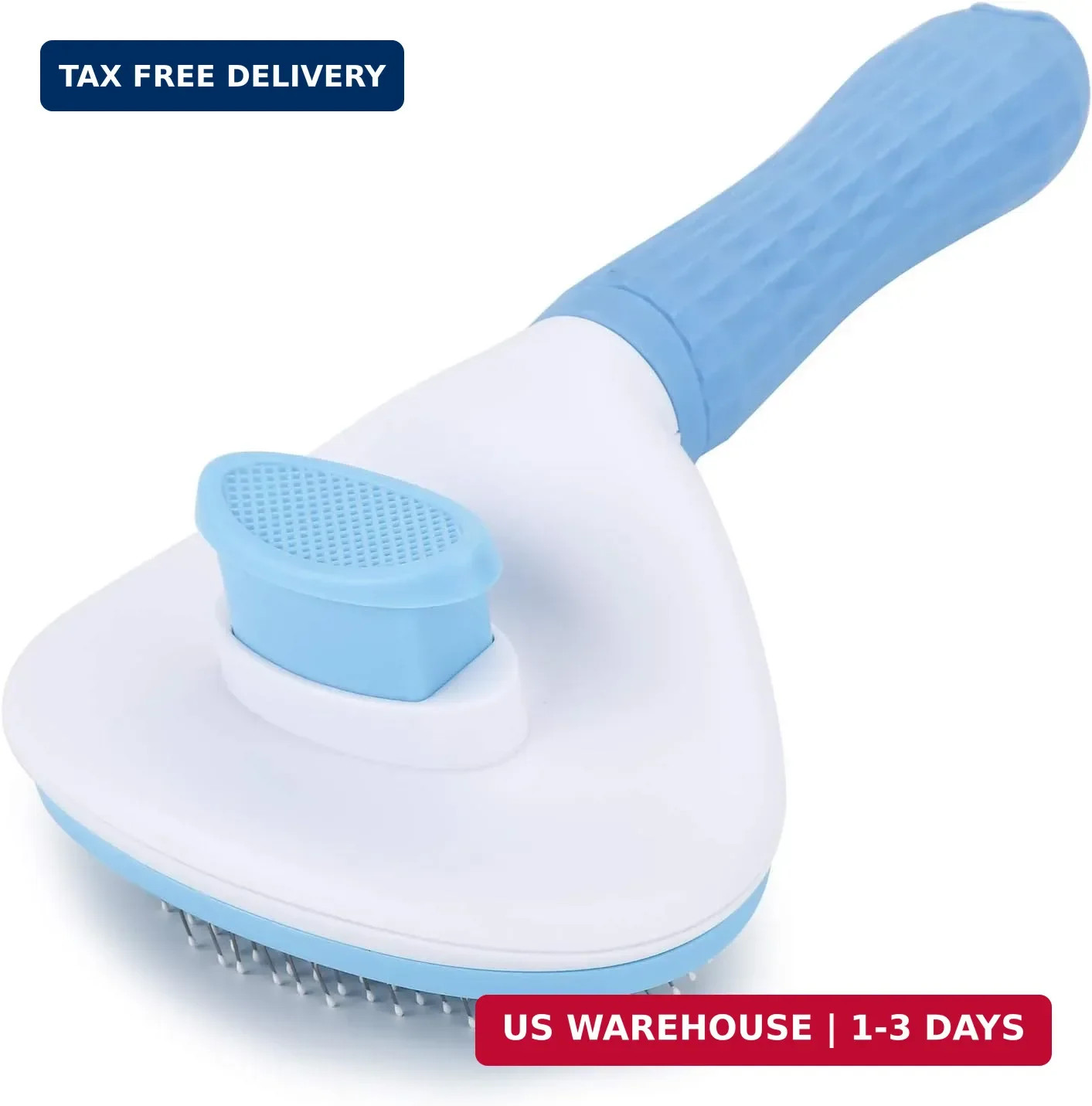 Self Cleaning Slicker Brush, Dog Cat Bunny Pet Grooming Shedding Brush - Easy to$9.97Last checked Nov 26, 2026View on eBay
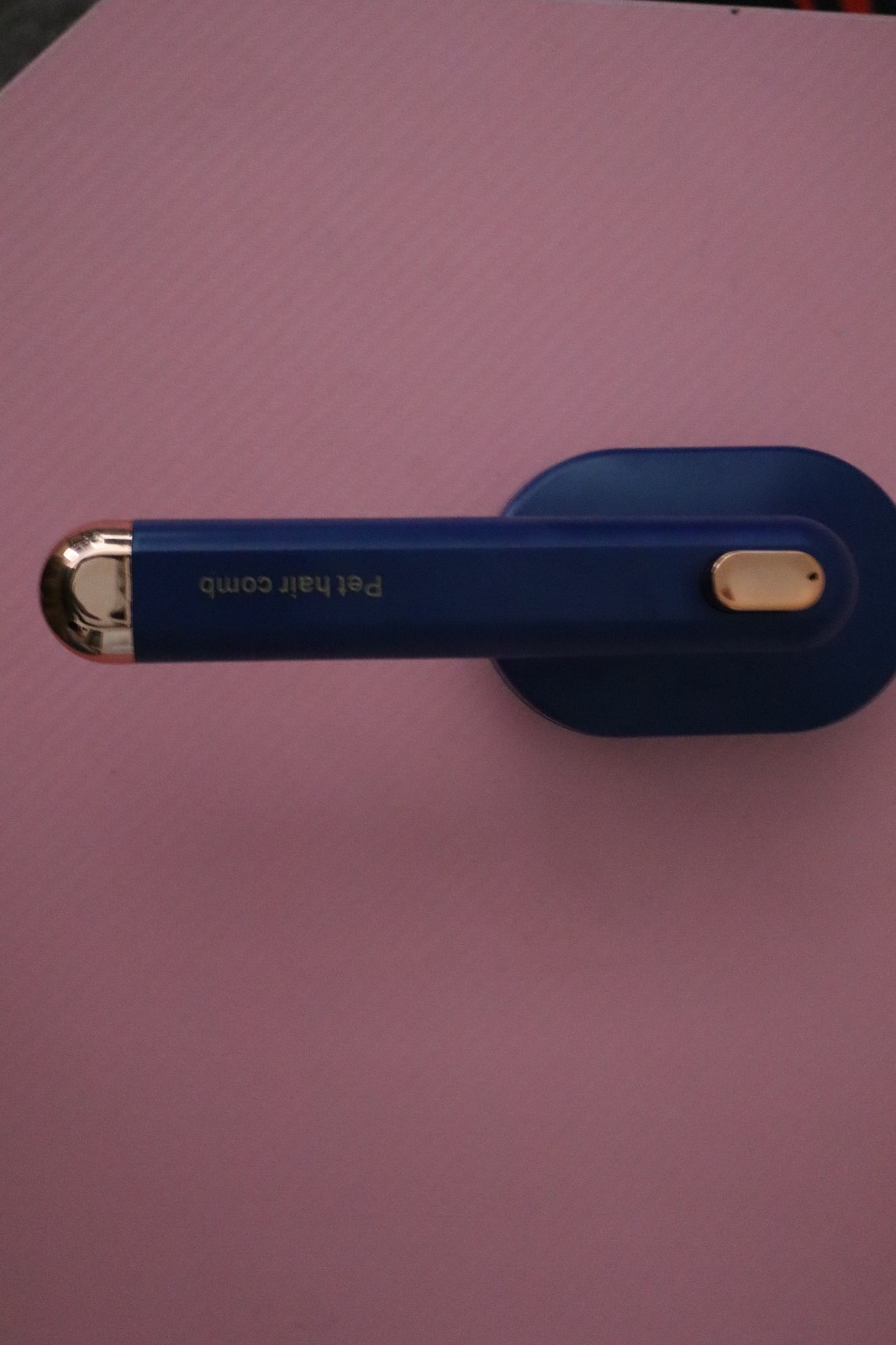 Dog Slicker Brush Self Cleaning Pet Grooming Tool Fur Removal Brush New$10.00View on eBay
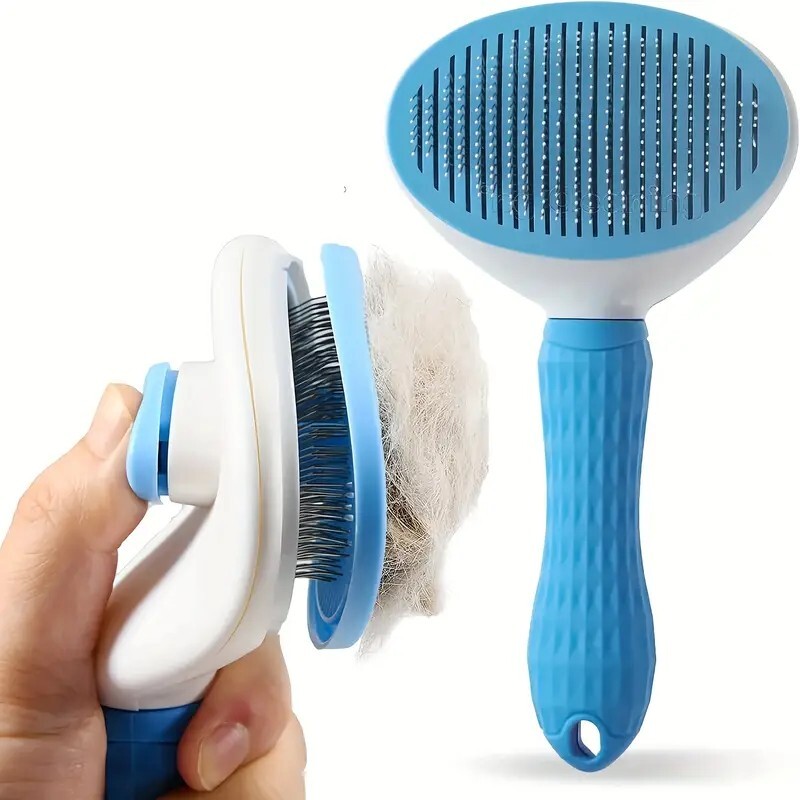 Pet Hair Remover Dog Cat Comb Grooming Massage Deshedding Self Cleaning Brush$11.00Last checked Nov 24, 2026View on eBay
Highlights
- Slicker brushes use fine stainless pins set at an angle in a rigid head; pin length 15-25 mm suits long coats, under 15 mm suits short coats, and bent pins mean the head flexes and skips undercoat.
- Undercoat rakes/deshedding blades use 1-2 rows of stainless teeth with a guarded edge; single-row straight blades cut undercoat on double-coated breeds, while multi-row curved rakes lift it without scraping skin.
- Self-cleaning models use a one-click retracting plate to strip hair from pins; the mechanism adds bulk and a plastic seam, so prioritize metal pin anchorage over the ejector convenience.
- Rubber curry or silicone massage brushes have short flexible nubs for short coats and bath lathering; they do not penetrate double coats and should be a secondary tool, not the primary deshedder.
Best use cases
- Golden Retriever, Labrador, German Shepherd, Husky, Australian Shepherd (double coat): choose an undercoat rake plus a slicker for finish work; skip silicone massage brushes as a primary tool because they only reach the topcoat.
- Poodle, Shih Tzu, Yorkshire Terrier (long single coat that mats): choose a long-pin slicker with rounded tips and a metal-tooth comb for line-checking; skip deshedding blades that cut hair and create patchy regrowth.
- Beagle, Boxer, Bulldog (short smooth coat): choose a rubber curry or short-pin slicker; skip long-pin slickers that scratch skin and skip undercoat rakes that have nothing to grab.
- Bath time and medicated shampooing: choose a silicone handheld brush with a liquid dispenser; skip it as a daily deshedder since the soft nubs cannot remove undercoat.
Buying tips
- Measure coat length at the shoulder: under 2.5 cm use a short-pin slicker or rubber curry; 2.5-7.5 cm use a standard slicker; over 7.5 cm use a long-pin slicker plus a metal comb.
- Check pin material and tip: stainless steel pins with rounded, polished tips resist rust and scratching; plastic or painted tips chip and expose sharp edges.
- For double coats, pick an undercoat rake with teeth spaced 6-10 mm apart and a guarded blade; teeth closer than 6 mm clog, wider than 10 mm miss undercoat.
- Prefer a rigid head: squeeze the brush head; if pins or the backing flex, the tool will skip over dense undercoat and bend at the roots instead of lifting hair.
Specs
| Brush Type | Slicker / Rake / Curry / Self-clean |
|---|---|
| Pin Material | Stainless steel vs plastic-coated |
| Pin Length | Short <15mm / Long 15-25mm |
| Coat Match | Double coat / Long / Short |
Related searches
What to check before buying
- Match brush width to dog size: head width roughly 7-10 cm for small breeds, 10-13 cm for medium, and 13 cm+ for large breeds so you can cover the body in fewer passes.
- Confirm the pin or blade is stainless steel, not coated mild steel, and that tips are rounded; run a finger across the tips before use to check for burrs.
- For self-cleaning models, test the retract button one-handed; a stiff or plastic-on-plastic ejector binds once hair packs the pins.
- Have a metal-tooth comb on hand for line-checking: after brushing, comb against the grain to reveal missed undercoat and mats before they tighten.
FAQ
Data sources: eBay / Amazon listings and product attribute feeds. Updated Nov 27, 2026.
Some links on this page are affiliate links. If you buy after clicking one, we may earn a commission at no extra cost to you. This does not change which products appear here or their order. Affiliate disclosure.