
Photos from current listings. Actual item, color, and included accessories may vary.
Dry Dog Food Skin Allergy Buying Guide
Dry dog food for skin allergies must address the root cause—often a protein or grain trigger—while delivering complete nutrition, so the decisive factor is whether the formula uses a limited-ingredient, hydrolyzed, or novel-protein base with an explicit omega fatty acid profile. The market splits into therapeutic-tier diets (hydrolyzed or novel protein, vet-channel) and retail limited-ingredient diets (single novel protein, no corn/wheat/soy), with grocery-tier kibbles offering no allergy control. Choose a hydrolyzed or limited-ingredient formula with named protein and guaranteed omega-3 levels; avoid any kibble with unidentified 'meat meal,' artificial colors, or a protein source your dog has already reacted to.
Median $37.64
Key takeaways
- Hydrolyzed protein diets break proteins below the immune-recognition threshold (typically under 10 kDa) and are the only non-prescription-adjacent option proven for true food-allergy diagnosis via elimination trial.
- Limited-ingredient retail diets rely on a single novel protein (salmon, venison, duck) and a single carb (pea, potato) but frequently share cross-contamination lines—true elimination requires a hydrolyzed or vet-exclusive formula.
- Guaranteed omega-3 analysis (EPA+DHA) of 0.3% minimum supports skin-barrier repair; fish-oil-based formulas outperform flaxseed because dogs convert plant ALA poorly to EPA/DHA.
At a glance
- Category
- Pet Food, Treats & Litter
- Last updated
- Nov 27, 2026
Current offers
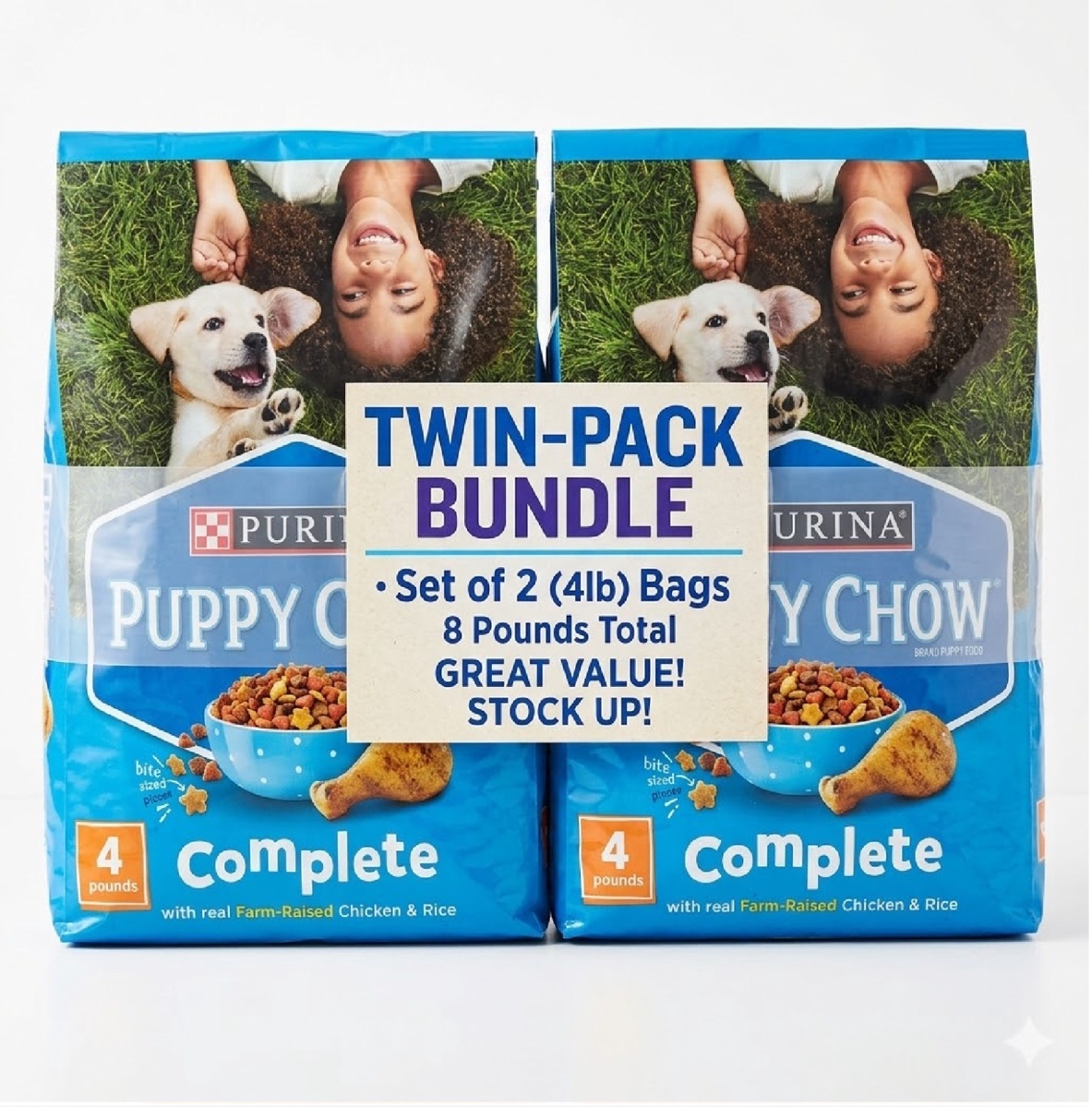 2pk Purina Puppy Chow Complete Dry Dog Food, High Protein Farm-Raised, 4 lb Bag$8.99View on eBay
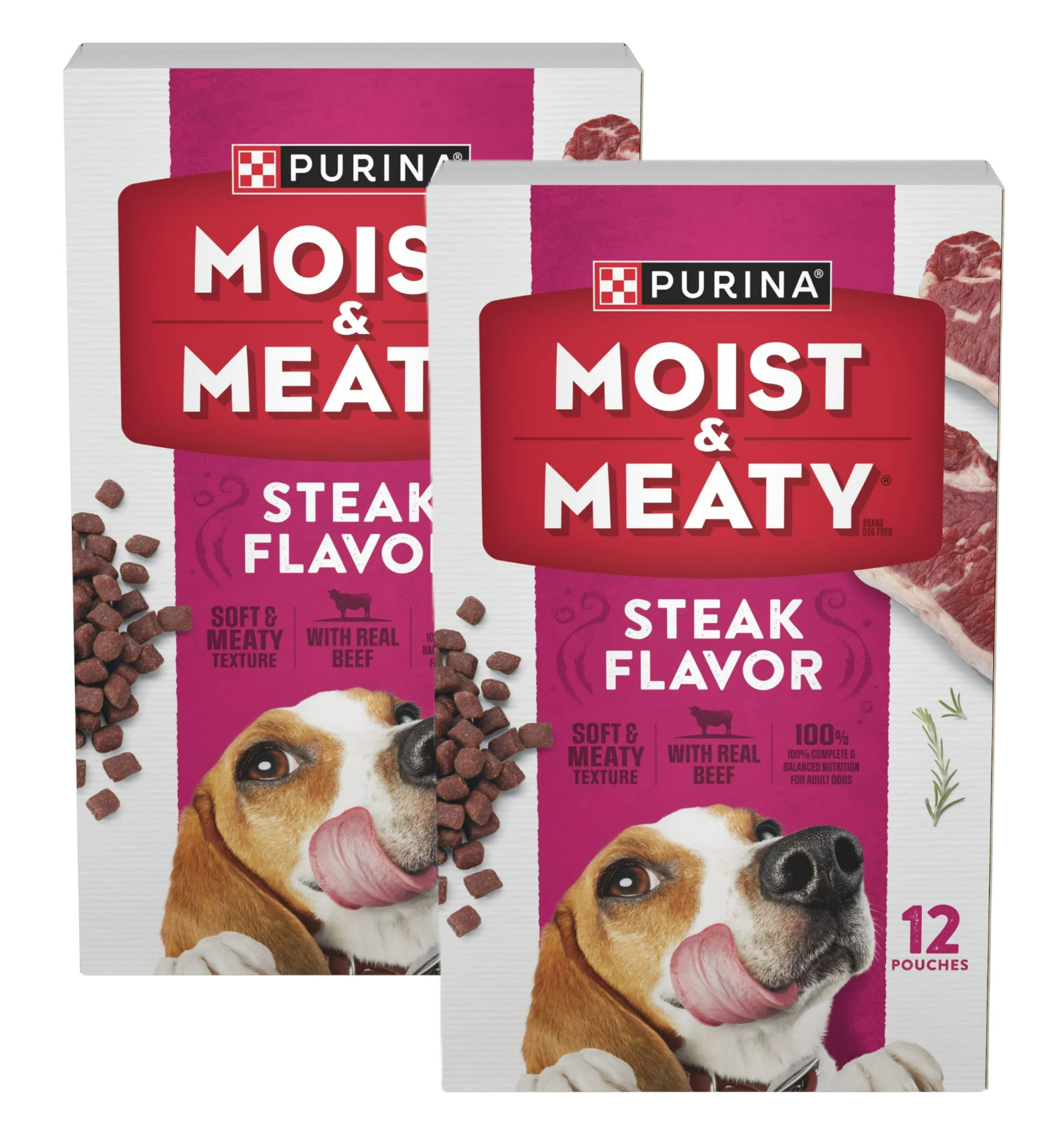 Purina Moist & Meaty Dry Dog Food High Protein Steak Flavor with Real Beef 24 Ct$13.40View on eBay
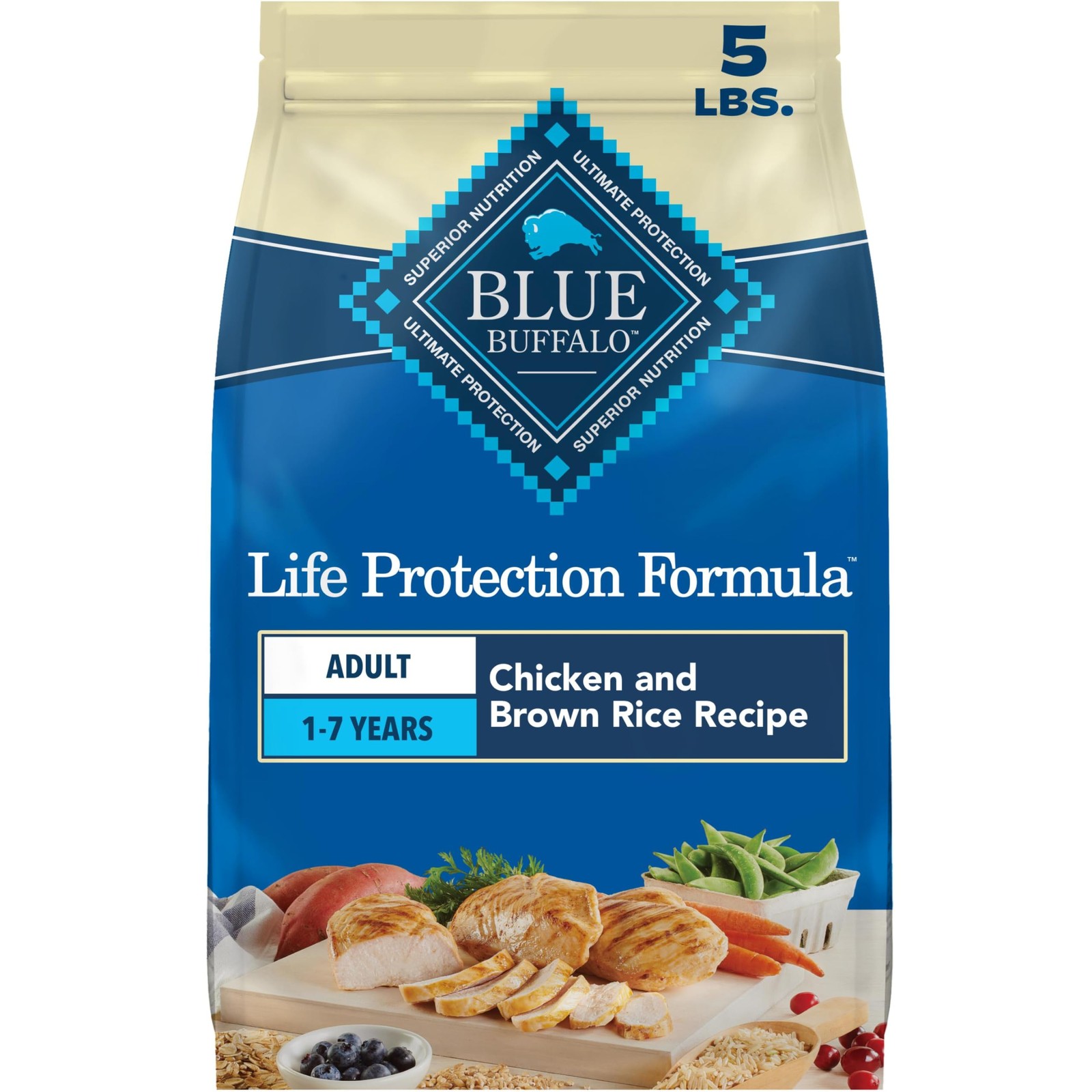 Blue Buffalo Life Protection Formula Chicken Adult Dry Dog Food, 5 lb$20.82View on eBay
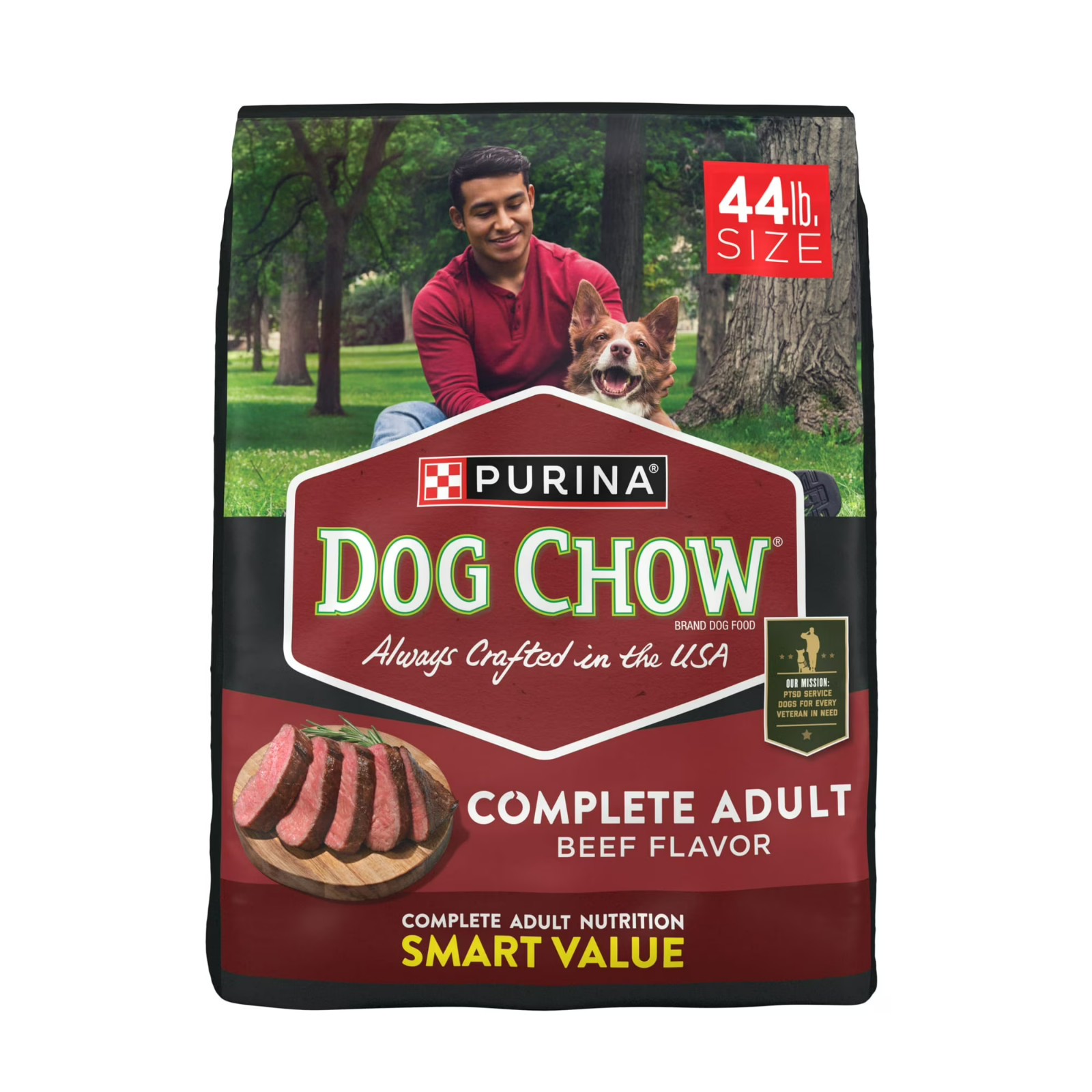 Dog Chow Complete Adult Dry Dog Food for Adult Dogs,Kibble Beef Flavor,44 lb Bag$20.88View on eBay
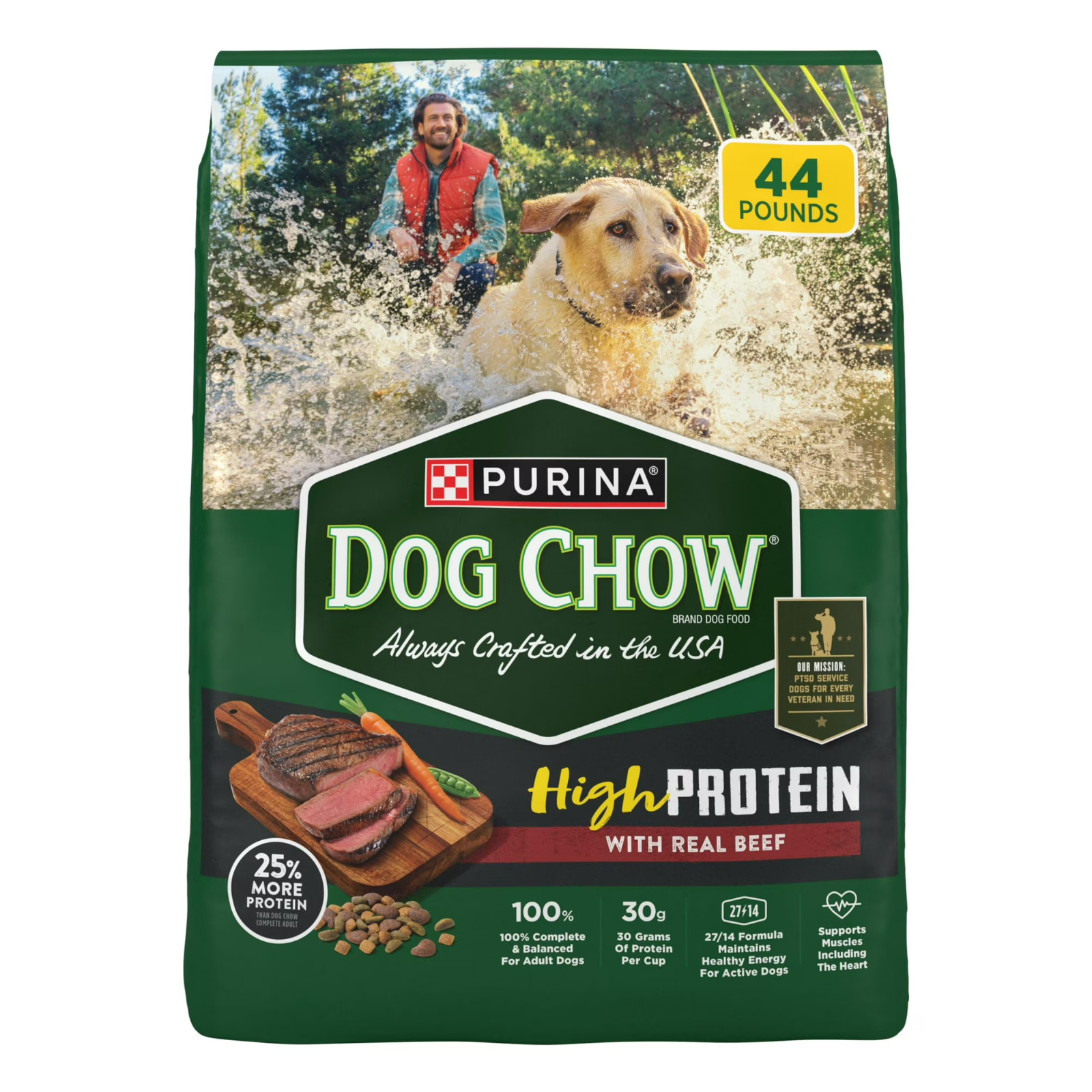 Purina Dog Chow High Protein Dog Food Dry Recipe with Real Beef, 44 lb Bag$20.98View on eBay
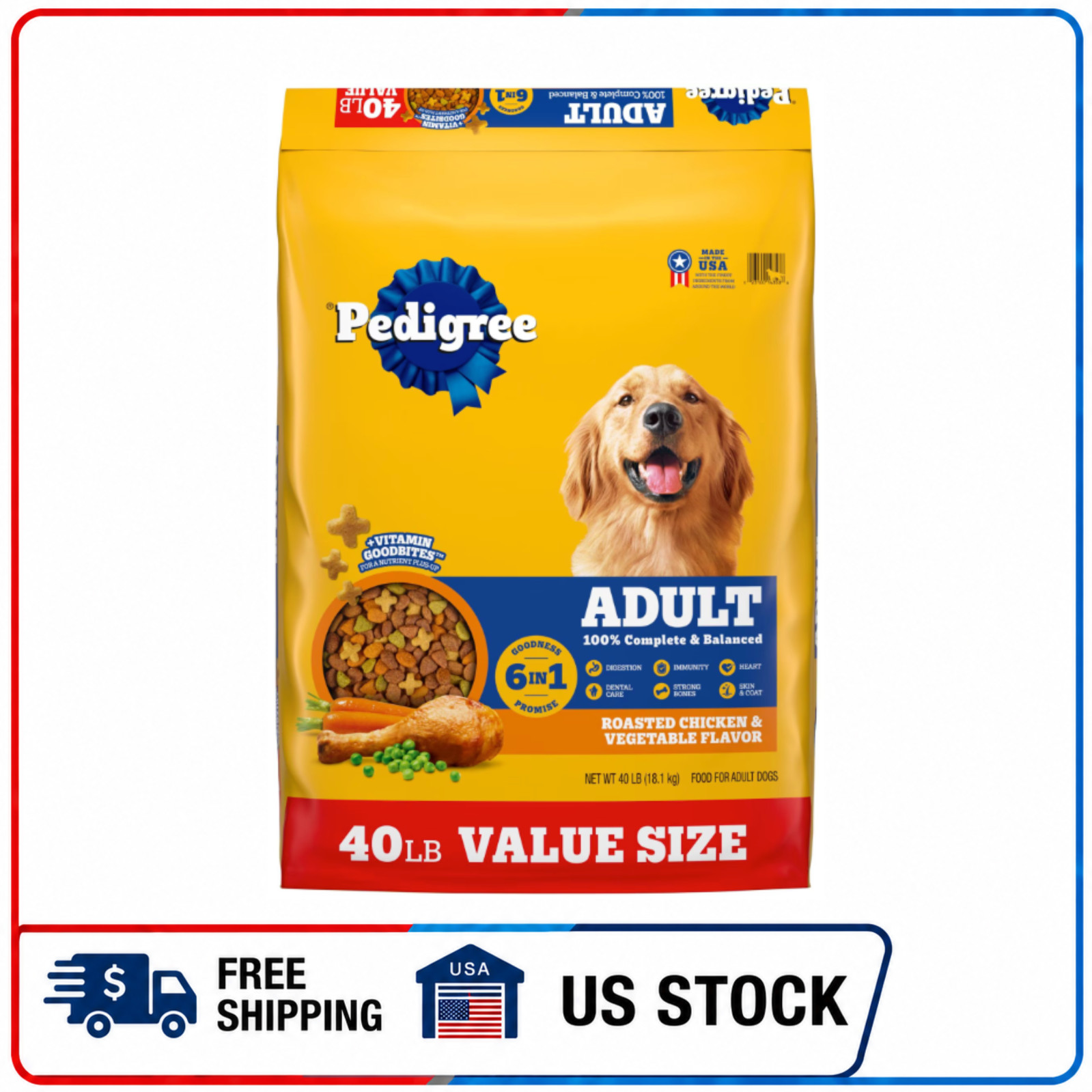 Pedigree Complete Nutrition Adult Dry Dog Food Roasted Chicken Vegetable 40 lb$21.50View on eBay
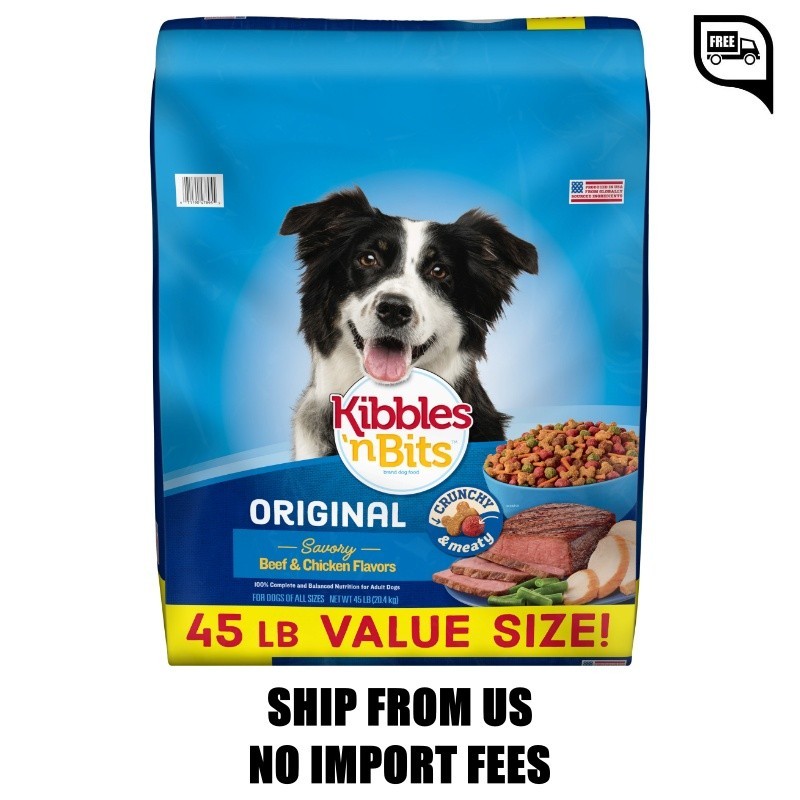 Kibbles 'n Bits Dry Dog Food, Original Savory Beef & Chicken Flavors, 45 lb. Bag$21.57View on eBay
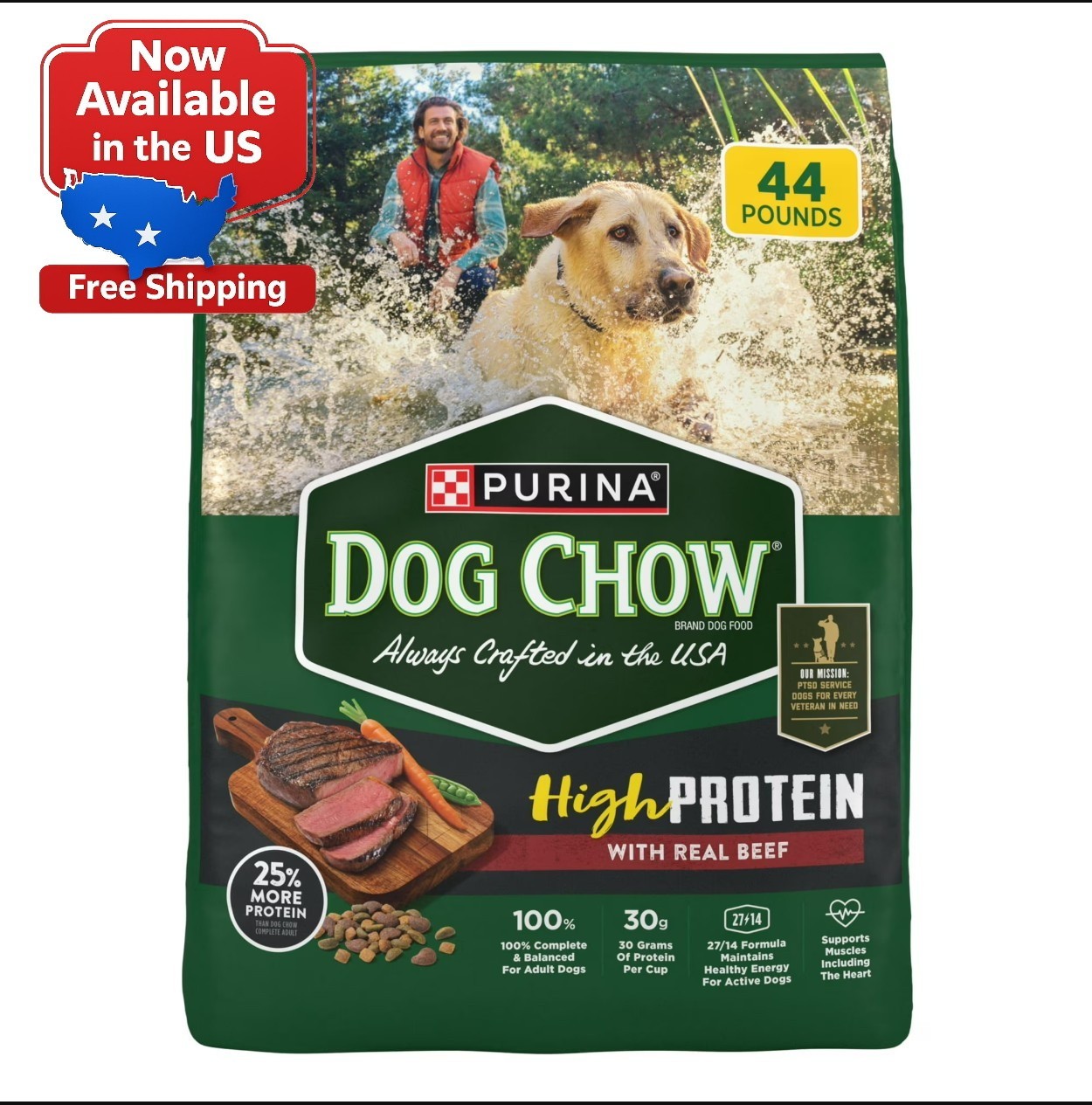 Purina Dog Chow High Protein Dog Food Dry Recipe with Real Beef, 44 lb Bag$24.47View on eBay
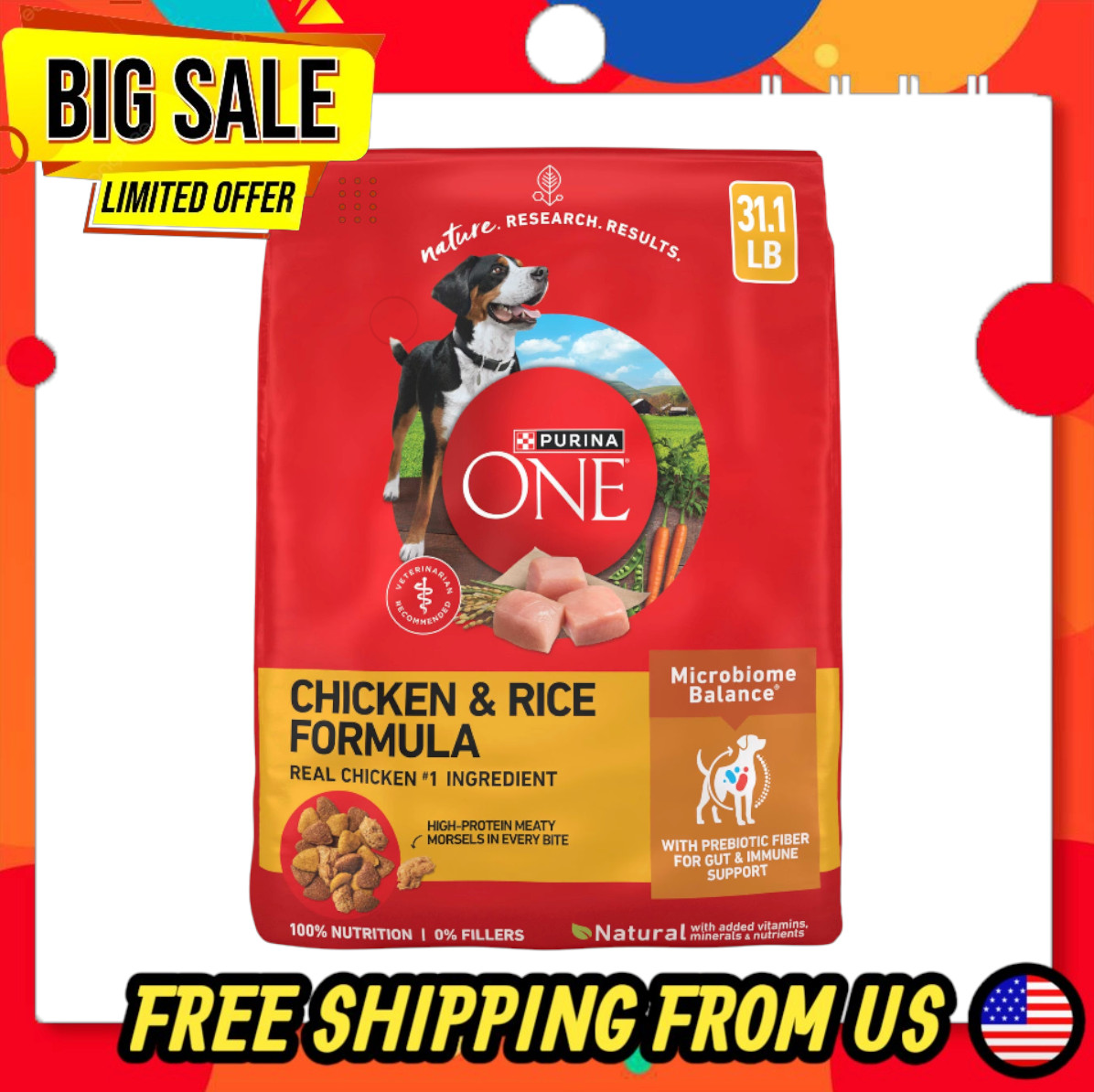 Purina One Dry Dog Food for Adult Dogs High Protein, Real Chicken & Rice, 31.1lb$34.28View on eBay
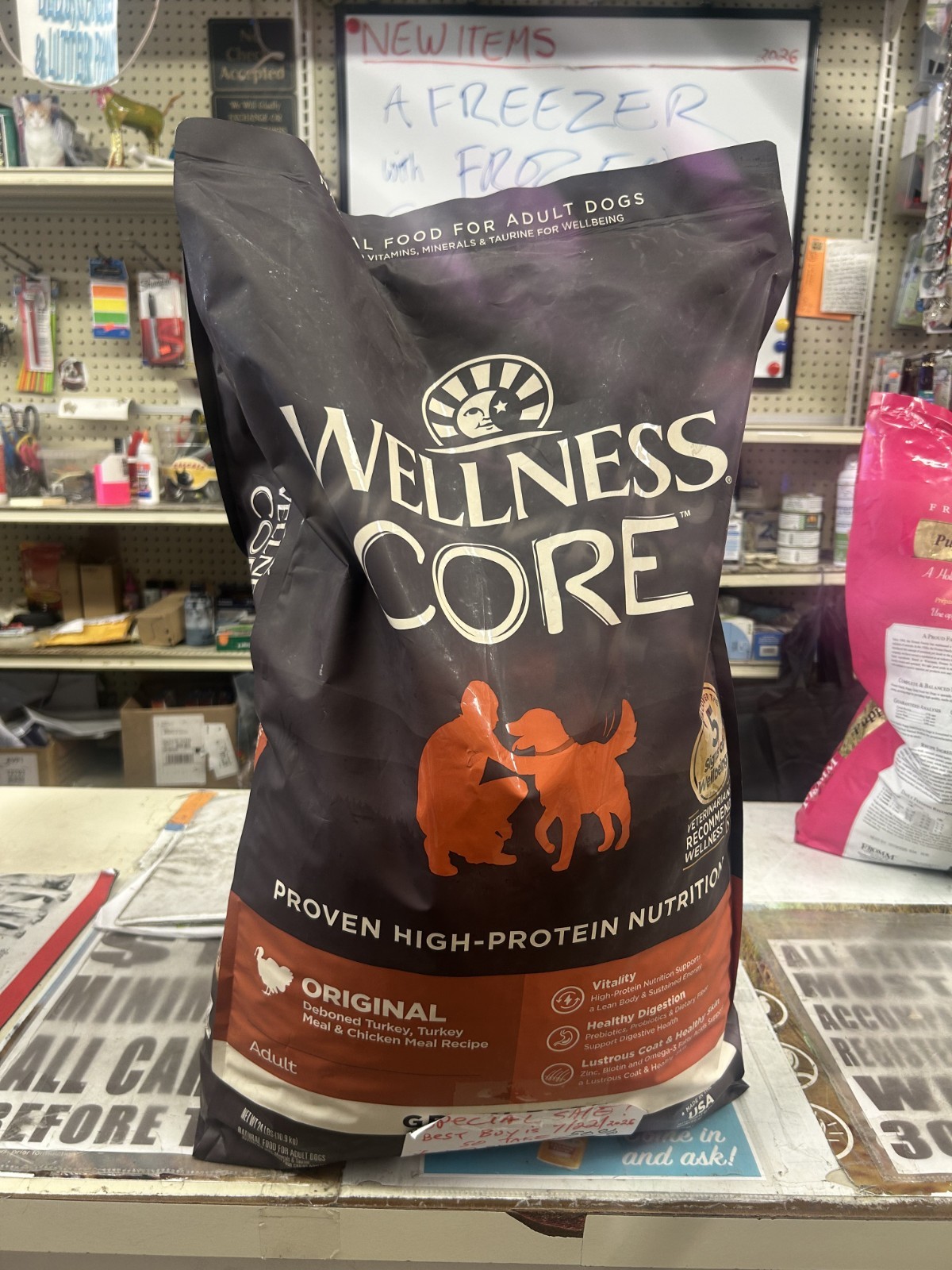 Wellness Core Dry Dog Food - 24 lb Bag - 1/2 Price! Sell by Date 7/22$34.99View on eBay
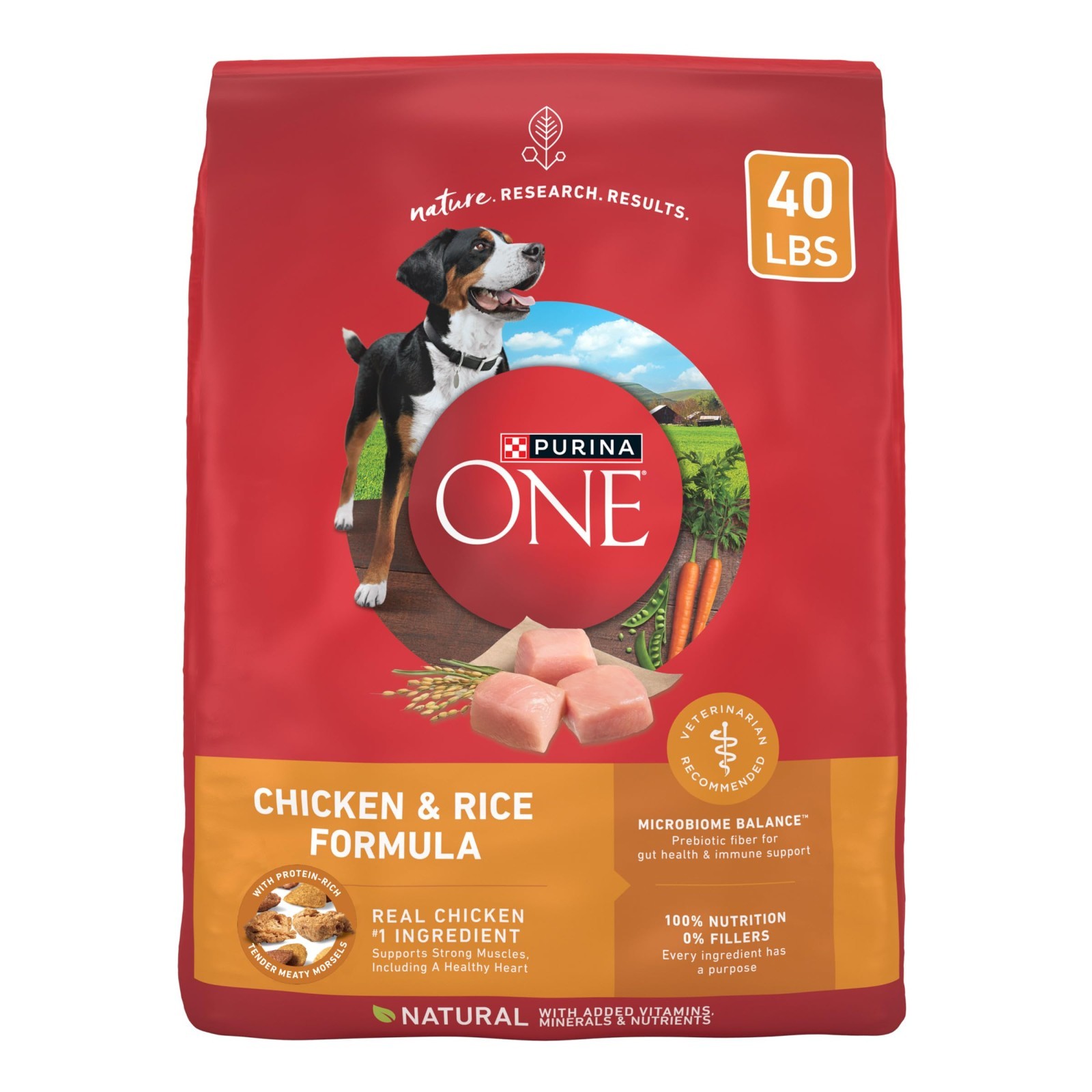 Purina ONE Chicken and Rice Formula Dry Dog Food - 40 lb. Bag$36.95View on eBay
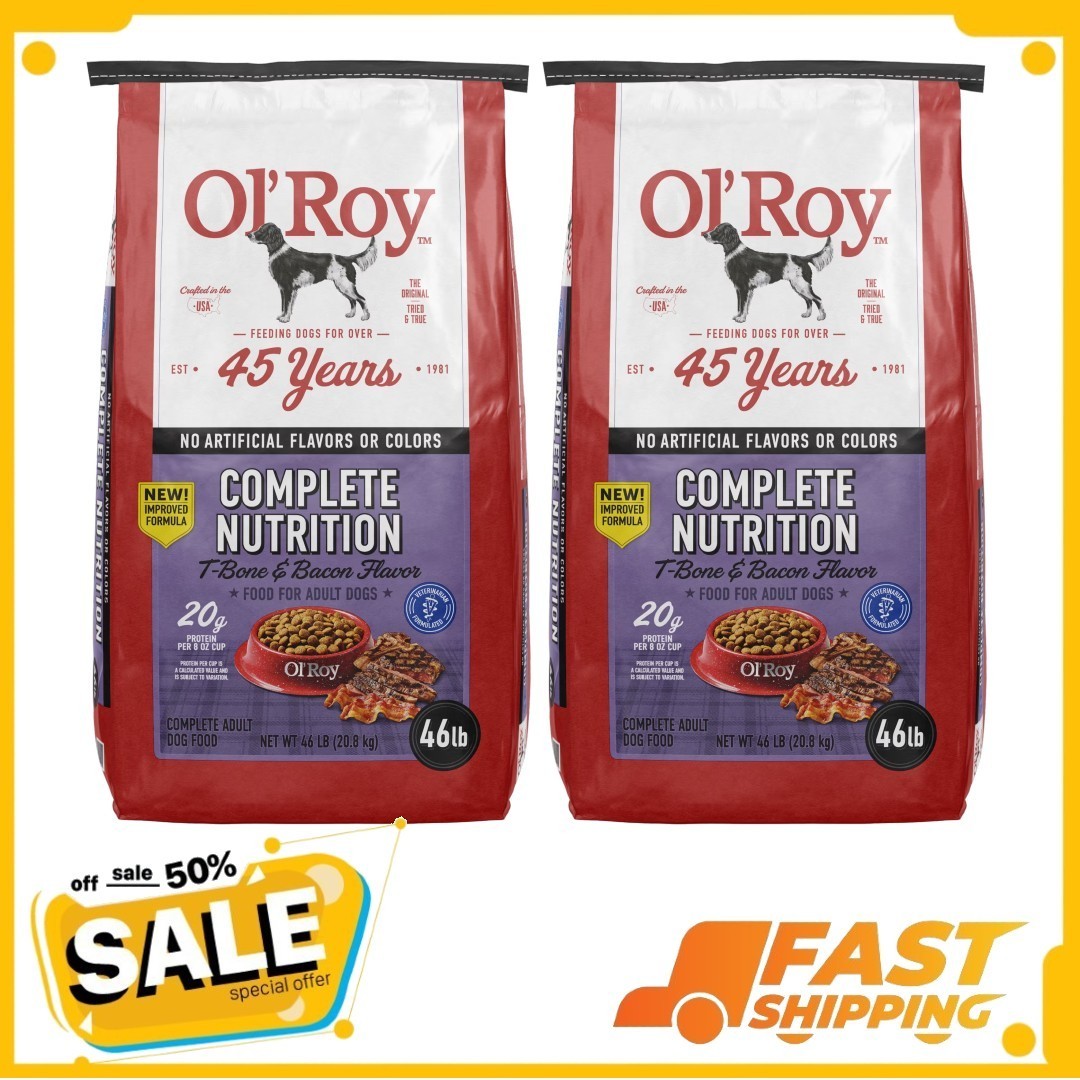 (2 pack) Ol' Roy Complete Nutrition T-Bone and Bacon Flavor Dry Dog Food, 46 lb$37.31View on eBay
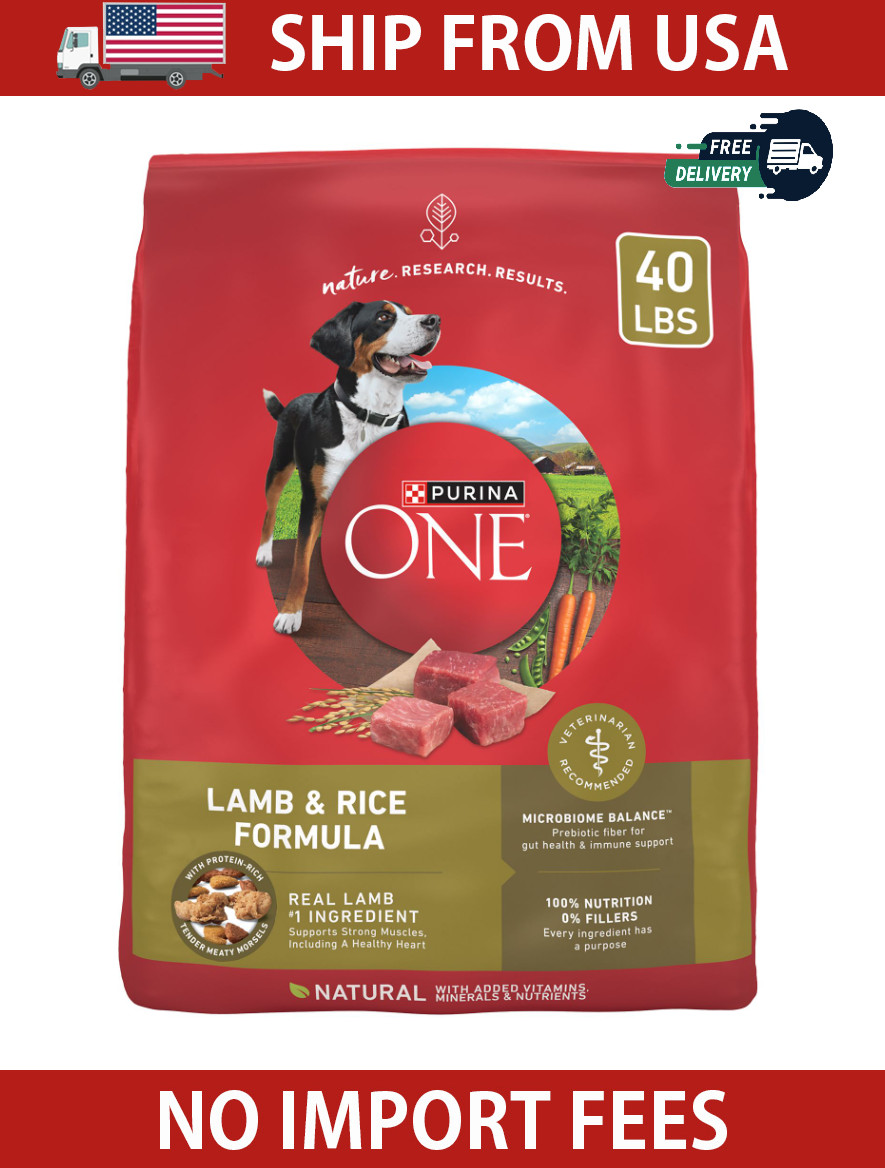 Purina ONE Lamb & Rice Formula Dry Dog Food, 40 lbs.$37.50View on eBay
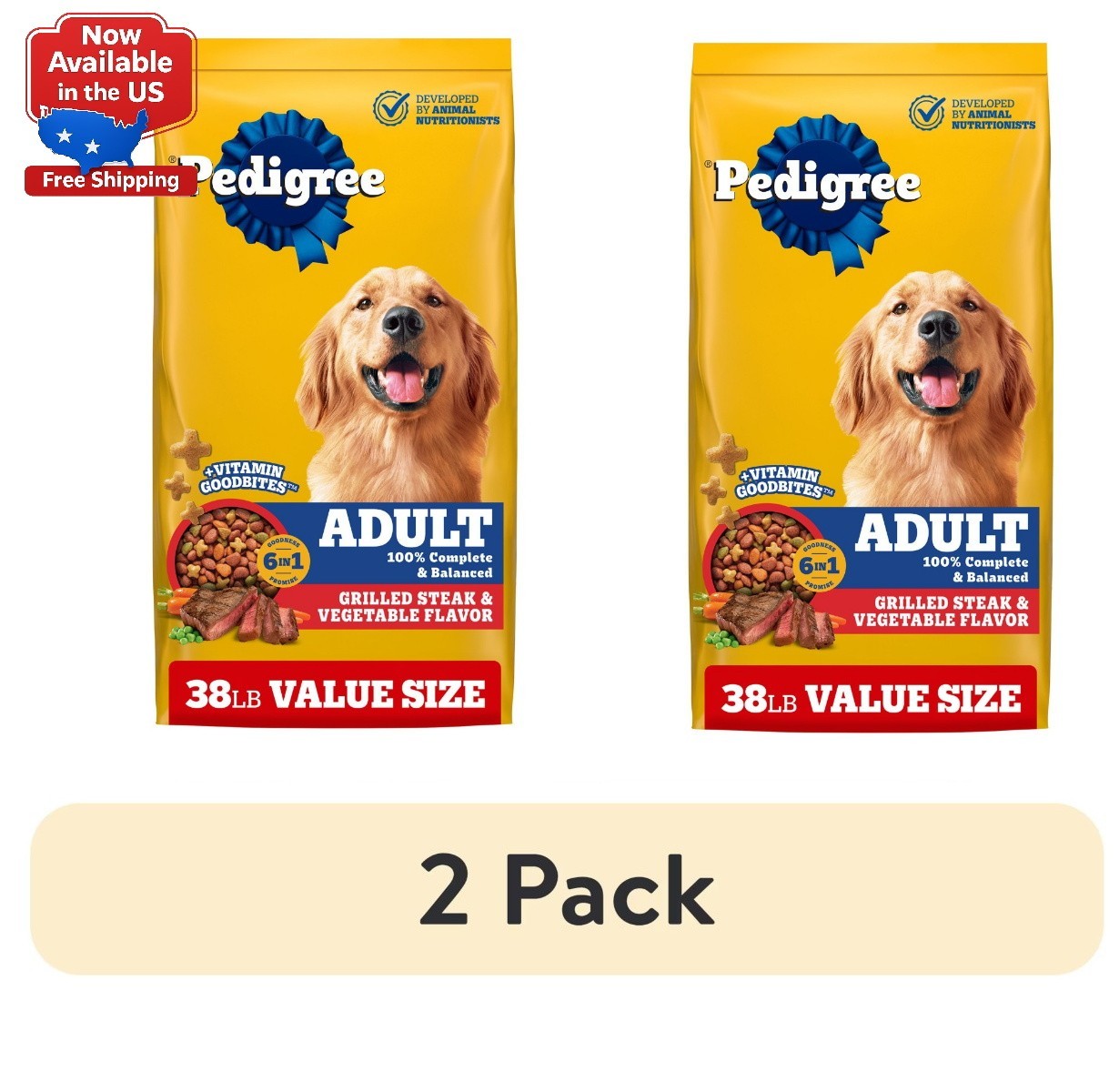 2 pack Pedigree Complete Nutrition Adult Steak &Vegetable Flavor Dry Dog Food 38$37.77View on eBay
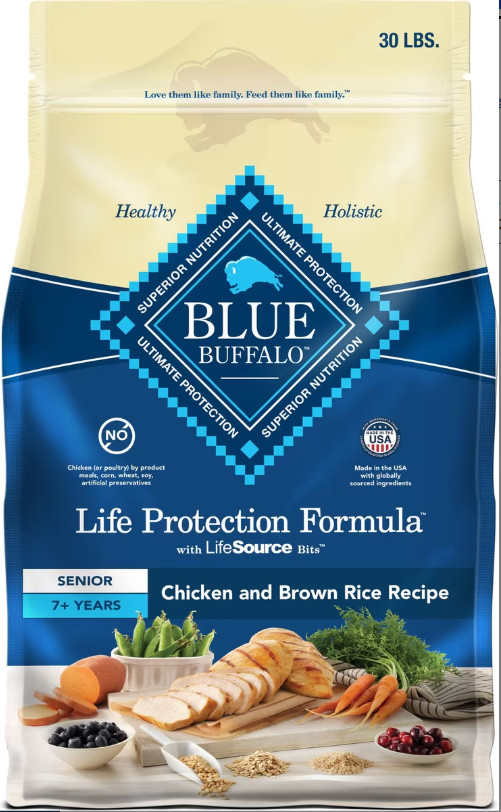 Blue Buffalo Life Formula Senior Chicken & Brown Rice Recipe Dry Dog Food, 30 lb$49.98View on eBay
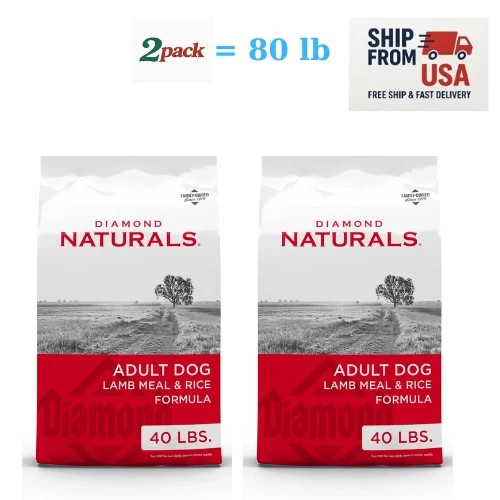 2 PACK - Diamond Naturals Adult Dog Lamb Meal & Rice Formula Dry Dog Food, 40 lb$50.00View on eBay
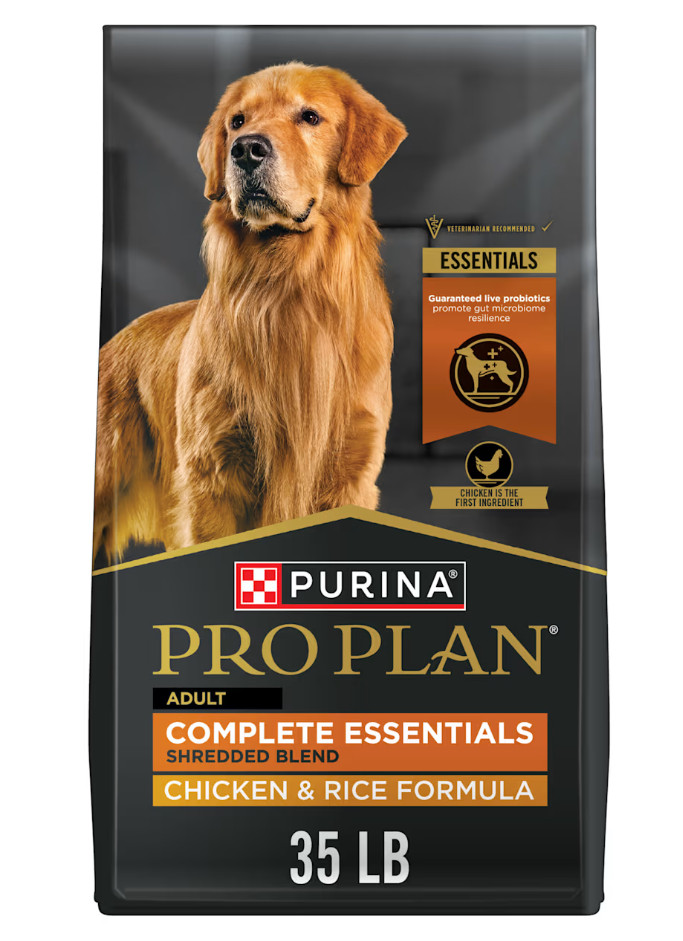 Purina Pro Plan Adult Shredded Blend Chicken & Rice Formula Dry Dog Food, 35 lb$52.99View on eBay
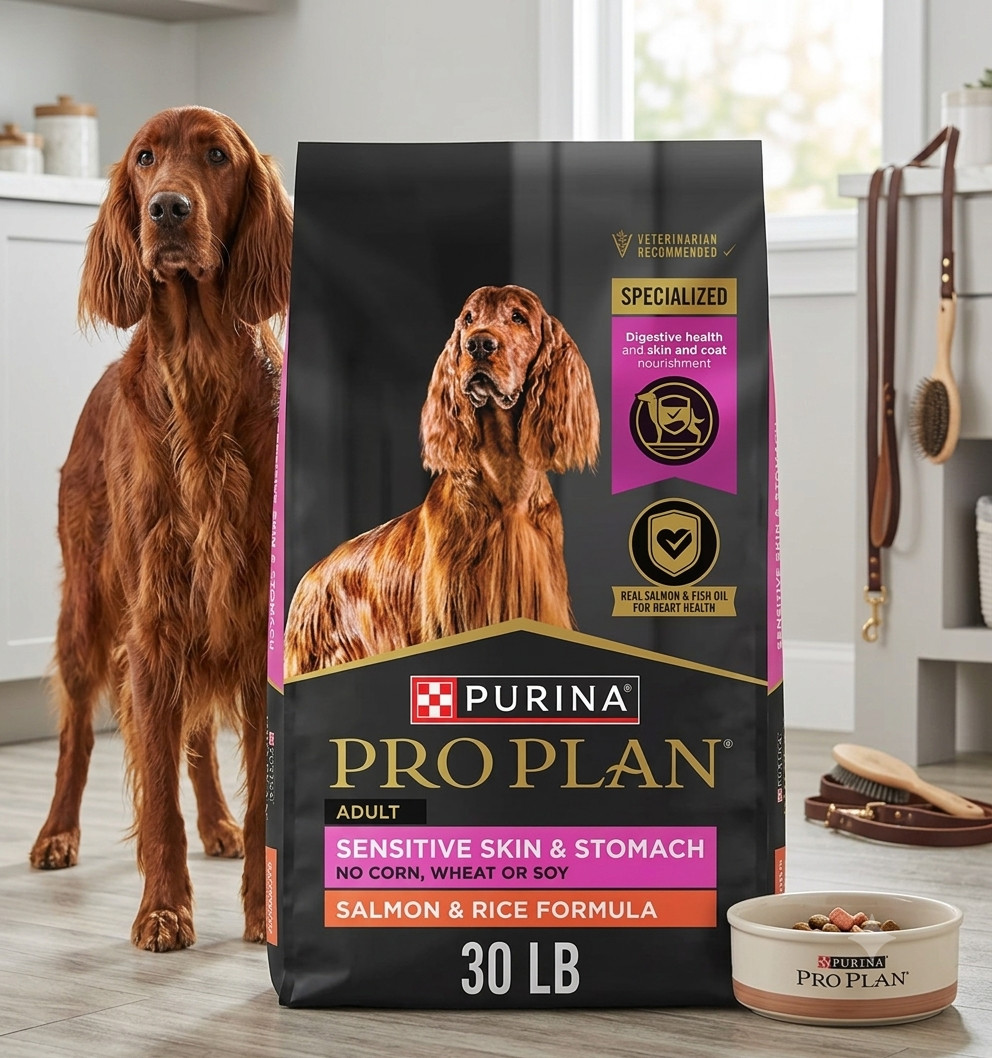 Purina Pro Plan Sensitive Skin Stomach Salmon Rice Dry Dog Food 30 lb$57.83View on eBay
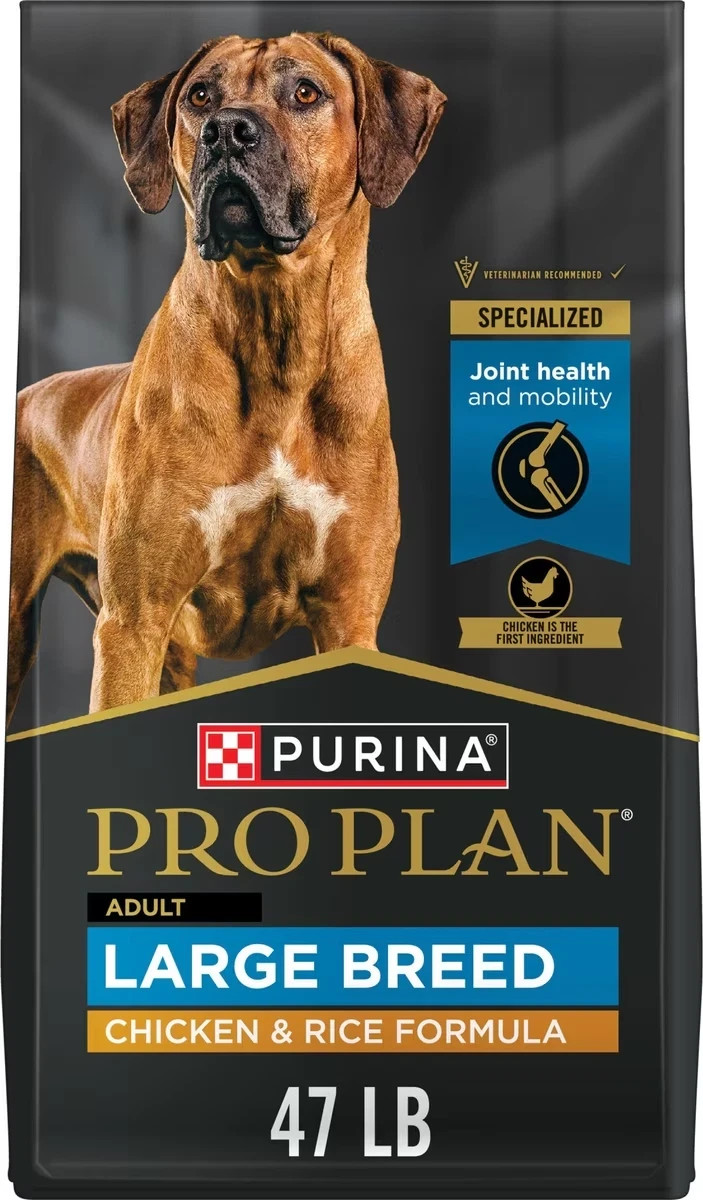 Purina Pro Plan Adult Large Breed High Protein Chicken & Rice Dry Dog Food, 47lb$58.10View on eBay
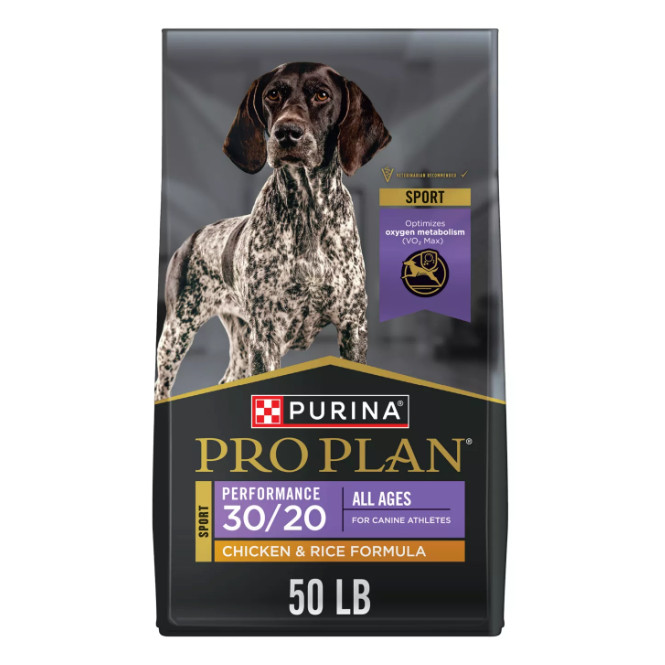 Purina Pro Plan Sport Performance 30/20 Chicken Dry Dog Food 50 lb High Protein$65.74View on eBay
Highlights
- Hydrolyzed protein diets break proteins below the immune-recognition threshold (typically under 10 kDa) and are the only non-prescription-adjacent option proven for true food-allergy diagnosis via elimination trial.
- Limited-ingredient retail diets rely on a single novel protein (salmon, venison, duck) and a single carb (pea, potato) but frequently share cross-contamination lines—true elimination requires a hydrolyzed or vet-exclusive formula.
- Guaranteed omega-3 analysis (EPA+DHA) of 0.3% minimum supports skin-barrier repair; fish-oil-based formulas outperform flaxseed because dogs convert plant ALA poorly to EPA/DHA.
- Grain-free does not equal hypoallergenic—beef, chicken, and dairy are the most common canine allergens, so a grain-free chicken kibble can still trigger reactions; protein source matters more than grain presence.
Best use cases
- Best fit: dog with confirmed chicken or beef allergy—pick a limited-ingredient salmon or venison formula with a single carb and guaranteed omega-3; skip any grocery-tier 'sensitive skin' kibble that lists chicken by-product meal.
- Best fit: dog undergoing an elimination diet trial—use a hydrolyzed-protein diet exclusively for 8–12 weeks with no treats or table scraps; skip retail limited-ingredient diets, which cannot guarantee cross-contamination control.
- Best fit: itchy dog without a diagnosed allergy—start with a novel-protein limited-ingredient diet plus omega-3 supplementation; skip grain-free marketing claims, which do not address protein allergens.
- Wrong fit: puppy under 12 months needing an allergy diet—most hydrolyzed and limited-ingredient adult formulas lack AAFCO growth certification; use a vet-prescribed hydrolyzed puppy formula instead.
Buying tips
- Match the protein to the dog's history: if chicken triggers itching, choose salmon, duck, venison, or hydrolyzed—never assume 'sensitive skin' labeling means chicken-free; read the first five ingredients.
- Require a guaranteed analysis showing omega-3 (EPA+DHA) at 0.3% or higher; formulas listing only 'fish oil' without a guaranteed minimum may deliver inconsistent skin support.
- Check AAFCO nutritional adequacy statement for the dog's life stage—limited-ingredient adult diets are not formulated for growth, and large-breed puppies need controlled calcium levels absent from most allergy formulas.
- For elimination trials, choose a diet with a single animal protein and single carbohydrate source; multi-protein 'limited' diets with two or more meats defeat the purpose of identifying the trigger.
Specs
| Protein Base | Hydrolyzed / Novel single protein / Multi |
|---|---|
| Grain Content | Grain-free / Whole grain / Corn-wheat-soy-free |
| Omega-3 (EPA+DHA) | 0.3% min guaranteed / Not guaranteed |
| Life Stage | Puppy / Adult / All life stages (AAFCO) |
Related searches
What to check before buying
- Confirm your dog's life stage and weight against the bag's feeding chart—allergy diets are calorie-dense, and overfeeding a 40 lb dog on a 500 kcal/cup formula causes rapid weight gain.
- Verify the formula's protein source against your dog's known triggers by reading the full ingredient list, not just the front-panel marketing claim.
- Check whether the diet is sold through veterinary channels (hydrolyzed) or retail (limited-ingredient)—vet-channel formulas require a prescription and cost more but guarantee cross-contamination control.
- Measure your storage capacity: a 24–30 lb bag of allergy diet lasts a 50 lb dog roughly 3–4 weeks, so buy a size you can use within 6 weeks of opening to prevent fat rancidity.
FAQ
Data sources: eBay / Amazon listings and product attribute feeds. Updated Nov 27, 2026.
Some links on this page are affiliate links. If you buy after clicking one, we may earn a commission at no extra cost to you. This does not change which products appear here or their order. Affiliate disclosure.