
Photos from current listings. Actual item, color, and included accessories may vary.
Dog Food Skin Allergy Buying Guide
Dog food for skin allergies refers to formulas engineered to reduce immune reactions to common proteins and grains while supporting skin barrier health through omega fatty acids and limited ingredient decks. The core trade-off is between hydrolyzed or novel-protein diets that minimize allergen exposure and conventional grain-inclusive formulas that rely on omega supplementation and probiotic blends. The decision rule: choose a hydrolyzed or limited-antigen diet for diagnosed food-triggered dermatitis; choose an omega-rich sensitive-skin formula for environmental allergy support or mild itching without a confirmed food trigger.
Median $56.92
Key takeaways
- Hydrolyzed protein diets break proteins below 10 kDa to evade immune recognition; limited-ingredient diets use novel proteins like salmon, venison, or duck to avoid prior sensitization.
- Omega-6 to omega-3 ratio of 5:1 to 10:1 supports skin barrier; salmon-based formulas typically deliver 1.0-2.5% EPA+DHA in the guaranteed analysis.
- Grain-inclusive vs grain-free is secondary for most dogs; protein source and cross-contamination controls in manufacturing determine allergen risk, not carbohydrate type.
At a glance
- Category
- Pet Food, Treats & Litter
- Last updated
- Nov 27, 2026
Current offers
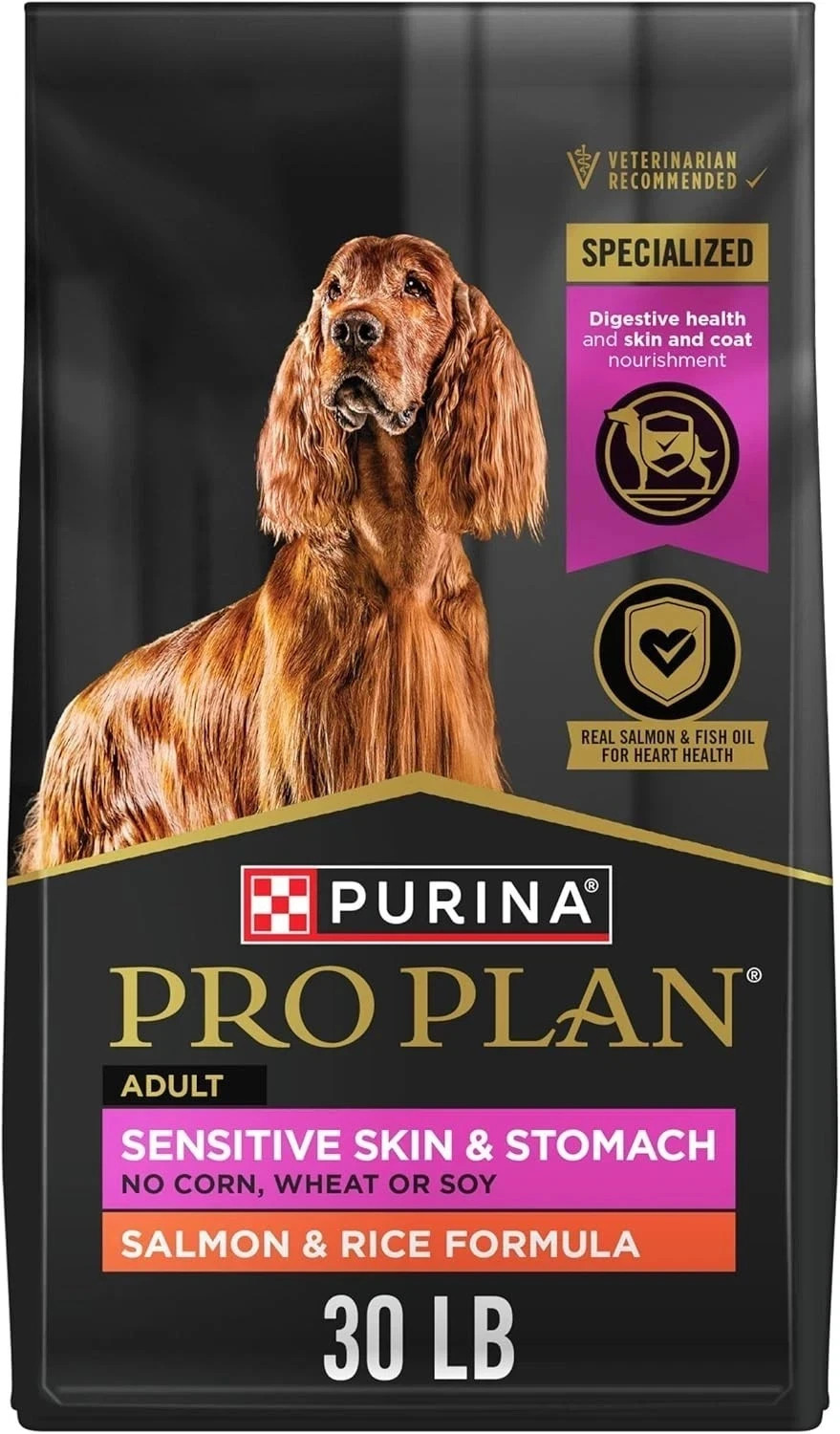 Purina Pro Plan Sensitive Skin, Stomach Salmon and Rice Formula Dog Food, 30 lbs$37.00View on eBay
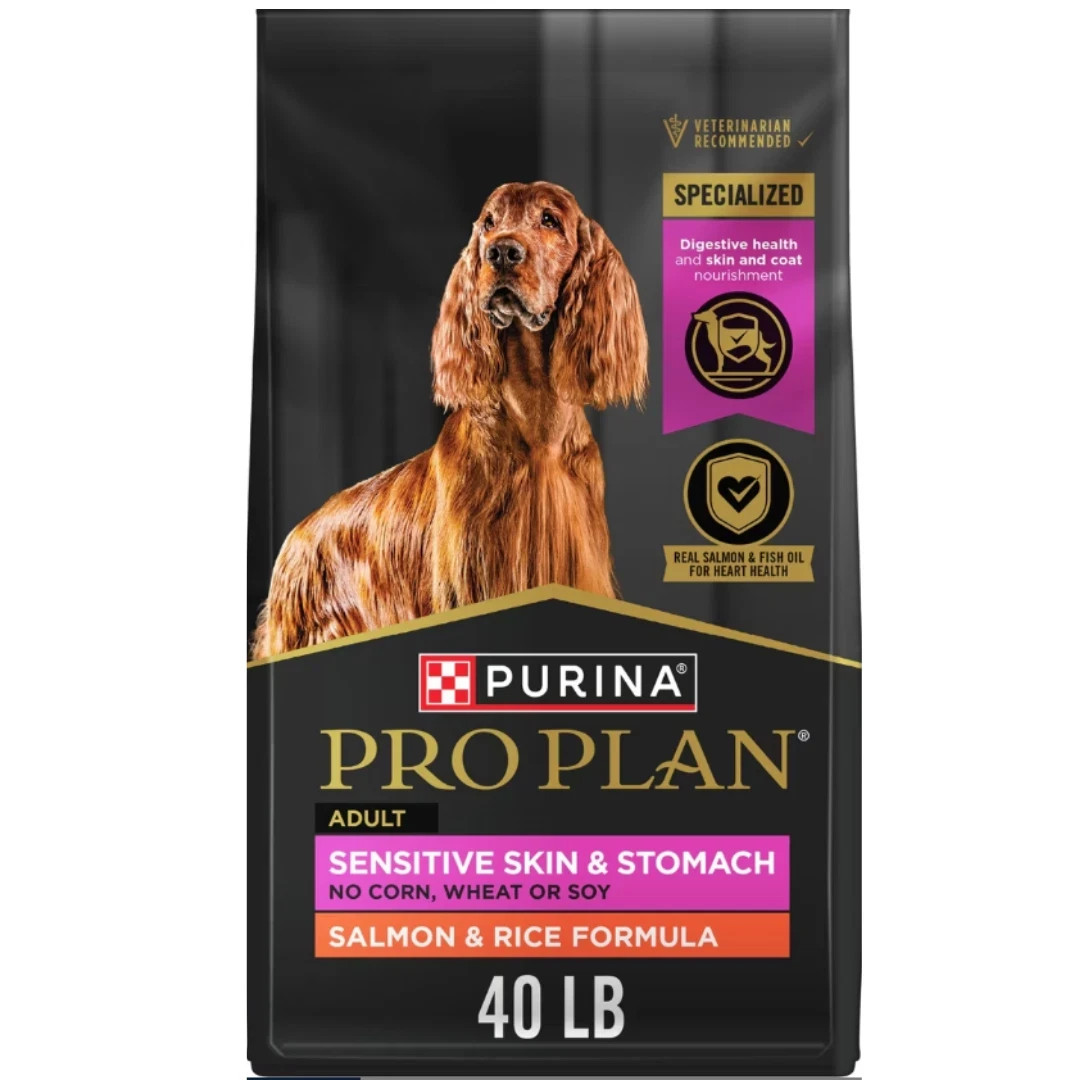 Purina Pro Plan Sensitive Skin Stomach Salmon and Rice Formula Dog Food$40.00View on eBay
 Purina Pro Plan Sensitive Skin, Stomach Salmon and Rice Formula Dog Food, 30 lbs$49.99View on eBay
- Purina Pro Plan Sensitive Skin Stomach Salmon and Rice Formula Dog Food$56.00View on eBay
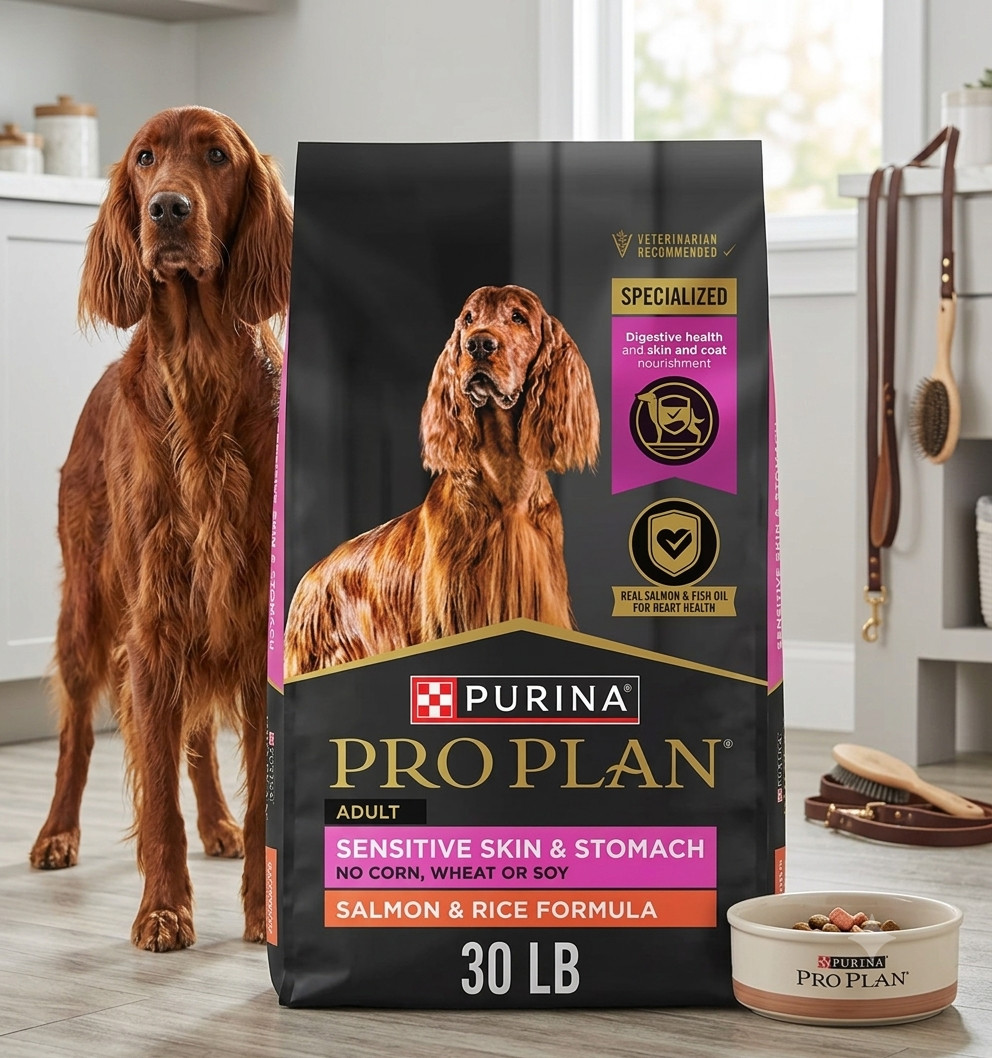 Purina Pro Plan Sensitive Skin Stomach Salmon Rice Dry Dog Food 30 lb$57.83View on eBay
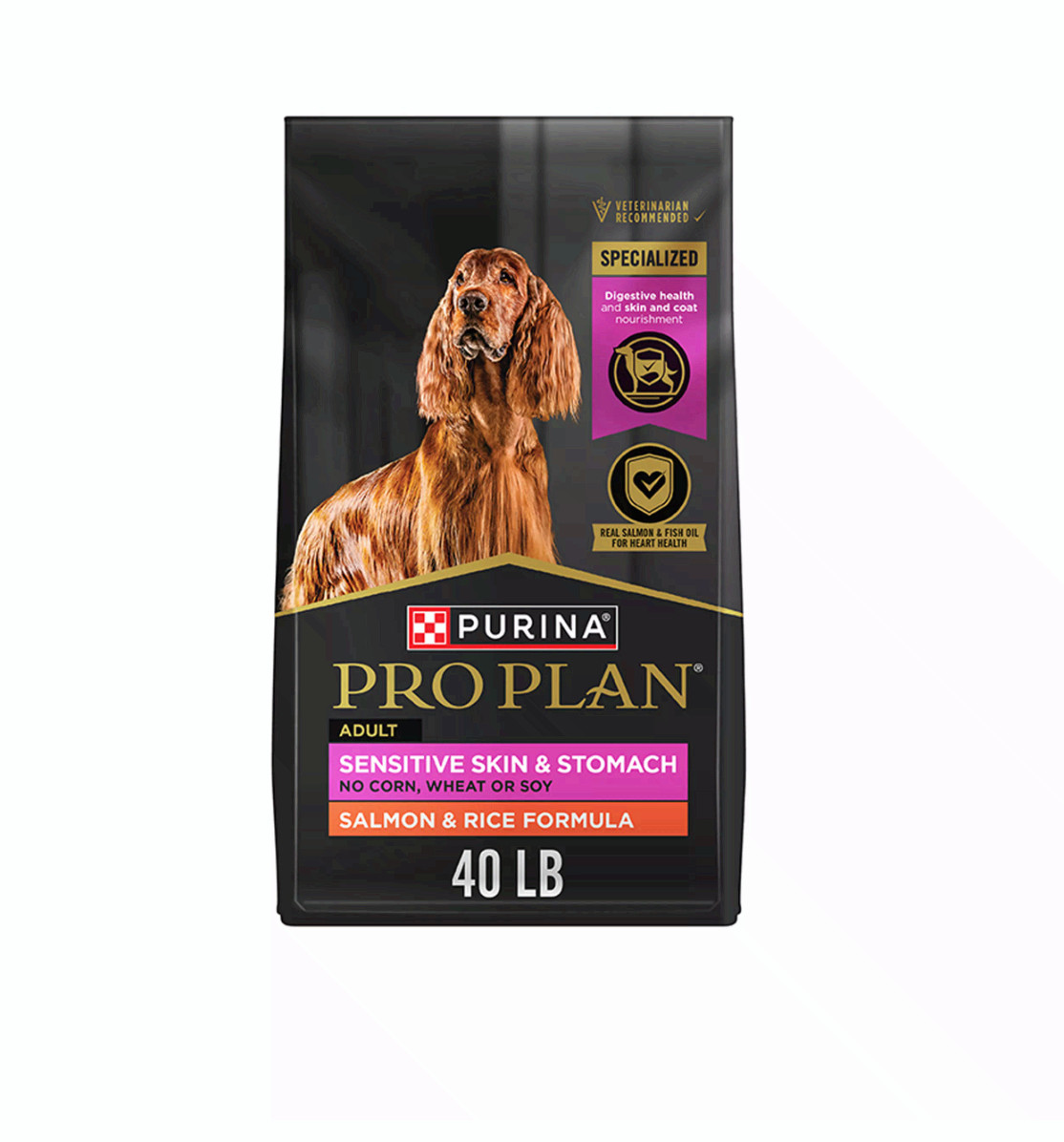 Purina Pro Plan Sensitive Skin & Stomach Dog Food Salmon Rice 40lb Freeshiping$64.95View on eBay
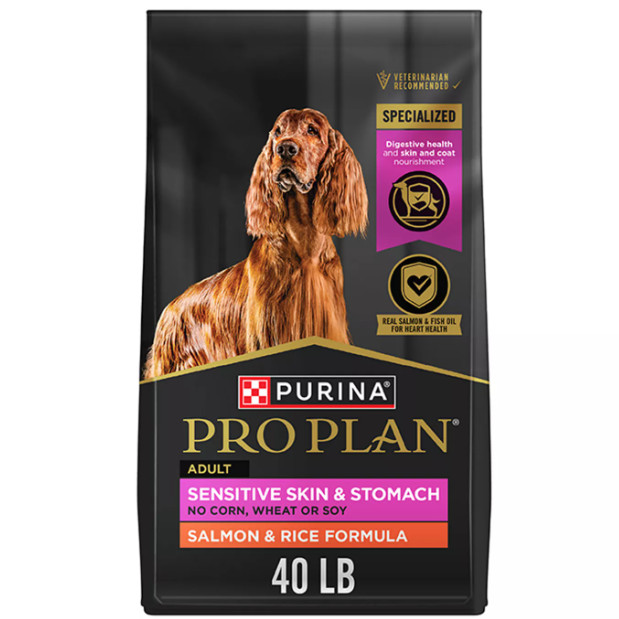 NEW Purina Pro Plan Sensitive Skin & Stomach Dog Food 40 Lb Salmon & Rice Adult$68.02View on eBay
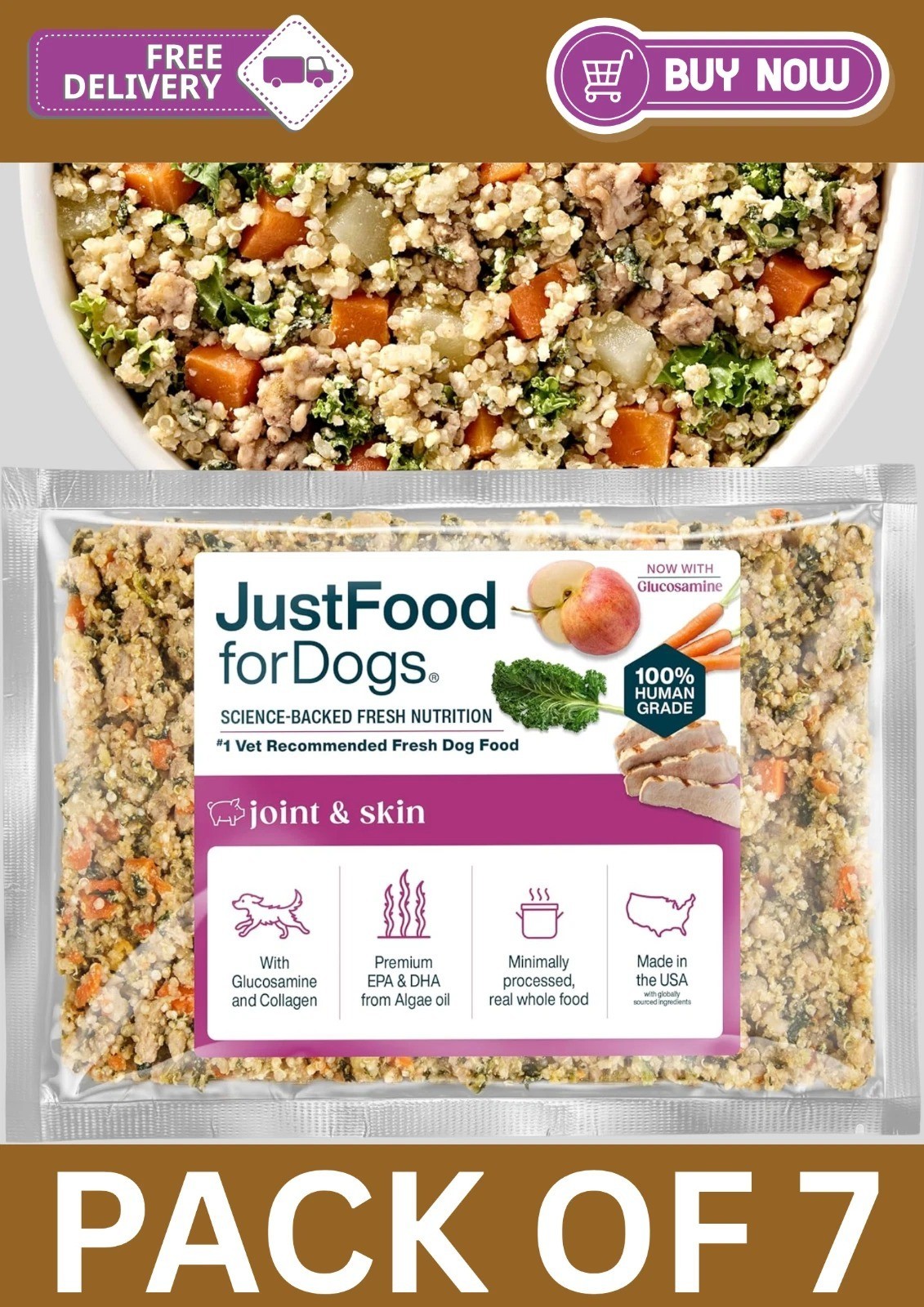 Fresh Frozen Dog Food For Sensitive Skin, Allergies & Joint Support 18oz, 7 Pack$85.00View on eBay
Highlights
- Hydrolyzed protein diets break proteins below 10 kDa to evade immune recognition; limited-ingredient diets use novel proteins like salmon, venison, or duck to avoid prior sensitization.
- Omega-6 to omega-3 ratio of 5:1 to 10:1 supports skin barrier; salmon-based formulas typically deliver 1.0-2.5% EPA+DHA in the guaranteed analysis.
- Grain-inclusive vs grain-free is secondary for most dogs; protein source and cross-contamination controls in manufacturing determine allergen risk, not carbohydrate type.
- Purina Pro Plan Sensitive Skin & Stomach uses salmon as first ingredient with rice and added omega-3; it is a sensitive-skin maintenance diet, not a hydrolyzed prescription elimination diet.
Best use cases
- Best fit: diagnosed food allergy or elimination-diet trial — pick a hydrolyzed protein or novel single-protein formula with a closed manufacturing line and no cross-contamination risk.
- Best fit: environmental allergies (pollen, dust mites) with mild itching — choose an omega-3-rich salmon or whitefish formula with probiotics and a balanced omega-6:3 ratio.
- Wrong fit: severe chronic otitis, recurrent hot spots, or vomiting/diarrhea alongside skin signs — these need a veterinary hydrolyzed prescription diet, not an over-the-counter sensitive-skin formula.
- Wrong fit: dog already thriving on a complete diet with no skin issues — switching to a limited-ingredient diet without a confirmed trigger adds cost and risks nutritional gaps.
Buying tips
- Match protein source to the dog's history: use salmon, whitefish, or venison only if the dog has never reacted to those proteins; otherwise choose a hydrolyzed diet with no intact protein.
- Check guaranteed analysis for omega-3 minimum of 0.5% (or EPA+DHA ≥0.2%) and omega-6:omega-3 ratio below 10:1; dry matter basis matters more than as-fed labels.
- For elimination trials, feed the new diet exclusively for 8-12 weeks with no treats, table scraps, or flavored medications; cross-contamination in shared facilities can trigger reactions.
- Choose bag sizes matched to feeding rate: a 30-40 lb bag lasts 3-6 weeks for a medium dog; buy smaller bags if the dog may reject the food during transition.
Specs
| Protein Type | Hydrolyzed vs novel vs conventional |
|---|---|
| Omega-3 Min | 0.5-2.5% (EPA+DHA) |
| Grain Inclusion | Grain-inclusive vs grain-free |
| Life Stage | Adult maintenance vs all life stages |
Related searches
What to check before buying
- Calculate daily feeding cost and bag duration from the label's kcal/cup and your dog's weight to avoid stale food or frequent reorders.
- Confirm the formula is complete and balanced for your dog's life stage (adult maintenance vs growth/all life stages) via the AAFCO statement.
- Check for cross-contamination warnings if the dog has severe allergies; single-protein lines with dedicated facilities reduce risk versus shared-line production.
- Verify bag storage conditions: dry, cool, sealed container; omega-rich kibble oxidizes faster, so buy within 6 weeks of opening for 30-40 lb bags.
FAQ
Data sources: eBay / Amazon listings and product attribute feeds. Updated Nov 27, 2026.
Some links on this page are affiliate links. If you buy after clicking one, we may earn a commission at no extra cost to you. This does not change which products appear here or their order. Affiliate disclosure.