
Photos from current listings. Actual item, color, and included accessories may vary.
Bird Food Buying Guide
Bird food encompasses complete extruded pellets, fortified seed blends, and species-specific maintenance diets, where the core trade-off is species-appropriate nutrition and freshness versus bargain bin filler. Durable, healthy options are defined by named species matching, whole-grain or pellet-first formulations, and sealed packaging with clear milling dates, while compromises hide behind anonymous 'daily blend' labels with high millet or filler content.
Median $11.95
Key takeaways
- Fortified pellet diets deliver balanced vitamins and prevent selective feeding, while seed blends require birds to eat all components to avoid nutritional gaps.
- Parakeet, canary, and finch blends typically combine canary grass seed, millet, and oat groats; premium versions add extruded pellets and dried vegetables at 10-20% of volume.
- Freshness is the top durability factor: sealed, nitrogen-flushed or vacuum bags with a milled-on date preserve vitamin potency for 6-12 months after opening.
At a glance
- Category
- Pet Food, Treats & Litter
- Last updated
- Nov 27, 2026
Current offers
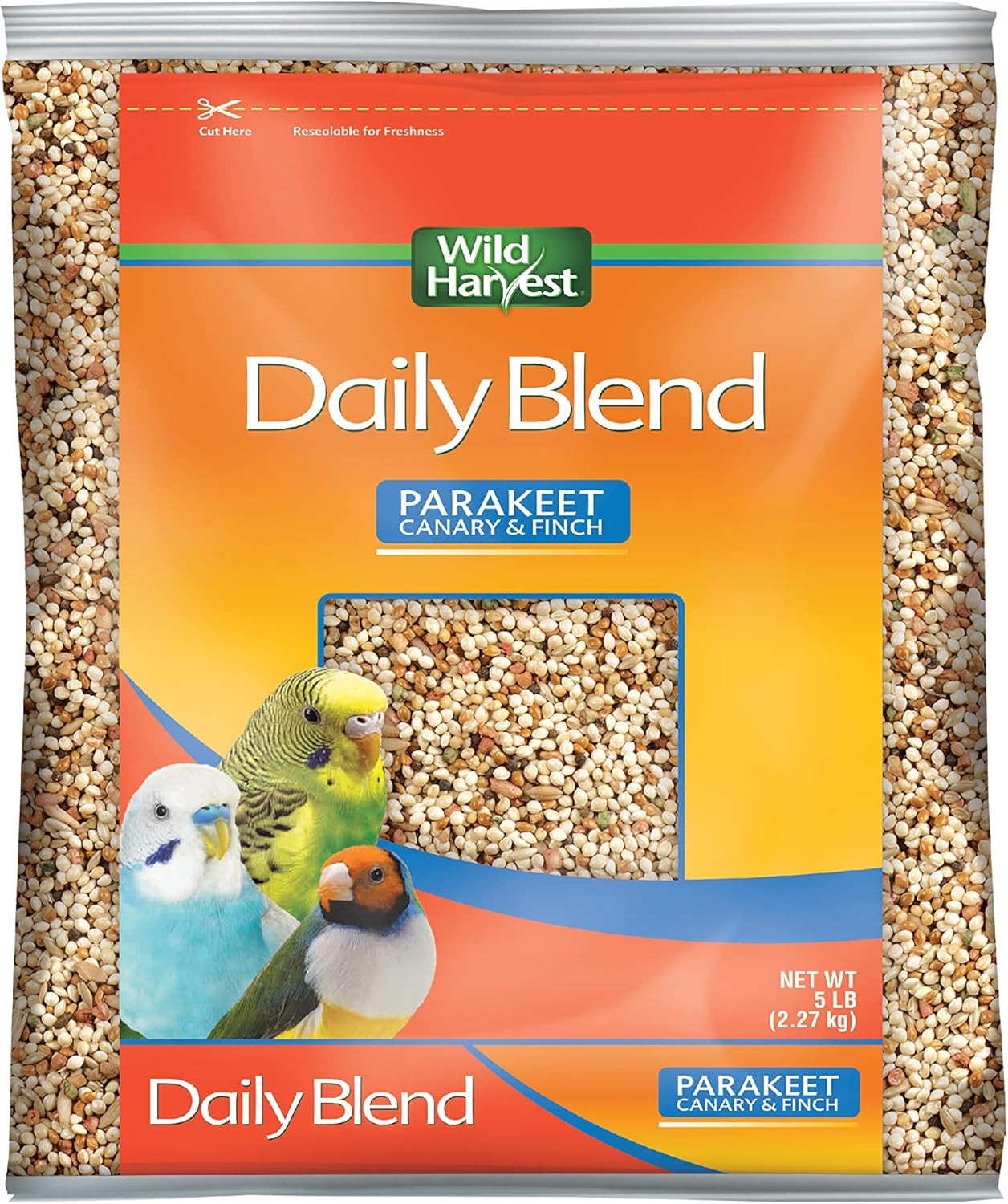 Daily Blend Nutrition Diet Parakeet, Canary and Finch, Bird Food, 5 Pounds$8.85View on eBay
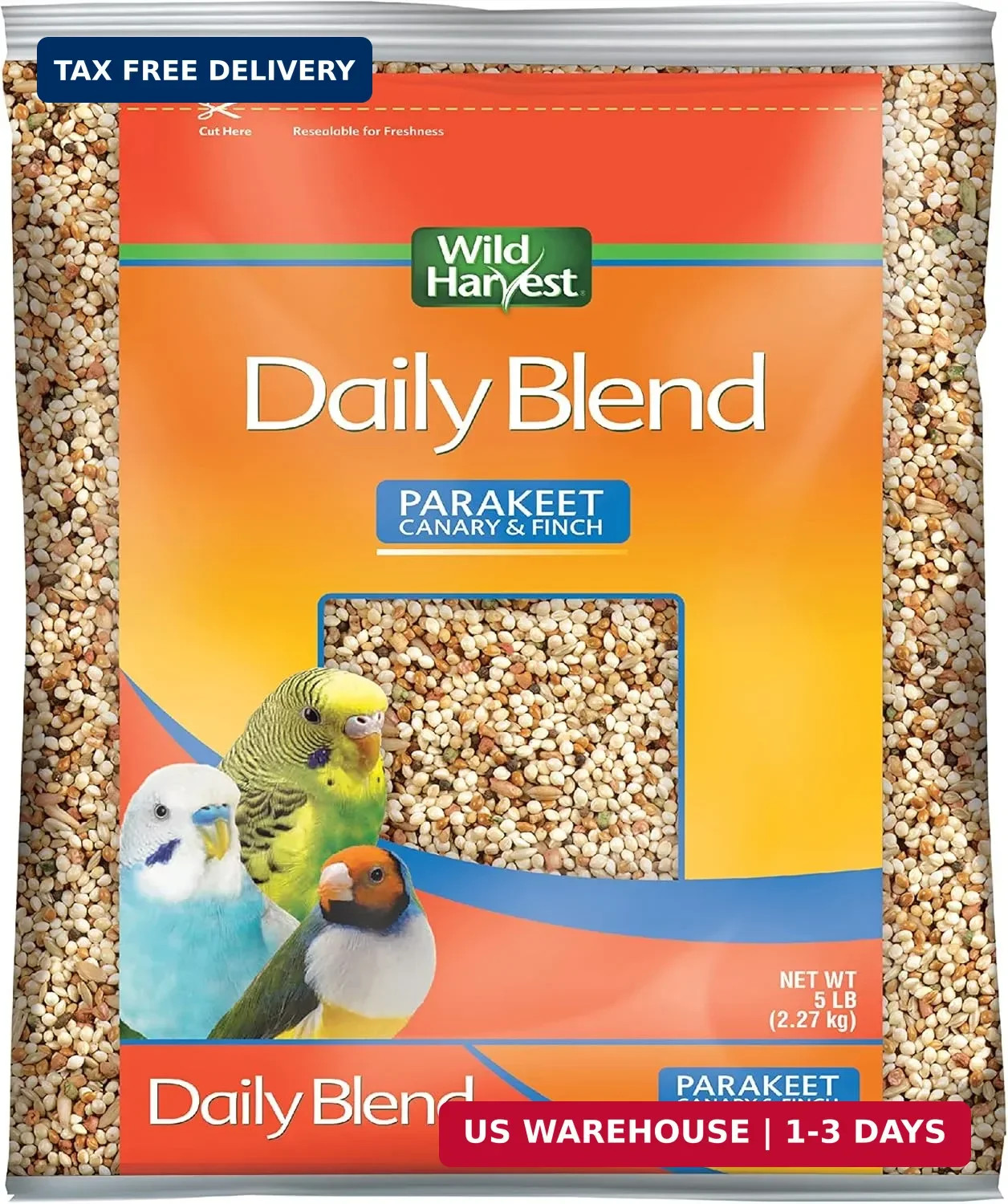 Wild Harvest Daily Blend Nutrition Diet Parakeet, Canary And Finch, Bird Food, 5$9.23View on eBay
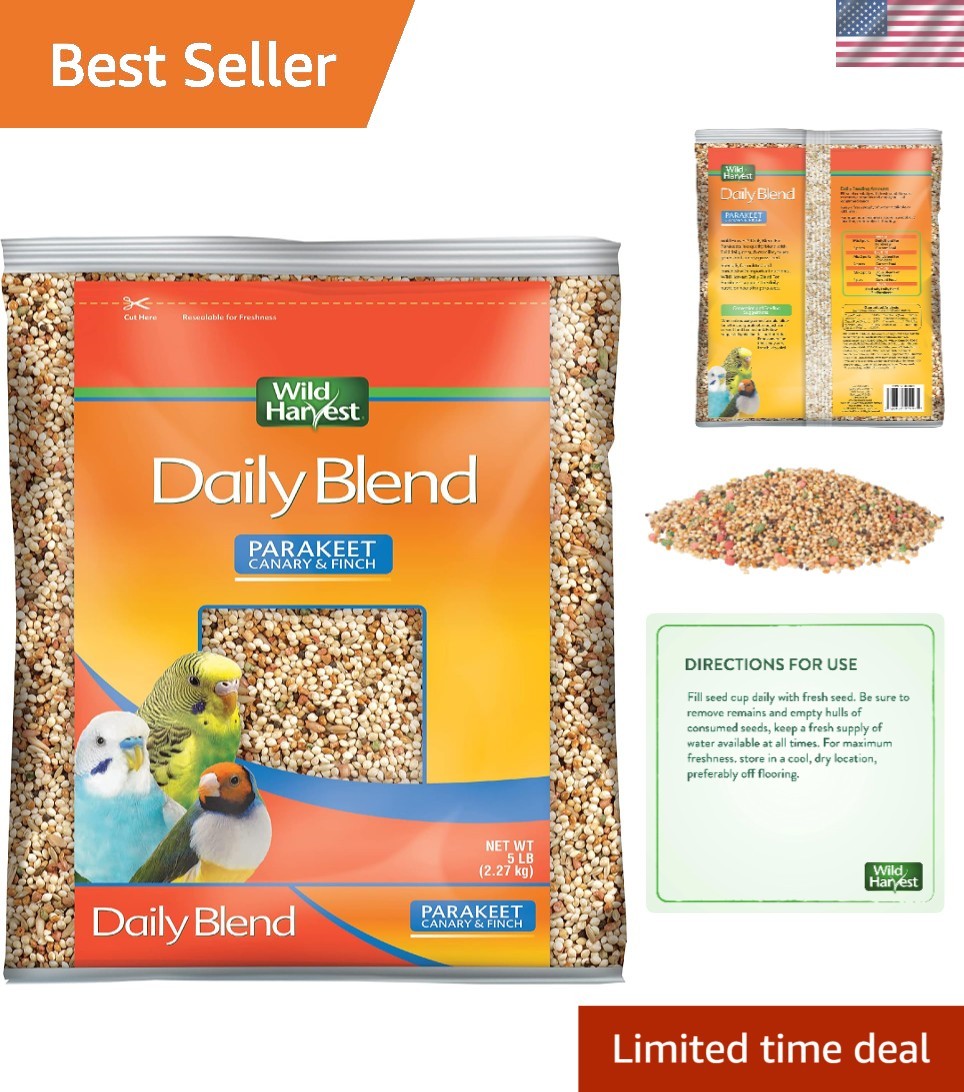 Daily Blend Nutrition Diet Parakeet, Canary And Finch, Bird Food, 5 Pounds$11.95View on eBay
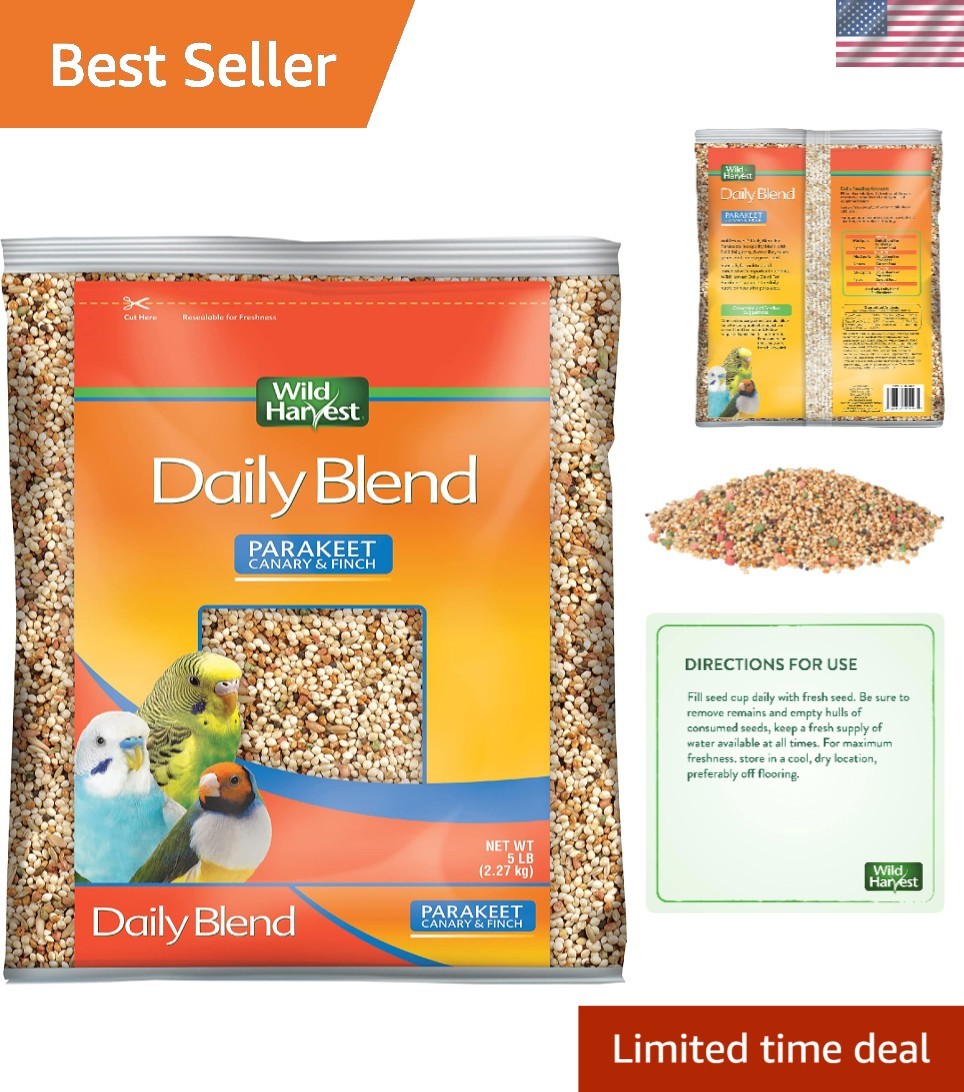 Daily Blend Nutrition Diet Parakeet, Canary And Finch, Bird Food, 5 Pounds$12.99View on eBay
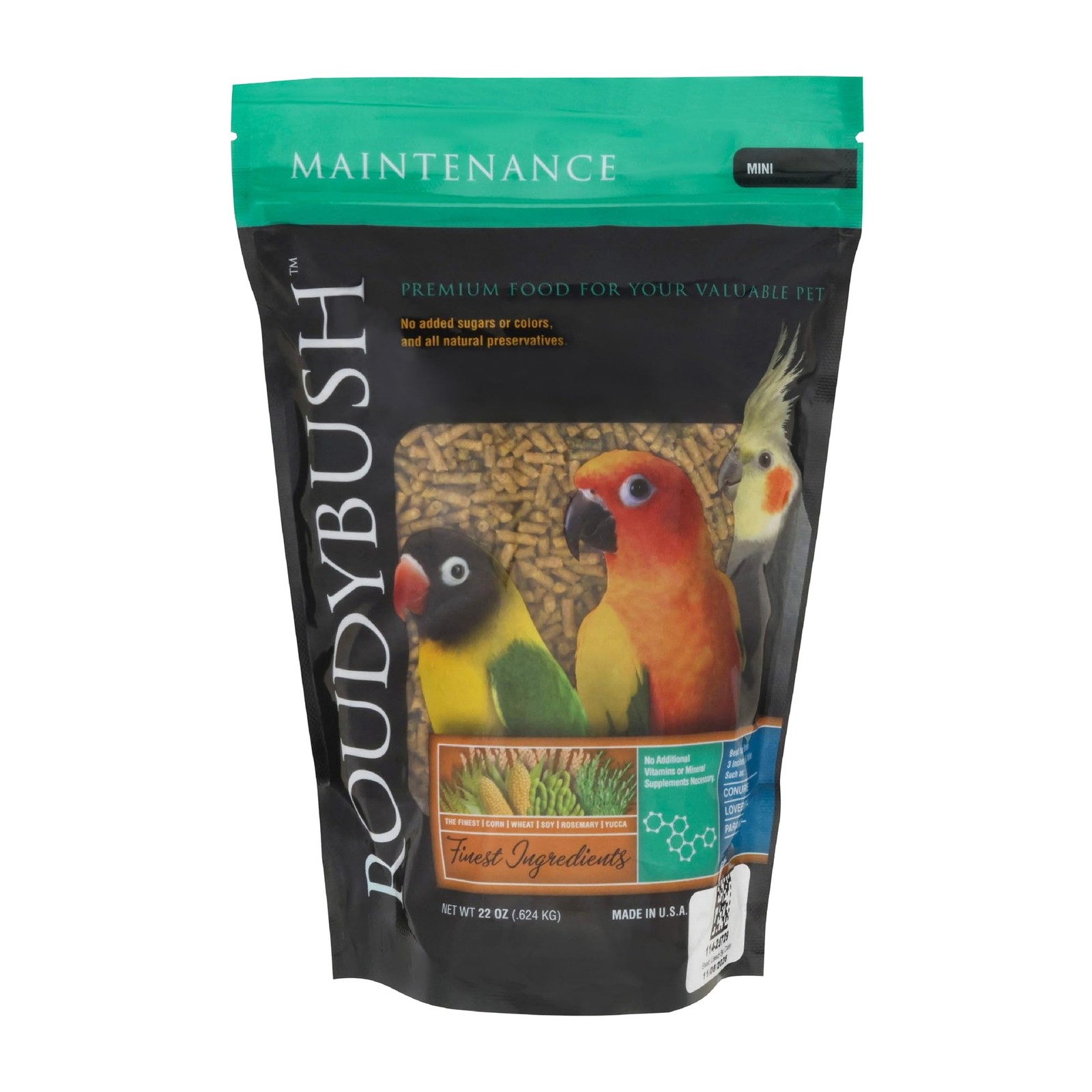 Daily Maintenance Bird Food Mini 22Ounce Pet Nutrition Feeding Supply Pack$23.71Last checked Nov 19, 2026View on eBay
Highlights
- Fortified pellet diets deliver balanced vitamins and prevent selective feeding, while seed blends require birds to eat all components to avoid nutritional gaps.
- Parakeet, canary, and finch blends typically combine canary grass seed, millet, and oat groats; premium versions add extruded pellets and dried vegetables at 10-20% of volume.
- Freshness is the top durability factor: sealed, nitrogen-flushed or vacuum bags with a milled-on date preserve vitamin potency for 6-12 months after opening.
- Species size matters: mini or small pellets (2-3 mm) suit budgies and finches, while larger parrots need 4-6 mm pellets and coarser seed mixes.
Best use cases
- Best fit for budgies, canaries, and finches: a fortified small-pellet or parakeet/canary/finch blend with visible pellets and a recent mill date; skip generic wild-bird mixes that lack species-specific vitamins.
- Wrong fit for large parrots (macaws, cockatoos): tiny finch seed and 2 mm pellets cause waste and poor intake; choose large-parrot pellets (5-6 mm) and coarse nut/seed blends instead.
- Best fit for multi-bird households with mixed small species: a single parakeet/canary/finch daily blend covers all three; skip separate bags unless a bird has a medical diet.
- Wrong fit for birds on vet-prescribed therapeutic diets: over-the-counter blends can unbalance treatment; use only the prescribed formula and treat OTC seed as a limited foraging extra.
Buying tips
- Match food to beak size: 2-3 mm pellets for budgies/canaries/finches, 4-5 mm for cockatiels/conures, 5-6 mm for macaws/cockatoos; oversized pellets cause waste and undersized pellets are ignored.
- Choose blends where pellets or fortified components are at least 50% of the mix; seed-only diets require vitamin supplementation and careful portion control.
- Buy the smallest bag your flock finishes within 4-6 weeks; opened seed and pellets lose vitamin potency and go rancid within 2-3 months.
- Prefer bags with a milled-on or best-by date and oxygen-barrier or resealable packaging; avoid clear bins and faded labels, which signal UV and heat degradation.
Specs
| Diet Type | Fortified pellets vs seed blend |
|---|---|
| Species Match | Budgie/Canary/Finch vs Parrot |
| Pellet Size | Mini 2-3 mm / Standard 4-6 mm |
| Freshness Seal | Resealable / vacuum / mill-date |
Related searches
What to check before buying
- Identify your bird's species and beak size before choosing pellet diameter or seed coarseness; budgie, canary, and finch foods are not interchangeable with parrot foods.
- Measure flock consumption: a single budgie eats roughly 1.5-2 tablespoons of food daily; buy bag sizes your flock empties within 4-6 weeks.
- Plan storage: keep food in an airtight, opaque container in a cool, dry place under 24°C (75°F); avoid humid kitchens and direct sunlight.
- Confirm transition plan: mix new food 25% with old food and increase over 7-10 days to avoid digestive upset and food refusal.
FAQ
Data sources: eBay / Amazon listings and product attribute feeds. Updated Nov 27, 2026.
Some links on this page are affiliate links. If you buy after clicking one, we may earn a commission at no extra cost to you. This does not change which products appear here or their order. Affiliate disclosure.