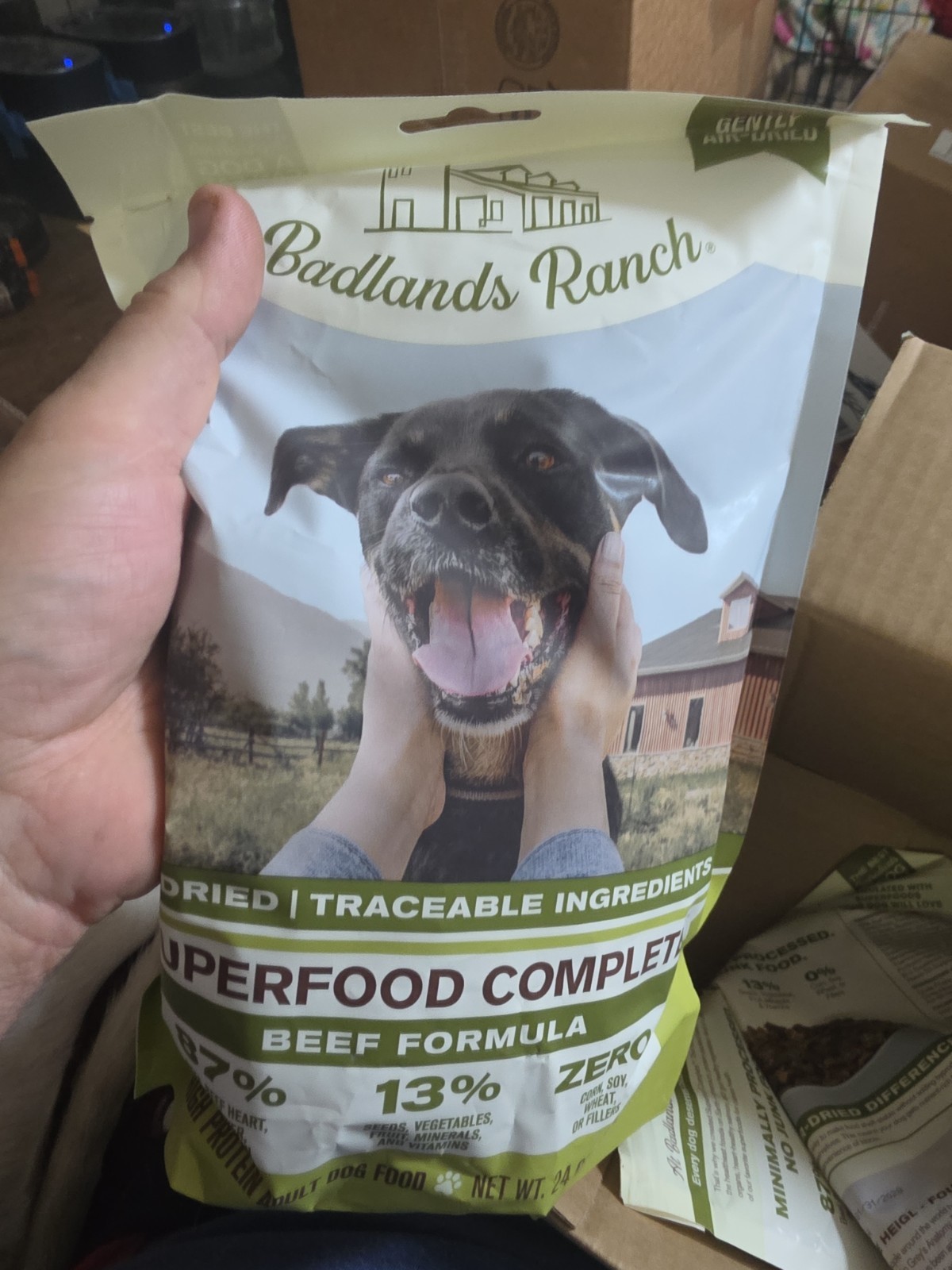

Photos from current listings. Actual item, color, and included accessories may vary.
Air Dried Dog Food Buying Guide
Air-dried dog food is a minimally processed format where raw or lightly cooked ingredients are dehydrated at low temperatures (typically 90–160°F) to shelf-stable moisture below 14%, preserving more nutrients than extruded kibble without requiring refrigeration. The core trade-off is between nutrient retention and cost/calorie density: air-dried is calorie-dense and nutrient-rich but expensive per pound and must be portioned by weight, not volume. Choose air-dried only if you will weigh portions and can store it sealed; otherwise a high-quality extruded or freeze-dried format delivers comparable convenience at lower cost.
Key takeaways
- Air-dried food is defined by moisture content under 14% and water activity below 0.65, which is what makes it shelf-stable without refrigeration; anything wetter is a fresh-cooked or raw frozen product, not air-dried.
- Low-temperature dehydration (typically 90–160°F) preserves heat-sensitive nutrients, but vitamin and enzyme retention still depends on drying time and whether the recipe is raw-based or gently cooked before drying.
- Calorie density is roughly 400–550 kcal per cup for air-dried versus 300–400 kcal per cup for typical kibble, so feeding charts and scoop sizes do not transfer between formats.
At a glance
- Category
- Pet Food, Treats & Litter
- Last updated
- Nov 28, 2026
Current offers
Highlights
- Air-dried food is defined by moisture content under 14% and water activity below 0.65, which is what makes it shelf-stable without refrigeration; anything wetter is a fresh-cooked or raw frozen product, not air-dried.
- Low-temperature dehydration (typically 90–160°F) preserves heat-sensitive nutrients, but vitamin and enzyme retention still depends on drying time and whether the recipe is raw-based or gently cooked before drying.
- Calorie density is roughly 400–550 kcal per cup for air-dried versus 300–400 kcal per cup for typical kibble, so feeding charts and scoop sizes do not transfer between formats.
- Single-protein and limited-ingredient air-dried recipes (e.g., beef or lamb as first ingredient) are the format most often used for elimination diets, while multi-protein recipes are cheaper per calorie and fine for healthy dogs.
Best use cases
- Best fit: use air-dried as a complete meal for dogs with sensitivities or picky appetites when you will weigh portions on a kitchen scale and seal the bag after each use.
- Best fit: use air-dried as a high-value topper or training reward for dogs on kibble—crumble a small amount over food rather than feeding it as the sole diet to control cost.
- Wrong fit: skip air-dried for multi-dog households on tight budgets or for very large breeds (over 70 lb) where daily calorie needs make the format cost-prohibitive; choose a high-protein extruded kibble instead.
- Wrong fit: skip air-dried if you cannot store it in an airtight container away from humidity, or if you expect to free-feed from a bowl—portion-controlled meals are required for accurate calorie intake.
Buying tips
- Compare on a dry-matter basis, not bag weight: air-dried bags look small because moisture is removed, so check kcal/kg and feed by weight in grams, not by scoop volume.
- Look for a named muscle meat as the first ingredient (beef, chicken, lamb, fish) rather than 'meat meal' or 'by-product', and confirm the recipe states it is complete and balanced to AAFCO nutrient profiles.
- Match protein tier to life stage: growth and reproduction require higher protein and calcium than adult maintenance, so choose a recipe with an AAFCO statement for your dog's life stage rather than an 'all life stages' claim alone.
- For sensitive dogs, pick single-protein, limited-ingredient air-dried recipes with no more than one animal protein and a short ingredient list; multi-protein recipes increase elimination-diet trial failure risk.
Specs
| Format | Air-dried, <14% moisture, shelf-stable |
|---|---|
| Calorie Density | 400–550 kcal/cup; feed by weight |
| Protein Source | Named meat first; single- vs multi-protein |
| Life Stage | AAFCO growth / adult / all life stages |
Related searches
What to check before buying
- Weigh your dog and calculate daily calories at roughly 25–30 kcal per lb of body weight for adults, then convert to grams using the bag's kcal/kg to size portions before buying.
- Confirm storage: air-dried food needs an airtight container in a cool, dry place, and opened bags are best used within 4–6 weeks—measure your shelf space and dog's consumption rate.
- Check the AAFCO statement on the label for the correct life stage (growth, adult maintenance, or all life stages) and verify the recipe is labeled complete and balanced, not 'for intermittent feeding'.
- Verify the bag reseals or plan to transfer to a sealed container, and check that the protein source matches any known allergies before committing to a full-size bag.
FAQ
Data sources: eBay / Amazon listings and product attribute feeds. Updated Nov 28, 2026.
Some links on this page are affiliate links. If you buy after clicking one, we may earn a commission at no extra cost to you. This does not change which products appear here or their order. Affiliate disclosure.