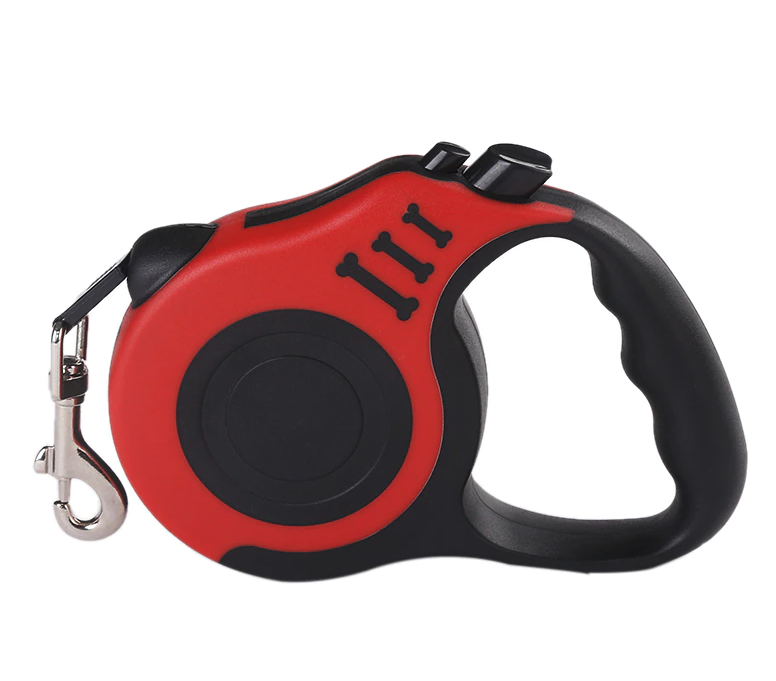

Photos from current listings. Actual item, color, and included accessories may vary.
Dog Walking Collar Buying Guide
A dog walking collar is the primary attachment point for a leash, and its suitability for pulling dogs hinges on whether it distributes force across the chest or concentrates it on the trachea. The core trade-off is between a simple neck collar (light, easy, but risky for pullers) and a no-pull harness or training collar that redirects momentum. Buy a harness or martingale-style training collar for any dog that pulls; choose a standard flat collar only for leash-trained dogs that walk without tension.
Median $26.49
Key takeaways
- Flat nylon collars in 1-inch width handle average dogs; 1.5-2 inch widths spread pressure for strong pullers but add weight.
- Martingale collars tighten only enough to prevent slip-out, making them the safe choice for narrow-headed breeds like Greyhounds and Salukis.
- No-pull harnesses with front-clip leash rings redirect forward momentum sideways; back-clip harnesses actually encourage pulling in sled-dog breeds.
At a glance
- Category
- Pet Collars, Harnesses & Leashes
- Last updated
- Nov 28, 2026
Current offers
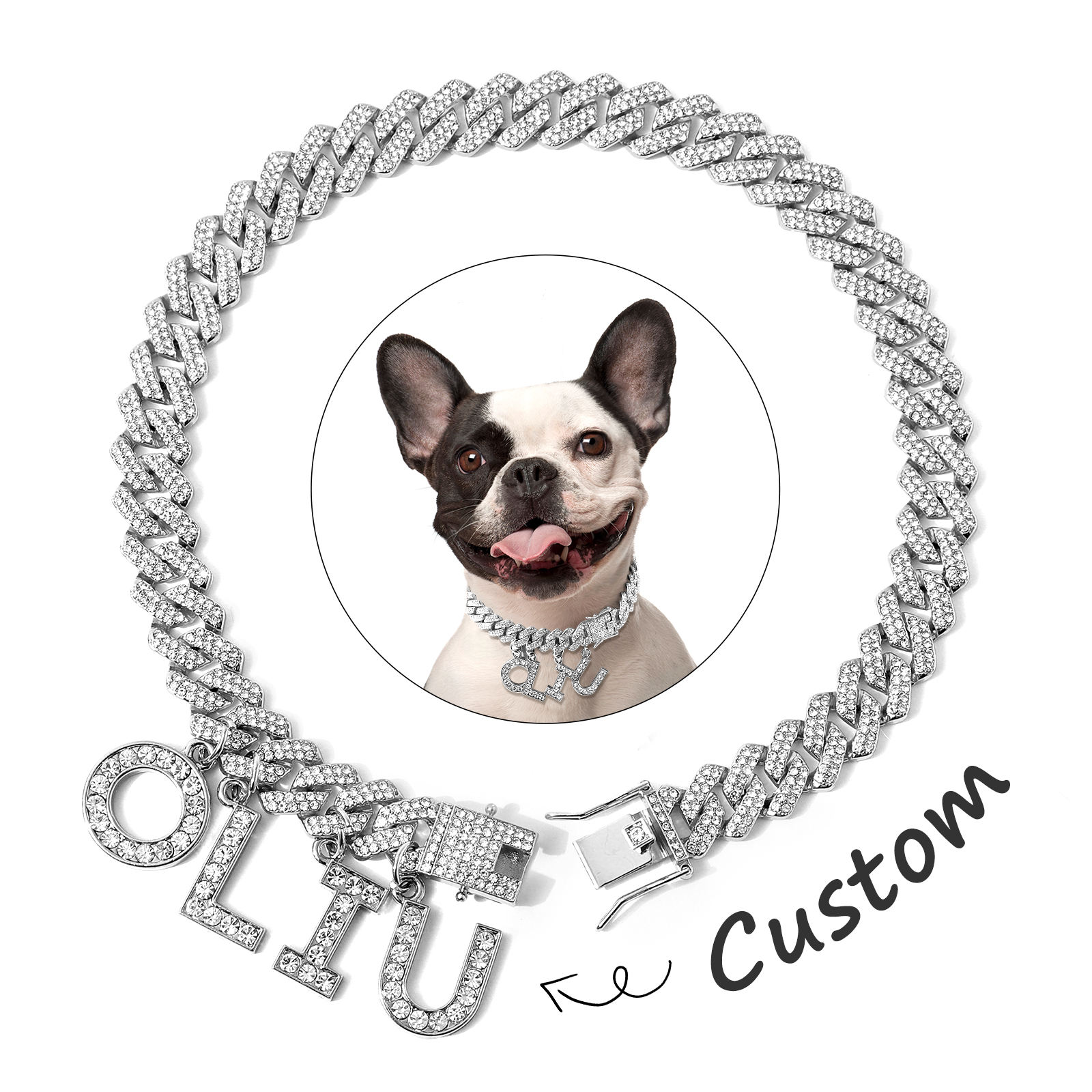
Highlights
- Flat nylon collars in 1-inch width handle average dogs; 1.5-2 inch widths spread pressure for strong pullers but add weight.
- Martingale collars tighten only enough to prevent slip-out, making them the safe choice for narrow-headed breeds like Greyhounds and Salukis.
- No-pull harnesses with front-clip leash rings redirect forward momentum sideways; back-clip harnesses actually encourage pulling in sled-dog breeds.
- Retractable leashes are not training tools—they maintain constant tension and teach dogs to pull; fixed-length nylon or leather leads build loose-leash habits.
Best use cases
- Best fit: front-clip no-pull harness for a dog that lunges or pulls—skip the neck collar entirely to avoid tracheal pressure.
- Best fit: martingale collar for sighthounds or escape artists—skip buckle collars that can slip over narrow skulls.
- Best fit: 1-inch flat nylon collar with metal D-ring for a leash-trained dog under 30 lb—skip wide harnesses that add bulk and heat.
- Wrong fit: retractable leash for any dog in training—use a 4-6 ft fixed lead to maintain control and teach heel.
Buying tips
- Measure neck circumference and add 2 inches for comfort; a collar should fit two fingers snugly underneath, no more.
- Choose nickel-plated steel or stainless D-rings and buckles; plastic buckles fail under sudden load from a lunging dog.
- For pulling dogs, prioritize a front-clip harness over any neck collar—neck pressure risks tracheal collapse and esophageal damage.
- Match leash width to dog weight: 5/8 inch for toy breeds, 3/4 inch for medium, 1 inch for large and strong pullers.
Specs
| Collar Type | Flat / Martingale / No-pull harness |
|---|---|
| Attachment Point | Front-clip vs back-clip |
| Hardware Material | Nickel-plated steel / stainless / plastic |
| Leash Style | Fixed 4-6 ft vs retractable |
Related searches
What to check before buying
- Measure neck girth at the base of the skull and chest girth behind the front legs before selecting collar or harness size.
- Confirm the collar sits high on the neck behind the ears for martingale styles, or at the base of the neck for flat collars.
- Check that the leash clip matches the D-ring gauge—thin clips on thick rings bind and twist under load.
- For harnesses, verify the strap configuration clears the shoulders without restricting front-leg range of motion.
FAQ
Data sources: eBay / Amazon listings and product attribute feeds. Updated Nov 28, 2026.
Some links on this page are affiliate links. If you buy after clicking one, we may earn a commission at no extra cost to you. This does not change which products appear here or their order. Affiliate disclosure.