
Photos from current listings. Actual item, color, and included accessories may vary.
Dog Harness Buying Guide
A dog harness is a body-worn restraint system that distributes leash load across the chest and shoulders, and the core trade-off is between padded comfort and structural control: flimsy mesh vests favor light pullers, while reinforced front-clip strap or tactical harnesses are needed for strong pullers and large breeds. The decision rule: match harness architecture to pull force, not to breed label—front-clip no-pull design for dogs that lunge, Y-front or vest cut for comfort, and metal hardware with wide webbing for dogs over roughly 25 kg.
Median $76.99 · New listings
Key takeaways
- Front-clip no-pull geometry redirects forward momentum sideways at the chest; back-clip only manages dogs already trained not to lunge.
- Nylon webbing strength scales with width and stitching: 20–25 mm webbing with box-X stitching handles medium dogs, 25–38 mm with bar-tack reinforcement suits large strong pullers.
- Tactical/service harnesses add a top control handle and metal buckles, giving handlers direct lift and hold control for large or reactive dogs.
At a glance
- Category
- Pet Collars, Harnesses & Leashes
- Last updated
- Nov 28, 2026
Current offers
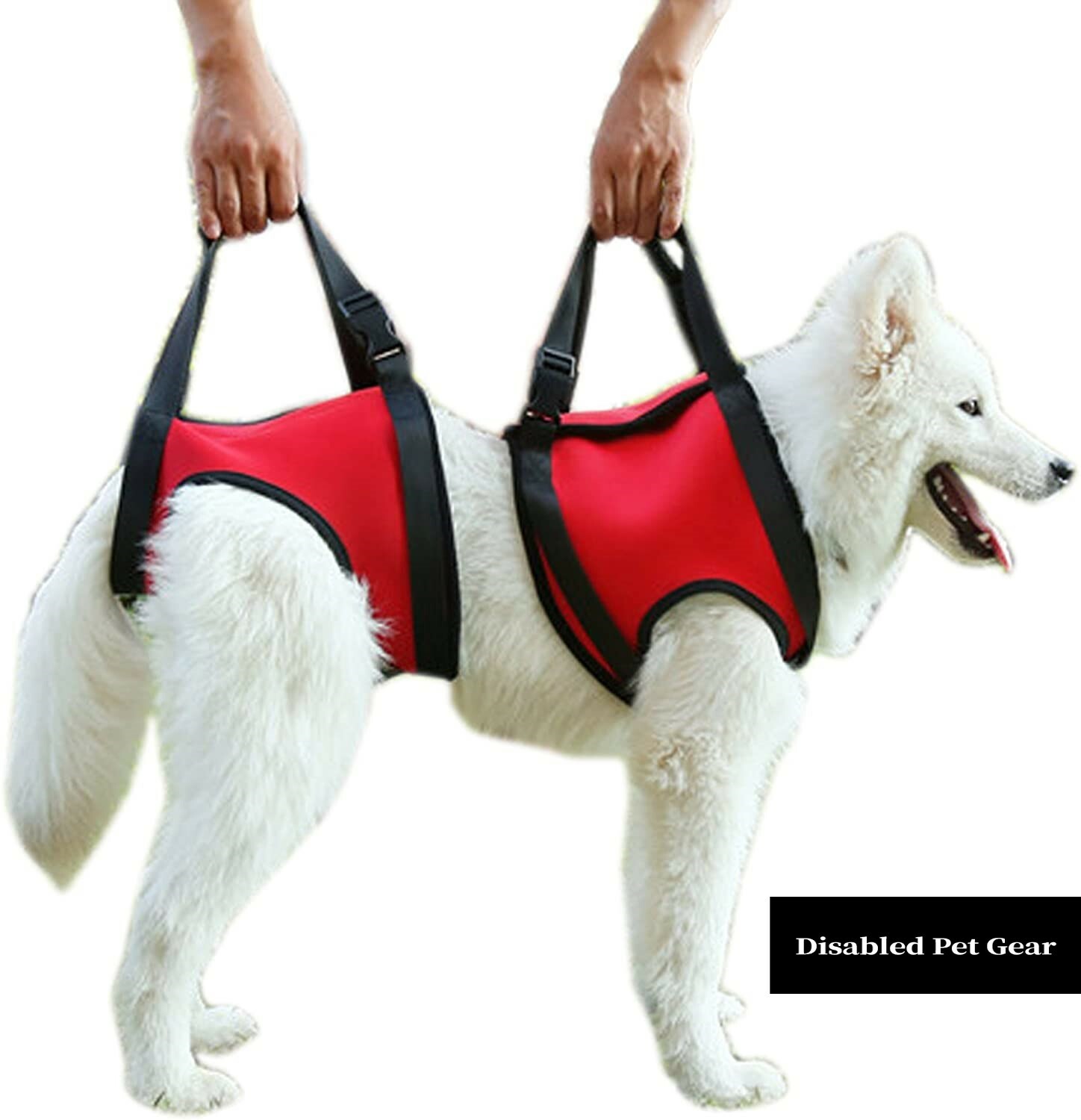 Dog Rehabilitation Harness Dog Support Pet Assist Sling for Older/Injured Dogs$22.87Last checked Nov 22, 2026View on eBay
 USLOCAL Tactical Service Dog Harness With Control Handle No Pulling Adjustable Reflective Pet Vest Easy Walking Training$36.99View on Mallflare
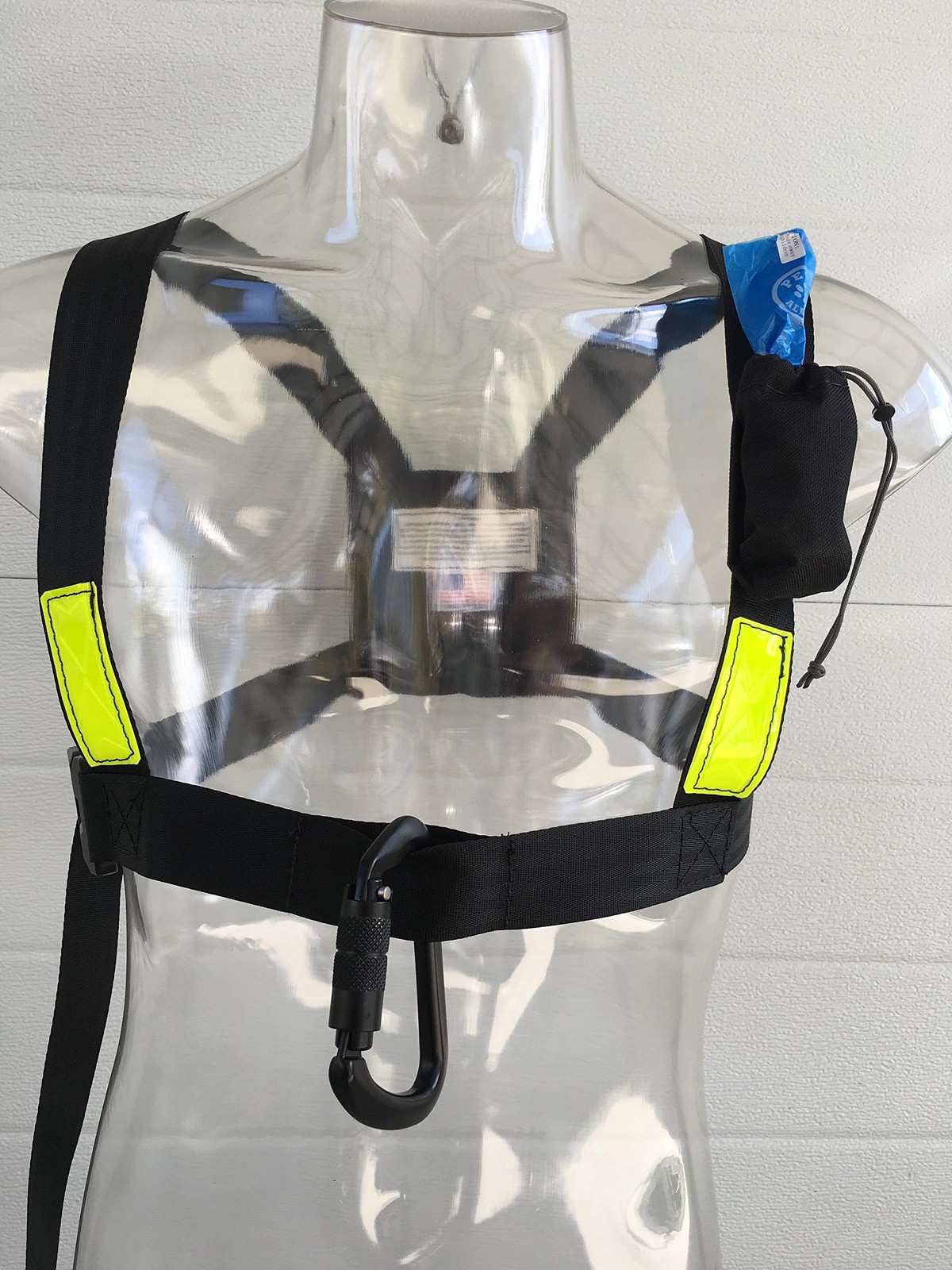 Hands Free Dog Harness$200.34New · Last checked Nov 27, 2026View on eBay
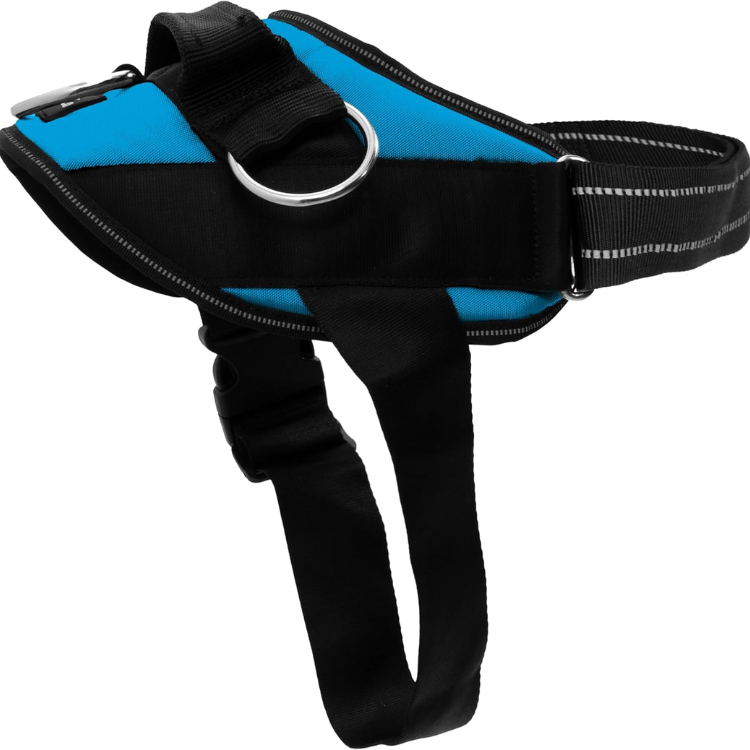 ShawnCo Essential Dog Harness, No-Pull Pet Vest Oceanic Blue,S$76.99View on Mallflare
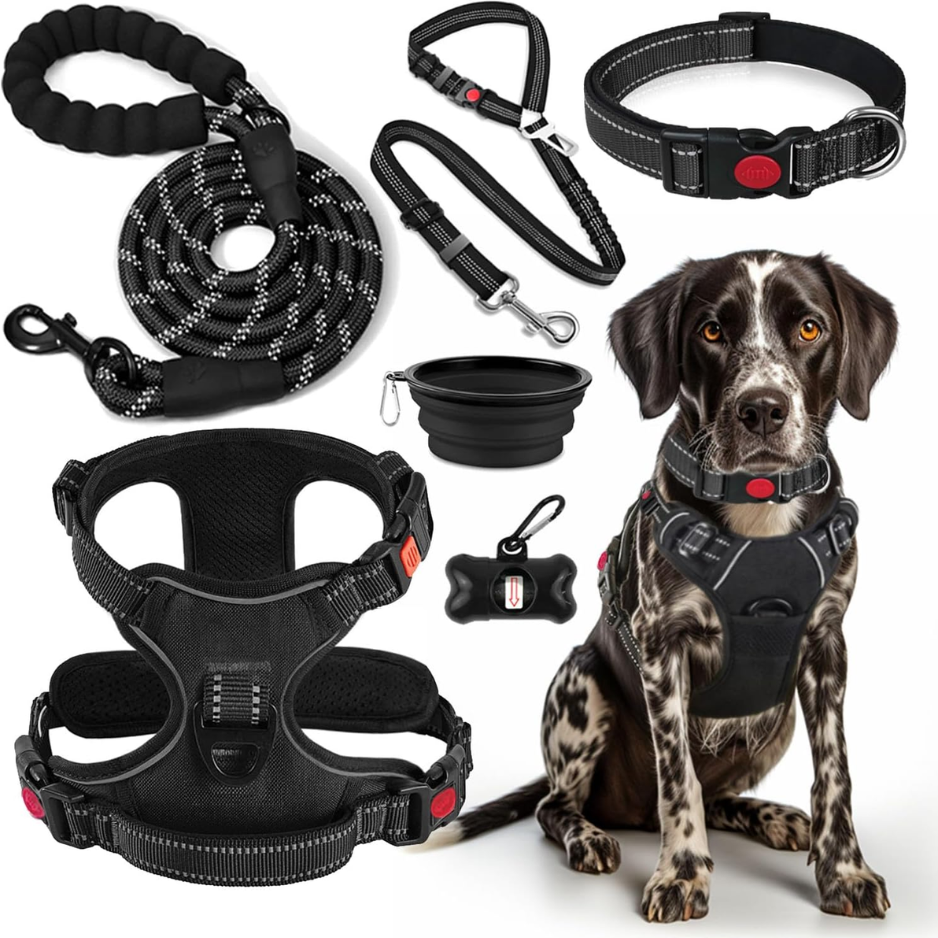 No Pull Dog Harness, Collar & Leash Set, Adjustable Pet Walking Set With Travel Accessories For Dogs$107.99View on Mallflare
Highlights
- Front-clip no-pull geometry redirects forward momentum sideways at the chest; back-clip only manages dogs already trained not to lunge.
- Nylon webbing strength scales with width and stitching: 20–25 mm webbing with box-X stitching handles medium dogs, 25–38 mm with bar-tack reinforcement suits large strong pullers.
- Tactical/service harnesses add a top control handle and metal buckles, giving handlers direct lift and hold control for large or reactive dogs.
- Vest and mesh harnesses spread pressure over more surface area but abrade faster in brush; strap harnesses last longer but need padding at the sternum and armpits.
Best use cases
- Best fit: strong pullers and large breeds—choose a front-clip strap or tactical harness with metal buckles, wide webbing, and a top handle; skip thin mesh vests.
- Best fit: daily walks for small-to-medium dogs—a lightweight padded mesh vest with adjustable chest straps is comfortable and sufficient; skip heavy tactical builds.
- Best fit: hiking and long-distance work—pick a Y-front harness with a back D-ring and padded chest plate, or a saddle-bag harness for load carry; skip single-strap step-in designs for rough terrain.
- Wrong fit: dogs that back out of harnesses—avoid step-in and minimal-strap designs; choose a vest or five-point harness with a snug ribcage strap and no-slip neck opening.
Buying tips
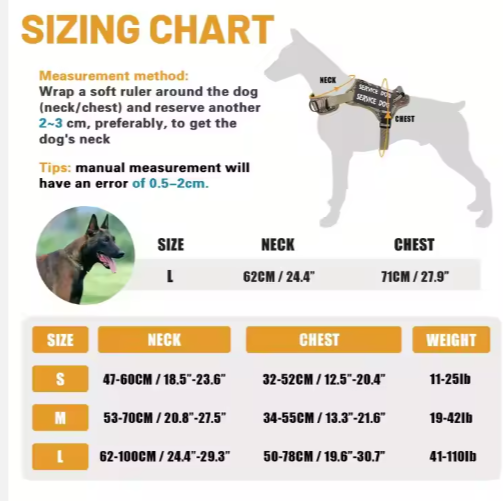
- Measure girth at the widest ribcage point behind the front legs; size to the girth range, not weight—weight-based sizing is the top cause of ill-fitting harnesses.
- Choose a front-clip D-ring for pulling control, but only if the ring is welded steel or reinforced; plastic front rings fail under load.
- Match webbing width to dog size: 15–20 mm for toy/small, 20–25 mm for medium, 25–38 mm for large and giant breeds; wider spreads load but adds bulk.
- For large pullers, require metal buckles and at least double bar-tack stitching at every stress point; plastic side-release buckles are the first failure point.
Specs
| Harness Type | Vest / Strap / Step-in / Tactical |
|---|---|
| No-Pull Design | Front-clip vs back-clip only |
| Hardware Grade | Metal welded D-ring vs plastic |
| Webbing Width | 15–38 mm by dog size |
Related searches
What to check before buying
- Measure chest girth and neck circumference with a soft tape; confirm the harness size range brackets both with at least 2–3 cm of adjustment on each strap.
- Check leg clearance: the front leg openings must sit behind the shoulder blades without rubbing the armpits during a full stride.
- Confirm leash attachment points: back D-ring for relaxed walking, front D-ring for no-pull training, and a top handle if you need lift assistance.
- Match climate and coat: mesh and neoprene padding for hot weather, but avoid unpadded webbing on short-haired dogs where friction causes chafing.
FAQ
Data sources: eBay / Amazon listings and product attribute feeds. Updated Nov 28, 2026.
Some links on this page are affiliate links. If you buy after clicking one, we may earn a commission at no extra cost to you. This does not change which products appear here or their order. Affiliate disclosure.