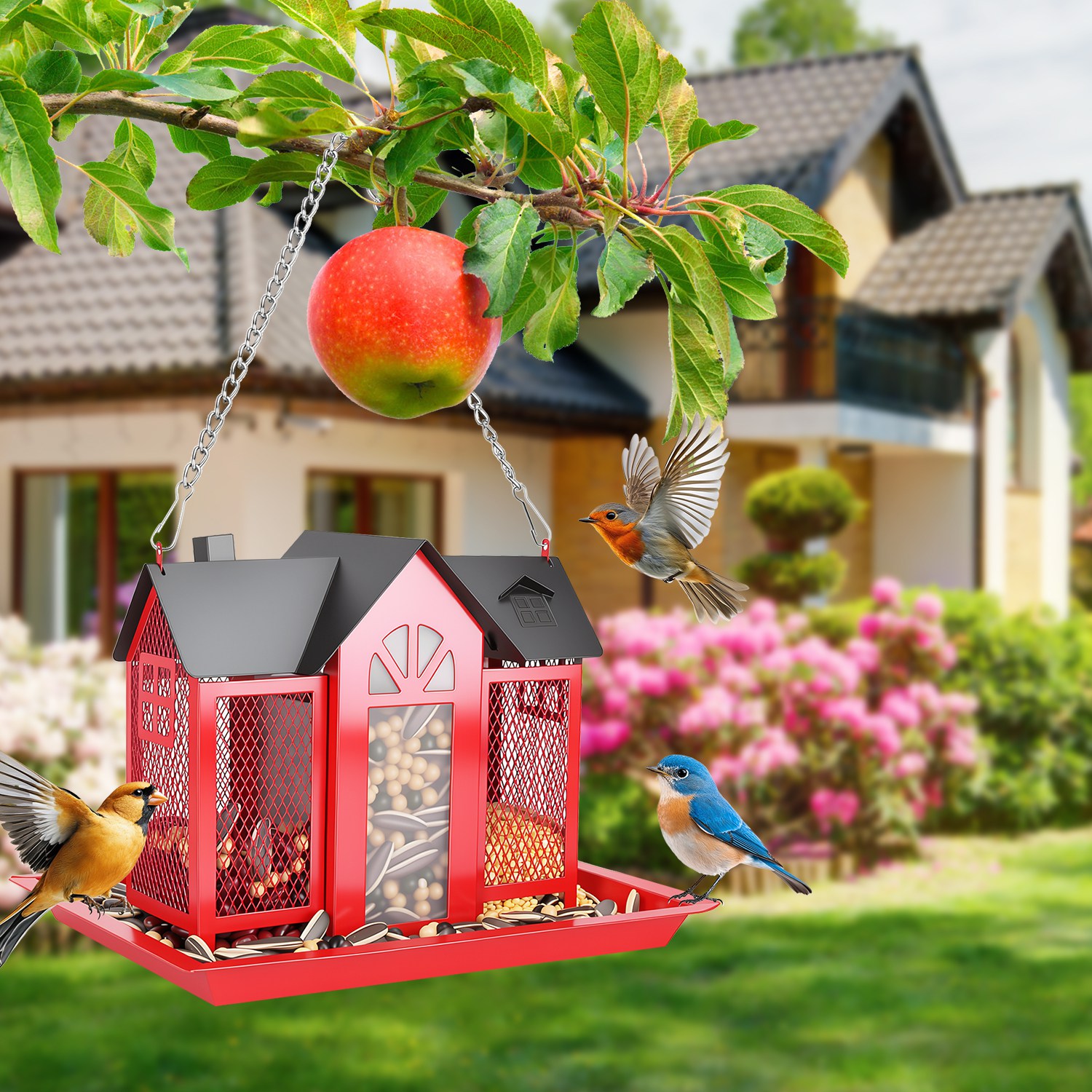

Photos from current listings. Actual item, color, and included accessories may vary.
Window Bird Box Buying Guide
A window bird box is a clear-front nesting or roosting cavity mounted directly to glass so you can observe birds from indoors without disturbance. The critical trade-offs are optical clarity versus UV/heat degradation, and suction-cup grip versus screw-bracket security on exterior glass. The decision rule: choose a UV-stabilized polycarbonate or acrylic box with a mechanical safety bracket for permanent outdoor use, and reserve suction-only units for sheltered, short-season monitoring.
Key takeaways
- Optical material: cast acrylic offers the clearest view and resists yellowing; polystyrene and thin PETG scratch and haze within one to two seasons of UV exposure.
- Mounting mechanics: dual locking suction cups with a stainless safety hook handle wind and glass temperature swings; screw-on aluminum L-brackets are required for exposed elevations above 6 ft.
- Ventilation and drainage: floor drain holes plus 6–10 mm side vents prevent condensation and mold; sealed decorative boxes without drainage fail within a single wet season.
At a glance
- Category
- Bird & Small Animal Supplies
- Last updated
- Nov 27, 2026
Current offers
Highlights
- Optical material: cast acrylic offers the clearest view and resists yellowing; polystyrene and thin PETG scratch and haze within one to two seasons of UV exposure.
- Mounting mechanics: dual locking suction cups with a stainless safety hook handle wind and glass temperature swings; screw-on aluminum L-brackets are required for exposed elevations above 6 ft.
- Ventilation and drainage: floor drain holes plus 6–10 mm side vents prevent condensation and mold; sealed decorative boxes without drainage fail within a single wet season.
- Viewing geometry: a front pane within 15° of vertical minimizes bird stress and reflection; deep boxes over 200 mm reduce light reaching the nest floor and deter occupancy.
Best use cases
- Best fit: a north- or east-facing kitchen or office window with screw-bracket acrylic box for year-round nesting observation — pick 25–32 mm entry hole for blue tits and chickadees.
- Best fit: a sheltered patio window with dual-suction polycarbonate box for a single nesting season of close-up monitoring — skip if the glass exceeds 40°C surface temperature in direct sun.
- Wrong fit: exposed south-facing glass above 2 m without a mechanical bracket — suction cups alone fail under thermal cycling and wind loading.
- Wrong fit: decorative ceramic or sealed wooden boxes with no drainage — condensation and mold kill nestlings; choose only vented, drainable designs.
Buying tips
- Match entry hole diameter to species: 25–28 mm for blue tits and chickadees, 32 mm for great tits and nuthatches, 45 mm for sparrows and starlings; oversized holes invite predators.
- Verify suction rating: each cup should be rated for at least 5 kg static load and include a locking lever; silicone cups outperform PVC in cold weather below 5°C.
- Check glass clearance: the box back must sit flush with the pane; boxes deeper than 180 mm protrude past window frames and block casement swing.
- Prefer polycarbonate over acrylic for impact resistance on ground-floor windows; acrylic wins on clarity but cracks under hail or branch strike.
Specs
| Viewing Pane | Cast acrylic vs polycarbonate |
|---|---|
| Mount Type | Dual suction + safety hook / screw bracket |
| Entry Hole | 25–45 mm by species |
| Drainage & Vents | 4+ floor drains, 2 side vents |
Related searches
What to check before buying
- Measure the window pane width and height: the box footprint must leave at least 50 mm clear of frame edges for suction seal or bracket screws.
- Confirm exterior glass surface temperature in summer sun stays below 45°C; above this, acrylic warps and suction cups soften.
- Check window swing or tilt clearance: casement and awning windows need a box depth under 150 mm to avoid collision with the sash.
- Verify wall or frame material for screw brackets: uPVC frames need self-tapping screws with sealed pilot holes; aluminum frames require rivet nuts.
FAQ
Data sources: eBay / Amazon listings and product attribute feeds. Updated Nov 27, 2026.
Some links on this page are affiliate links. If you buy after clicking one, we may earn a commission at no extra cost to you. This does not change which products appear here or their order. Affiliate disclosure.