
Photos from current listings. Actual item, color, and included accessories may vary.
Wild Bird Seed Buying Guide
Wild bird seed is a consumable blend category where the mix composition and seed freshness determine which species you attract and how much waste ends up on the ground. The primary trade-off is filler-heavy blends (millet, cracked corn, wheat) versus high-value straight seeds (black oil sunflower, nyjer, peanuts), which directly affect bird visitation and spoilage. The decision rule: buy blends whose primary ingredient matches the beak type of your target birds, and avoid mixes with more than 50% filler grains if you want low waste.
Median $28.99
Key takeaways
- Black oil sunflower is the highest-value single seed: thin hull, 40%+ fat, eaten by cardinals, chickadees, finches, and grosbeaks; striped sunflower has thicker hulls and is rejected by small beaks.
- Nyjer (thistle) requires a dedicated fine-port feeder; it is heat-sterilized for import and goes stale within weeks of opening, so buy small quantities.
- Millet and cracked corn are cheap filler that attracts ground feeders (doves, sparrows, blackbirds) but spoils quickly when wet and is the leading cause of feeder mold.
At a glance
- Category
- Bird & Small Animal Supplies
- Last updated
- Nov 27, 2026
Current offers
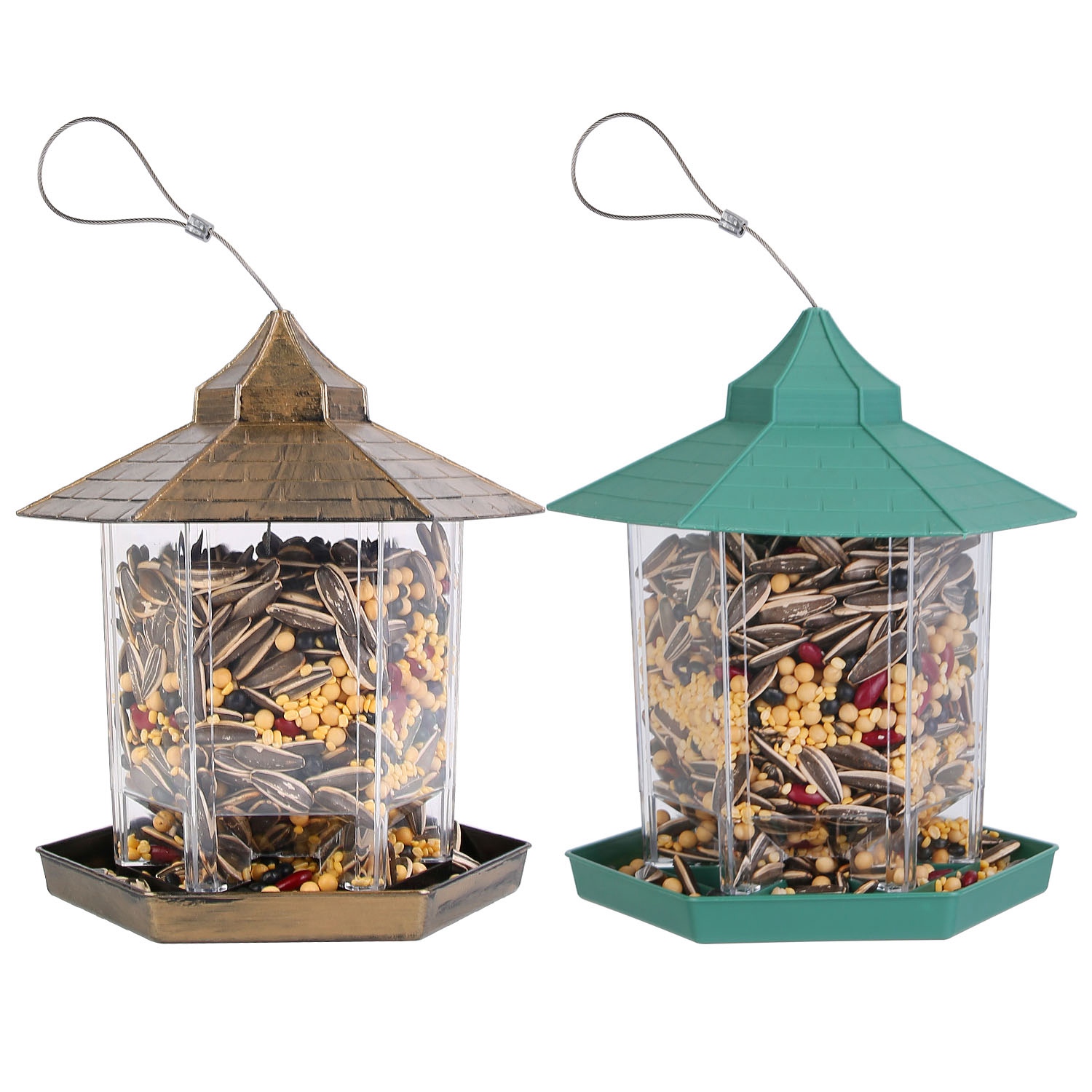 1Pc Hanging Gazebo Wild Bird Feeder Outdoor Seed Station With Large Capacity 6 Interface For Garden Patio Park Weatherproof Easy To Refill$19.99View on Mallflare
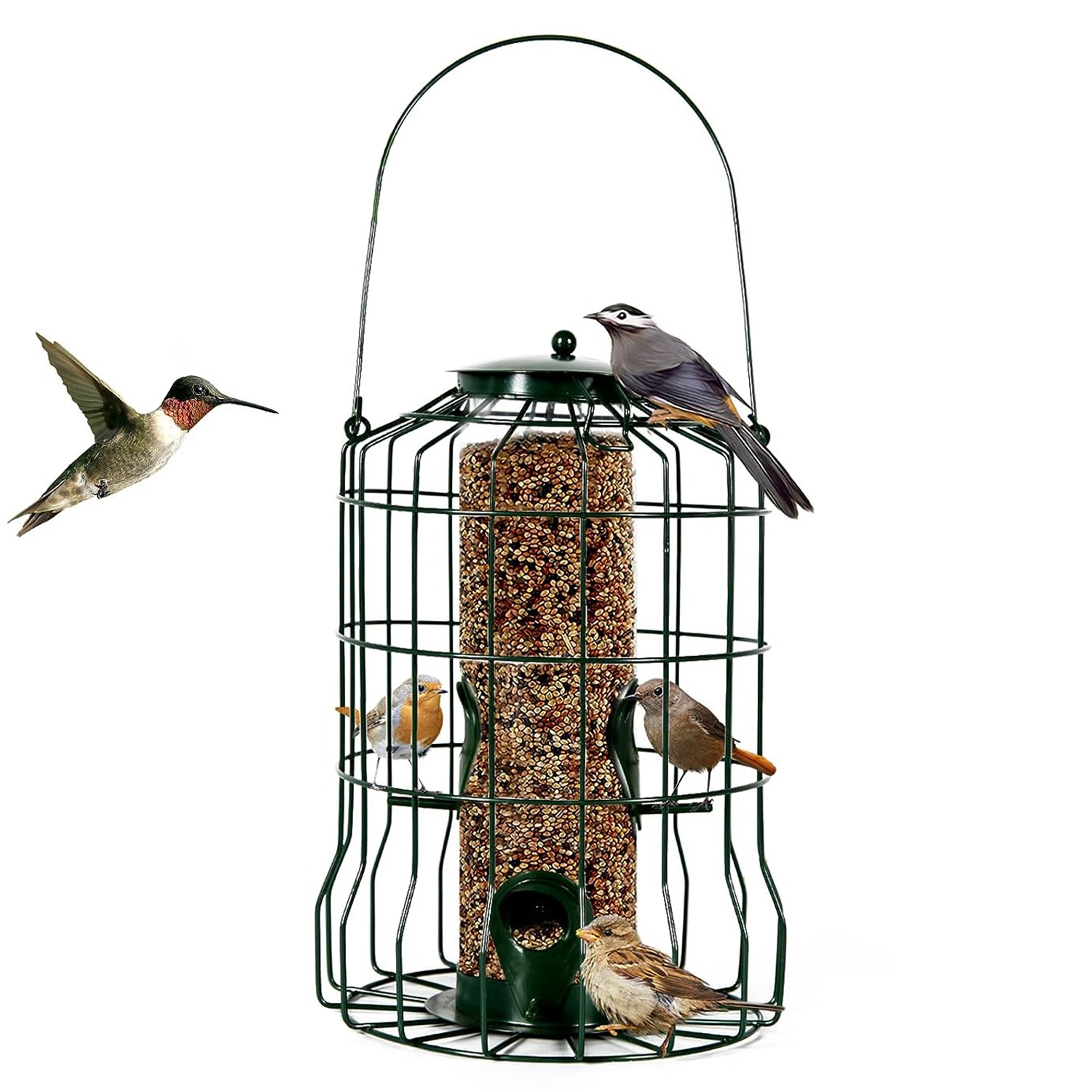 1Pc Outdoor Wild Bird Feeder Squirrel-Proof Chew-Proof Metal Hanging Seed With 4 Feeding Port For Small Songbirds$28.99View on Mallflare
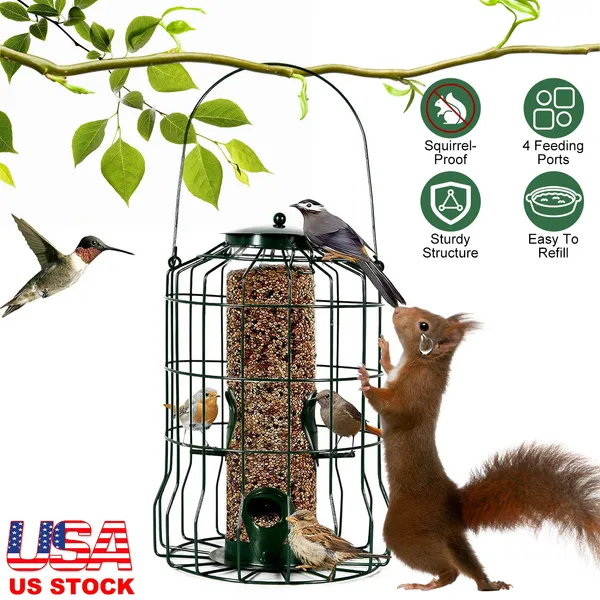 Outdoor Wild Bird Feeder Squirrel-Proof Chew-Proof Metal Hanging Seed With 4 Feeding Ports For Small Songbirds$29.99View on Mallflare
Highlights
- Black oil sunflower is the highest-value single seed: thin hull, 40%+ fat, eaten by cardinals, chickadees, finches, and grosbeaks; striped sunflower has thicker hulls and is rejected by small beaks.
- Nyjer (thistle) requires a dedicated fine-port feeder; it is heat-sterilized for import and goes stale within weeks of opening, so buy small quantities.
- Millet and cracked corn are cheap filler that attracts ground feeders (doves, sparrows, blackbirds) but spoils quickly when wet and is the leading cause of feeder mold.
- Seed freshness matters more than brand: look for recent harvest/best-by dates, clean hulls with no dust or moth webbing, and store in airtight containers below 70°F.
Best use cases
- Best fit: a hanging tube or hopper feeder in a wooded yard — buy black oil sunflower or a sunflower-heavy blend to attract chickadees, titmice, and cardinals with minimal waste.
- Wrong fit: a platform feeder on the ground in a humid climate with a millet-heavy bargain blend — it will mold within days and attract blackbirds and rodents instead of songbirds.
- Best fit for finch lovers: a nyjer-specific mesh feeder stocked with fresh nyjer in small bags, refilled often, to bring goldfinches and siskins.
- Wrong fit for squirrel-heavy yards: buying premium seed without a baffle or squirrel-proof feeder — squirrels will empty a feeder in a day regardless of seed quality.
Buying tips
- Choose bags where black oil sunflower or nyjer is the first ingredient; if millet or cracked corn leads the list, you are buying filler, not bird food.
- Match seed to feeder port size: nyjer needs ports under 1/8 inch; sunflower and peanuts need 1/4 inch or larger; millet blends work only on tray or hopper feeders.
- Buy the smallest bag you will use within 4-6 weeks; opened seed loses oil freshness and attracts pantry moths after about two months.
- For year-round feeding, use a 50/50 black oil sunflower and nyjer rotation in separate feeders rather than a single all-purpose blend, which lets each species self-select.
Specs
| Primary Seed Type | Black oil sunflower / nyjer / blends |
|---|---|
| Filler Content | <50% millet/corn for low waste |
| Feeder Port Size | 1/8 in nyjer / 1/4 in sunflower |
| Bag Freshness | Use within 4-6 weeks of opening |
Related searches
What to check before buying
- Measure your feeder ports and tray depth: nyjer feeders need fine mesh, sunflower feeders need 1/4-inch ports, and tray feeders need drainage holes to prevent seed soaking.
- Check your climate: in humid or rainy regions, avoid millet-heavy blends and use a weatherproof hopper with a roof; in dry climates, tray feeders are fine.
- Confirm local wildlife rules: some areas restrict ground feeding due to rodents or bears; hanging feeders at least 5 feet high and 10 feet from cover reduce predation.
- Plan storage: buy airtight, rodent-proof containers sized to your bag; seed stored above 70°F or in humid garages loses freshness and molds faster.
FAQ
Data sources: eBay / Amazon listings and product attribute feeds. Updated Nov 27, 2026.
Some links on this page are affiliate links. If you buy after clicking one, we may earn a commission at no extra cost to you. This does not change which products appear here or their order. Affiliate disclosure.