
Photos from current listings. Actual item, color, and included accessories may vary.
Small Pet Cage Buying Guide
A small pet cage is a primary habitat for hamsters, guinea pigs, rabbits, ferrets, birds, and other small animals, where the critical trade-off is between floor area and bar spacing versus ease of cleaning and portability. Durable cages use chew-proof metal or thick acrylic, secure latches, and species-appropriate bar spacing, while compromises often rely on thin wire, small access doors, or plastic bases that crack. The decision rule: buy the largest floor footprint your space allows with bar spacing matched to your pet's size, and skip any cage with a plastic base if your pet is a determined chewer.
Median $138.49
Key takeaways
- Bar spacing determines species fit: 1/4–3/8 inch for mice and dwarf hamsters, 1/2–5/8 inch for Syrian hamsters and gerbils, 3/4–1 inch for guinea pigs and rabbits, and 1/2–3/4 inch for small birds like budgies and cockatiels.
- Chew-proof construction uses powder-coated steel wire or 3–5 mm acrylic panels; wooden cages need kiln-dried hardwood (not soft pine) and metal edge guards to resist gnawing.
- Rolling stands with locking casters add mobility but reduce stability; removable slide-out trays and drop-down doors cut cleaning time versus fixed wire floors.
At a glance
- Category
- Bird & Small Animal Supplies
- Last updated
- Nov 27, 2026
Current offers
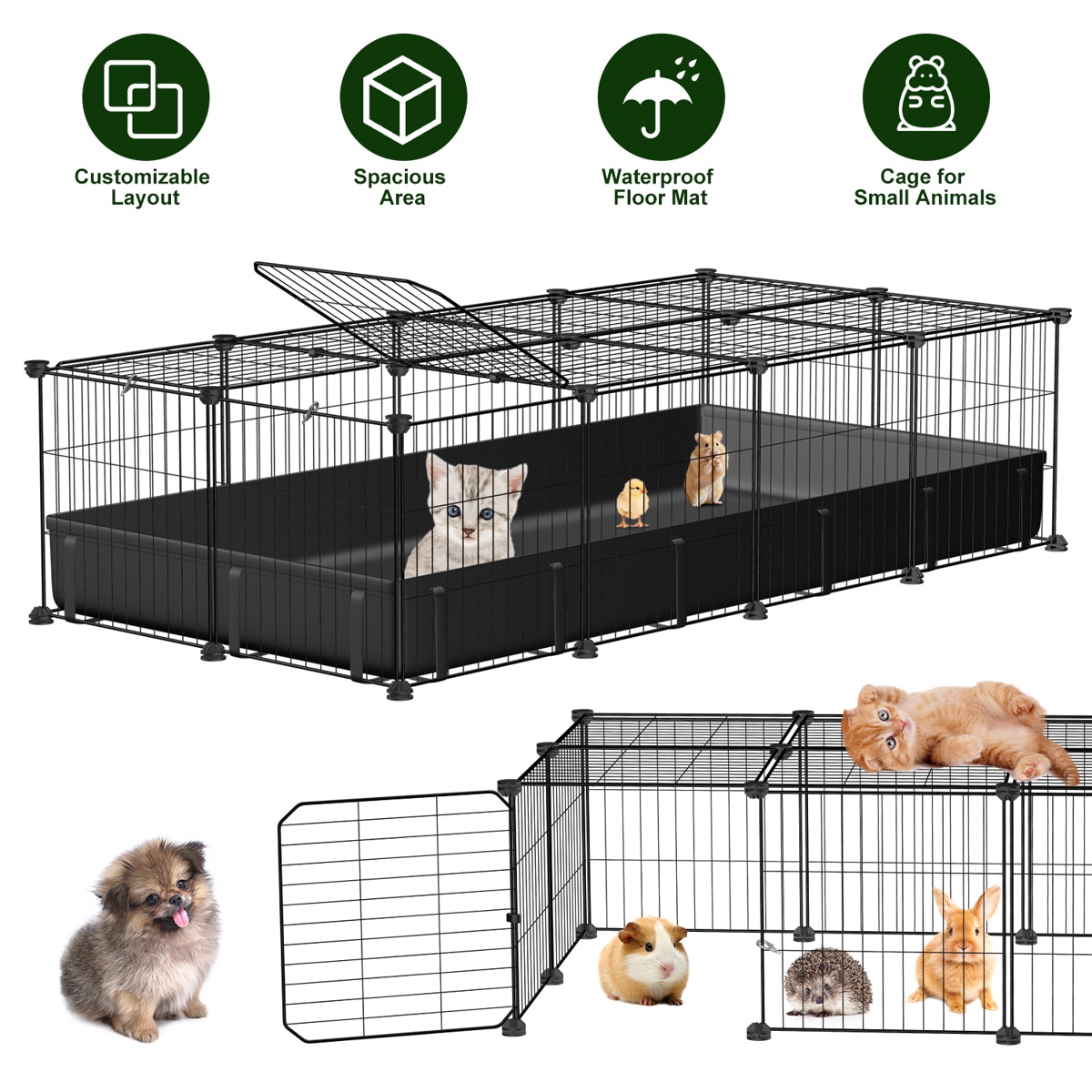 47x24x12IN Guinea Pig Cage Small Animal Playpen DIY Metal Pet Enclosure With 20 Panels Waterproof Floor Mat For Hedgehogs Chickens Ducklings Rabbits Hamsters$65.99View on Mallflare
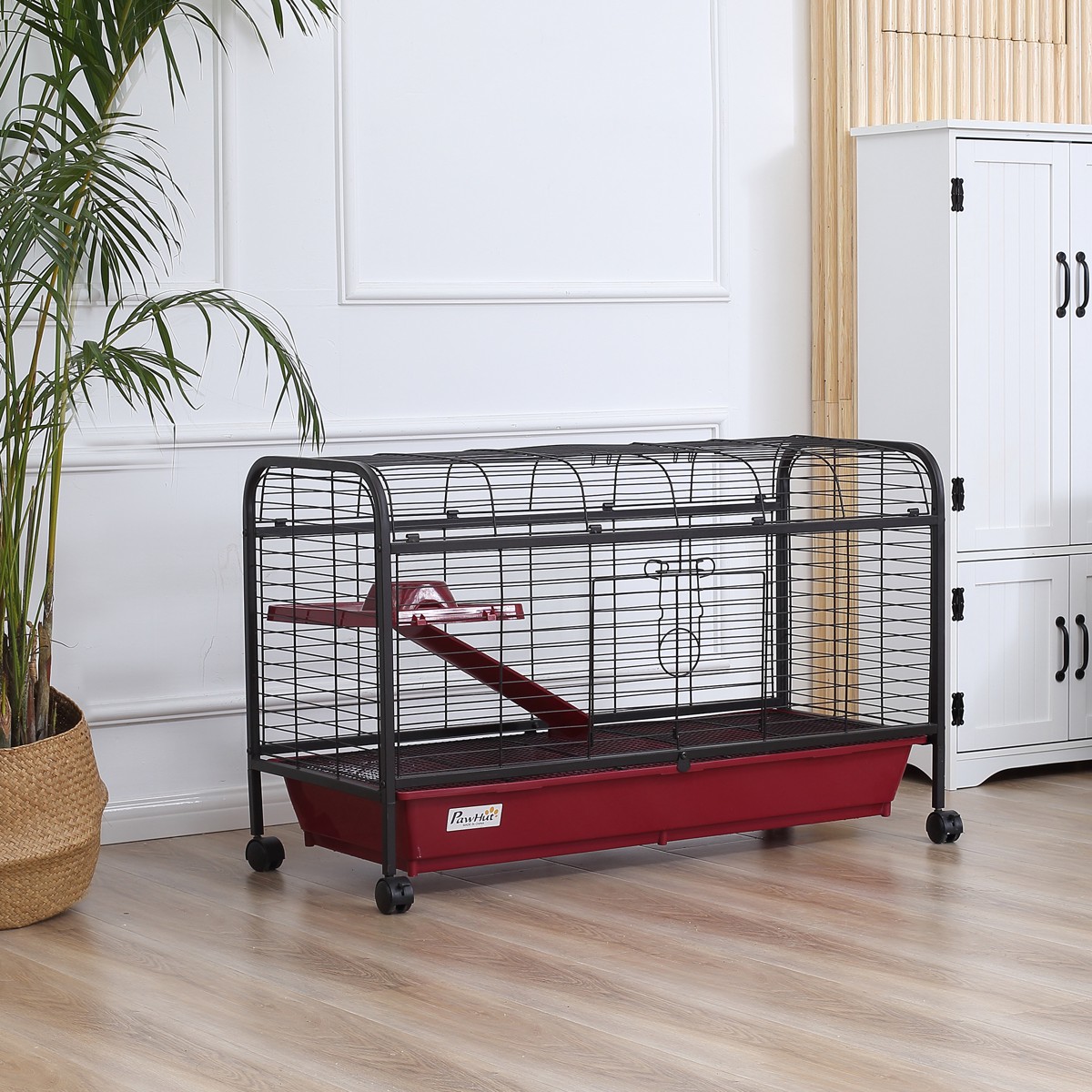 41"L Small Animal Cage, Pet Play House for Rabbit Hutch Ferret with Feeder, Rolling Wheels, Platform, Ramp$111.99View on Mallflare
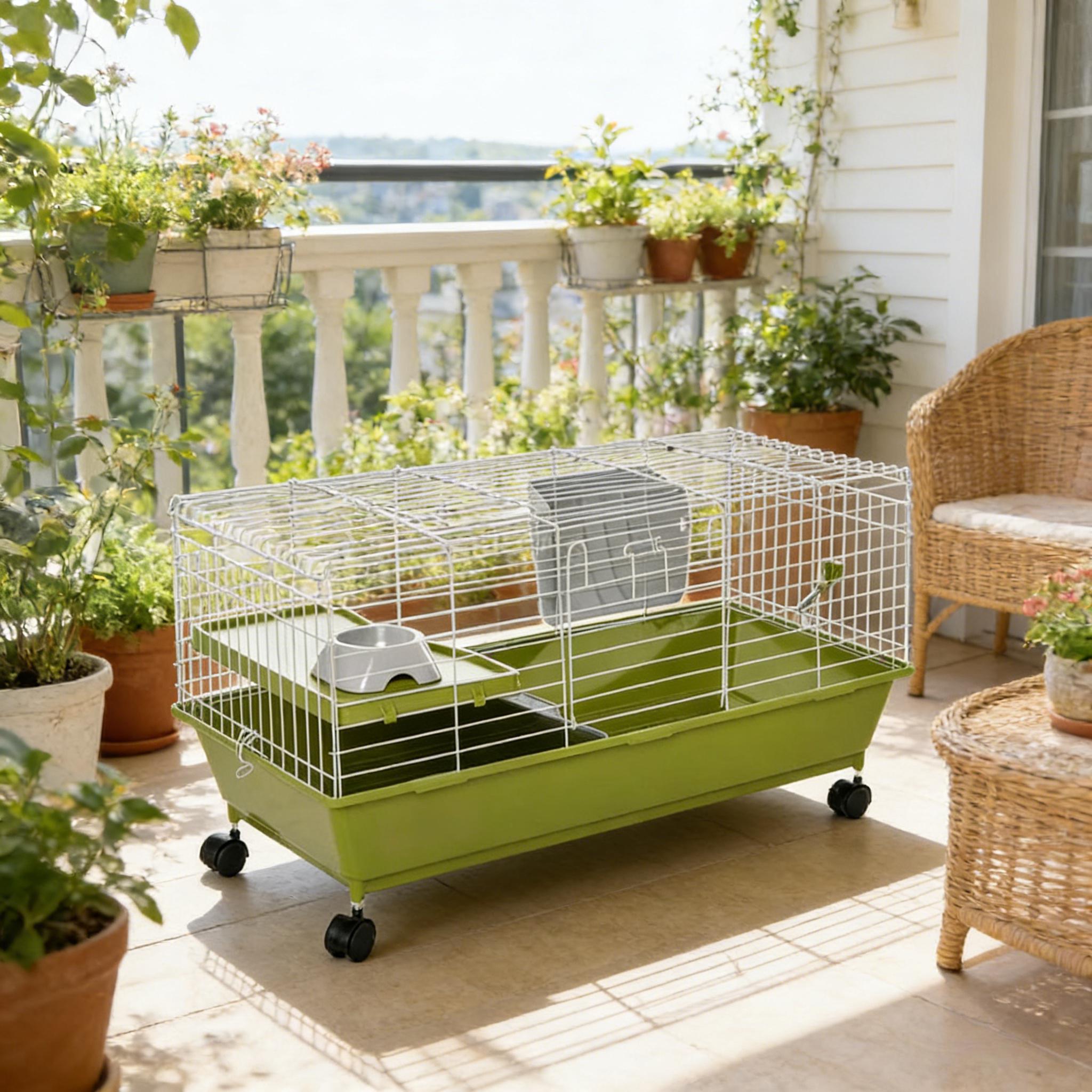 Spacious Animal Cage,Pet Play House,Small Cage$114.99View on Mallflare
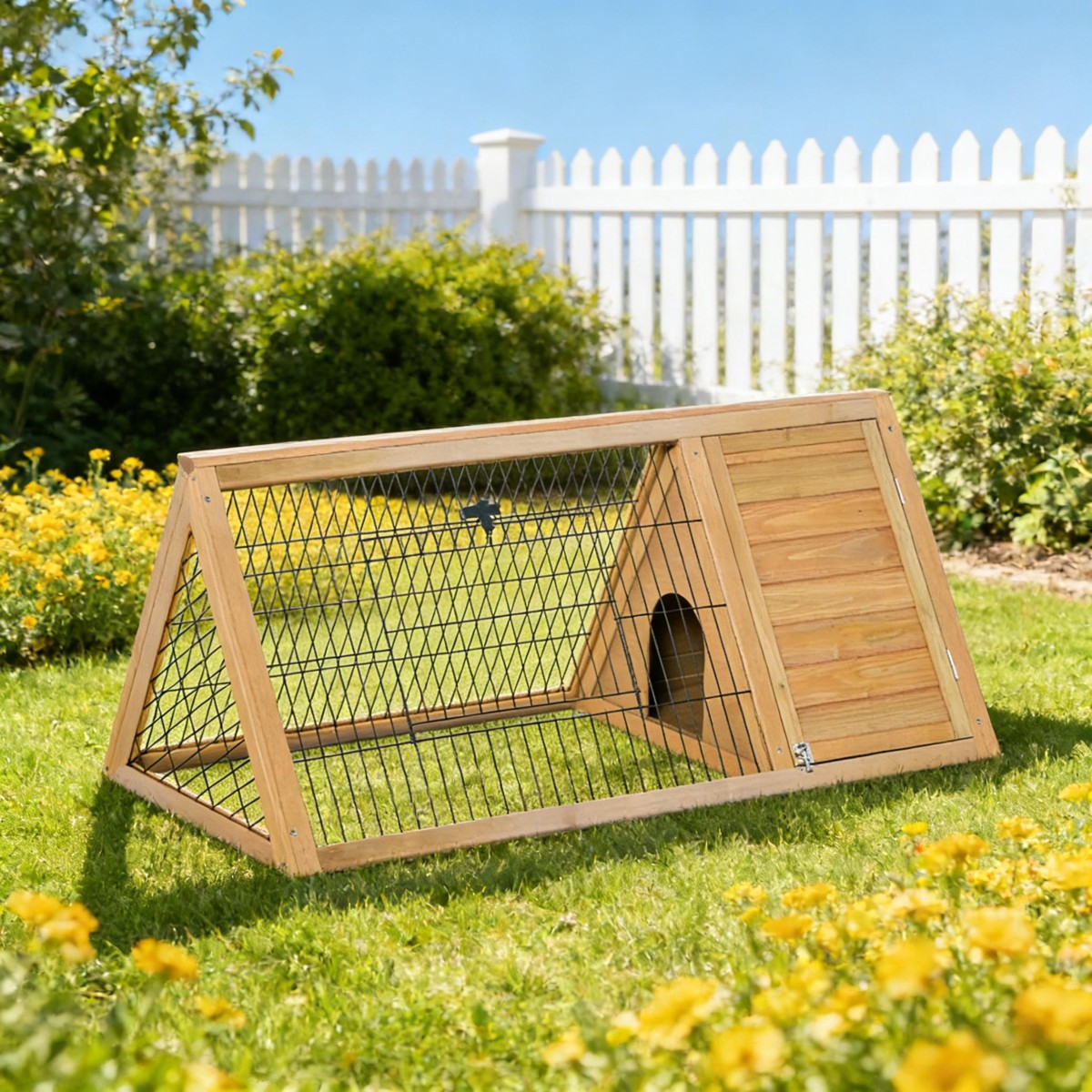 A-Frame Wooden Pet House,Small Animal Cage Rabbit Hutch$127.99View on Mallflare
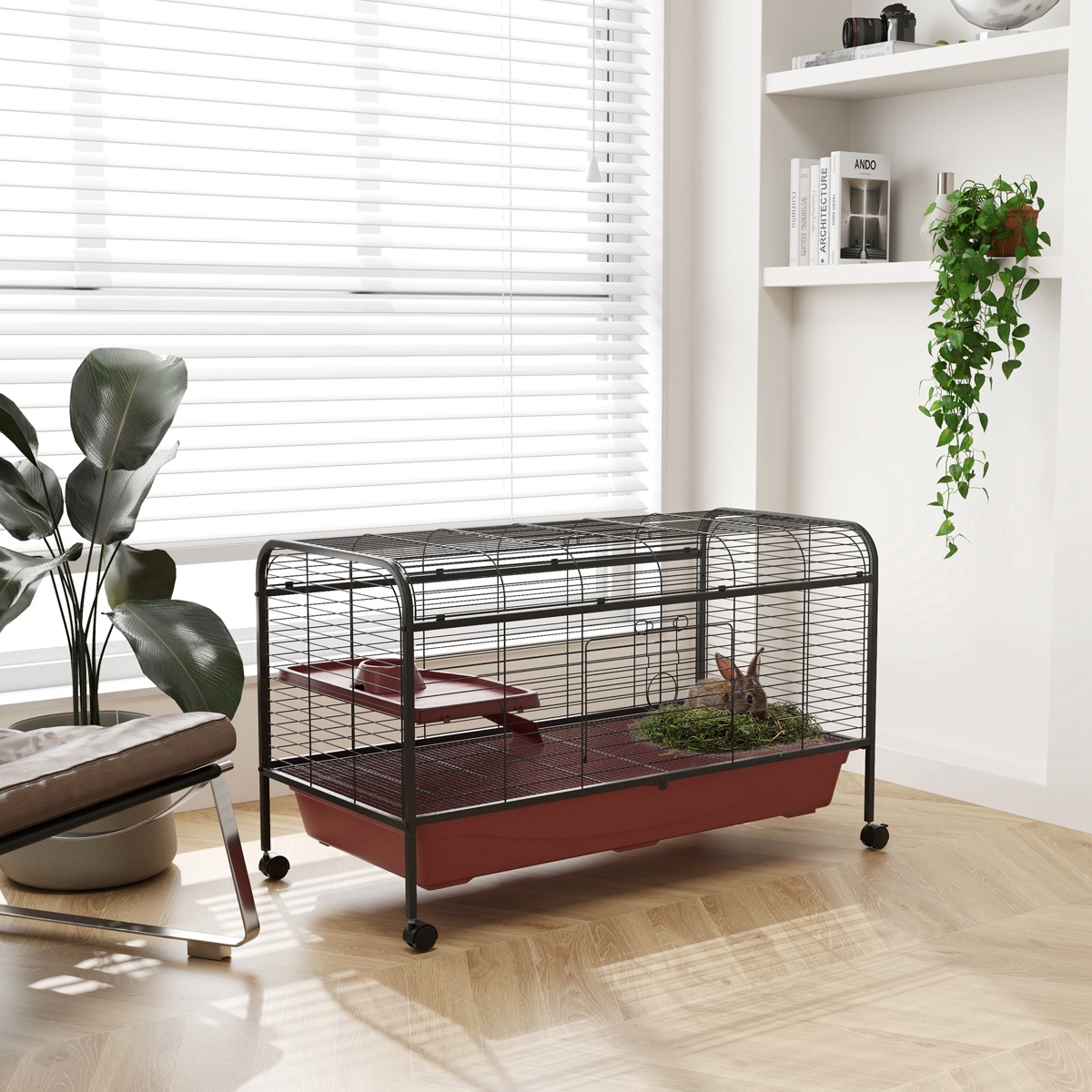 48" L Small Animal Cage, Pet Play House for Rabbit Hutch or Ferret with Feeder, Rolling Wheels, Platform, Ramp$148.99View on Mallflare
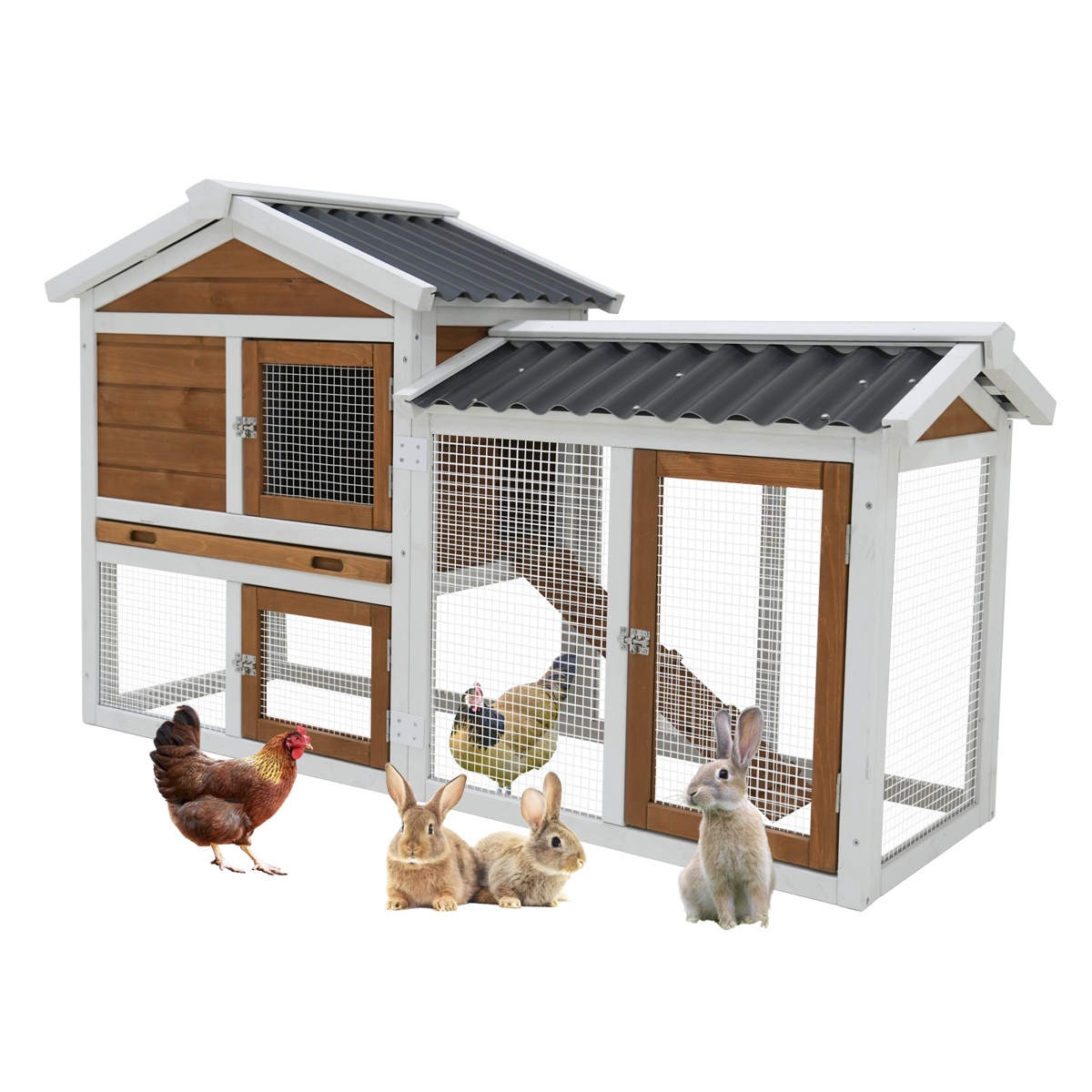 58 Wooden Outdoor Indoor Roof Waterproof Bunny Hutch Rabbit Cage Guinea Pig Coop PET House For Small To Medium Animals With Stairs And Cleaning Tray$160.99View on Mallflare
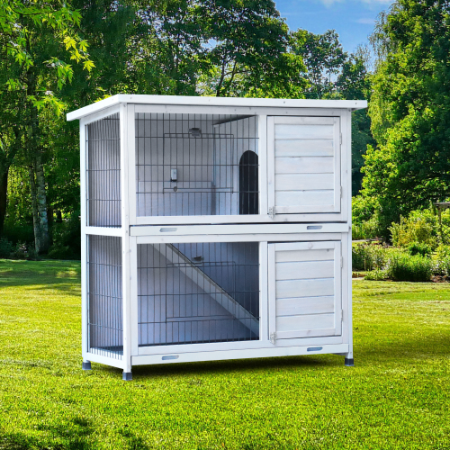 Rabbit Hutch Outdoor, 2-Story Cage Indoor With Run, Bunny 2 Removable No-Leak Trays, Pet Cages Non-Slip Ramp, Waterproof Roof, Fence, For Small Animals$166.99View on Mallflare
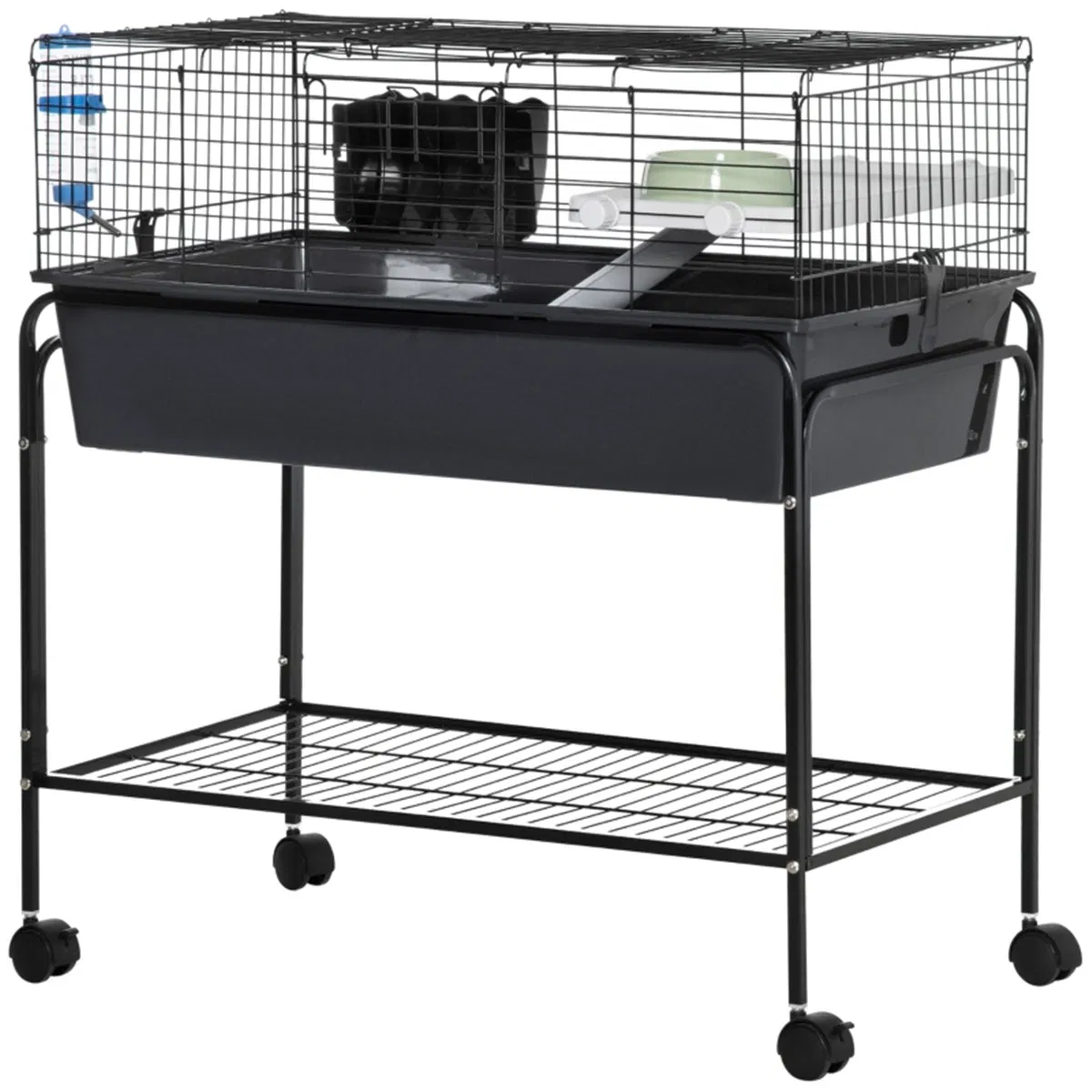 Hamster Cage/small animal cage/Pet cages$208.99View on Mallflare
Highlights
- Bar spacing determines species fit: 1/4–3/8 inch for mice and dwarf hamsters, 1/2–5/8 inch for Syrian hamsters and gerbils, 3/4–1 inch for guinea pigs and rabbits, and 1/2–3/4 inch for small birds like budgies and cockatiels.
- Chew-proof construction uses powder-coated steel wire or 3–5 mm acrylic panels; wooden cages need kiln-dried hardwood (not soft pine) and metal edge guards to resist gnawing.
- Rolling stands with locking casters add mobility but reduce stability; removable slide-out trays and drop-down doors cut cleaning time versus fixed wire floors.
- Minimum floor area matters more than height: Syrian hamsters need at least 24 x 12 inches of continuous floor, guinea pigs 30 x 24 inches, and rabbits 36 x 24 inches with a raised platform.
Best use cases
- Best fit for Syrian or dwarf hamsters: a wooden or acrylic enclosure at least 24 x 12 inches with 1/4–1/2 inch bar spacing and a solid floor; skip multi-tier wire cages with grated floors that cause foot injuries.
- Best fit for guinea pigs or rabbits: a DIY metal panel playpen at least 47 x 24 inches with a waterproof mat and 3/4–1 inch bar spacing; skip small bird cages with 1/2 inch spacing that are too short and narrow.
- Best fit for ferrets or chinchillas: a multi-level powder-coated wire cage with 1/2–3/4 inch spacing, six doors, a hammock, and a removable tray; skip wooden cages unless every panel is metal-edged, because ferrets will chew through softwood.
- Best fit for parakeets, cockatiels, or lovebirds: a 30-inch metal bird cage with 1/2–5/8 inch bar spacing, a rolling stand, and a slide-out tray; skip acrylic hamster enclosures with no horizontal bars for climbing.
Buying tips
- Calculate floor area before buying: length x width must meet species minimums—24 x 12 inches for one Syrian hamster, 30 x 24 inches for one guinea pig, and 36 x 24 inches for one rabbit.
- Match bar spacing to your pet's head width: if the gap is wider than your pet's skull, it can escape; use 1/4–3/8 inch for mice, 1/2–5/8 inch for hamsters, and 3/4–1 inch for rabbits.
- Choose powder-coated steel wire (typically 2–4 mm gauge) over bare galvanized wire, which rusts with urine exposure; acrylic panels should be at least 3 mm thick to resist cracking.
- Prefer cages with at least two access points (front door plus top opening) and a removable base tray; single small doors make bedding changes and pet retrieval difficult.
Specs
| Bar Spacing | 1/4–1 in by species |
|---|---|
| Floor Area Minimum | 24x12 to 36x24 in |
| Frame Material | Powder-coated steel / acrylic / hardwood |
| Access & Cleaning | Slide-out tray / 2+ doors |
Related searches
What to check before buying
- Measure your available floor space and doorway widths: a 47 x 24 inch playpen needs a clear path at least 25 inches wide when assembled, so confirm you can move it through doors or assemble it in place.
- Check your pet's adult size against bar spacing: for a full-grown Syrian hamster, gaps must be 1/2 inch or less; for a rabbit, 1 inch or less but strong enough to resist pushing.
- Verify surface compatibility: rolling casters work on hard floors but sink into thick carpet; place wooden cages away from direct heat and damp, and use a waterproof mat under wire cages.
- Confirm included accessories: cages often ship without a water bottle, food bowl, or hide; budget for these separately, and ensure the cage has mounting points or brackets for a bottle.
FAQ
Data sources: eBay / Amazon listings and product attribute feeds. Updated Nov 27, 2026.
Some links on this page are affiliate links. If you buy after clicking one, we may earn a commission at no extra cost to you. This does not change which products appear here or their order. Affiliate disclosure.