
Photos from current listings. Actual item, color, and included accessories may vary.
Small Animal Toy Buying Guide
Small animal toys span two distinct build philosophies: natural, destructible enrichment (wood, loofah, grass, sisal) that satisfies chewing and foraging instincts, versus durable non-chewable hardware (stainless steel holders, hanging bridges, foraging puzzles) that survives daily wear. The core trade-off is safety and species-appropriate destruction versus longevity, and the decision rule is simple: match material hardness and toy size to the animal's jaw strength and body mass, and never offer a toy with exposed wire, loose fibers, or a swallowable component.
Median $22.99
Key takeaways
- Natural-fiber toys (grass balls, loofah, untreated wood) are meant to be destroyed; softwood like balsa or pine is safe for hamsters and rabbits, while hard plastic and metal are for non-chewers like rats and ferrets.
- Foraging toys such as Super Bird Creations SC208 use a woven basket or paper-cup design that hides treats; they suit birds and small animals and build natural foraging behavior.
- Stainless-steel fruit and vegetable holders are chew-proof and rust-resistant, making them the correct choice for rats and ferrets that aggressively chew plastic clips.
At a glance
- Category
- Bird & Small Animal Supplies
- Last updated
- Nov 27, 2026
Current offers
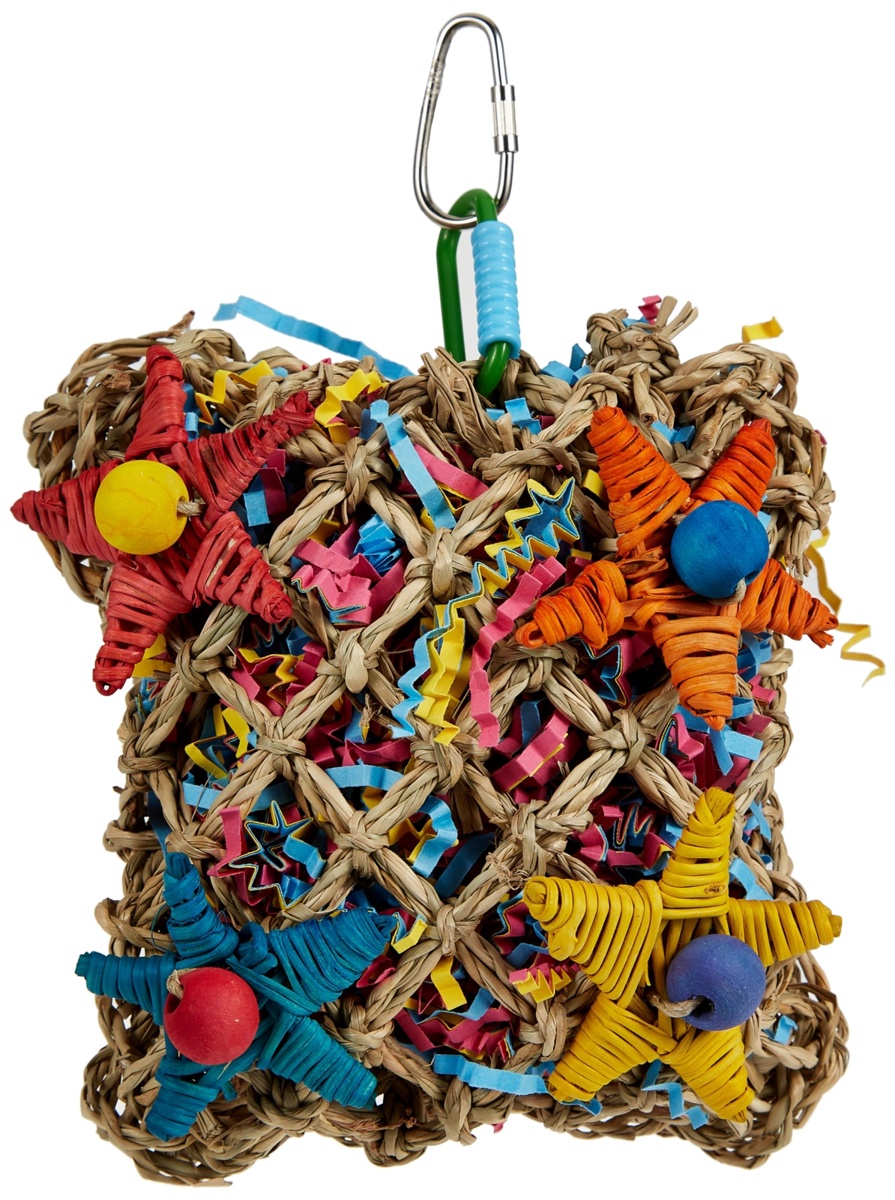 Super Bird Creations SC208 Foraging Toy - Ideal for Small Animals - Fun & Ent...$14.65View on eBay
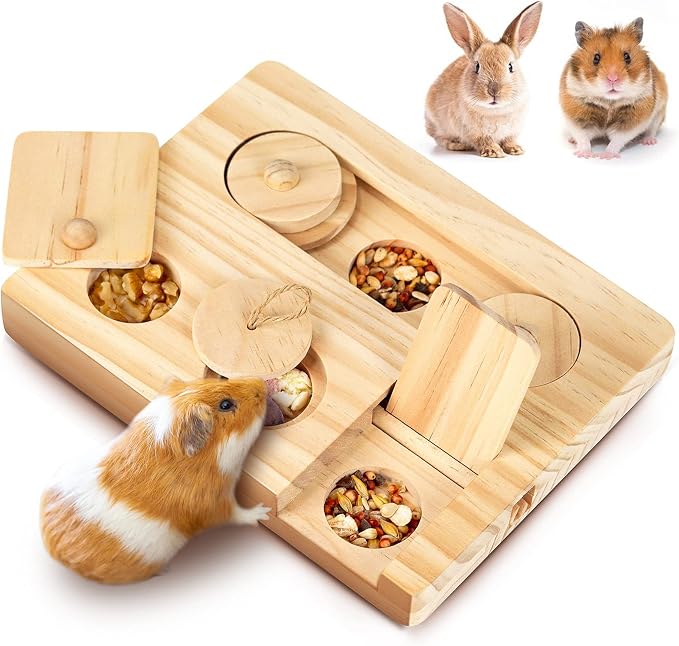 6-in-1 Small Animal Foraging Toys, Wooden Interactive Enrichment Set With Treat Dispenser For Guinea Pigs, Hamsters And Rabbits$54.99View on Mallflare
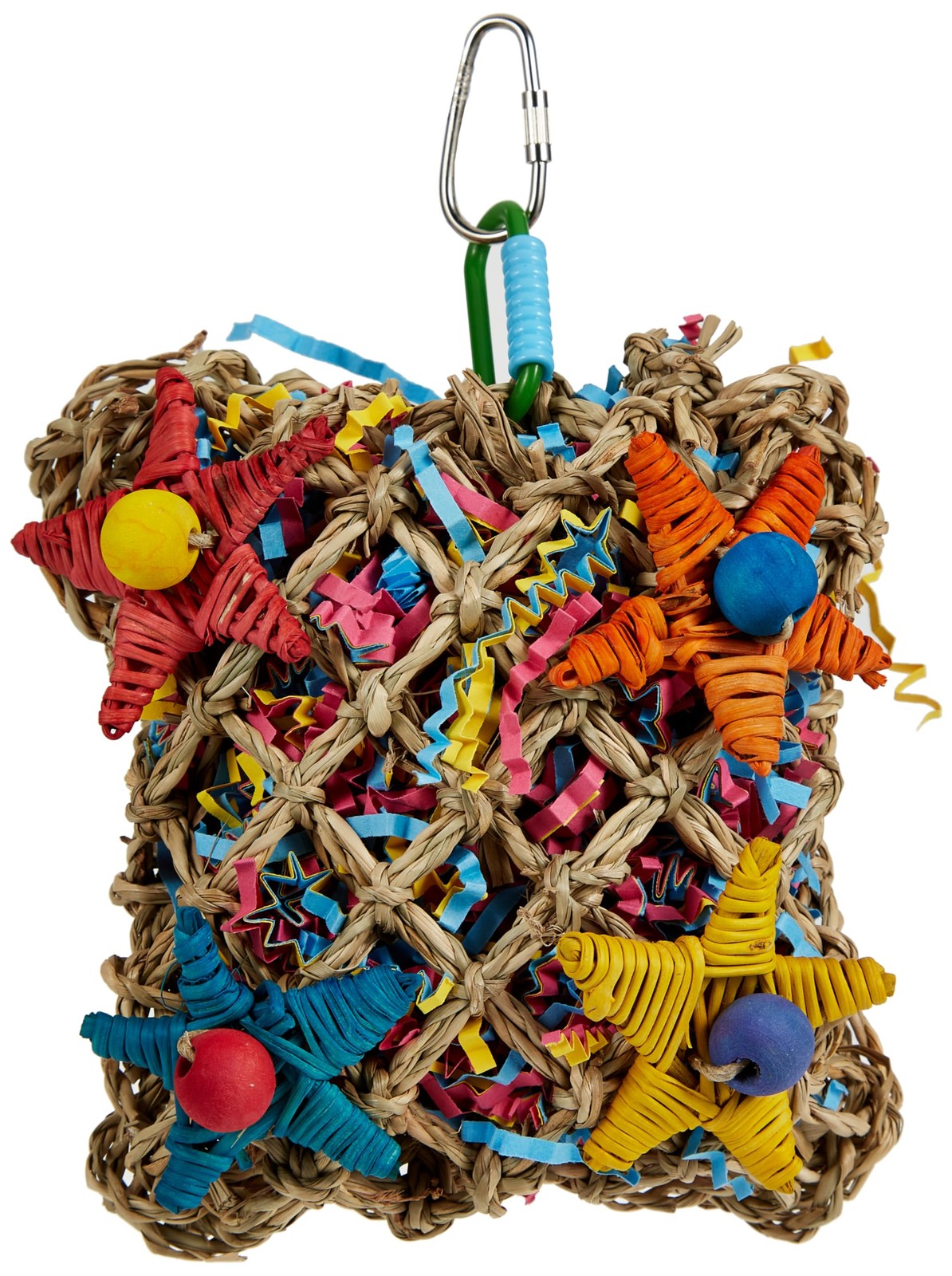 Super Bird Creations SC208 Foraging Toy - Ideal for Small Animals - Varies$17.40View on eBay
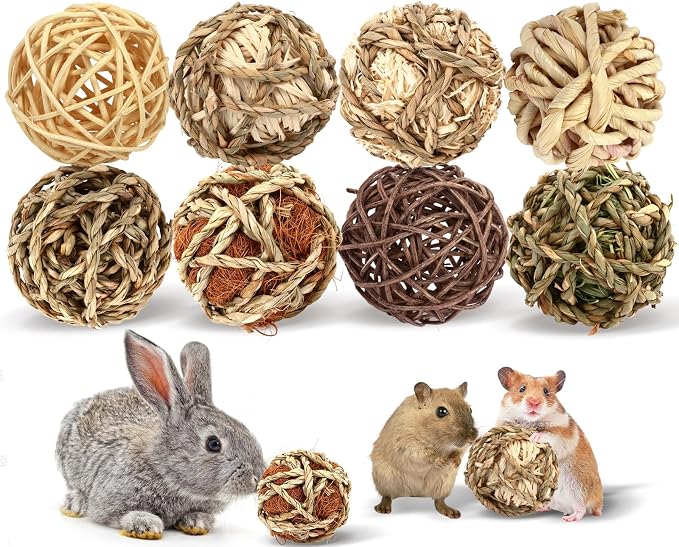 8-Piece Bunny Rabbit Grass Chew Balls, Rolling Natural Toys For Small Animals And Dental Enrichment$57.99View on Mallflare
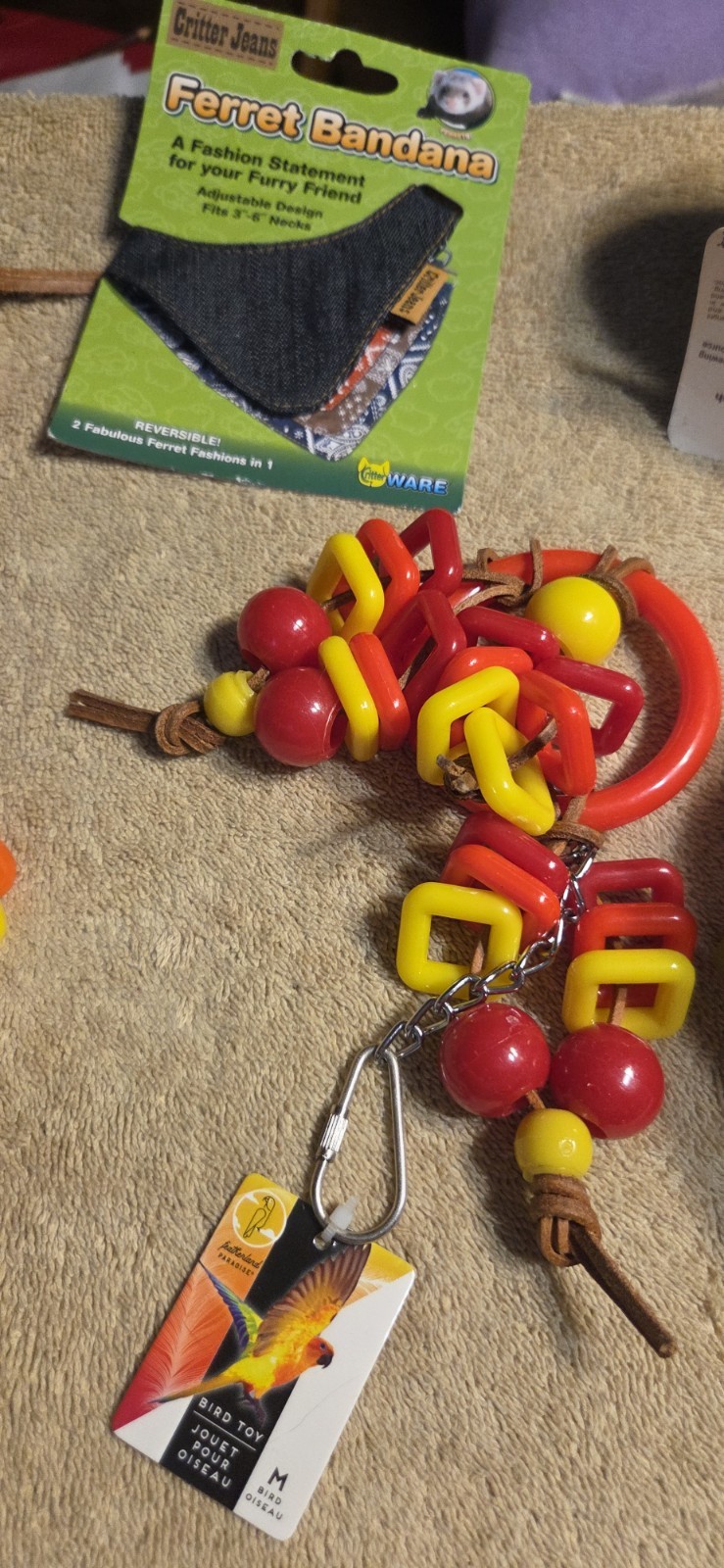 Bird Ferrett Small Animal Toys And Bowl Lot NWT Item #1290$22.99Last checked Nov 28, 2026View on eBay
Highlights
- Natural-fiber toys (grass balls, loofah, untreated wood) are meant to be destroyed; softwood like balsa or pine is safe for hamsters and rabbits, while hard plastic and metal are for non-chewers like rats and ferrets.
- Foraging toys such as Super Bird Creations SC208 use a woven basket or paper-cup design that hides treats; they suit birds and small animals and build natural foraging behavior.
- Stainless-steel fruit and vegetable holders are chew-proof and rust-resistant, making them the correct choice for rats and ferrets that aggressively chew plastic clips.
- Hanging bridges and hammocks must use closed metal rings or welded chain, not open S-hooks or spring clips, which catch toes and teeth; fabric should be fleece or untreated cotton.
Best use cases
- For hamsters, gerbils, and mice: buy small natural-wood chews, loofah slices, and grass balls sized under 2 inches; skip large hanging bridges and stainless holders that are too big for the cage.
- For rabbits and guinea pigs: buy untreated willow or apple-wood chews, large grass balls, and 6-in-1 foraging sets with treat dispensers; skip tiny hamster toys that become choking hazards.
- For rats and ferrets: buy stainless-steel treat holders, foraging cups, and sturdy hanging hammocks with closed rings; skip softwood chews and thin plastic toys that are destroyed within hours.
- For birds: buy Super Bird Creations-style foraging baskets and shreddable paper toys; skip fabric hammocks and untreated softwood that splinter.
Buying tips
- Size the toy to the animal: a toy smaller than the animal's head can be swallowed or become a choking hazard, so choose toys at least 1.5 times head width.
- Check the hardware: choose closed rings, welded chain, and stainless or nickel-plated clips; avoid open S-hooks, split rings, and spring clips that catch toes.
- Match material to jaw strength: softwood (balsa, pine) for hamsters and mice, hardwood (apple, willow) for rabbits and guinea pigs, stainless steel for rats and ferrets.
- Replace destroyed toys promptly; natural-fiber toys are consumables, and frayed rope or loose fibers should be removed before ingestion.
Specs
| Material Grade | Untreated wood / grass / stainless steel |
|---|---|
| Chew Suitability | Softwood vs hardwood vs metal |
| Attachment Type | Closed rings / clips / freestanding |
| Species Size Range | Hamster to rabbit (under 2 in to 3+ in) |
Related searches
What to check before buying
- Measure cage bar spacing and interior height before buying hanging bridges or hammocks; a bridge must span at least two cage bars and clear the substrate.
- Confirm the animal's species and jaw strength: softwood and paper for small rodents, hardwood and grass for rabbits, stainless steel for rats and ferrets.
- Check for cage-mate compatibility: multiple animals need duplicate toys to prevent resource guarding, especially with food-dispensing toys.
- Verify toy attachment method matches the cage type: wire cages need clips or hooks, while glass or plastic habitats need suction cups or freestanding toys.
FAQ
Data sources: eBay / Amazon listings and product attribute feeds. Updated Nov 27, 2026.
Some links on this page are affiliate links. If you buy after clicking one, we may earn a commission at no extra cost to you. This does not change which products appear here or their order. Affiliate disclosure.