
Photos from current listings. Actual item, color, and included accessories may vary.
Small Animal Hutch Buying Guide
A small animal hutch is a primary enclosure for rabbits, guinea pigs, ferrets, chinchillas, or rats, built from wood, coated metal, or plastic. The core trade-off is between weatherproof, chew-resistant construction and easy indoor cleaning—wood insulates and hides pets but absorbs urine, while wire and plastic resist moisture but offer less insulation. The decision rule: choose a wood hutch only for covered outdoor use with a waterproof roof and raised floor; choose wire or plastic cages for indoor or garage use; skip any hutch with untreated softwood, wire-mesh floors, or fewer than two lockable access points.
Median $127.99
Key takeaways
- Solid-wood hutches use fir or pine boards (typically 10–12 mm thick) with asphalt or felt roofs; plywood and OSB walls delaminate after one wet season.
- Wire cages rely on 1–2 mm galvanized steel mesh; 12.7 mm (1/2 in) bar spacing suits hamsters and mice, 25 mm (1 in) suits rabbits and guinea pigs.
- Multi-tier models (3-tier and 2-story) add 30–50% usable floor area but require a continuous ramp with side rails and a 35–45° slope for safe climbing.
At a glance
- Category
- Bird & Small Animal Supplies
- Last updated
- Nov 27, 2026
Current offers
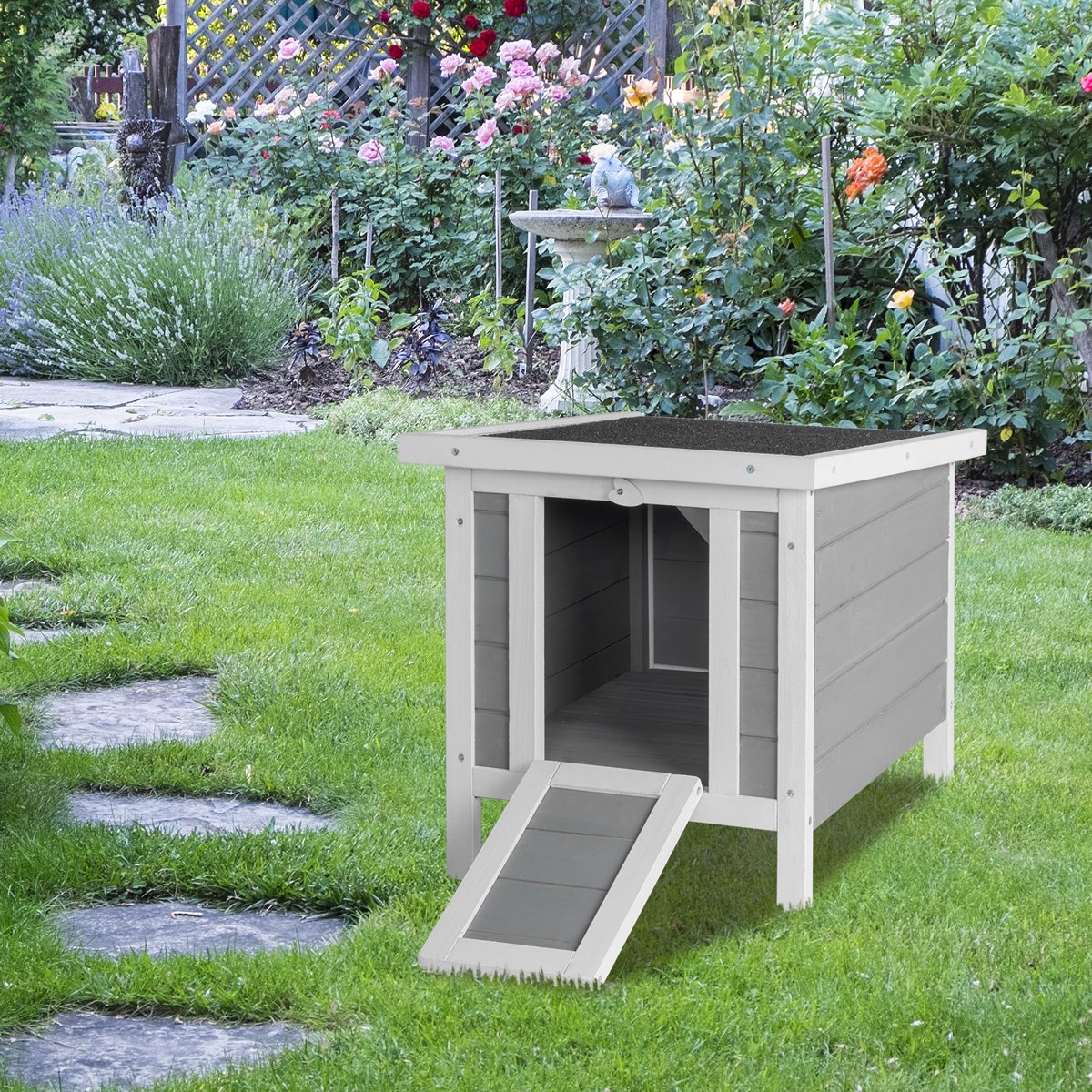 20" Wooden Waterproof Rabbit Hutch Pet Bunny Small Animal House Habitat Gray$78.99View on Mallflare
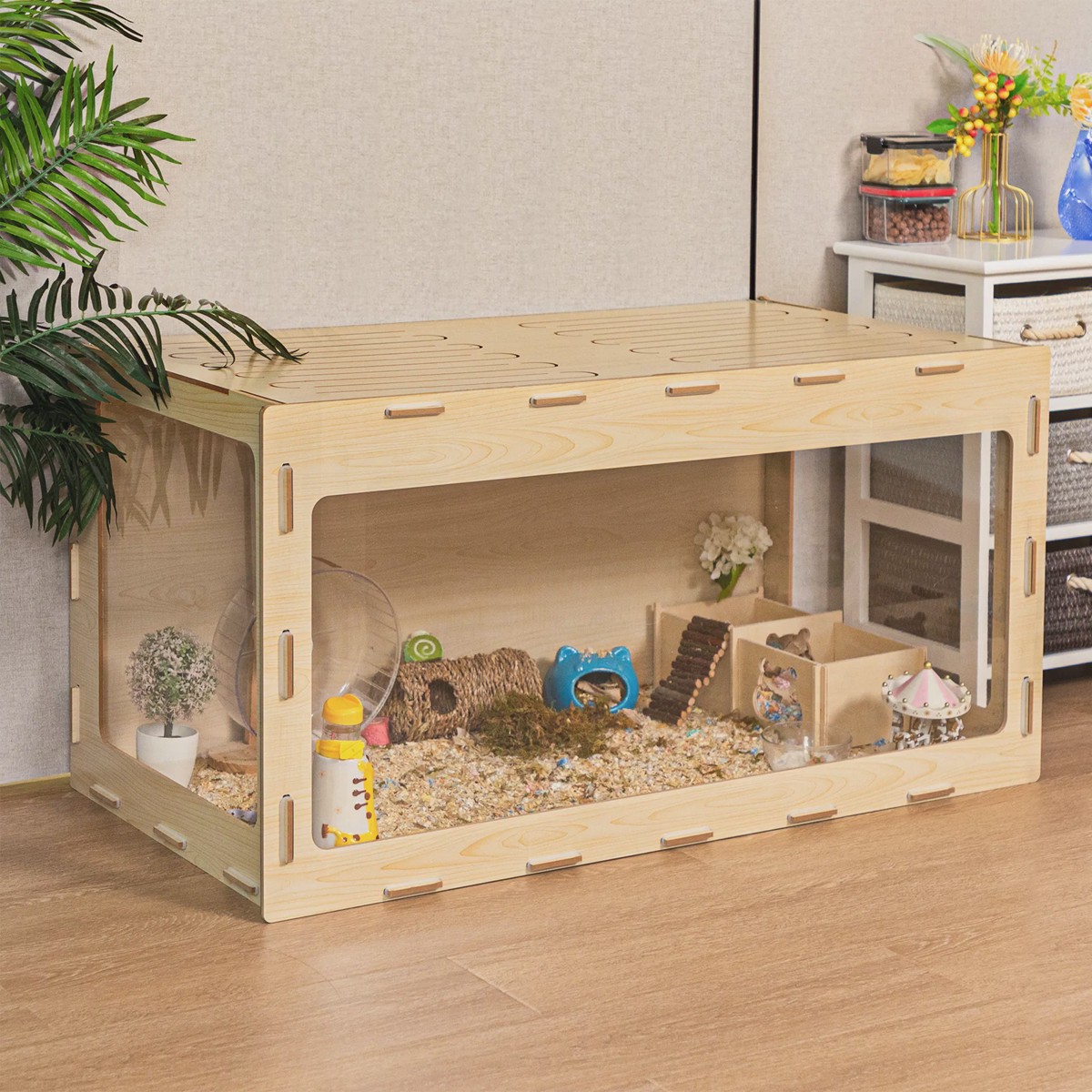 Wooden Hamster Cage Small Animals House, Acrylic Hutch for Dwarf Guinea Pig, Chinchilla, Opening Top with Air Vents$82.99View on Mallflare
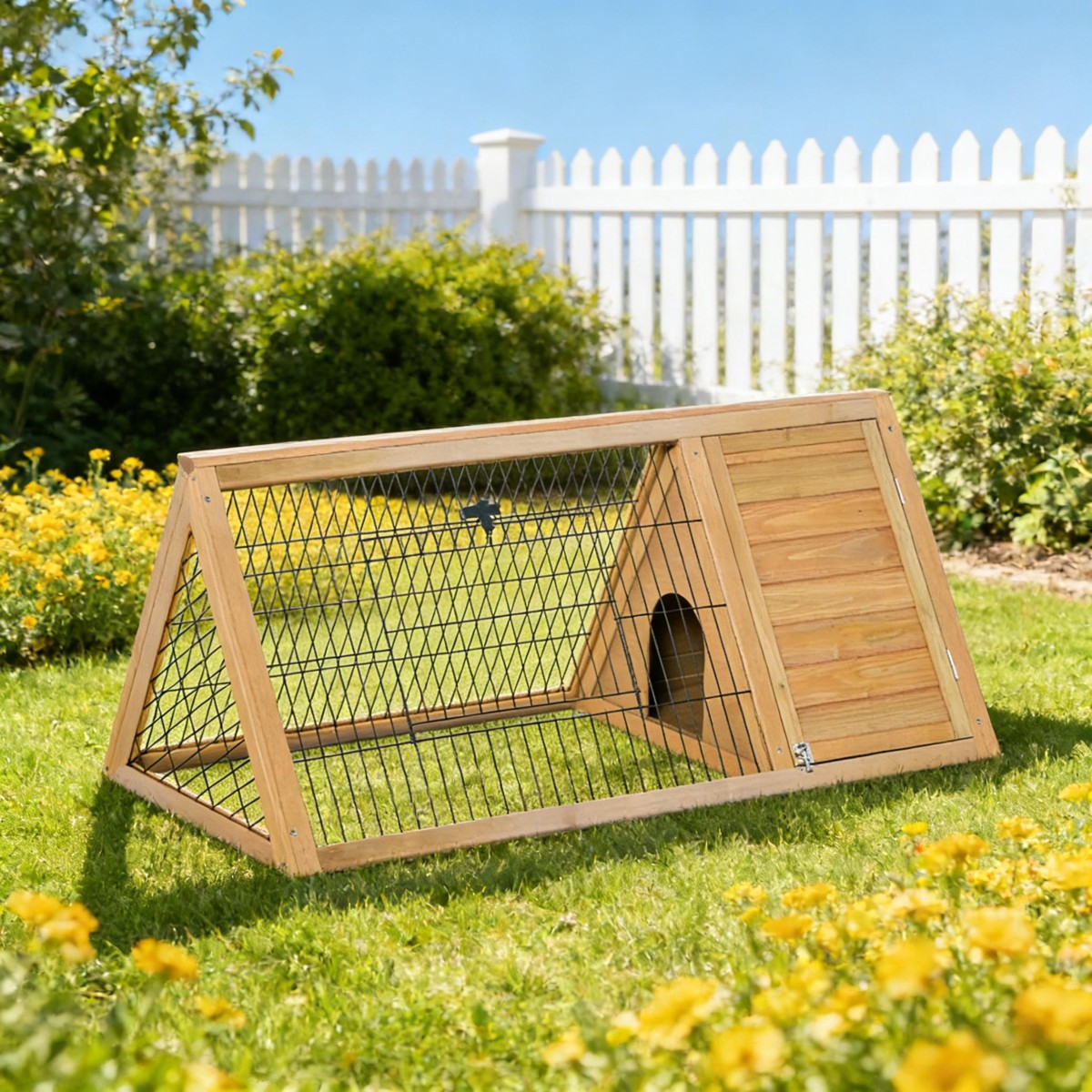 A-Frame Wooden Pet House,Small Animal Cage Rabbit Hutch$127.99View on Mallflare
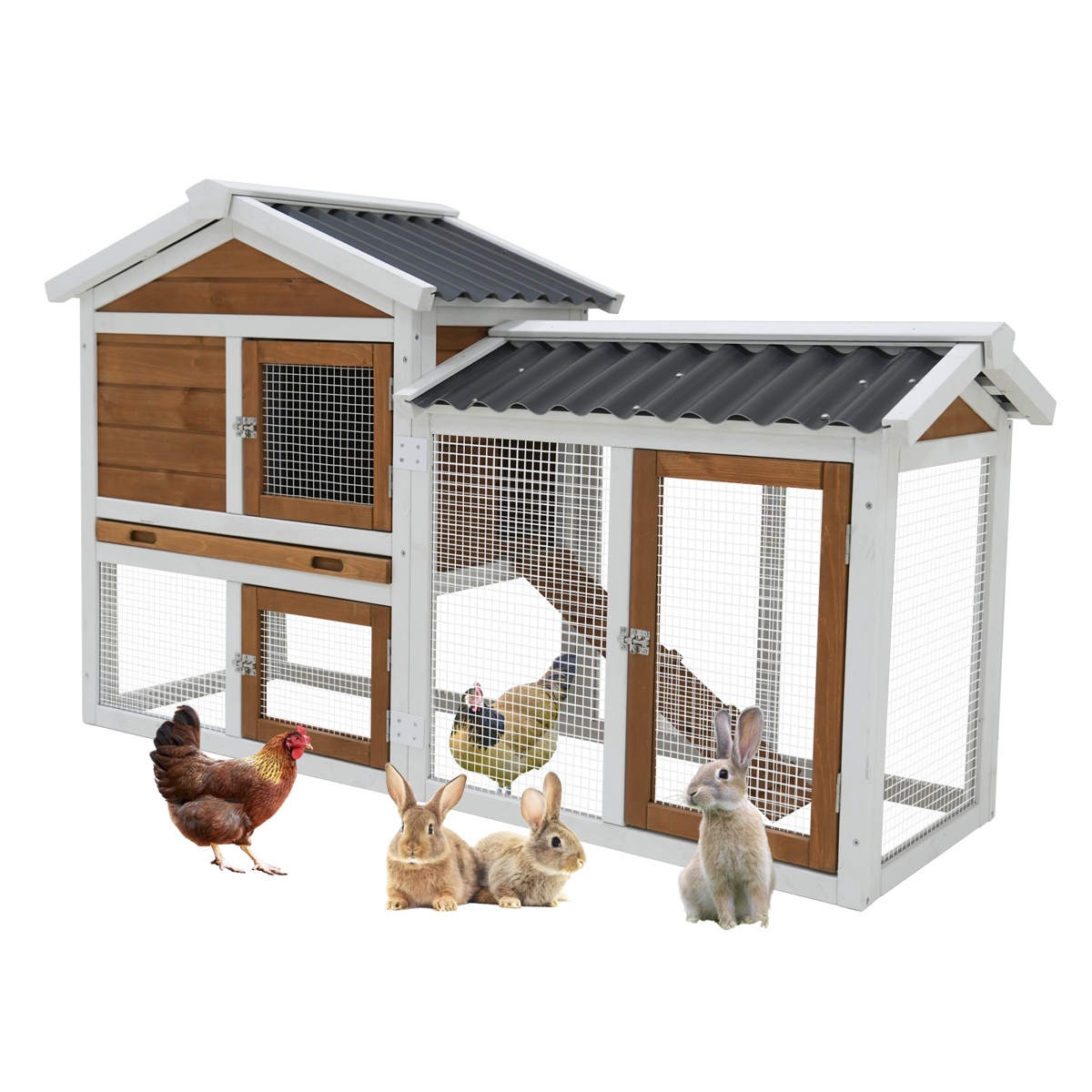 58 Wooden Outdoor Indoor Roof Waterproof Bunny Hutch Rabbit Cage Guinea Pig Coop PET House For Small To Medium Animals With Stairs And Cleaning Tray$160.99View on Mallflare
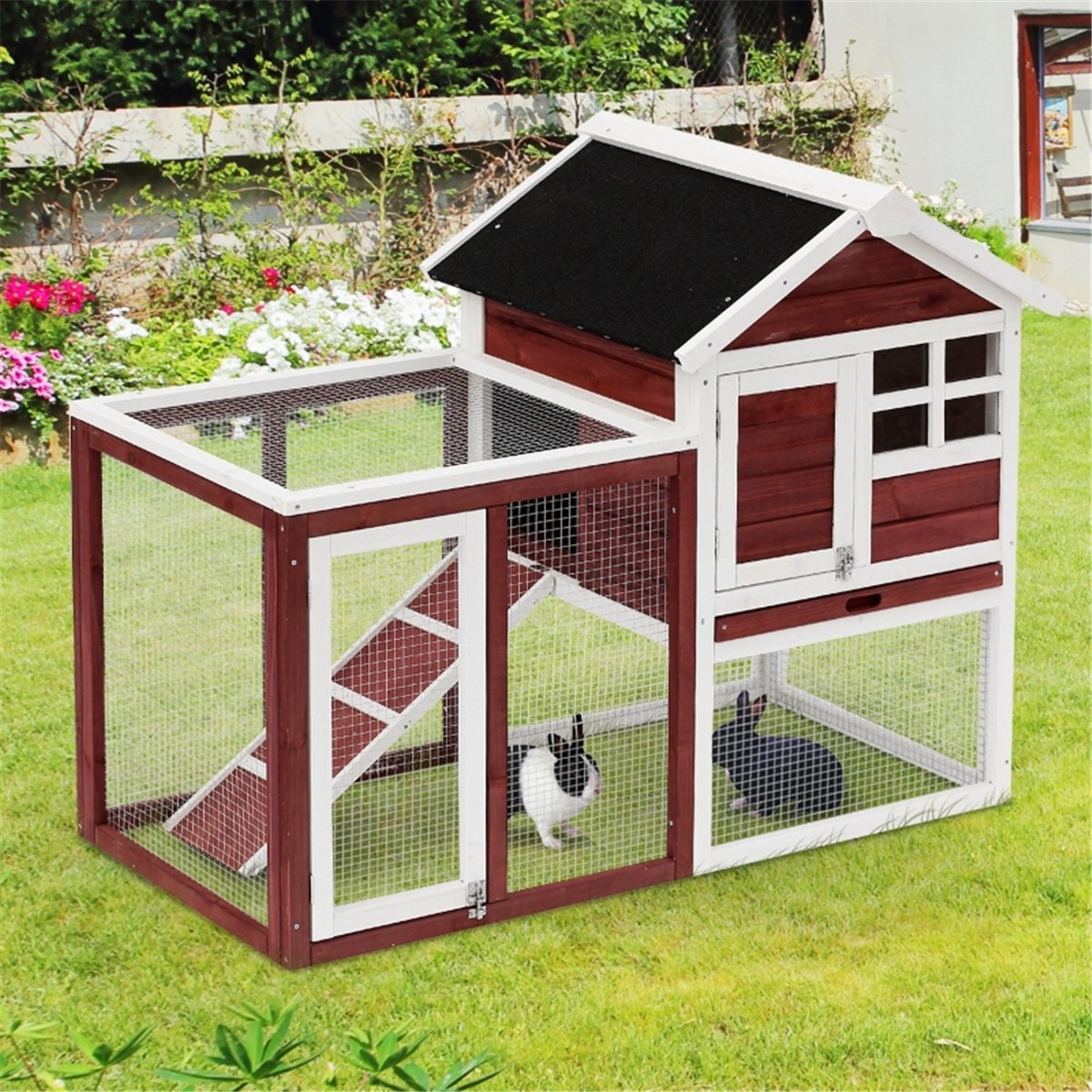 Small Animal Cage /Rabbit Hutch$257.99View on Mallflare
Highlights
- Solid-wood hutches use fir or pine boards (typically 10–12 mm thick) with asphalt or felt roofs; plywood and OSB walls delaminate after one wet season.
- Wire cages rely on 1–2 mm galvanized steel mesh; 12.7 mm (1/2 in) bar spacing suits hamsters and mice, 25 mm (1 in) suits rabbits and guinea pigs.
- Multi-tier models (3-tier and 2-story) add 30–50% usable floor area but require a continuous ramp with side rails and a 35–45° slope for safe climbing.
- Caster wheels are rated at roughly the cage's dry weight; a 41–47 in cage needs at least four 2 in swivel casters, and two must lock to prevent rolling on sloped floors.
Best use cases
- Outdoor rabbit or guinea pig keeping: pick a wooden hutch with an asphalt-felt roof, raised floor at least 10 cm off the ground, and a lockable run—skip open-top or fabric-roof models.
- Indoor ferret or rat housing: pick a powder-coated wire cage with 25 mm bar spacing and pull-out trays; skip wooden hutches, which absorb odor and are hard to disinfect.
- Dwarf hamster or mouse setup: pick an acrylic or wire cage with 12.7 mm bar spacing; skip multi-tier wooden hutches with wide gaps that allow escape.
- Apartment or small-room placement: pick a single-level wheeled cage under 41 in long; skip A-frame or 3-tier hutches that block sightlines and trap ammonia.
Buying tips
- Measure floor space: rabbits need at least 12 sq ft of main enclosure plus a run; guinea pigs need 7.5 sq ft; hamsters need 450 sq in of continuous floor. Compare hutch footprint, not tier count.
- Check wood grade: choose kiln-dried fir or cedar-free pine sealed with pet-safe stain; untreated pine and cedar release aromatic oils that harm small animals.
- Match bar spacing to the pet: 12.7 mm (1/2 in) for mice and hamsters, 19–25 mm (3/4–1 in) for guinea pigs and rabbits, and 25 mm (1 in) or wider for ferrets, which need thicker 2 mm wire.
- Confirm tray and door mechanics: slide-out metal trays with a 2–3 cm lip and two lockable doors (front and top) make cleaning and handling practical; plastic trays crack in freezing weather.
Specs
| Frame Material | Wood / galvanized wire / plastic |
|---|---|
| Bar Spacing | 12.7 mm / 19–25 mm / 25 mm+ |
| Tiers | Single-level / 2-tier / 3-tier |
| Weatherproofing | Felt roof + raised floor / indoor only |
Related searches
What to check before buying
- Measure the intended floor spot: hutch length plus 15 cm clearance on each side, and ceiling height if stacking a 2-tier or 3-tier unit.
- Verify outdoor exposure: the roof must overhang the walls, the floor must sit 10 cm or more above ground, and the wood must be sealed or painted for rain.
- Confirm power and plug standard for heated pads or water-bottle warmers: 120 V US outlets for indoor setups; outdoor hutches need weatherproof covers or skip powered accessories.
- Check companion parts: water bottle with 8–16 oz capacity, hay rack, and a ramp with side rails for tiered models; ferrets additionally need 25 mm bar spacing and a hammock.
FAQ
Data sources: eBay / Amazon listings and product attribute feeds. Updated Nov 27, 2026.
Some links on this page are affiliate links. If you buy after clicking one, we may earn a commission at no extra cost to you. This does not change which products appear here or their order. Affiliate disclosure.