
Photos from current listings. Actual item, color, and included accessories may vary.
Small Animal Habitat Buying Guide
A small animal habitat is a primary enclosure for rabbits, guinea pigs, hamsters, ferrets, chinchillas, and similar pets, and the core trade-off is between wood hutches (insulation and chew-resistance concerns) and wire/acrylic cages (ventilation and visibility with escape-risk considerations). Durable options use chew-proof materials like powder-coated wire and thick acrylic panels with secure lockable doors, while compromises rely on thin wood, flimsy latches, or inadequate floor space. The decision rule: match enclosure floor area and bar spacing to your species' adult size, and choose outdoor-rated construction only if the habitat will face weather.
Median $118.99
Key takeaways
- Bar spacing is species-critical: 1/2 inch or less for hamsters and mice, 1 inch for guinea pigs and rabbits, and 1.5 inches or more for ferrets and chinchillas to prevent escapes.
- Wood hutches insulate against temperature swings but are vulnerable to chewing and urine soak; wire cages ventilate better but offer less warmth and require draft protection.
- Chew-proof construction means powder-coated metal wire and thick acrylic or glass panels; untreated thin wood and plastic bases are common failure points.
At a glance
- Category
- Bird & Small Animal Supplies
- Last updated
- Nov 27, 2026
Current offers
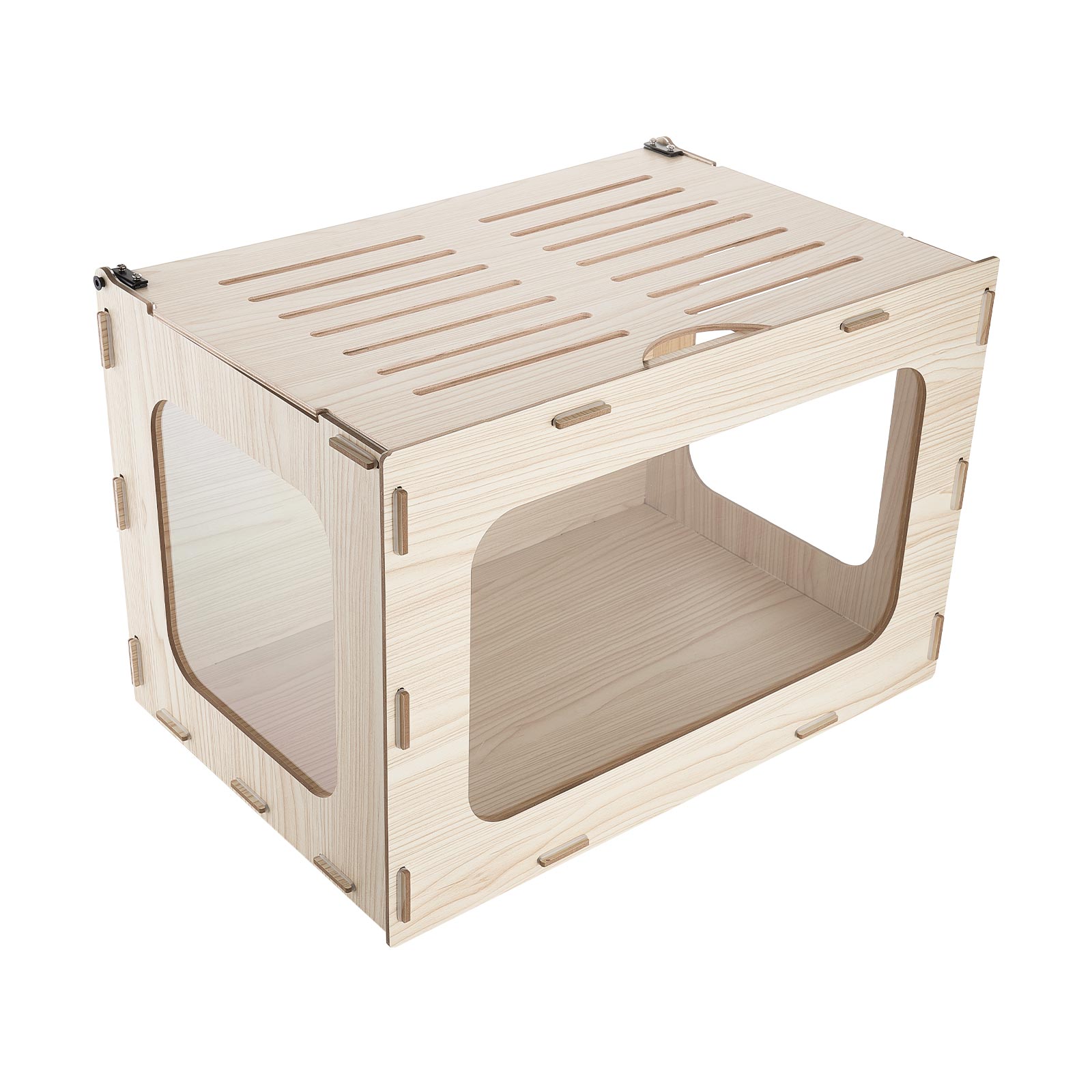 Wooden Hamster Cage 23.8"x15.9"x15.9" 270° Viewing Habitat, Chewproof Small Animal With Openable Top, Large Pet House Wood Enclosure For Syrian/Dwarf Hamsters, Guinea Pigs, Gerbils$60.99View on Mallflare
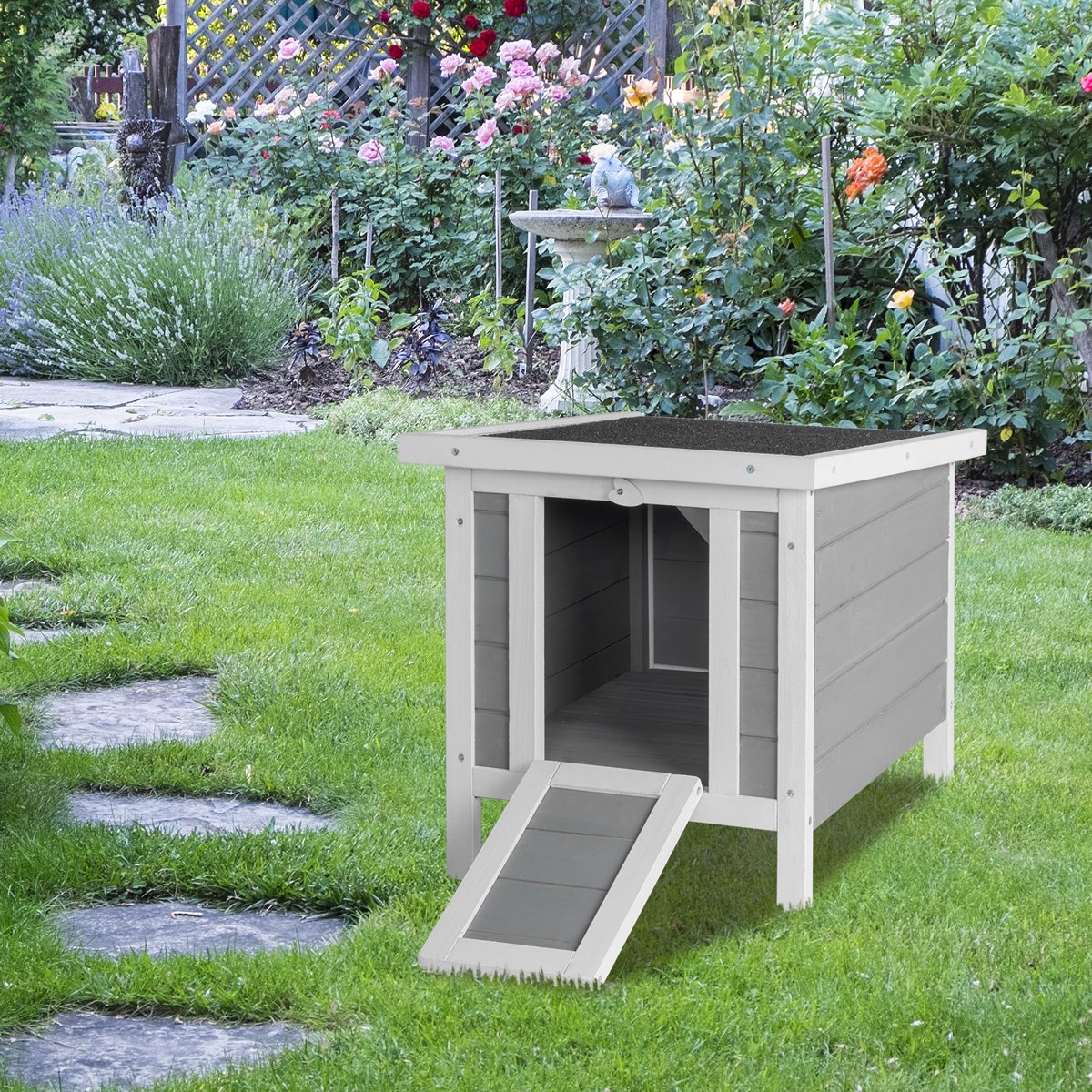 20" Wooden Waterproof Rabbit Hutch Pet Bunny Small Animal House Habitat Gray$78.99View on Mallflare
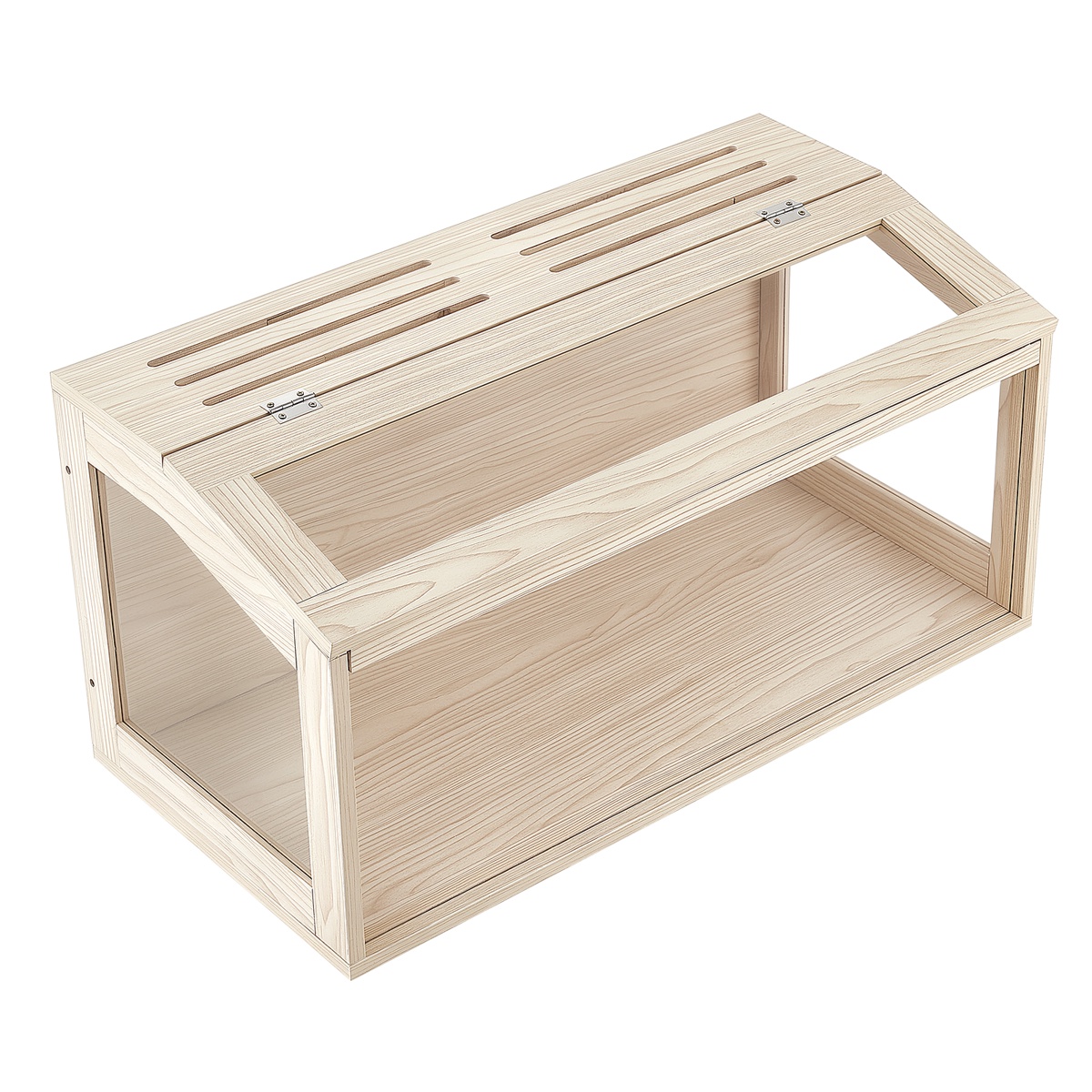 Wooden Hamster Cage 31.9"x16.1"x16.1" 270° Viewing Habitat, Chewproof Acrylic Small Animal With Openable Top, Large Pet Enclosure For Syrian/Dwarf Hamsters, Guinea Pigs & Gerbils$91.99View on Mallflare
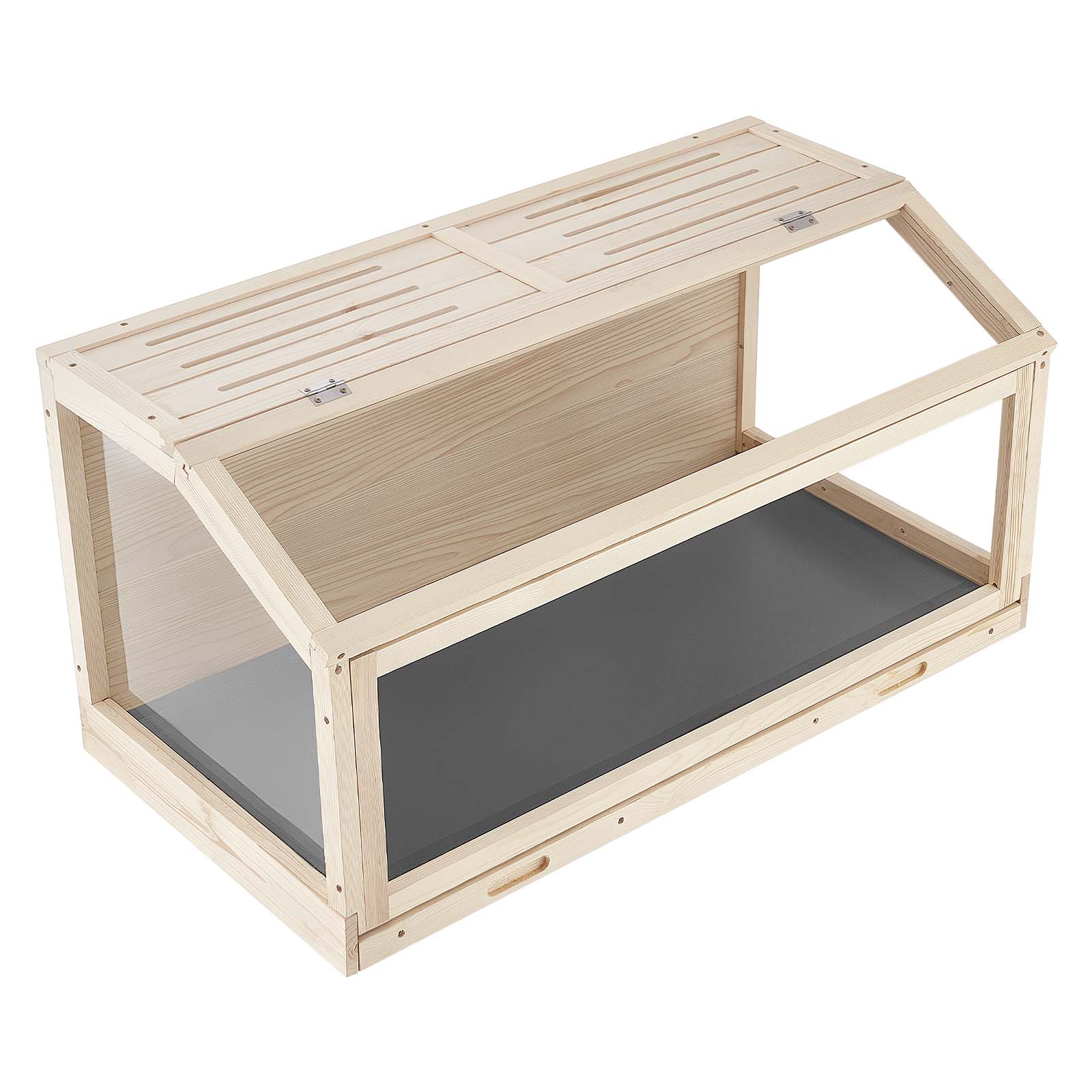 Wooden Hamster Cage 39.4"x20.5"x19.9" 270° Viewing Habitat, Chewproof Acrylic Small Animal With Openable Top, Large Pet Enclosure For Syrian/Dwarf Hamsters, Guinea Pigs & Gerbils$145.99View on Mallflare
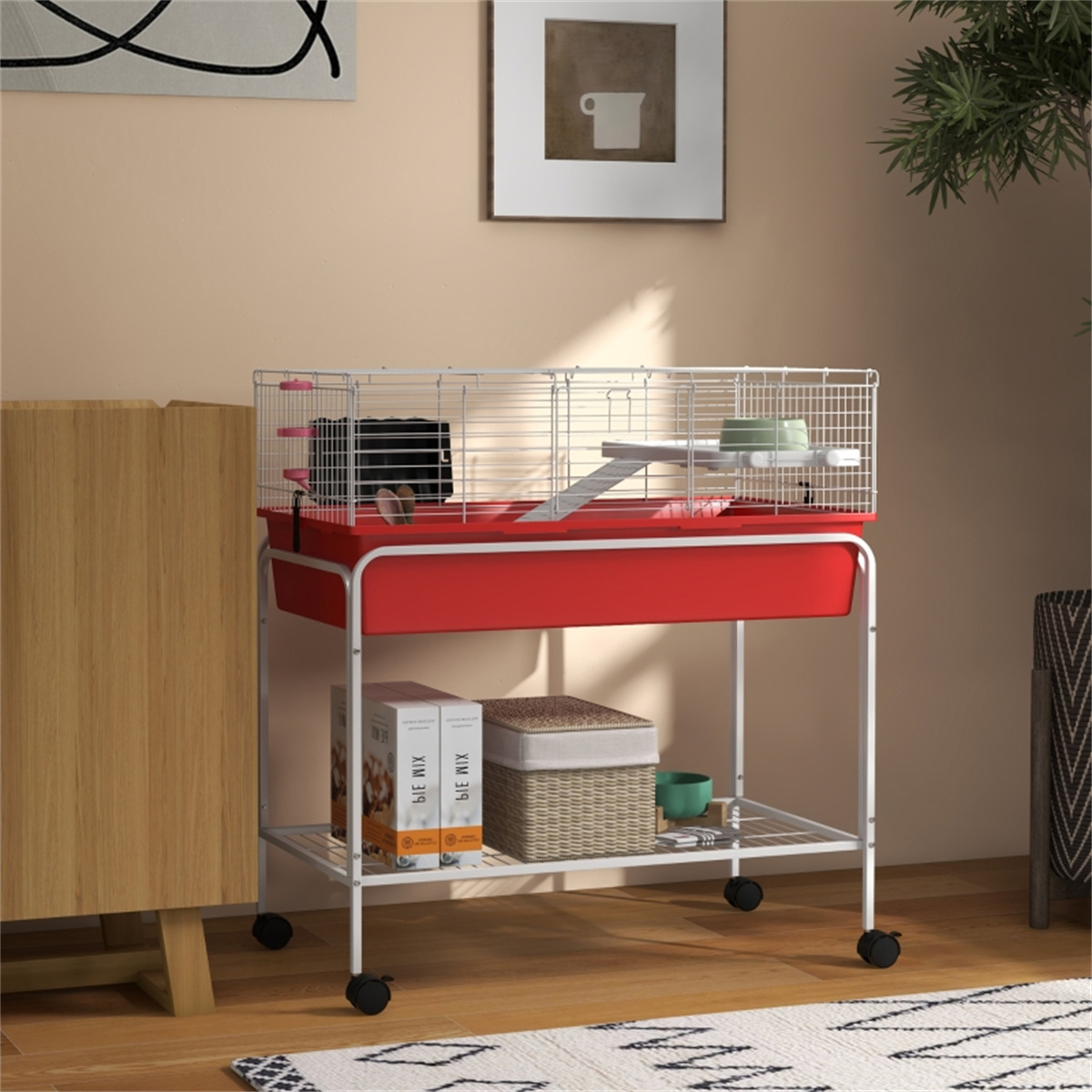 Small Animal Habitat$242.99View on Mallflare
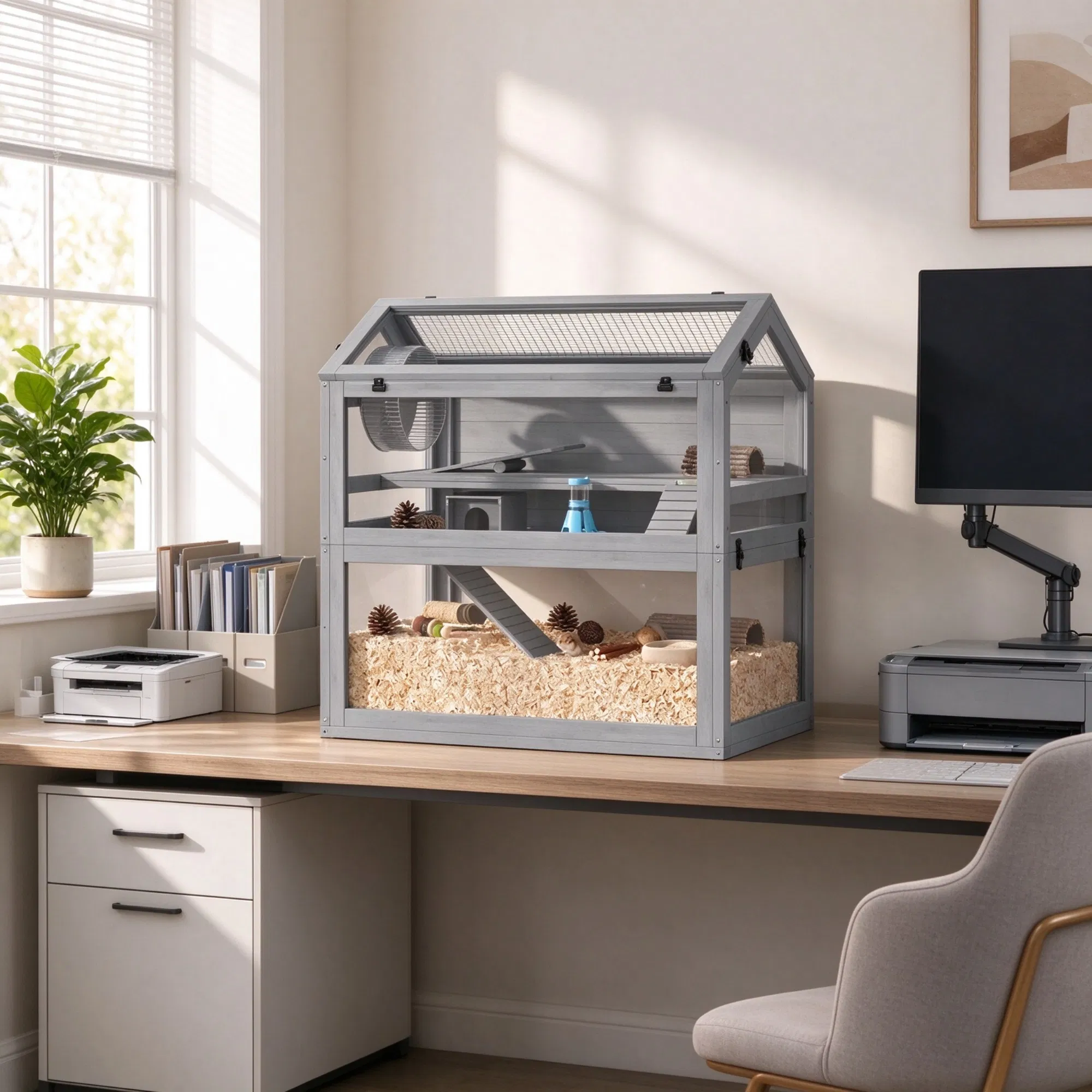 3-Tier Wooden Hamster Cage, Small Animal Habitat with Hut, Seesaw, Ramps, Exercise Wheel, Acrylic Panel & Bottom Tray$276.99View on Mallflare
Highlights
- Bar spacing is species-critical: 1/2 inch or less for hamsters and mice, 1 inch for guinea pigs and rabbits, and 1.5 inches or more for ferrets and chinchillas to prevent escapes.
- Wood hutches insulate against temperature swings but are vulnerable to chewing and urine soak; wire cages ventilate better but offer less warmth and require draft protection.
- Chew-proof construction means powder-coated metal wire and thick acrylic or glass panels; untreated thin wood and plastic bases are common failure points.
- Multi-level cages increase usable floor area vertically, but ramps must have side rails and gentle slope (under 30 degrees) to prevent falls for guinea pigs and rabbits.
Best use cases
- Best fit: outdoor or garage housing for rabbits and guinea pigs — choose a wood-metal hutch with waterproof asphalt roof, lockable doors, and a pull-out tray; skip all-wood hutches with untreated floors.
- Best fit: indoor hamsters, gerbils, and mice — pick a wood-framed acrylic cage with 270-degree viewing and an openable top for handling; skip wire cages with bar spacing over 1/2 inch.
- Best fit: ferrets and chinchillas needing vertical space and hammocks — choose a multi-door rolling metal cage with removable tray and shelf; skip single-level hutches with wood floors.
- Wrong fit: using a small 20-inch hutch as a permanent home for a medium rabbit — that footprint is only suitable for temporary transport or quarantine.
Buying tips
- Measure floor area, not just height: a single rabbit needs at least 12 square feet of floor space, a guinea pig pair at least 10 square feet, and a Syrian hamster at least 3 square feet of continuous floor.
- Match bar spacing to species: 1/2 inch for dwarf hamsters, 1 inch for guinea pigs and rabbits, and 1.5 inches for ferrets; larger gaps allow escapes or stuck heads.
- For outdoor use, specify a waterproof asphalt or shingle roof, raised feet or legs, and lockable metal latches — these are the minimum weather and predator defenses.
- Prefer slide-out or removable trays and openable tops for cleaning; cages with fixed floors and small doors make full bedding changes difficult and stressful for the animal.
Specs
| Enclosure Material | Wood hutch / Powder-coated wire / Acrylic |
|---|---|
| Bar Spacing | 1/2 in (hamster) to 1.5 in (ferret) |
| Floor Area (min) | 3 sq ft hamster / 12 sq ft rabbit |
| Weather Rating | Indoor only / Waterproof outdoor roof |
Related searches
What to check before buying
- Confirm the habitat footprint fits your available floor or patio space with clearance for doors to swing open and trays to slide out.
- Check bar spacing and door latch type against your species' escape ability — ferrets and hamsters need the smallest gaps and secure locks.
- For outdoor placement, verify the roof material is waterproof, the wood is raised off the ground, and the hutch can be moved or anchored against wind.
- Ensure the cage is compatible with the bedding, bottle, and hide accessories you plan to use — wire cages need bottle mounts, while acrylic cages need ventilation slots.
FAQ
Data sources: eBay / Amazon listings and product attribute feeds. Updated Nov 27, 2026.
Some links on this page are affiliate links. If you buy after clicking one, we may earn a commission at no extra cost to you. This does not change which products appear here or their order. Affiliate disclosure.