
Photos from current listings. Actual item, color, and included accessories may vary.
Rat Cage Buying Guide
A rat cage is a primary habitat where bar spacing, floor area, and wire gauge determine whether the enclosure is secure and durable enough for rats. The core trade-off is between cheap multi-tier tube cages built for hamsters and properly sized powder-coated wire cages with 1/2-inch bar spacing. The decision rule: buy a cage with at least 1/2-inch bar spacing, 2+ cubic feet of floor area, and a powder-coated metal frame—skip any wood hutch or 3/8-inch hamster cage.
Median $123.99
Key takeaways
- Bar spacing of 1/2 inch (12.7mm) is the maximum secure gap for adult rats; 3/8-inch (9.5mm) is required for juveniles and dwarfs to prevent escapes.
- Powder-coated 16- to 18-gauge wire resists urine corrosion; galvanized or bare wire rusts at welds within months and harbors bacteria.
- Multi-tier tube cages under 24 inches long are hamster-class habitats—rats need a minimum footprint of 24 x 18 inches and 24 inches of height for climbing.
At a glance
- Category
- Bird & Small Animal Supplies
- Last updated
- Nov 27, 2026
Current offers
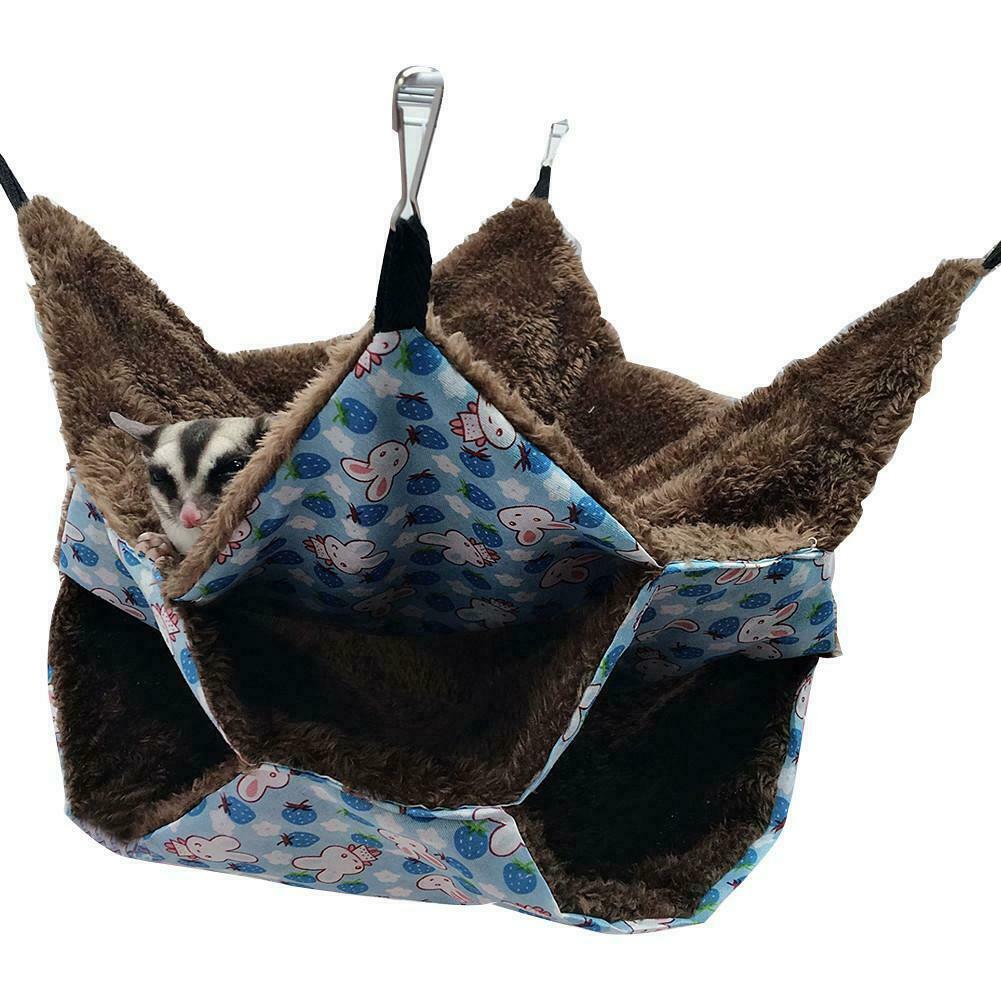 Pets Bird Hamster Ferret Rat Cat Squirrel Hammock Hanging Cage Nest Bed House$9.49View on eBay
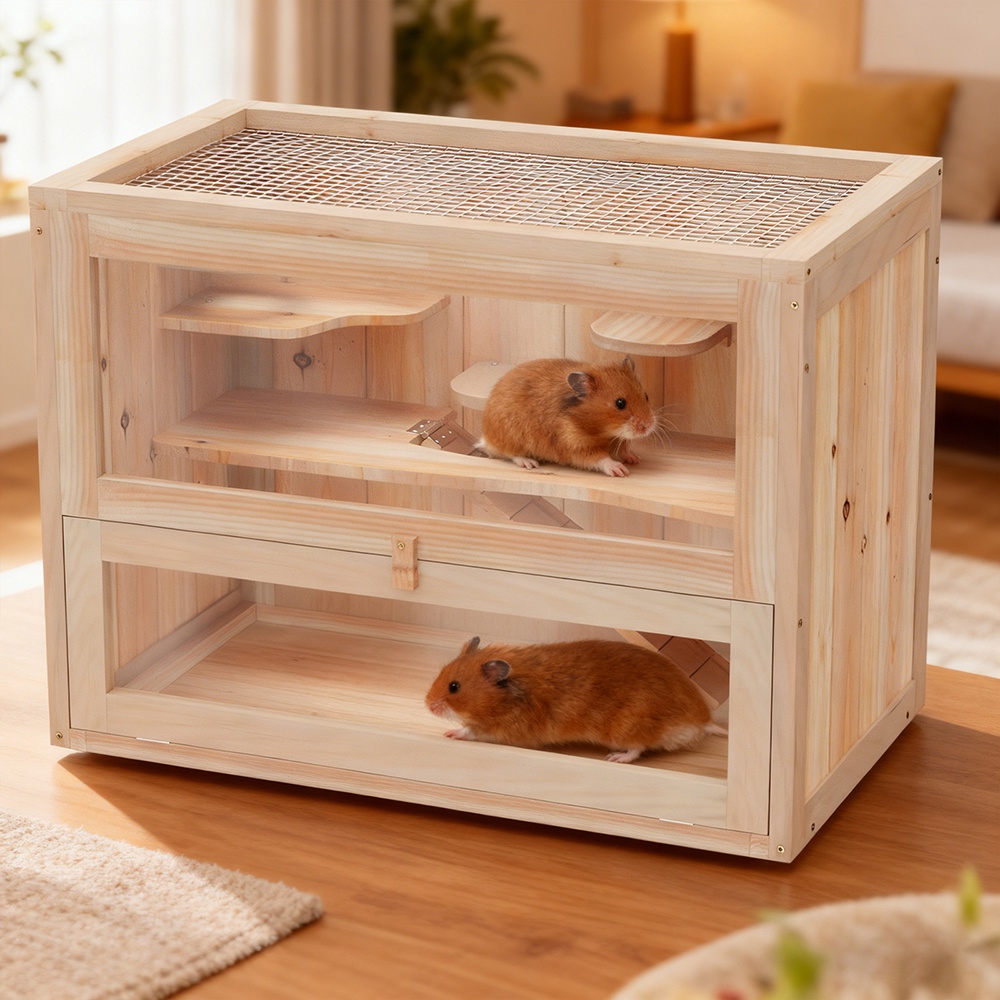 2-Level Hamster Cage Mice And Rat House, With Openable Top, Front Door, Shelf And Ladder For Hamsters, And Other Small Rodents Ramps$82.99View on Mallflare
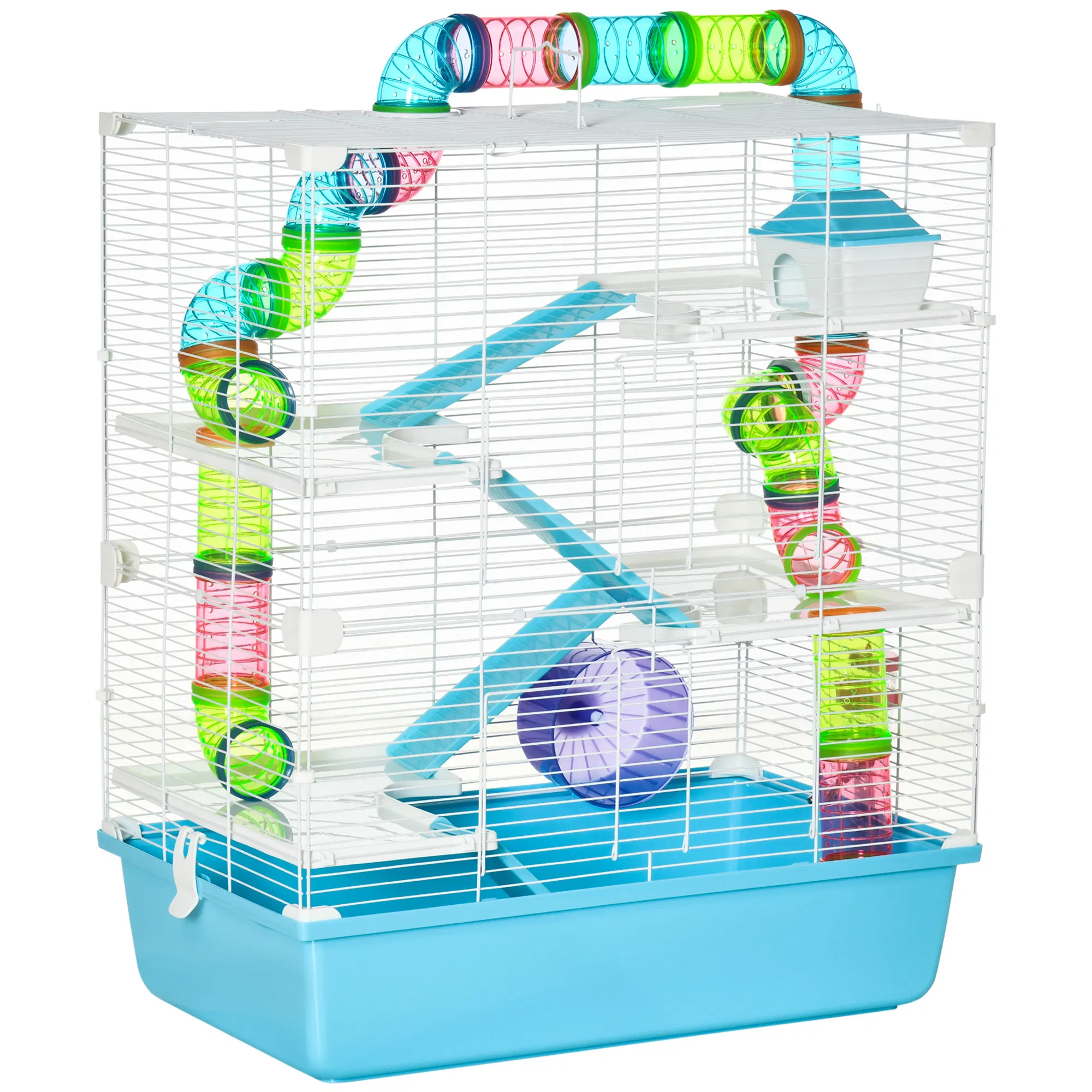 23 inch hamster cage, 5-storey sand rat nest, tunnel tube system, water bottle, fitness wheel, food tray, ramp, 2 doors$123.99View on Mallflare
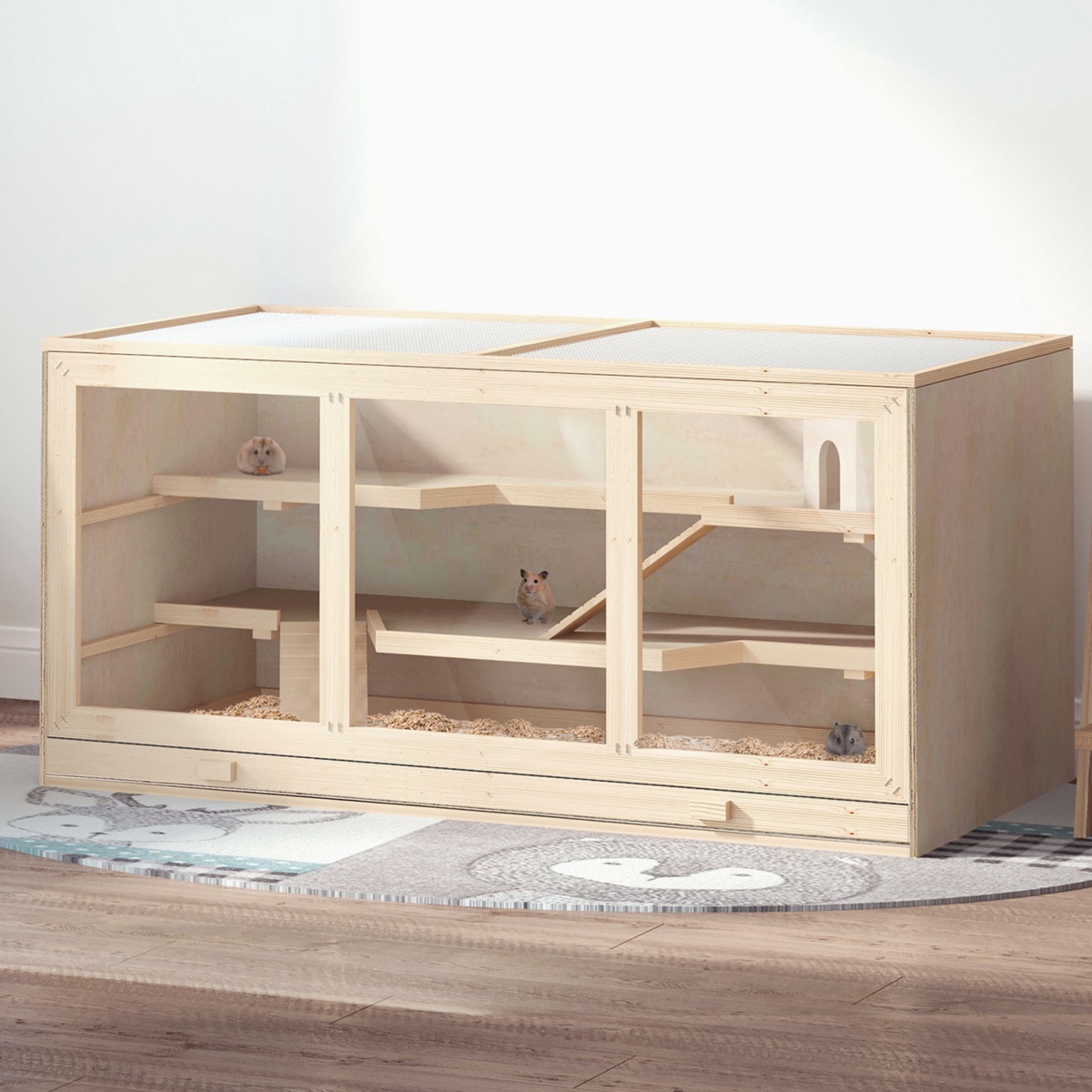 Hamster Cage 3 Tiers Wooden Big Habitat Mice Rat Exercise Play House Pen Opening Roof Ramps$178.99View on Mallflare
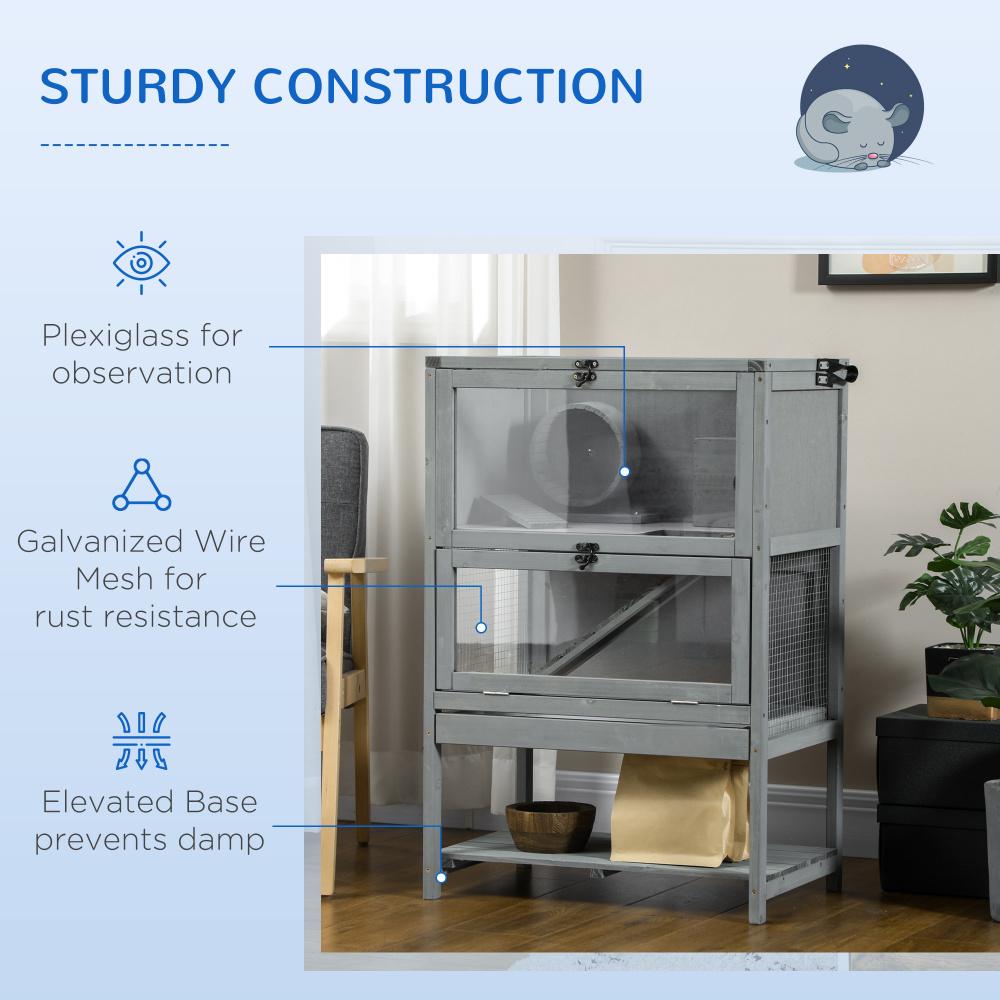 Wooden Hamster Cage Mice Habitat Rat$229.99View on Mallflare
Highlights
- Bar spacing of 1/2 inch (12.7mm) is the maximum secure gap for adult rats; 3/8-inch (9.5mm) is required for juveniles and dwarfs to prevent escapes.
- Powder-coated 16- to 18-gauge wire resists urine corrosion; galvanized or bare wire rusts at welds within months and harbors bacteria.
- Multi-tier tube cages under 24 inches long are hamster-class habitats—rats need a minimum footprint of 24 x 18 inches and 24 inches of height for climbing.
- Solid plastic or wood floors and shelves trap ammonia; wire grate floors cause bumblefoot—choose solid-bottom pans with shallow bedding or removable trays.
Best use cases
- Best fit: a 2-4 rat group in a 24 x 18 x 24-inch powder-coated wire cage with 1/2-inch spacing and a deep metal pan—this gives climbing height and ammonia control.
- Wrong fit: a 5-tier tube cage or 18-inch hamster cage for rats—bar spacing under 1/2 inch is fine, but floor area under 2 cubic feet forces overcrowding and respiratory disease.
- Best fit: a wooden hutch only for a ventilated outdoor playpen or temporary quarantine, never as a permanent indoor rat home—wood absorbs urine and cannot be disinfected.
- Wrong fit: a cage with plastic clips and thin 20-gauge wire for a chewing adult rat—rats gnaw through plastic latches and bend light wire; choose metal door latches and 16-gauge wire.
Buying tips
- Calculate floor area: length x width must be at least 24 x 18 inches for two rats, adding 2 square feet per additional rat—ignore tier count, since ramps and shelves do not replace floor space.
- Measure bar spacing with calipers: 1/2 inch (12.7mm) maximum for adults; if you house juveniles under 4 months, choose 3/8 inch or add 1/2-inch hardware cloth wrapped around the lower 12 inches.
- Pick powder-coated wire over galvanized or PVC-dipped: powder coat survives repeated wiping with diluted bleach, while PVC dips crack and trap waste.
- Match pan depth to bedding: a 2- to 3-inch deep metal or plastic pan holds paper bedding without spillage; shallow 1-inch trays require daily changes and increase ammonia.
Specs
| Bar Spacing | 1/2 in adult / 3/8 in juvenile |
|---|---|
| Wire Gauge & Coating | 16-18 ga powder-coated steel |
| Min Floor Area (2 rats) | 24 x 18 in (2+ sq ft) |
| Frame Material | Powder-coated metal vs wood |
Related searches
What to check before buying
- Measure your available wall space and doorway width—a 24 x 18-inch cage needs 30 inches of clearance to maneuver through doors and past furniture.
- Confirm the cage sits on a stable floor or stand rated for the loaded weight: a 24-inch wire cage with bedding and accessories weighs 15-25 pounds.
- Check room ventilation and temperature: keep the cage out of direct sun and drafts, with ambient temperature between 65-80°F (18-27°C), since rats are sensitive to heat above 85°F.
- Verify the cage includes a metal urine guard or deep pan and that replacement parts (pans, wheels, bottle nozzles) are standard sizes—proprietary tube connectors break and are not replaceable.
FAQ
Data sources: eBay / Amazon listings and product attribute feeds. Updated Nov 27, 2026.
Some links on this page are affiliate links. If you buy after clicking one, we may earn a commission at no extra cost to you. This does not change which products appear here or their order. Affiliate disclosure.