
Photos from current listings. Actual item, color, and included accessories may vary.
Portable Bird Cage Buying Guide
A portable bird cage is a lightweight, collapsible or wheeled enclosure built for travel, temporary outdoor use, or multi-room placement—not a permanent primary habitat. The core trade-off is between thin, easy-to-fold wire (light but prone to flex and rust) and heavier gauge, powder-coated steel with reinforced joints that resists escape attempts and holds shape over repeated setups. Buyers should choose a cage with at least 1/2-inch bar spacing for small birds or 5/8–3/4-inch for medium birds, a secure latching system, and a removable base tray—skip any model that relies on friction-fit panels or plastic clips for structural integrity.
Median $123.99
Key takeaways
- Bar spacing is the primary safety spec: 3/8–1/2 inch for finches, canaries, budgies, and lovebirds; 5/8–3/4 inch for cockatiels and conures; 3/4–1 inch only for larger parrots—too wide risks head entrapment.
- Wire gauge and coating determine durability: 2.0–2.5 mm powder-coated steel resists bending and rust far better than 1.2–1.5 mm PVC-coated or galvanized wire common in folding travel cages.
- Portability mechanism varies by tier: flat-fold panels with wingnuts pack smallest but assemble slower; wheeled stands and pop-up canopy frames roll or carry as one unit but add bulk and weight.
At a glance
- Category
- Bird & Small Animal Supplies
- Last updated
- Nov 27, 2026
Current offers
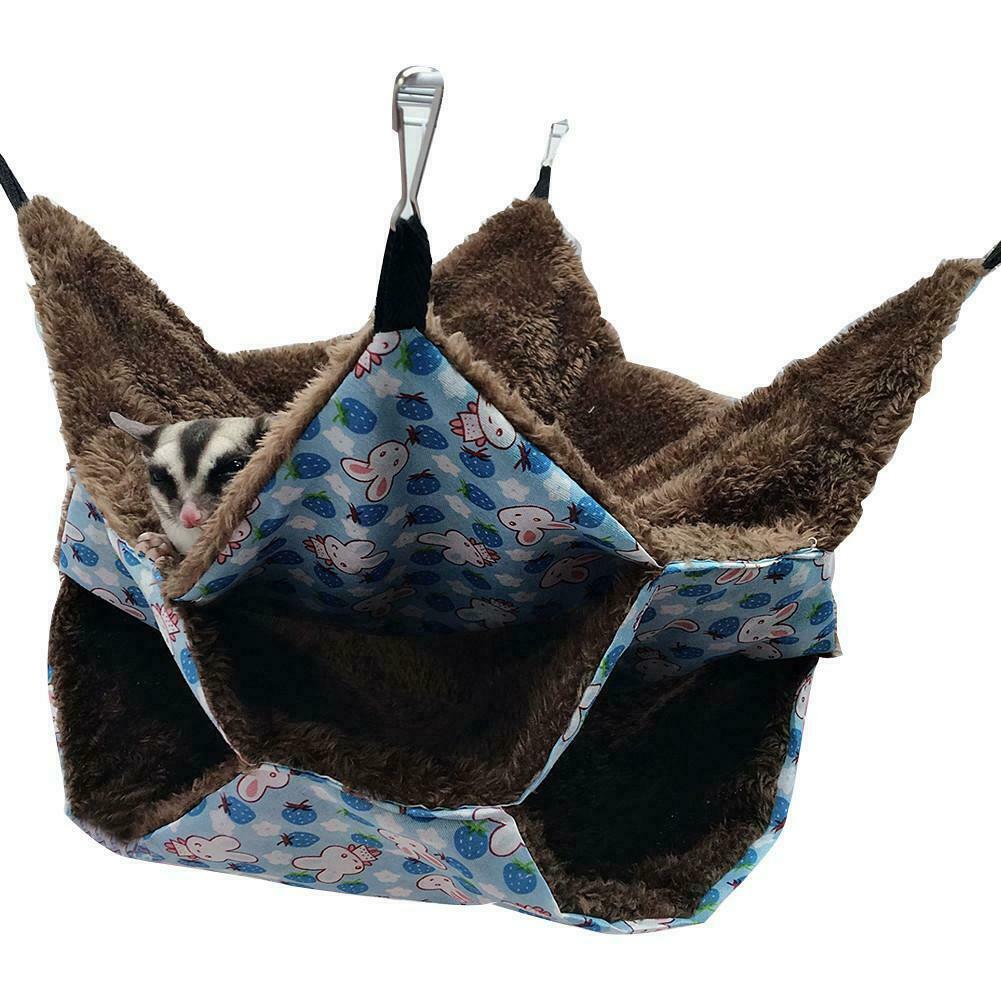 Pets Bird Hamster Ferret Rat Cat Squirrel Hammock Hanging Cage Nest Bed House$9.49View on eBay
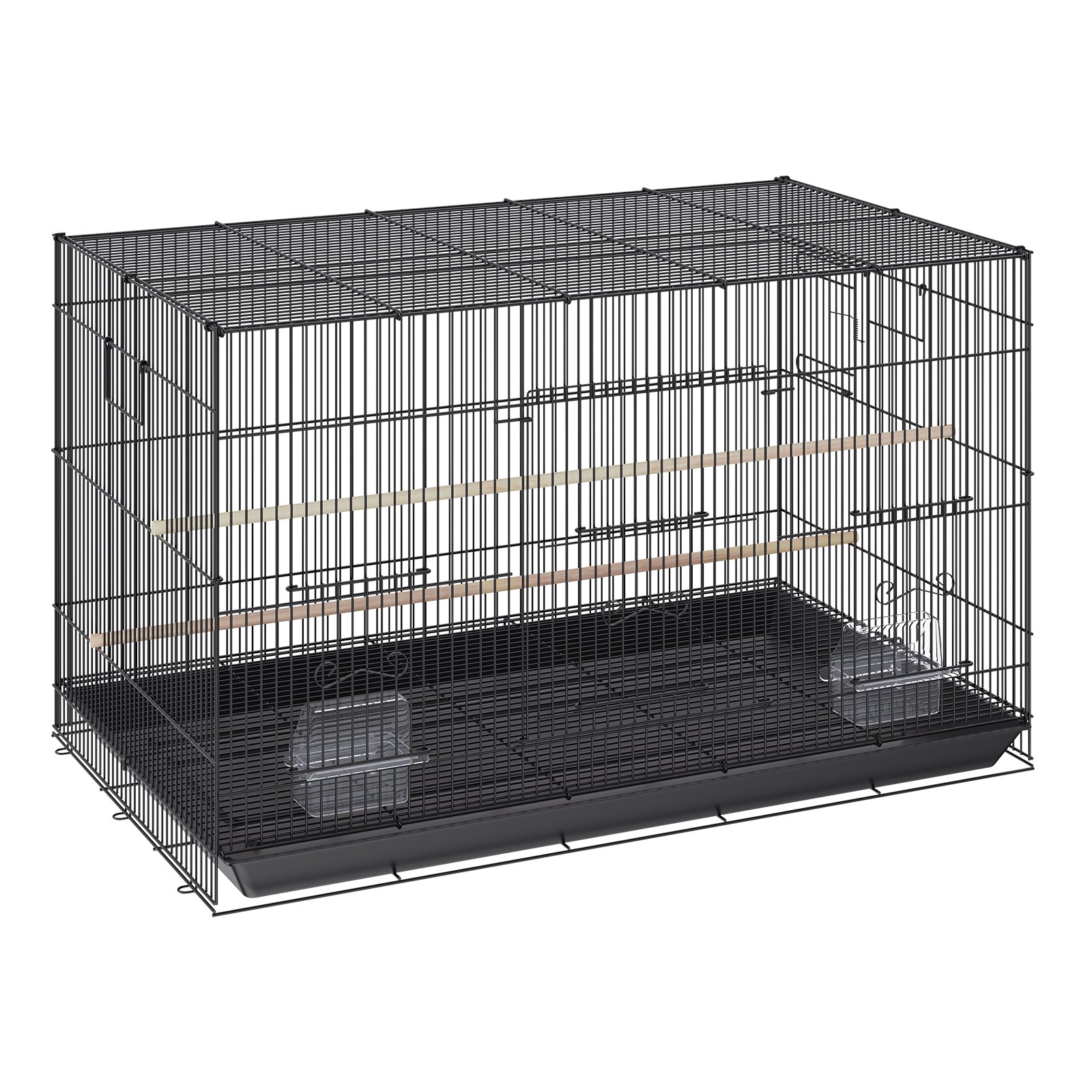 30 Inch Bird Cage, Metal Large Parakeet Cages For Cockatiels Small Parrot Budgies Lovebirds Canaries, Pet With Rolling Stand And Tray$51.99View on Mallflare
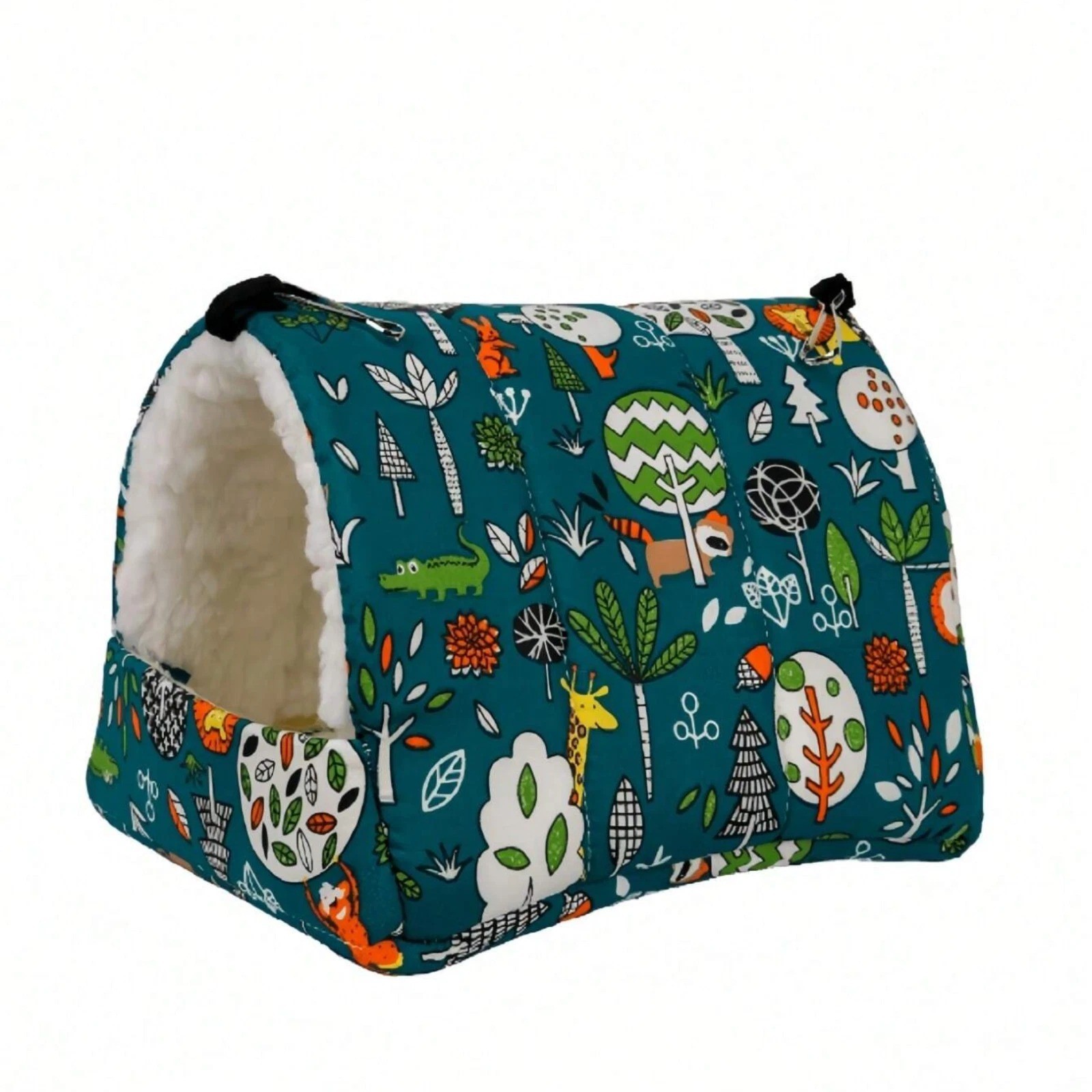 Bird Hammock Plush Nest Warm Hanging Cage Bed Cozy Bird House for Parrot$9.90View on eBay
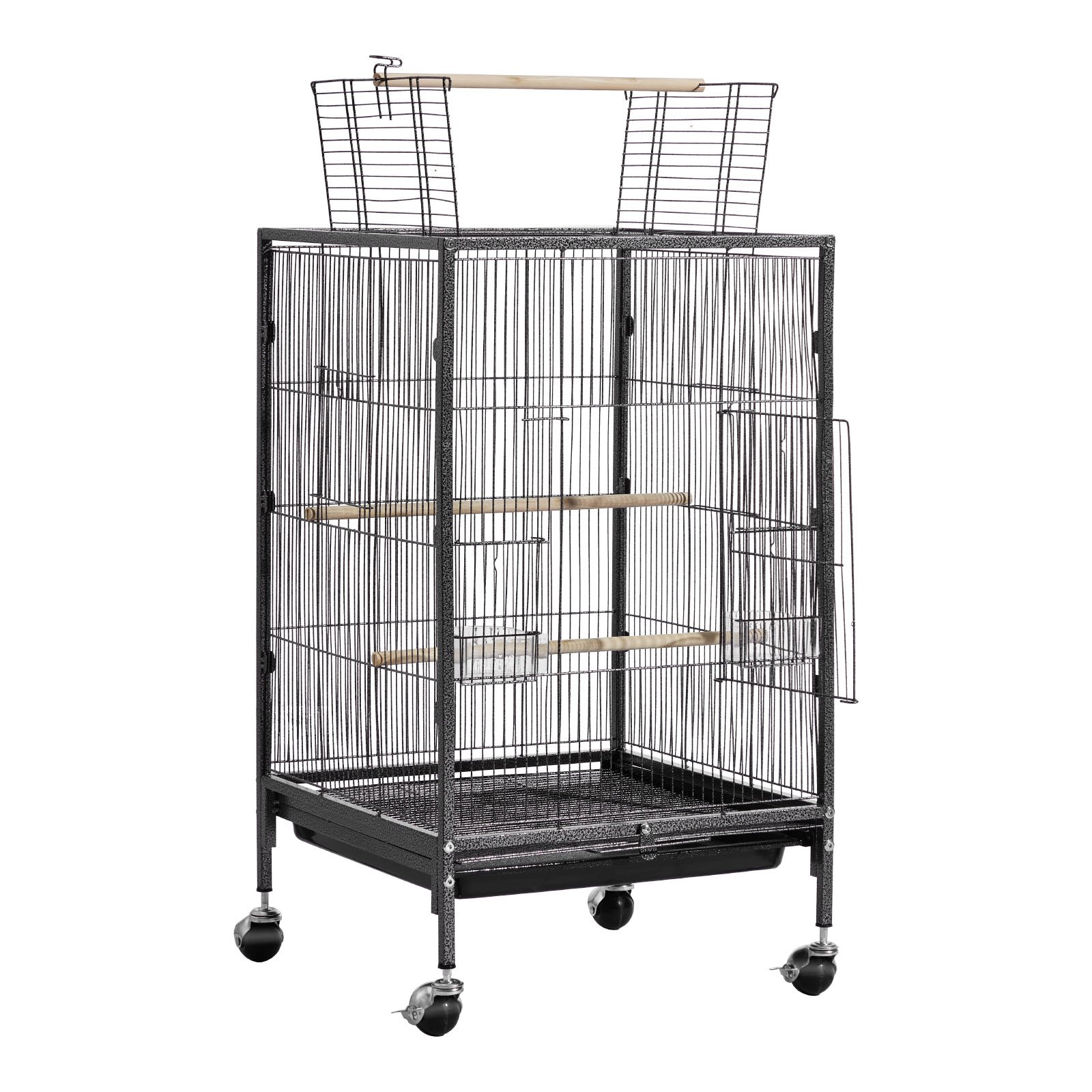 Bird Cage, 18 X 18 X 30 Inch, Open Flat Top, Wrought Iron Flight With Perches, Slide-Out Tray And Plastic Feeders, Casters, For Parrot, Blue Tit, Cockatiel, Canary, Budgerigar, Conure$69.99View on Mallflare
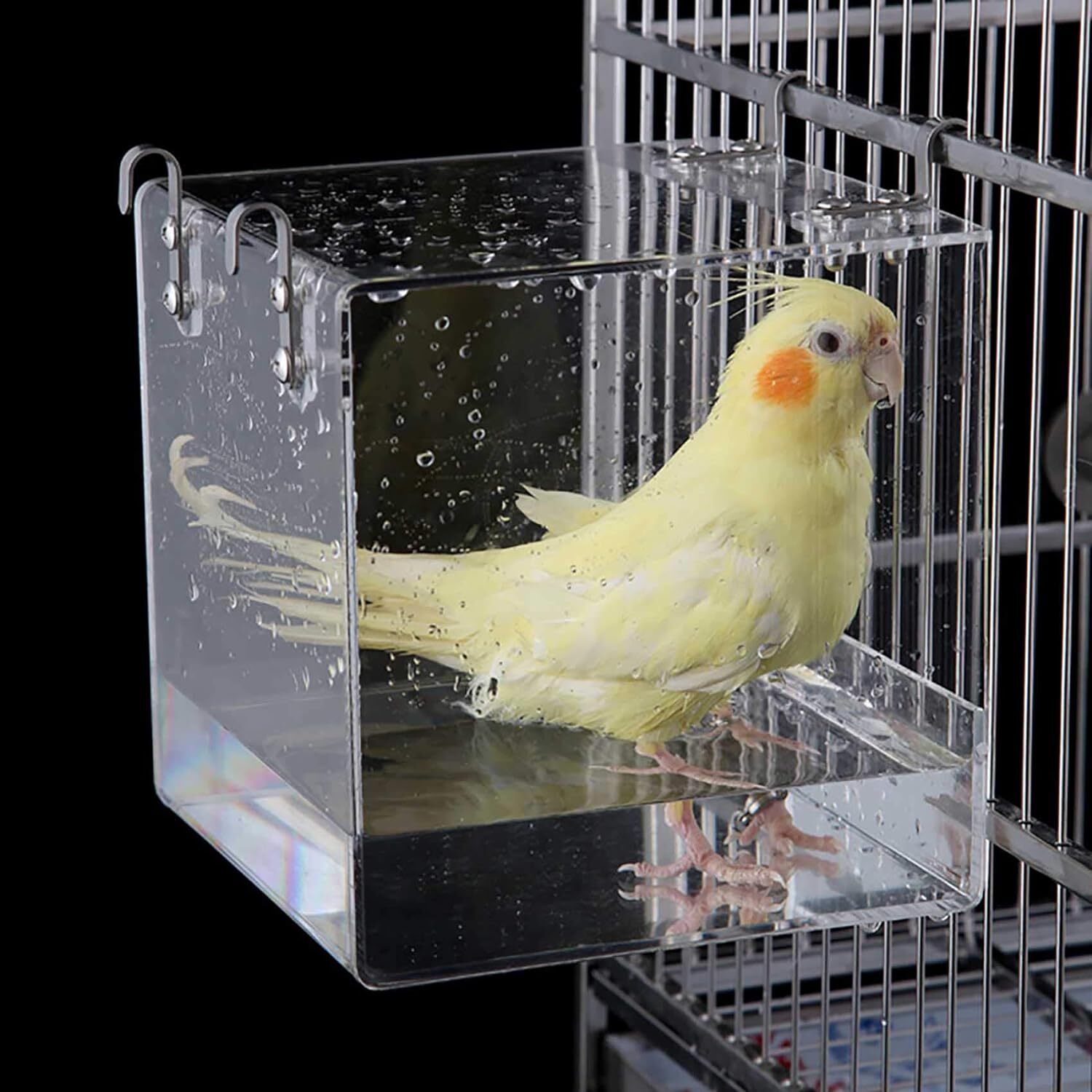 Bird Bath Cage, Cleaning Pet Supplies Cockatiel Bird Bathtub With Hanging$20.69View on eBay
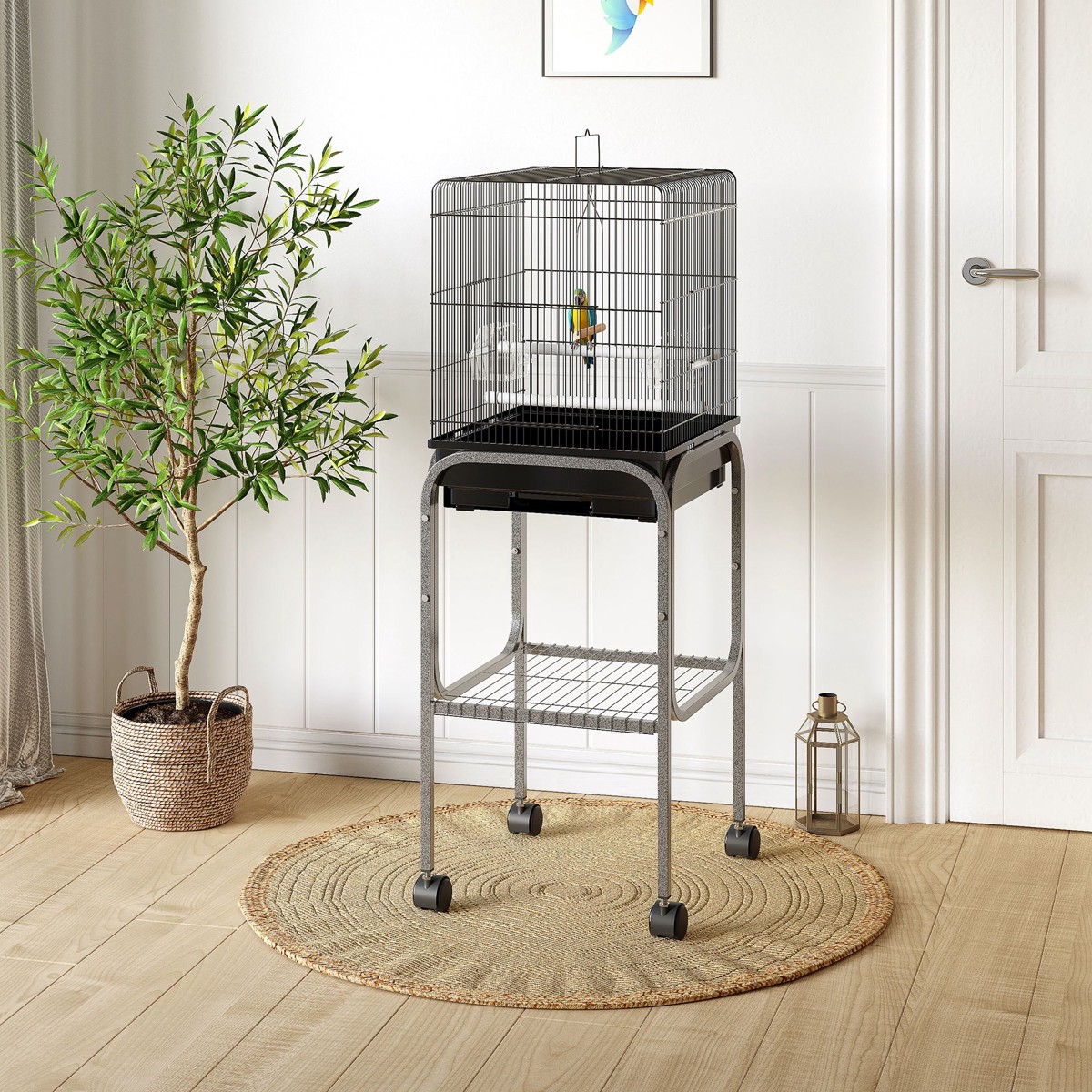 45-inch Metal Indoor Bird Cage, Parrot Aviary with Detachable Rolling Stand, Storage Basket, and Accessories - Black$78.99View on Mallflare
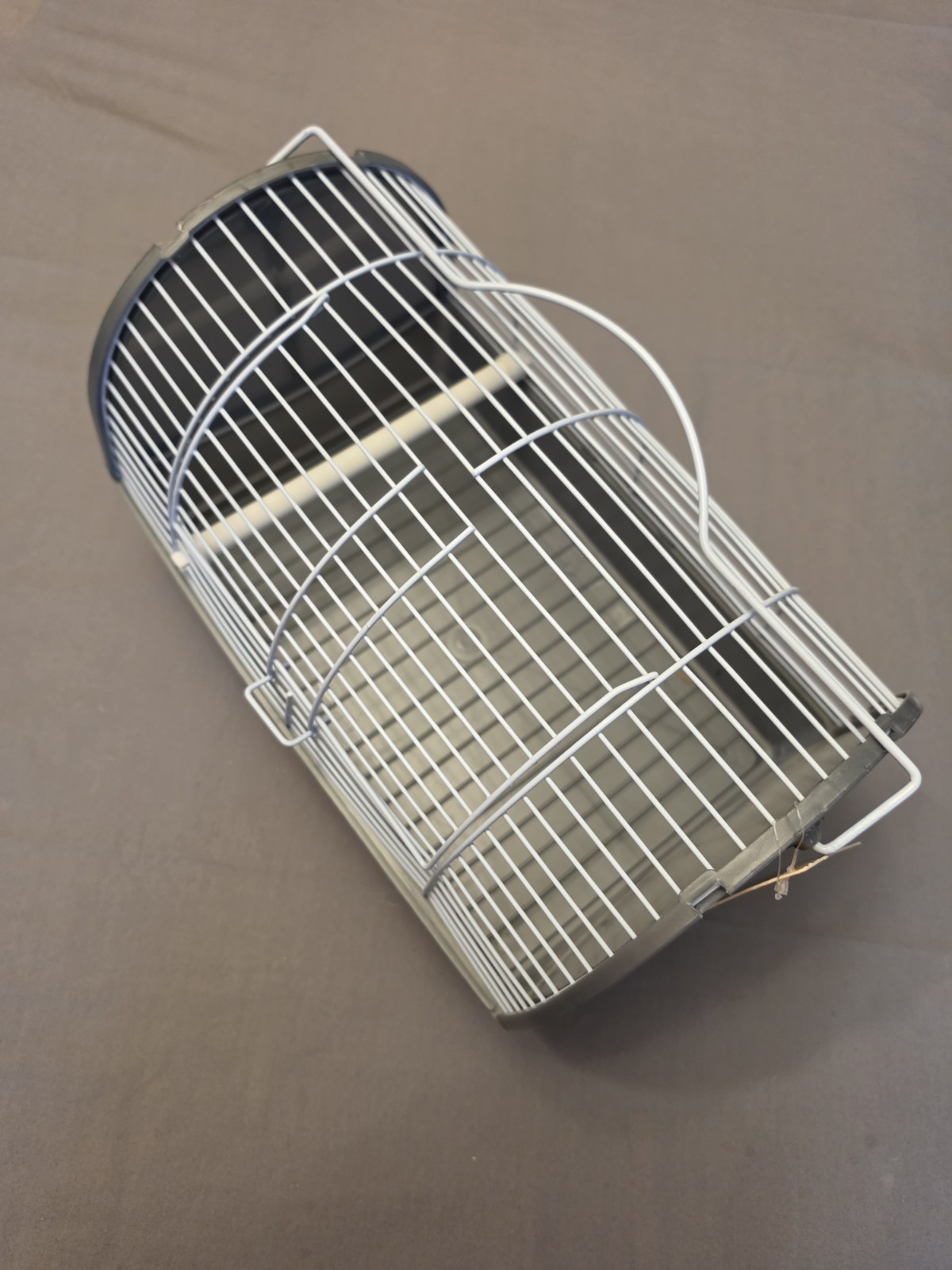 Petco Small Animal Bird Carrier Large Wire Cage Plastic Base Perch$24.99View on eBay
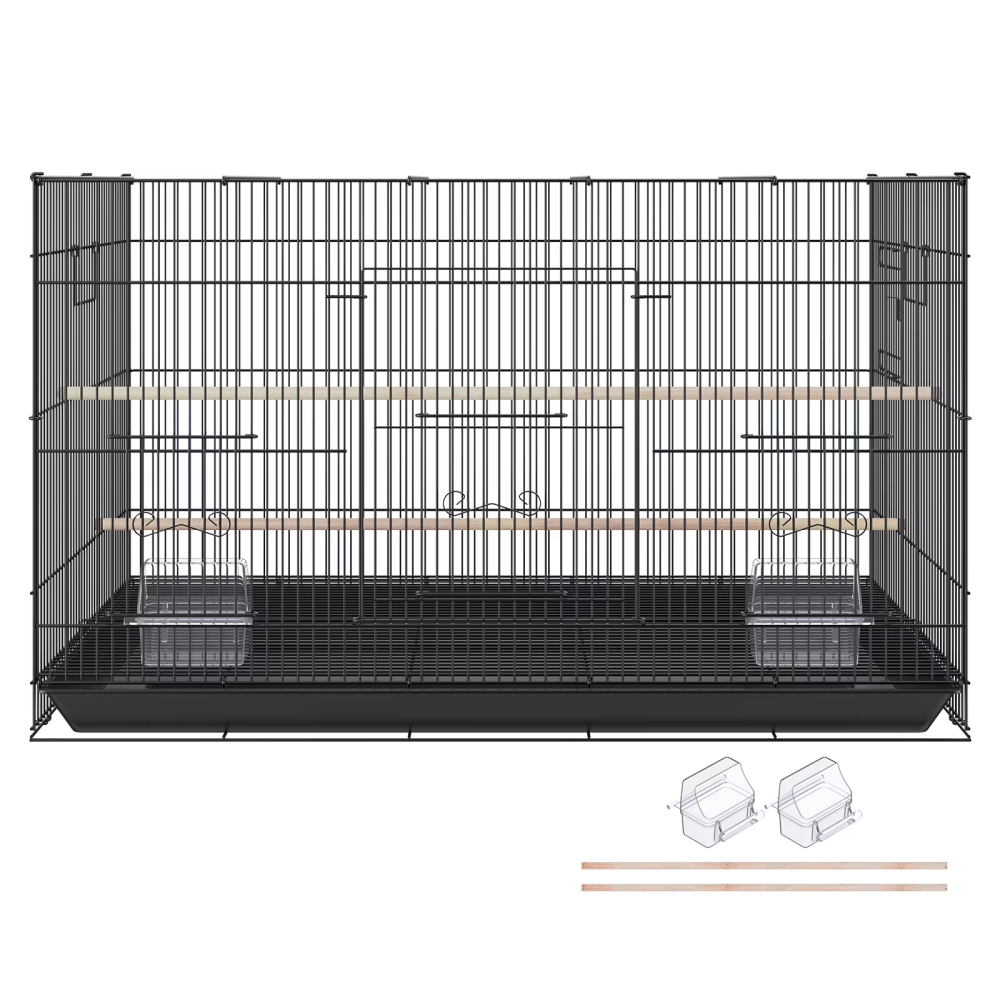 30" Bird Enclosure, Durable Metal Cage for Small Parrots, Budgies, Lovebirds, and Canaries, Includes Mobile Stand and Tray$105.99View on Mallflare
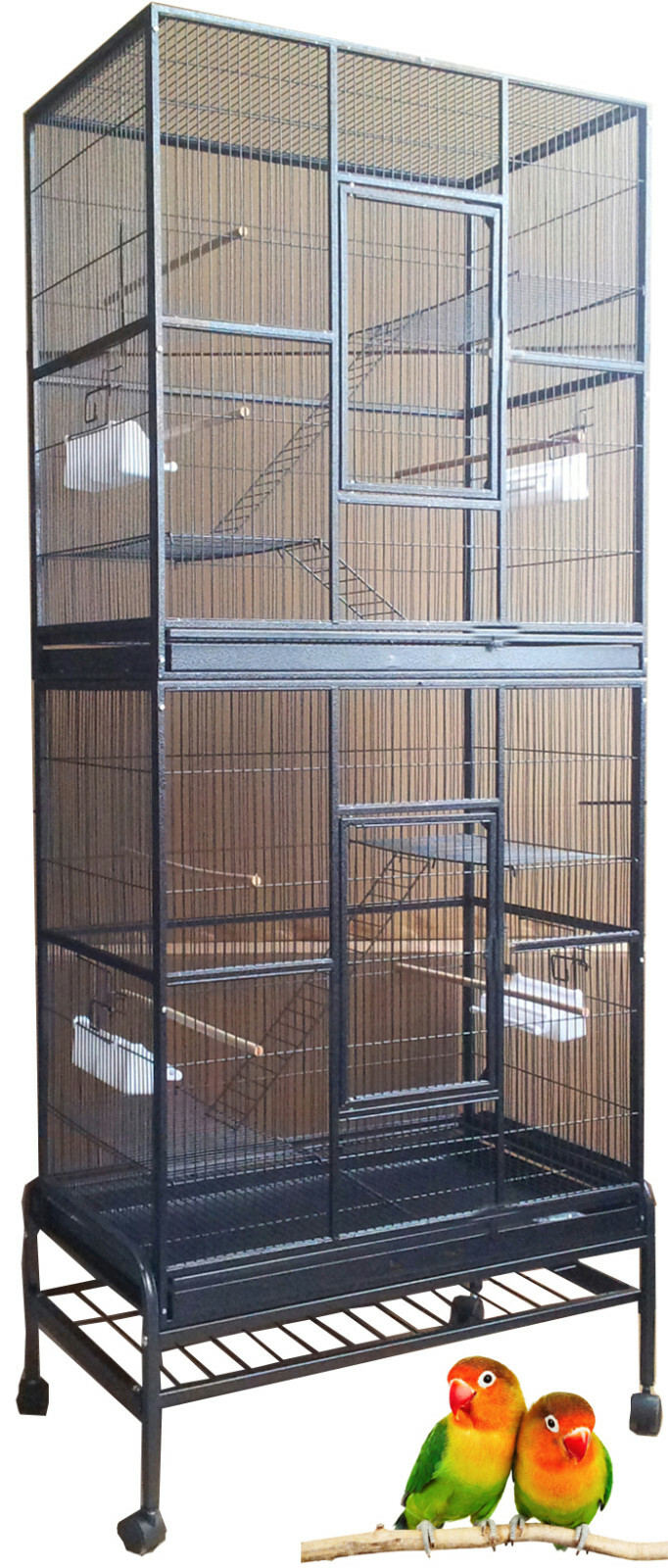 X-LARGE Stackabel Double Breeding Flight Bird Cage Cockatiel Aviary Budgie Finch$229.98Last checked Nov 18, 2026View on eBay
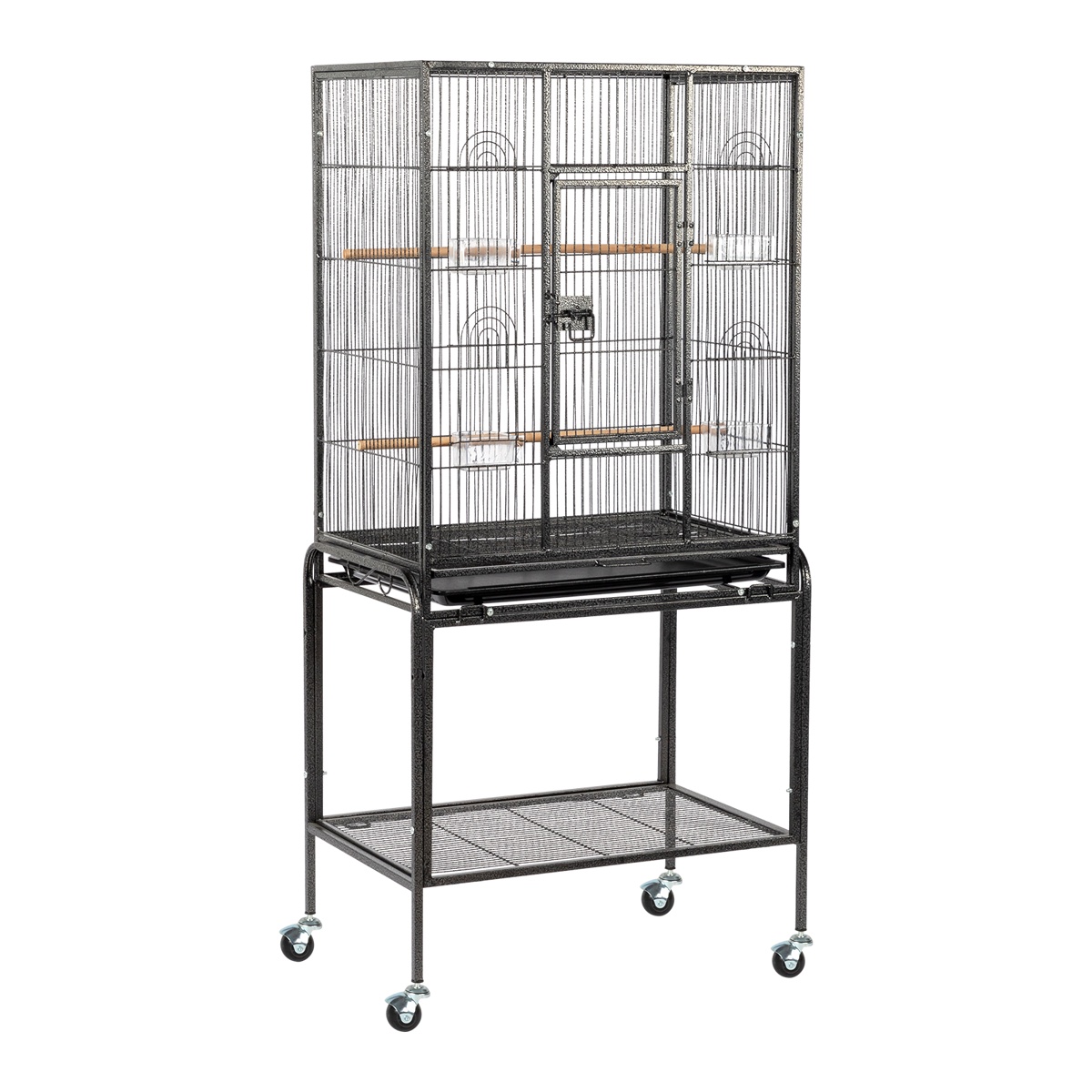 53" Large Flight Bird Cage with Rolling Stand & Storage Shelf for Parrots Lovebird Cockatiel Parakeets, Black$110.99View on Mallflare
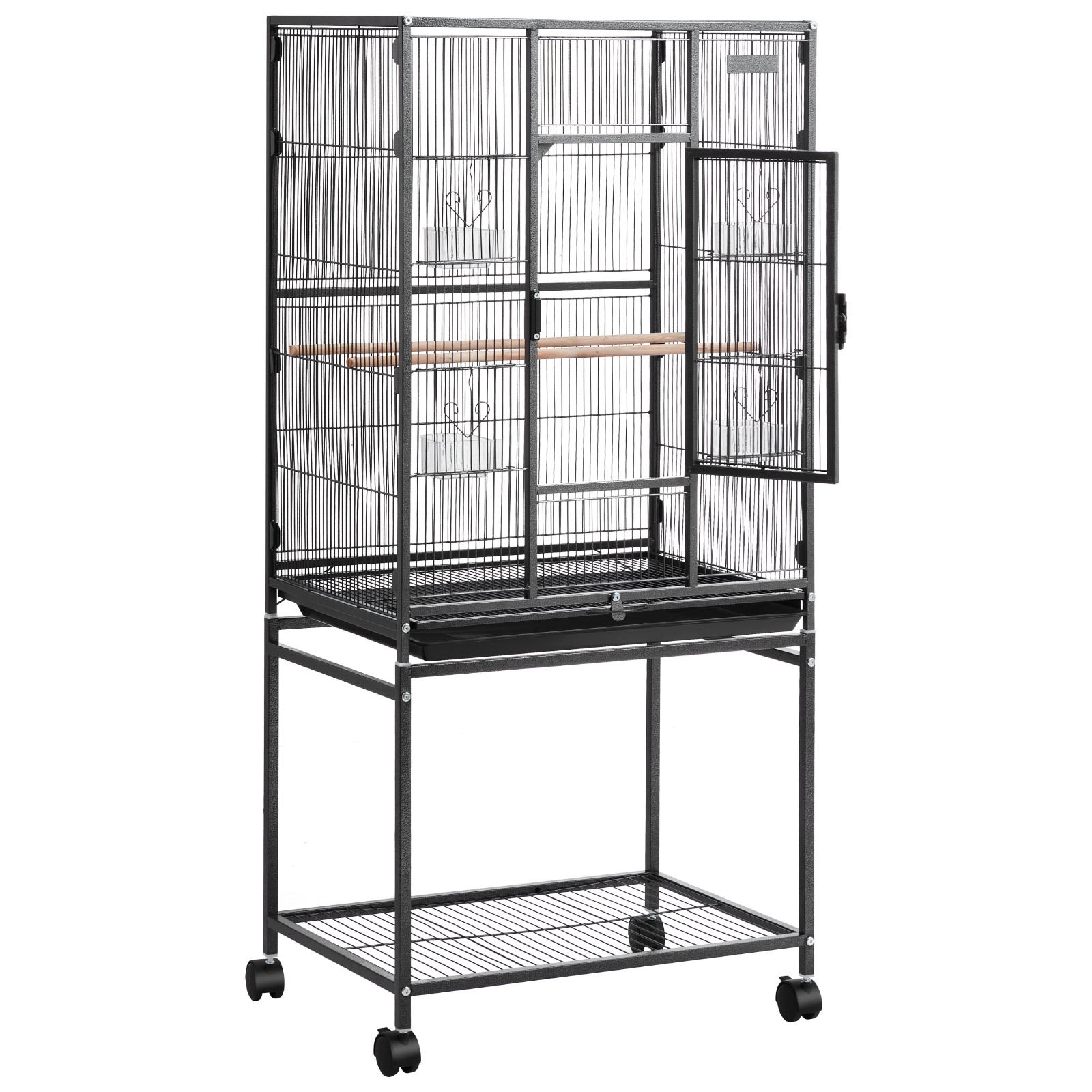 Bird Cage, 24.6 X 16.7 X 53.9 Inch, Flat Top, Wrought Iron Flight With Perches, Slide-Out Tray And Plastic Feeders, Casters, For Parrot, Blue Tit, Cockatiel, Canary, Budgerigar, Conure$114.99View on Mallflare
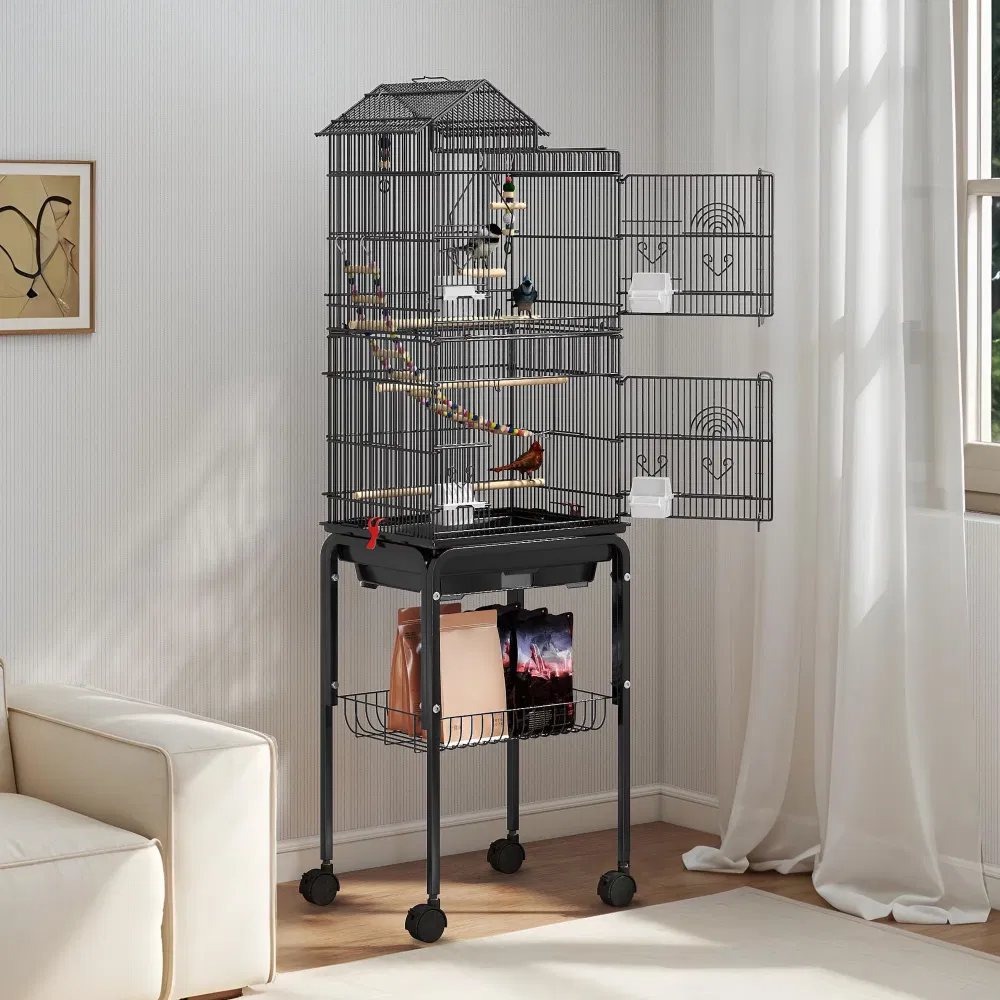 62" Large Metal Bird cage with Rolling Stand, Slide-Out Tray,3 Perches and 4 Feeders, Black$123.99View on Mallflare
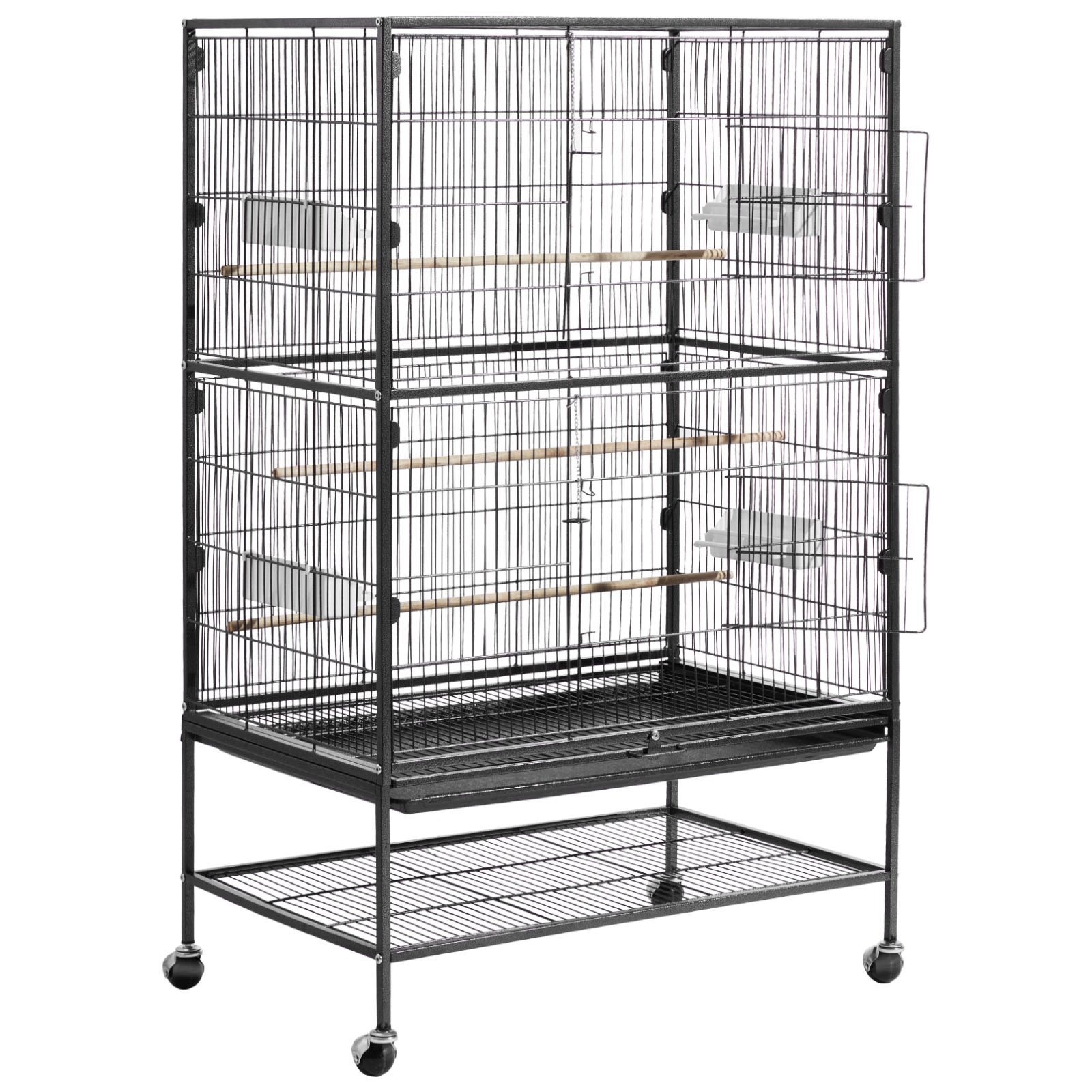 Bird Cage, 31.5 X 20.5 X 52 Inch, Flat Top, Wrought Iron Flight With Perches, Slide-Out Tray And Plastic Feeders, Casters, For Parrot, Blue Tit, Cockatiel, Canary, And Monk Parakeet$123.99View on Mallflare
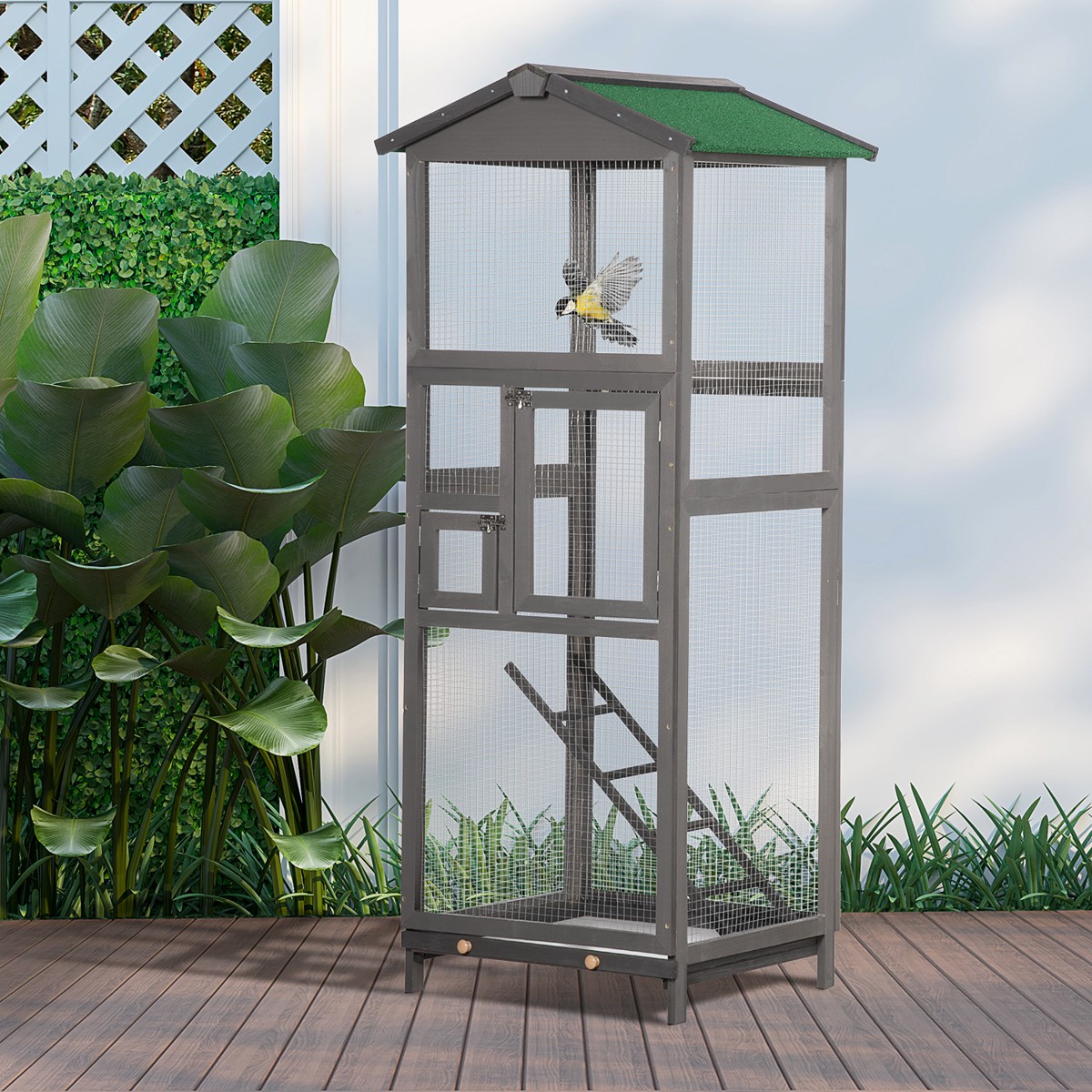 65" Wooden Bird Cage Outdoor Aviary House for Parrot, Parakeet, with Pull Out Tray and 2 Doors, Grey$135.99View on Mallflare
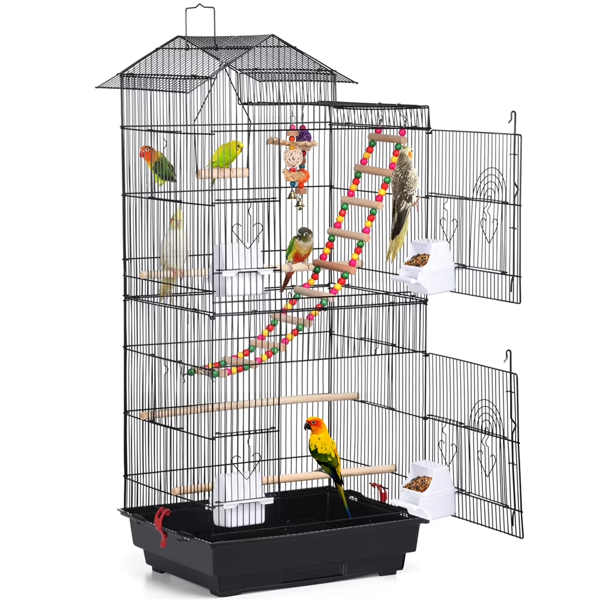 39inch H Metal Bird Cage Large Roof Top Huge House For Small Birds, Black$147.99View on Mallflare
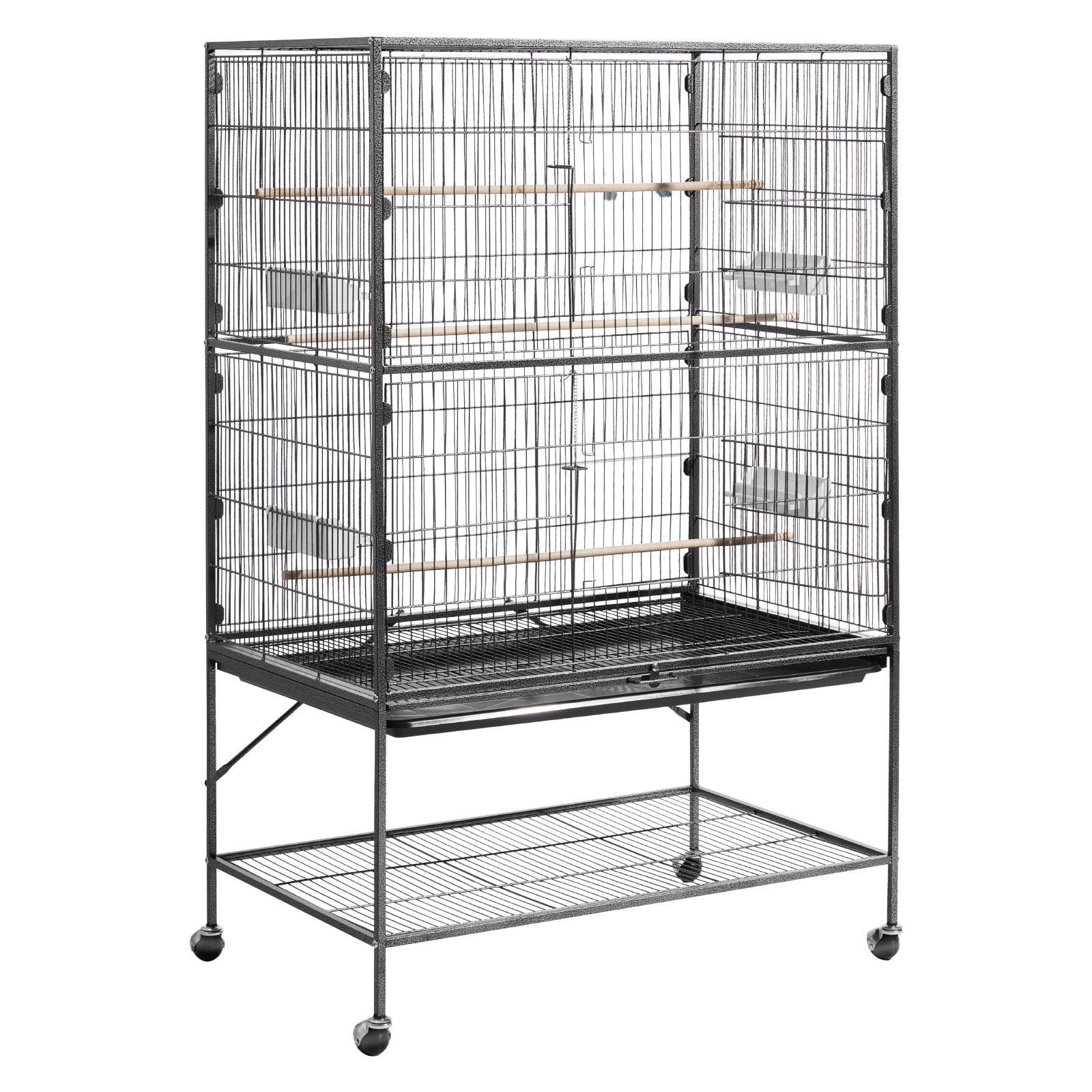 Bird Cage, 36.6 X 22.8 X 59.5 Inch, Flat Top, Wrought Iron Flight With Perches, Slide-Out Tray And Plastic Feeders, For Blue Tit, Cockatiel, Canary, Monk Parakeet, African Grey Parrot$148.99View on Mallflare
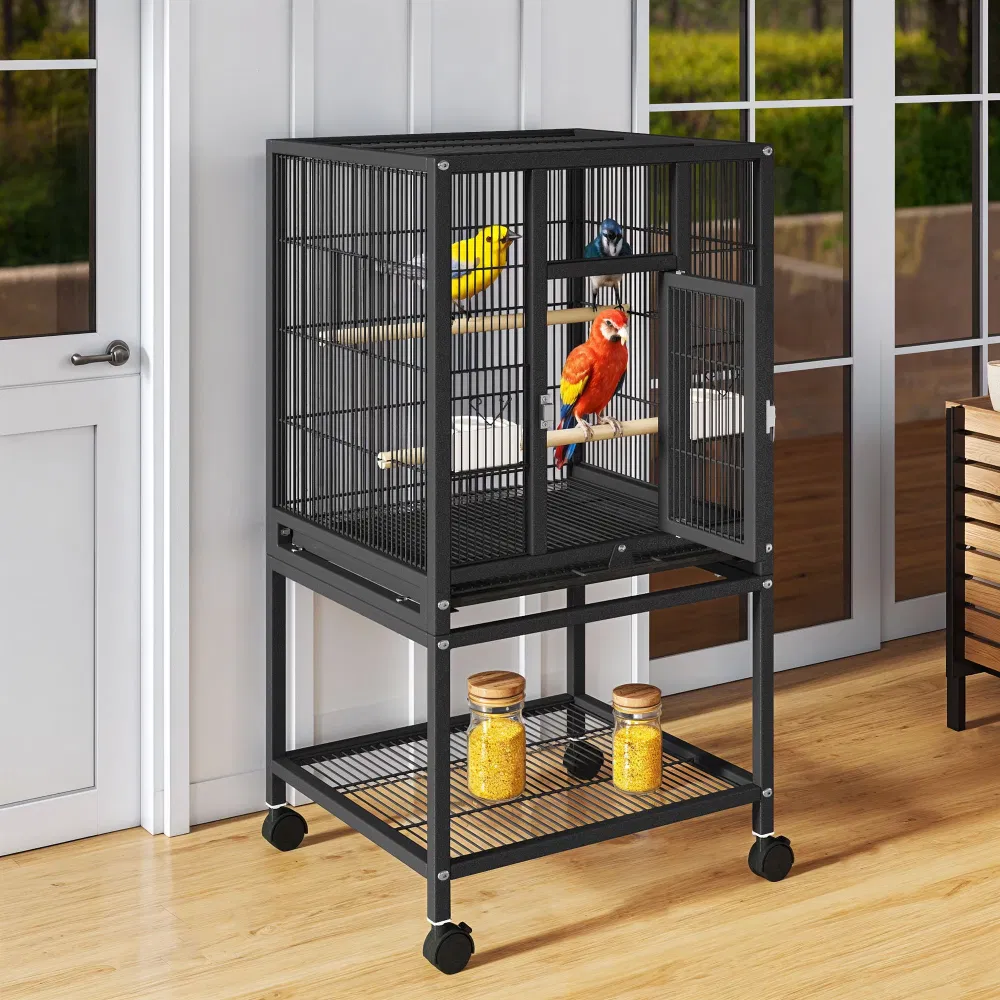 41" Metal Bird cage with Rolling Stand, Tray, 2 Perches and 2 Feeders, Black$150.99View on Mallflare
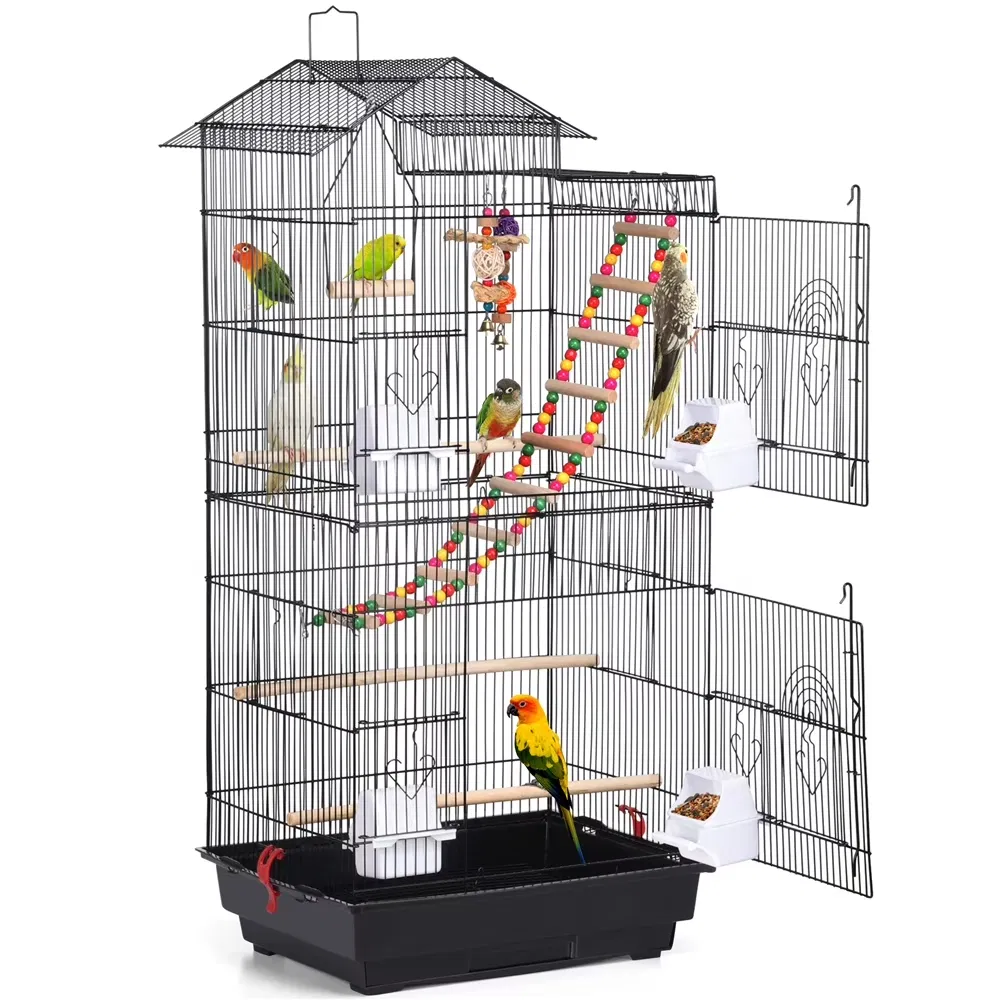 39"H Metal Bird Cage Large Roof Top Huge House for Small Birds, Black$154.99View on Mallflare
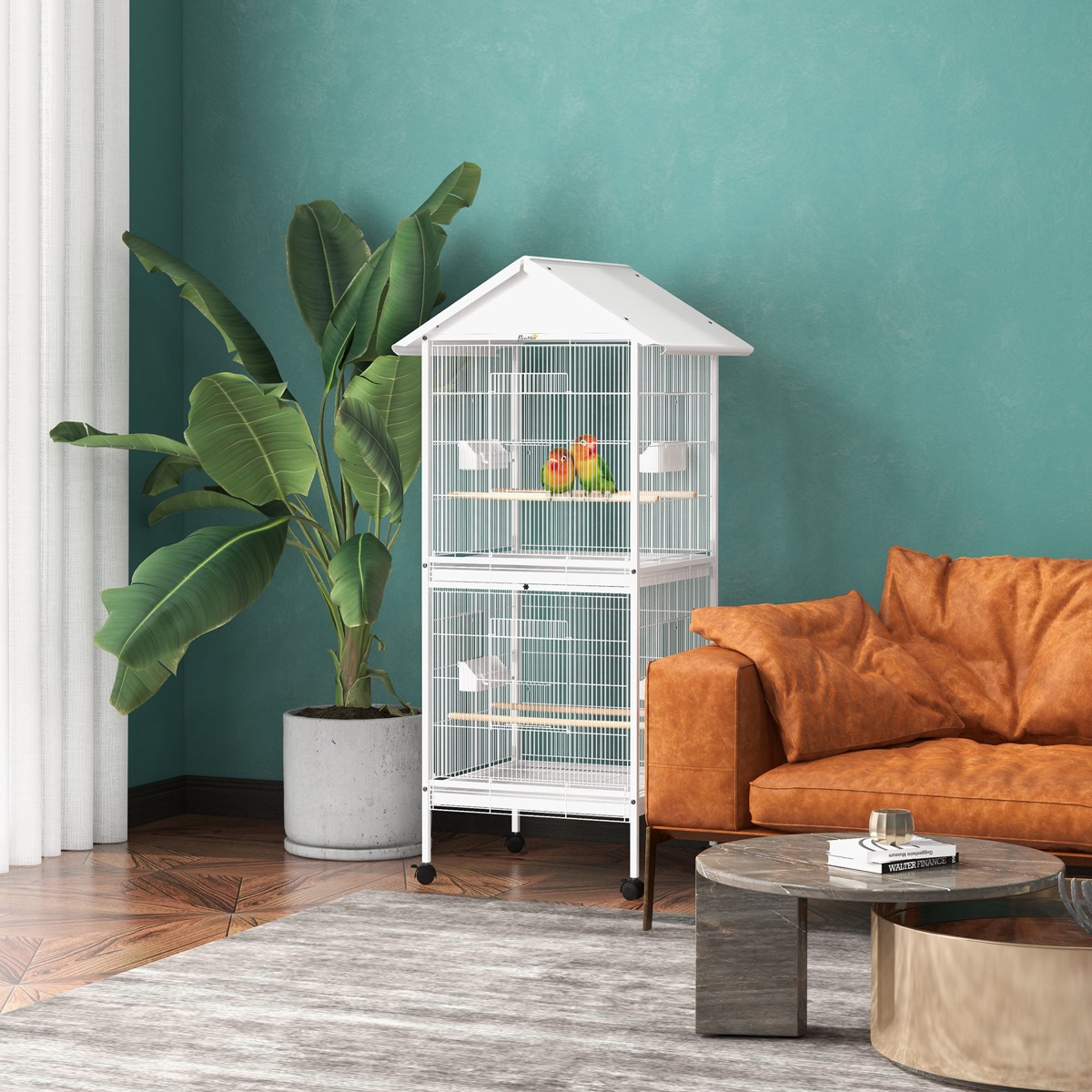 Wrought Metal Bird Cage Feeder with Rolling Stand Perches Food Containers Doors Wheels 67" H, White$171.99View on Mallflare
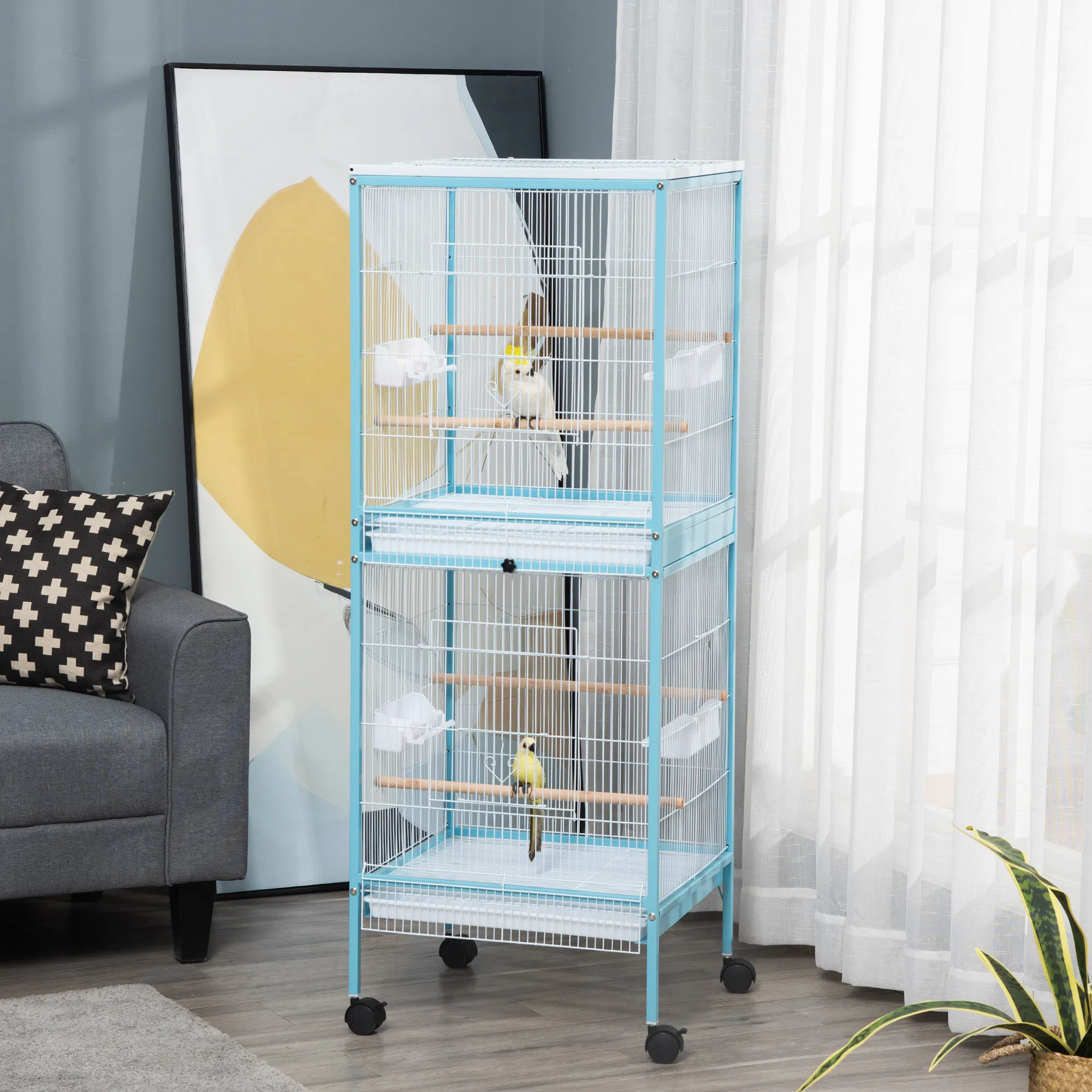 55" 2 In 1 Bird Cage Aviary Parakeet House for finches, budgies with Wheels, Light Blue$187.99View on Mallflare
Highlights
- Bar spacing is the primary safety spec: 3/8–1/2 inch for finches, canaries, budgies, and lovebirds; 5/8–3/4 inch for cockatiels and conures; 3/4–1 inch only for larger parrots—too wide risks head entrapment.
- Wire gauge and coating determine durability: 2.0–2.5 mm powder-coated steel resists bending and rust far better than 1.2–1.5 mm PVC-coated or galvanized wire common in folding travel cages.
- Portability mechanism varies by tier: flat-fold panels with wingnuts pack smallest but assemble slower; wheeled stands and pop-up canopy frames roll or carry as one unit but add bulk and weight.
- Latch and door security separates escape-proof cages from compromises: spring-loaded slide latches or carabiner-style clips on every door outlast simple pivot hooks or friction catches that birds can learn to open.
Best use cases
- Best fit: weekend travel or vet visits with a single small bird—choose a flat-fold cage with 1/2-inch bar spacing, carry handle, and included travel perch; skip heavy wheeled aviaries for car transport.
- Best fit: temporary outdoor sun/enrichment sessions—pick a canopy-covered or roofed model with a secure base and rust-resistant coating; skip open-top designs where birds can climb out or predators can reach in.
- Best fit: multi-bird temporary housing during cleaning or introductions—use a cage with at least two doors, removable divider compatibility, and 2.5 mm wire; skip lightweight pop-up mesh cages for anything larger than a budgie.
- Wrong fit: permanent primary habitat—portable cages have smaller footprints and thinner wire than flight cages; use a full-size aviary or flight cage for daily living and reserve portable cages for short-term use.
Buying tips
- Match bar spacing to species before anything else: measure your bird's head width and choose spacing narrower than the head—1/2 inch covers budgies and lovebirds, 5/8 inch covers cockatiels, 3/4 inch covers conures.
- Check wire gauge in millimeters or the coating type: powder-coated 2.0–2.5 mm steel holds shape through repeated assembly; galvanized or PVC-coated 1.2–1.5 mm wire bends and chips at joints.
- For folding models, count the assembly points—wingnut-and-slot panels with at least four connection points per side stay rigid; friction-fit or snap-in plastic joints loosen over time and create gaps.
- Verify the base tray is removable and secured by a lock or slide latch—loose trays are a common escape route and make cleaning impractical during travel.
Specs
| Bar Spacing | 3/8–1 in by species |
|---|---|
| Wire Gauge | 2.0–2.5 mm steel |
| Coating | Powder-coated vs galvanized/PVC |
| Portability | Flat-fold / wheeled / pop-up |
Related searches
What to check before buying
- Measure your bird's head width and compare to bar spacing: the gap must be narrower than the head to prevent entrapment—1/2 inch for small birds, 5/8–3/4 inch for medium birds.
- Confirm the folded or assembled footprint fits your vehicle or storage space: flat-fold panels typically pack to a few inches thick, while wheeled aviaries may not collapse at all.
- Check the coating for outdoor use: powder-coated steel tolerates humidity and sun; galvanized wire can develop sharp zinc flakes and PVC coating can crack and peel.
- Ensure the cage includes or accepts a travel perch, food/water cups that lock in place, and a carry handle or wheel set—these companion parts are often sold separately.
FAQ
Data sources: eBay / Amazon listings and product attribute feeds. Updated Nov 27, 2026.
Some links on this page are affiliate links. If you buy after clicking one, we may earn a commission at no extra cost to you. This does not change which products appear here or their order. Affiliate disclosure.