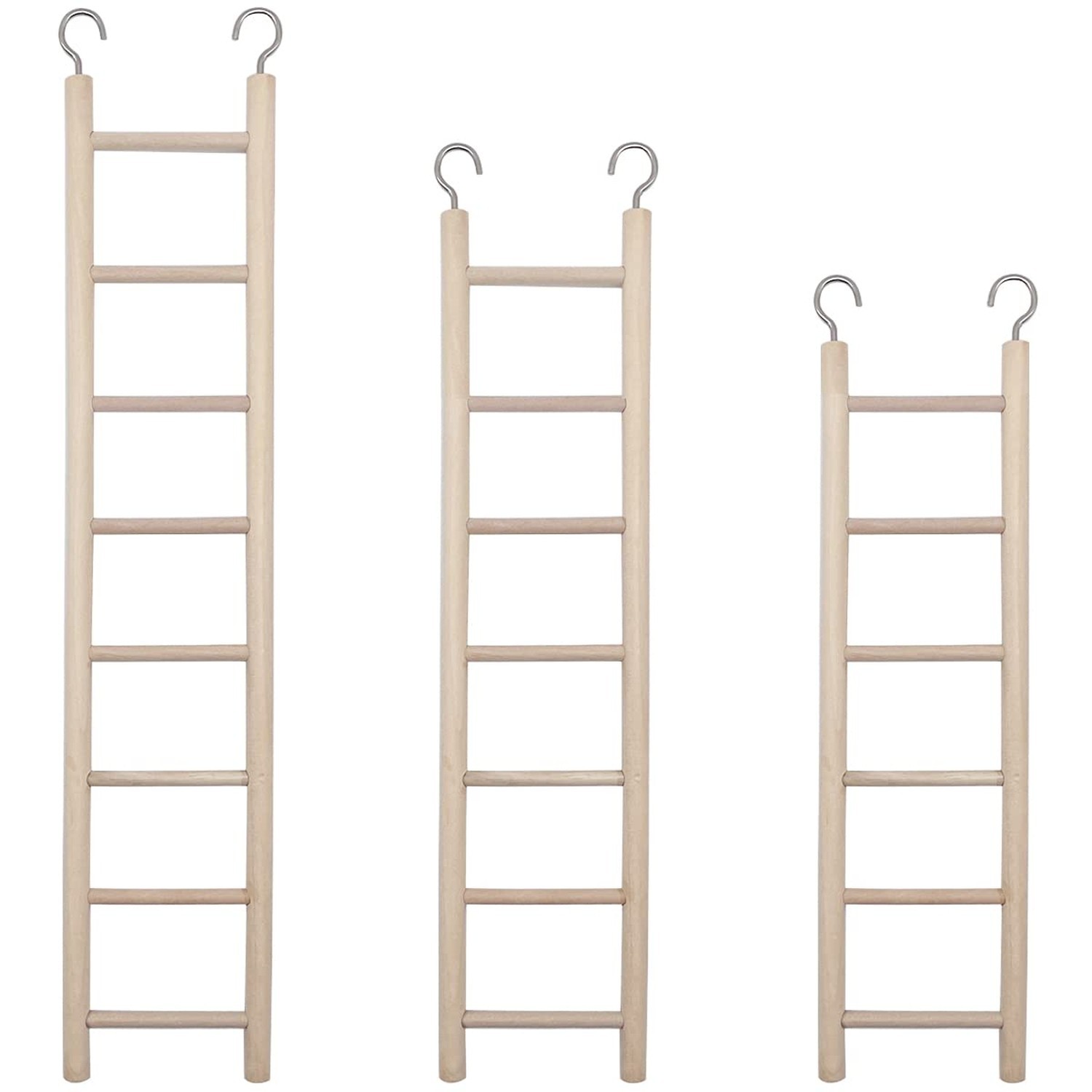

Photos from current listings. Actual item, color, and included accessories may vary.
Natural Bird Perch Buying Guide
Natural bird perches are untreated wood, branch, or cork structures that give parrots and small birds varied grip diameters to exercise feet and wear down nails. The primary trade-off is between soft, quickly-chewed woods like balsa or cork that encourage natural shredding and hardwoods like manzanita or dragonwood that resist destruction but offer less chewing enrichment. The clear rule: choose perch diameter by foot length (birds should grip 60-70% around the branch) and avoid any perch with sandpaper or painted coatings, which cause foot sores.
Key takeaways
- Branch diameter should be 1.5-2x the bird's foot length so toes wrap 60-70% around the perch without overlapping.
- Hardwoods (manzanita, dragonwood, java) last years and resist chewing; softwoods (balsa, cork, yucca) are consumable enrichment replaced monthly.
- Sandpaper covers and painted or varnished finishes cause pressure sores and are unsafe; bare untreated wood is the only safe surface.
At a glance
- Category
- Bird & Small Animal Supplies
- Last updated
- Nov 27, 2026
Current offers
Highlights
- Branch diameter should be 1.5-2x the bird's foot length so toes wrap 60-70% around the perch without overlapping.
- Hardwoods (manzanita, dragonwood, java) last years and resist chewing; softwoods (balsa, cork, yucca) are consumable enrichment replaced monthly.
- Sandpaper covers and painted or varnished finishes cause pressure sores and are unsafe; bare untreated wood is the only safe surface.
- Natural branch perches vary in diameter along their length, exercising different foot muscles and preventing pressure-point arthritis.
Best use cases
- Best fit: parakeets, cockatiels, and conures need 3/4-inch to 1-inch diameter branches, plus one thicker 1.5-inch platform perch for resting—skip uniform dowel perches entirely.
- Best fit: macaws and cockatoos need 2-inch to 3-inch hardwood branches (manzanita) bolted with 1/4-inch or larger hanger bolts, not softwood branches they snap.
- Wrong fit: any cage smaller than 24 inches wide cannot hold a long natural branch ladder—choose single 12-inch bolt-on perches instead of multi-piece ladders.
- Best fit: birds that chew destructively benefit from cork or balsa perch sections mounted alongside a durable hardwood perch so one survives while the other is consumed.
Buying tips
- Measure your bird's foot length from heel to longest toe, then double it for the minimum branch diameter; a 1.5-inch foot needs a 3-inch branch.
- Demand kiln-dried, bark-stripped hardwood with stainless or zinc-plated hardware; chrome-plated or painted wingnuts flake and rust.
- For multi-bird cages, install at least three perch diameters (small, medium, large) at different heights to prevent dominance squatting.
- Replace softwood perches when they thin by 50% or develop sharp chewed points; hardwoods only when the bolt loosens or cracks appear.
Specs
| Perch Material | Hardwood vs softwood, untreated |
|---|---|
| Branch Diameter | 0.75-3 in by bird foot size |
| Mounting Hardware | Hanger bolt + wingnut, stainless |
| Cage Compatibility | Fits 1/2-1 in bar spacing, bolt-through |
Related searches
What to check before buying
- Measure cage bar spacing and interior width: branch perches need 2 inches of clearance from bars and food cups on each side.
- Confirm the perch attaches with a bolt and wingnut through cage bars, not suction cups—suction cups fail on powder-coated cages.
- Check your bird's species adult foot size, not current juvenile size, so the diameter remains correct as it grows.
- Verify the wood is untreated and pesticide-free; avoid driftwood collected outdoors unless baked at 250°F for 30 minutes.
FAQ
Data sources: eBay / Amazon listings and product attribute feeds. Updated Nov 27, 2026.
Some links on this page are affiliate links. If you buy after clicking one, we may earn a commission at no extra cost to you. This does not change which products appear here or their order. Affiliate disclosure.