
Photos from current listings. Actual item, color, and included accessories may vary.
Large Bird Cage With Divider Buying Guide
A large bird cage with divider is a double-compartment enclosure that lets you house two birds or small groups separately while sharing one frame, typically built from powder-coated steel wire and a pull-out tray base. The core trade-off is bar spacing and divider design versus overall size and mobility: too-wide spacing risks escapes for small species, while a flimsy or non-removable divider defeats the purpose. The clear rule: choose a cage with species-correct bar spacing (1/2 inch for budgies/finches, 5/8–3/4 inch for cockatiels) and a solid, lockable divider panel; skip decorative roof-top units with no true divider or base trays that are plastic instead of metal.
Median $123.99
Key takeaways
- Divider design determines function: a full-height solid panel with its own food/water access creates two true territories, while a partial or wire-mesh divider lets birds see and stress each other.
- Bar spacing is the primary safety metric—1/2 inch (12.7 mm) for budgies, finches, and canaries; 5/8 inch (16 mm) for cockatiels and lovebirds; 3/4 inch (19 mm) for small parrots like conures.
- Powder-coated steel wire (not bare or PVC-coated) resists rust and biting; welded 2–3 mm wire gauge holds shape, while thin 1.5 mm wire bends and creates escape gaps.
At a glance
- Category
- Bird & Small Animal Supplies
- Last updated
- Nov 27, 2026
Current offers
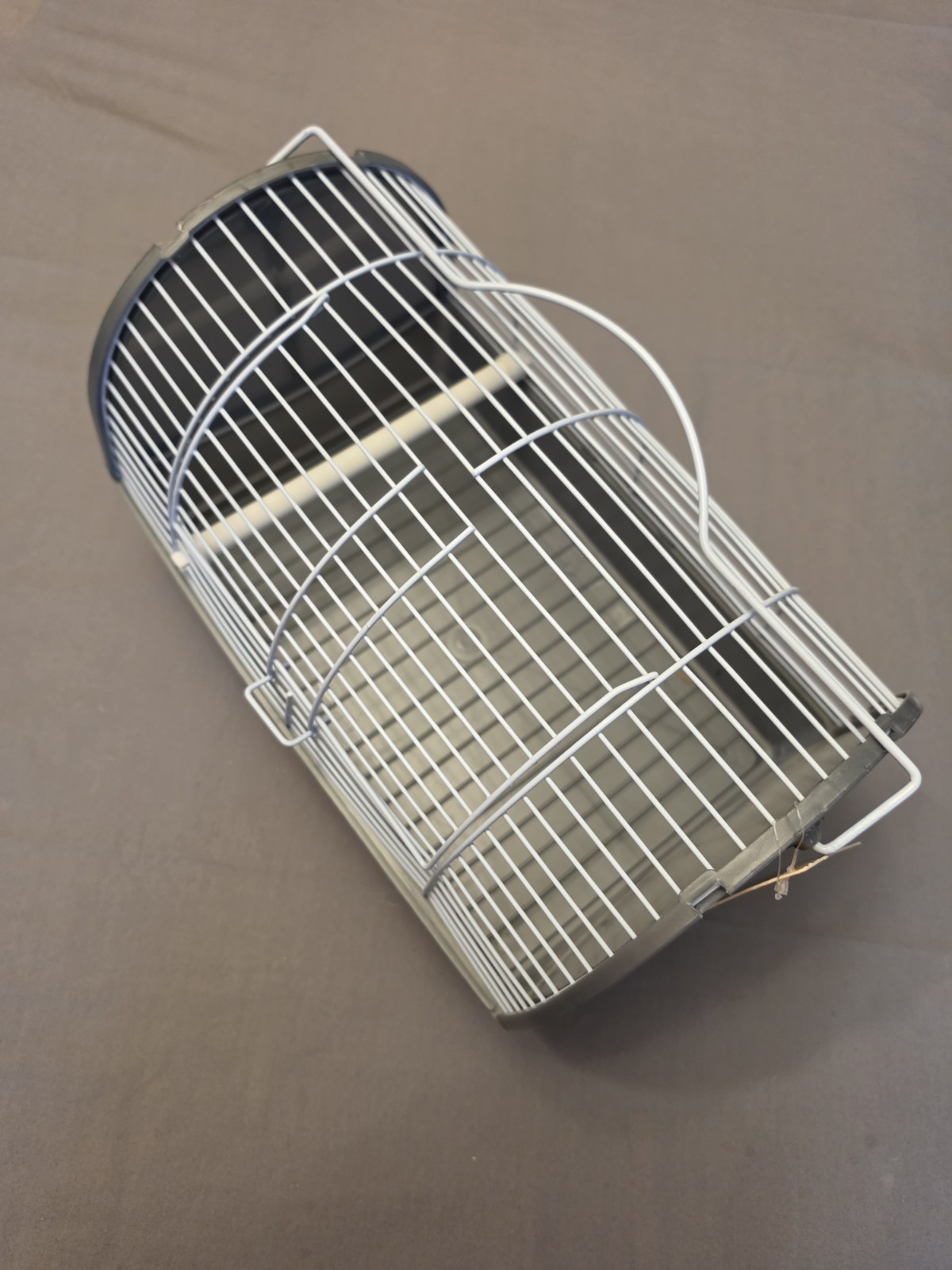 Petco Small Animal Bird Carrier Large Wire Cage Plastic Base Perch$24.99View on eBay
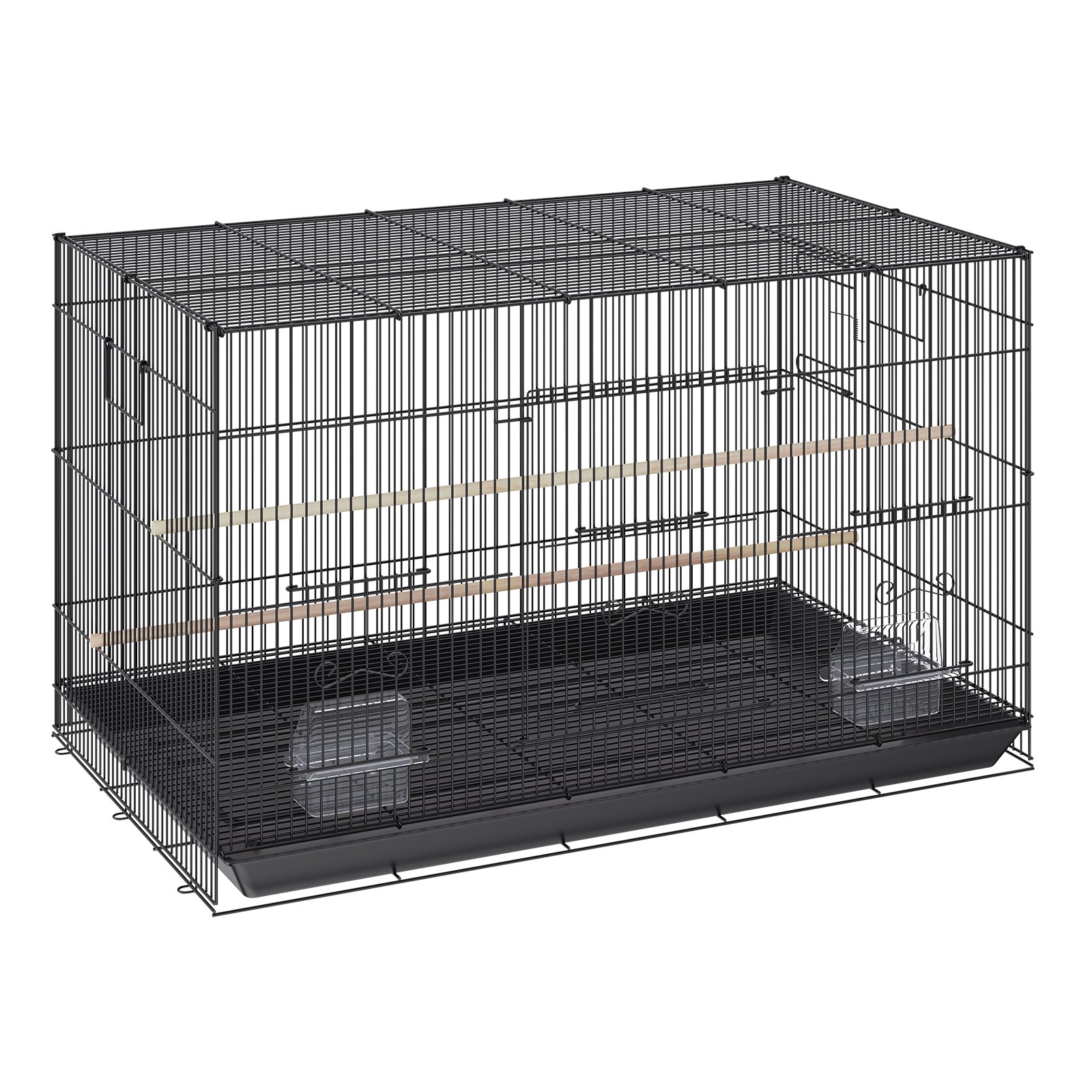 30 Inch Bird Cage, Metal Large Parakeet Cages For Cockatiels Small Parrot Budgies Lovebirds Canaries, Pet With Rolling Stand And Tray$51.99View on Mallflare
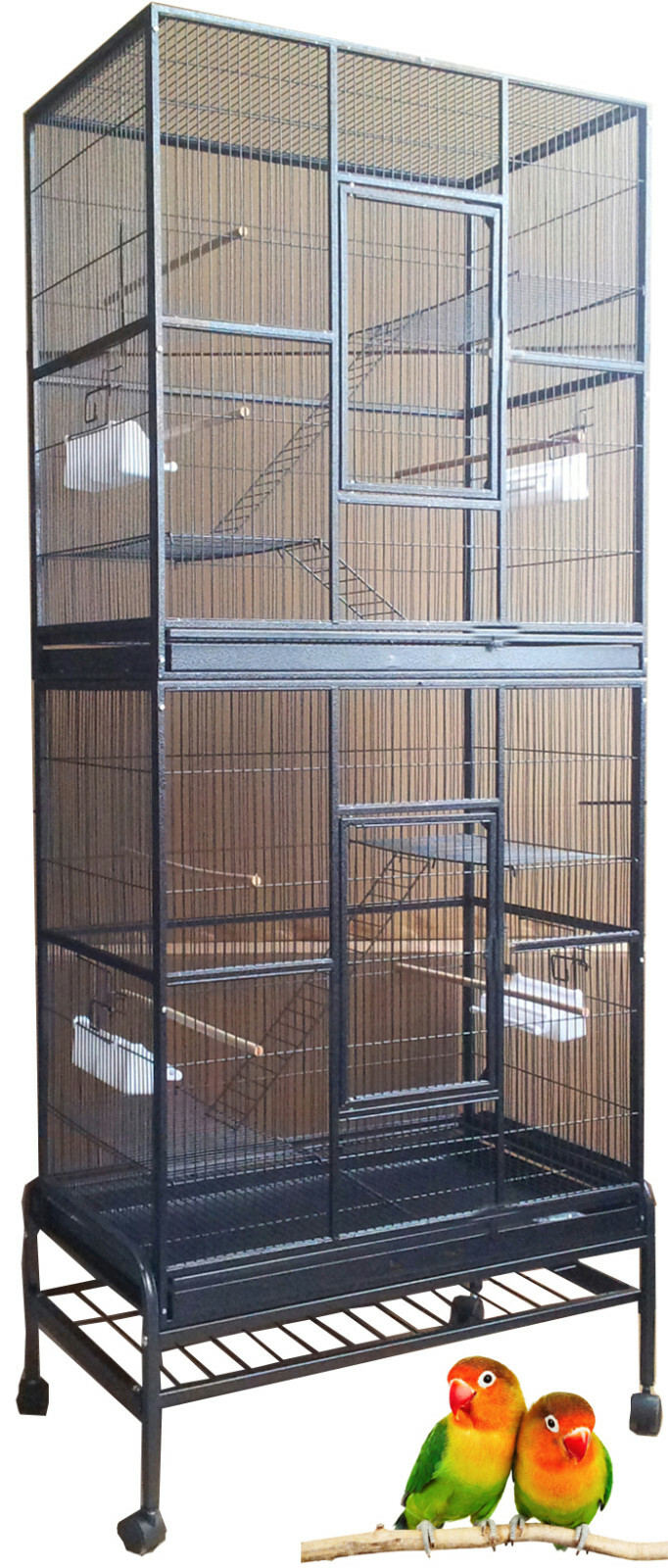 X-LARGE Stackabel Double Breeding Flight Bird Cage Cockatiel Aviary Budgie Finch$229.98Last checked Nov 18, 2026View on eBay
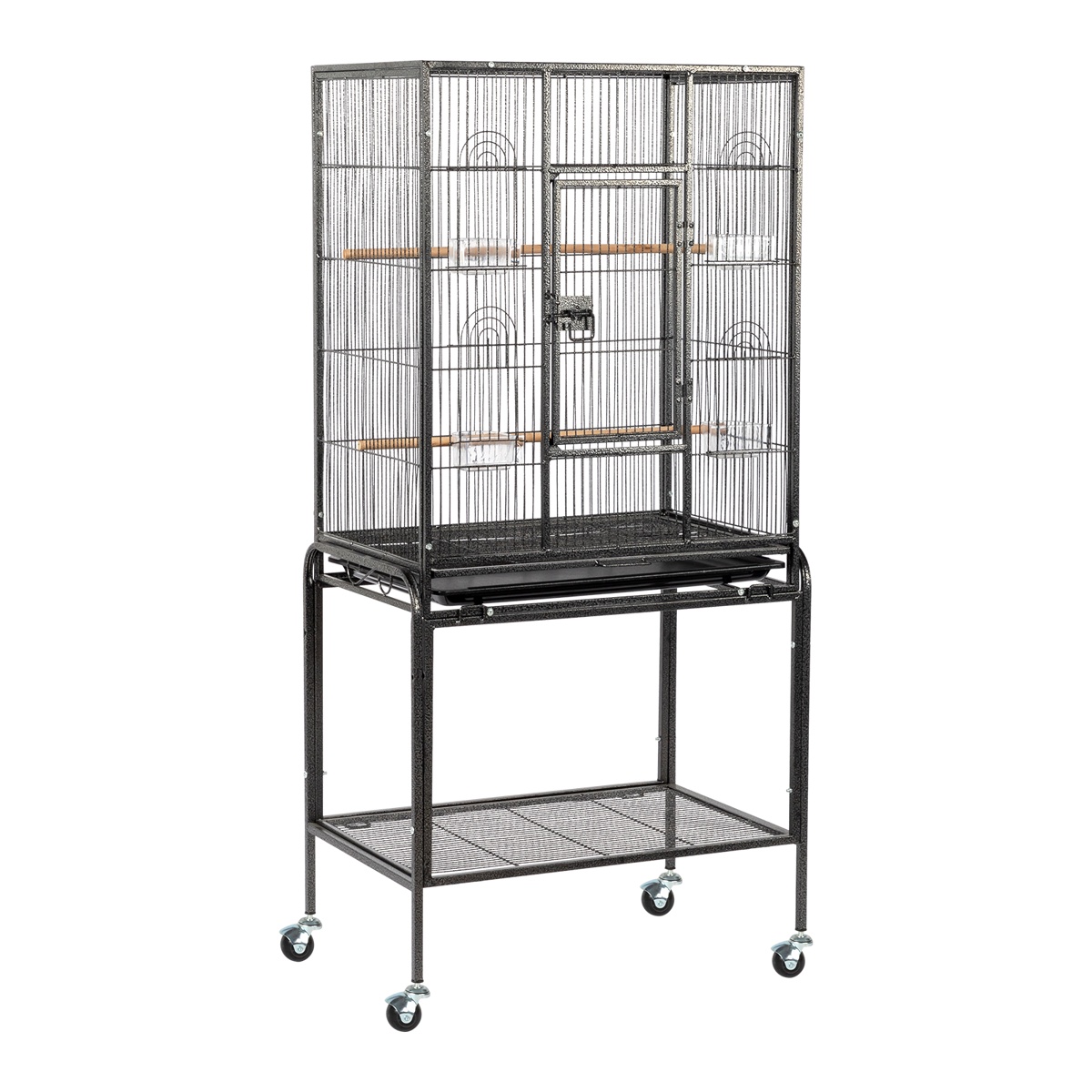 53" Large Flight Bird Cage with Rolling Stand & Storage Shelf for Parrots Lovebird Cockatiel Parakeets, Black$110.99View on Mallflare
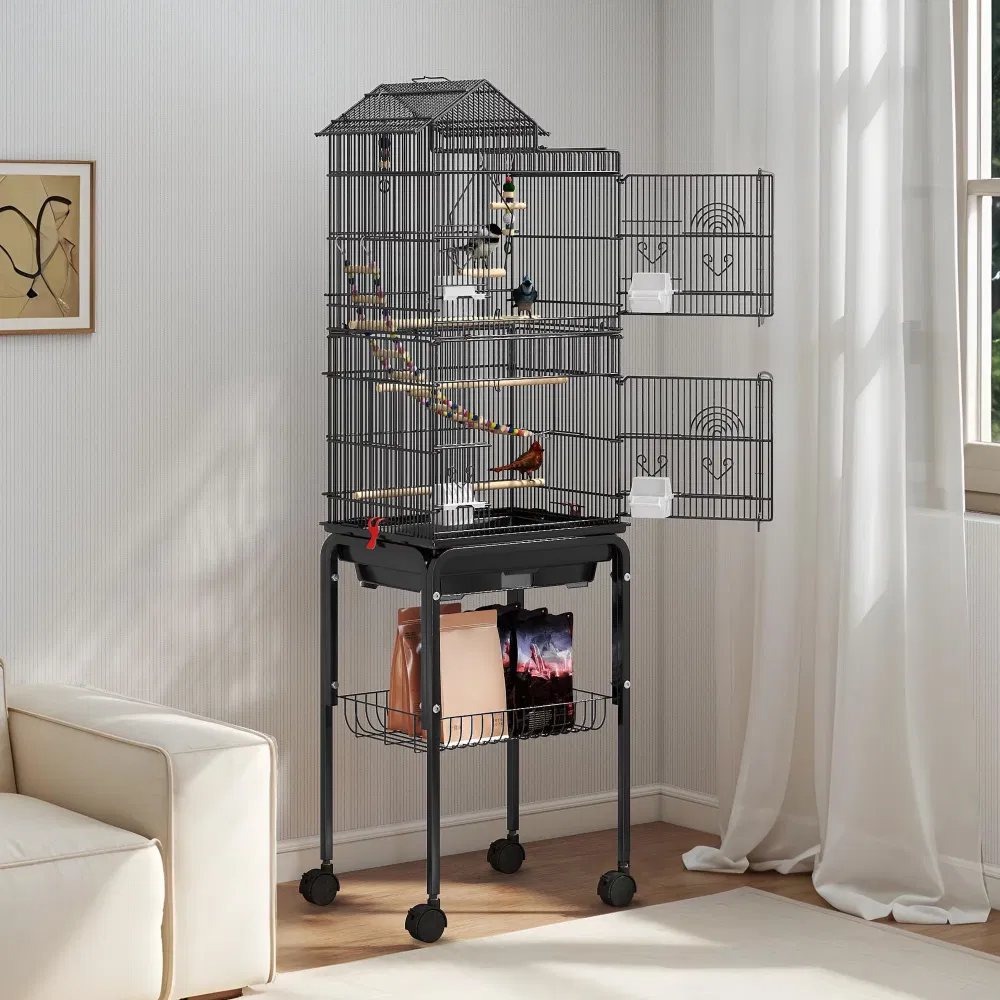 62" Large Metal Bird cage with Rolling Stand, Slide-Out Tray,3 Perches and 4 Feeders, Black$123.99View on Mallflare
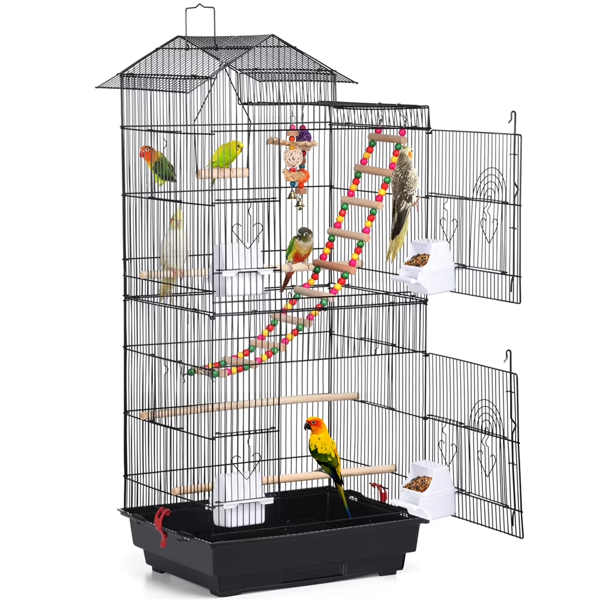 39inch H Metal Bird Cage Large Roof Top Huge House For Small Birds, Black$147.99View on Mallflare
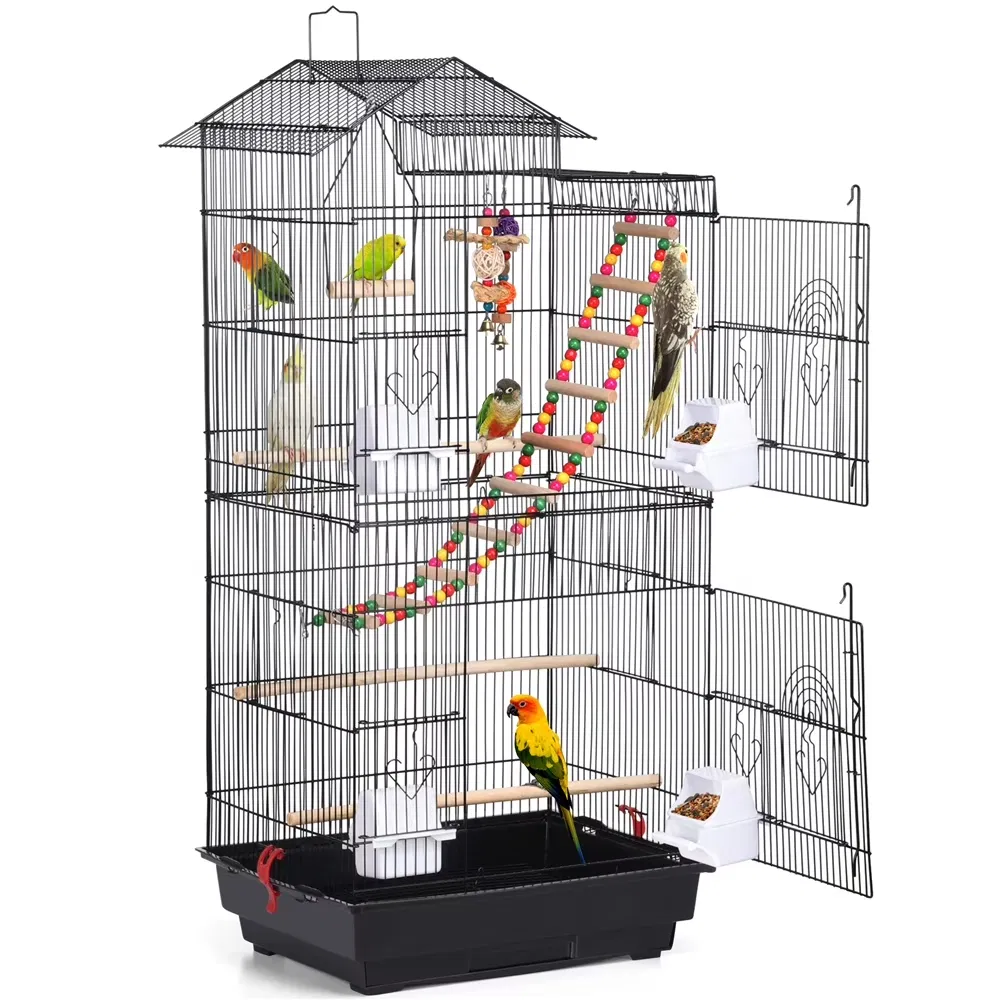 39"H Metal Bird Cage Large Roof Top Huge House for Small Birds, Black$154.99View on Mallflare
Highlights
- Divider design determines function: a full-height solid panel with its own food/water access creates two true territories, while a partial or wire-mesh divider lets birds see and stress each other.
- Bar spacing is the primary safety metric—1/2 inch (12.7 mm) for budgies, finches, and canaries; 5/8 inch (16 mm) for cockatiels and lovebirds; 3/4 inch (19 mm) for small parrots like conures.
- Powder-coated steel wire (not bare or PVC-coated) resists rust and biting; welded 2–3 mm wire gauge holds shape, while thin 1.5 mm wire bends and creates escape gaps.
- Rolling stands with locking casters and slide-out metal trays (not plastic) enable cleaning and relocation; storage shelves and toy hooks add utility but do not affect bird safety.
Best use cases
- Best fit: breeding or quarantine pairs—pick a double breeding cage with a solid metal divider, individual slide-out trays per side, and 1/2-inch bar spacing for budgies/finches.
- Best fit: two cockatiels or lovebirds that must be separated—choose a 5/8-inch bar spacing cage with a full-height divider and separate feeder doors per compartment.
- Wrong fit: a single pet bird in a large flight cage—a divider cage wastes space and creates narrow compartments; instead buy a single-room flight cage with 1/2–5/8 inch spacing.
- Skip: roof-top decorative cages or units described only as 'stackable' without a fixed divider—these are display cages, not true double-habitat cages, and often have plastic bases that crack.
Buying tips
- Measure bar spacing with calipers: 1/2 inch for finches/budgies/canaries, 5/8 inch for cockatiels/lovebirds, 3/4 inch for small parrots—never exceed 3/4 inch for any bird under 100 g.
- Confirm the divider is a removable solid panel (not wire mesh) with its own door or feeder access; a divider without separate access forces you to open both sides to feed one bird.
- Check tray material: stainless or powder-coated steel slide-out trays outlast plastic trays, which warp and harbor bacteria; ensure each compartment has its own tray.
- Verify caster quality: locking casters of at least 2 inches diameter roll smoothly on carpet and lock securely; tiny 1-inch casters jam and scratch floors.
Specs
| Bar Spacing | 1/2–3/4 in by species |
|---|---|
| Divider Type | Solid removable panel vs wire mesh |
| Tray Material | Powder-coated steel / stainless |
| Mobility | Locking casters on rolling stand |
Related searches
What to check before buying
- Measure your available floor space and doorways: a 53–62 inch tall cage on a rolling stand needs at least 30×30 inches of footprint and 36-inch door clearance to move.
- Confirm ceiling height and room clearance for the assembled cage height plus stand—62-inch cages plus a 10-inch stand exceed 6 feet and won't fit under standard soffits.
- Check floor type: locking casters protect hardwood and tile, but carpet requires larger wheels; ensure the stand's weight rating suits the cage plus perches and feeders.
- Verify the cage ships with all perches, feeders, and tray liners per compartment—double cages often include only one set, requiring duplicate purchases.
FAQ
Data sources: eBay / Amazon listings and product attribute feeds. Updated Nov 27, 2026.
Some links on this page are affiliate links. If you buy after clicking one, we may earn a commission at no extra cost to you. This does not change which products appear here or their order. Affiliate disclosure.