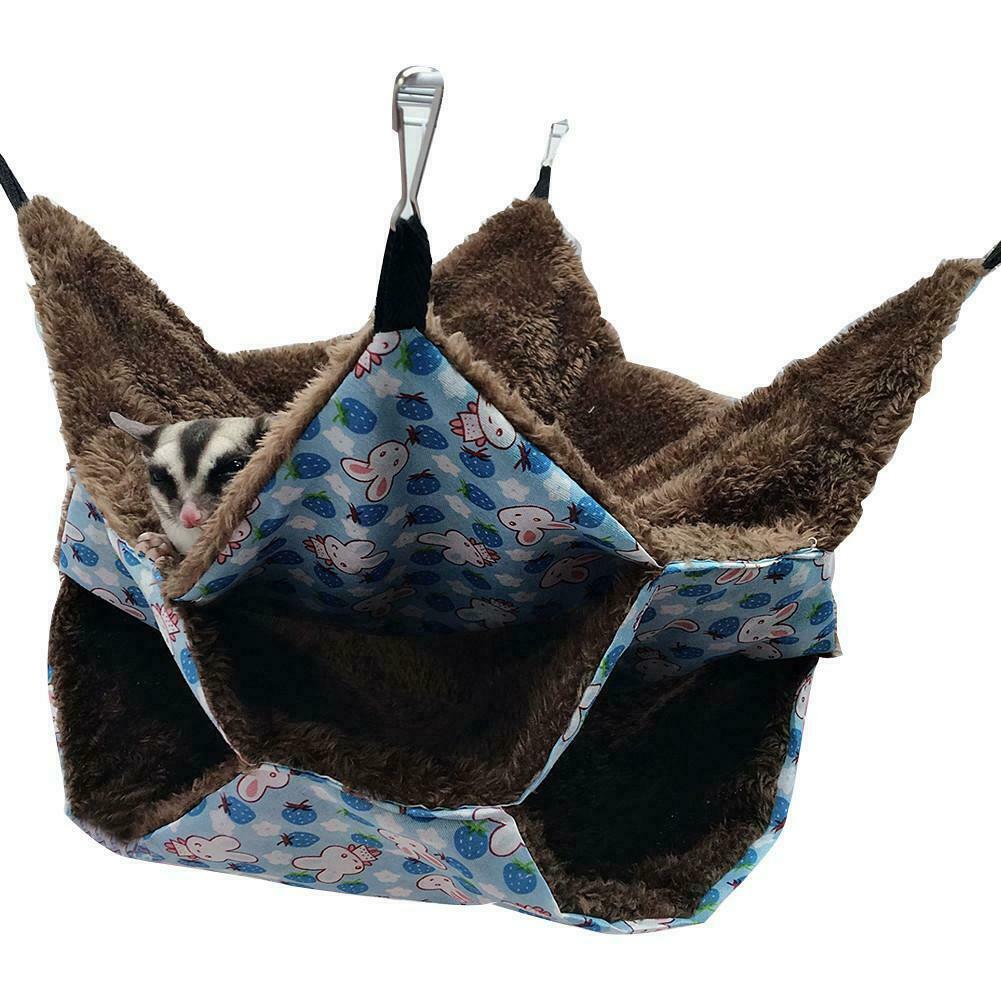

Photos from current listings. Actual item, color, and included accessories may vary.
Ferret Cage Buying Guide
A ferret cage is a multi-level wire enclosure with bar spacing tight enough to prevent escape, a solid or grated floor tray, and ramps or hammocks for vertical movement. The primary trade-off is between vertical tier count for climbing enrichment and structural rigidity — taller cages with more tiers amplify sway and flex unless the frame uses thicker gauge wire and a wider base. The decision rule: buy a cage with 0.5–0.6 inch bar spacing, at least 24 inches of horizontal run per level, and a powder-coated metal frame; skip fabric-sided or pop-up playpens for full-time ferret housing.
Key takeaways
- Bar spacing is the single escape-critical metric: ferrets fit through gaps wider than 1 inch, so 0.55-inch spacing (as on 3- and 4-tier rolling cages) is the practical maximum for adult ferrets.
- Tier count drives usable floor area: a 3-tier cage at roughly 40 inches tall delivers three separate rest and play zones, while a 4-tier at 44.5 inches adds a fourth level that increases sway unless the base footprint is at least 24 x 24 inches.
- Frame gauge and coating determine durability: powder-coated steel wire resists urine corrosion far better than bare or painted wire, and 0.55-inch spacing requires thicker wire than wide-spacing rabbit hutches to hold rigidity.
At a glance
- Category
- Bird & Small Animal Supplies
- Last updated
- Nov 27, 2026
Current offers
Highlights
- Bar spacing is the single escape-critical metric: ferrets fit through gaps wider than 1 inch, so 0.55-inch spacing (as on 3- and 4-tier rolling cages) is the practical maximum for adult ferrets.
- Tier count drives usable floor area: a 3-tier cage at roughly 40 inches tall delivers three separate rest and play zones, while a 4-tier at 44.5 inches adds a fourth level that increases sway unless the base footprint is at least 24 x 24 inches.
- Frame gauge and coating determine durability: powder-coated steel wire resists urine corrosion far better than bare or painted wire, and 0.55-inch spacing requires thicker wire than wide-spacing rabbit hutches to hold rigidity.
- Rolling caster bases and removable slide-out trays are the maintenance architecture: casters let you move the cage for floor cleaning, and a removable tray is the difference between weekly deep cleans and full disassembly.
Best use cases
- Best fit for one or two ferrets: a 3-tier or 4-tier rolling metal cage with 0.55-inch wire spacing, hammocks, ramps, and a removable tray — this covers sleep, play, and litter zones without a separate playpen.
- Best fit for ferrets plus a chinchilla or sugar glider in the same household: the same multi-tier metal cage works, but choose the tallest configuration and add solid ramp covers, since both species need ledges and hate open wire floors.
- Wrong fit: fabric hammock-and-nest accessories are enrichment only — never use a fabric-sided or soft playpen as the primary ferret enclosure, because ferrets chew and shred fabric and will escape through seams.
- Wrong fit: a single-level rabbit hutch or 41-inch play house with wide bar spacing is a ferret escape risk; reserve those for rabbits and guinea pigs, and choose a dedicated small-mesh ferret cage instead.
Buying tips
- Measure bar spacing before anything else: 0.5–0.6 inch is ferret-safe; anything near 1 inch or wider lets juvenile and even adult ferrets squeeze out.
- Size the base footprint to the tier count: a 4-tier cage needs at least a 24 x 24 inch base and a low center of gravity, or the top tiers will sway when a ferret leaps between ramps.
- Choose powder-coated metal over painted or galvanized wire; coating thickness and adhesion determine how long the cage survives ferret urine and cage-chewing.
- Insist on a removable slide-out tray and lockable doors — doors that latch with a simple hook are opened by ferrets, so pick dual-latch or slide-bolt closures.
Specs
| Bar Spacing | 0.5-0.6 in ferret-safe |
|---|---|
| Tier Count | 2-4 tiers / 39.8-44.5 in tall |
| Frame Material | Powder-coated steel wire |
| Base & Mobility | Casters + removable tray |
Related searches
What to check before buying
- Confirm bar spacing is 0.5–0.6 inch and that door gaps and tray edges leave no 1-inch-plus opening anywhere on the cage.
- Measure your floor space against the cage base plus caster spread, and check doorway width if you plan to roll the cage between rooms.
- Verify the cage fits your ceiling and room layout at full height — 44.5-inch cages plus a stand can exceed comfortable reach for daily tray cleaning.
- Check that ramps, shelves, and hammocks are included or available in the same wire gauge and coating, since mismatched add-ons often have wider spacing.
FAQ
Data sources: eBay / Amazon listings and product attribute feeds. Updated Nov 27, 2026.
Some links on this page are affiliate links. If you buy after clicking one, we may earn a commission at no extra cost to you. This does not change which products appear here or their order. Affiliate disclosure.