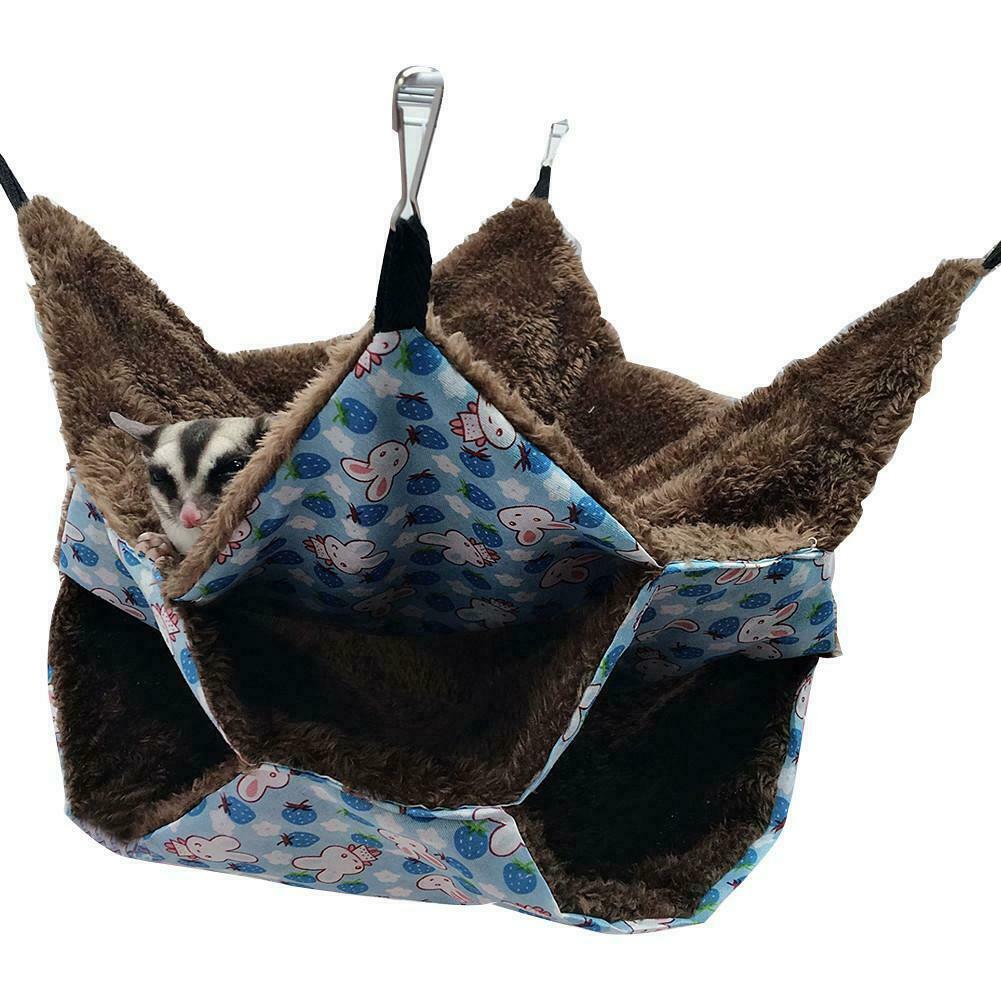

Photos from current listings. Actual item, color, and included accessories may vary.
Cat Crate Buying Guide
A cat crate is a rigid or soft-sided enclosure used for safe transport, confinement, or recovery of cats and small animals. The primary trade-off is between structural durability (molded plastic or welded wire) and portability (soft fabric or fold-flat frames), with crash-test standards and door-latch security separating true travel crates from casual carriers. Choose a hard-sided, IATA-compliant crate with metal latches for vehicle travel and vet visits; soft carriers are only for calm, supervised handling.
Key takeaways
- Hard crates use molded high-density polyethylene shells with steel wire doors and a metal or plastic latch; soft carriers use 600D polyester over a thin steel or fiberglass frame.
- IATA-compliant travel crates require a minimum height so the cat can stand and turn, plus ventilation on at least three sides and a secure secondary latch to prevent paw-press escapes.
- Wire cages for small animals use 1-inch by 2-inch or 1/2-inch by 1-inch mesh; 1/2-inch spacing is required for hamsters and mice to prevent escape, while 1-inch suits ferrets and rats.
At a glance
- Category
- Bird & Small Animal Supplies
- Last updated
- Nov 27, 2026
Current offers
Highlights
- Hard crates use molded high-density polyethylene shells with steel wire doors and a metal or plastic latch; soft carriers use 600D polyester over a thin steel or fiberglass frame.
- IATA-compliant travel crates require a minimum height so the cat can stand and turn, plus ventilation on at least three sides and a secure secondary latch to prevent paw-press escapes.
- Wire cages for small animals use 1-inch by 2-inch or 1/2-inch by 1-inch mesh; 1/2-inch spacing is required for hamsters and mice to prevent escape, while 1-inch suits ferrets and rats.
- Crash-tested crates meet a 30-mph impact standard with a seatbelt-routed frame; most soft carriers and wire cages have no crash rating and should be seat-belted or floor-mounted only.
Best use cases
- Best fit: hard plastic IATA crate for vet visits and car travel—pick a size where the cat can stand erect and turn around; skip soft carriers for any drive over 10 minutes.
- Best fit: wire cage with 1/2-inch mesh and a deep plastic base for hamsters, mice, and rats; skip aquariums for ventilation and skip 1-inch mesh for escape-prone small rodents.
- Best fit: fold-flat fabric carrier with a rigid base board for short, supervised trips and home recovery; skip it for cargo, checked baggage, or anxious cats that claw at seams.
- Wrong fit: using a bird or hamster hammock as a cat crate—hammocks are cage accessories, not enclosures; use a dedicated crate with a locking door for any cat transport.
Buying tips
- Measure the cat nose-to-tail-base and standing height, then add 2-4 inches in length and 2 inches in height; the crate must let the cat stand and turn without crouching.
- Match wire mesh to species: 1/2-inch by 1/2-inch for hamsters and mice, 1-inch by 2-inch for ferrets and rats, and 1-inch by 1-inch or smaller for sugar gliders to prevent escapes.
- Choose metal door latches over plastic snap latches on hard crates; plastic latches can pop open on impact and are the most common failure point on budget crates.
- For air travel, confirm the crate meets IATA live-animal rules: ventilation on three sides, a water/food dish accessible from outside, and a label holder; soft carriers are not accepted in cargo.
Specs
| Crate Type | Hard plastic / wire / soft fabric |
|---|---|
| Door Latch | Metal latch vs plastic snap |
| Wire Mesh | 1/2-inch small pets / 1-inch rats |
| Travel Standard | IATA 3-side vent / crash-tested |
Related searches
What to check before buying
- Measure your cat's standing height and length, then compare to the crate's interior height and floor dimensions—exterior dimensions include walls and latches.
- Check your vehicle's seat depth and door opening; a large hard crate may not fit through a sedan door or on the back seat without folding.
- For small animals, verify bar spacing in millimeters (12-13 mm for mice/hamsters) and base depth (at least 6 inches for bedding) to prevent escapes and spills.
- Confirm the crate's latch type and whether it includes a secondary safety tie or lock; add a zip tie or carabiner as a backup on plastic-latch doors.
FAQ
Data sources: eBay / Amazon listings and product attribute feeds. Updated Nov 27, 2026.
Some links on this page are affiliate links. If you buy after clicking one, we may earn a commission at no extra cost to you. This does not change which products appear here or their order. Affiliate disclosure.