
Photos from current listings. Actual item, color, and included accessories may vary.
Bird Perch Buying Guide
Bird perches are the primary foot-health and enrichment interface in any cage or play stand, and the core trade-off is between natural, diameter-varied wood (which exercises feet and wears nails) and uniform dowel or plastic perches (cheap but pressure-point prone). The decision rule: buy natural hardwood or rope perches sized to the bird's grip circumference for daily standing, and treat plastic, fabric, or thin dowel perches as temporary travel or sleep accessories only.
Median $21.81
Key takeaways
- Natural hardwood branches with 1-2 inch diameter variation prevent pressure sores; uniform dowels under 3/4 inch cause chronic foot blemishes in parrots.
- Rope perches (1-1.5 inch cotton or sisal) flex and distribute weight, making them the best choice for aging, arthritic, or disabled birds.
- Platform and hammock perches reduce grip fatigue for heavy-bodied species like cockatiels and Senegal parrots but must be fleece or sisal-covered, not bare plastic.
At a glance
- Category
- Bird & Small Animal Supplies
- Last updated
- Nov 27, 2026
Current offers
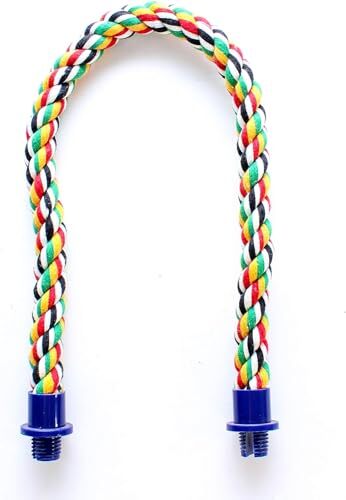 Bird Life Multicolored and Flexible Rope Perch – Create Fun, Colorful Curves$16.59View on eBay
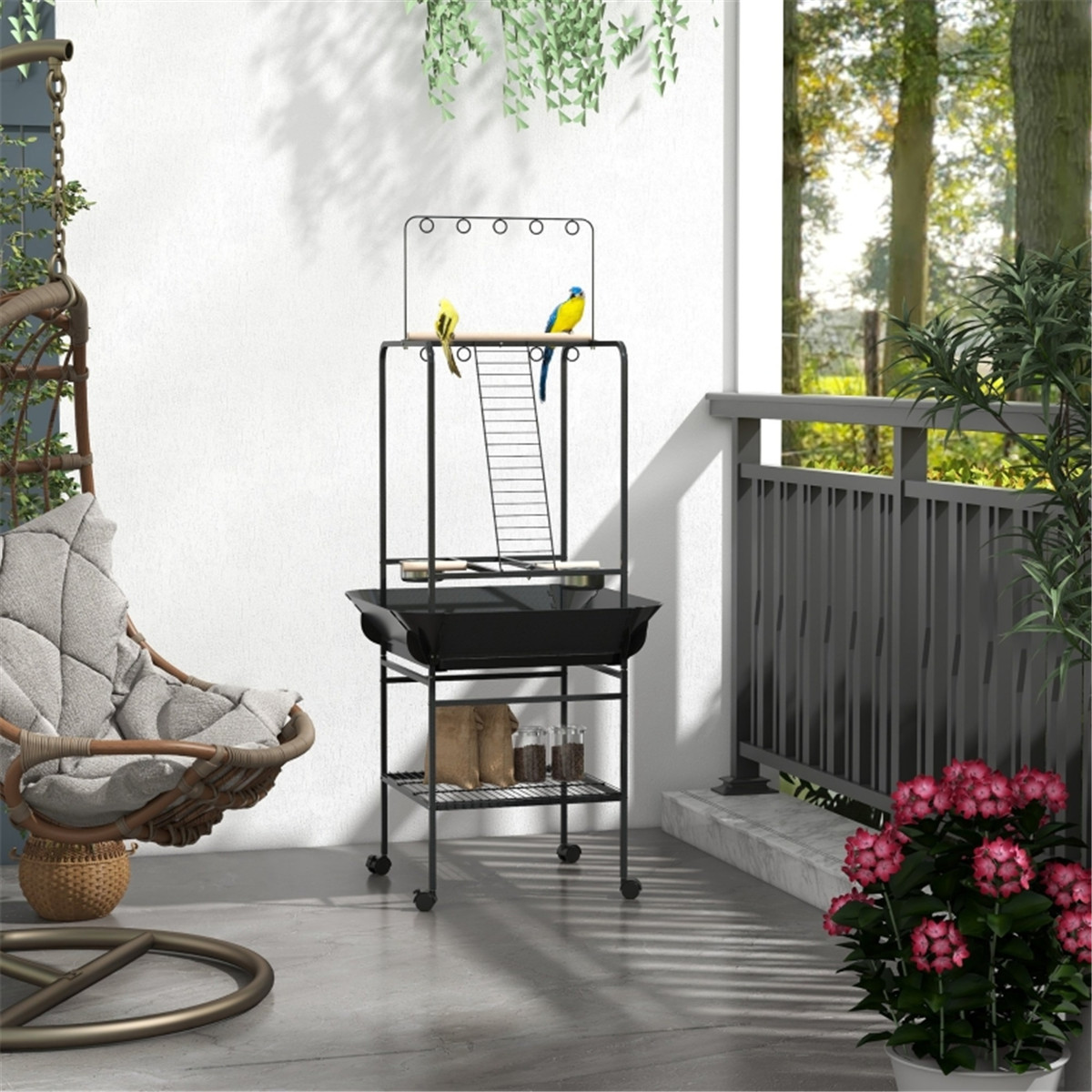 Bird Stand /Parrot Perch$214.99View on Mallflare
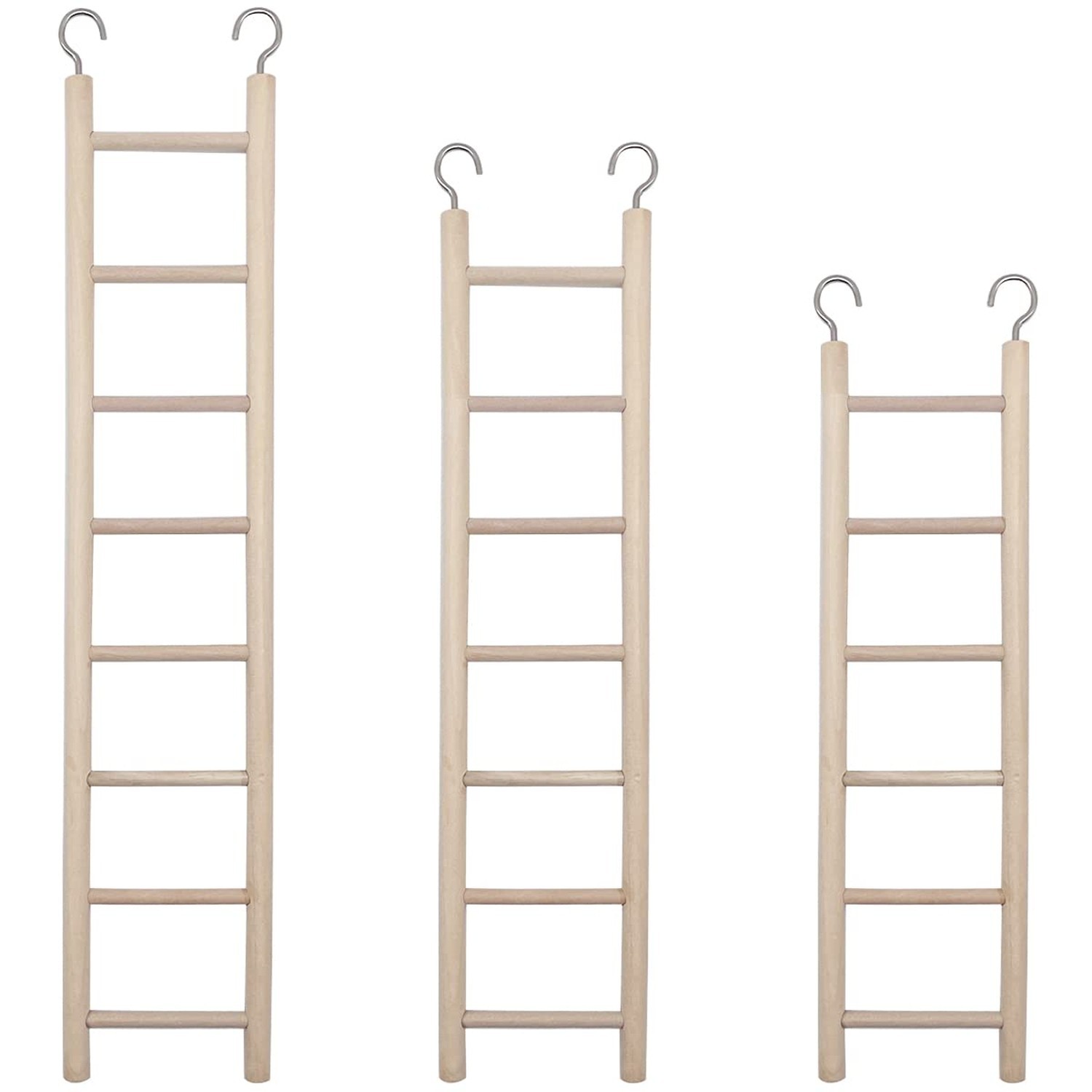 3pcs Natural Wooden Bird Ladder Birdie Basics Perch for Cage Parrots Parakeet...$18.64View on eBay
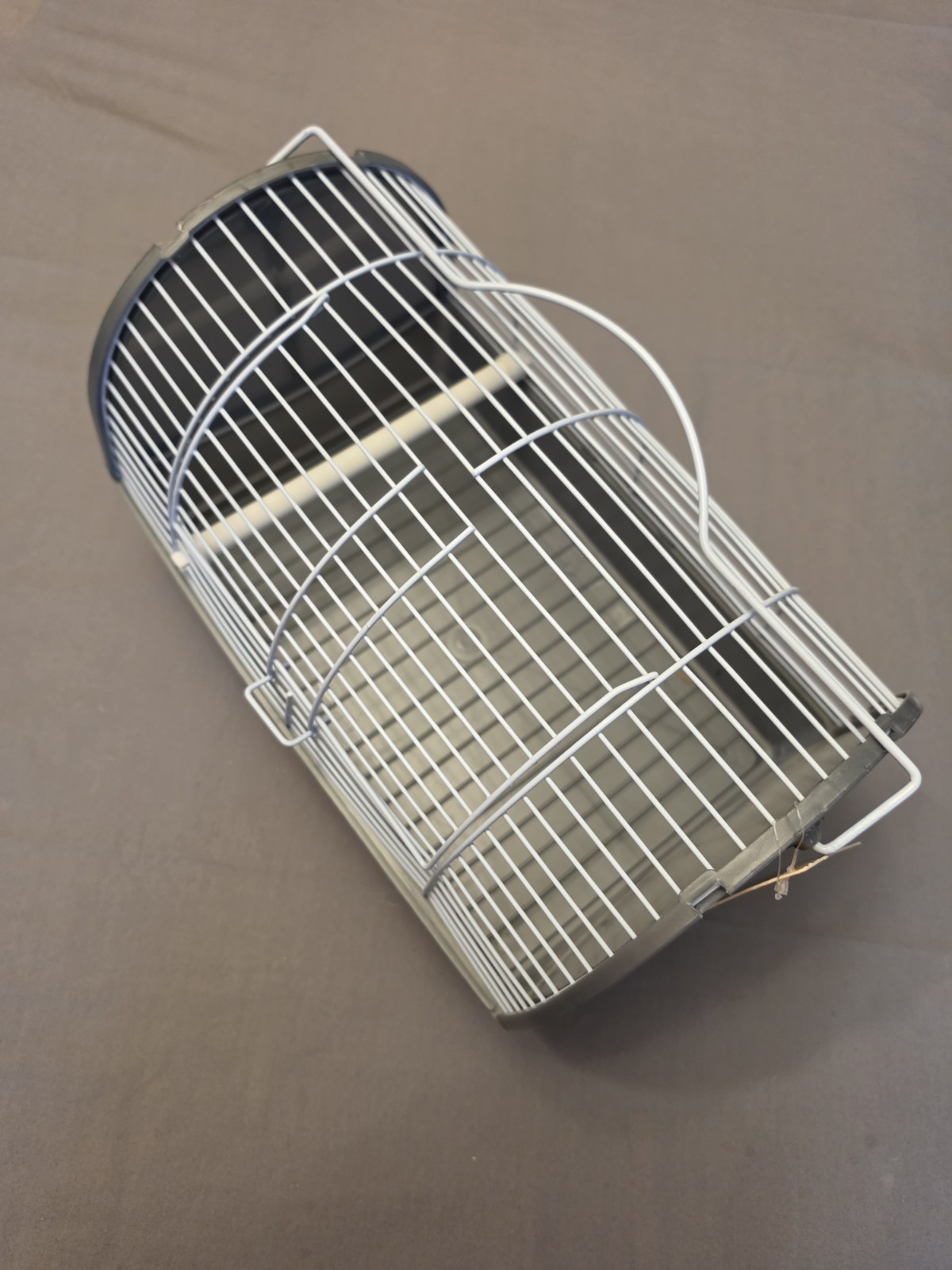 Petco Small Animal Bird Carrier Large Wire Cage Plastic Base Perch$24.99View on eBay
Highlights
- Natural hardwood branches with 1-2 inch diameter variation prevent pressure sores; uniform dowels under 3/4 inch cause chronic foot blemishes in parrots.
- Rope perches (1-1.5 inch cotton or sisal) flex and distribute weight, making them the best choice for aging, arthritic, or disabled birds.
- Platform and hammock perches reduce grip fatigue for heavy-bodied species like cockatiels and Senegal parrots but must be fleece or sisal-covered, not bare plastic.
- Play-stand perches with wheels and feed bowls convert a cage accessory into a supervised out-of-cage station; fixed cage perches should mount with wing nuts or metal brackets, never suction cups for birds over 100 g.
Best use cases
- Best fit: a single natural-wood perch spanning the cage's long axis plus one rope perch for sleep — covers 90% of daily foot exercise and grip variation for budgies, cockatiels, and conures.
- Best fit: a wheeled play stand with perches and bowls for owners who let medium parrots out daily — gives a landing zone, feeding station, and poop tray in one unit.
- Wrong fit: fabric hammocks and plastic platform swings as the only perch — they flatten grip and harbor mites; use them only as supplemental sleeping spots for bonded pairs.
- Wrong fit: thin dowel perches included with starter cages for large birds — replace immediately with 1.5-2 inch hardwood for African greys, amazons, and cockatoos.
Buying tips
- Match perch diameter to grip: budgies/finches 1/2-3/4 inch, cockatiels/conures 3/4-1 inch, greys/amazons 1-1.5 inch, macaws 1.5-2.5 inch; vary diameters along one perch to exercise feet.
- Choose kiln-dried natural hardwood (manzanita, dragonwood, java) over soft pine dowels; avoid cedar and pressure-treated wood, which off-gas aromatics toxic to birds.
- For cage mounting, buy perches with metal wing-nut or bolt brackets; suction-cup mounts fail above roughly 100 g body weight and in humid rooms.
- Rope perches should be cotton or sisal with galvanized or stainless end caps; check for loose loops — frayed cotton strands entangle toes and crop up in ingestion injuries.
Specs
| Perch Material | Natural hardwood / rope / dowel / plastic |
|---|---|
| Perch Diameter | 1/2 in (small) to 2.5 in (large) |
| Mount Type | Bolt bracket / clip / suction / freestanding |
| Bird Size Class | Small / medium / large parrot |
Related searches
What to check before buying
- Measure cage interior width and bar spacing: perch length should span wall to wall with 1-2 inches clearance so the bird can turn; bar spacing over 3/4 inch needs bolt-on brackets, not clip mounts.
- Confirm the perch diameter against your species' foot size (see buying tips) and buy at least two diameters for daily variety.
- For play stands, check floor space footprint plus wheel clearance and that the tray sits under the perch zone — seed hulls and droppings fall straight down.
- Verify perch material is bird-safe: untreated hardwood, stainless hardware, and dye-free cotton rope; skip painted or varnished surfaces that chip.
FAQ
Data sources: eBay / Amazon listings and product attribute feeds. Updated Nov 27, 2026.
Some links on this page are affiliate links. If you buy after clicking one, we may earn a commission at no extra cost to you. This does not change which products appear here or their order. Affiliate disclosure.