
Photos from current listings. Actual item, color, and included accessories may vary.
Bird House Buying Guide
A bird house is an outdoor nesting or roosting enclosure for wild birds, distinct from indoor cages and feeders. The core trade-off is between untreated natural wood (breathable, insulative, but perishable) and metal or plastic (durable and predator-resistant, but prone to heat buildup). The decision rule: buy untreated 3/4-inch rough-cut wood with a properly sized entrance hole and hinged clean-out access for nesting; skip decorative or metal-shell houses for summer nesting because they overheat.
Median $135.99
Key takeaways
- Entrance hole diameter is the primary species filter: 1-1/8 in for chickadees and wrens, 1-1/4 in for robins, 1-1/2 in for bluebirds and tree swallows, 2 in+ for larger cavity nesters.
- Untreated cedar, pine, or cypress at 3/4 in thickness provides insulation; pressure-treated lumber and paint inside the box are avoided because of chemical exposure to nestlings.
- Metal and plastic houses reach interior temperatures well above ambient in direct sun, making them suitable for shaded roosting or feeders but risky for summer nesting.
At a glance
- Category
- Bird & Small Animal Supplies
- Last updated
- Nov 27, 2026
Current offers
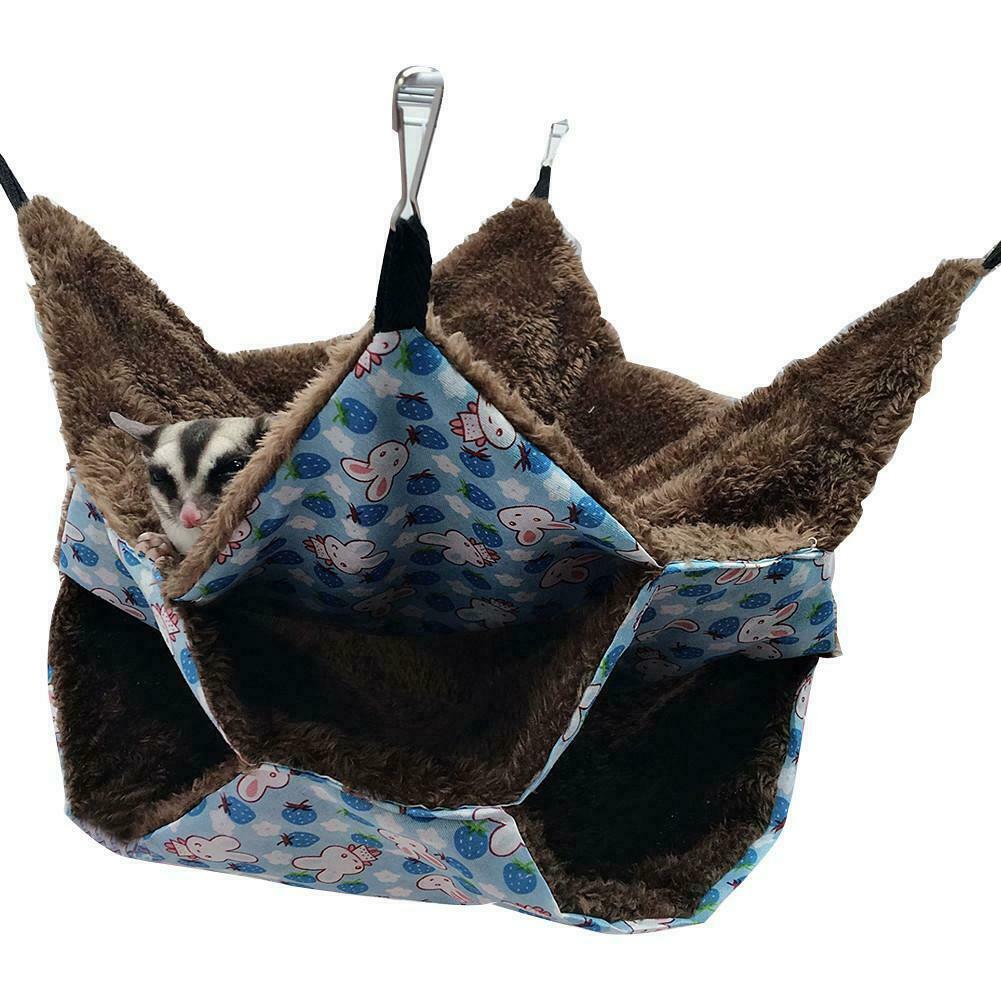 Pets Bird Hamster Ferret Rat Cat Squirrel Hammock Hanging Cage Nest Bed House$9.49View on eBay
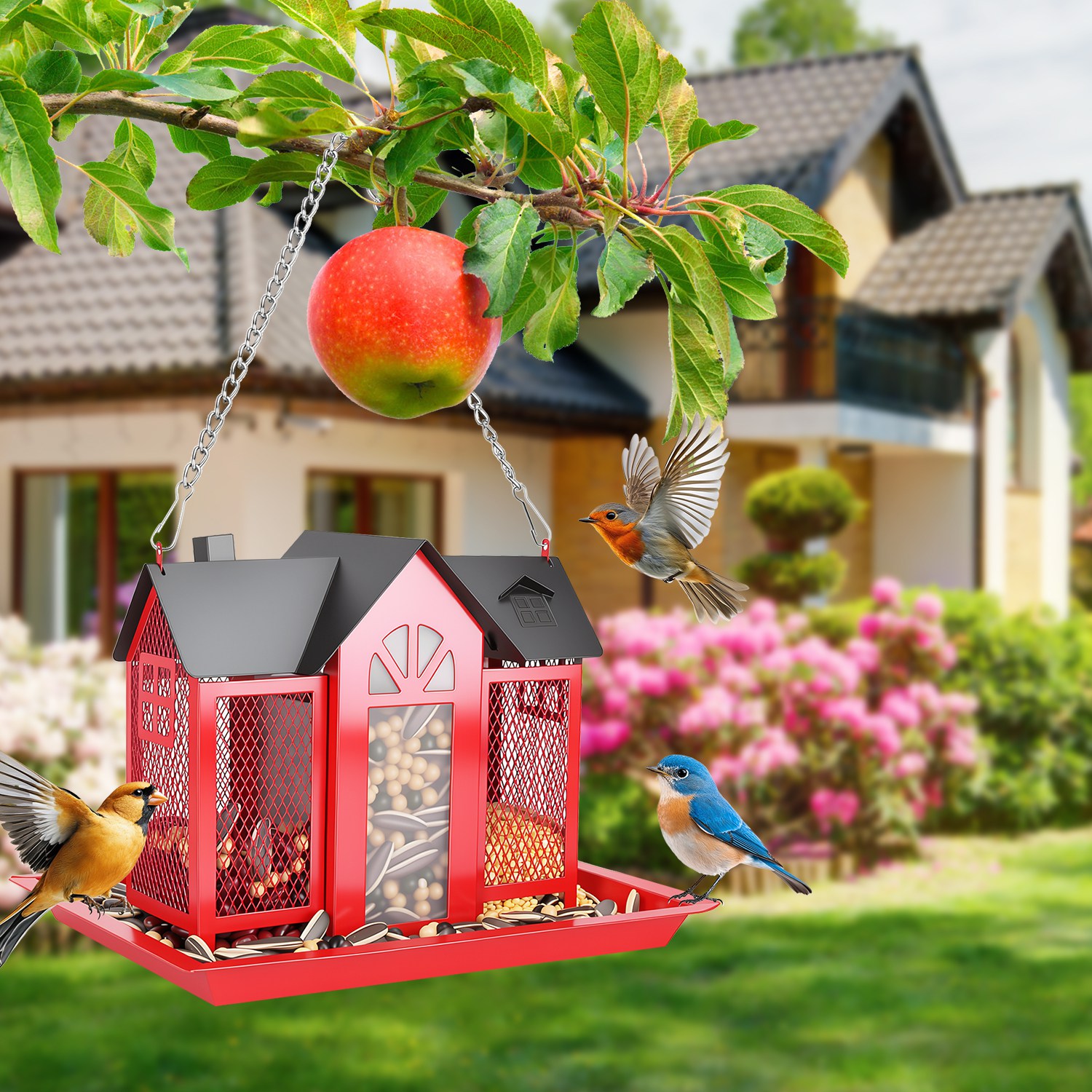 1Pc Metal Hanging Bird Feeder House Classic Barn Iron Outdoor With Visible Window And Lift Top Lid 15.75in Length Wild Birds Garden Yard$40.99View on Mallflare
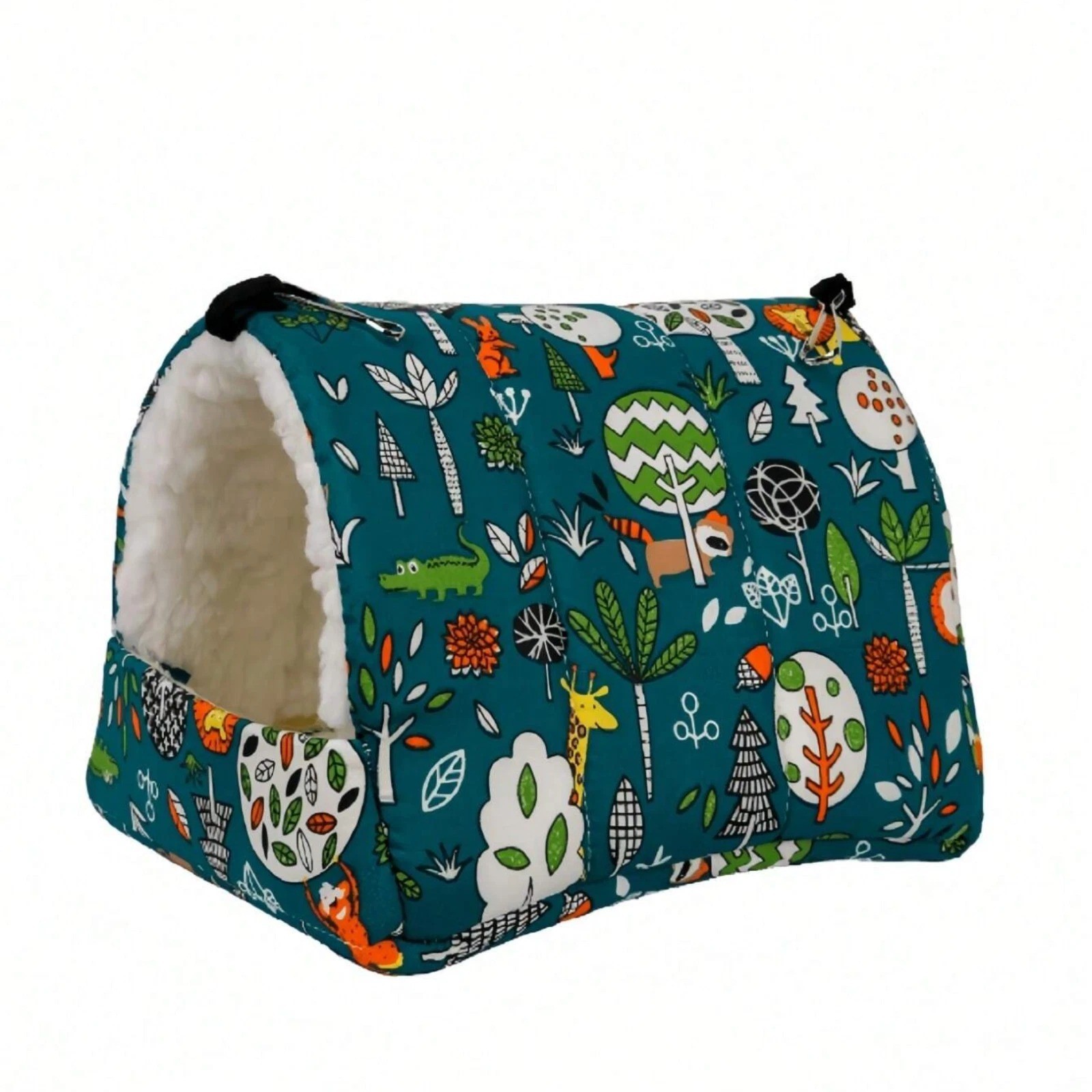 Bird Hammock Plush Nest Warm Hanging Cage Bed Cozy Bird House for Parrot$9.90View on eBay
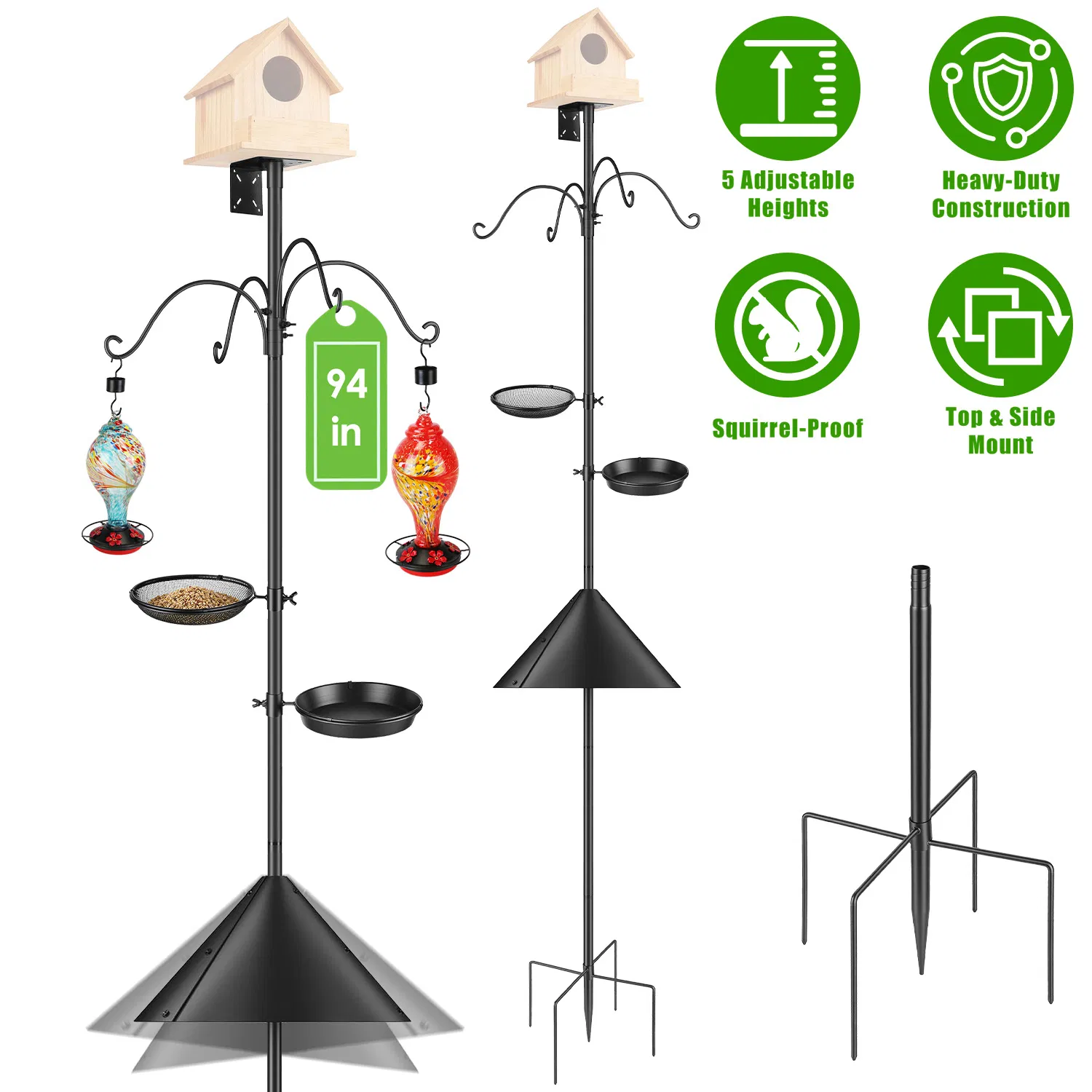 94Inch Squirrel Proof Bird Feeder Pole Heavy-Duty House Outdoor Feeding Station with 5 Adjustable Heights 4 Shepherd Hooks Top & Side Mount Brackets 5-Pronged Base$60.99View on Mallflare
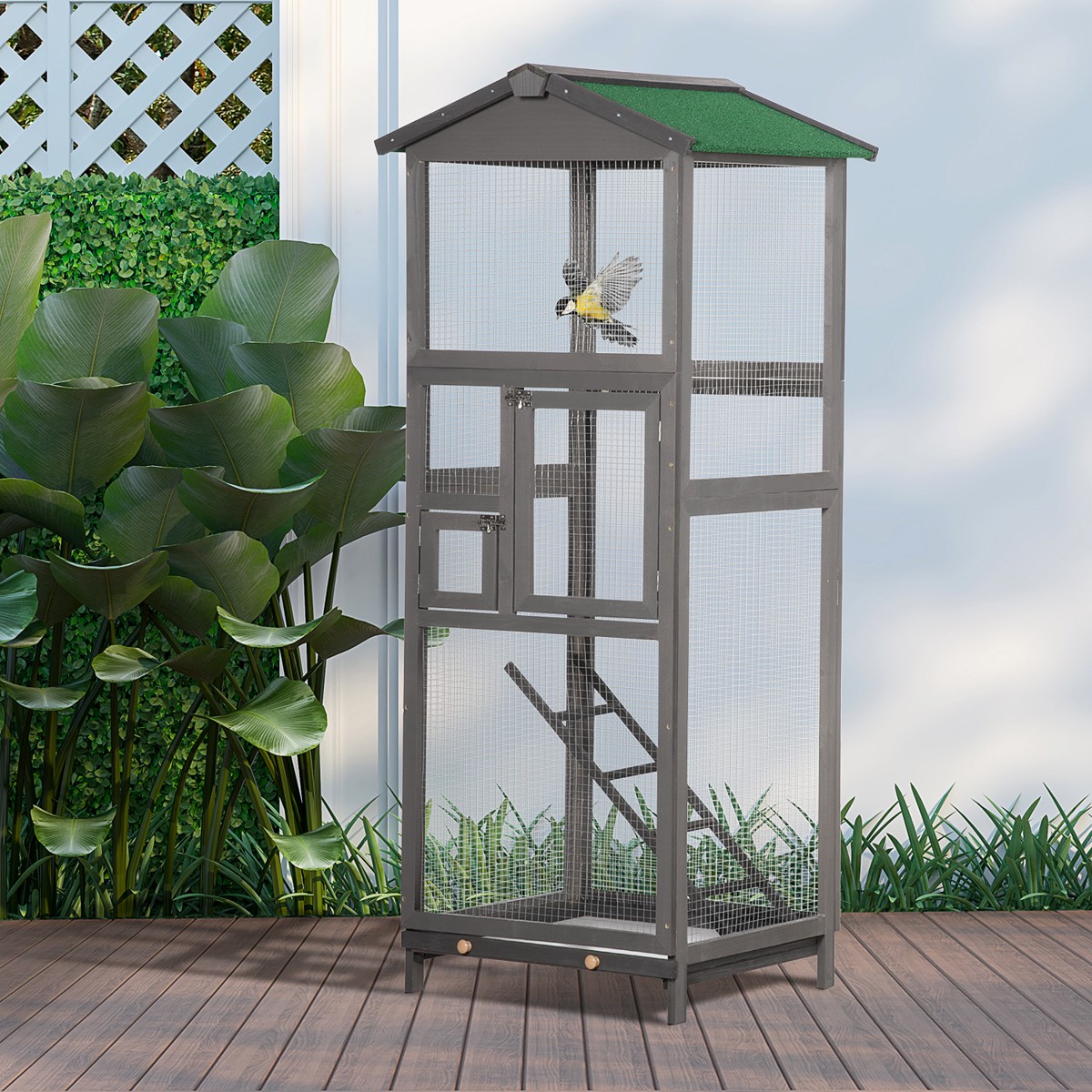 65" Wooden Bird Cage Outdoor Aviary House for Parrot, Parakeet, with Pull Out Tray and 2 Doors, Grey$135.99View on Mallflare
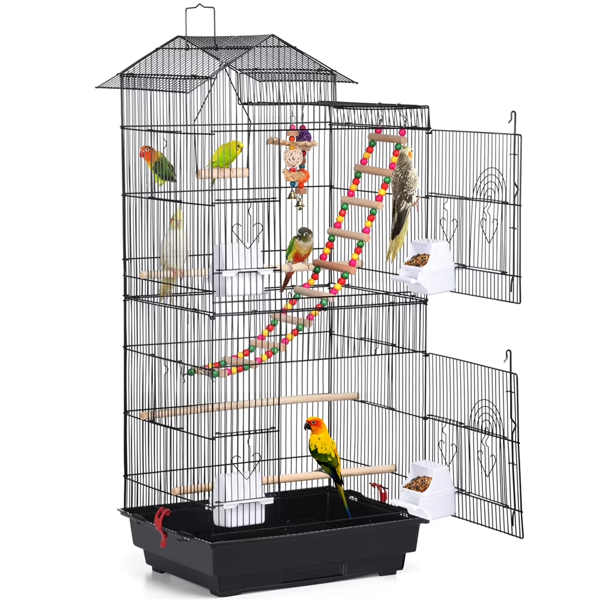 39inch H Metal Bird Cage Large Roof Top Huge House For Small Birds, Black$147.99View on Mallflare
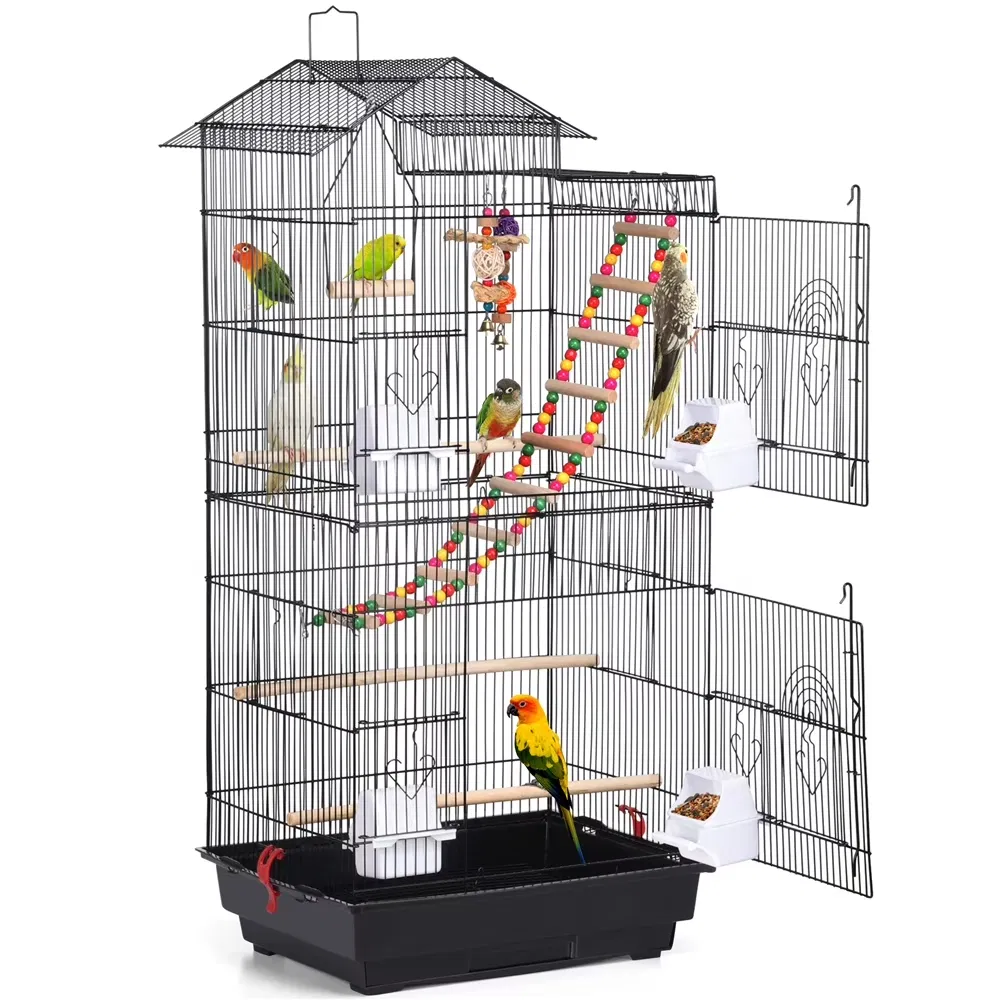 39"H Metal Bird Cage Large Roof Top Huge House for Small Birds, Black$154.99View on Mallflare
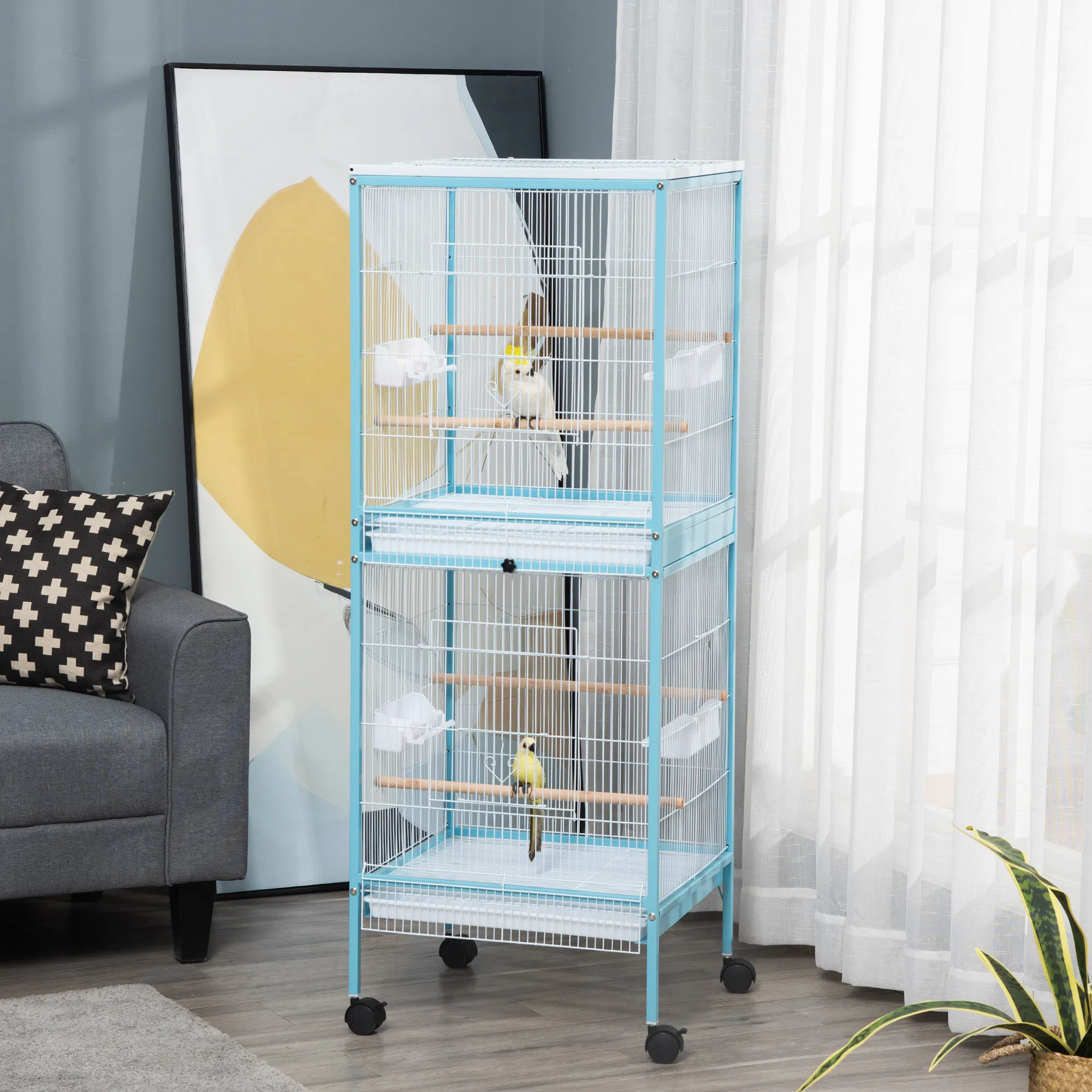 55" 2 In 1 Bird Cage Aviary Parakeet House for finches, budgies with Wheels, Light Blue$187.99View on Mallflare
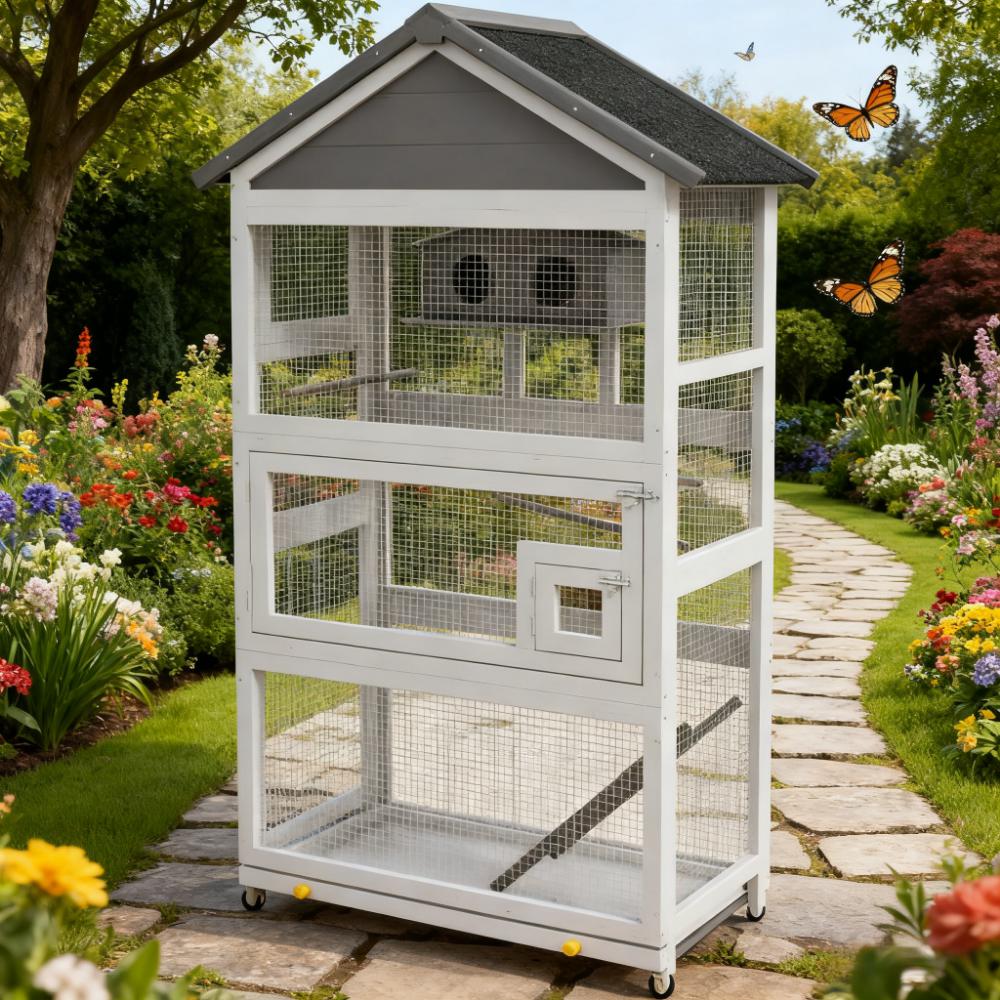 Spacious Bird House,Wooden Aviary with Slide-Out Tray, Birdhouse, Ladder, Perches$238.99View on Mallflare
Highlights
- Entrance hole diameter is the primary species filter: 1-1/8 in for chickadees and wrens, 1-1/4 in for robins, 1-1/2 in for bluebirds and tree swallows, 2 in+ for larger cavity nesters.
- Untreated cedar, pine, or cypress at 3/4 in thickness provides insulation; pressure-treated lumber and paint inside the box are avoided because of chemical exposure to nestlings.
- Metal and plastic houses reach interior temperatures well above ambient in direct sun, making them suitable for shaded roosting or feeders but risky for summer nesting.
- No exterior perch below the entrance reduces predation; hinged side or roof access is required for end-of-season cleaning, which is mandatory for reuse.
Best use cases
- Best fit: a robin or bluebird box mounted 5-10 ft up on a pole with a 1-1/4 to 1-1/2 in hole and a predator guard; skip decorative gourd-shaped houses with undersized holes if you want actual nesting.
- Best fit: an untreated wood box with a hinged panel for a backyard nesting trail; skip metal barn-style houses for summer nesting in full sun because interiors exceed safe nest temperatures.
- Best fit: an indoor plush hanging nest for parrots or small pets as a sleeping hut; skip outdoor wild-bird houses for indoor cage use because untreated wood and drainage gaps are not cage-safe.
- Best fit: a squirrel-proof pole system with a metal feeder house for year-round feeding; skip nesting boxes if your goal is feeding, since feeder ports and nest cavities serve different purposes.
Buying tips
- Match hole size to species: 1-1/8 in excludes starlings and sparrows for chickadees and wrens; 1-1/2 in suits bluebirds; 2 in or larger is for flickers and kestrels.
- Mount 5-10 ft above ground facing north or east to avoid afternoon heat and prevailing rain, with 1/4 in drainage holes in the floor and ventilation gaps under the roof.
- Use untreated 3/4 in cedar or pine; avoid pressure-treated wood, exterior paint inside, and metal shells for nesting cavities.
- Space boxes 50-100 yards apart for bluebirds and 20-30 ft for chickadees to prevent territorial conflicts, and add a predator guard or baffle on the pole.
Specs
| Entrance Hole | 1-1/8 to 2 in by species |
|---|---|
| Material | Untreated wood / metal / plastic |
| Mounting Height | 5-10 ft on pole or post |
| Clean-Out Access | Hinged side or roof panel |
Related searches
What to check before buying
- Measure your mounting point: pole or post height of 5-10 ft, clear flight path to the entrance, and 1/4 in floor drainage holes present.
- Confirm your climate: metal and plastic houses only in shaded or mild-summer locations; untreated wood in full sun.
- Check the entrance hole diameter against your target species and confirm a hinged clean-out door and no exterior perch.
- Verify mounting hardware: a pole bracket or backplate is included or available, and the box has ventilation gaps at the roof line.
FAQ
Data sources: eBay / Amazon listings and product attribute feeds. Updated Nov 27, 2026.
Some links on this page are affiliate links. If you buy after clicking one, we may earn a commission at no extra cost to you. This does not change which products appear here or their order. Affiliate disclosure.