
Photos from current listings. Actual item, color, and included accessories may vary.
Bird Food Buying Guide
Bird food spans formulated pellets, seed mixes, and species-specific diets, where the core trade-off is complete nutrition versus palatability and cost. Pellets deliver measured vitamins and minerals, while seed mixes appeal to picky eaters but encourage selective feeding and deficiency. The decision rule: buy a species- and size-appropriate formulated diet as the base, and treat seed or treats as a minority supplement, not the staple.
Median $41.99
Key takeaways
- Pellet size is matched to beak size: mini for budgies, lovebirds, and cockatiels; medium for conures, African greys, and small macaws. Wrong size causes waste or inability to eat.
- Formulated pellets are extrusion-cooked to fix vitamins and prevent selective eating; seed mixes let birds discard fortified kernels and skew intake.
- Species-specific diets matter: insectivore pellets for hedgehogs and sugar gliders differ from parrot maintenance pellets in protein and fat ratios.
At a glance
- Category
- Bird & Small Animal Supplies
- Last updated
- Nov 27, 2026
Current offers
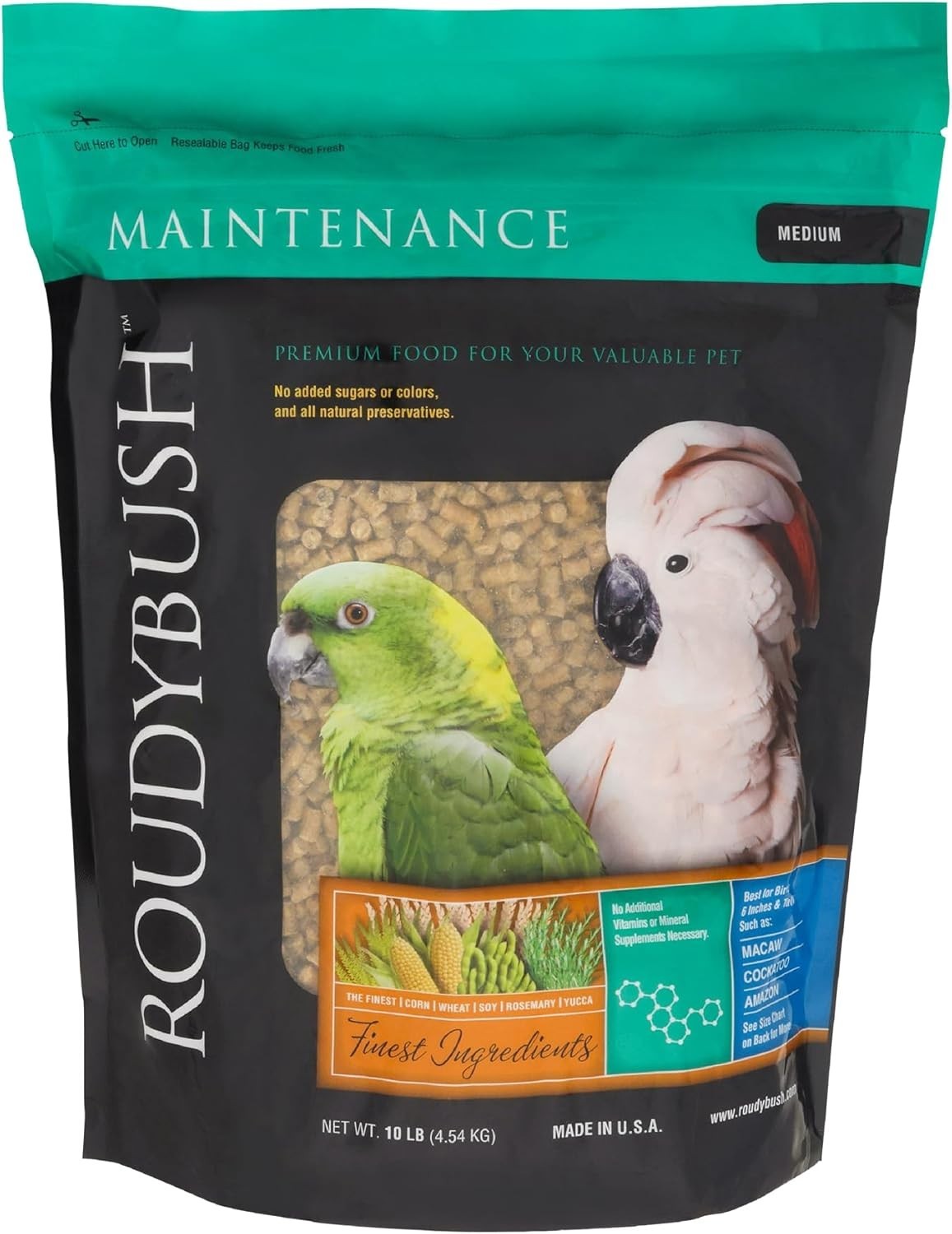 RoudyBush Daily Maintenance Bird Food, Medium, 10-Pound$36.00Last checked Nov 19, 2026View on eBay
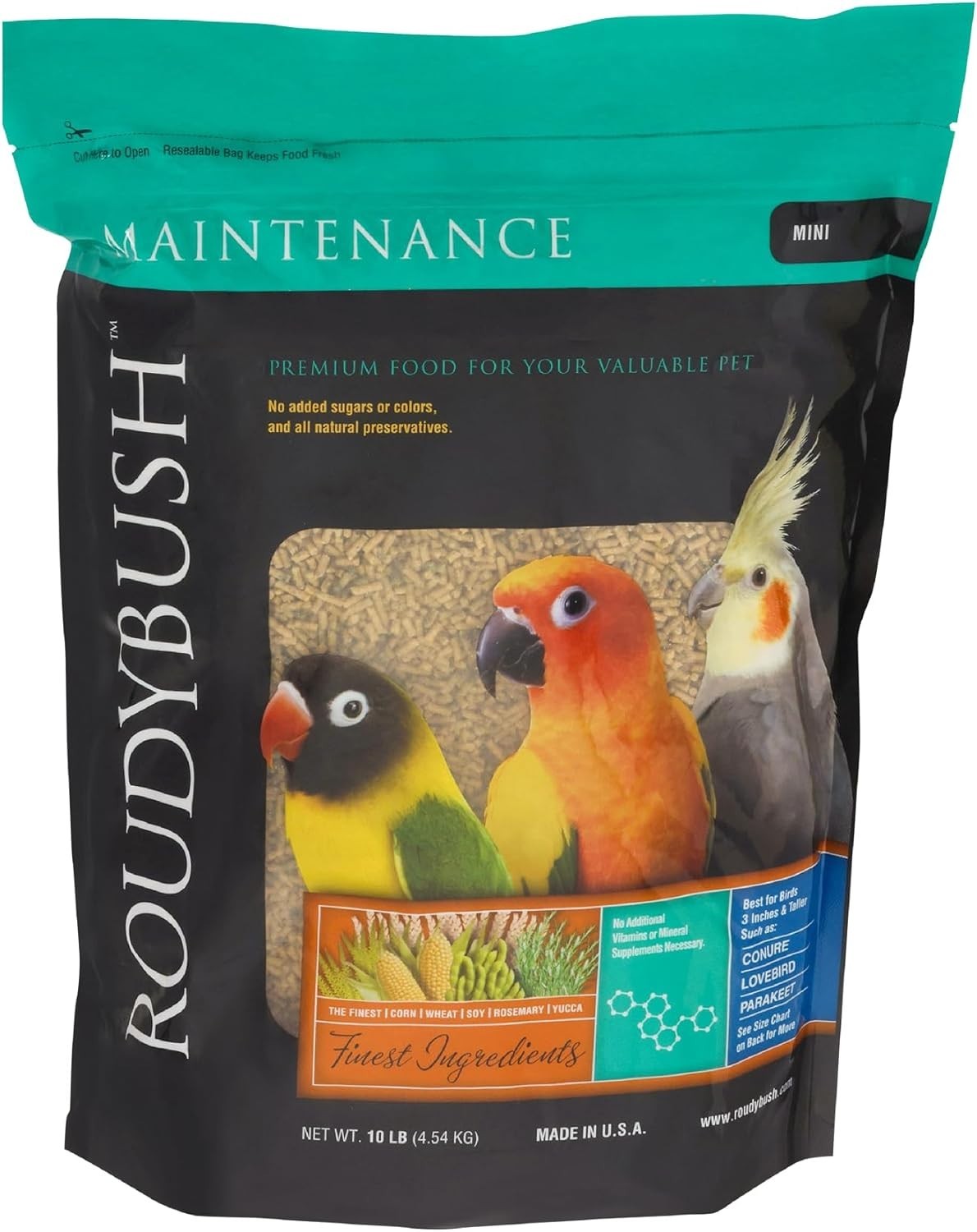 RoudyBush Daily Maintenance Bird Food, Mini, 10-Pound$36.00Last checked Nov 19, 2026View on eBay
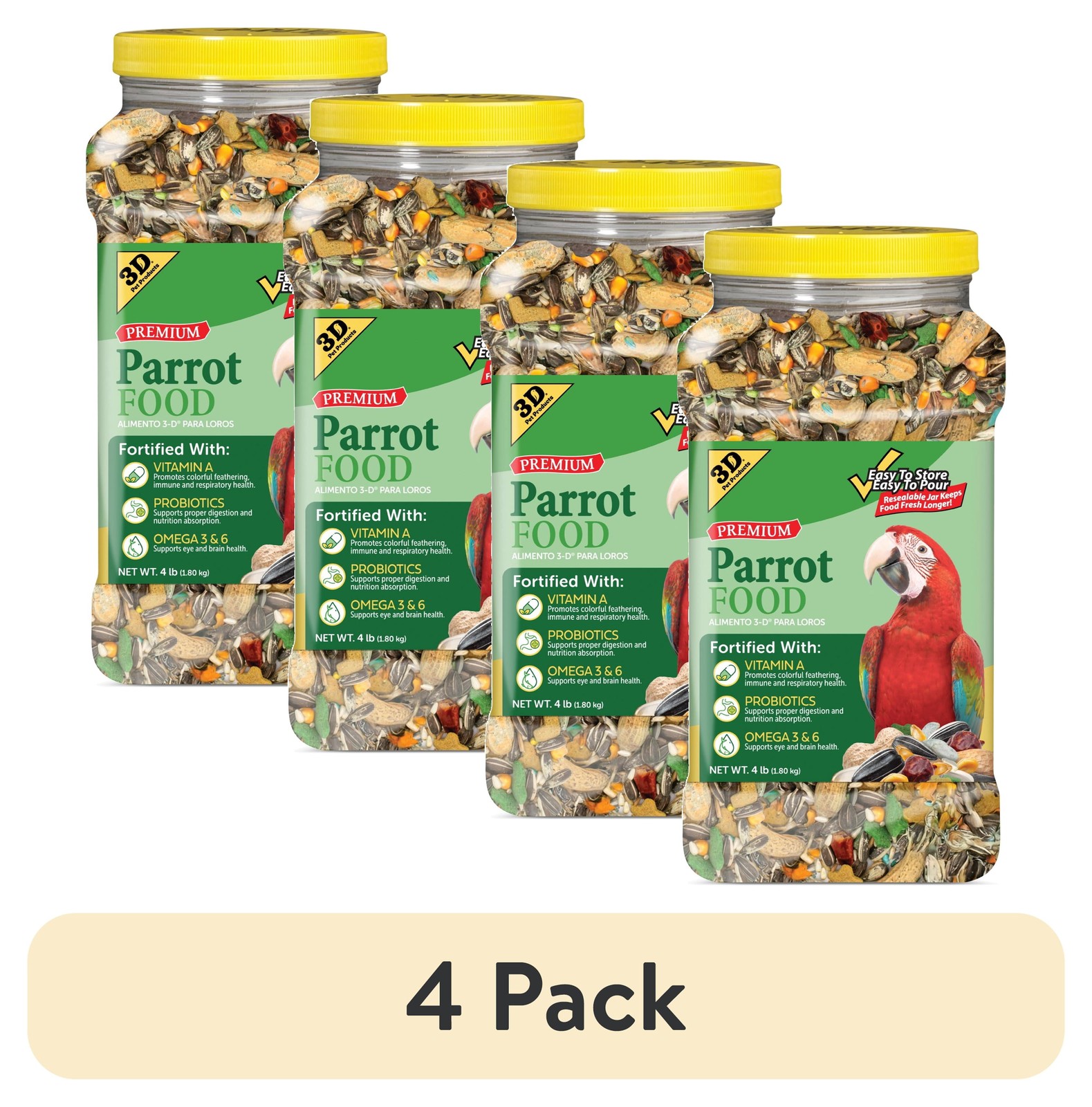 (4pack)Parrot Seed Bird Food,4 lb. Stay‑Fresh Jar Daily Pet Bird Staple Supplies$47.98View on eBay
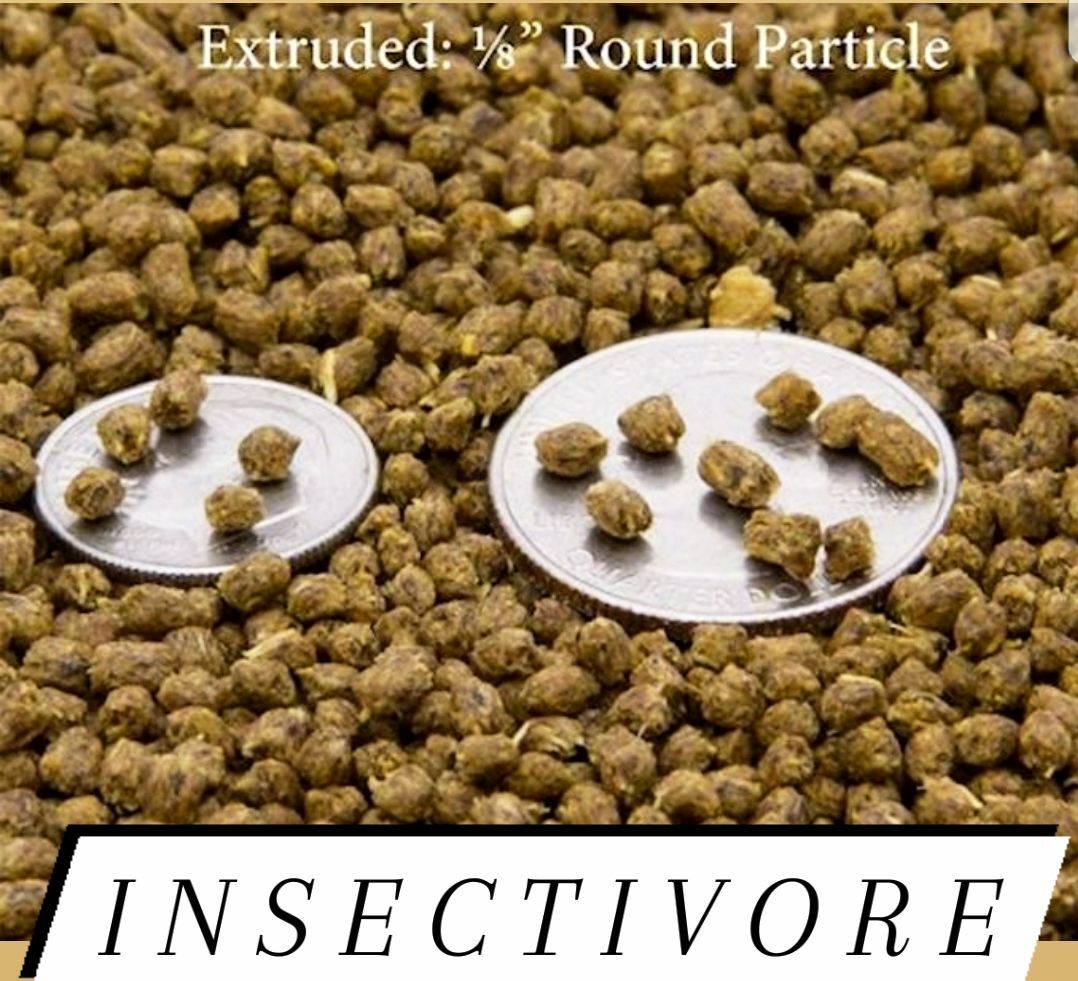 Insectivore Food Hedgehog Sugar Glider Bird Dragon pellet Treat Choose Size!!!$64.99View on eBay
Highlights
- Pellet size is matched to beak size: mini for budgies, lovebirds, and cockatiels; medium for conures, African greys, and small macaws. Wrong size causes waste or inability to eat.
- Formulated pellets are extrusion-cooked to fix vitamins and prevent selective eating; seed mixes let birds discard fortified kernels and skew intake.
- Species-specific diets matter: insectivore pellets for hedgehogs and sugar gliders differ from parrot maintenance pellets in protein and fat ratios.
- Shelf life depends on packaging: sealed stay-fresh jars and oxygen-barrier bags preserve vitamin potency longer than open bulk bins.
Best use cases
- Best fit: a budgie, cockatiel, or lovebird owner starting a conversion—choose mini-size maintenance pellets in a sealed 10-pound bag and transition gradually over two to three weeks.
- Best fit: a conure, African grey, or macaw owner—choose medium or large pellets and use seed only as training treats to prevent selective feeding.
- Wrong fit: feeding a parrot a seed-only diet as the staple; seed mixes are high-fat and let birds pick out fortified pieces, leading to deficiencies.
- Wrong fit: feeding insectivore pellets intended for hedgehogs or sugar gliders to a parrot; protein and fat levels are formulated for different species.
Buying tips
- Match pellet diameter to beak: mini pellets suit budgies and cockatiels, medium suits conures and greys, large suits macaws; oversized pellets cause waste and underfeeding.
- For a single small bird, a 10-pound bag lasts about 3-4 months; buy sealed bags and store in an airtight container away from heat and light to preserve vitamins.
- Check the guaranteed analysis: maintenance diets typically run 14-16% protein and 4-6% fat; higher-fat formulas are for breeding or recovery, not daily maintenance.
- Transition from seed to pellets over 2-3 weeks by mixing increasing pellet ratios; abrupt swaps cause hunger strikes and food refusal.
Specs
| Diet Type | Formulated pellets / seed / insectivore |
|---|---|
| Pellet Size | Mini / medium / large by beak size |
| Guaranteed Protein | 14-16% maintenance; higher for breeding |
| Packaging | Sealed bag or stay-fresh jar |
What to check before buying
- Confirm your bird's species and beak size to select the correct pellet diameter (mini, medium, or large).
- Measure your bird's daily intake: a small parrot eats roughly 1/8 to 1/4 cup of pellets per day; plan bag size accordingly.
- Verify the bag is sealed and within its freshness date; opened bulk bins lose vitamin potency faster.
- Store food in an airtight container below 75°F and away from sunlight; heat and humidity degrade vitamins.
FAQ
Data sources: eBay / Amazon listings and product attribute feeds. Updated Nov 27, 2026.
Some links on this page are affiliate links. If you buy after clicking one, we may earn a commission at no extra cost to you. This does not change which products appear here or their order. Affiliate disclosure.